Category Archives: cities

Martha’s Vineyard

My blogging output has slowed to a crawl in Massachusetts – after spending the days seeing things, I  spend the evenings talking with old friends.  But I will make an effort to not fall further behind, and  so start off with Martha’s Vineyard.

The Vineyard has always been one of my favorite places, ever since visiting for the first time as a kid. What I always found most appealing was the incredible variety of towns and landscapes, each of which is beautiful in its own right, with the particularity of each heightened by the contrast with the others.  I think I’m especially susceptible to the qualities of the Vineyard from having gone there when I was young (when everything seems magical) and having returned from time to time, with each of these trips being memorable in its own way.  As we now spend our summers on a very different island in Washington, I wanted Greta to see what a New England island is like, how different and how similar. We spent a couple of days there with Jenny Young, our colleague and good friend from Eugene.

Arriving in Vineyard Haven, with a line-up of stellar boats behind the breakwater.  I’m used to the fine wooden boats in Port Townsend, but I had forgotten what a harbor full of classic boats in New England can look like.DSCF2978

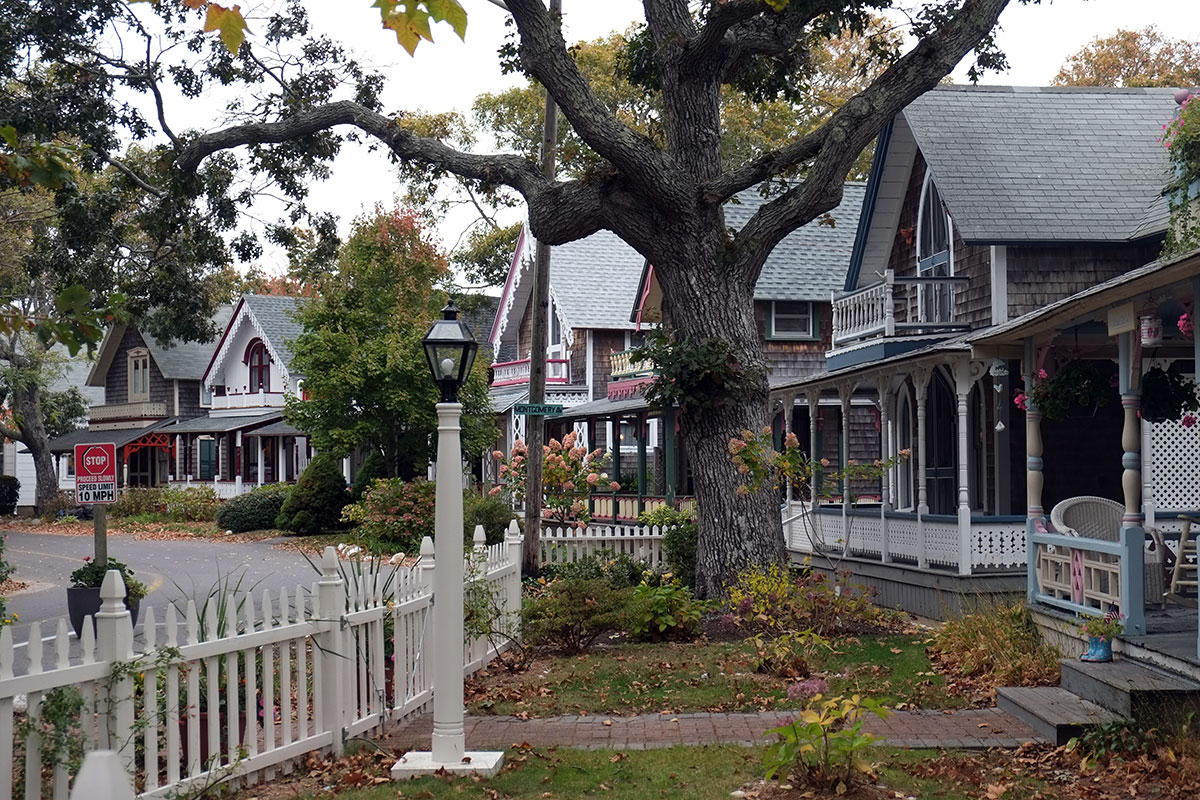
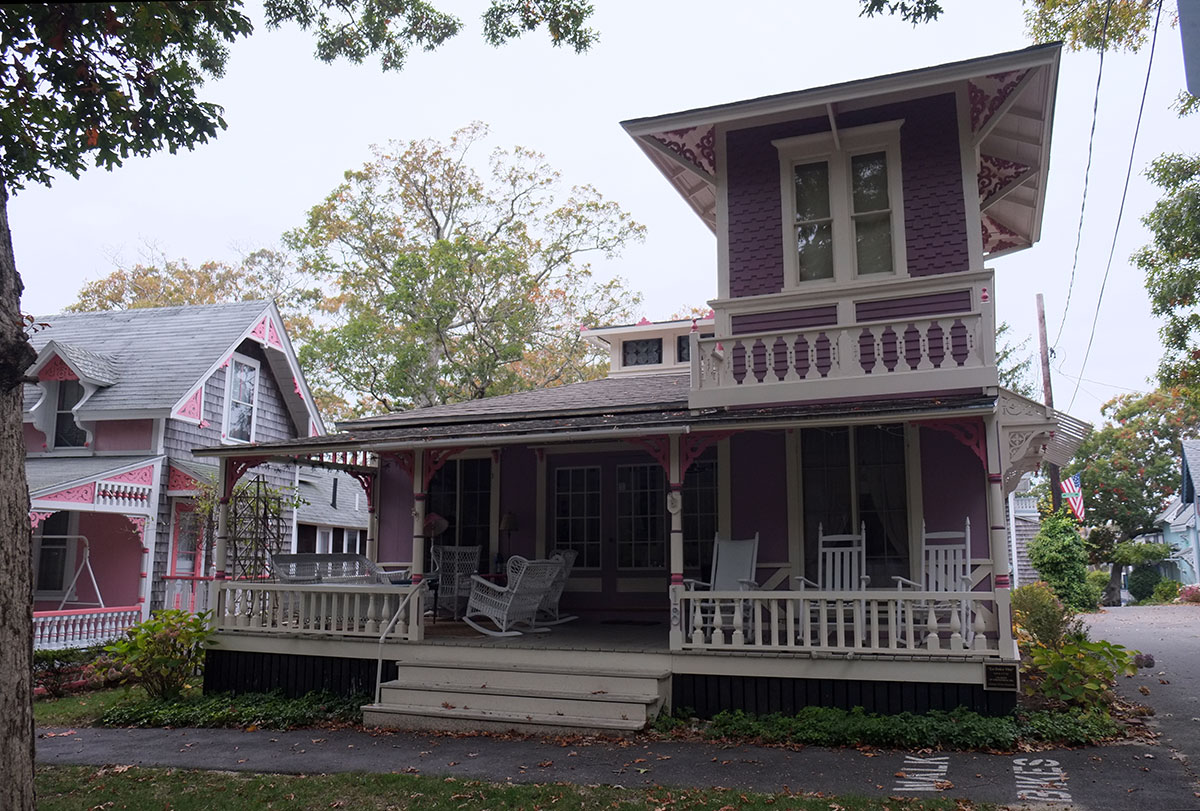
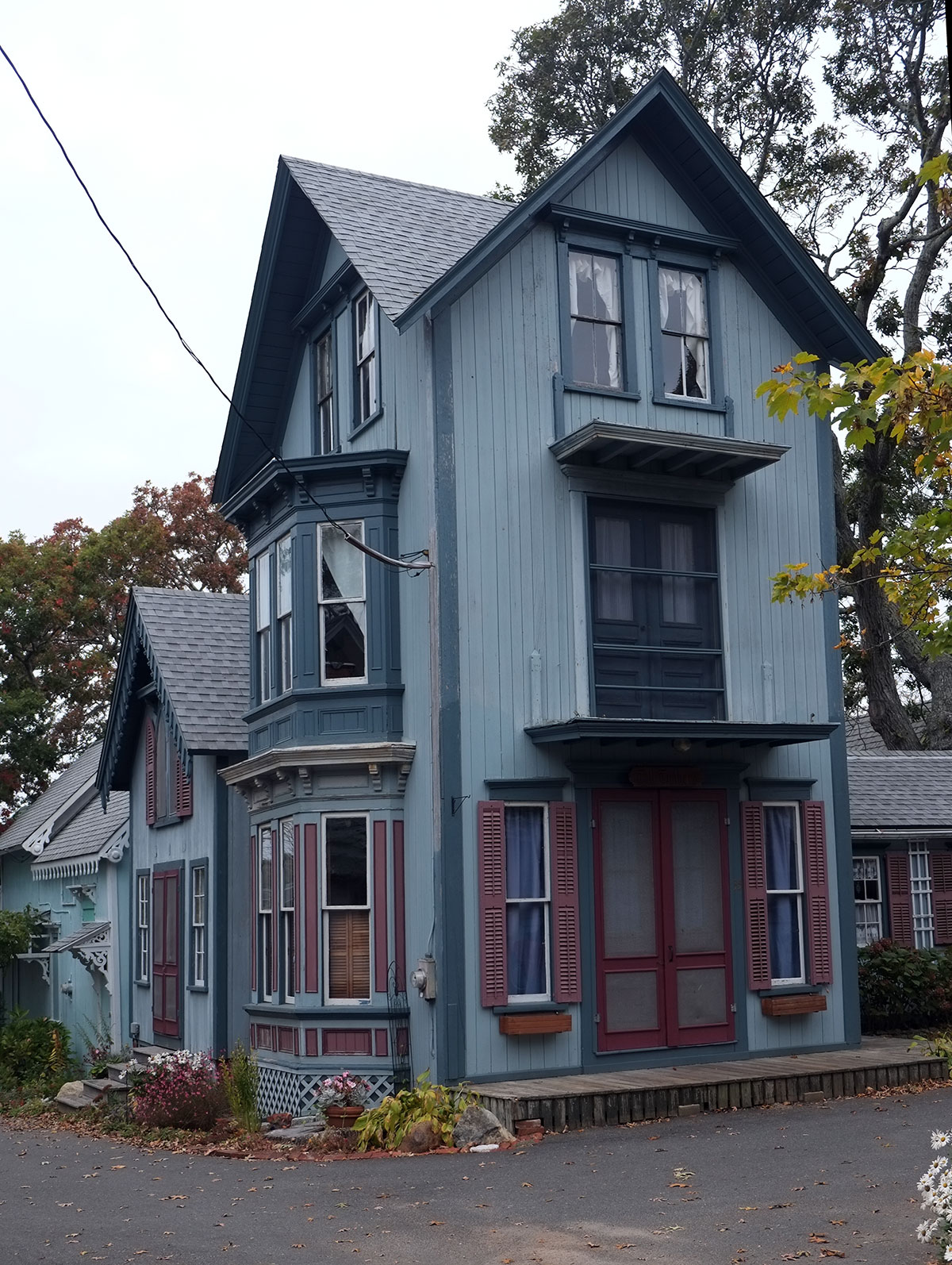
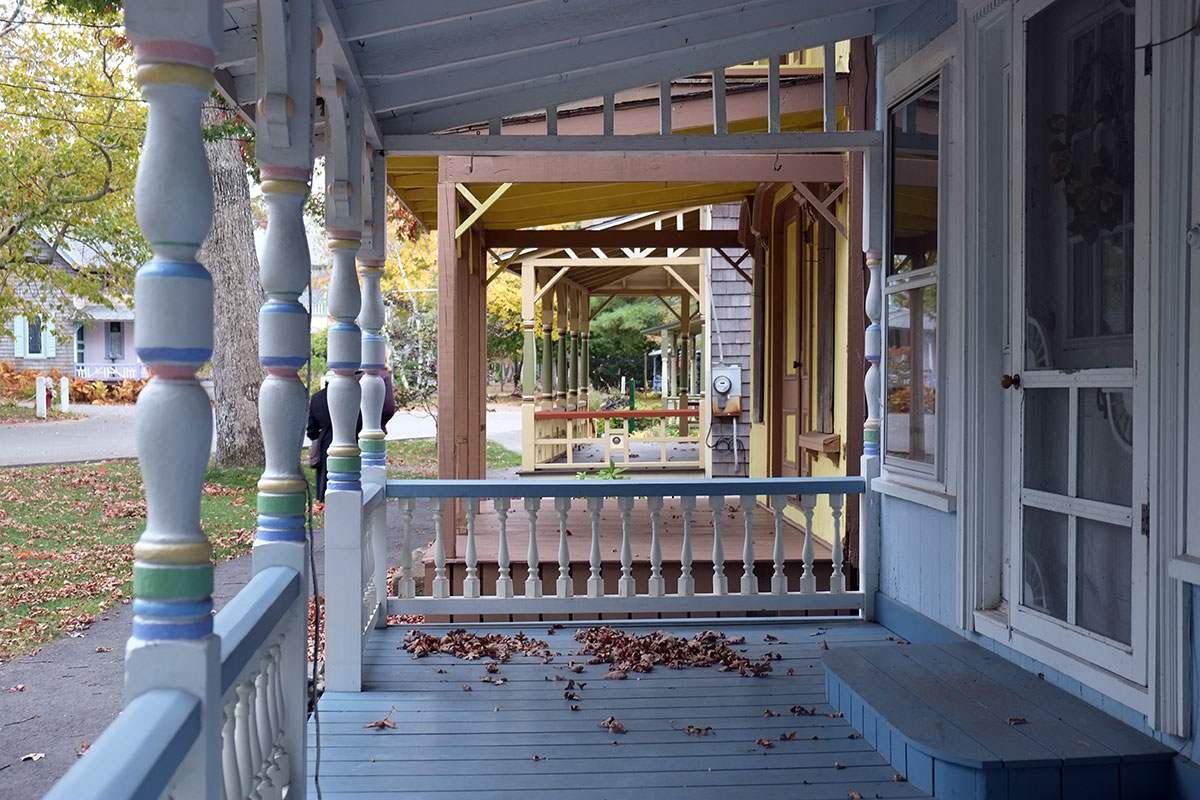
Oak Bluffs is home to an array of crazy small cottages, built around the Methodist revival campground area.  DSCF2987 DSCF2997 DSCF3001 DSCF3003 DSCF3031

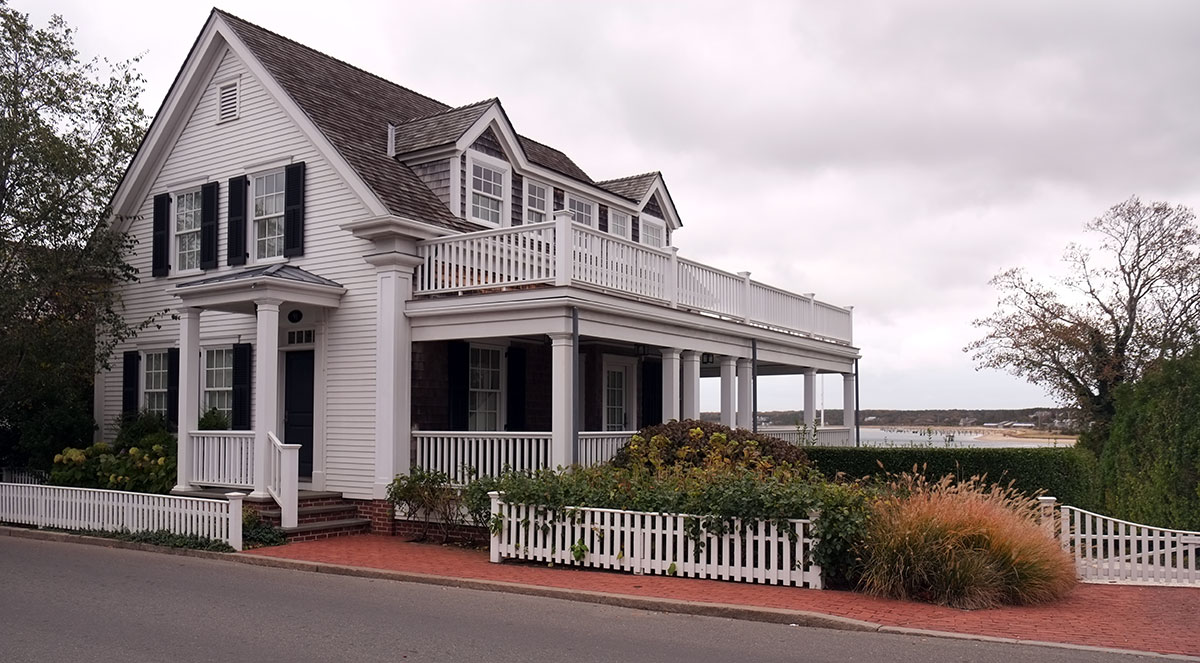
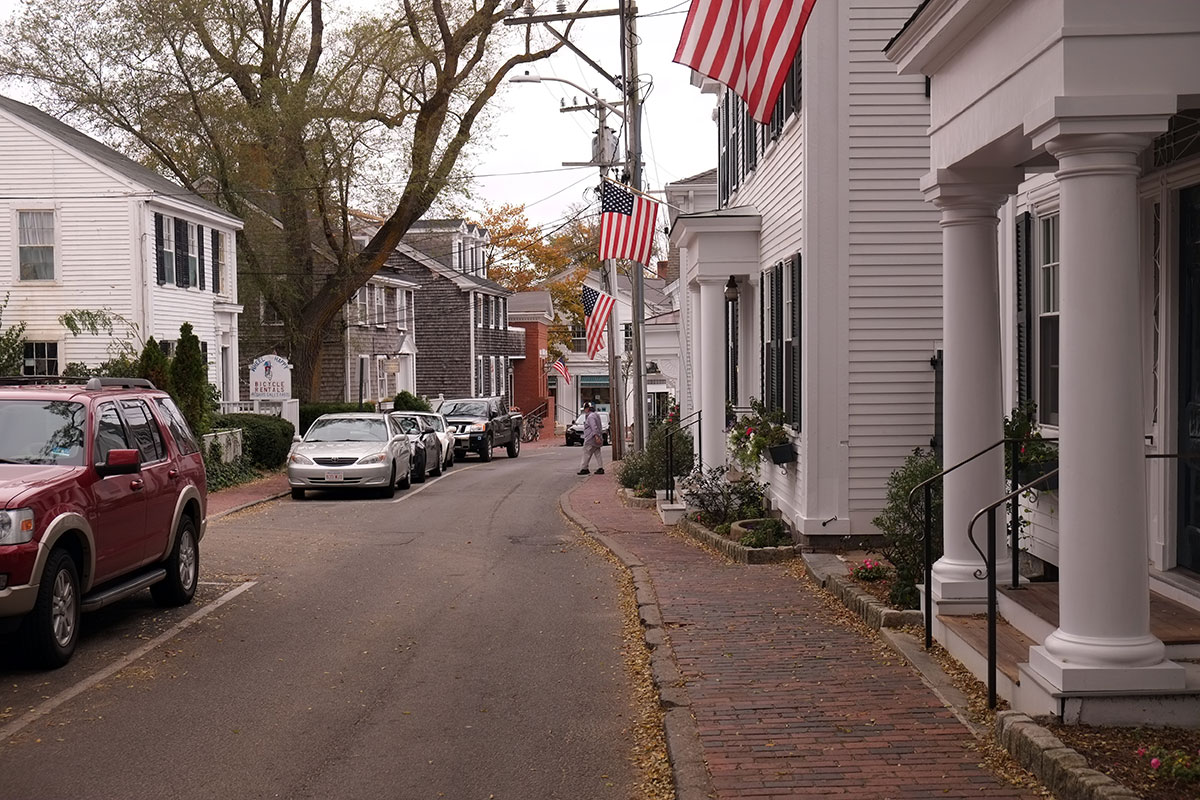
Edgartown, with its houses of whaling ship captains and small streets.  It is a beautiful town that hasn’t changed much, except for the price of real estate, having been discovered by the absurdly rich a while back, who have displaced the merely affluent.  After traveling across the country and getting used to the crazy juxtapositions of the built landscape, the consistency and quality of the town is a shock.  DSCF3094

DSCF3112

South Water Street

South Water Street

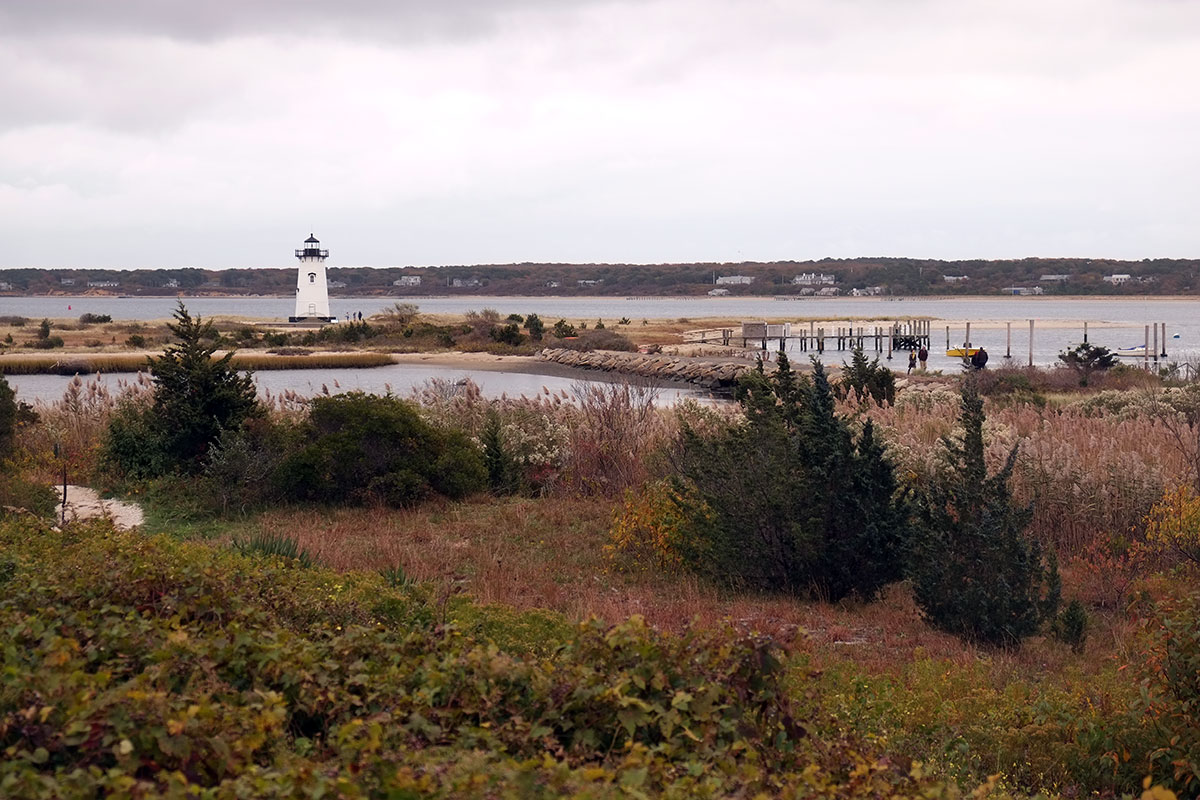
the lighthouse at the entrance to the harbor, where I learned to sail many decades ago

the lighthouse at the entrance to the harbor, where I learned to sail many decades ago

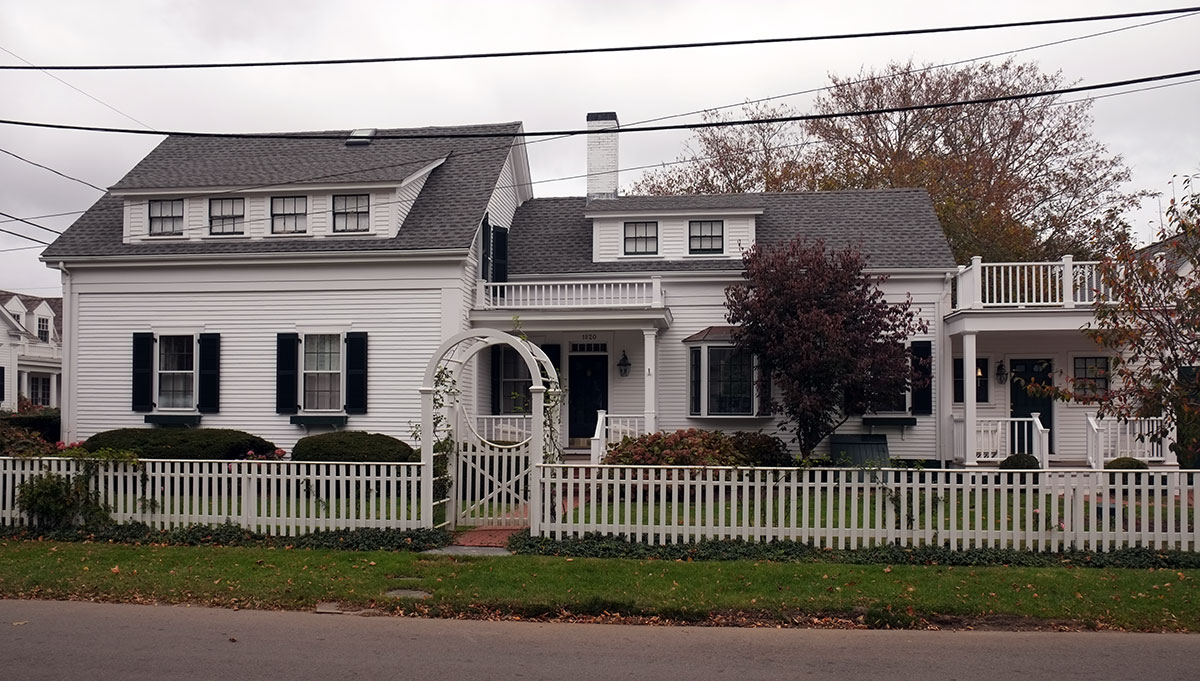
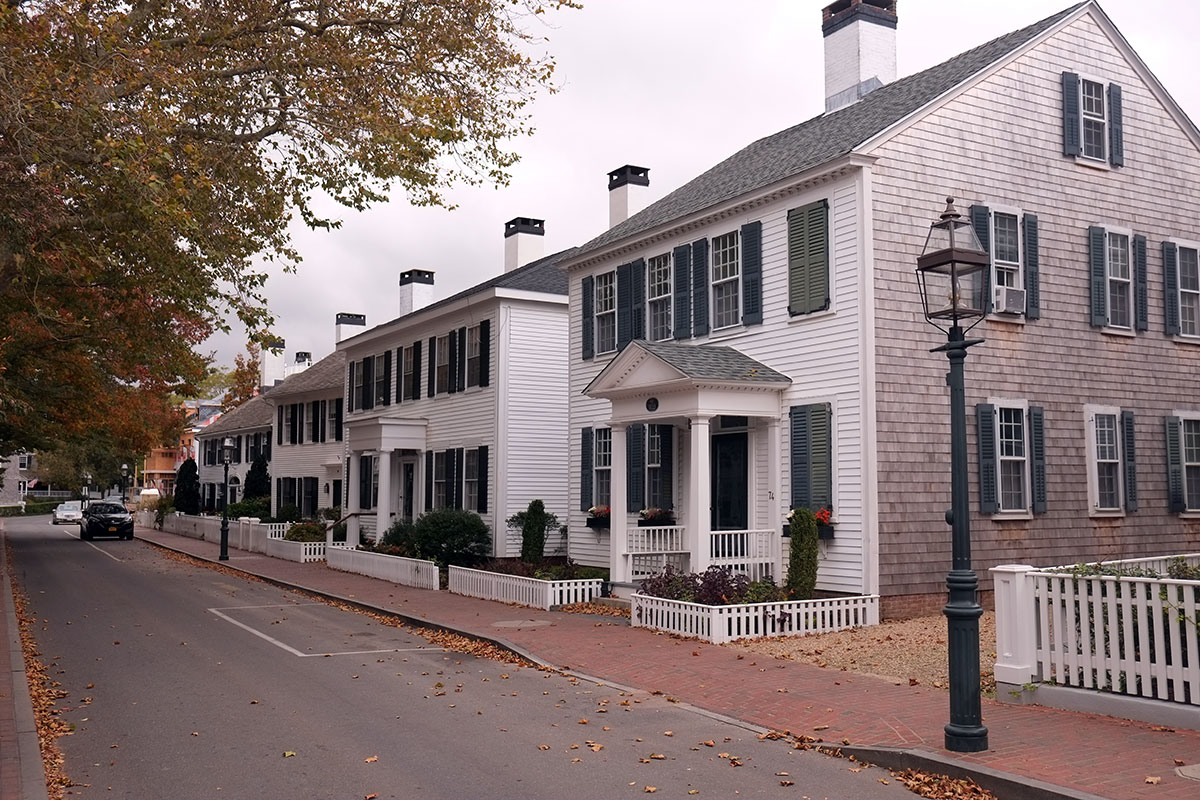
North Water St., with its array of captain's houses

North Water St., with its array of captain’s houses

DSCF3086

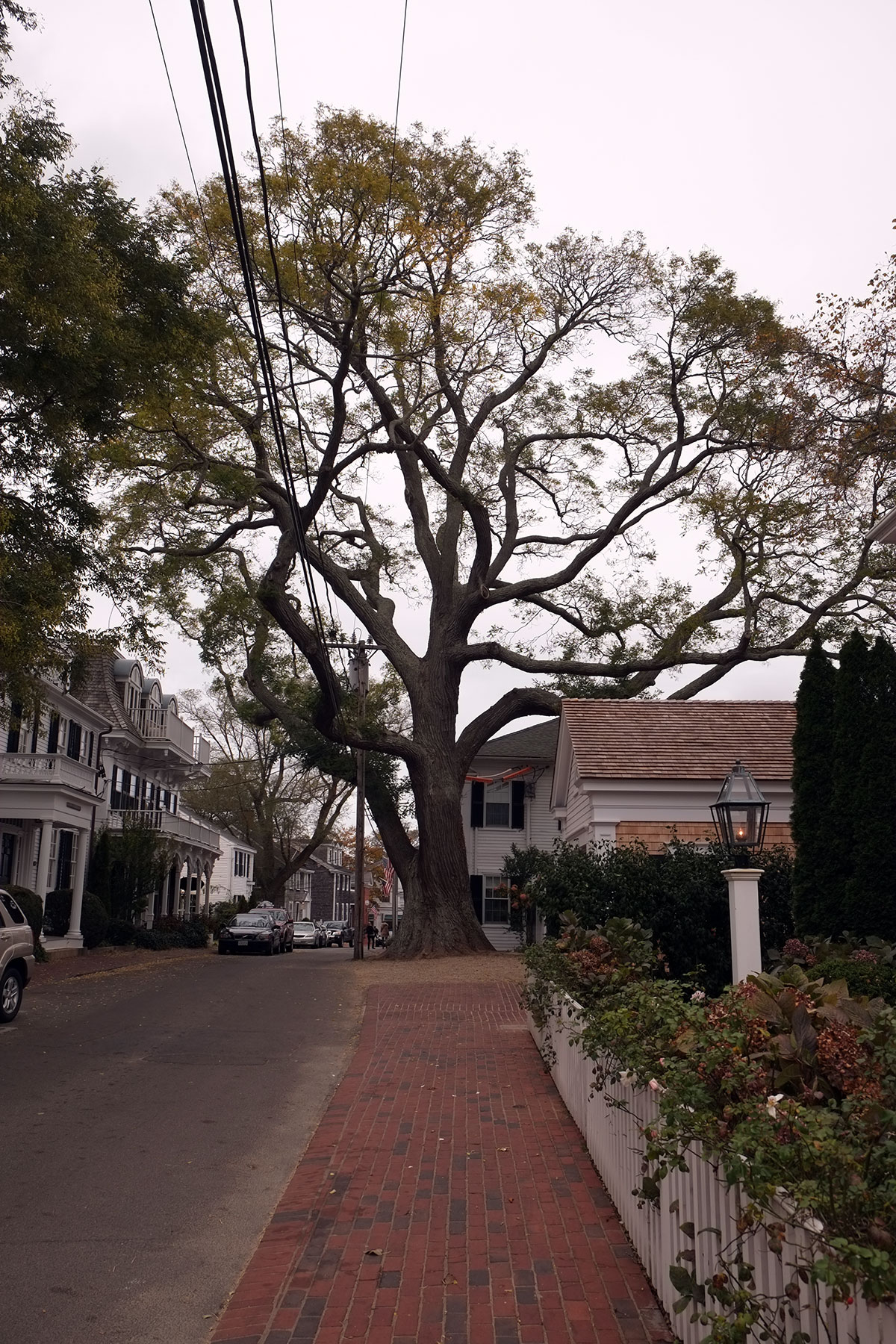
the imported pagoda tree, purportedly the largest in the country

the imported pagoda tree, purportedly the largest in the country

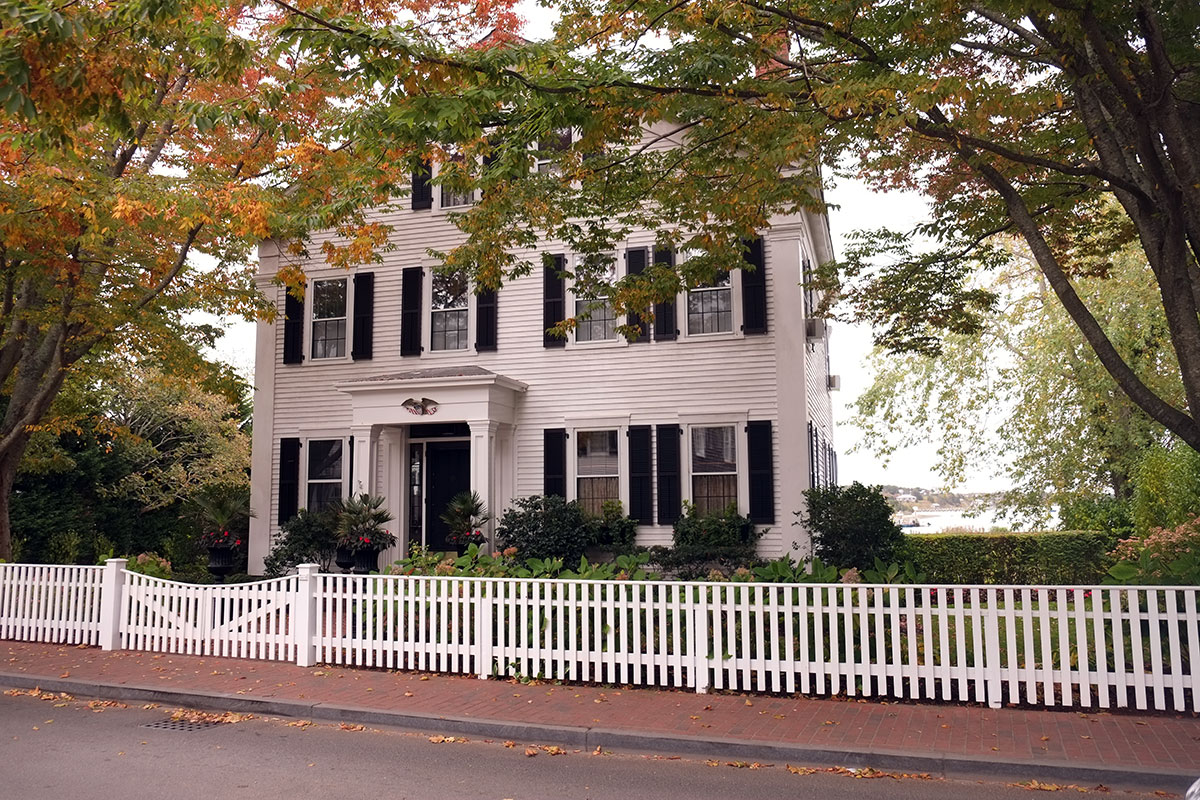
symmetry is greatly overrated

symmetry is greatly overrated

Eel Pond

Eel Pond

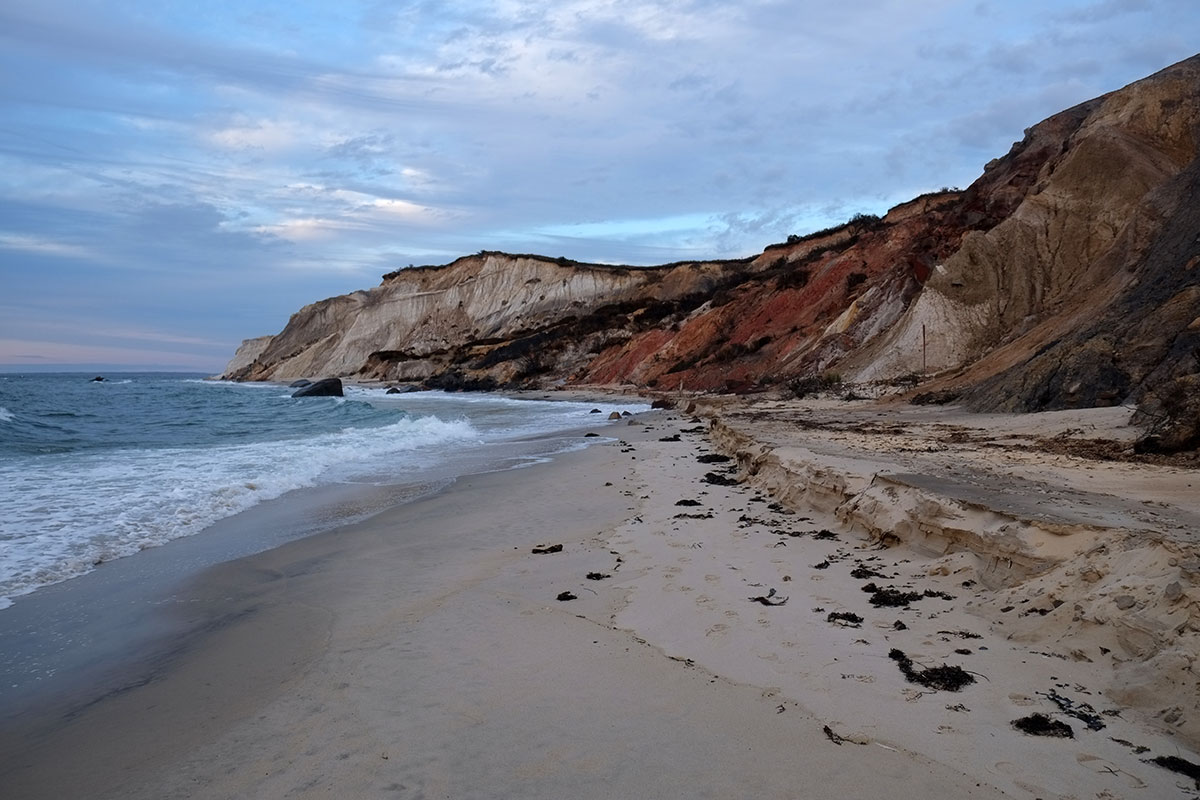
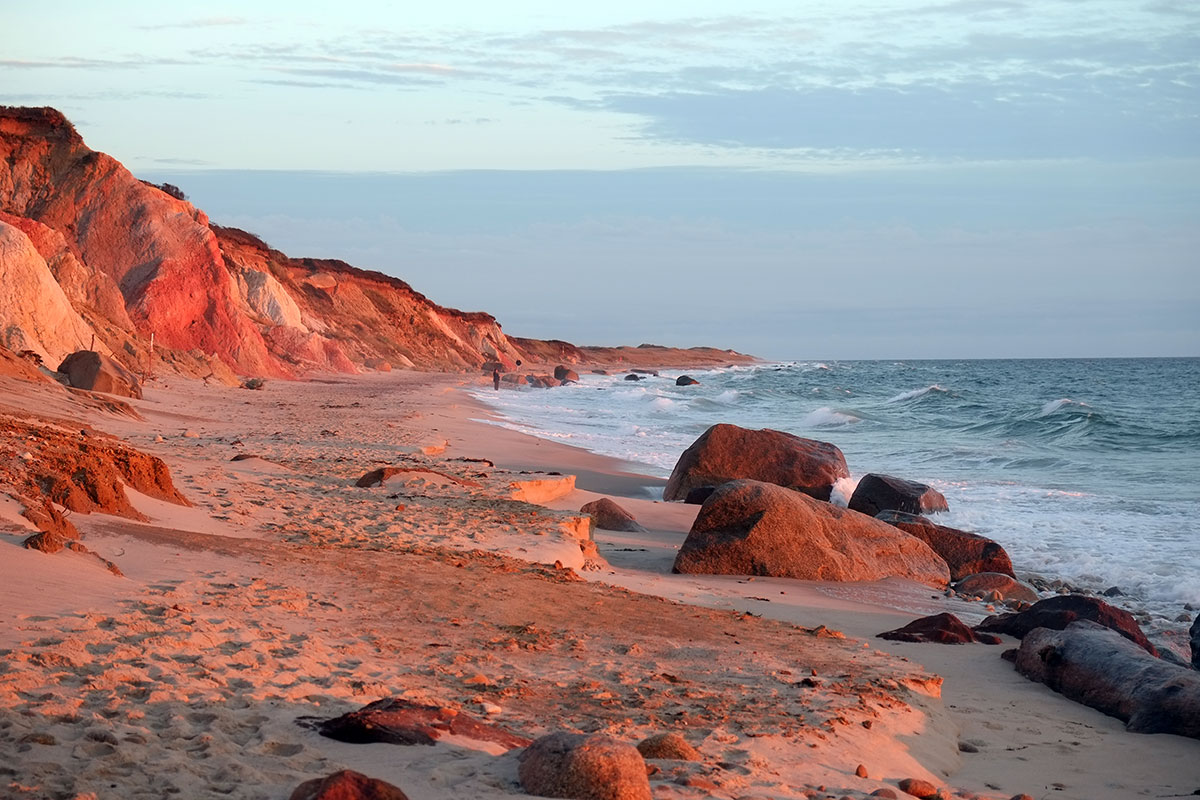
Aquinnah is the peninsula of colored clay cliffs at the southwest end of the island.  It used to be called Gay Head, and you used to be able to climb down the cliffs, until they realized that this was a very bad idea, contributing to the inevitable erosion.  DSCF3135 DSCF3138 DSCF3142

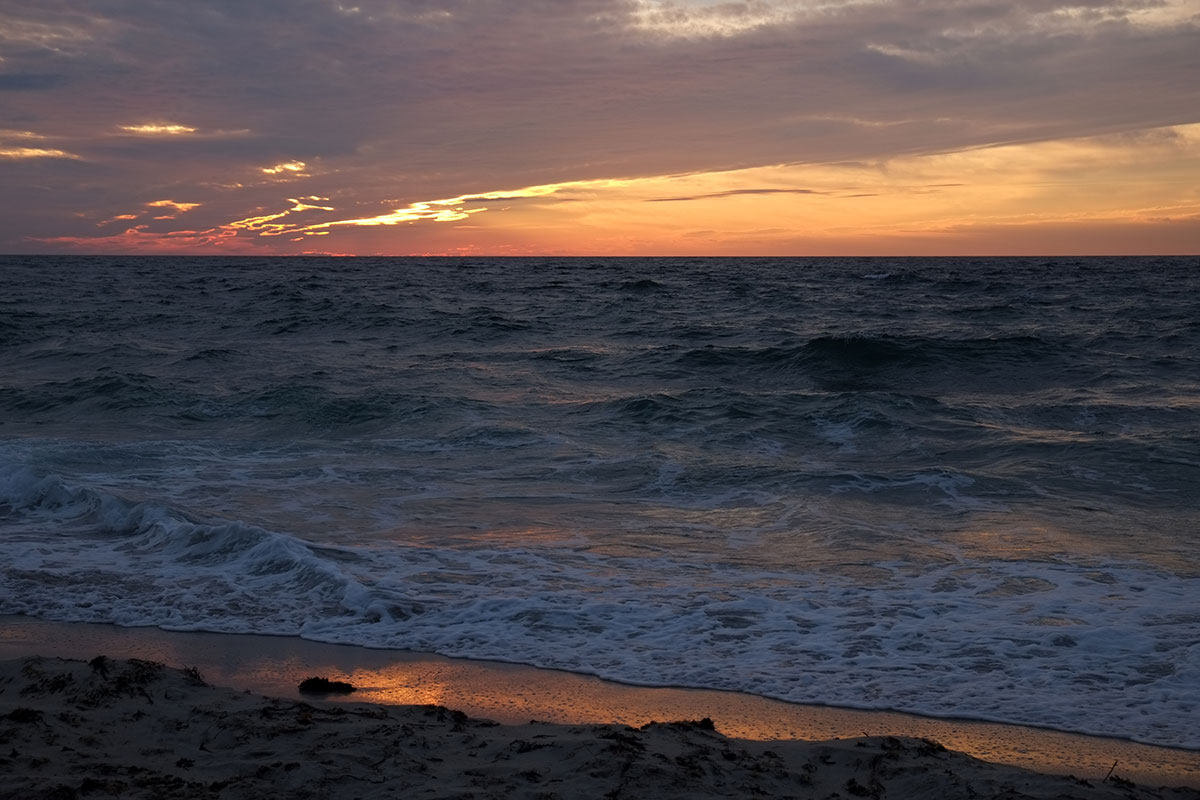
We didn’t have time to get to Menemsha, or spend any time in Vineyard Have or the inland places, but it was a nice break from the cities we’d been visiting.  And when Greta went to touch the ocean, I realized that we had really arrived at the other end of the country from where we started.

The Empire State Plaza Strikes Back

I’m a firm believer that you can’t really understand a work of architecture until you’ve seen it in person.  The Empire State Plaza in Albany bears this out. – photos can’t do it justice .  Going to Albany to see it is well worth the trip.

I had been there a few times in the past, most memorably at night in deep snow back in the 70s.  I had a few pictures of it which I used in my class, but I needed better ones.  More importantly, I had to see if my memories of it could possibly be real, or whether I had built it up out of proportion over the years.  I hadn’t – it exceeded my memories in many ways.

I think that the Empire State Plaza is the worst urban redevelopment project to ever be built in this country.  It is not nearly as well known as it should be – being in Albany, as New Yorkers famously ignores everything that happens in Albany.  If this project were in New York, it would be known world-wide.

It is terrible in at least three ways:  as a whole, as individual pieces, and for what it did to the city of Albany.

DSCF2245

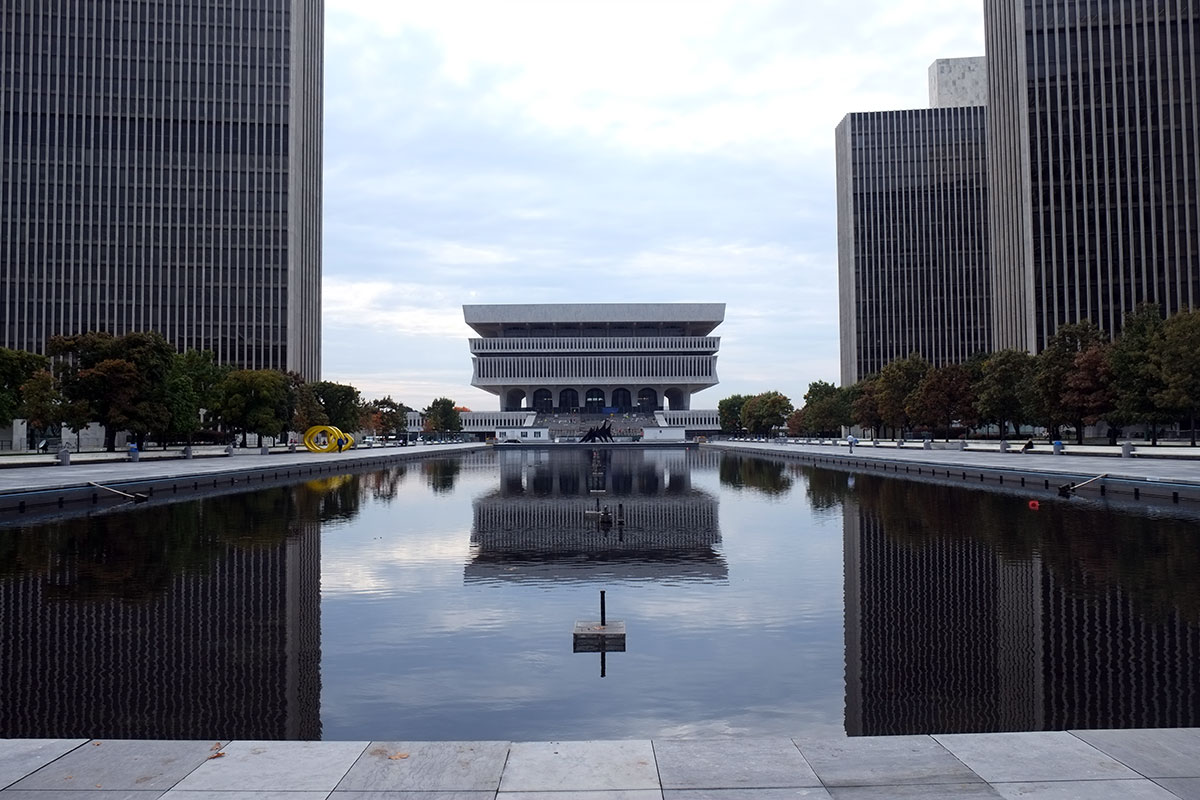
The scale of it is enormous – 4/10 of a mile (12 blocks) long, 1/4 of a mile wide.  It is a vast, empty plaza, devoid of all but smokers even on a warm day.  In the winter, I’m sure no one ever goes onto it, as there is a whole subterranean concourse level beneath, which connects all the buildings.  DSCF2254

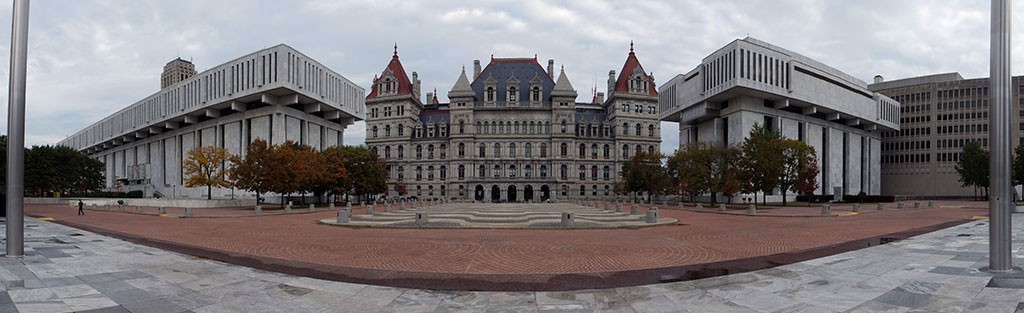
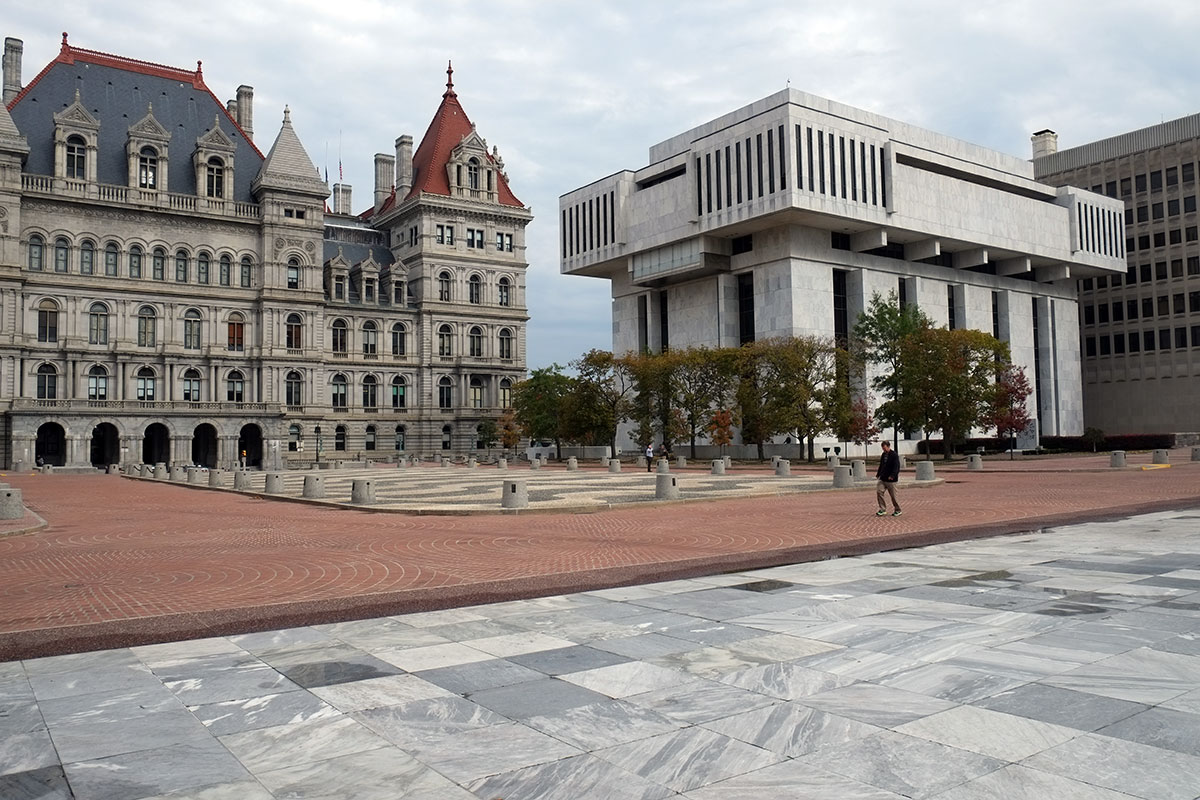
To walk into the plaza is to be humbled, to feel the power of the state poised to crush you.  Greta hummed the imperial march from Star Wars the whole time we were there. The newer buildings dwarf the Capitol, and their massive solidity seems about to crush the dainty Capitol between them.cropped-dscf2262.jpg

The State Capitol sits on the top of a hill, and the plaza has been built up to a slightly higher level – perhaps symbolizing that the power of the state lies not in the feckless legislature, but in the inertia of the bureaucracy?  DSCF2268

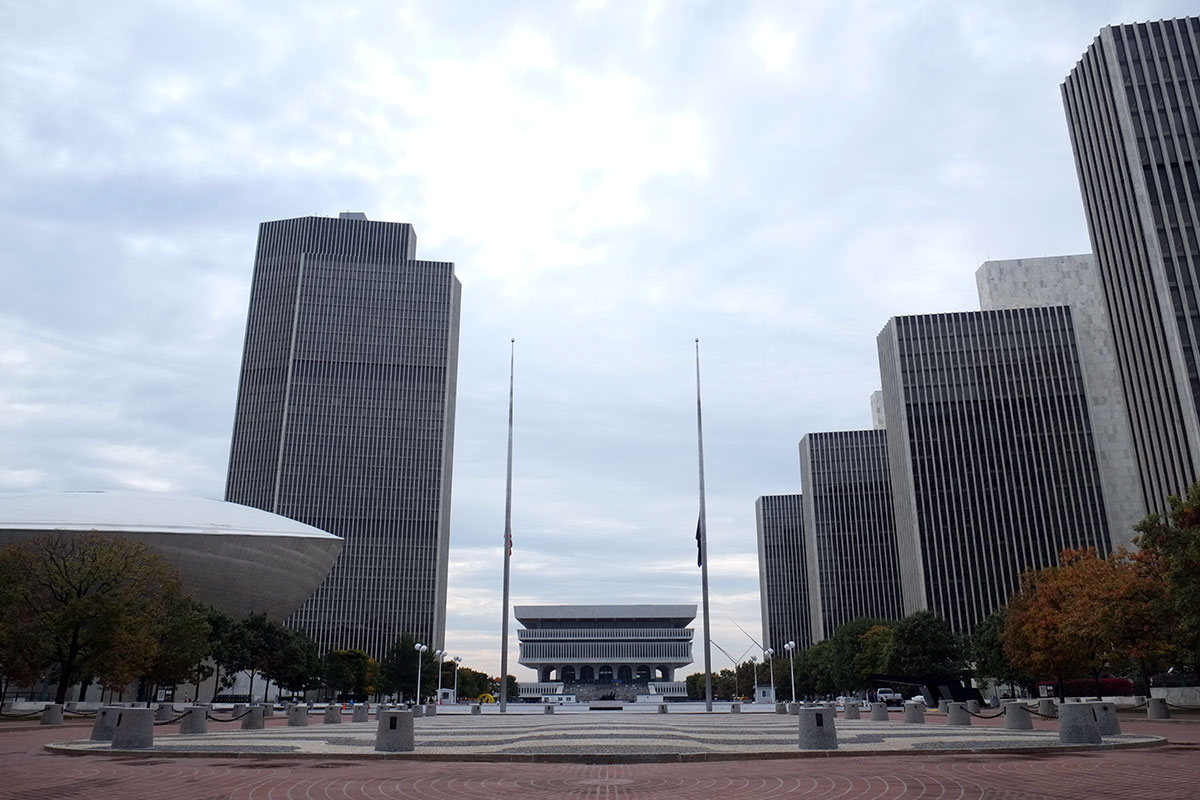
The buildings range from the banal to the truly awful.  Wallace K. Harrison was Nelson Rockefeller’s favorite architect, their association going back at least to the design of the UN (where Harrison first began copying Corbu).  He was of the grandiose modernist school (which is often detectable through the excessive use of marble), and in New York he was partially responsible for Lincoln Center.  The buildings fit into the simple parti of the plaza design – a museum facing the Capitol at the end of the axis, four smallish towers on one side facing a large tower and the “Egg” on theater, with a couple of bookends near the Capitol.

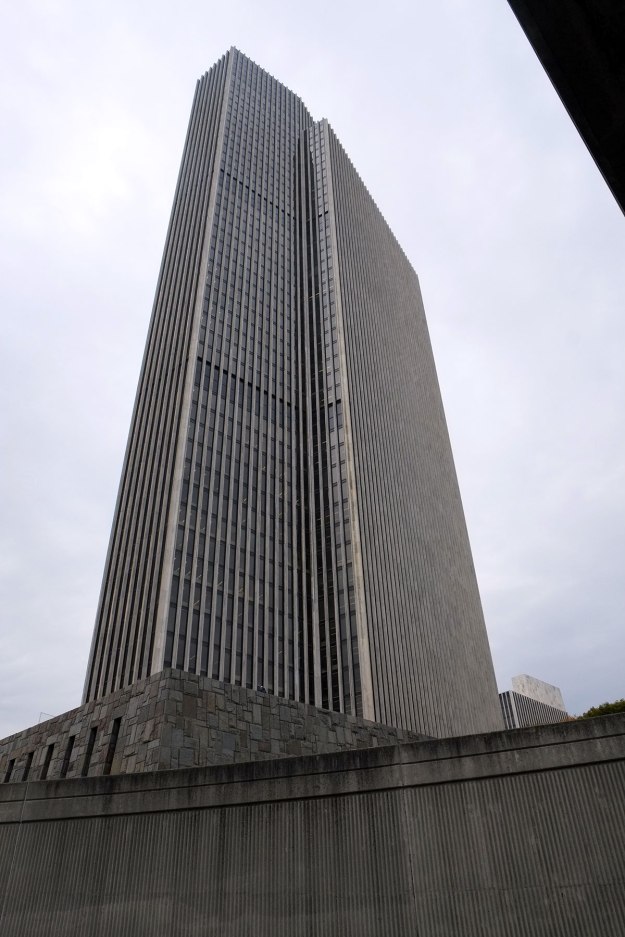
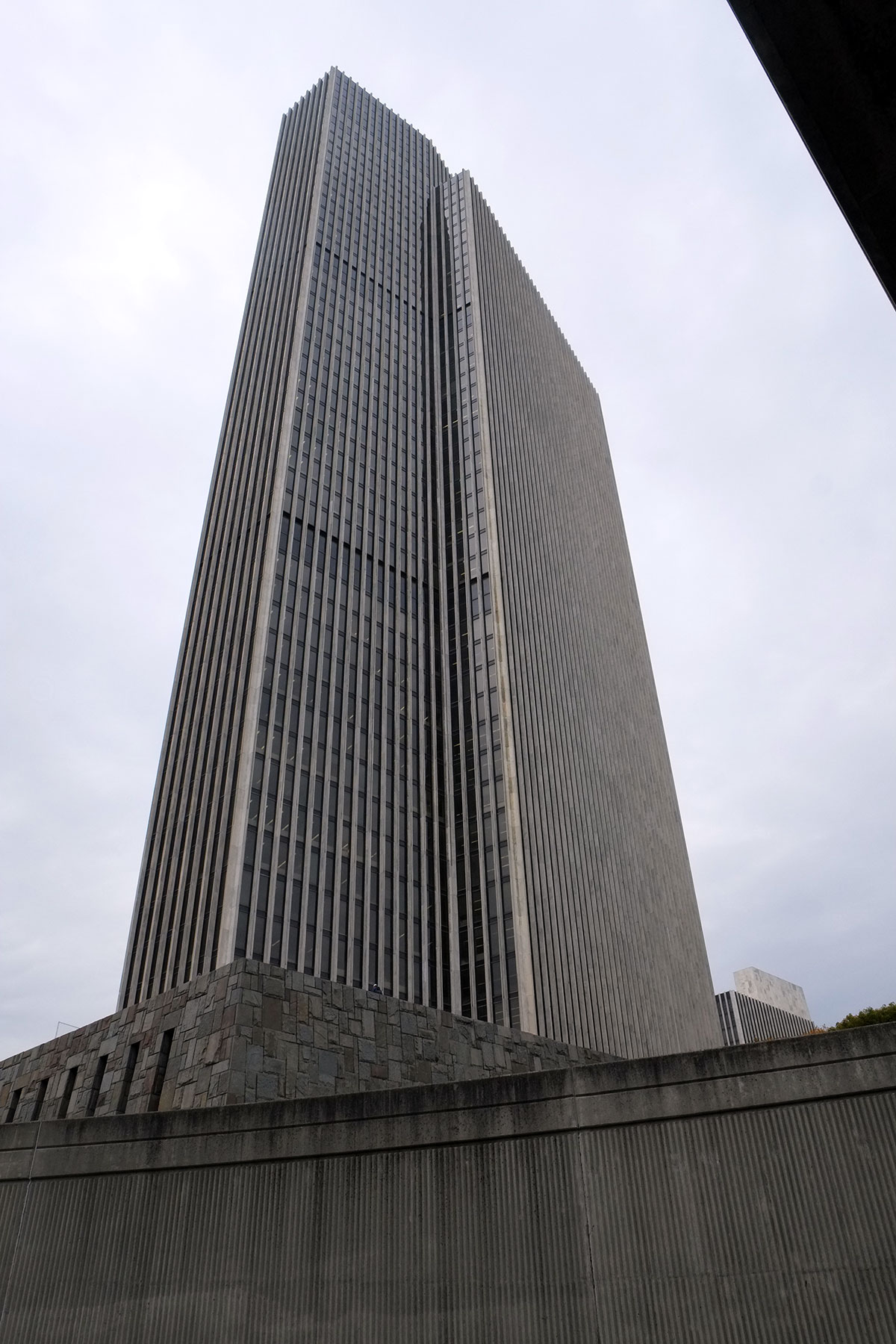
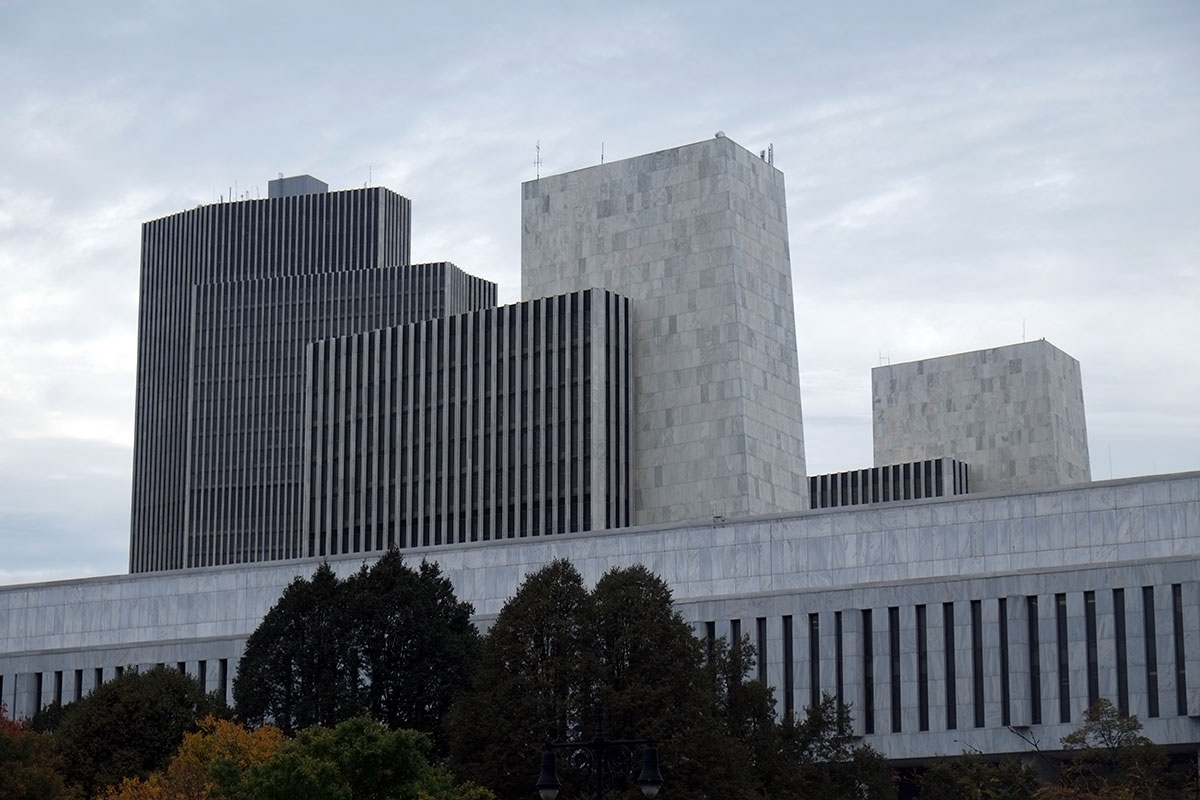
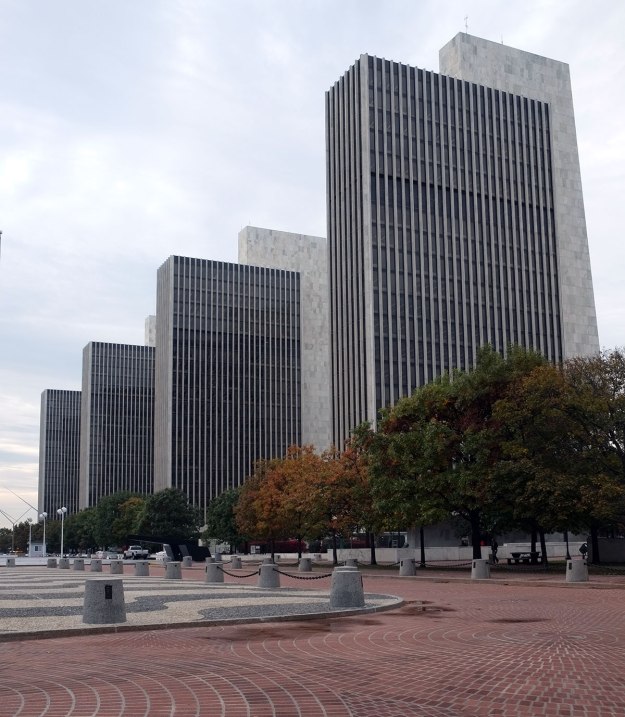
The towers are not so bad as objects.  Elegant and slim, there are two nested masses, expressing core and office floor area.  The idea of a series of identical towers works, and their footprints are actually quite small, with the potential for good daylighting.  The problem is all that empty space in between them.  The large tower refers to classic slabs such as the RCA Building, but in the extreme tower-in-the-park vein.DSCF2271DSCF2352
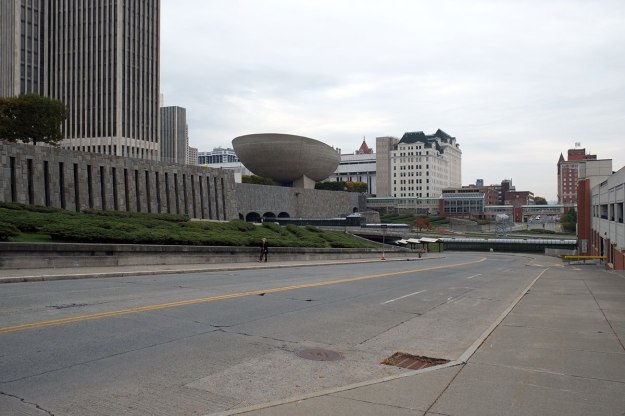
The Egg is rather funny.  Sometimes it looks like a boat, sometimes a duck, sometimes an egg. This is another element in the channeling-Corbu vocabulary – the expressive, playful highlight which contrast with the preponderant rationality (think of the stuff on the roof of the Unite).   I can’t imagine they named it the Egg to start with; I like it when a nickname is so perfect it has to be acknowledged.DSCF2255

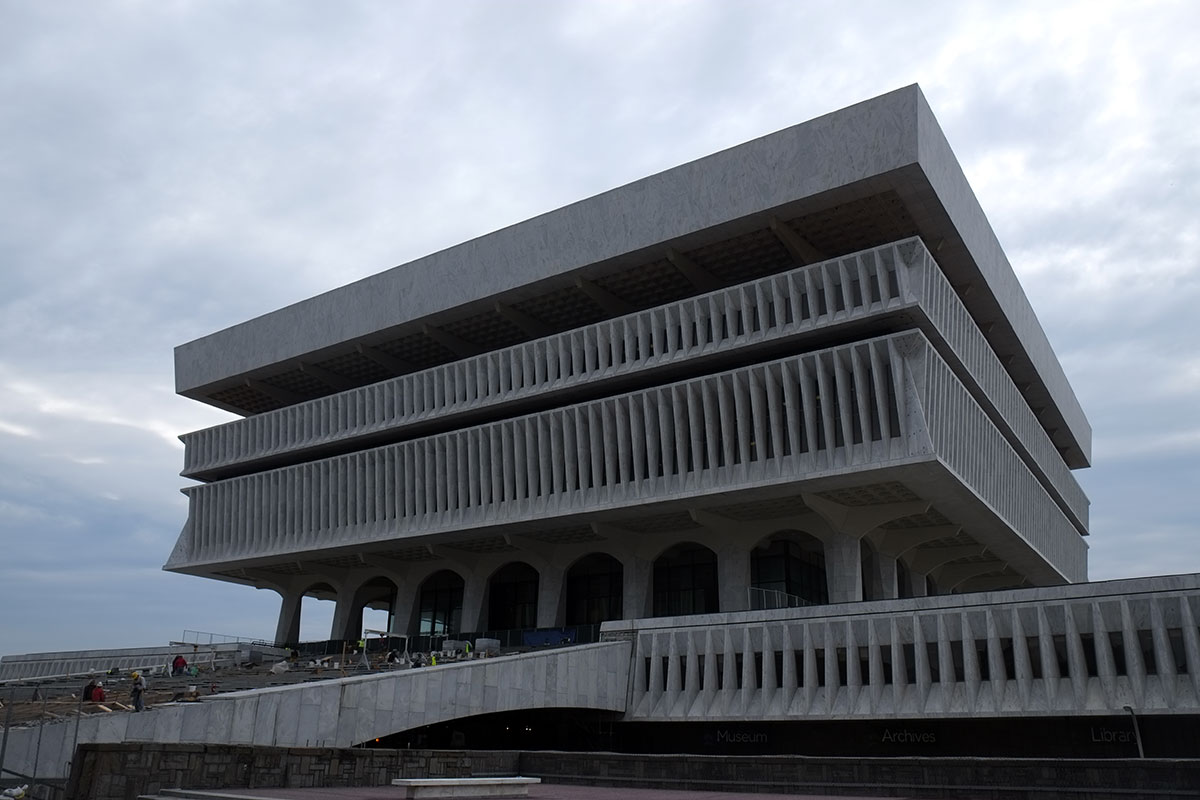
The museum is ponderous and looming, at the top of a huge staircase that spans a street.  Most schoolchildren enter from the streets way below, so they don’t experience the whole effect.DSCF2241

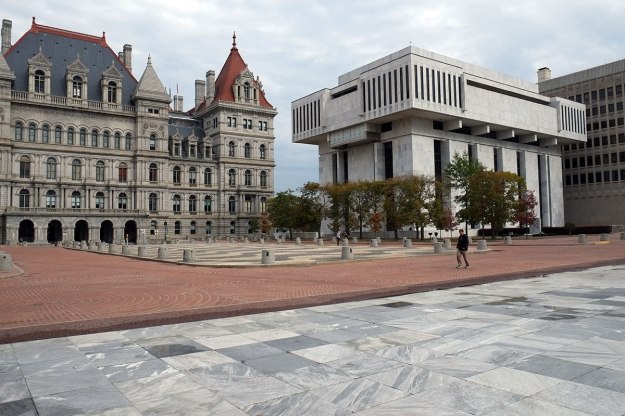
The two building flanking the Capitol are the worst.  Massive, clunky, ill-proportioned.  (They are so ugly that I suspect Harrison’s even-less-talented partner, Max Abramowitz, must have had a hand in them.)  They try to articulate some aspects of their systems – such as the beams which support the overhanging upper stories – but the differentiation of parts doesn’t work if you just cover everything with marble.  Greta and I have been defining a few building types on this trip, related to popular culture, with the Barad-Dur type showing up pretty often.  Greta immediately classed this building in the Star Wars ATAT type.  DSCF2258
DSCF2276

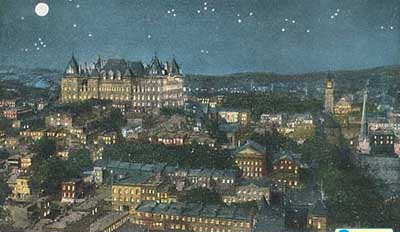
But the biggest problem with this project is what it did to the city.  The Capitol sits at the top of a hill, with the commercial and residential districts on the slopes below it.  Albany1

The neighborhood seen to the left in the old postcard above was obliterated, and the podium / plaza run straight out from the Capitol.  By the time you get to the south end of the museum, the edifice looms above the city.DSCF2237

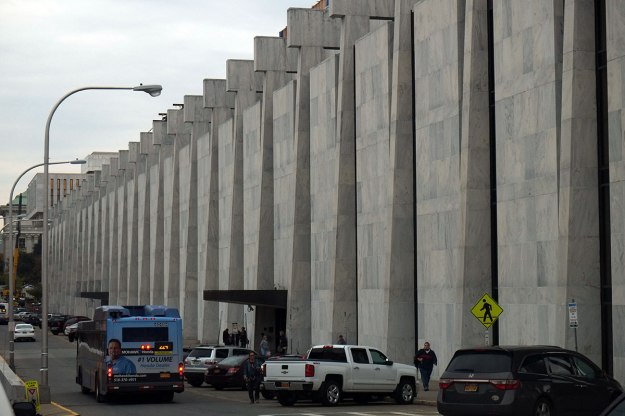
To the west, a long, lower building presents an impenetrable wall.DSCF2362
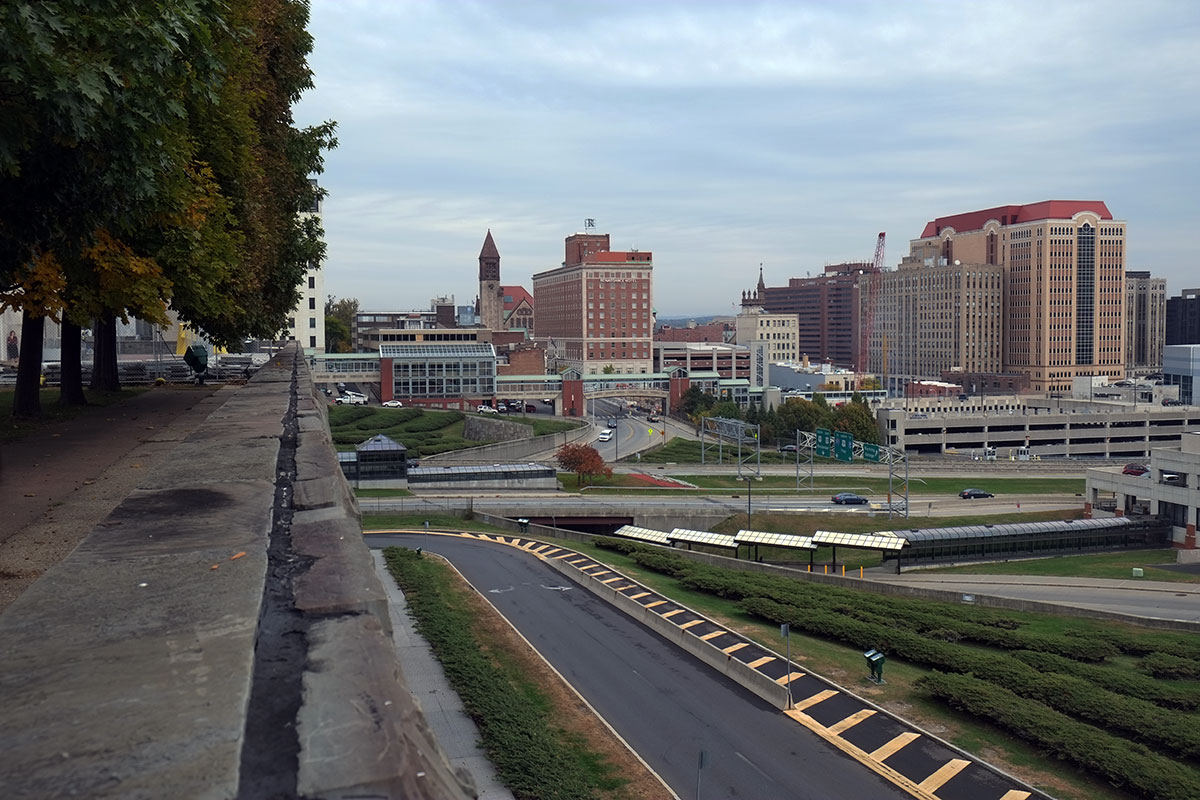
And to the east, facing the Hudson, there is a giant rampart, from whence the defenders can look down upon the populace.DSCF2246

But there are no people here (except a few lost pedestrians), as the area has been cleared for approach ramps that lead to the parking garages in the podium below the plaza, and to the streets on the west side.DSCF2356
The relationship between the plaza and the Capitol may be problematic, but that edge is by far the most successful.  The imagery and message of the other three sides is clear:  the government is secure behind its defenses, and the danger and messiness of city life has been pushed far away.  There is a megalomania of architectural vision here that is seldom seen so clearly (the only other example that comes to mind is the Renaissance Center in Detroit).  Harrison, the lesser acolyte of Corbu, has achieved the complete destruction and negation of the city that the master was never able to fully carry out.


Buffalo & Rochester

Continuing our tour of cities that were really important 100 years ago but not so much now, we cruised through downtown Buffalo and Rochester.  I think cities such as these are where you often find some of the best architecture and art in this country: they had a lot of money to spend back then, when you could still buy great European art, and when there seemed to be more clients who cared about architecture.

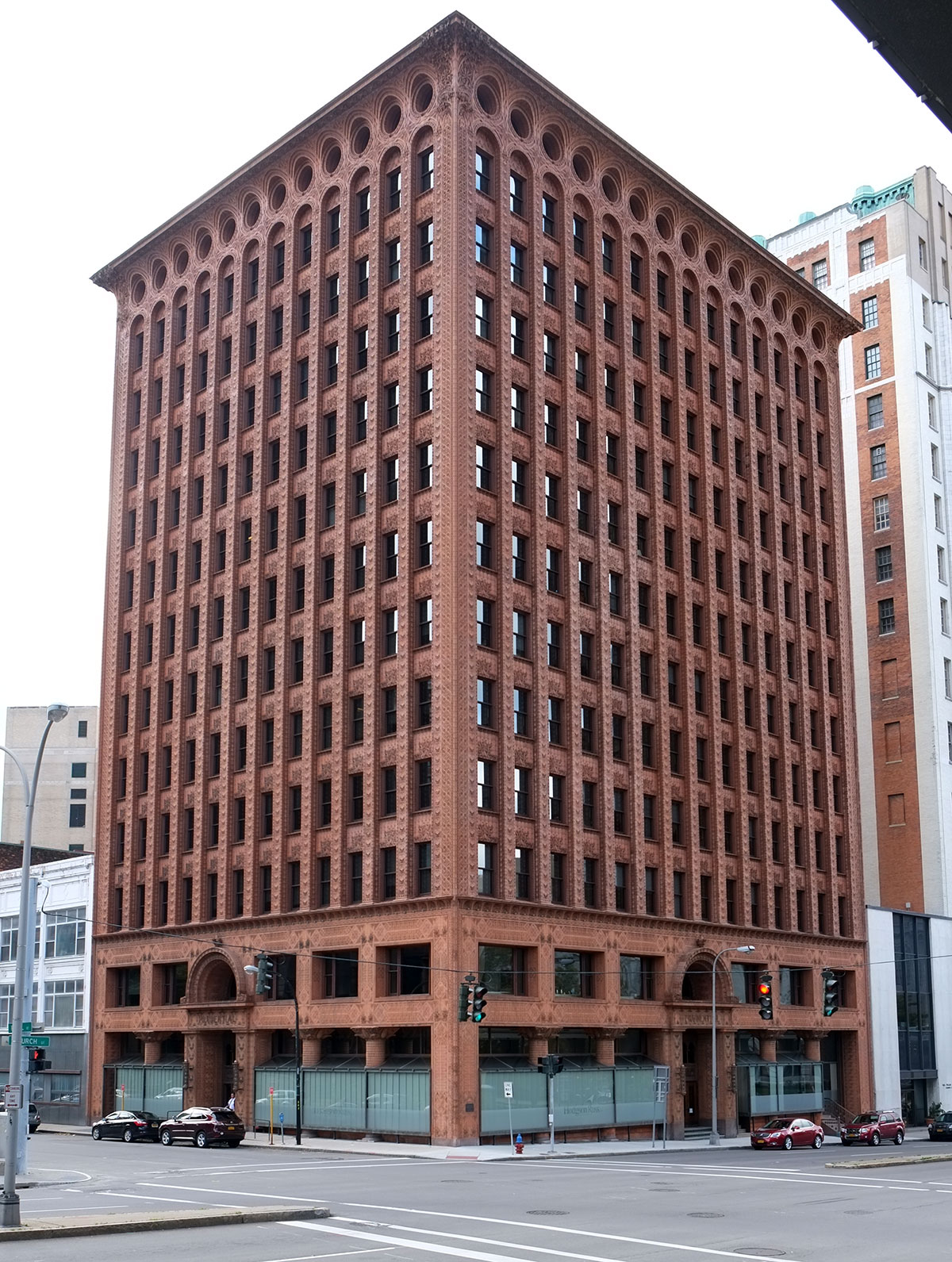
I’ve already posted the great Wright and Richardson buildings here, so the obvious completion of the architecture trifecta is the Guaranty Building, one of Sullivan’s best.  Simple, elegant, beautifully proportioned, it really stands out against the banal post-war buildings near it.  DSCF1913 DSCF1902

I was told to go see the Ellicott Square building by a few people – a full block building with a central skylit atrium.DSCF1924

DSCF1927

The train station, in context:DSCF1933

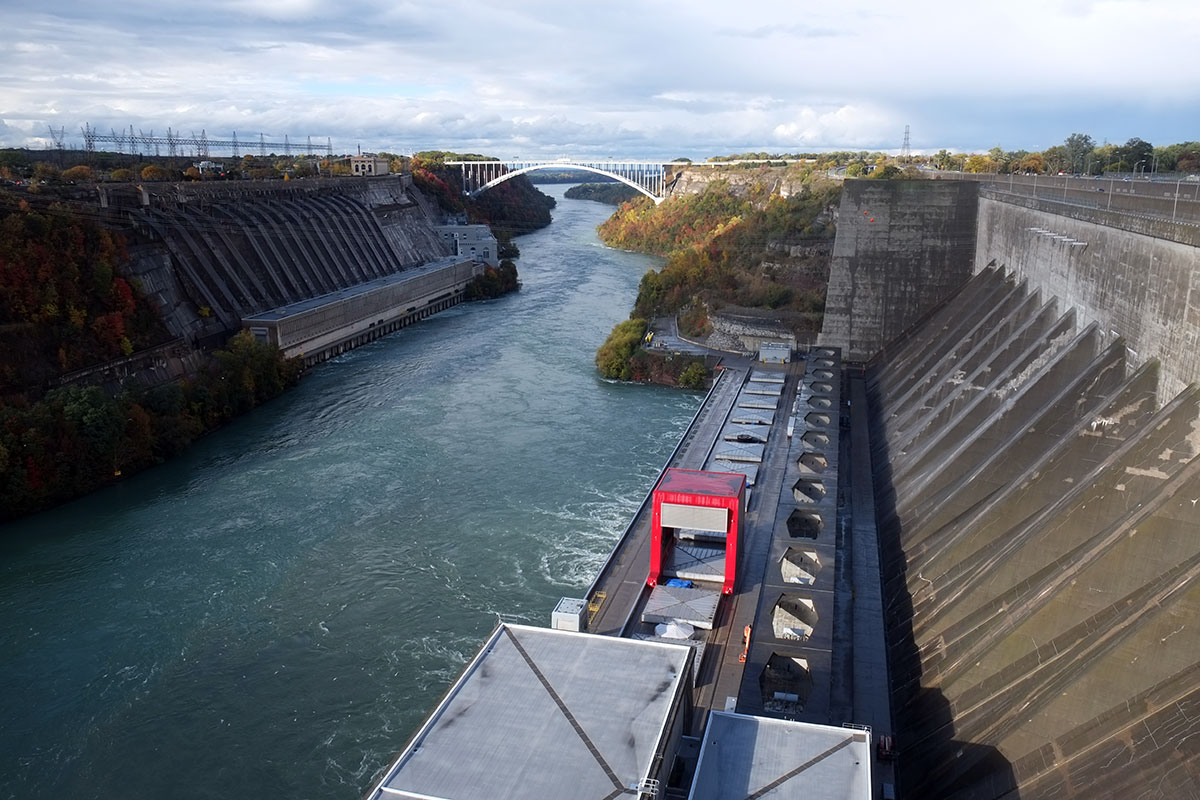
Down the Niagara River past the Falls, The New York State Power Vista is where the big American and Canadian hydropower plants face off against each other.  The sheer scale of these dams is worth a visit.DSCF1724

And inside the excellent visitors’ center, there is a surprise:  A Thomas Hart Benton mural, which is reminiscent of those in Kansas City.DSCF1737

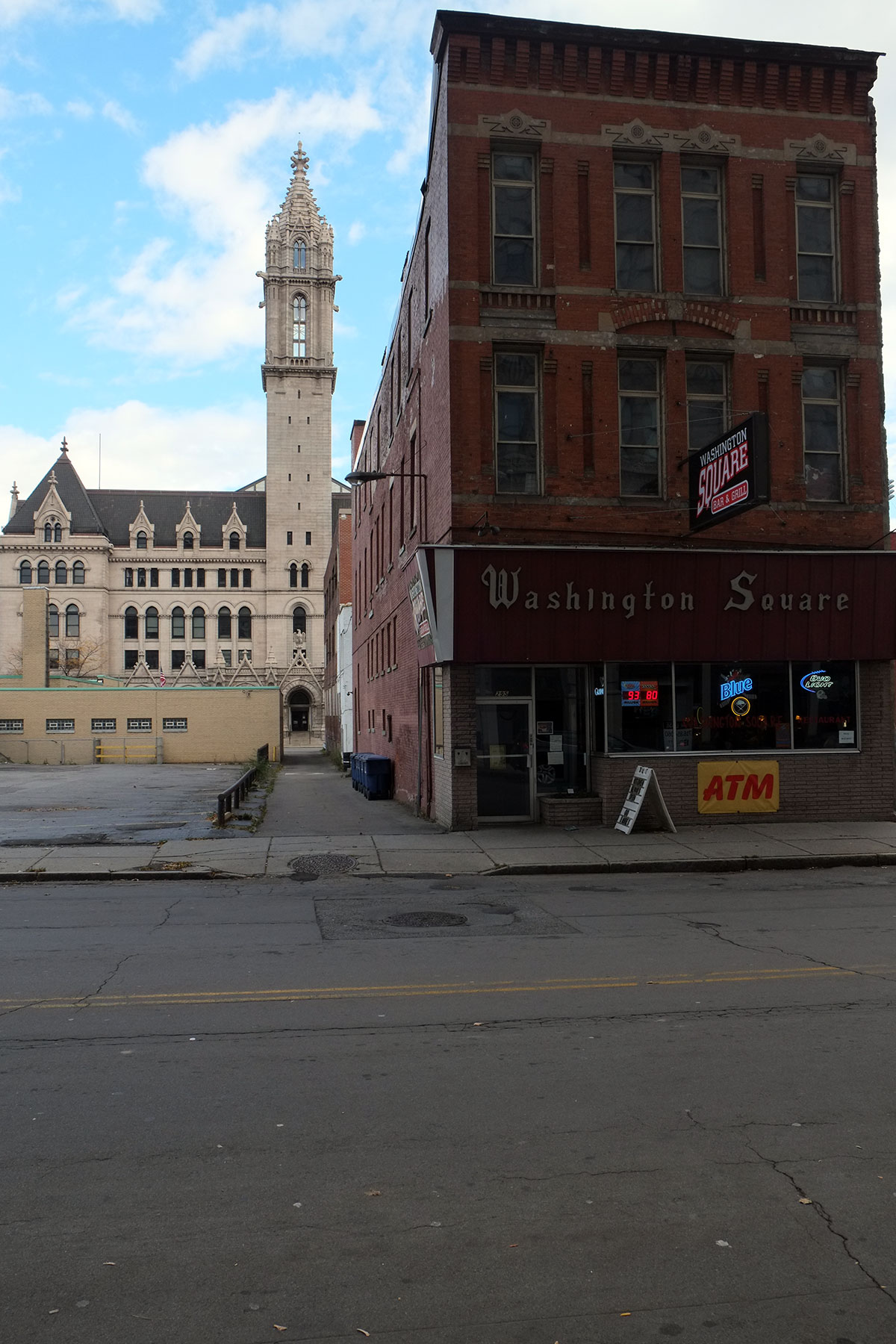
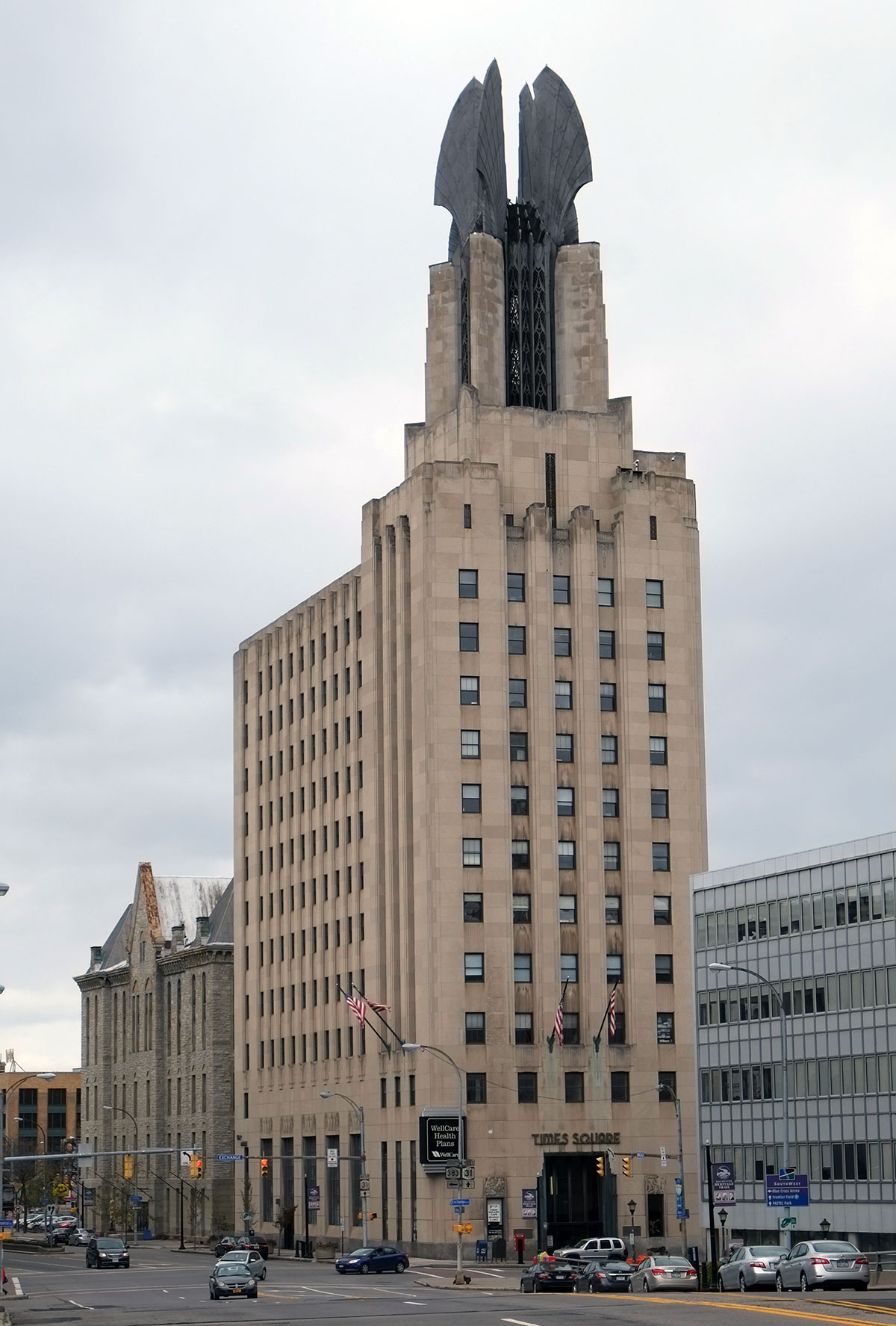
Rochester doesn’t have a great reputation, and the downtown is not compelling – mainly mediocre buildings from all eras.  But there are highlights.

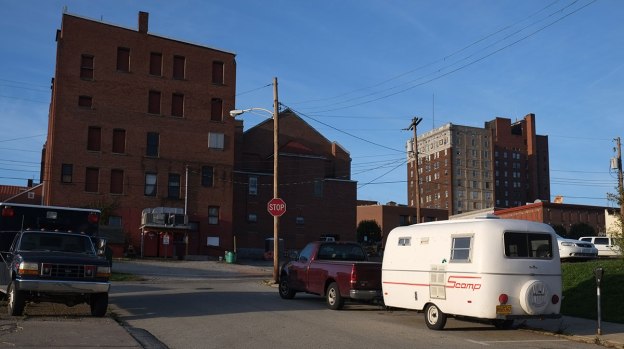
We came to Rochester to see the Kahn Unitarian Church, and the Broad Street Bridge, which when originally built, was an aqueduct which carried the Erie Canal over the Genesee River.  It was later used to carry the subway across, and with the addition of the top roadway level, converted to a vehicular bridge (also good for the parking of small trailers. DSCF1974

The Andrews Terrace apartment building started life in the 1970s as downtown luxury apartments which didn’t fly, and is now Section 8 housing.  What struck me is that many current architects are playing games with angles, and here is a 40-year-old building which anticipated many of the moves, quite elegantly and simply, since there were no computers to facilitate needless complications.  I can’t find who the architect was.DSCF1984

I think it’s pretty compelling when glimpsed from down the street.DSCF1949

Rochester has some buildings which I don’t think are very good, but they’re kind of fun:DSCF1990

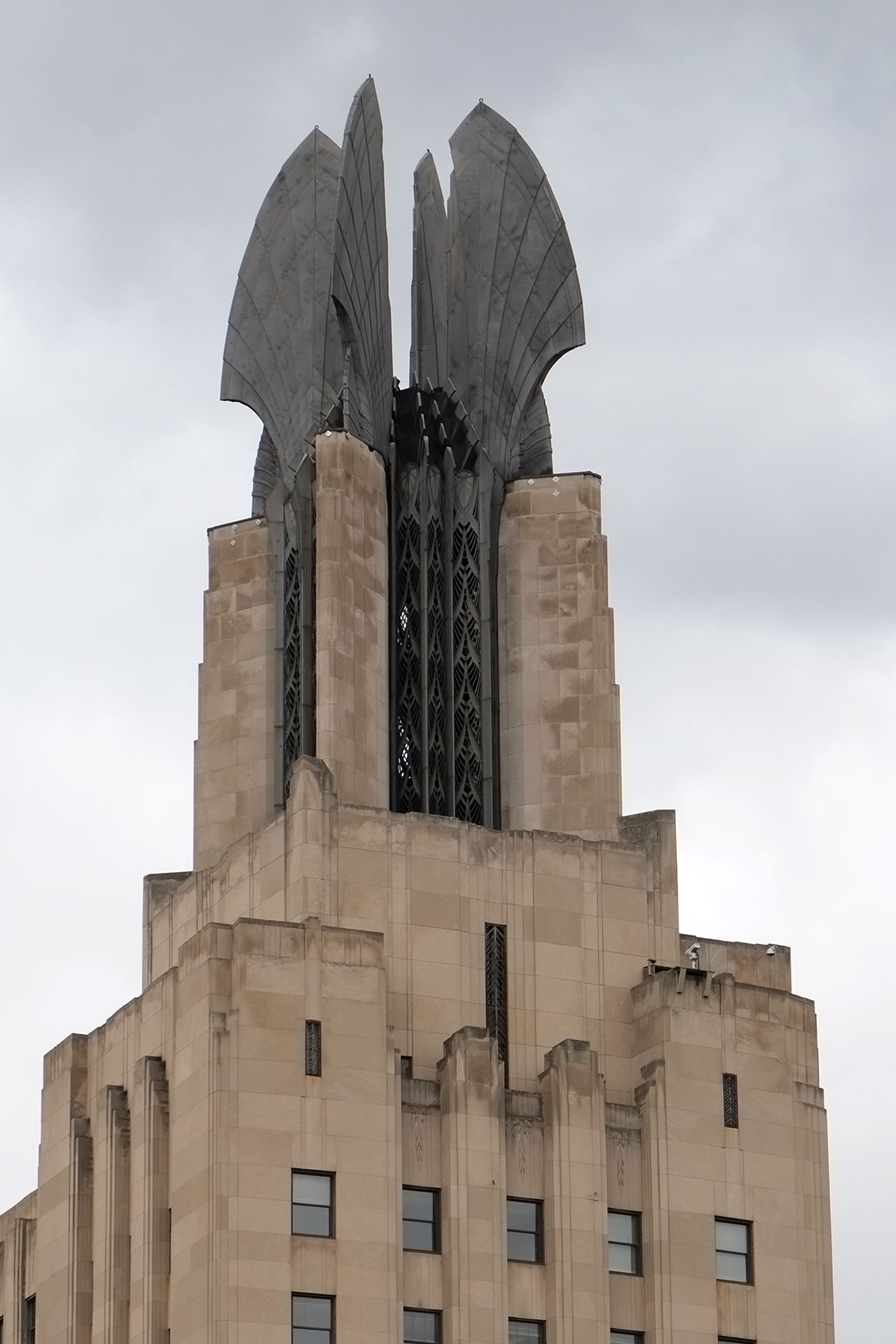
especially this one, which is open to many interpretations.  I thought Barad-dur, or maybe those fighters in Star Wars where the wings fold up.  Greta thought was Aragorn’s crown.  I have to admire the originality and chutzpah – never seen anything quite like it.DSCF1952

DSCF1956

Backroads

Since we reached Pennsylvania we’ve done a pretty good job of staying off interstates.  We travel a little more slowly, but we see things and places.  Here are few places that haven’t gotten their own posts.

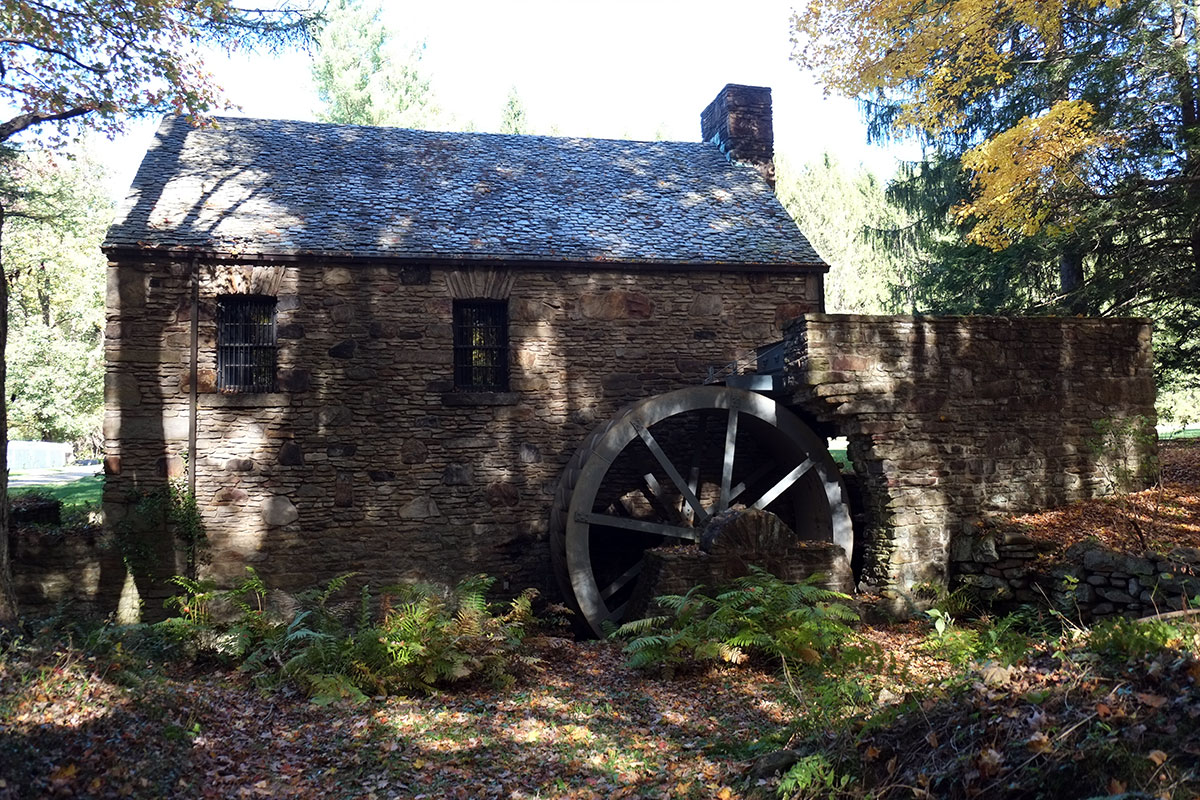
Once again John Wenzel was our guide around the Ligonier Valley, showing us things that we would never have found our own.  An 18th century grist mill.DSCF0790

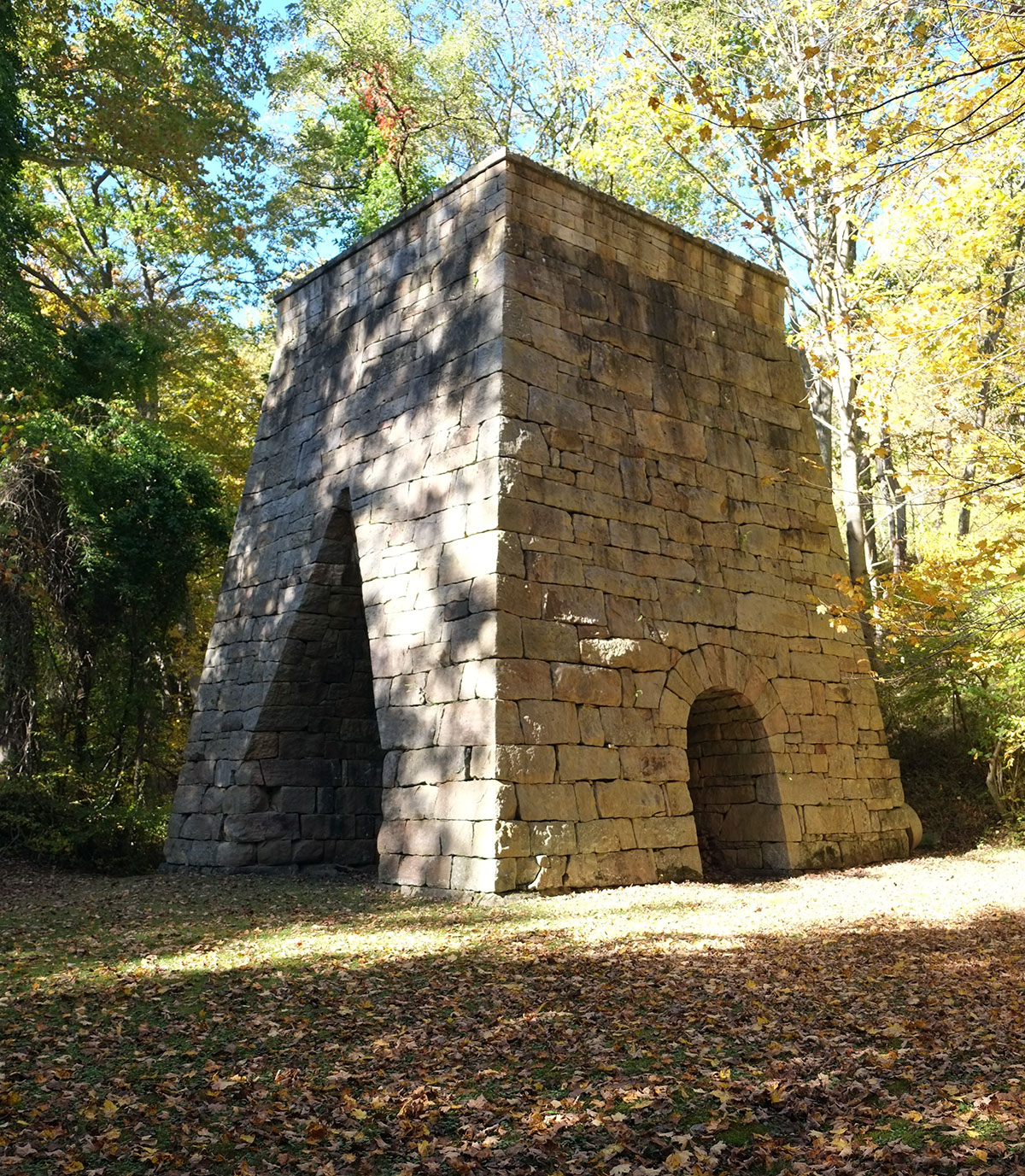
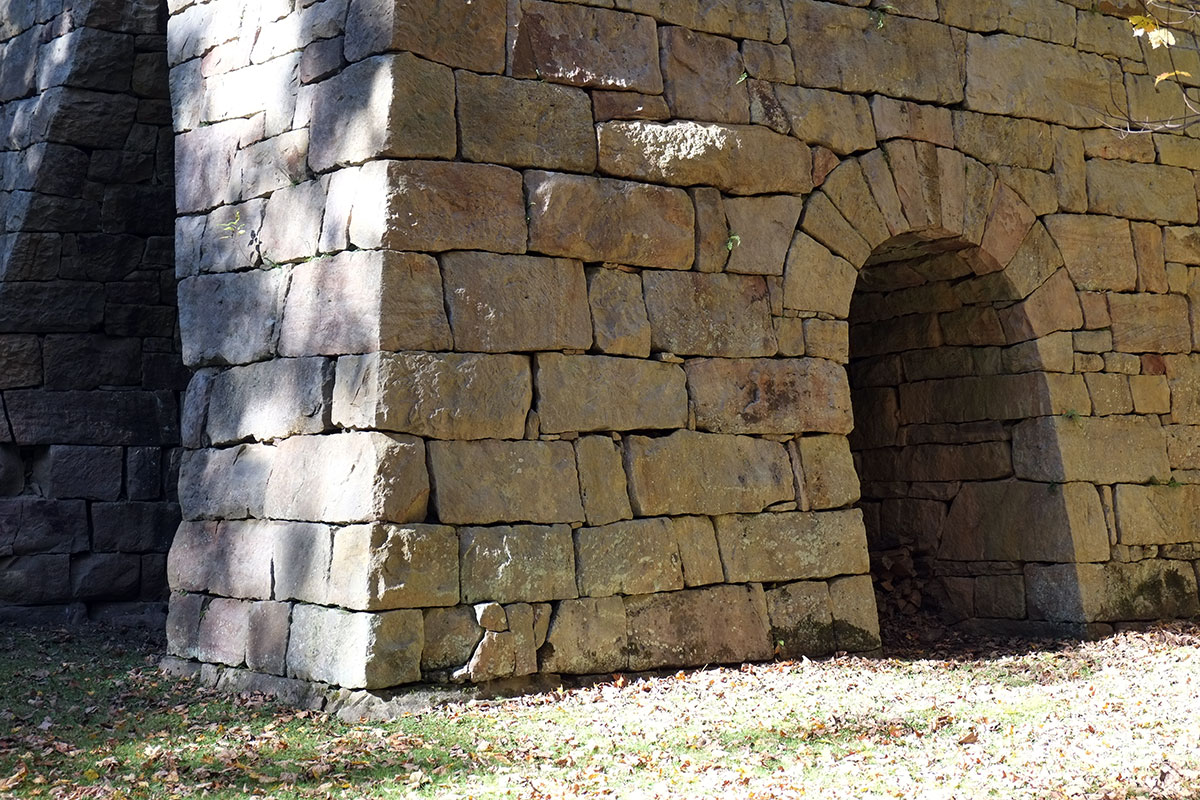
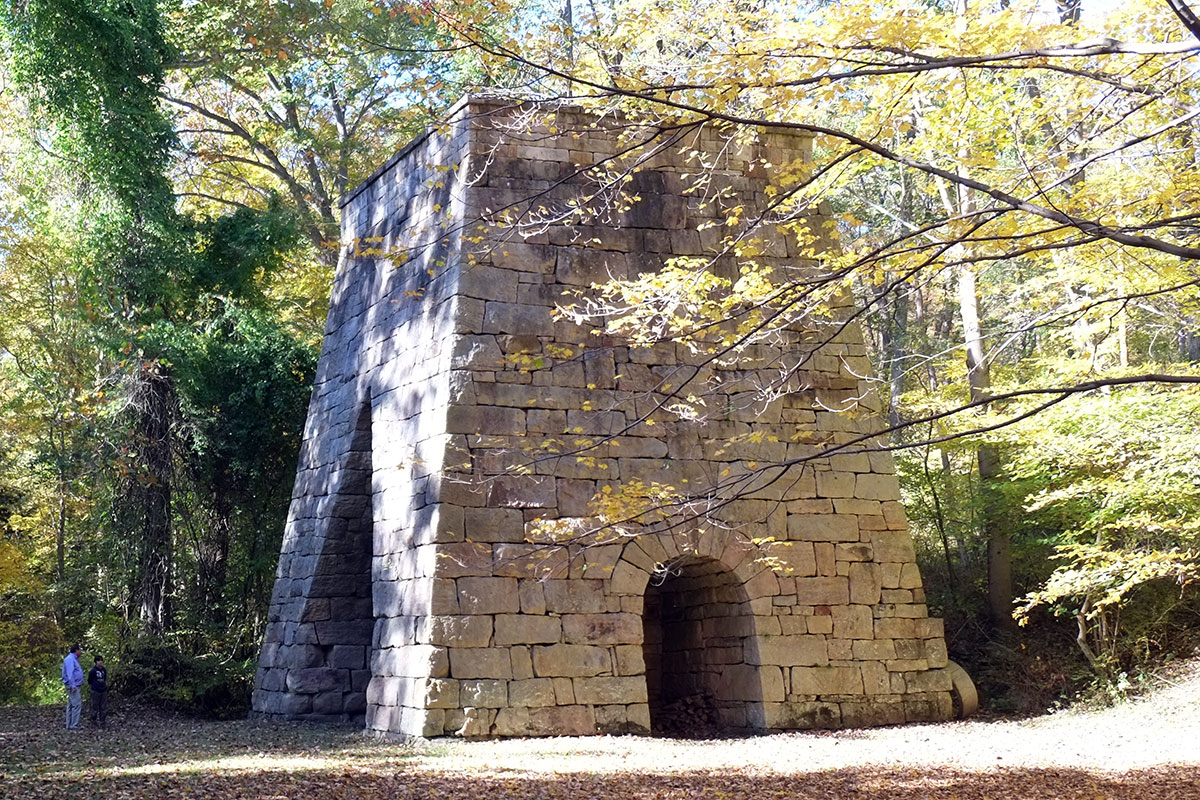
and the amazing California Furnace from 1850, an early iron furnace as the industrial revolution kicked into gear.  Boullee out in the woods. DSCF0820

DSCF0823

here John and Greta give it scale.   DSCF0822

On the way into Pittsburgh, John pointed out where strip mine sites were now being filled and built upon.  We realized that strip mines become strip malls.DSCF1004

Heading north towards Buffalo, we arrived at Punxsatawney, home of Phil the groundhog.  We caught a glimpse of Phil (or who they say is Phil, along with a bunch of other groundhogs who may or may not be Phils).DSCF1544

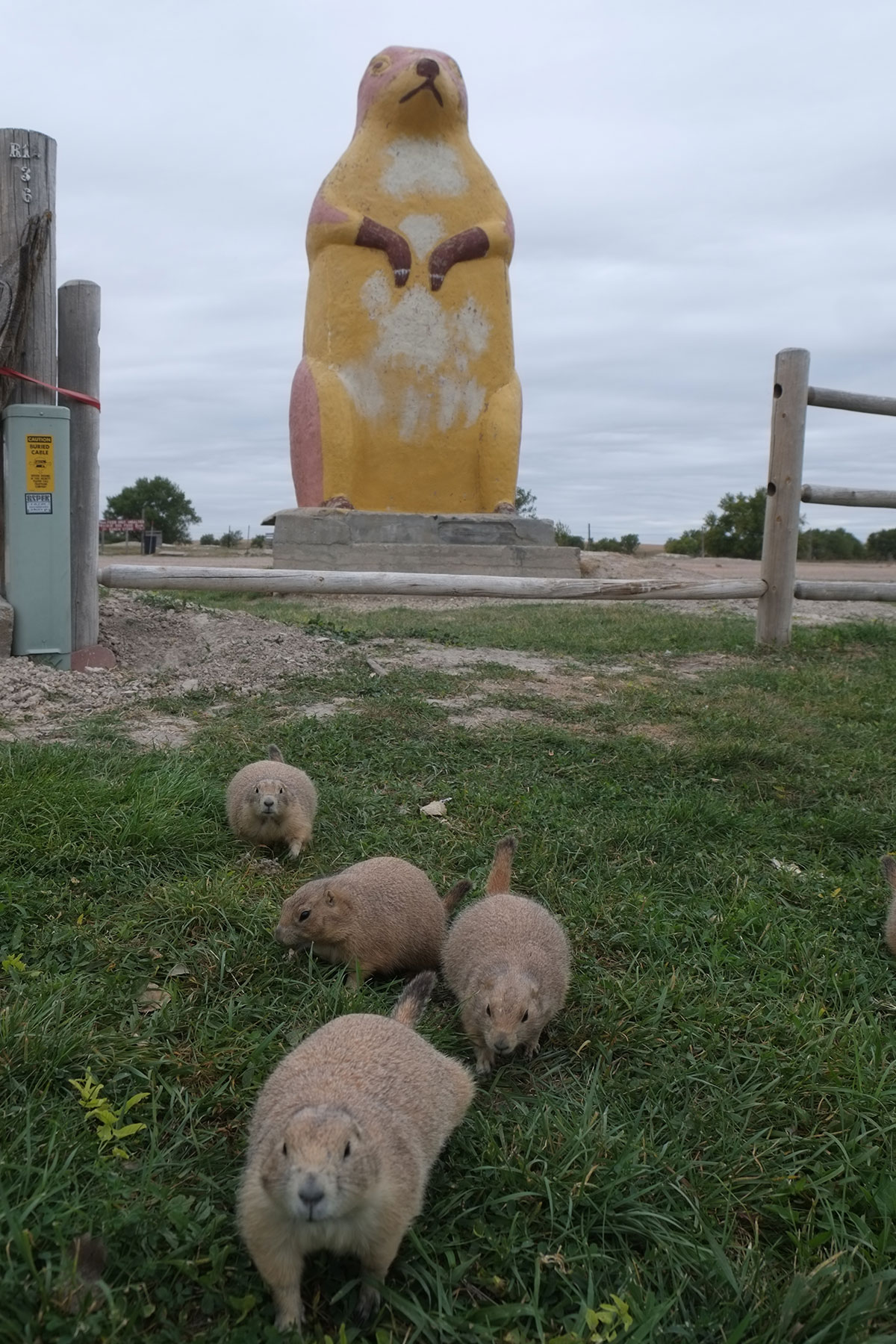
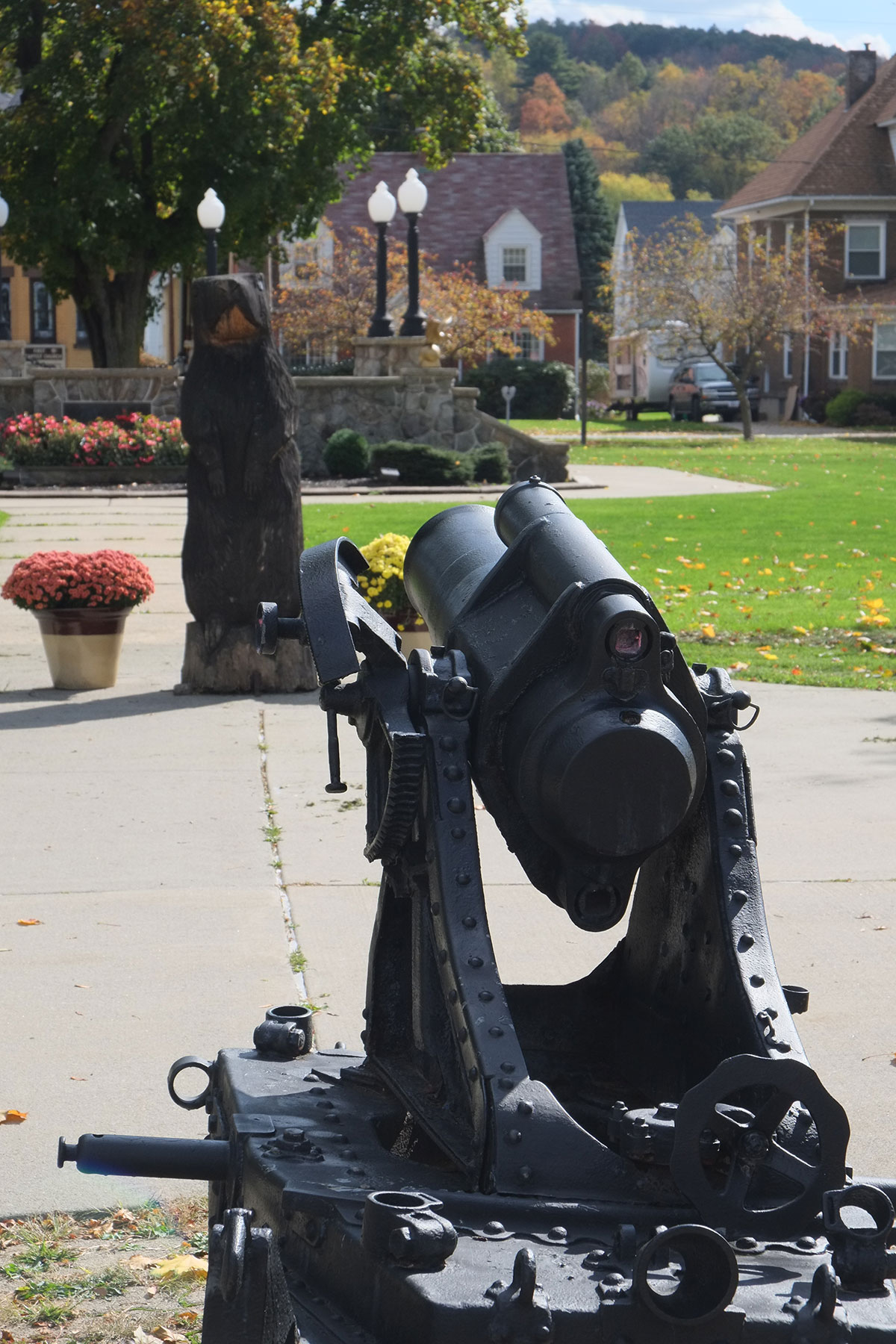
Among the many icons of Phil in the town, we noticed this one, which looked strangely familiar.DSCF1548 DSCF8616

The large, adorable, rodent gods seem to be taking over the country, but in Punxsatawney, unlike South Dakota, they are fighting back:DSCF1549

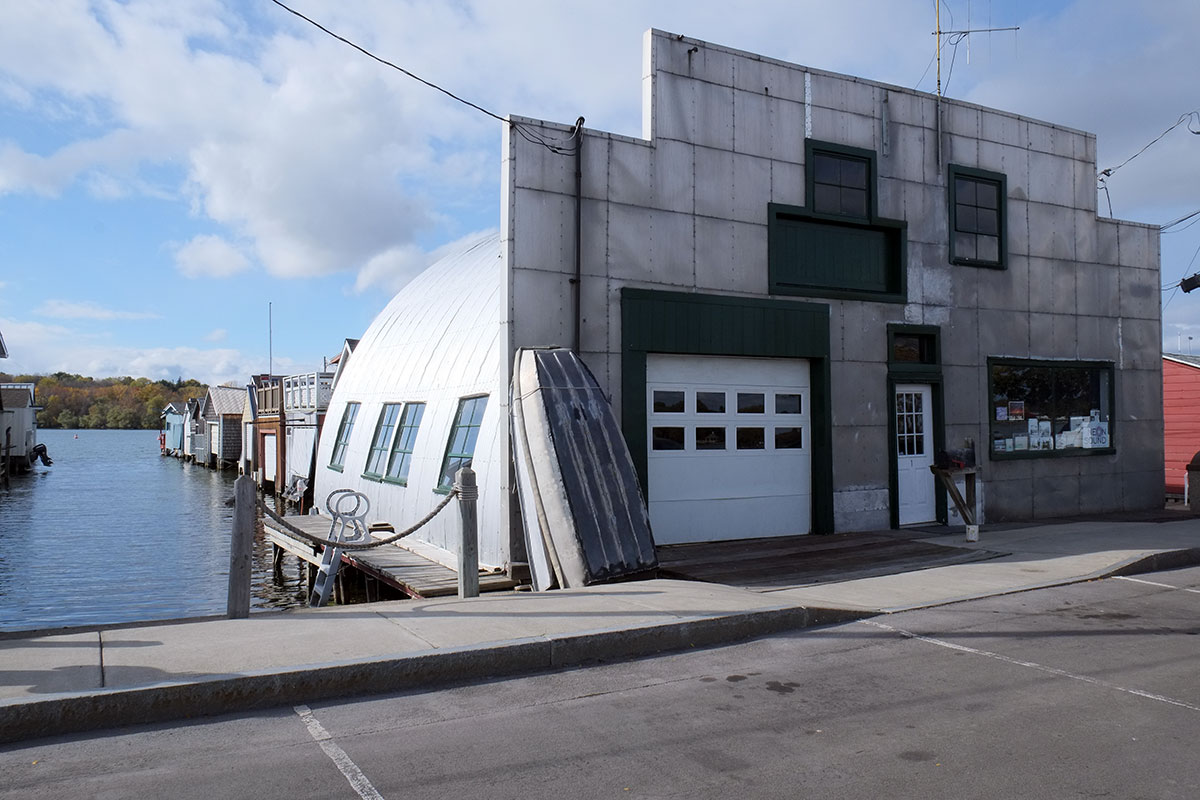
In upstate New York, we drove on Route 20, which hit the northern end of many of the Finger Lakes, a part of the state I (and most downstaters) had never visited.  Canandaigua had some cool houseboats DSCF2130

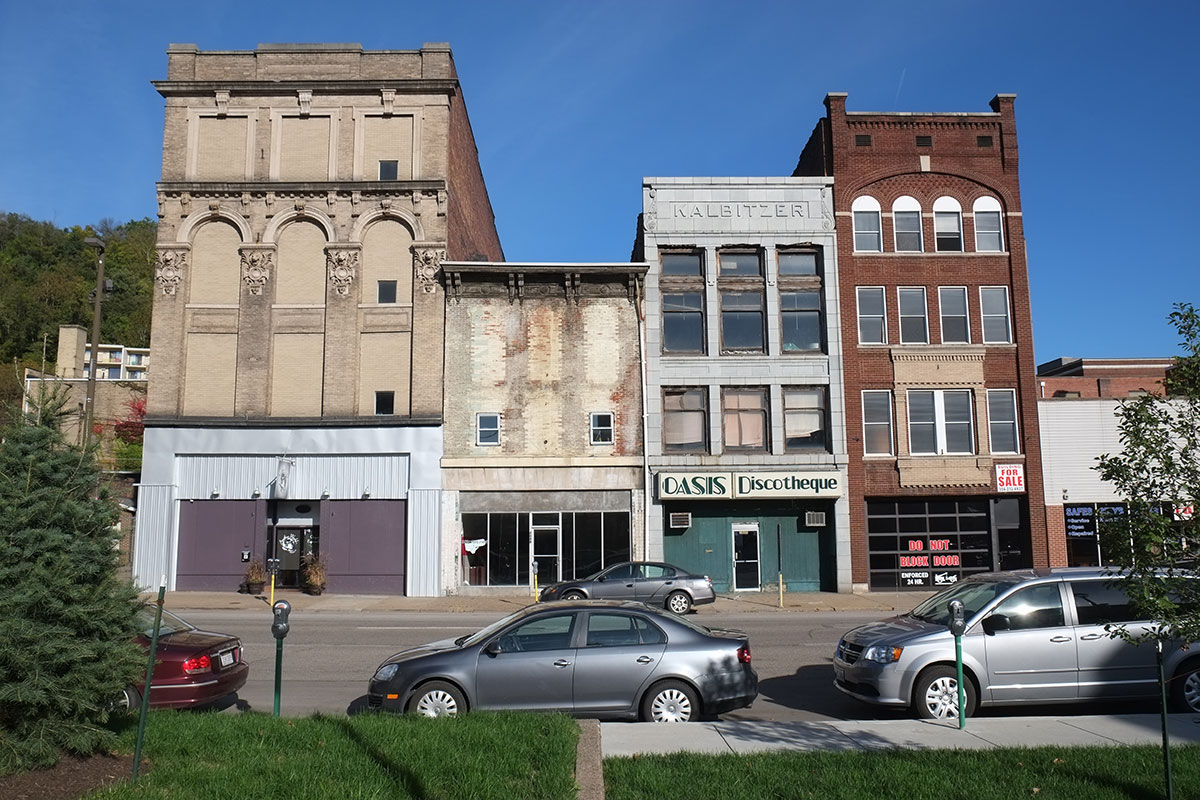
While Geneva fell into the recurring category of Places that Used to be Prosperous, but still had some interesting buildings.DSCF2145 DSCF2147 DSCF2148

Waterloo had some nice houses in various states of repair.DSCF2152

Skaneateles appears to be the prosperous resort town on the road, with beautifully restored houses, and a thriving main street – the first place we could find a cup of coffee, in the Land that Starbucks Forgot.DSCF2154 DSCF2155 DSCF2160

and in Sharon Springs, this highly-wrought and astoundingly maintained church.  Nice church, interesting steeple, but I’m not sure they’re getting along.DSCF2219

There we were, far away from the City and coastal civilization as know it, and Ithaca was still too far away to be worth visiting.  It really is the most isolated spot in the east.

Pittsburgh

I’d been to Pittsburgh a few times in the past and always loved it.  I think cities that are squeezed by the topography – steep bluffs and big rivers here – have an intensity that is missing in cities that can spread endlessly.  Pittsburgh is another of those cities that was really important 100 years ago, and isn’t now.  But somehow it has fared better than many others – reinventing itself, emphasizing factors such as higher education.  John pointed out to me that Pittsburgh had as many abandoned mills as any other rust belt city, and when it was apparent that they wouldn’t be revived, the rich and powerful decided to knock them down, to allow for redevelopment, and to remove them as depressing reminders of decline.  It seems to have helped.  We architects tend to fetishize the “ruin porn” photos of cities such as Detroit, but maybe it isn’t good for a city’s life for it to be filled with desolation.

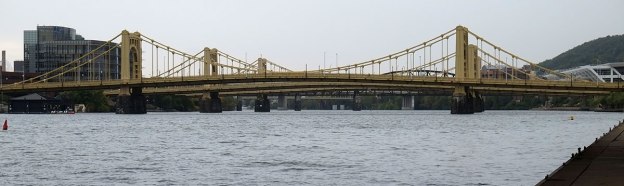
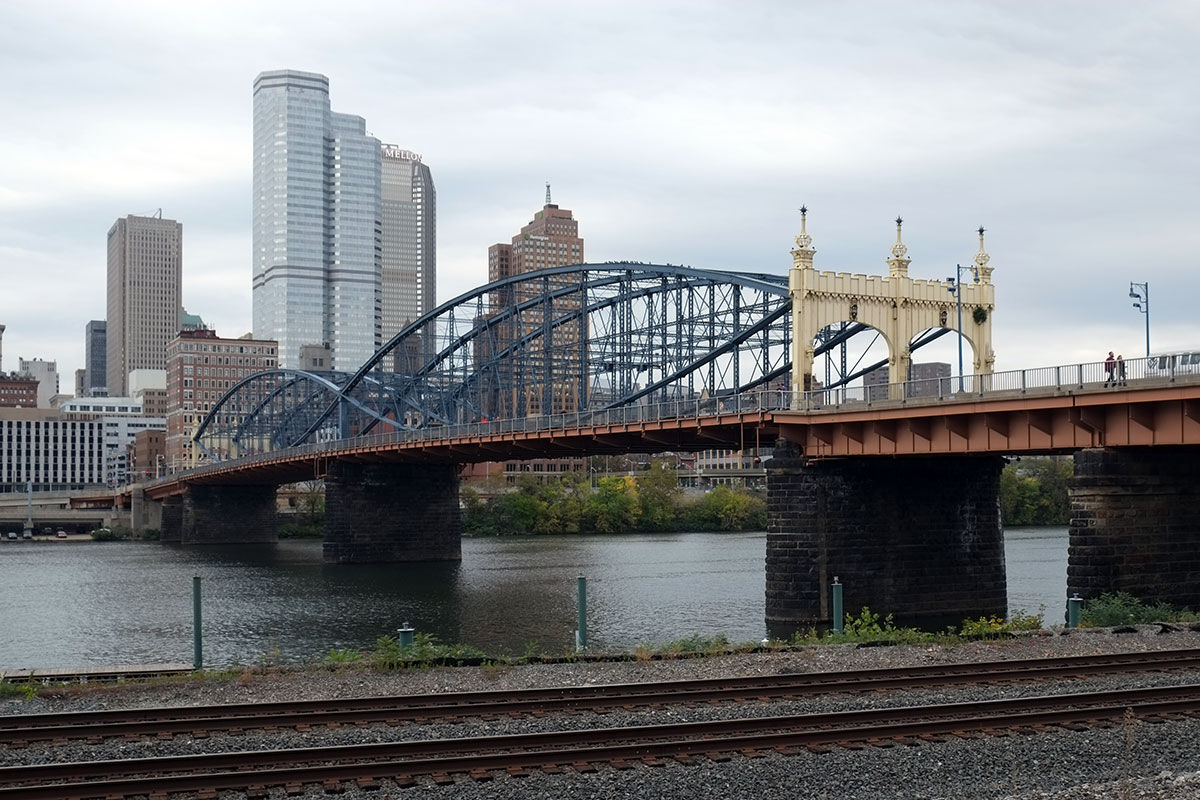
There are many things to like about Pittsburgh (and a few to hate).  First, bridges.  As I’ve mentioned, it’s a lot easier to get Greta to look at bridges than buildings, so we hit them all.  There are the three identical bridges over the Allegheny from the 1920s, pictured above and below.DSCF1105

There is Gustav Lindenthal’s lenticular truss Smithfield street bridge.DSCF1199

DSCF1186

There are the juxtapositions of bridges with bluffsDSCF1130and bridges with bridgesDSCF1191

The bridges are great, but it is time for people to get over this –  It’s Pittsburgh, folks, not Paris:DSCF1114

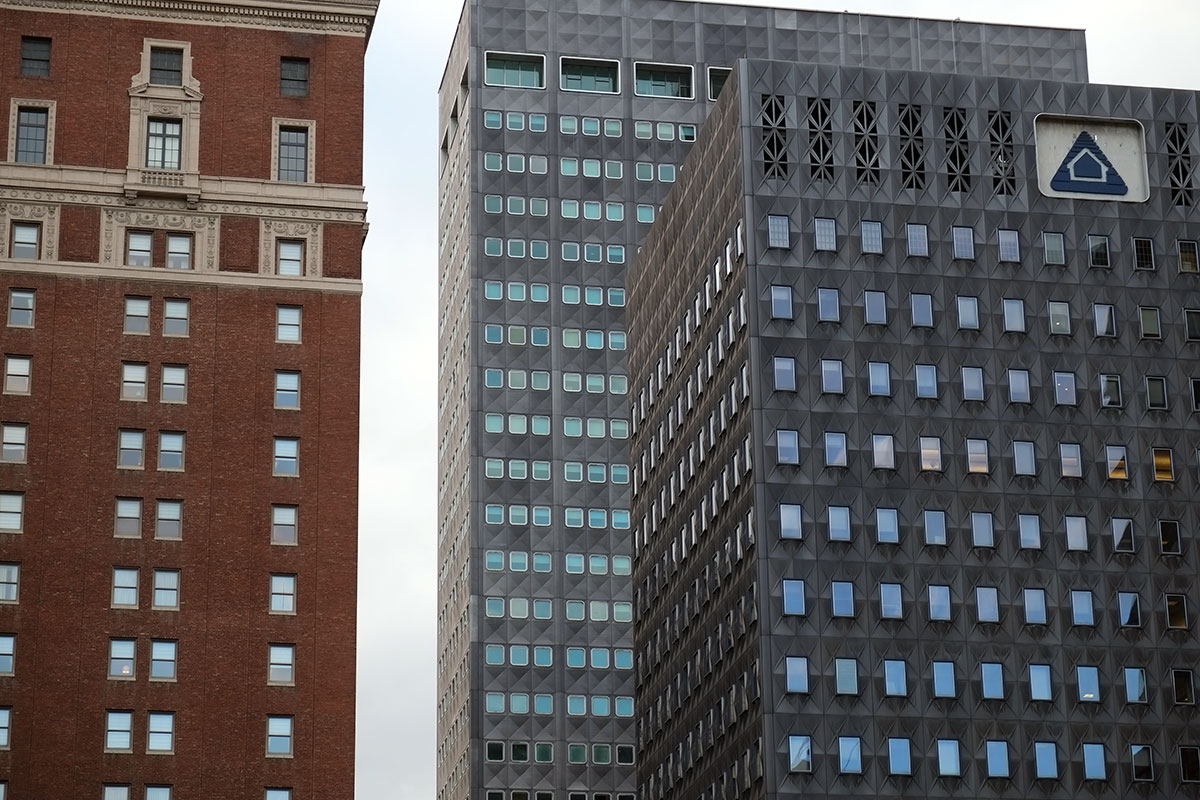
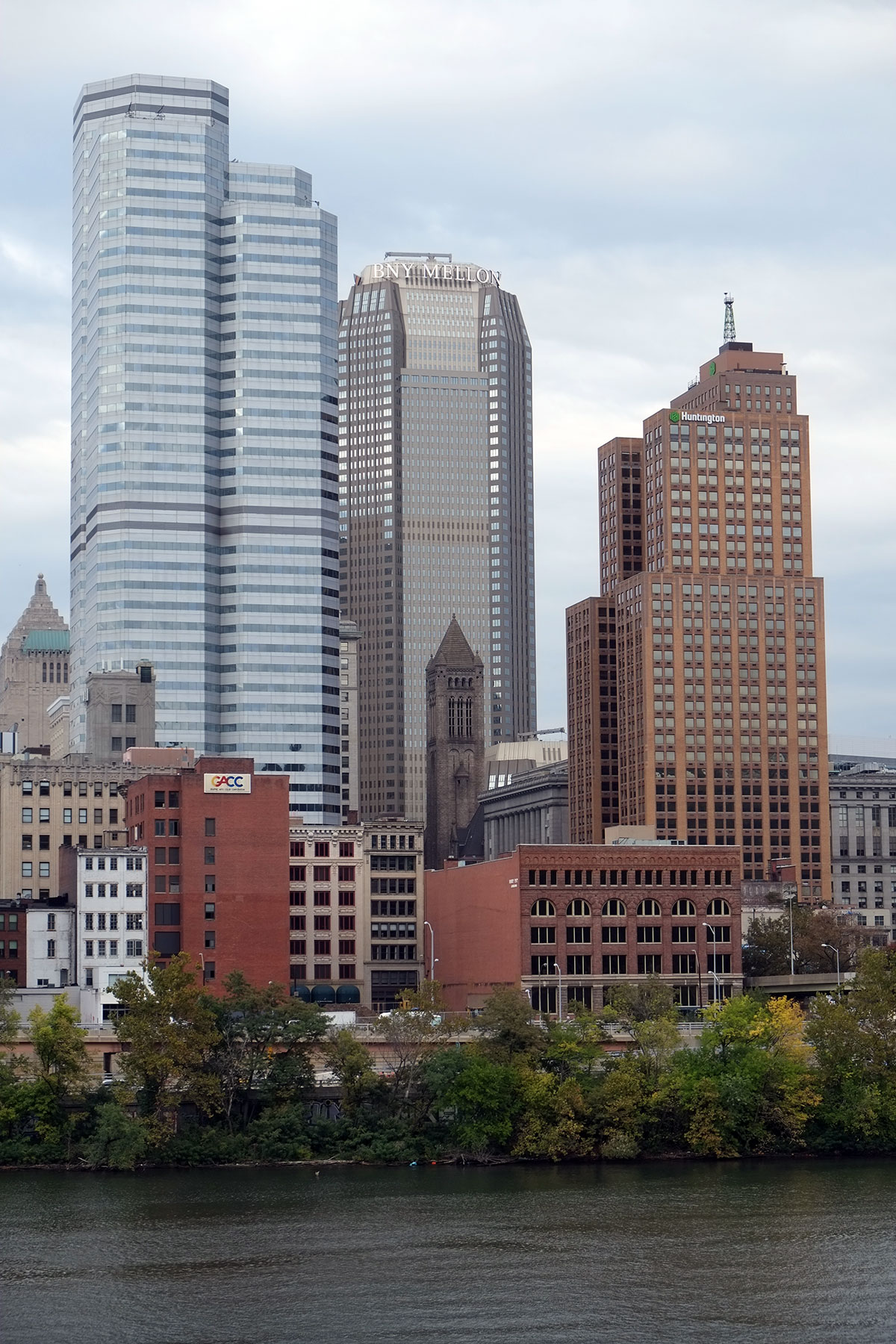
For some reason on this trip I’ve become obsessed with collages of urban fabric – bridges, but also lots of building facades seen together.  Pittsburgh is a good town for this.DSCF1284

DSCF1285

DSCF1144

DSCF1127

DSCF1298There are lots of buildings here that are interesting in their own right;  like, what’s that bizarre thing poking out at the right above?DSCF1294

DSCF1119

and some weird scale issues – impressive facade:DSCF1175

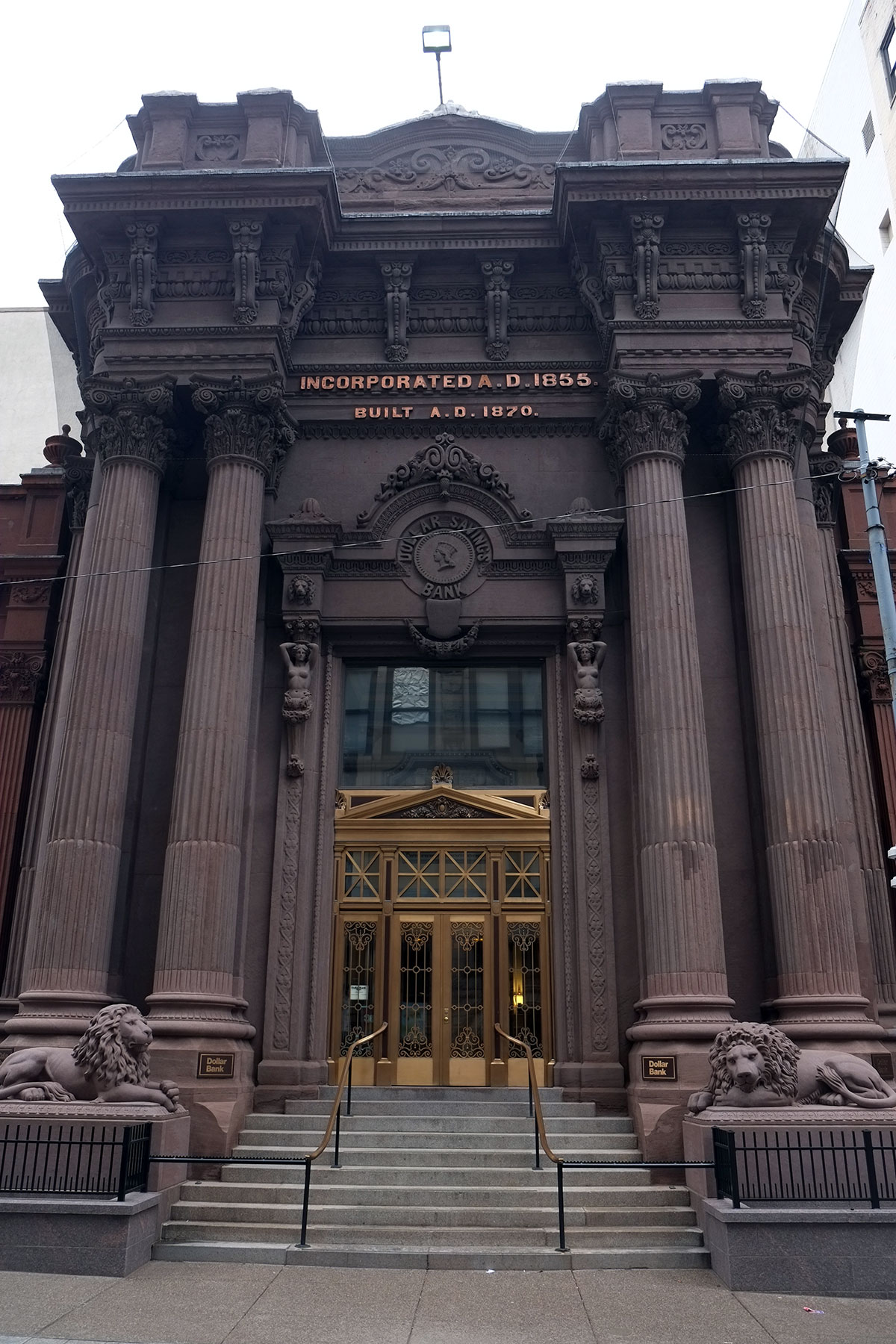
but it looks like they blew the whole budget on the entry:DSCF1216

and then in the midst of post-war mediocre gigantism, there stands a gem (more on that one in a later post).DSCF1207

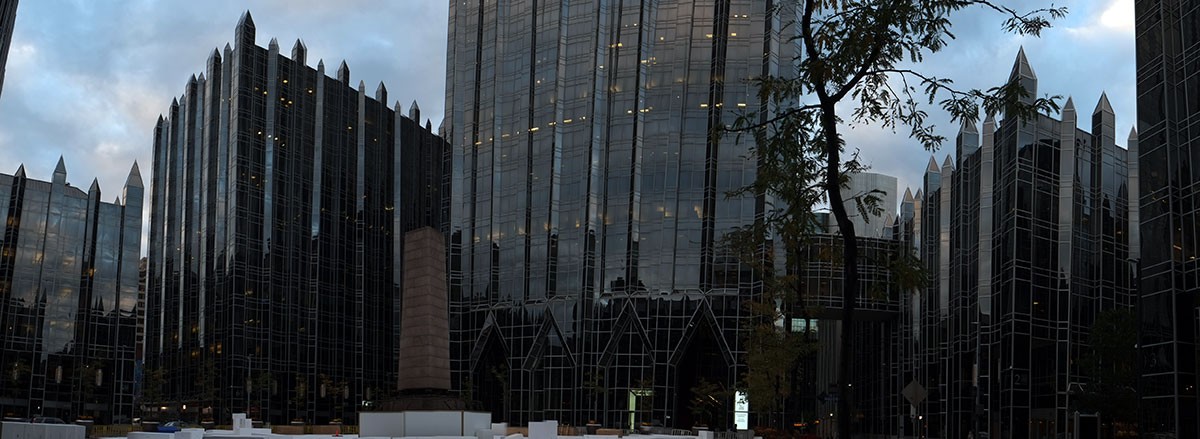
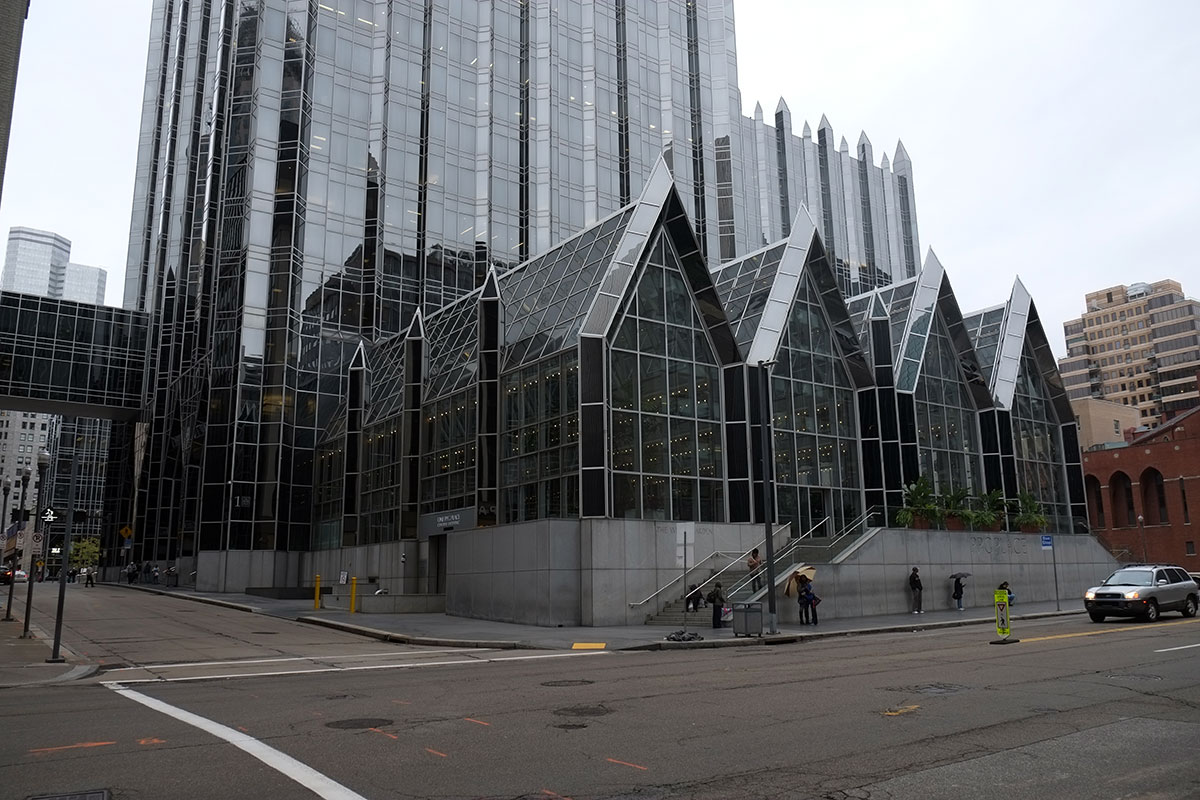
But no post on Pittsburgh would be complete without a mention of PPG Place. Every time I start to think that maybe Philip Johnson is not the dark lord of American modernism, this complex looms up in my mind.  Pictures cannot do it justice.  It is the most hideous bit of architecture/urban design perpetrated in the past 50 years (and I will be posting another contender soon).  cropped-dscf1313.jpg

DSCF1145

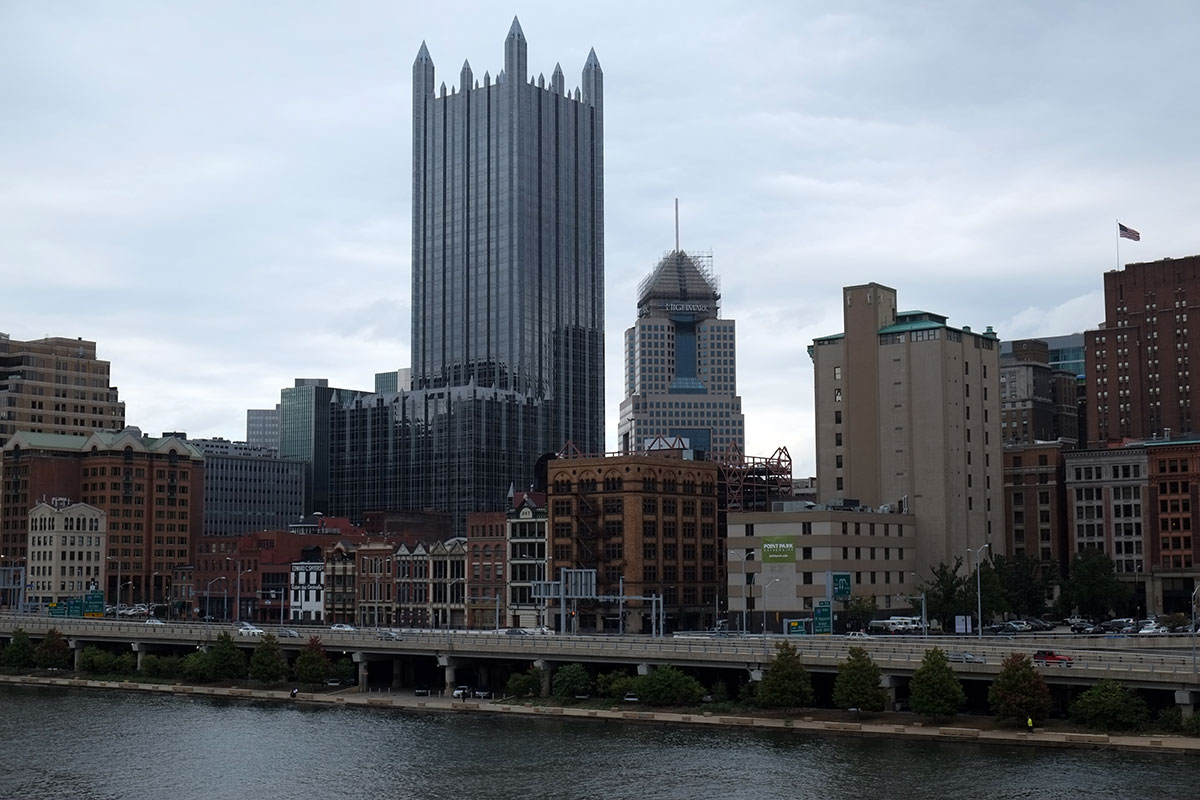
It is awful in concept, in execution, in scale, in proportion, in detail (or lack thereof).  It is horrible to be surrounded by it, and it is horrible to see its banality dominate the city from a distance.  DSCF1193

But there are certain contexts within which it fits.  I can only hope that someday we will be able to classify it as ruin porn.DSCF1099

Wheeling, West Virginia

I’ve never been to West Virginia before, and crossing from Ohio into Pennsylvania we only crossed the little ten-mile-wide ear of it, but it counts as being in the state, and we can put it on the life list.  Along with Kentucky – we walked across the bridge from Cincinnati, walked around a bit and took some pictures.  It counts.

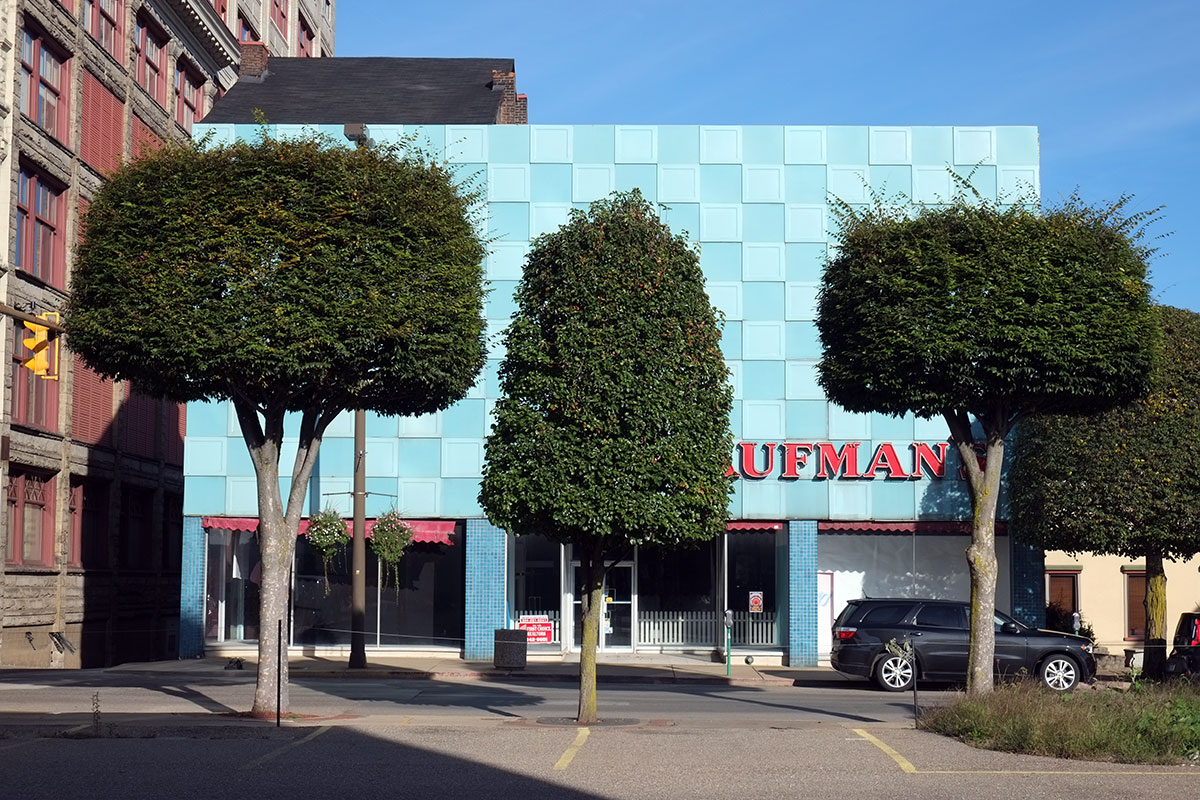
But we did go through Wheeling, where the National Road crossed the Ohio River.  The bridge is amazing – from the 1840s, it is the oldest important suspension bridge in existence.  It is not by Roebling, but he later retrofitted it with diagonal cables to help stabilize it.

The rest of the town was pretty damn depressing – many fine old buildings abandoned and boarded up, and literally everyone we saw on the street on a Saturday afternoon was homeless and/or drunk. It freaked Greta out – she had never really seen anything like this before.

We’ve been spending a lot of time recently in cities that were rich and important 100 years ago, but now they aren’t  Some have fared badly, and some have recovered amazingly (such as Pittsburgh).  It’s eye-opening for a kid from Oregon (where nothing is that old)  –  the idea that a place that was once so prosperous could decline so precipitously.

Cincinnati

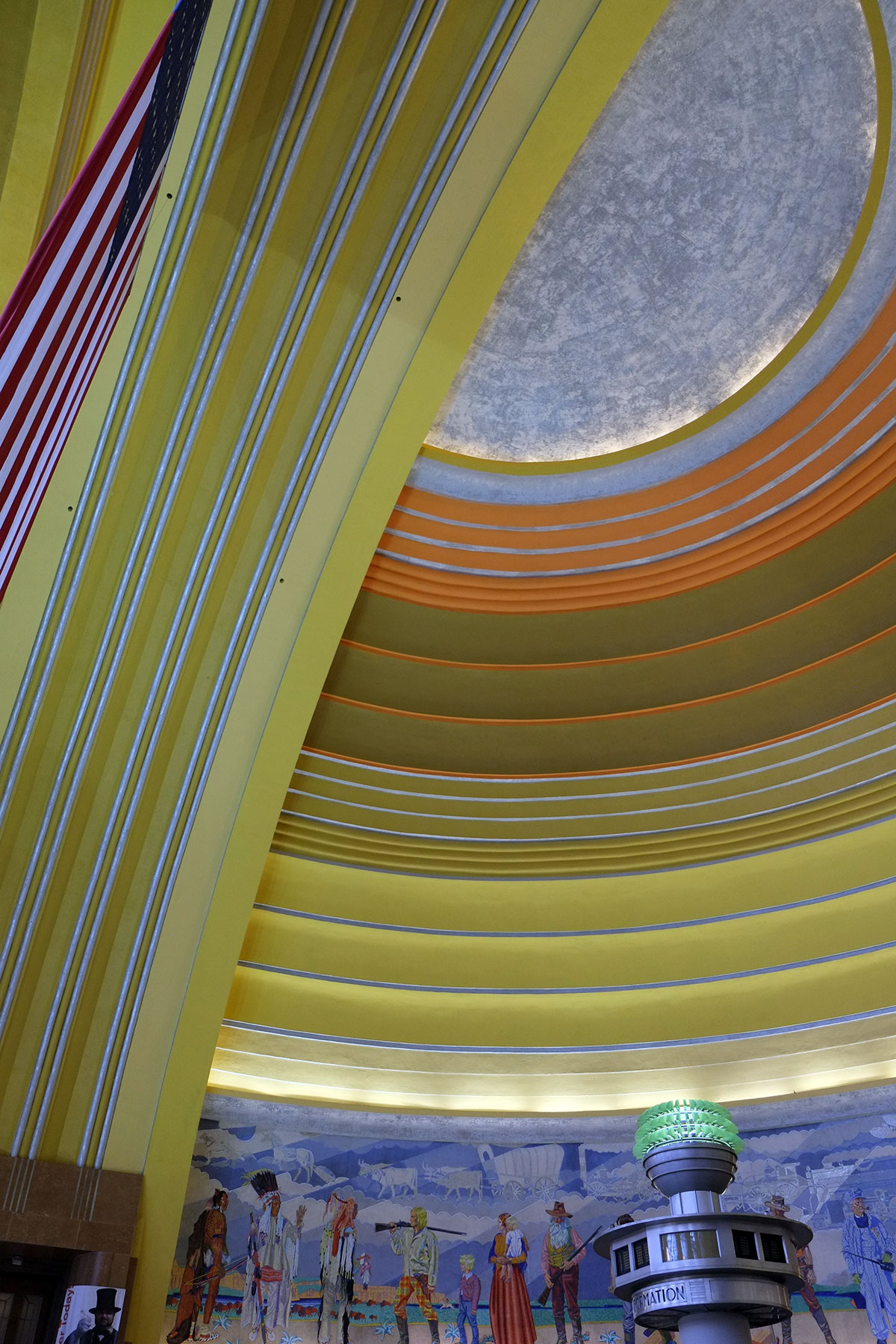
We spent some time tooling around in downtown Cincinnati, but really went to see two specific things:  the train station – which has been converted into a collection of museums:DSCF0623

and has an incredible lobby:DSCF0617 DSCF0620

And the John Roebling bridge, from the 1860s.  It’s very interesting to see the progression of bridges in the mid-19th century which led to the Brooklyn Bridge.  Plus while it’s hard to get Greta to look at architecture, she’s very happy to visit bridges.  DSCF0651

DSCF0658

DSCF0648

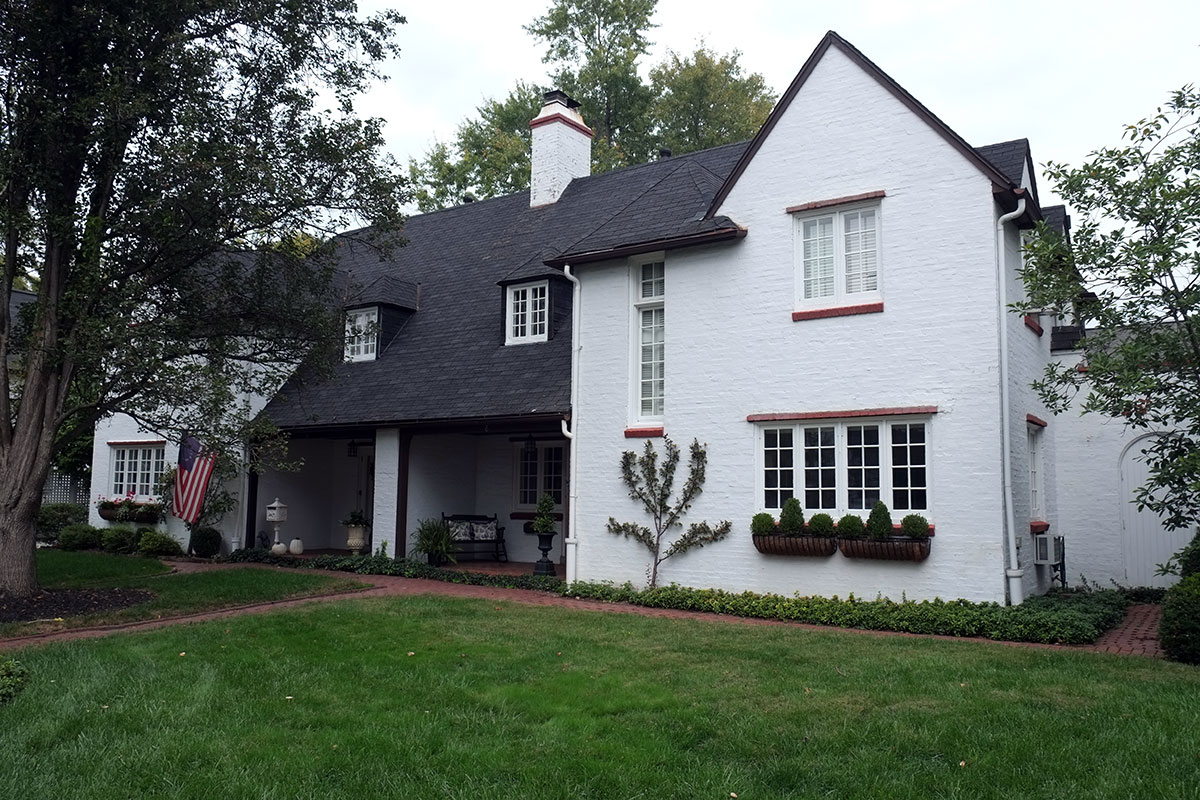
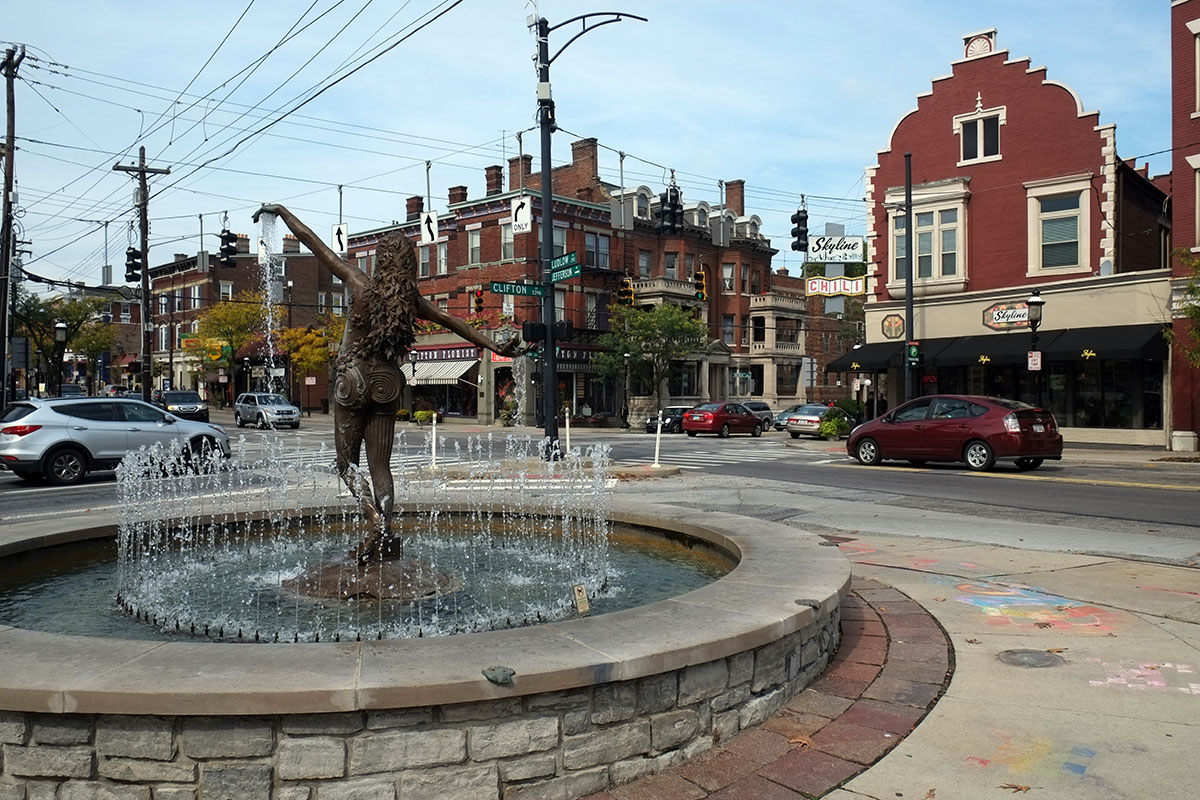
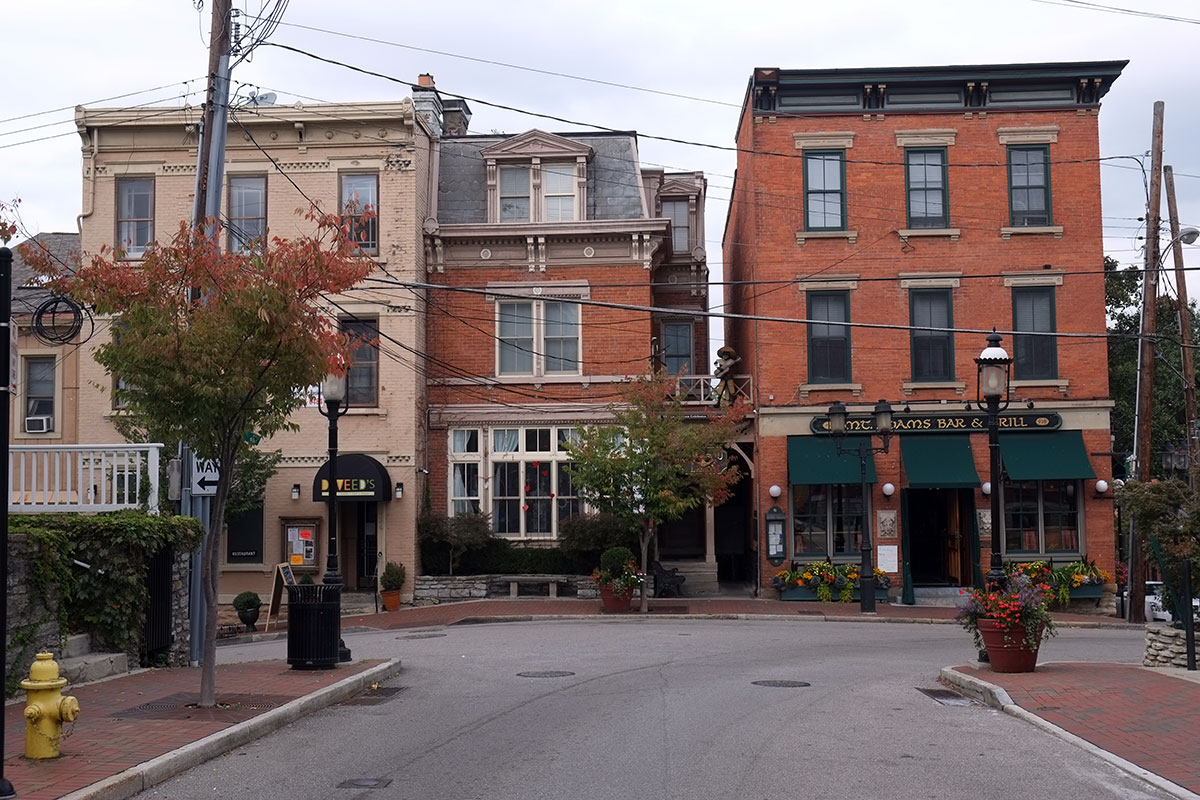
But what I continue to find most engaging in Cincinnati are the neighborhoods.  After the flatness and griddedness of the plains, being in a city where the neighborhoods, transportation routes and whole order of the city are determined by the topography (hills and water) is really engaging.  There was the Hyde Park district, where a very nice urban space is surrounded by mixed-use buildings, all within walking distance of Brian and Olga’s.  DSCF0525 DSCF0527

There was Mariemont, a John Nolen-designed planned railroad suburb from the 1920s, where some excellent duplexes on cul-de-sacs with rear alleys were designed by Grosvenor Atterbury (of Forest Hills fame).

DSCF0566

DSCF0569

There was the area near the university (where the architecture was superior to the chili):DSCF0416

And finally, the Mt. Adams neighborhood, atop a tall hill right next to downtown, which is apparently now a major location of gentrification and yuppie-bar-hopping:

DSCF0588

I like street views that end in sky:

DSCF0593 DSCF0604

A very livable city overall, which we could have spent a lot more time exploring.

University of Cincinnati

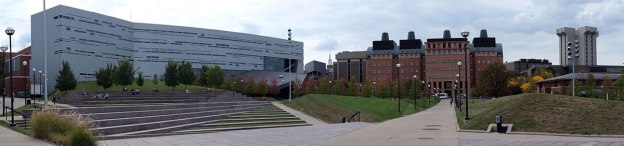
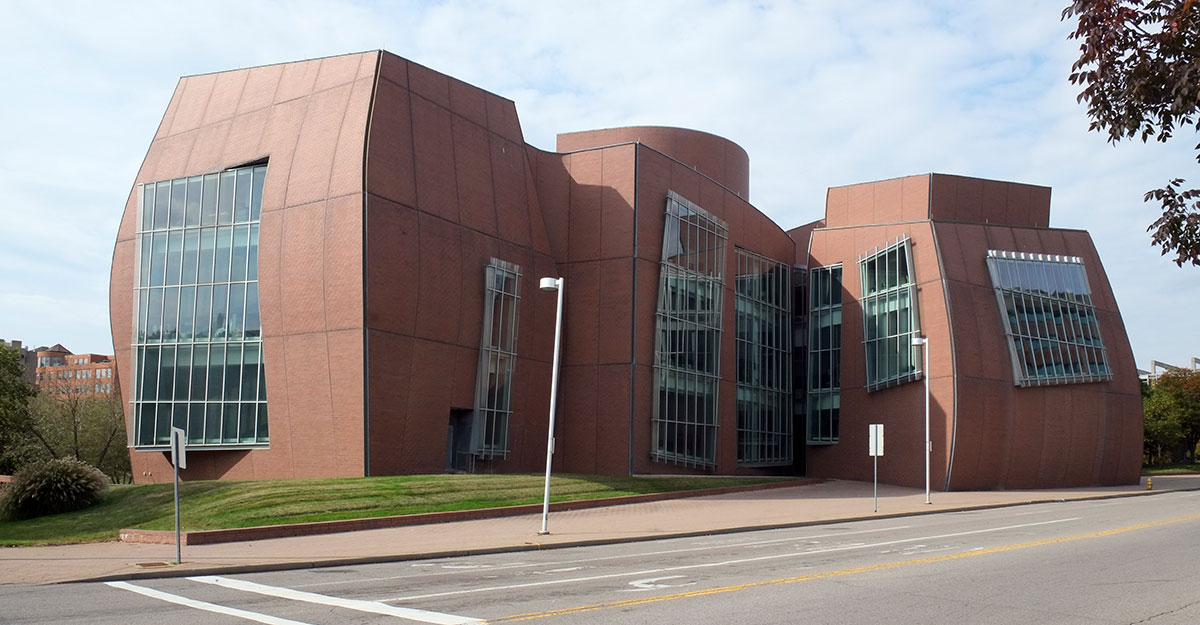
The University of Cincinnati is also a bit of an architectural petting zoo.  Apparently at some point the dean of the architecture school convinced the university that they should hire prominent architects to do signature buildings.  Predictability, the results are in the good, bad and ugly categories.  The juxtapositions are radical, as can be seen in the photo above, where you get Morphosis, Michael Graves, and one of the strangest brutalist buildings I’ve ever seen (is it a science building or full of telephone switching equipment?)

The Graves building is pretty darn nice.  It makes sense, it has a simple clear plan, and the scale of it fits in well.  (At least, we old folks from the 80s will probably like it.)DSCF0427

The Gehry building is not technically on campus, but a few blocks away, and is part of the general self-conscious milieu.  It sits by the side of the road, and it made me think of Venturi’s analysis of Las Vegas, a building which is trying very hard to create an impression as you glimpse it from a moving vehicle.

DSCF0520

Of course, the building that must be talked about is Eisenmann’s addition to the design school.  Seldom is a building worse than I expect it to be (I have pretty low expectations for some people), but this is one.  The exterior evokes recovered memories of all the bad color choices of the 80s – why was Eisenmann still doing this in the 90s?  (and why couldn’t he have remembered that he was once one of the “whites”?)DSCF0471

The entrance pictured above feels even worse than all those parking garages in TV shows where bad things always happen.  Perhaps Eisenmann was playing a joke with this, as an amazing amount of effort has been put into the extended entry stair which does indeed end up in a parking lot / service entry.DSCF0475

The interior has a couple of good spatial moves – a big void which goes through a few floors, a big stair which runs up alongside it, DSCF0459

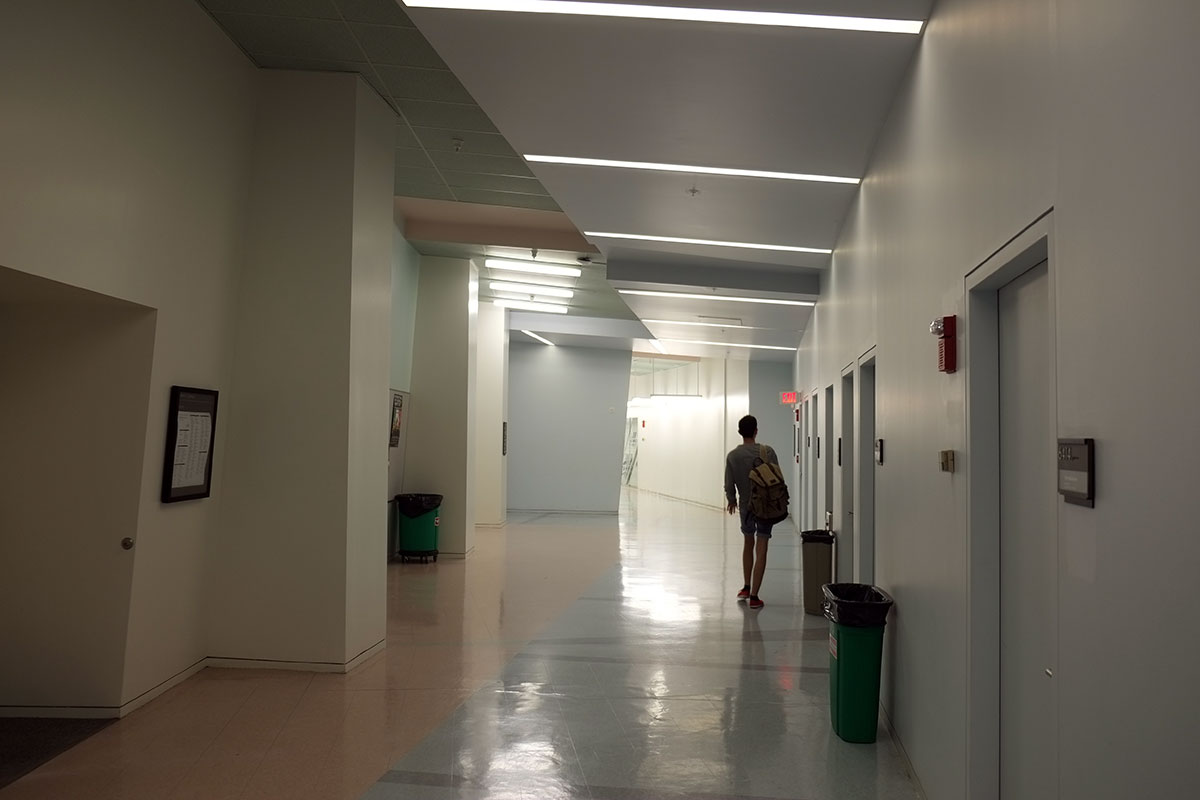
but these big moves have no impact on the building beyond themselves – they do nothing to organize the building spatially or conceptually.  You come across them randomly – we actually wandered the building for quite a while before we found them.  Most of the time you’re in corridors such as this:DSCF0451

Fundamentally as boring and soul-destroying as any other internal double-loaded corridor, except that this one has cost an enormous amount of money in the pointless manipulation of gypsum board surfaces.  Yes, it’s more entertaining than two parallel walls, but you get the feeling (actually you know) that Eisenmann was just playing games with diagrams and ideas, and not at all actually designing the space.  These corridors meander through a solid mass, seldom touching the exterior wall or the interior void.  There is no order to the building that one can intuit after a while, and the infrequent maps are not much help in finding anything either.  The architecture department seems to have made a very good decision by staying put in the older building to which this is attached.  Maybe they understood what it was going to be like, and the other departments didn’t.  There is a tradition that the architecture building is usually the worst one on a campus, and here again we see Eisenmann  manifesting his familiarity with architectural history and tradition.

DSCF0483

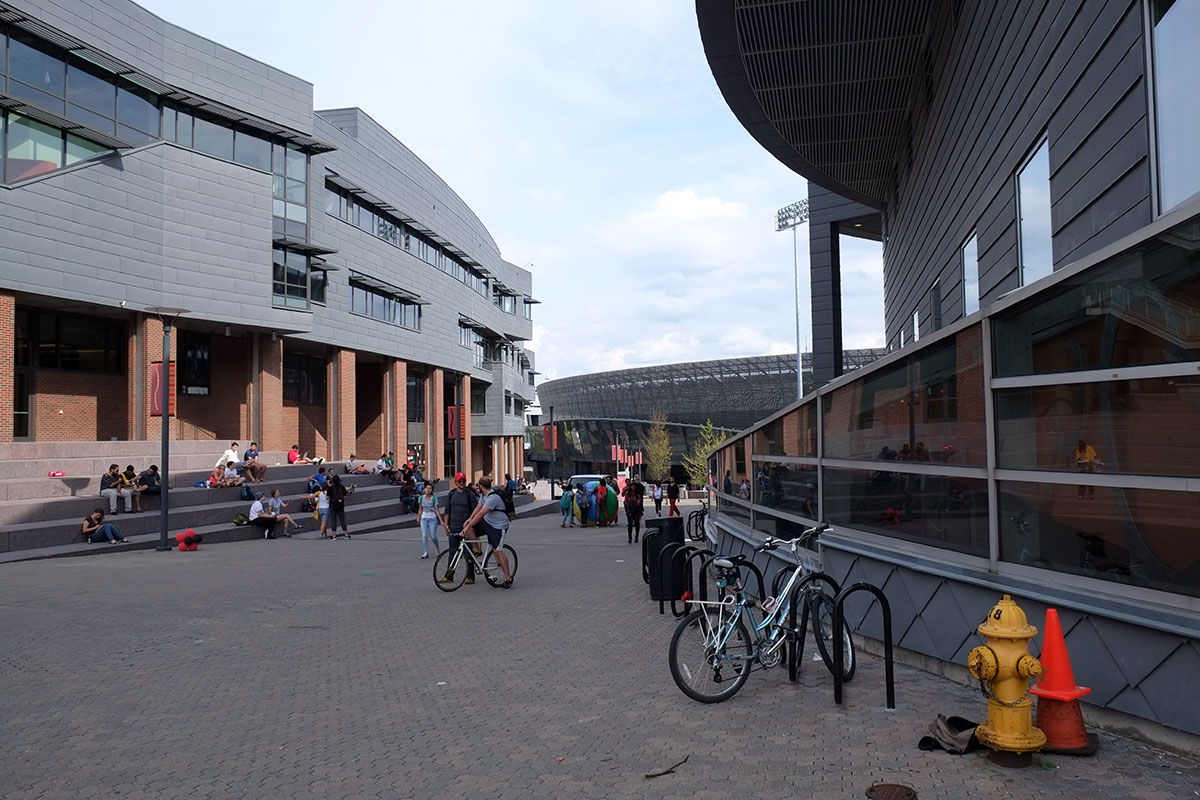
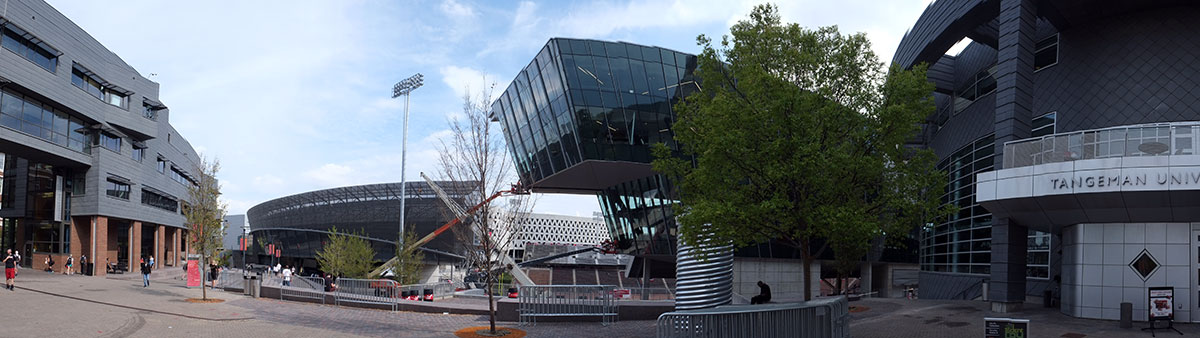
The part of campus which I unexpectedly loved was the relatively new “main street”, with the site plan by Hargreaves Associates, and which comprises some older Georgian buildings, some new buildings by Morphosis, Moore Ruble Yudell, Gwathmey Siegel and others, and which abuts and overlook the football stadium.  It’s a spectacular bit of urban design, with well-contained spaces squeezed between very active building forms, constantly shifting perspectives, long and short views, and contrasting materials and styles.DSCF0487

The radical change of scale that comes from incorporating the football stadium is brilliant, being able to look onto the field from above, rather than having the stadium be a looming solid wall that kills the space around it.  The glimpse of Tschumi’s building (the white one with the triangular grid) across the field gives you the sense of distance and scale that you sometimes get in a dense city, but almost never on a campus.DSCF0493

It feels like a piece of a city, and although undoubtedly planned to the nth degree, it gives that sense of unintended juxtaposition and unanticipated revelation which are perhaps the greatest architectural pleasures in a city.  DSCF0489

It seems fitting that this design is in Cincinnati;  after weeks in the grid-universe of the American West, Cincinnati was was the first place we came to where the topography dominated the city’s organization, where the back and forth between the pre-human world and the order of the planned city achieved a satisfying balance.  This design reflects that balance in a completely thought-through and beautifully articulated way.

Perhaps Eisenmann was trying to say the same thing, letting his building operate with more of a topological than geometric order.  But a building is not a city (although that might be nice conceit to explore in a design studio).  It can’t encompass all the complexity of a city and the contrasting set of ideas that develop over time.  Trying to make a building that complicated seems very forced – there are only so many unrelated ideas that can comfortably co-exist in a small place.

A campus is not a city either – it is fundamentally a planned entity, and somehow the attempts to mimic the city-like development pattern (such as the Oregon Experiment) haven’t been very successful in creating a city-like environment.  Lucien Kroll wrote about how to how to bring this sensibility into modern large-scale development (by allowing multiple voices and designers, and compressing the time-frame of city-building), and this part of the Cincinnati campus is probably the most successful example of that I’ve ever seen.   I loved it even more than I hated the Eisenmann.   DSCF0503

Indianapolis

Indianapolis is just big – about 20 miles across, in either direction.  (368 square miles – significantly bigger than New York City).  This great size leads to a corresponding variety – a large and spread-out downtown, and many residential neighborhoods – from old and decrepit, to close-in and gentrifying, to old ones that are a few miles out from the center and unbelievably grand, and newer neighborhoods of McMansions on the periphery, which feel like they are out in the woods.  Bill Adams took us on a great tour which really showed the variety of places, but I felt that I had barely scratched the surface.

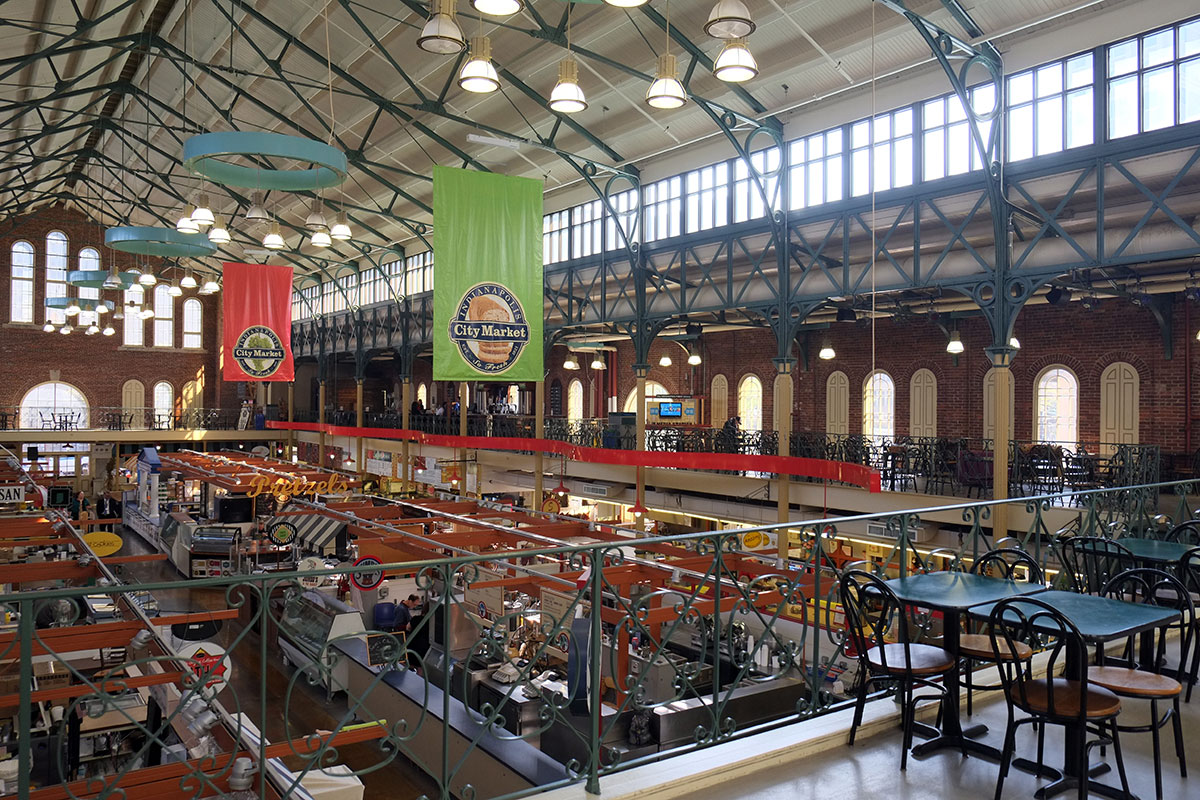
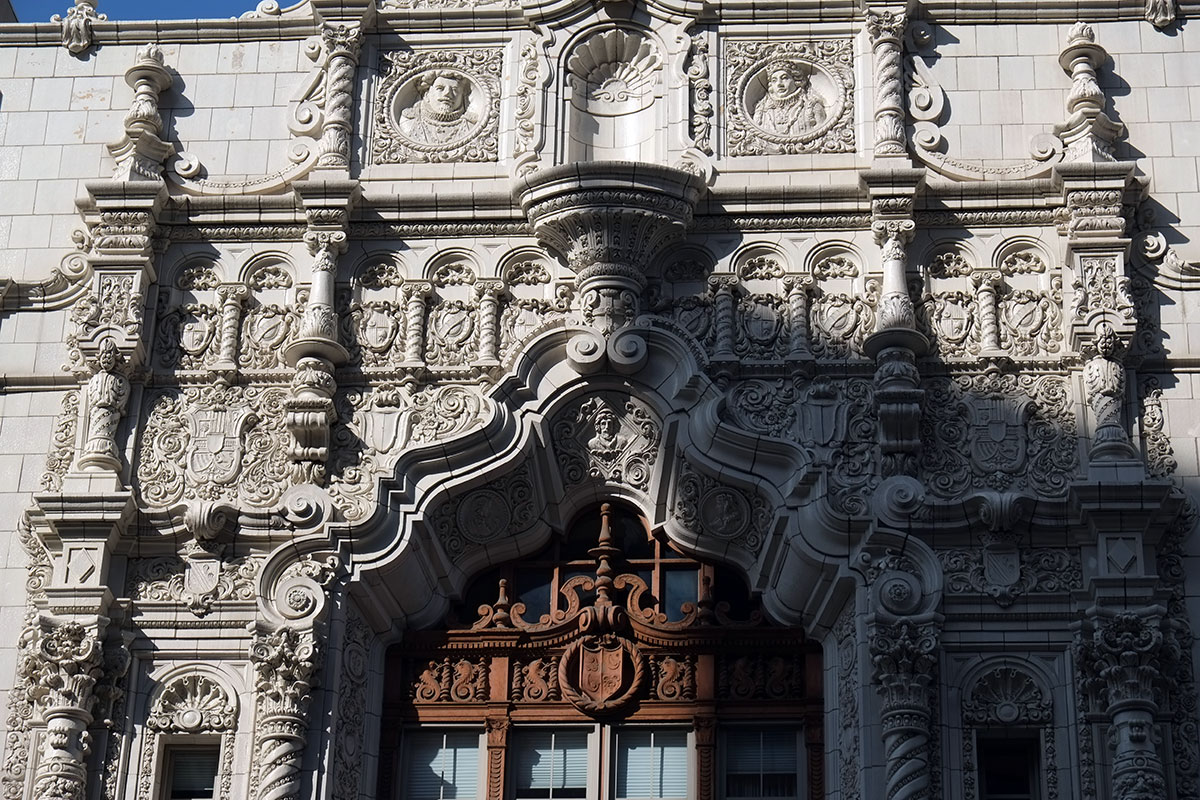
The downtown has some fine old buildings:

The City Market

The City Market

The Indiana Theater

The Indiana Theater

The Statehouse

The Statehouse, right where it belongs on the axis

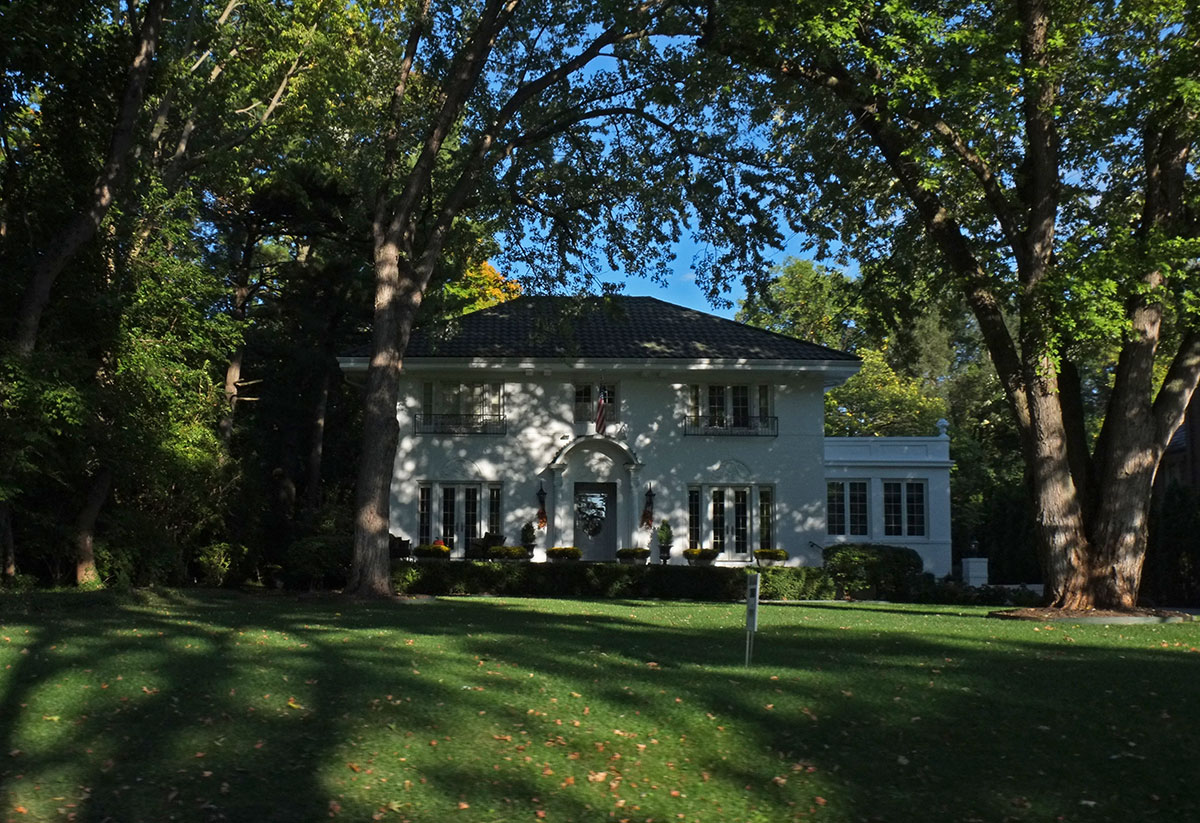
a somewhat typical mansion on the north side

a somewhat typical mansion on the north side

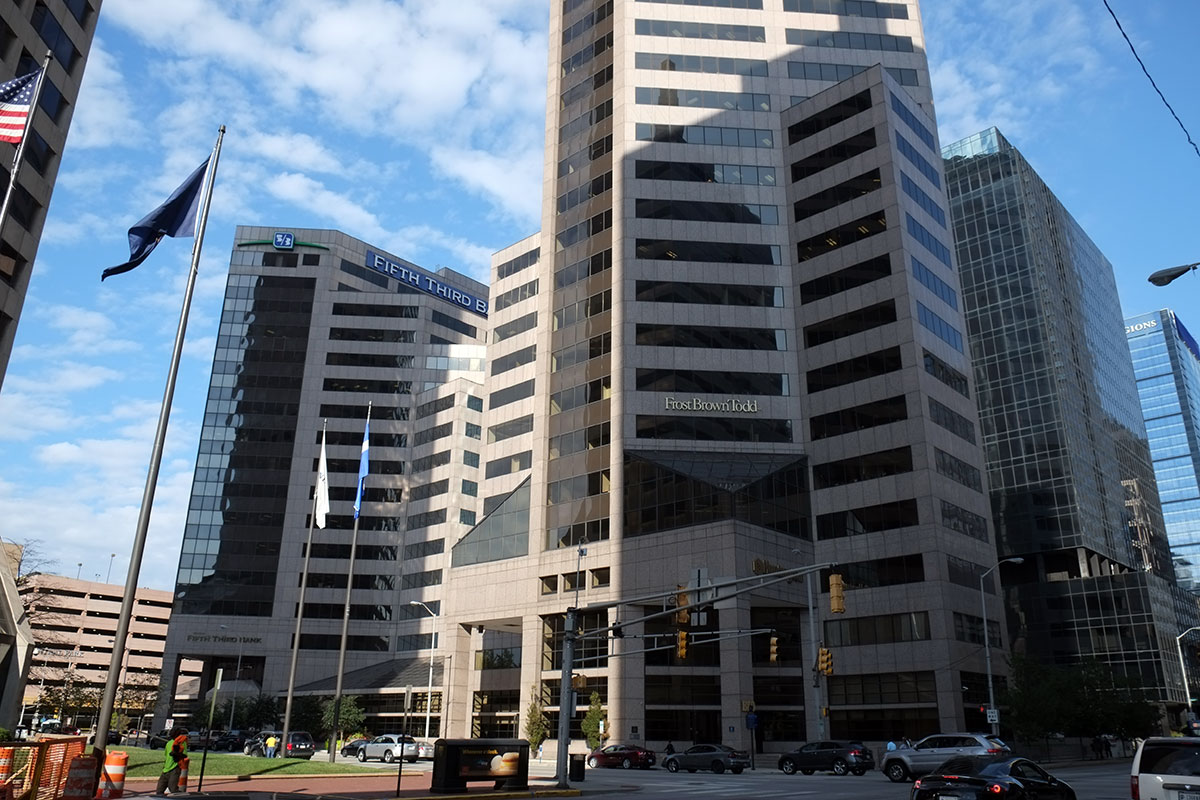
And then the city has a fairly normal array of postwar buildings and juxtapositions, which vary from the commonplace to the truly weird

a nondescript but weirdly angled 70s-thing

a nondescript but gratuitously angled 70s-thing

A Marriott which probably looks much less real than the rendering of it did

A Marriott which probably looks much less real than the rendering of it did

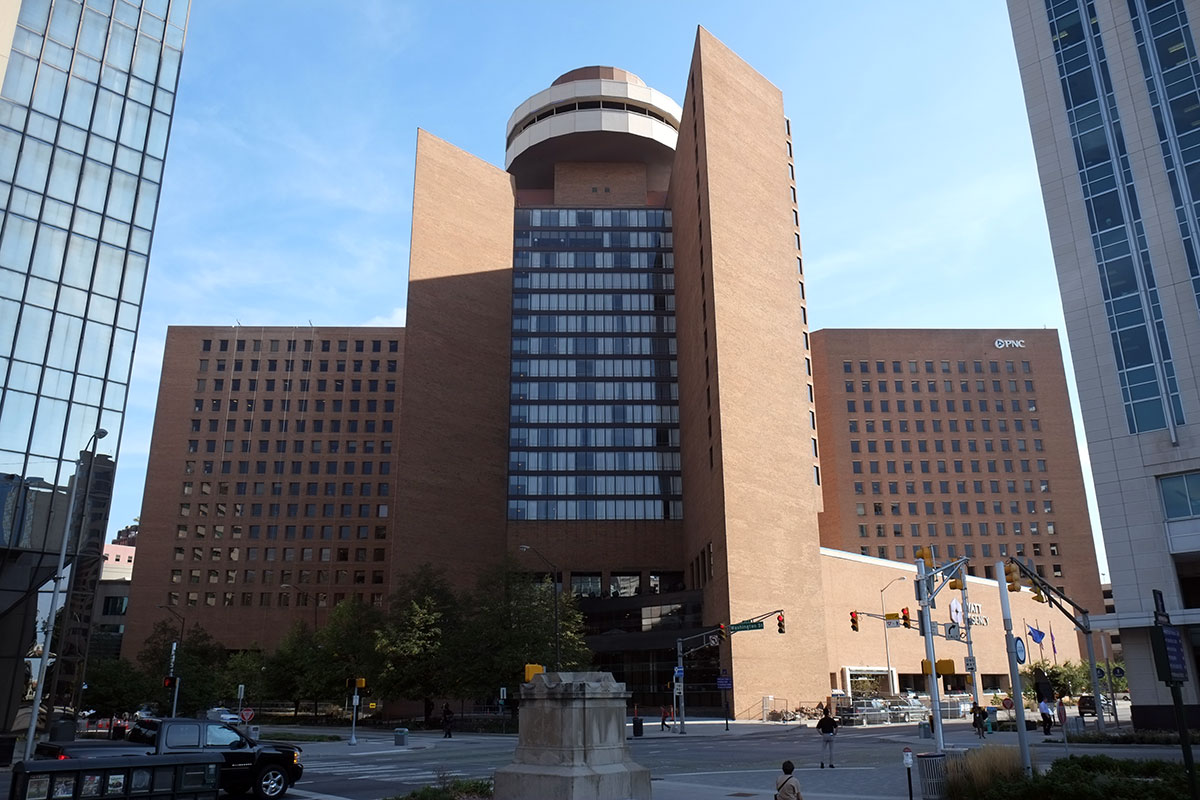
a portico on a state office building, remarkably overscaled, ponderous and pointless

a portico on a state office building, notably overscaled, ponderous and pointless

the skyline as seen from the canal to the west

the skyline as seen from the canal to the west

a classic 70s Hyatt, which brought on a wave of nostalgia in me

a classic 70s Hyatt, which brought on a wave of nostalgia 

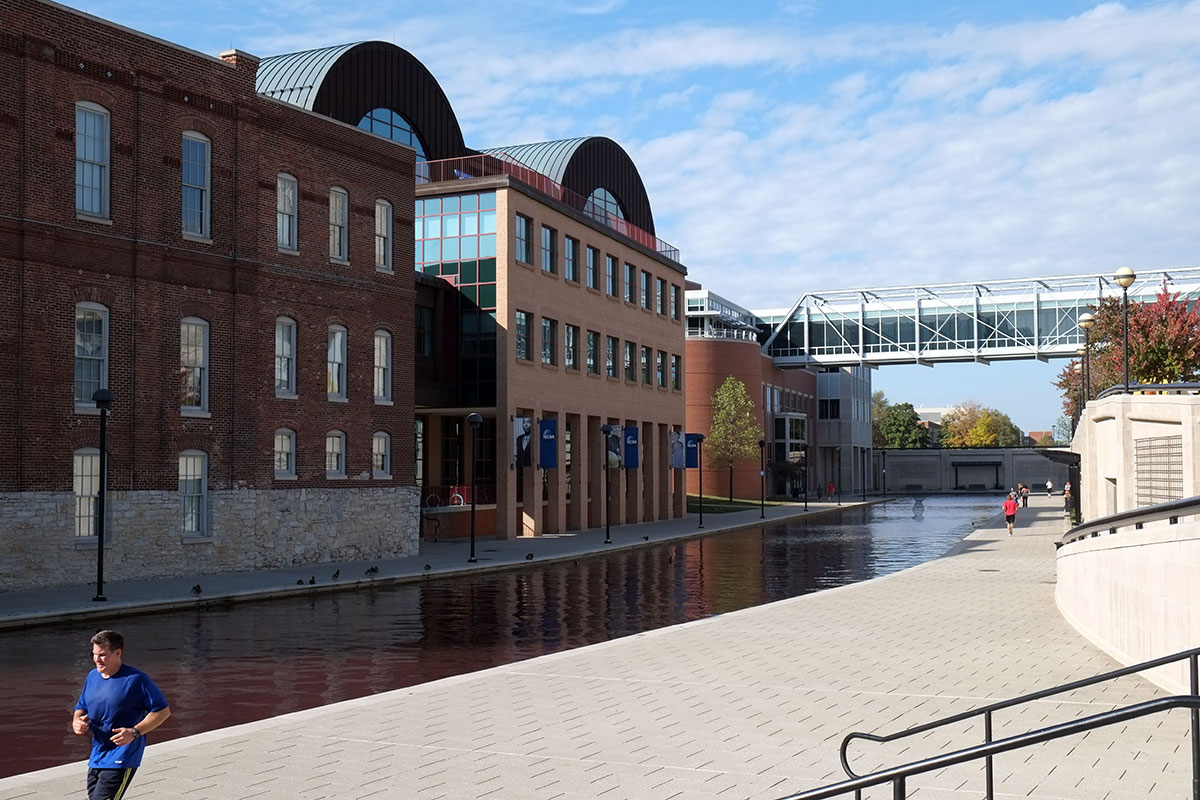
the NCAA headquarters, by Michael Graves

the new NCAA headquarters, by native son Michael Graves

with this attached hall-of-fame piece

with this attached hall-of-fame piece

DSCF0329

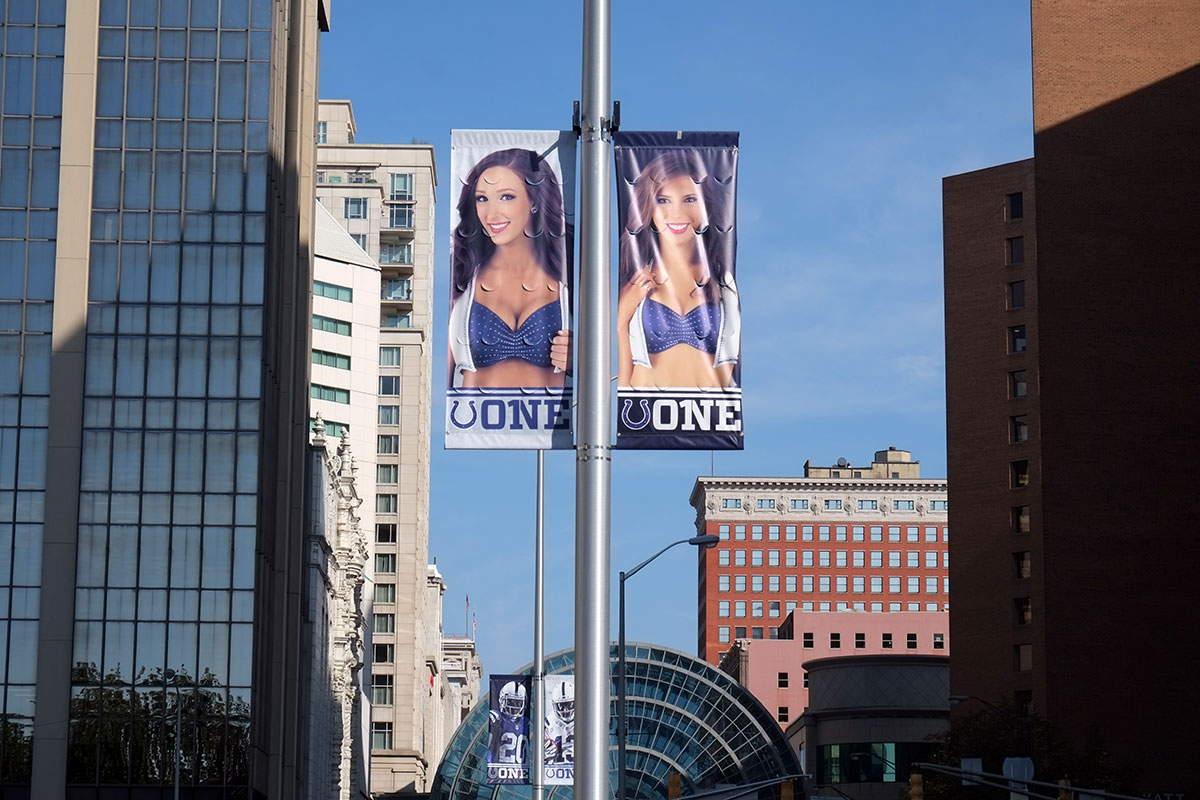
The strangest thing was seeing what aspects of civic life are most valorized.  The Statehouse is quite impressive, but who are those individuals being accorded a place of honor on the banners hanging out front?  Statesmen, or perhaps war heroes?

DSCF0331

No, it’s the Colts’ cheerleaders!

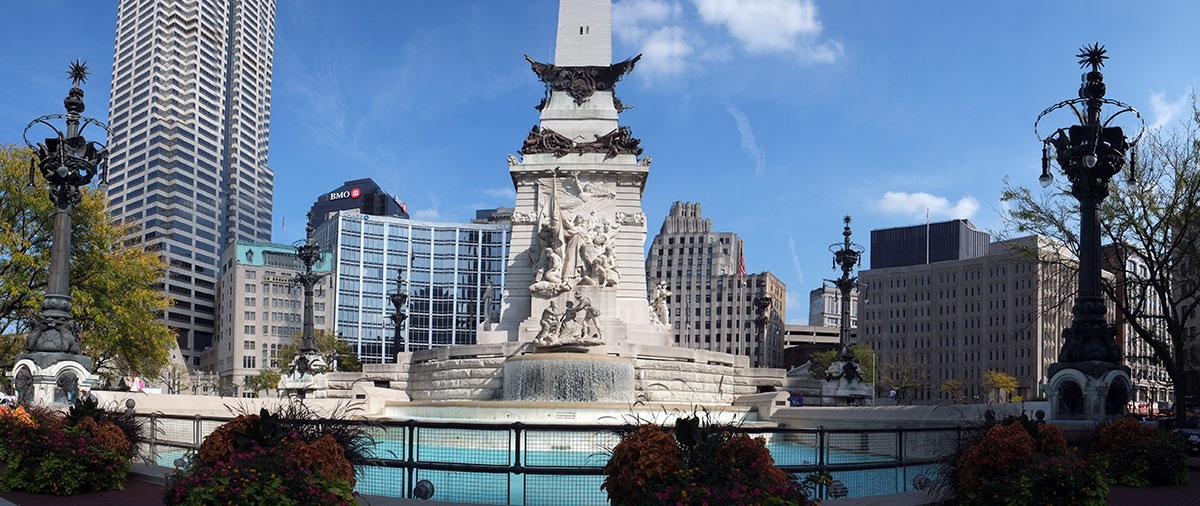
But by far the most amazing thing in Indianapolis is the Soldiers’ and Sailors’ Monument, which is in the center of town where the two main streets intersect, similar to the Philadelphia City Hall.  The urban space is very grand, a circle 500 feet in diameter between building walls, with the buildings enclosing the traffic circle and the Monument.  The Monument is covered with the kind of histrionic and spectacular civic sculpture which was common in the late 19th century (such as at the Columbian Exhibition, or the Maine Memorial in NY).  DSCF0297

DSCF0309DSCF0299

It’s a fantastic, over-the-top piece, and it may be the best means we now have to experience what the White City must have felt like.