Category Archives: architecture

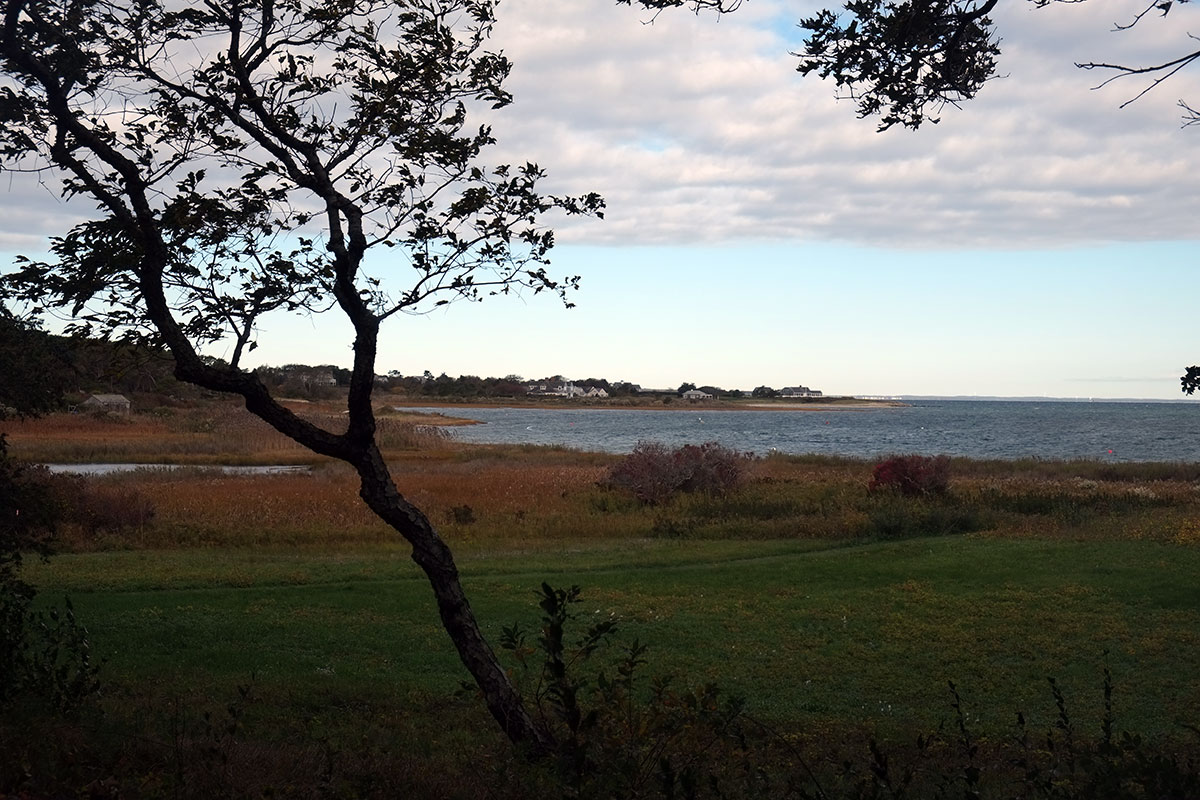
Cape Cod

While revisiting a city where you’ve lived as an adult may elicit mixed feelings of familiarity and strangeness, revisiting a place you knew well as small child feels like coming home, especially if that place has barely changed.  My grandparents vacationed in Chatham nearly every summer for most of their lives (but unfortunately always stayed in the same guest house, instead of buying a place when they could have).  So my family spent a few weeks there every summer since I can remember.  I loved it as a child – the cool nights, the old, small town so different from our New York suburb, the ritual of walking to the beach every day.  I think my interest in architecture and towns can be traced back to those early summers.  Once again I wanted to show Greta a place where I had grown up by the sea, so she could see how that related to our own house on an island.

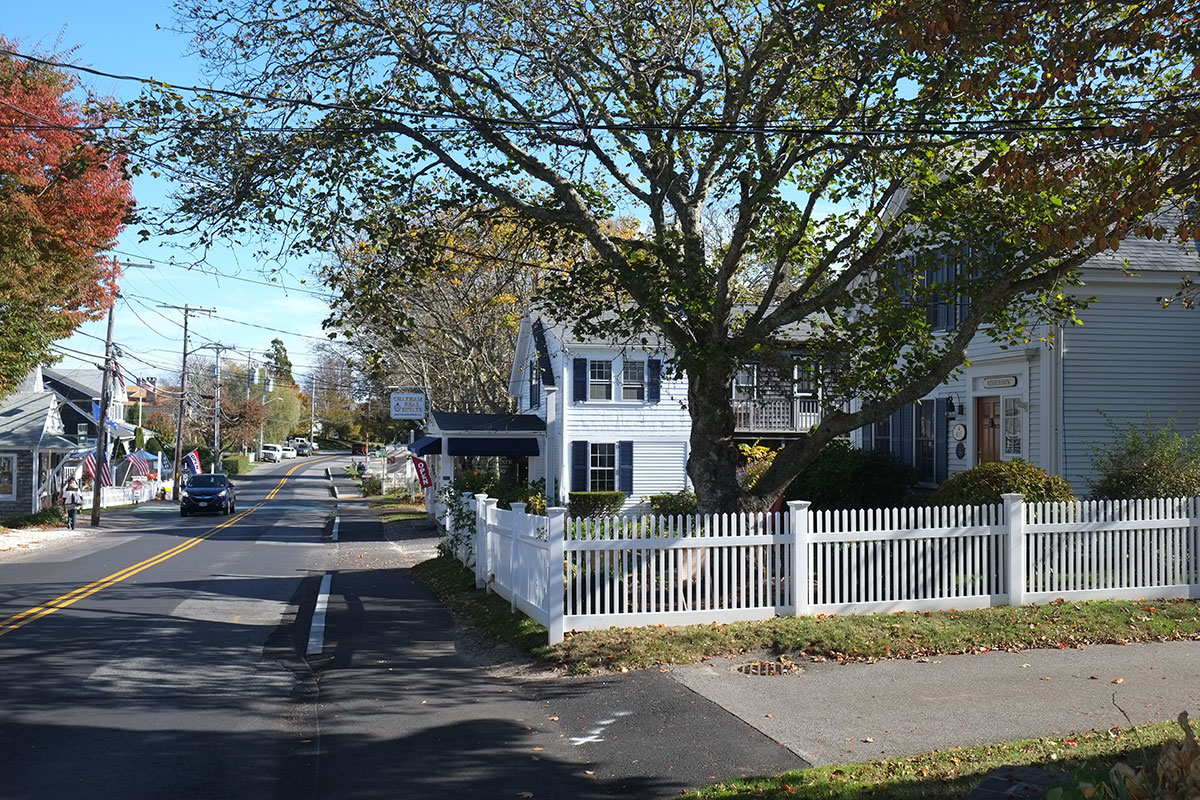
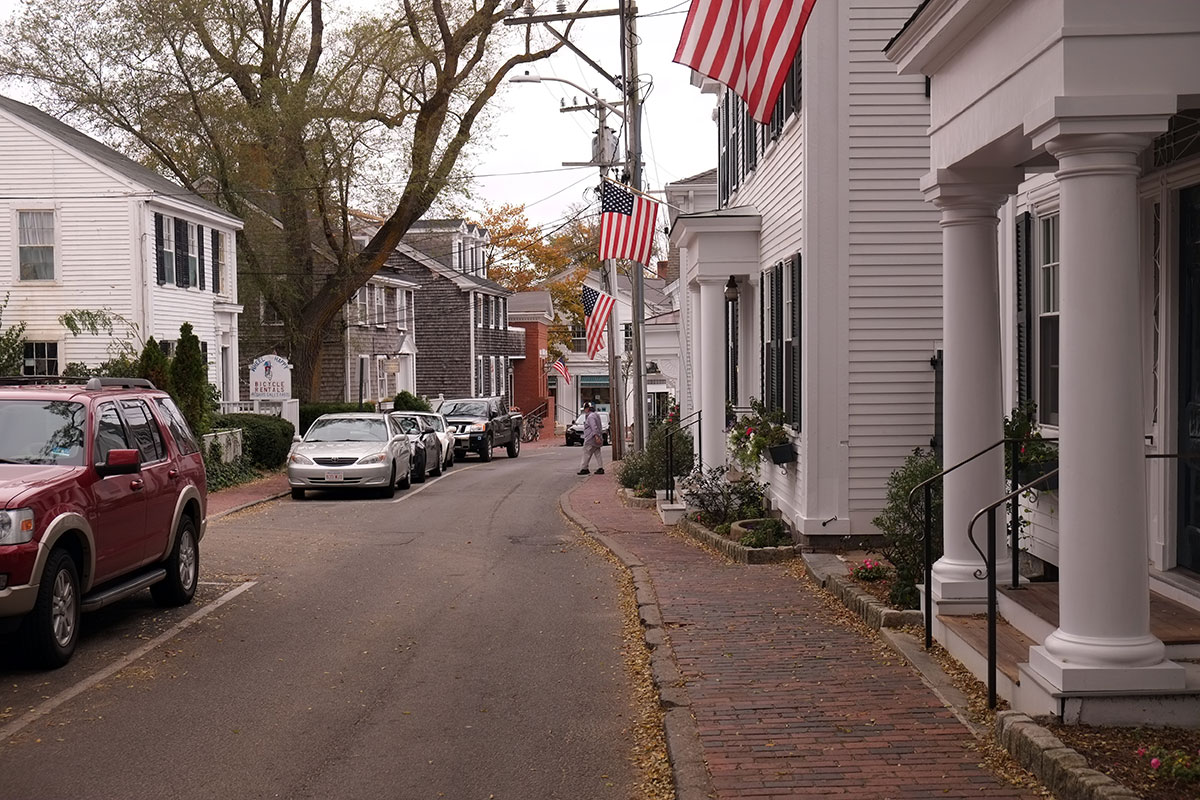
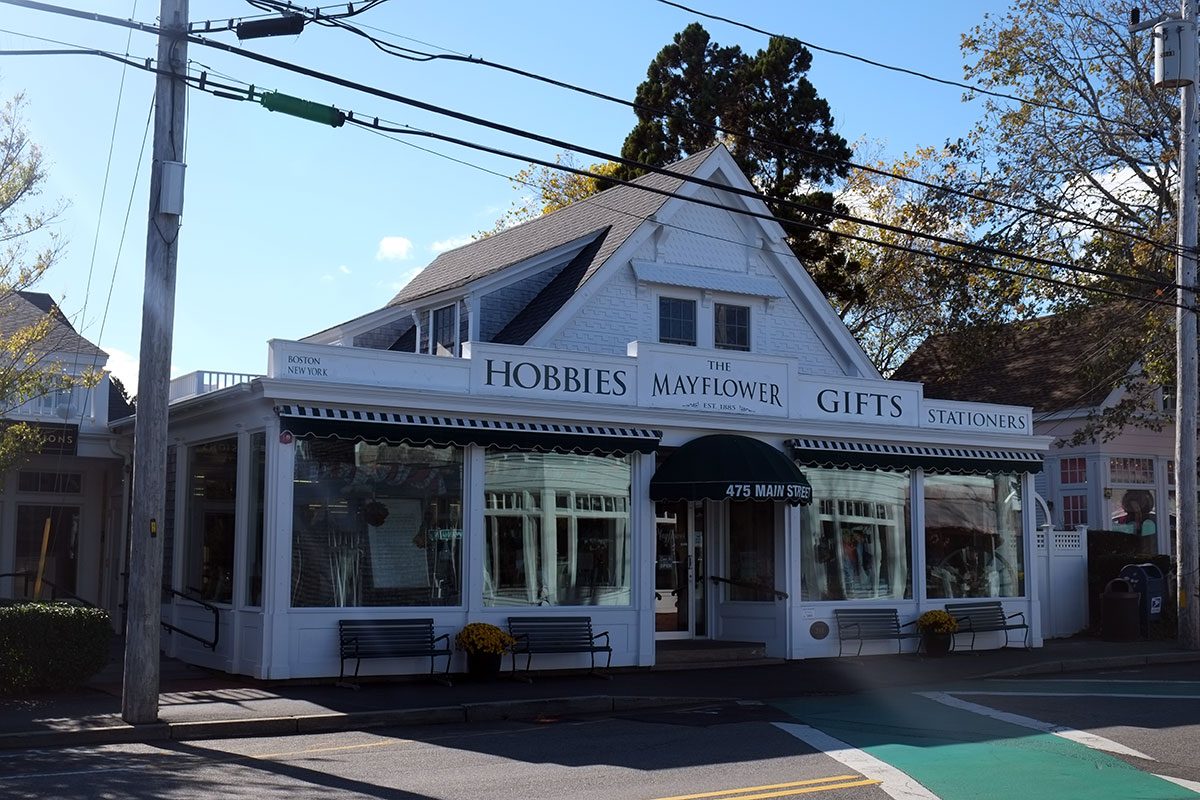
Chatham has changed so little that it was like being in a bad romantic movie where you step back into your earlier life.  Not only were the buildings unchanged, but many of the same businesses were there, such as the Mayflower, where one bought kites and beach toys and other critical things. DSCF3215
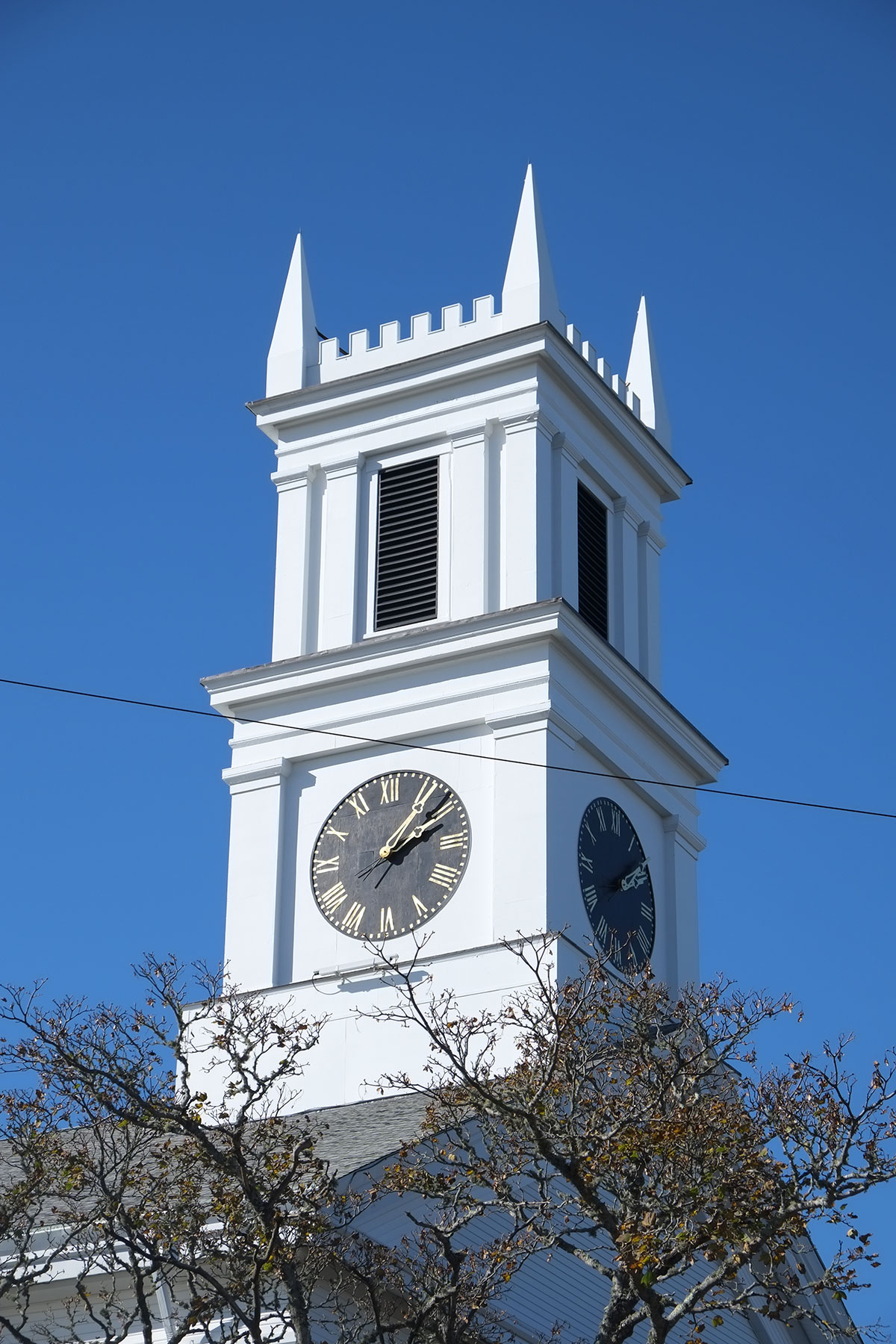
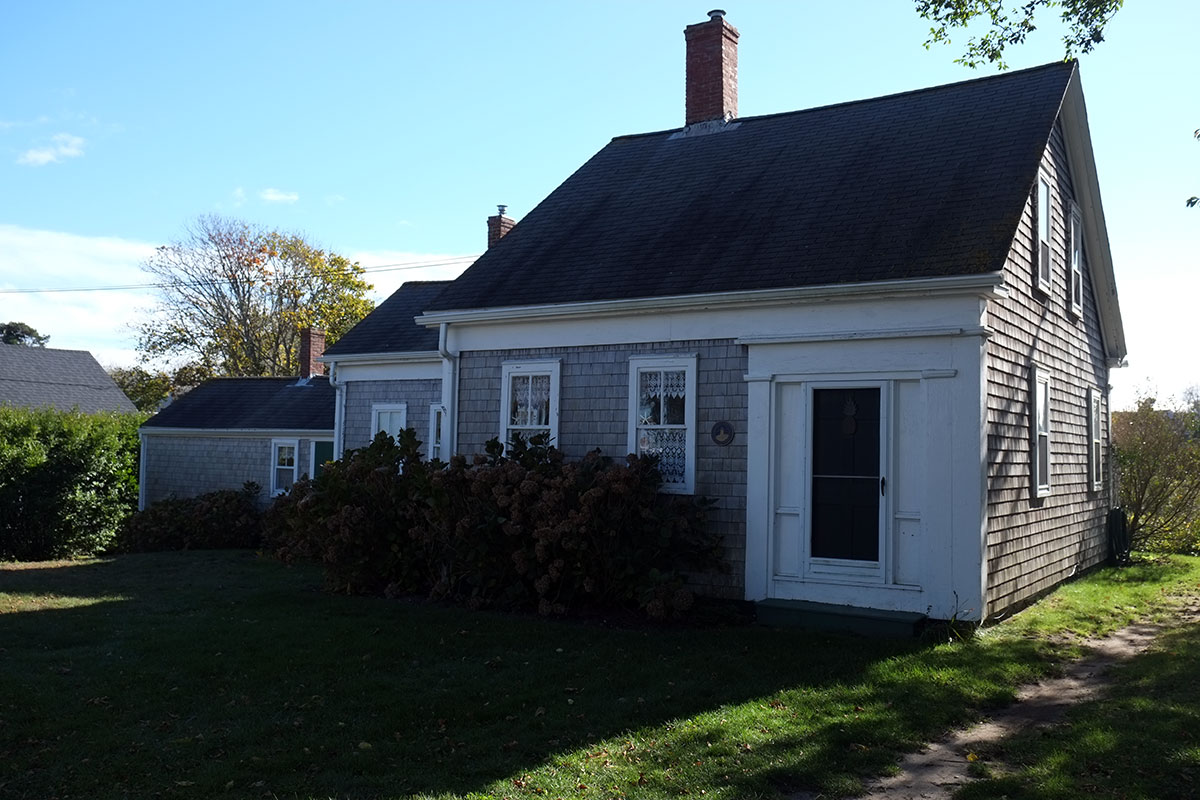
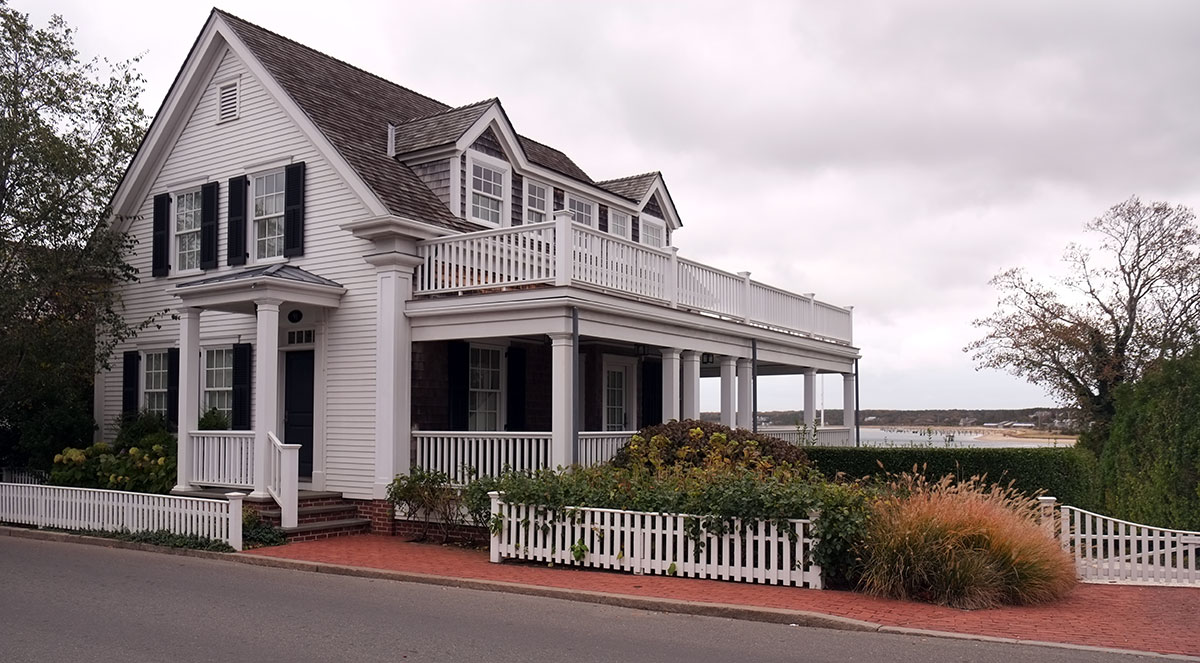
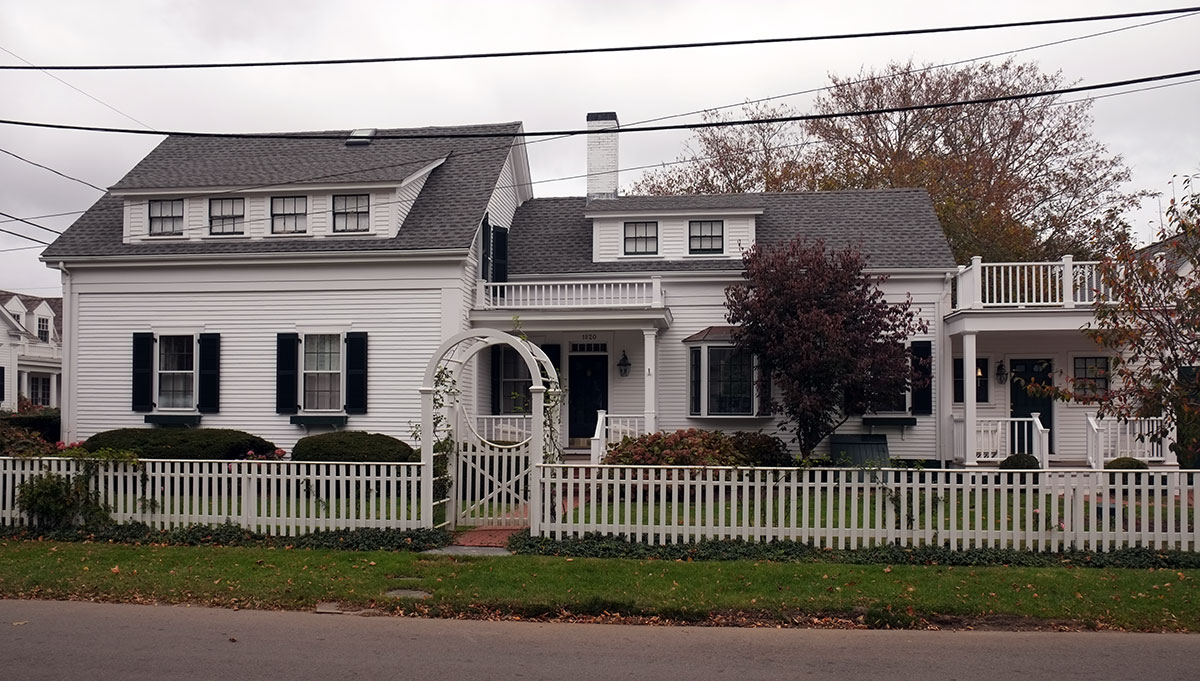
The cottages where we stayed were all gone, replaced by new McMansions, but the center of town has endured.DSCF3192DSCF3221DSCF3205

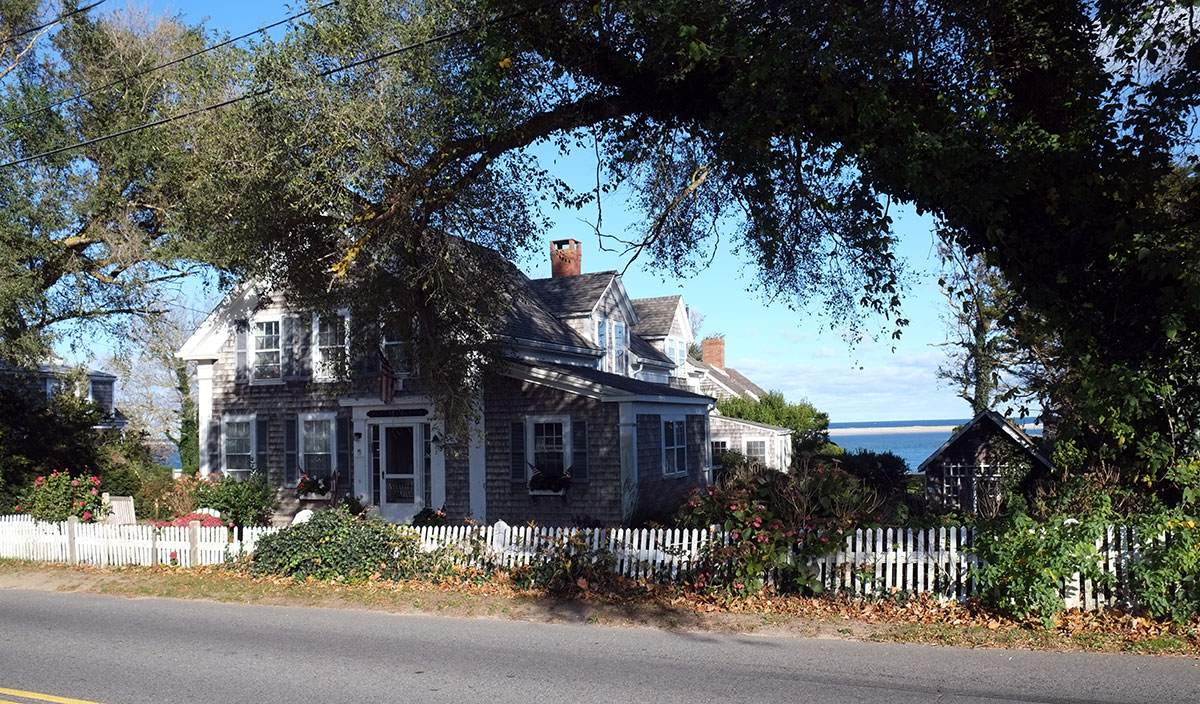
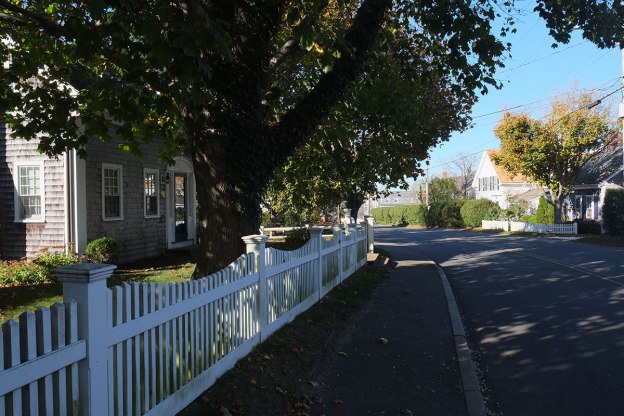
The most memorable part of the town is the walk along Main Street to the Lighthouse Beach.  The buildings are superb, but even more important, the open spaces of streetscape, yards, and drives have a wonderful scale that makes the walk a pleasure, no matter how often it is repeated.  DSCF3235 DSCF3239 DSCF3238
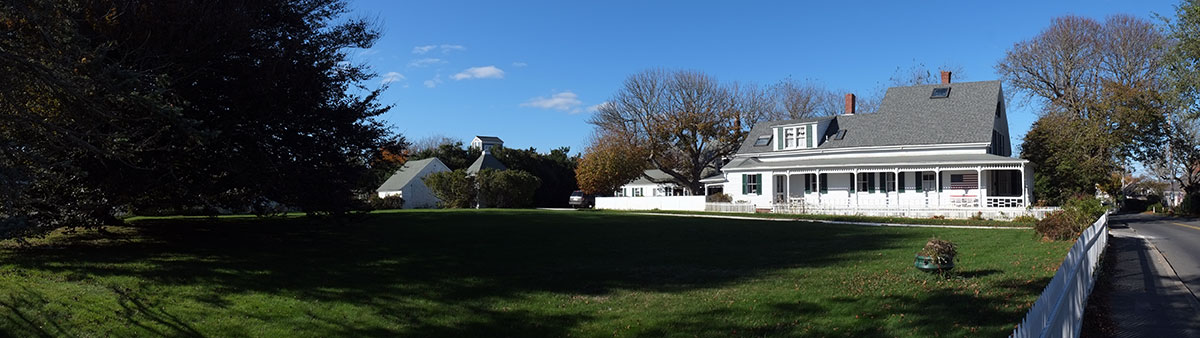
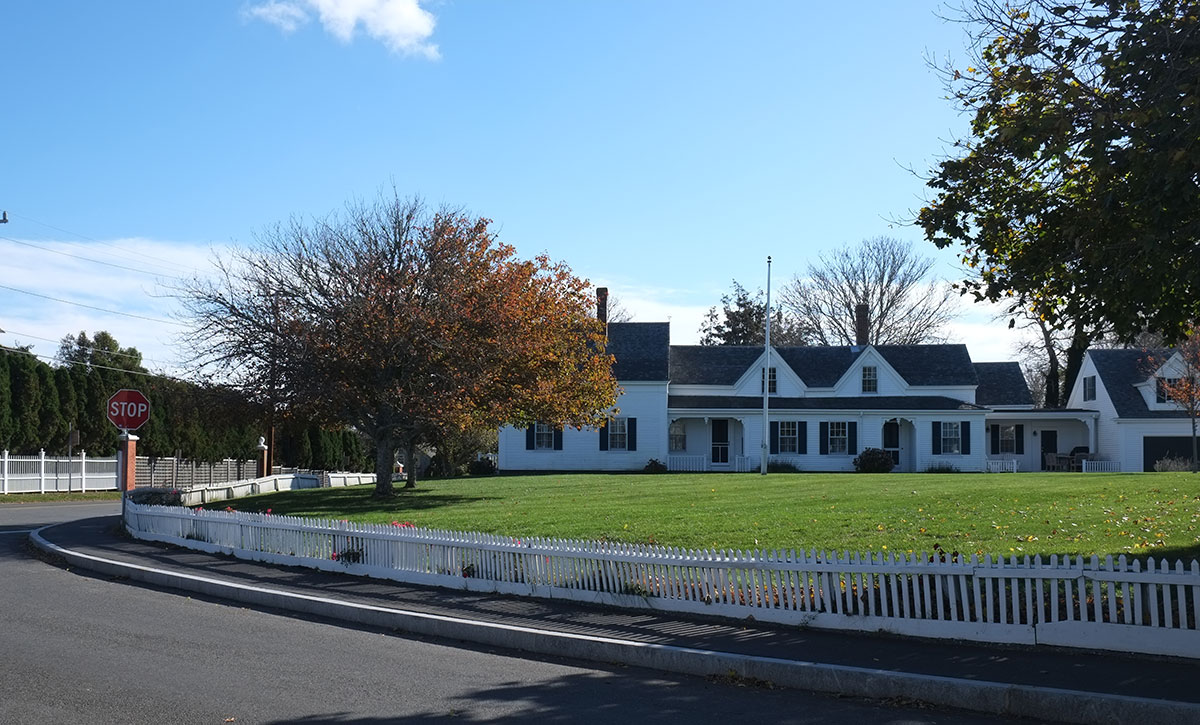
As it nears Pleasant Bay, Main Street makes a turn, and that corner is occupied by a beautiful open yard, a  gift to all the passers-by.DSCF3251
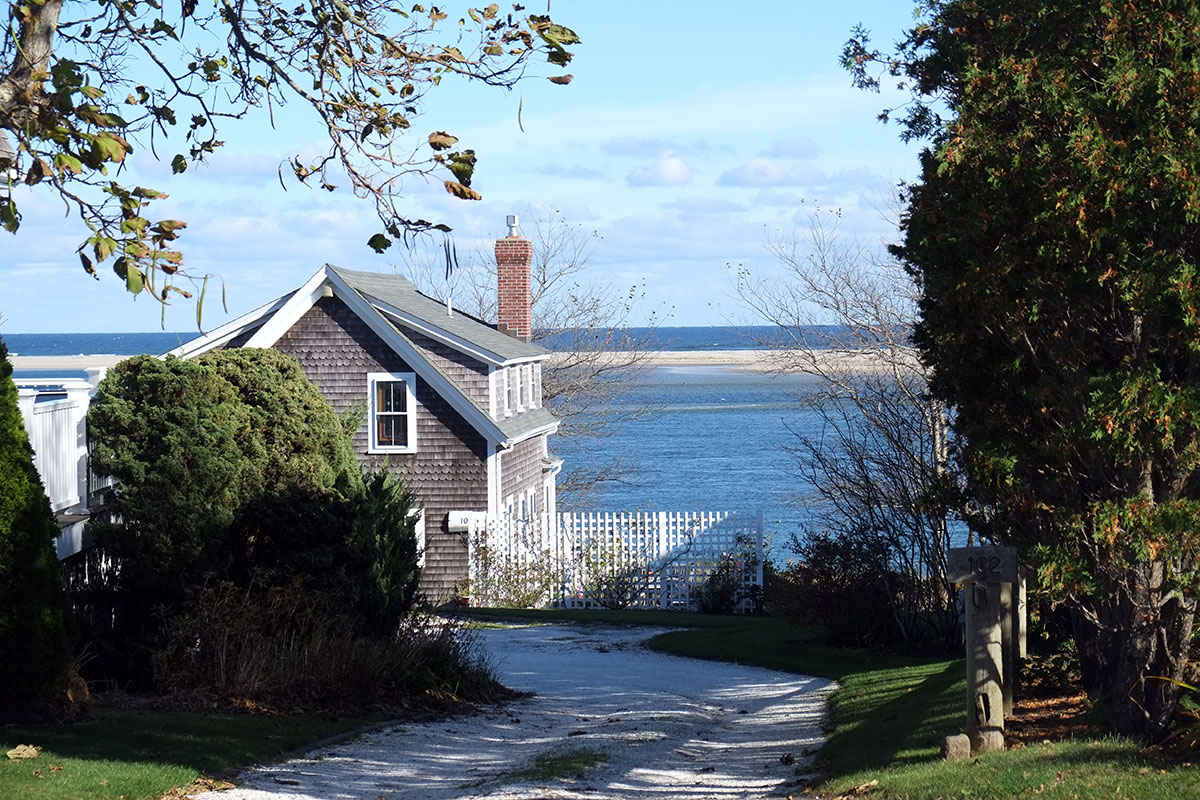
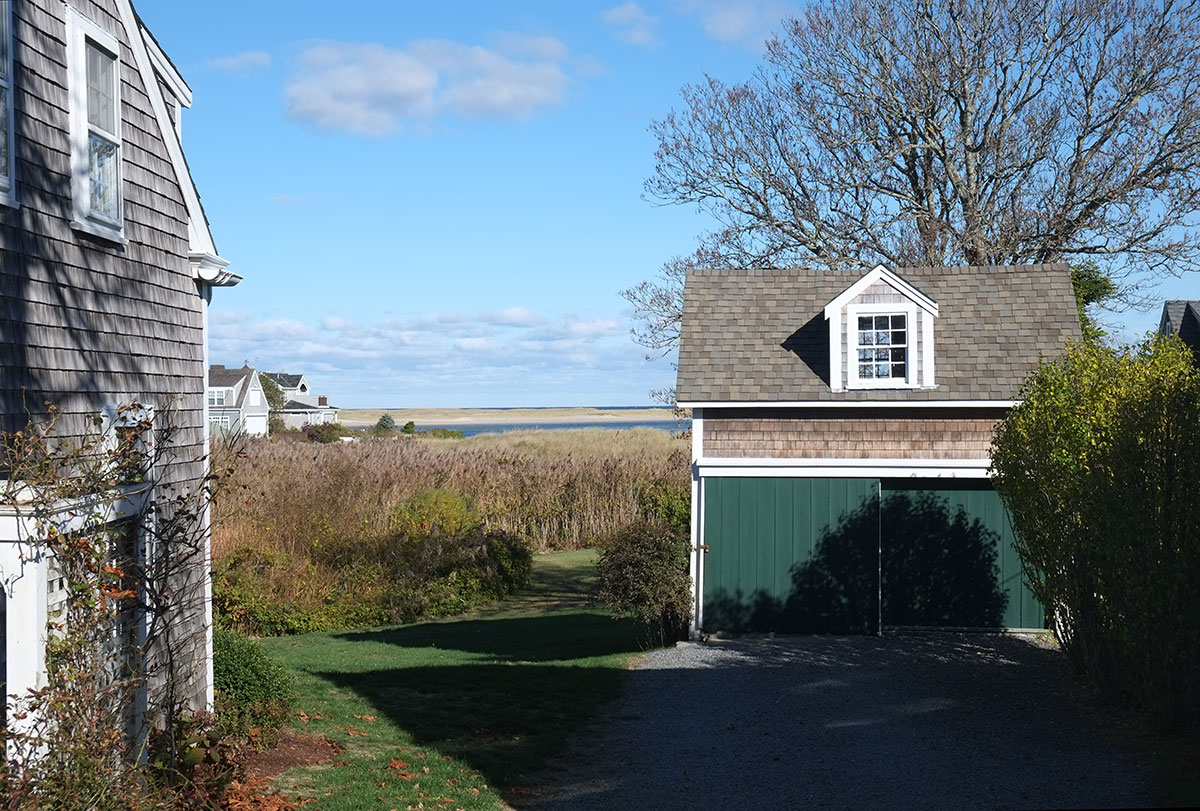
Glimpses from the street to the bay open up between houses.DSCF3270DSCF3295DSCF3319
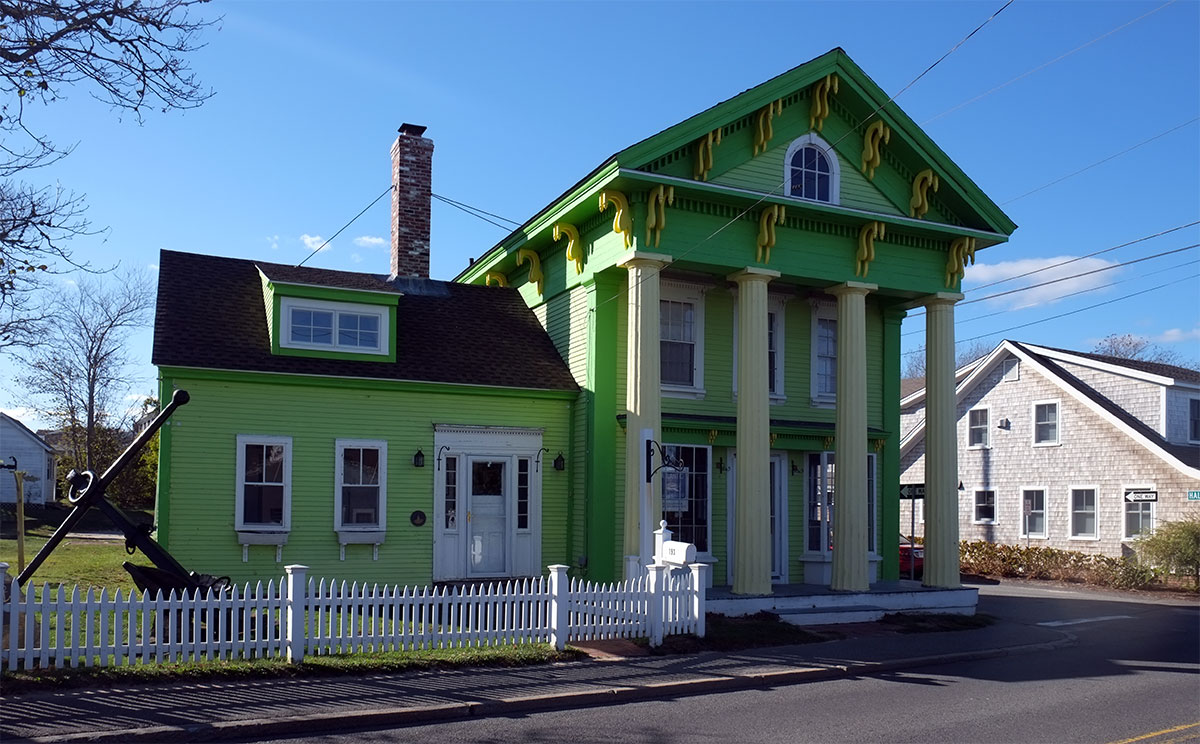
The only discordant note comes from the spite-painitng of a Greek Revival gem.  It was previously a gift shop, but now is the home of a local non-profit.  Apparently the town denied their request to alter the historic building, so they did their best to ruin the street for all.  It shocked me that in a town where the individual homeowners have so carefully stewarded the experience of the public realm, a community organization can be so self-righteous and monomaniacal.DSCF3266
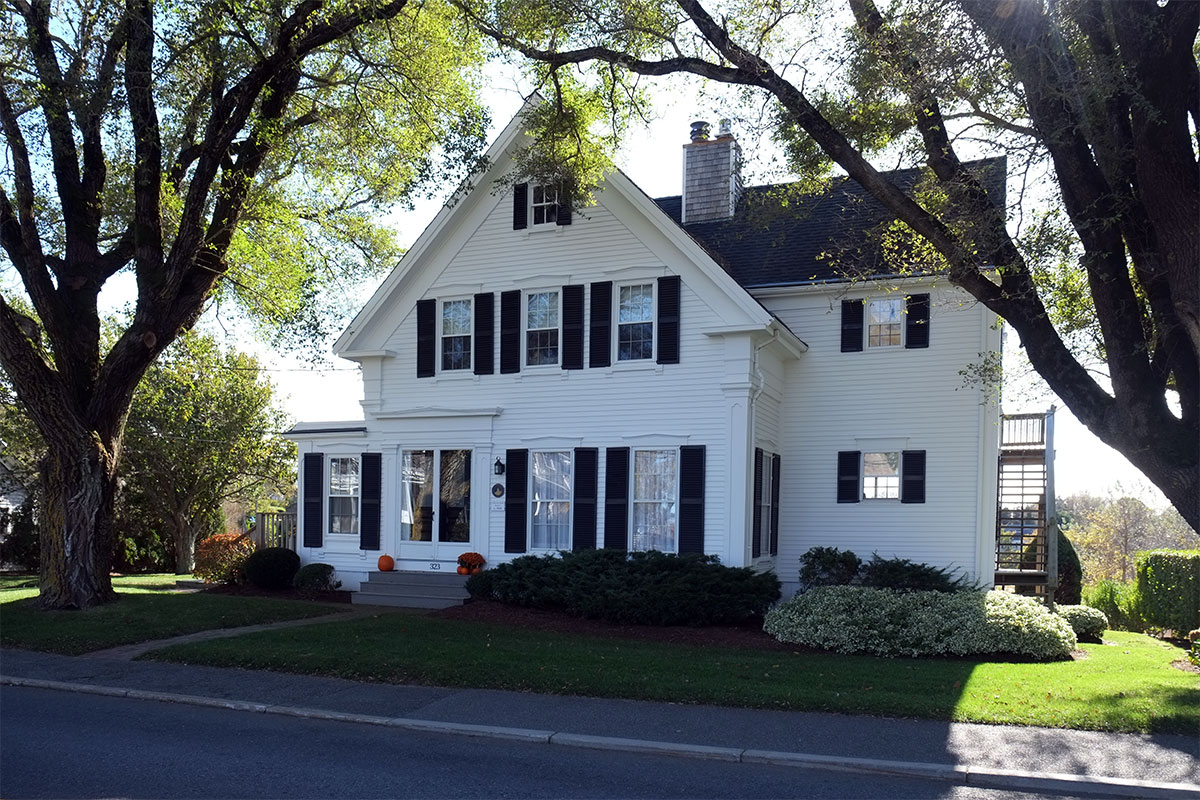
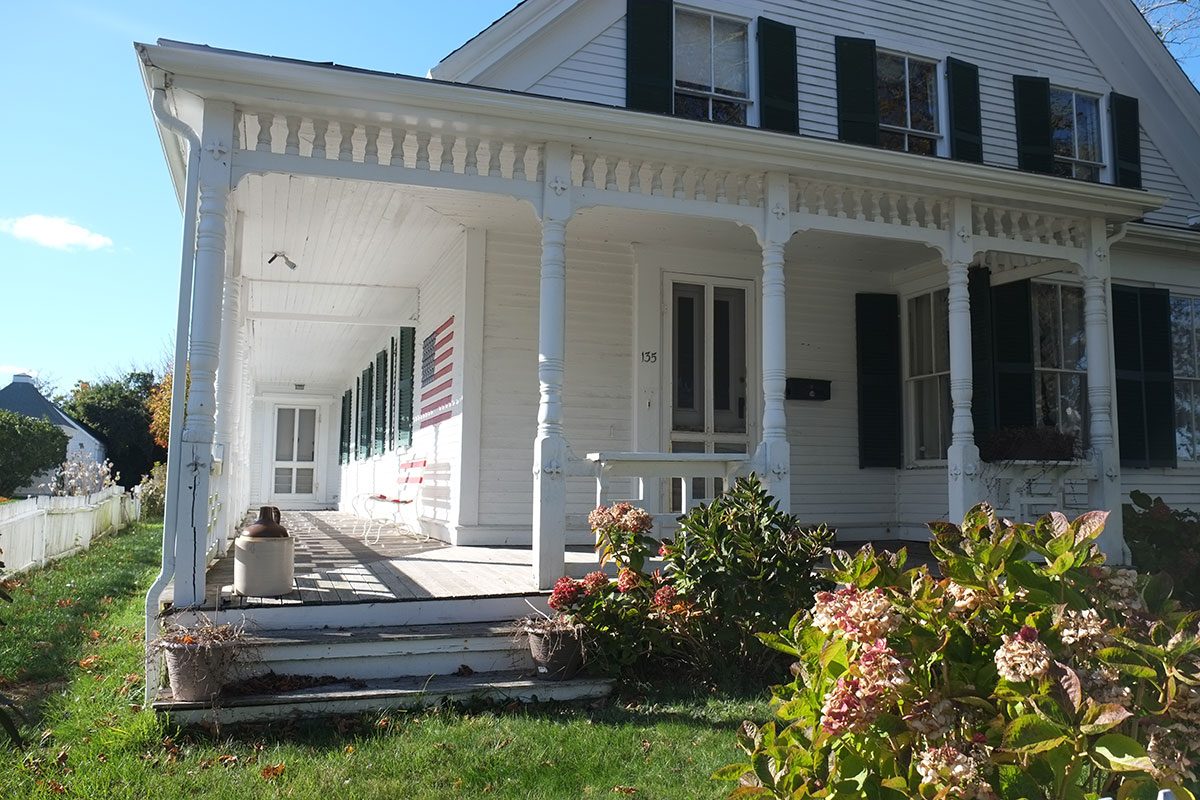
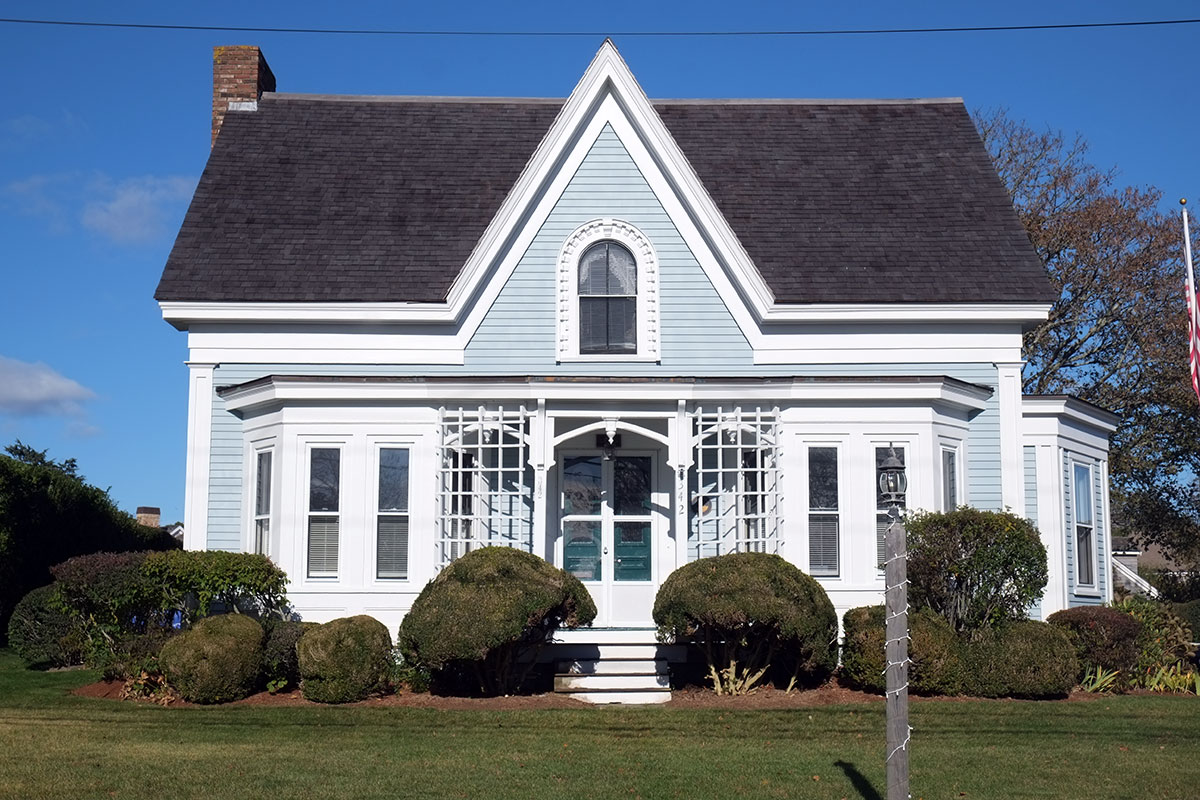
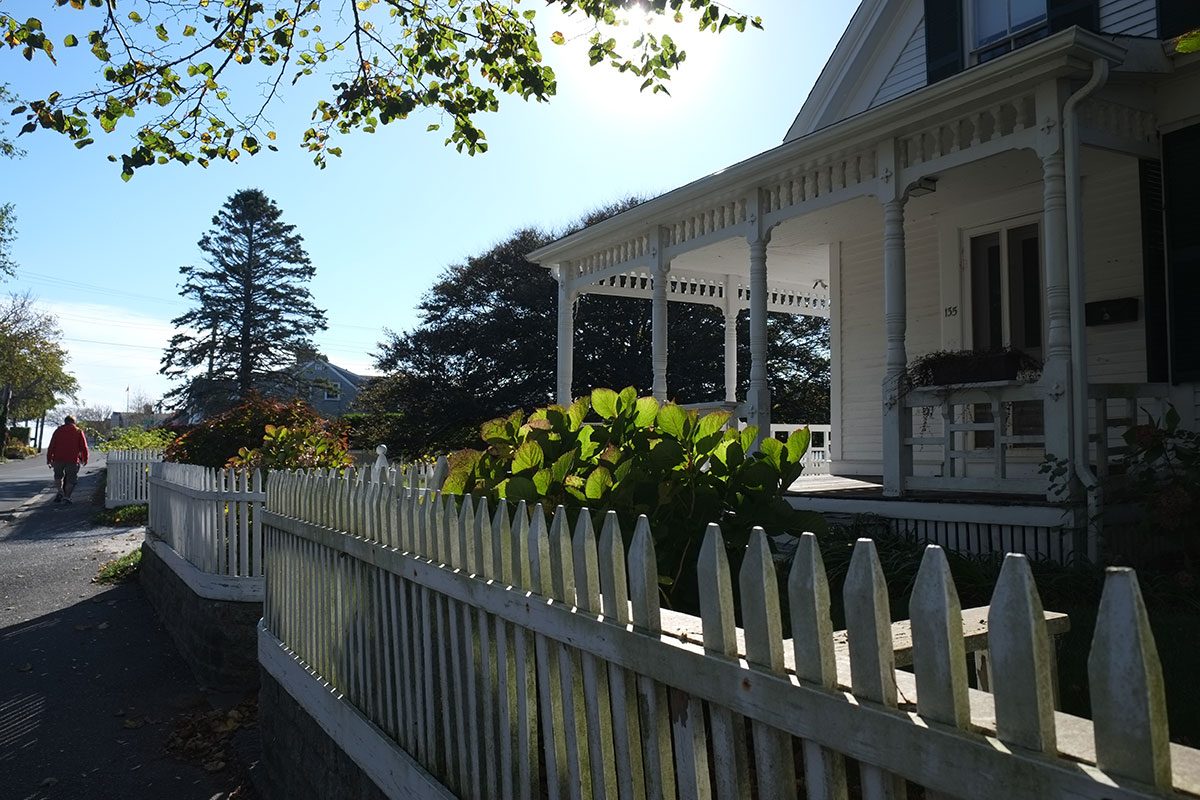
Other treasures remain.  This may be my favorite porch in New England, looking across the yard to an ancient copper beach, once again sharing this space with the public, rather than hiding it away.DSCF3283 DSCF3287 DSCF3290
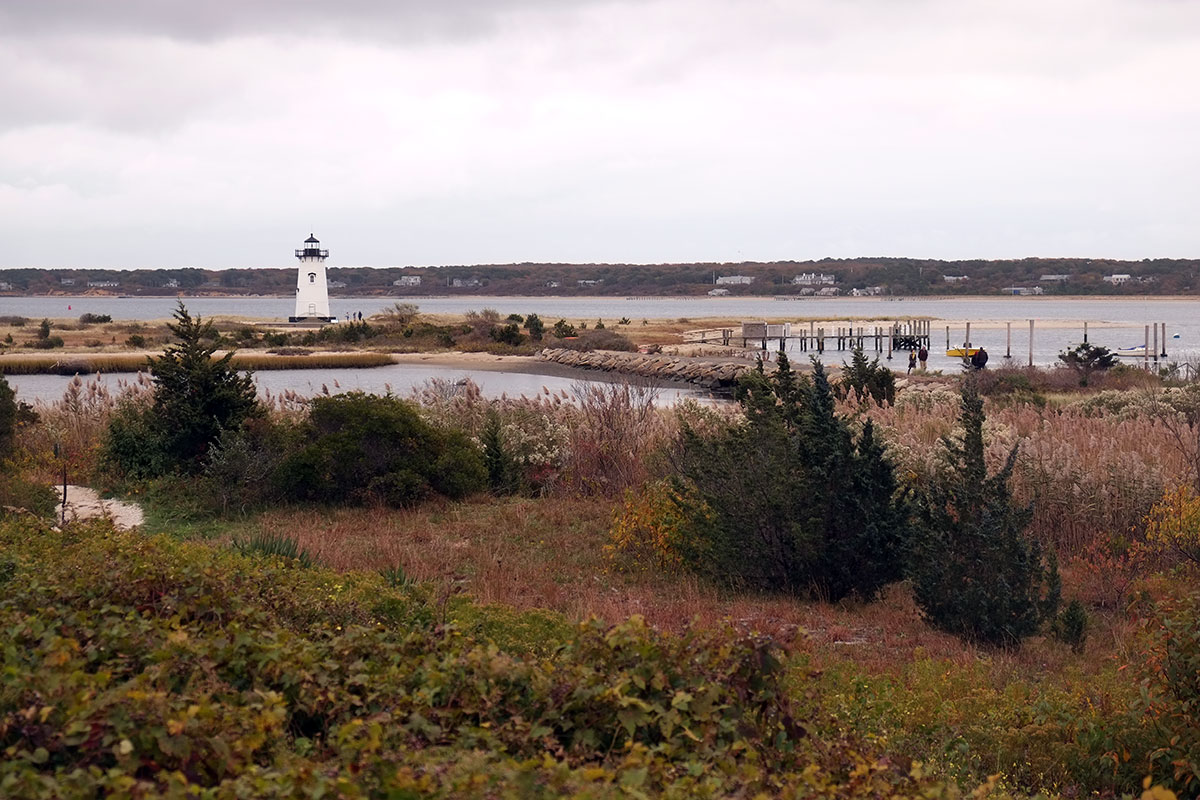
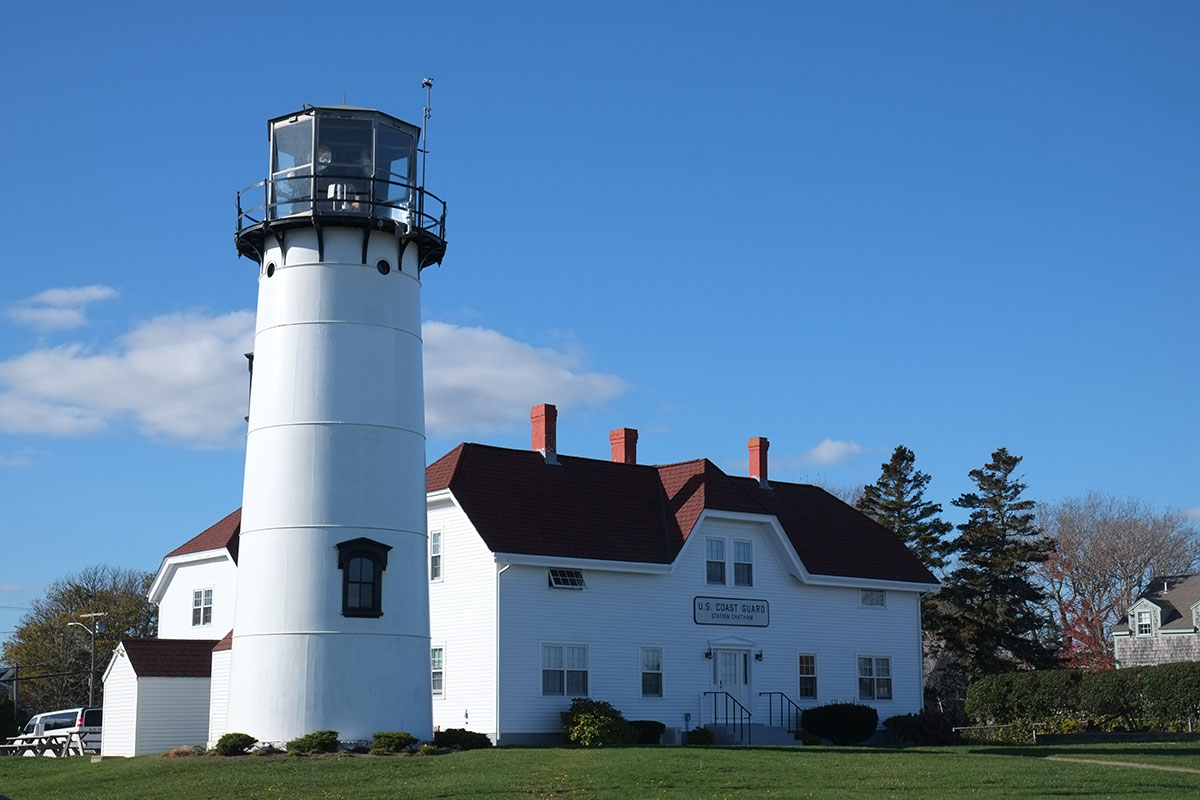
One arrives at the lighthouse, which they must have copied from an Edward Hopper painting. DSCF3311
The beach across from the lighthouse.  Strangely, this has changed the most.  When I was young, the barrier beach to the east was continuous beyond Pleasant Bay, and access out to the ocean was to the south past Monomoy Island.  A storm in 1987 broke through the beach here, and in 2007 another storm created a large opening to the north.  DSCF3303

In contrast to almost every other place we’ve visited, here the built environment seems permanent, while the large elements of the landscape are in continual flux.

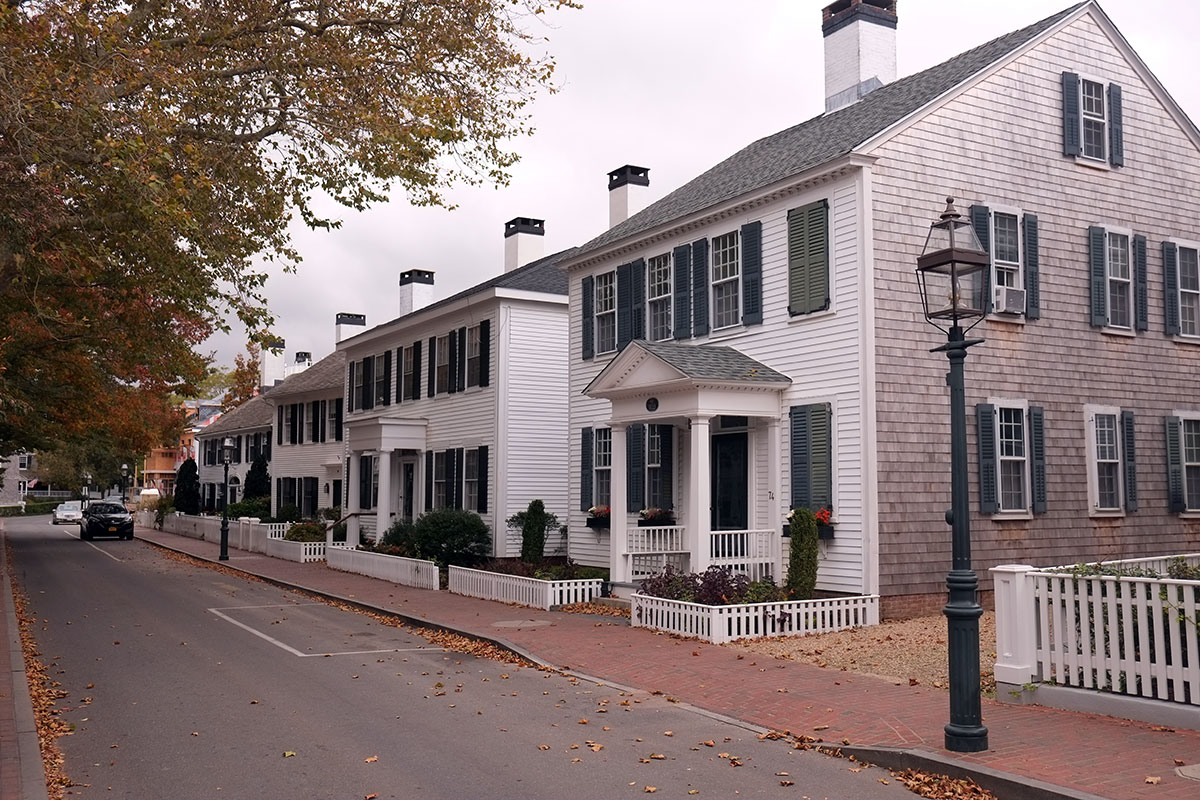
Martha’s Vineyard

My blogging output has slowed to a crawl in Massachusetts – after spending the days seeing things, I  spend the evenings talking with old friends.  But I will make an effort to not fall further behind, and  so start off with Martha’s Vineyard.
The Vineyard has always been one of my favorite places, ever since visiting for the first time as a kid. What I always found most appealing was the incredible variety of towns and landscapes, each of which is beautiful in its own right, with the particularity of each heightened by the contrast with the others.  I think I’m especially susceptible to the qualities of the Vineyard from having gone there when I was young (when everything seems magical) and having returned from time to time, with each of these trips being memorable in its own way.  As we now spend our summers on a very different island in Washington, I wanted Greta to see what a New England island is like, how different and how similar. We spent a couple of days there with Jenny Young, our colleague and good friend from Eugene.

Arriving in Vineyard Haven, with a line-up of stellar boats behind the breakwater.  I’m used to the fine wooden boats in Port Townsend, but I had forgotten what a harbor full of classic boats in New England can look like.DSCF2978

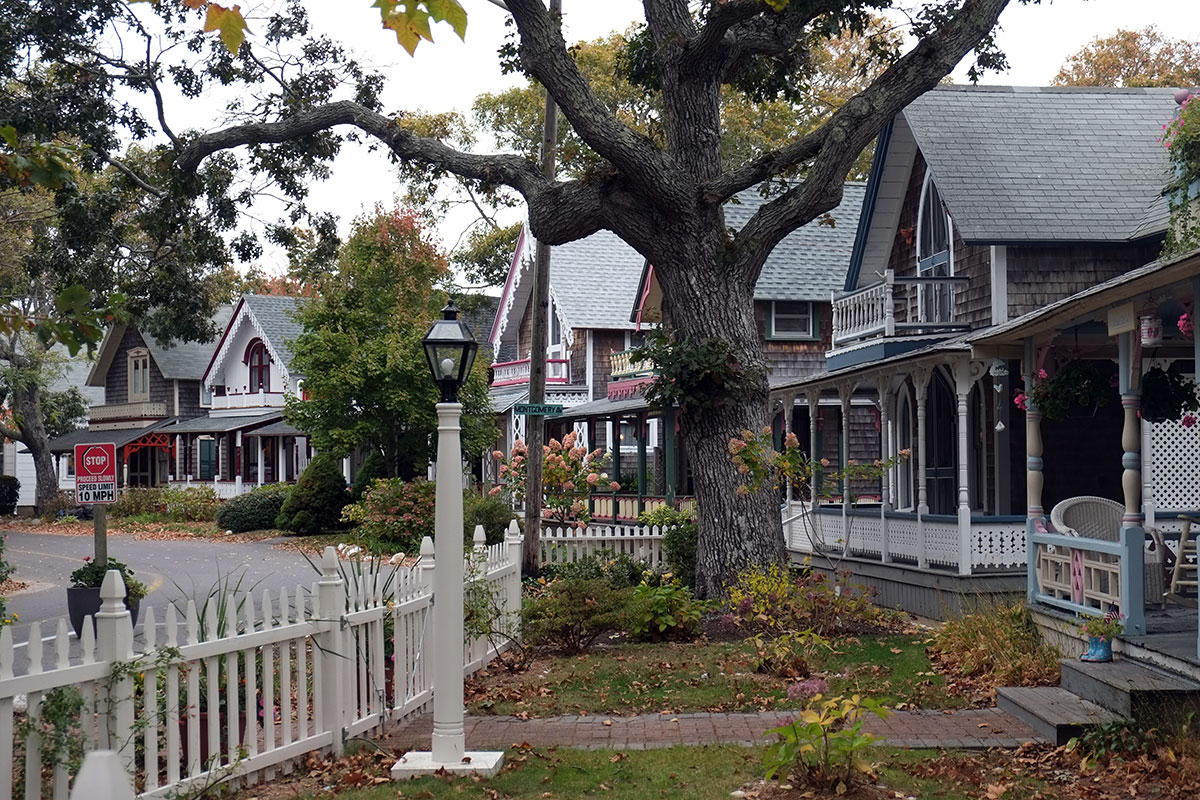
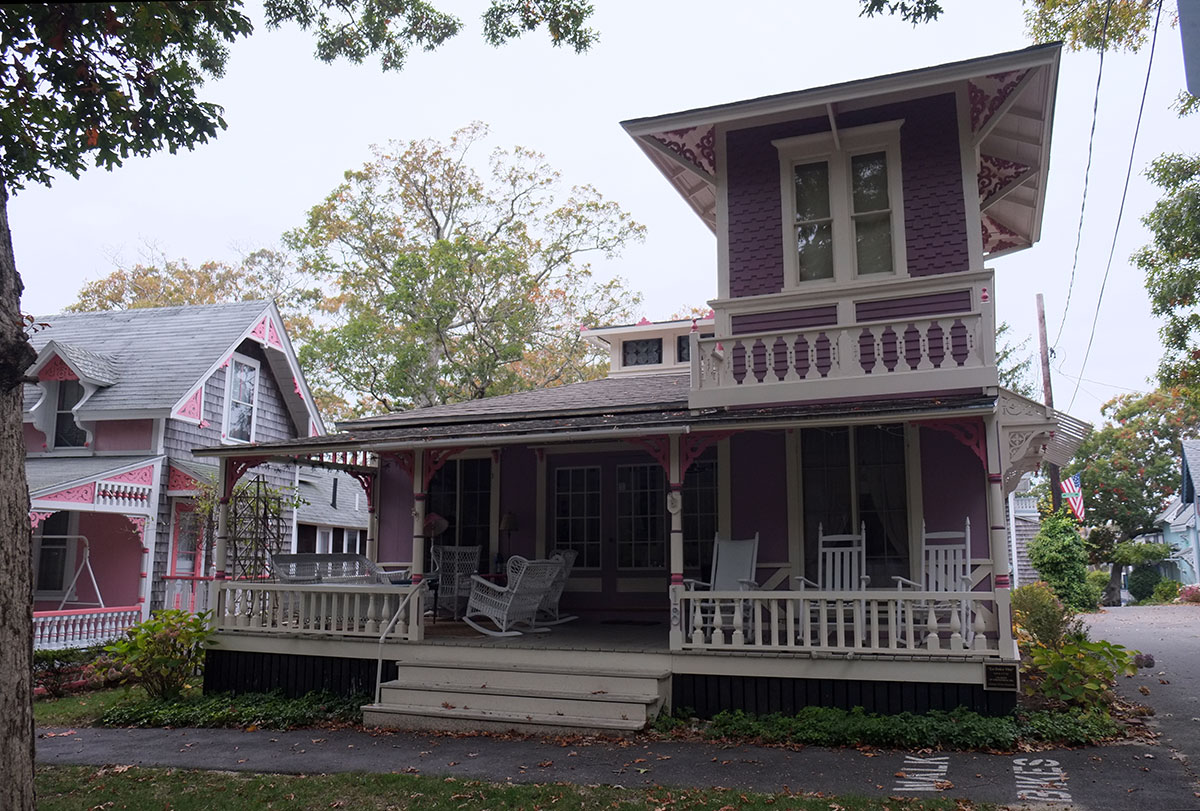
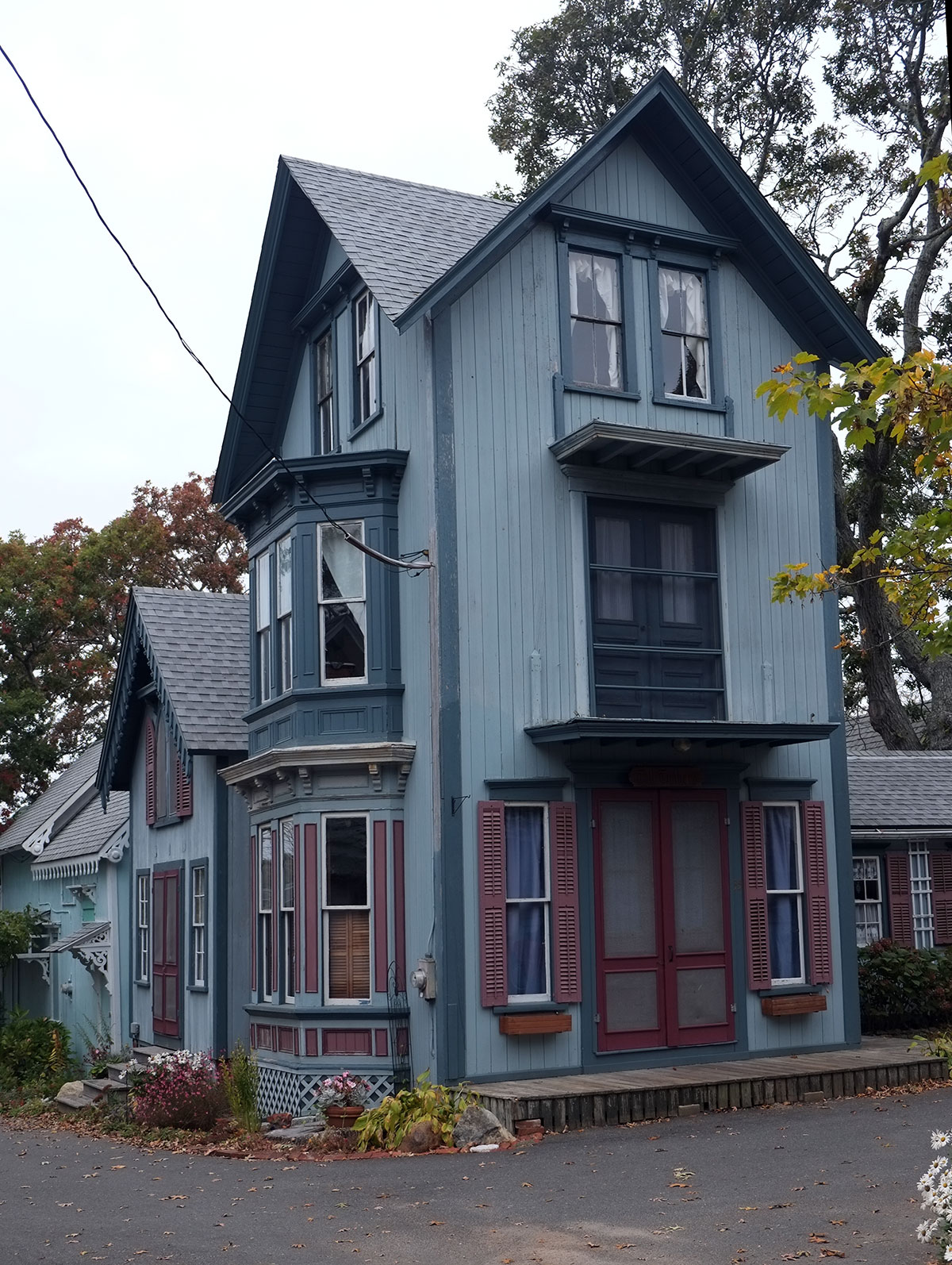
Oak Bluffs is home to an array of crazy small cottages, built around the Methodist revival campground area.  DSCF2987 DSCF2997 DSCF3001 DSCF3003 DSCF3031

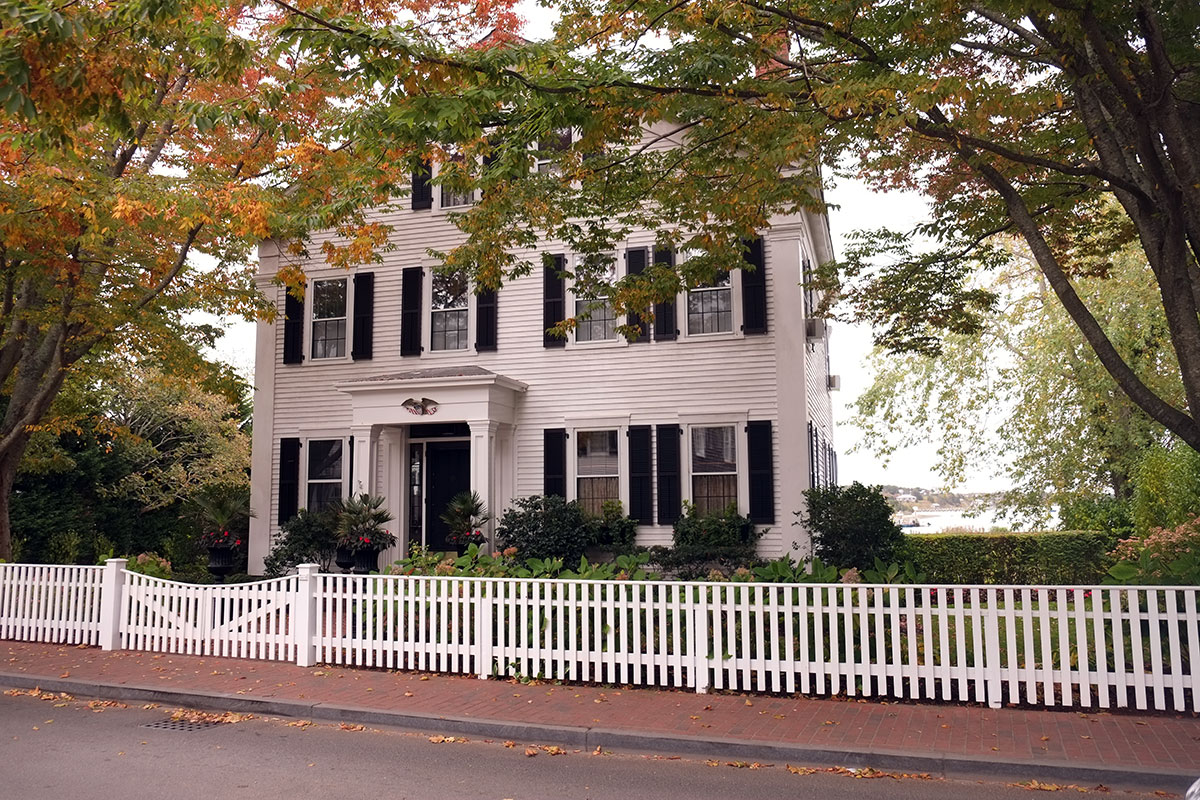
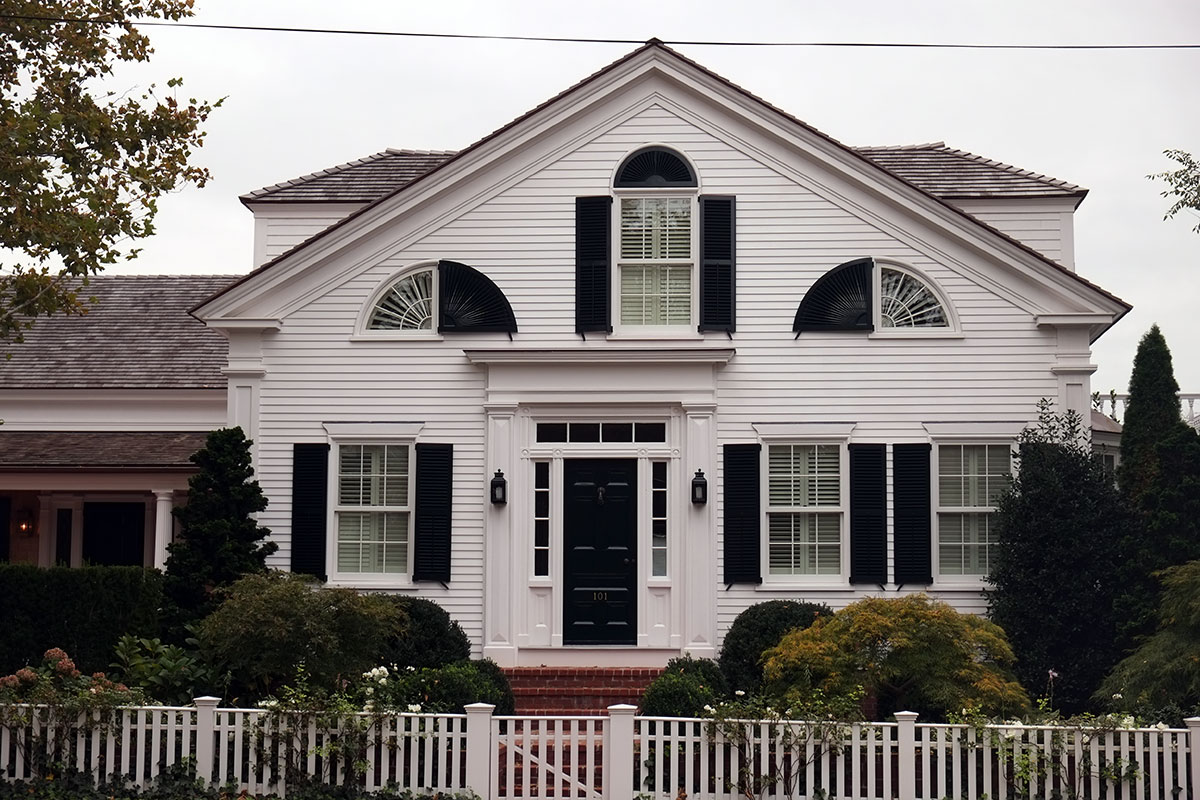
Edgartown, with its houses of whaling ship captains and small streets.  It is a beautiful town that hasn’t changed much, except for the price of real estate, having been discovered by the absurdly rich a while back, who have displaced the merely affluent.  After traveling across the country and getting used to the crazy juxtapositions of the built landscape, the consistency and quality of the town is a shock.  DSCF3094

DSCF3112

South Water Street

South Water Street

the lighthouse at the entrance to the harbor, where I learned to sail many decades ago

the lighthouse at the entrance to the harbor, where I learned to sail many decades ago

North Water St., with its array of captain's houses

North Water St., with its array of captain’s houses

DSCF3086

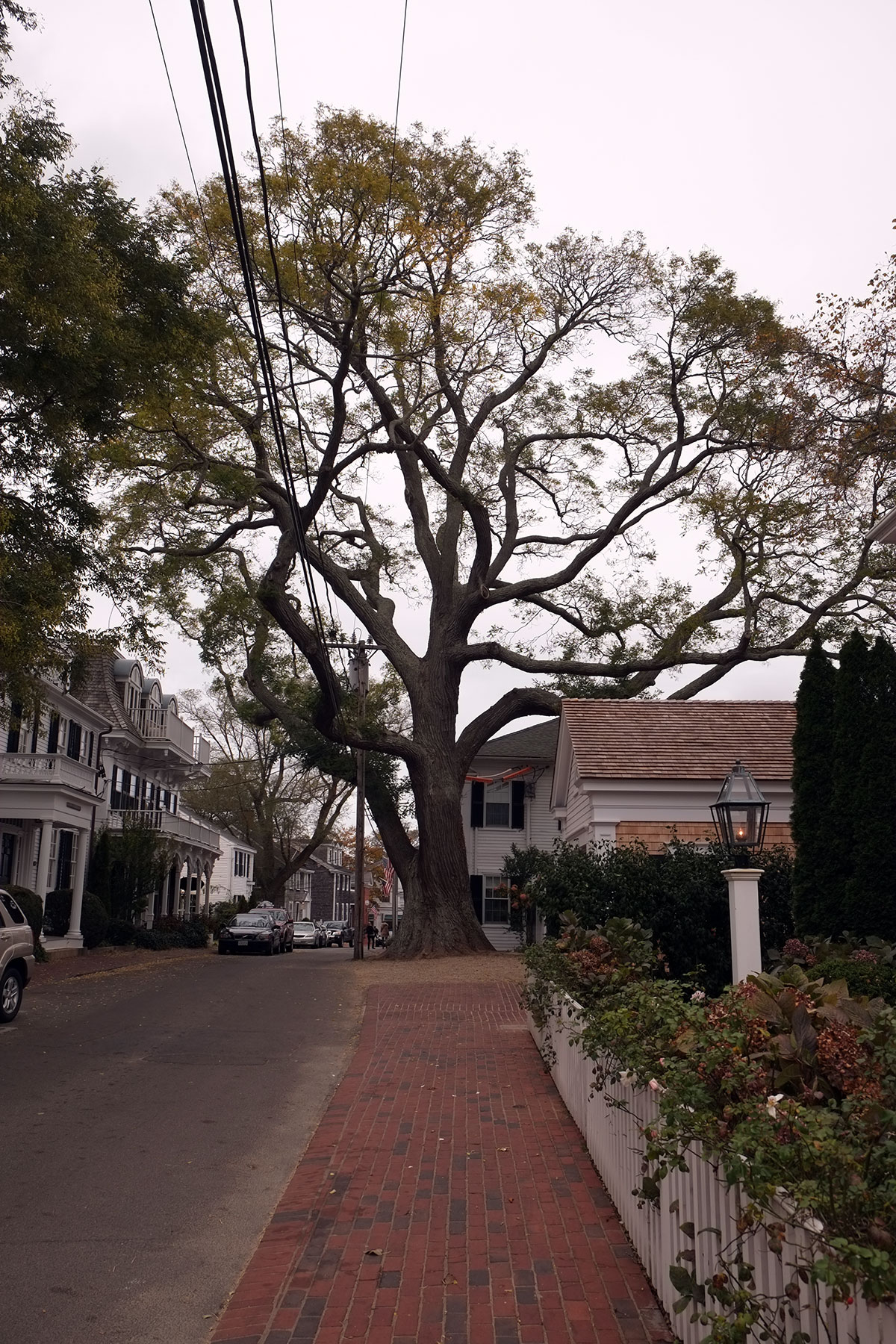
the imported pagoda tree, purportedly the largest in the country

the imported pagoda tree, purportedly the largest in the country

symmetry is greatly overrated

symmetry is greatly overrated

Eel Pond

Eel Pond

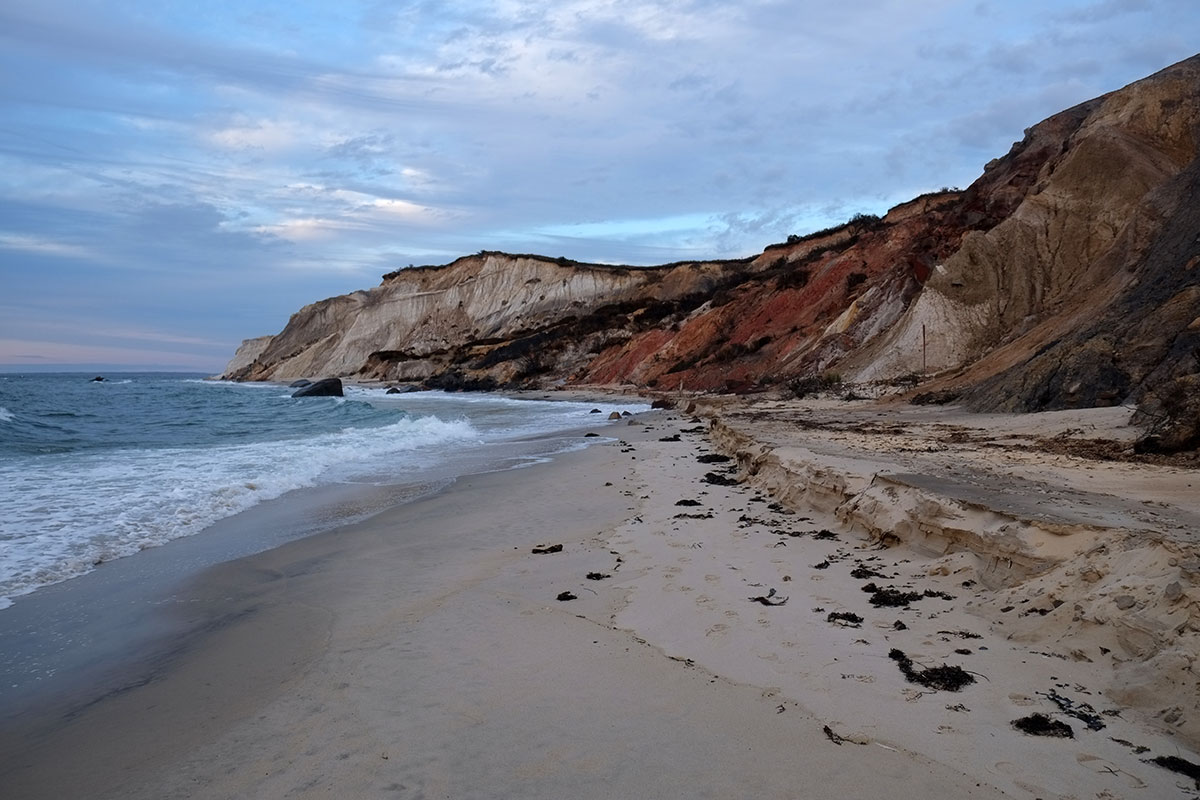
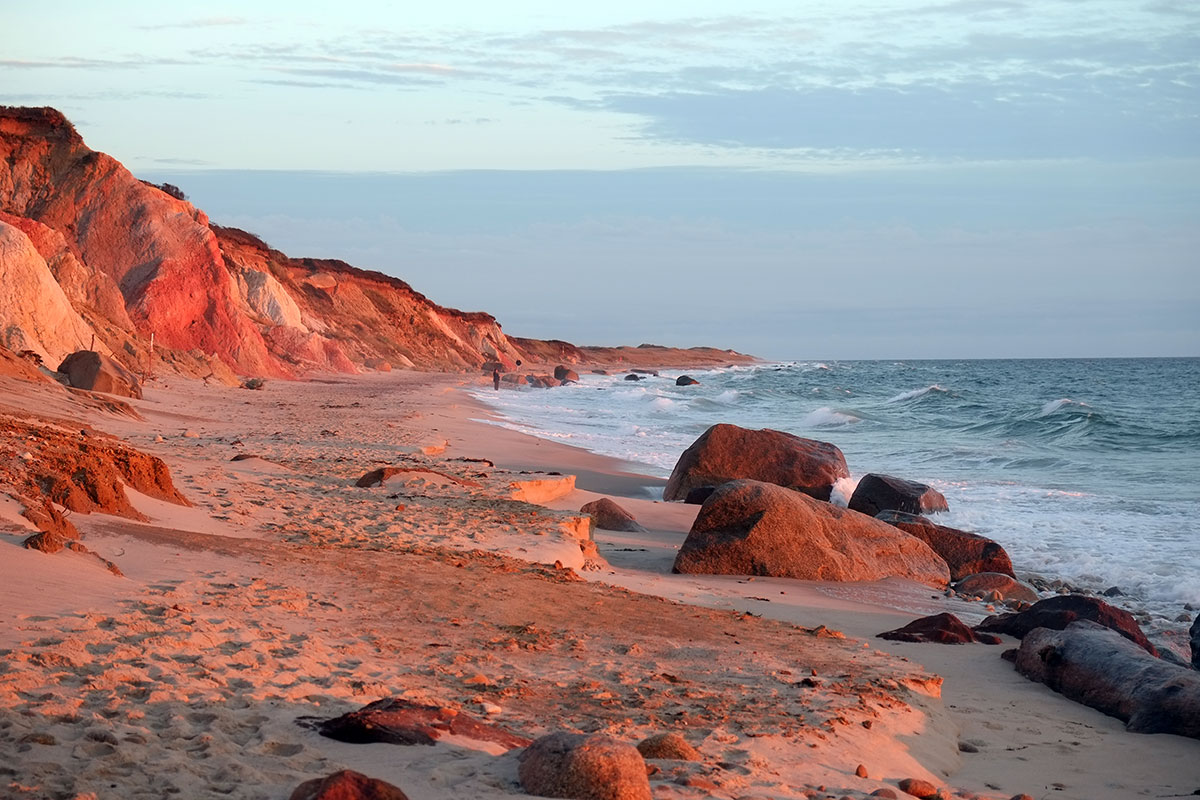
Aquinnah is the peninsula of colored clay cliffs at the southwest end of the island.  It used to be called Gay Head, and you used to be able to climb down the cliffs, until they realized that this was a very bad idea, contributing to the inevitable erosion.  DSCF3135 DSCF3138 DSCF3142

We didn’t have time to get to Menemsha, or spend any time in Vineyard Have or the inland places, but it was a nice break from the cities we’d been visiting.  And when Greta went to touch the ocean, I realized that we had really arrived at the other end of the country from where we started.

Mass MOCA

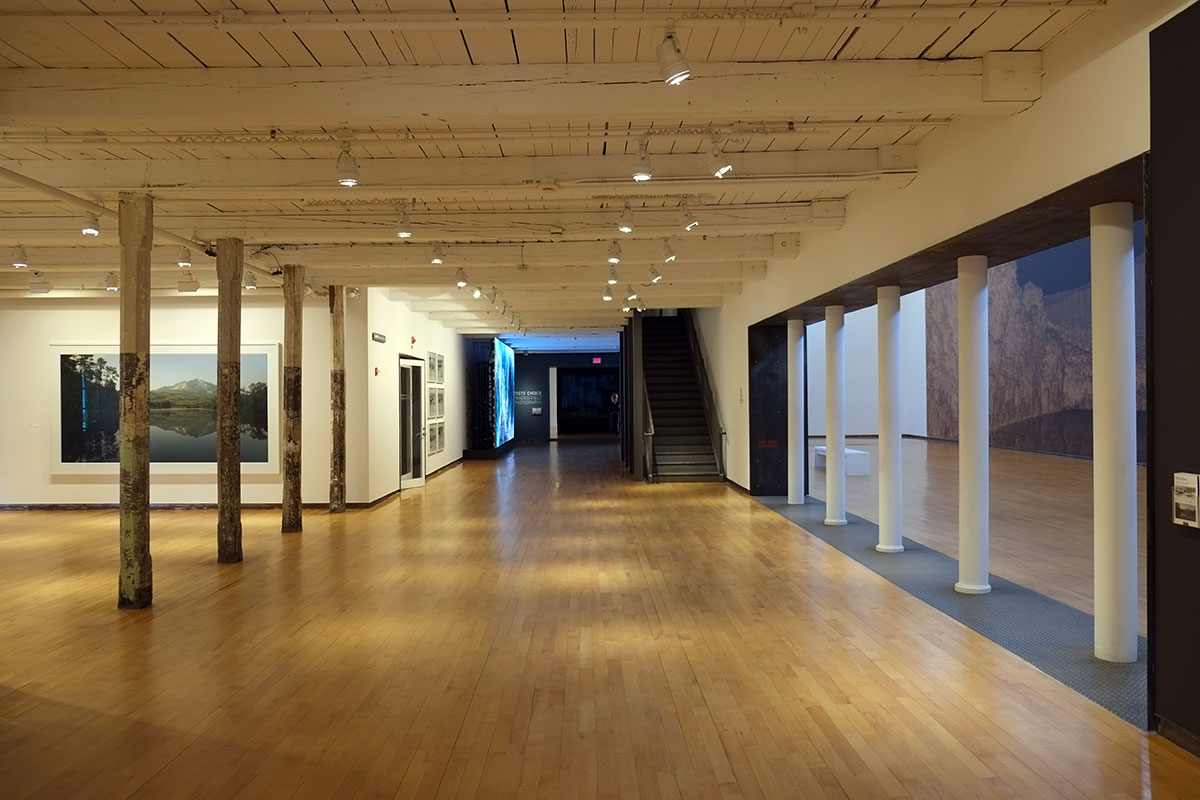
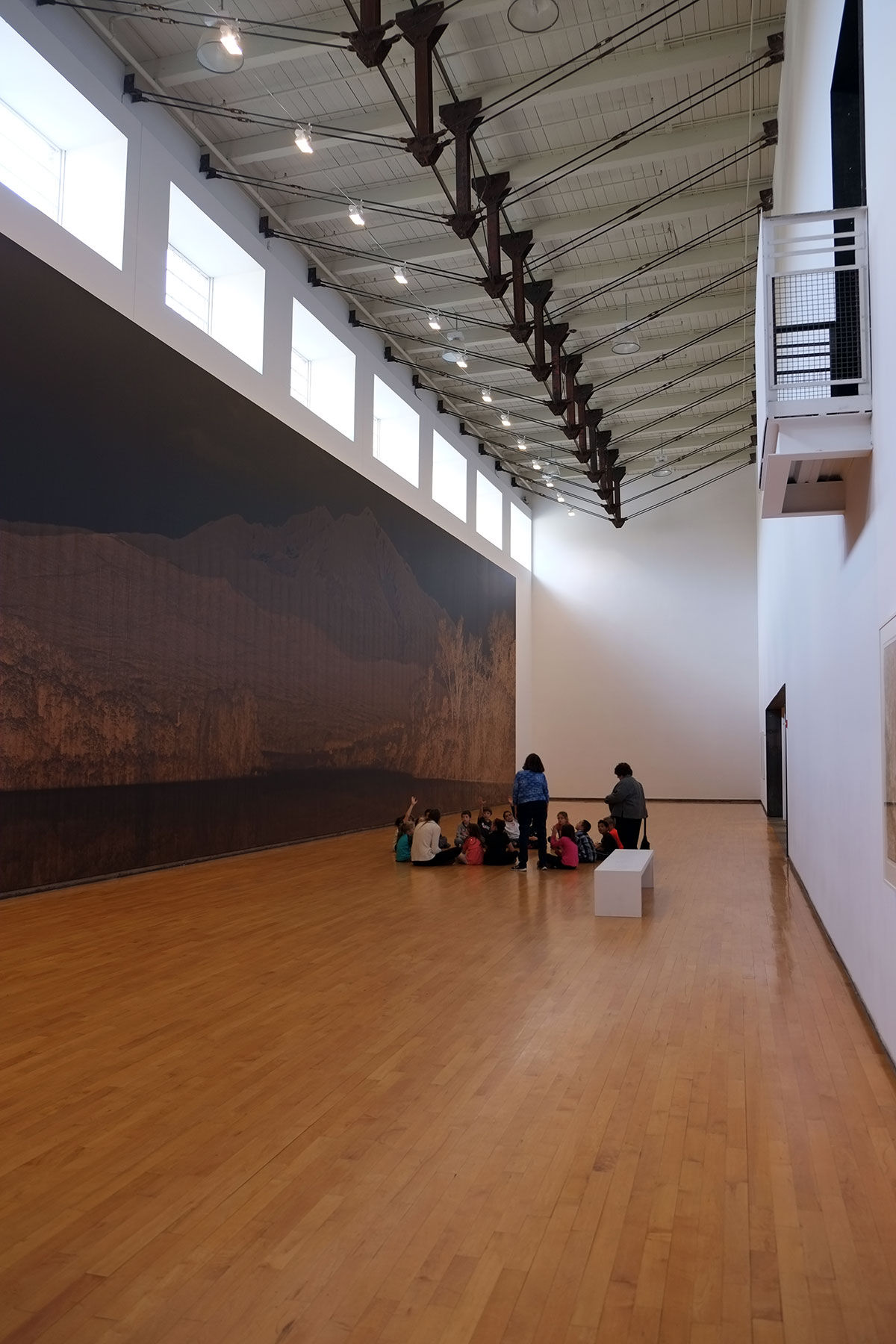
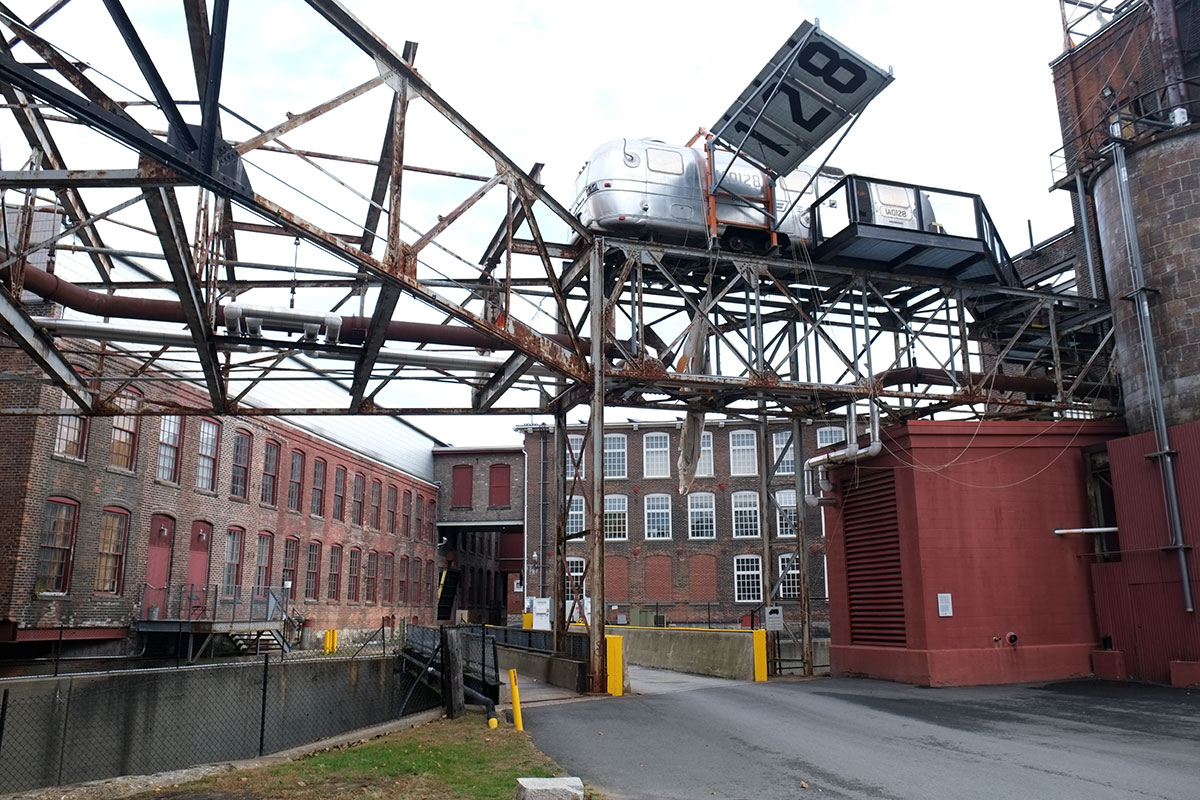
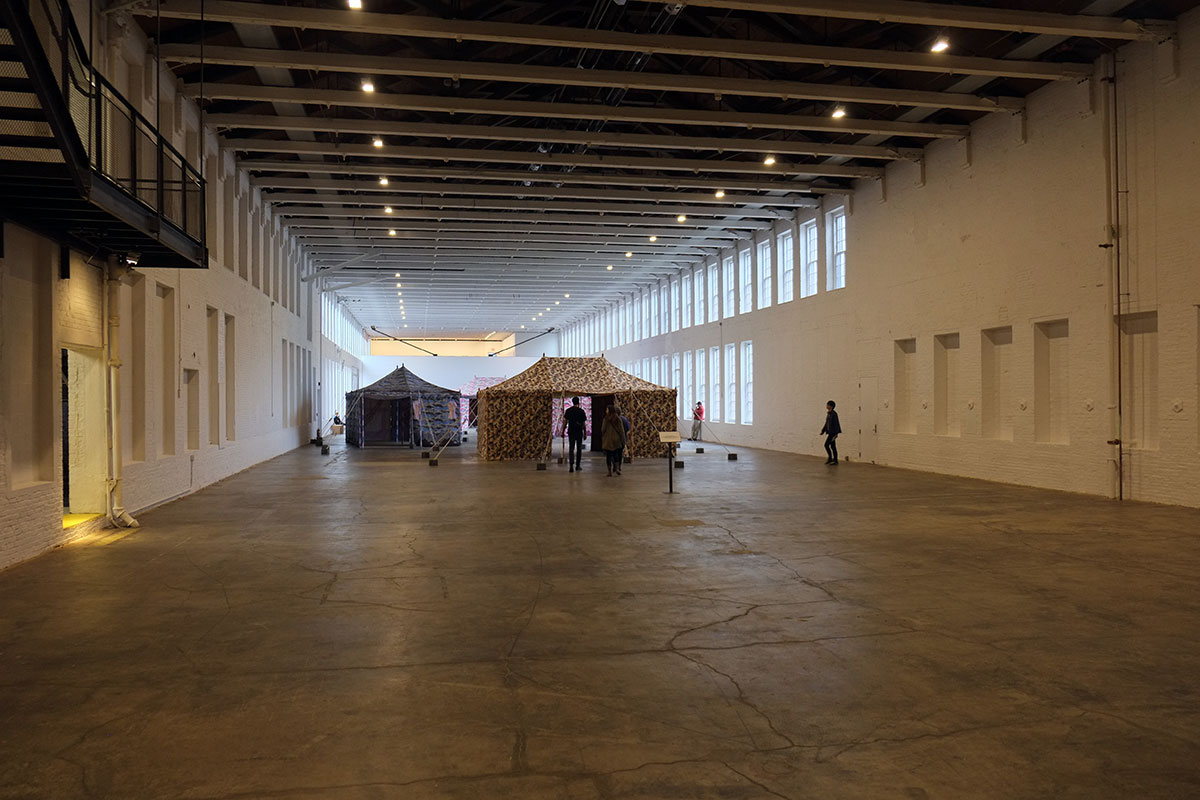
Mass MOCA is a contemporary art museum, which opened in North Adams, Massachusetts, in 1999.  Taking advantage of the old mill buildings on the site, there are almost four acres of galleries, enormous rooms in which they can show enormous pieces.  I’ve become leery of dragging Greta into too many museums, but this was no problem, as it combined some of her current fascinations – conceptual art and industrial archaeology.  DSCF2429

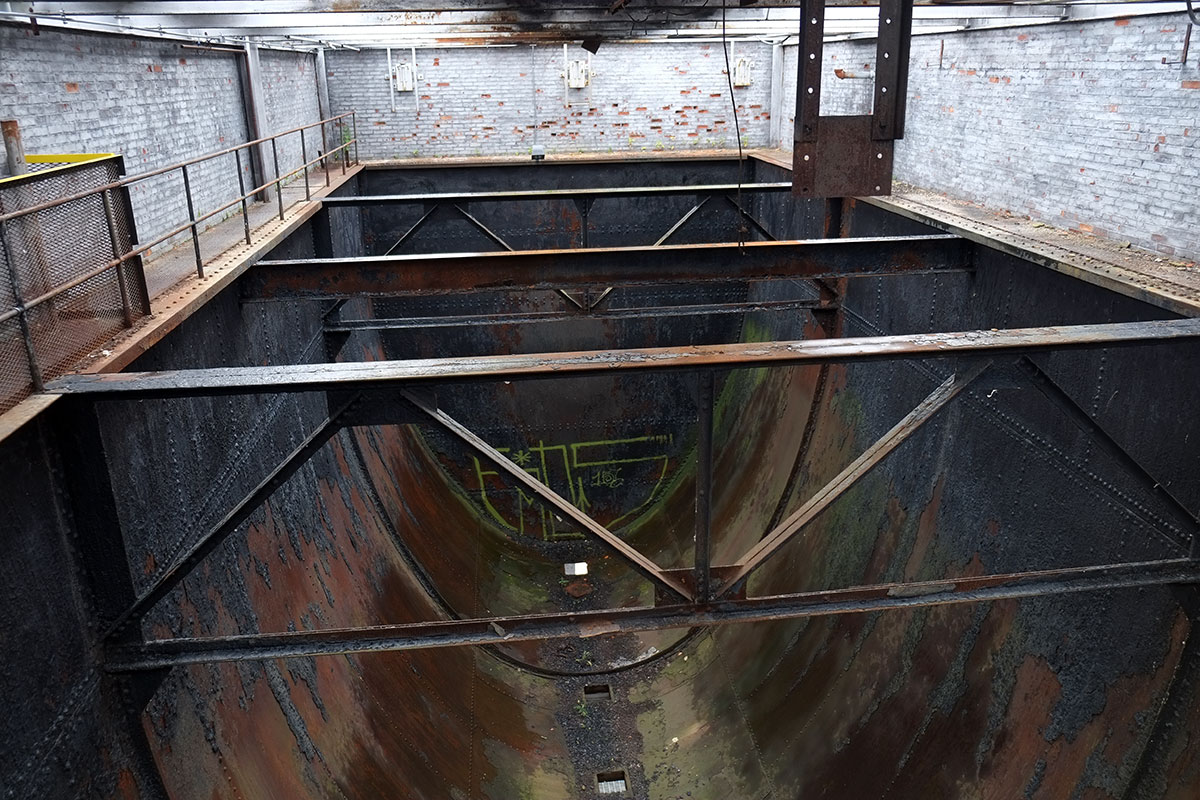
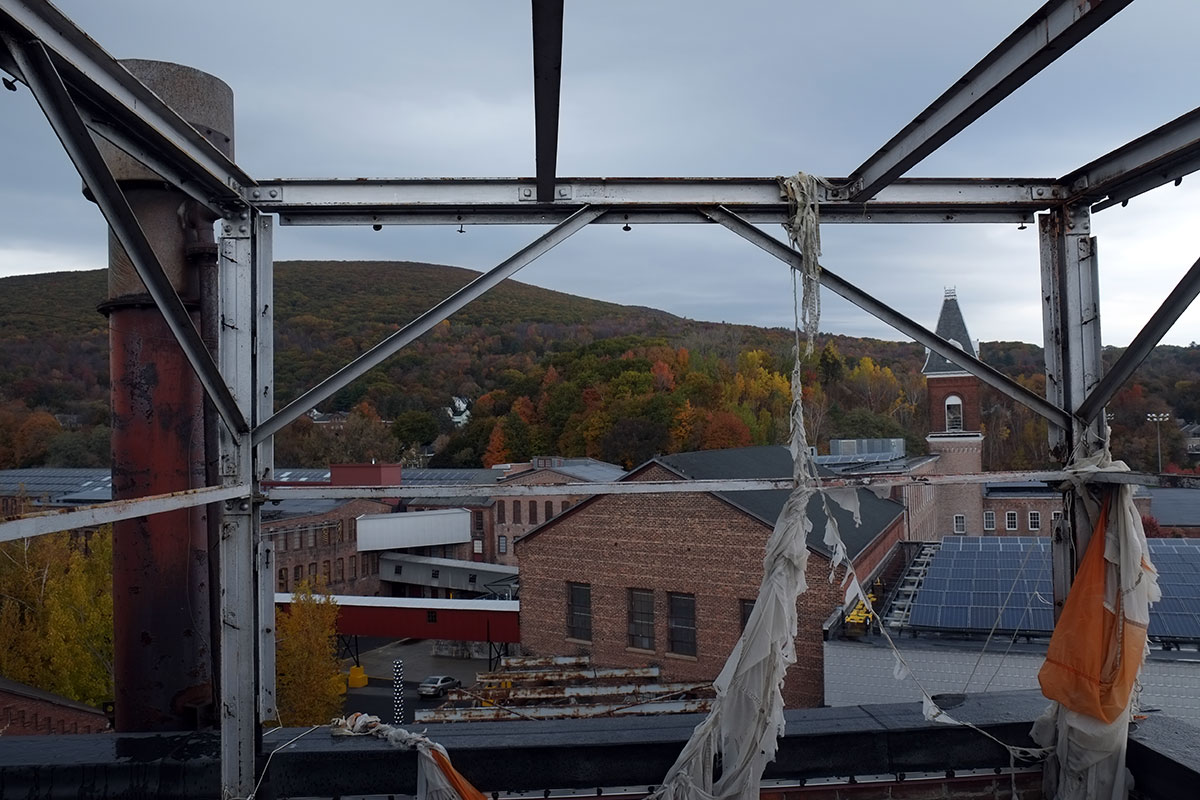
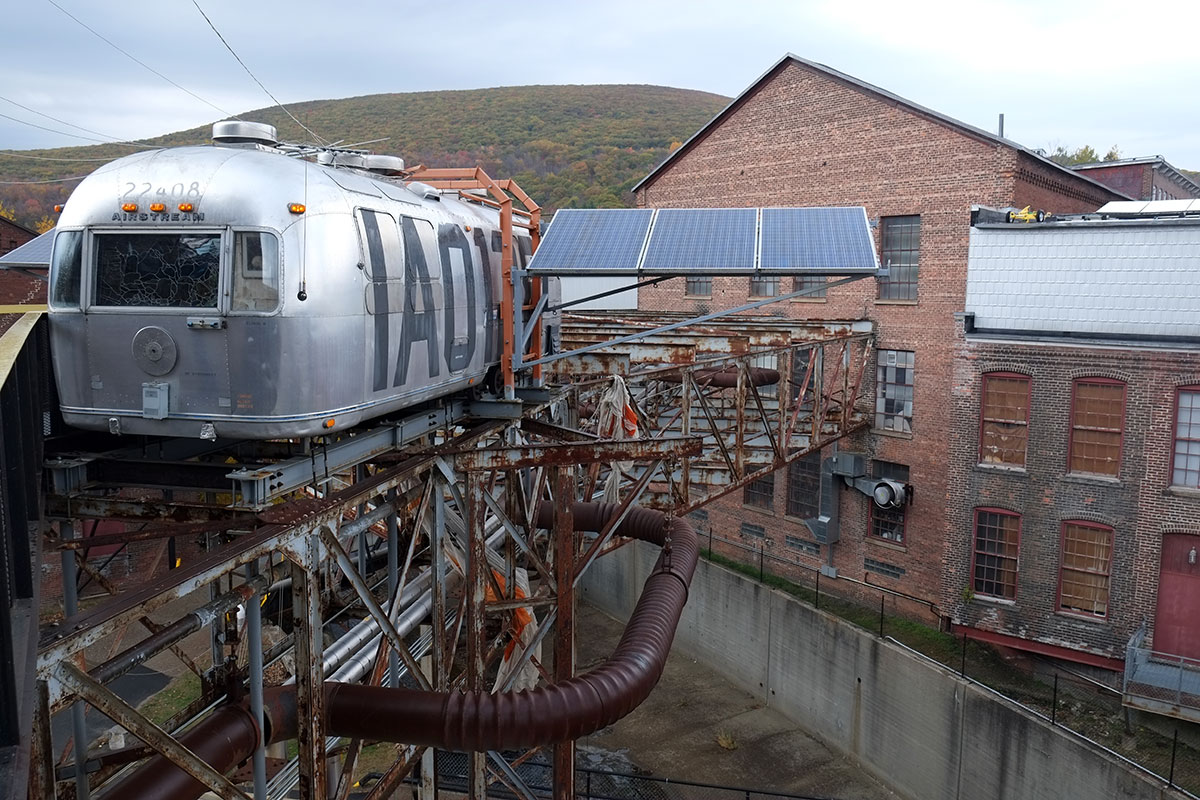
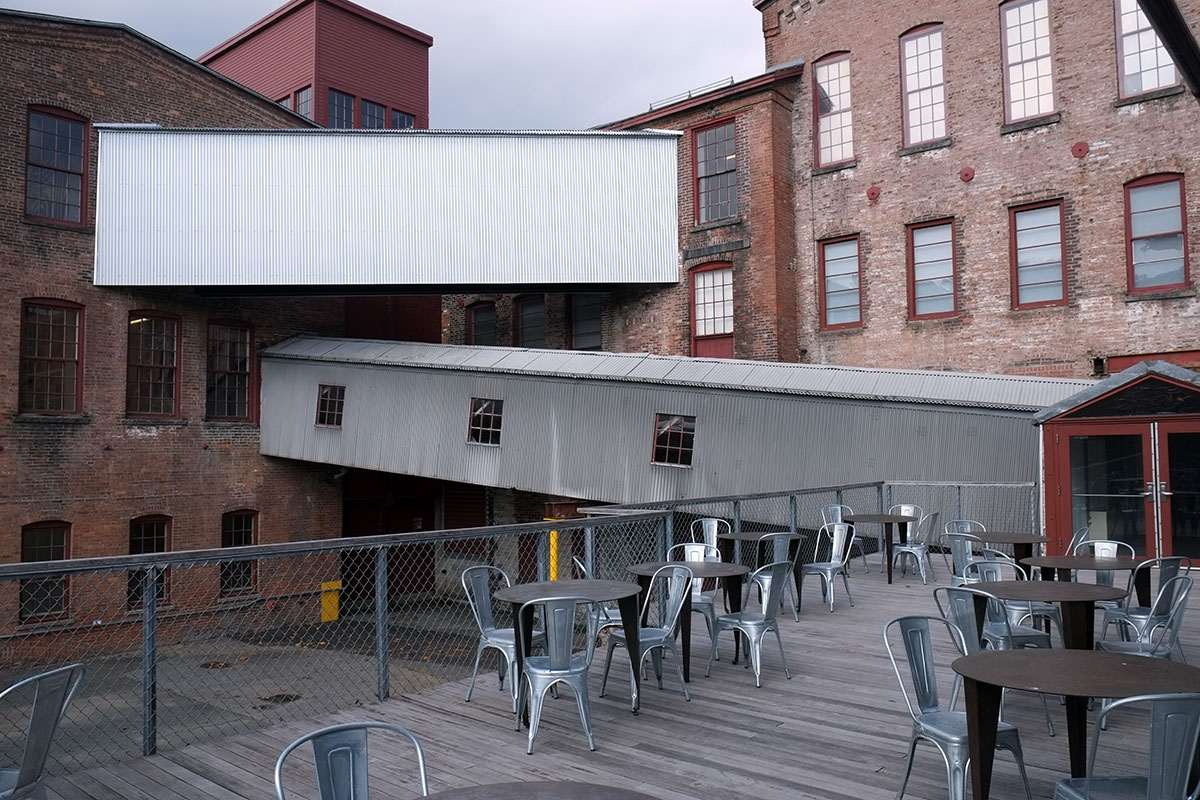
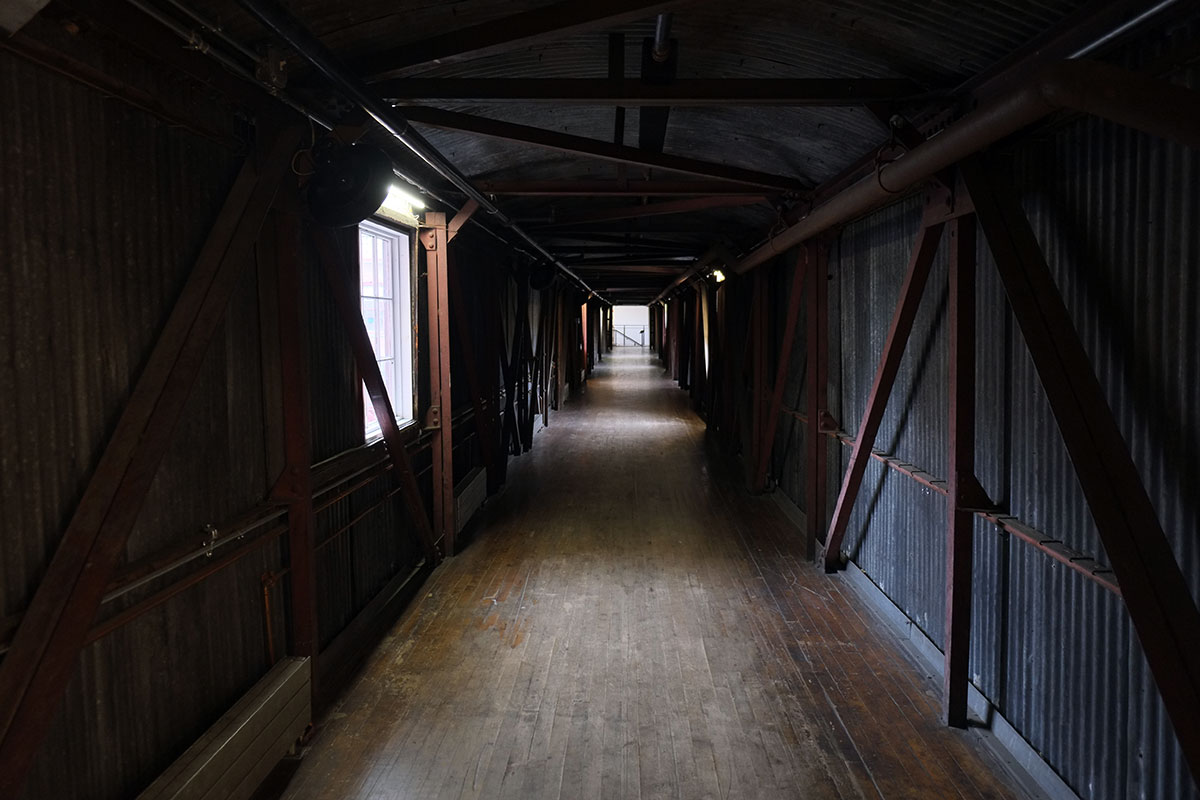
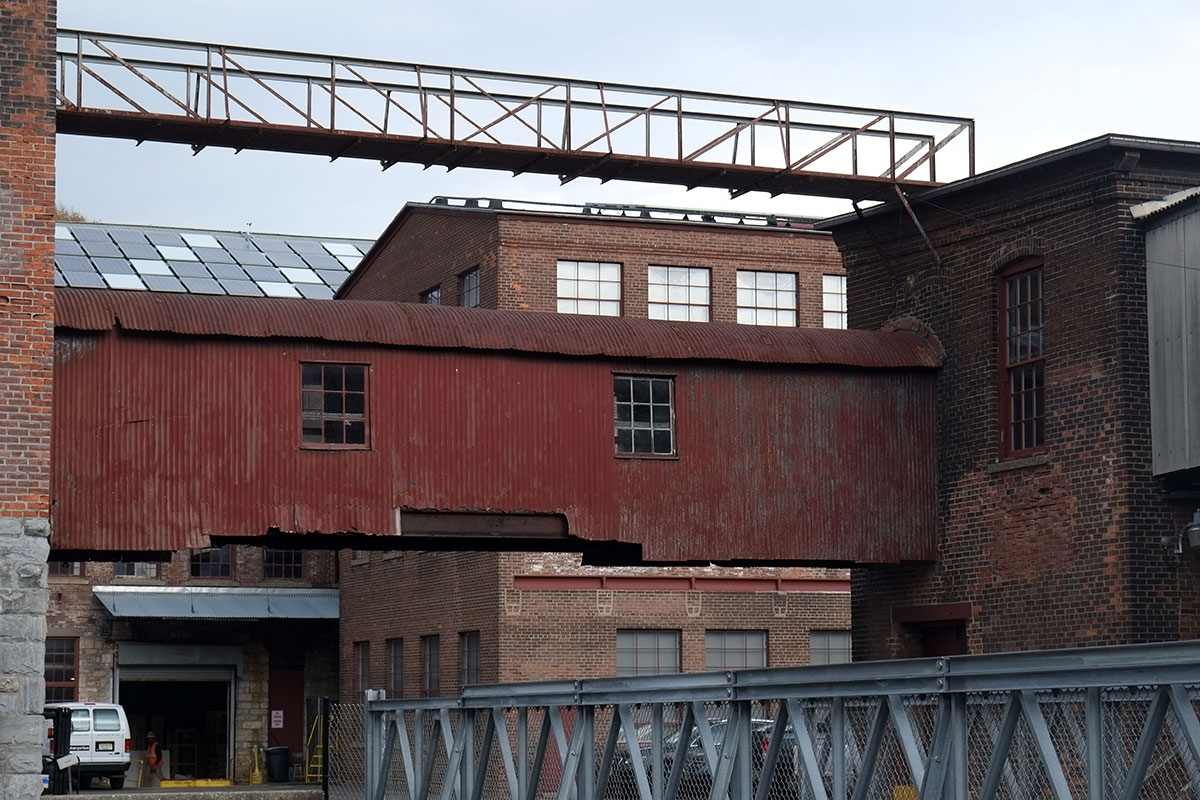
There are big rooms indoors, and there are spaces in between the buildings outside for art work.  We found the buildings to be as compelling as the art.  The 1947 boiler plant has been left as-is, slowly rusting through the open roof, and Greta said it was her new favorite place in the world.  DSCF2534

big tank in the boiler plant

big tank in the boiler plant

the view from the top of the boiler plant

the view from the top of the boiler plant

DSCF2434

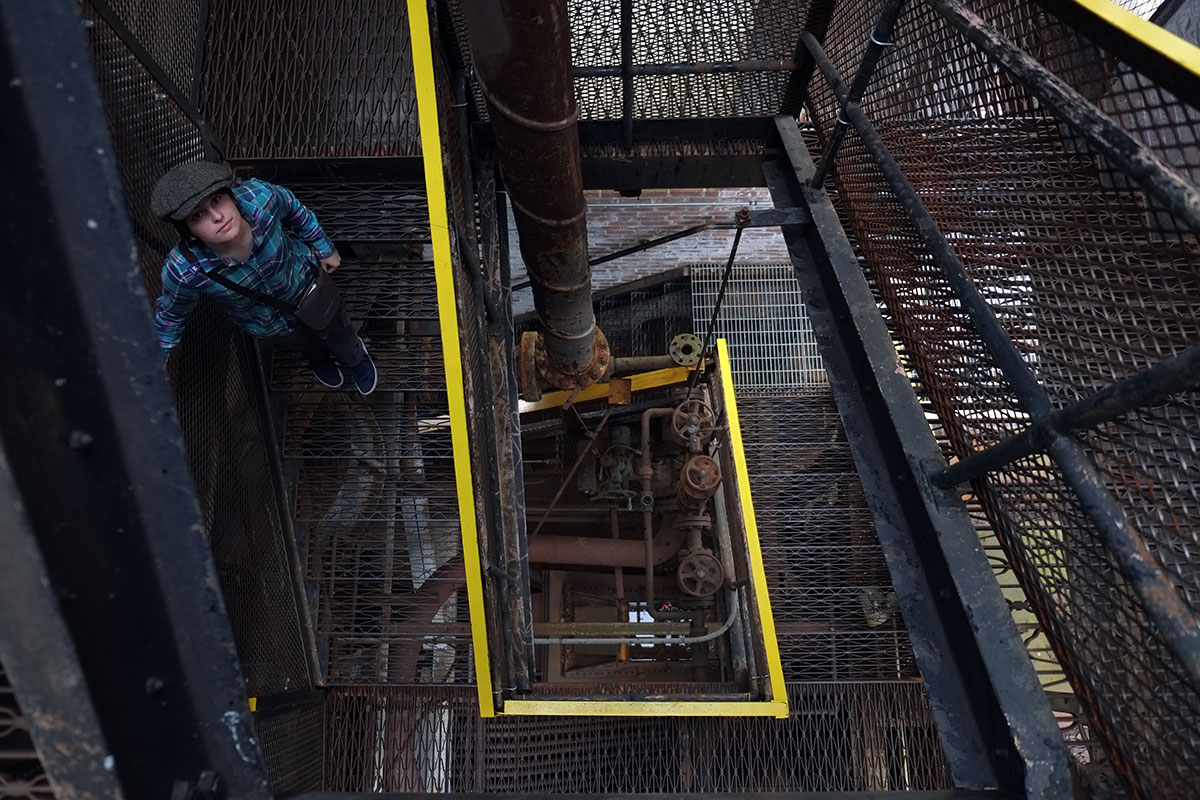
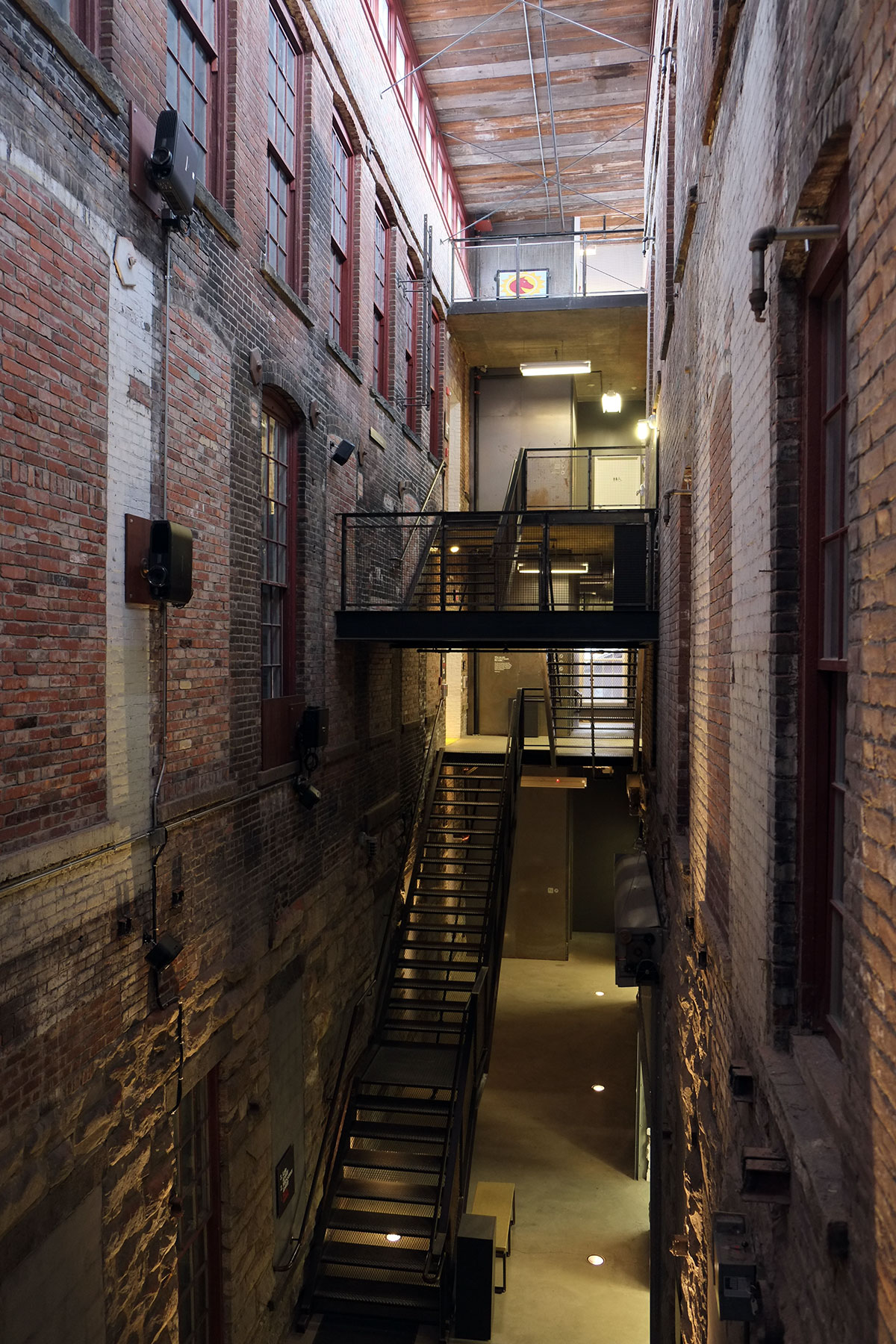
a stairwell between two buildings

a stairwell between two buildings

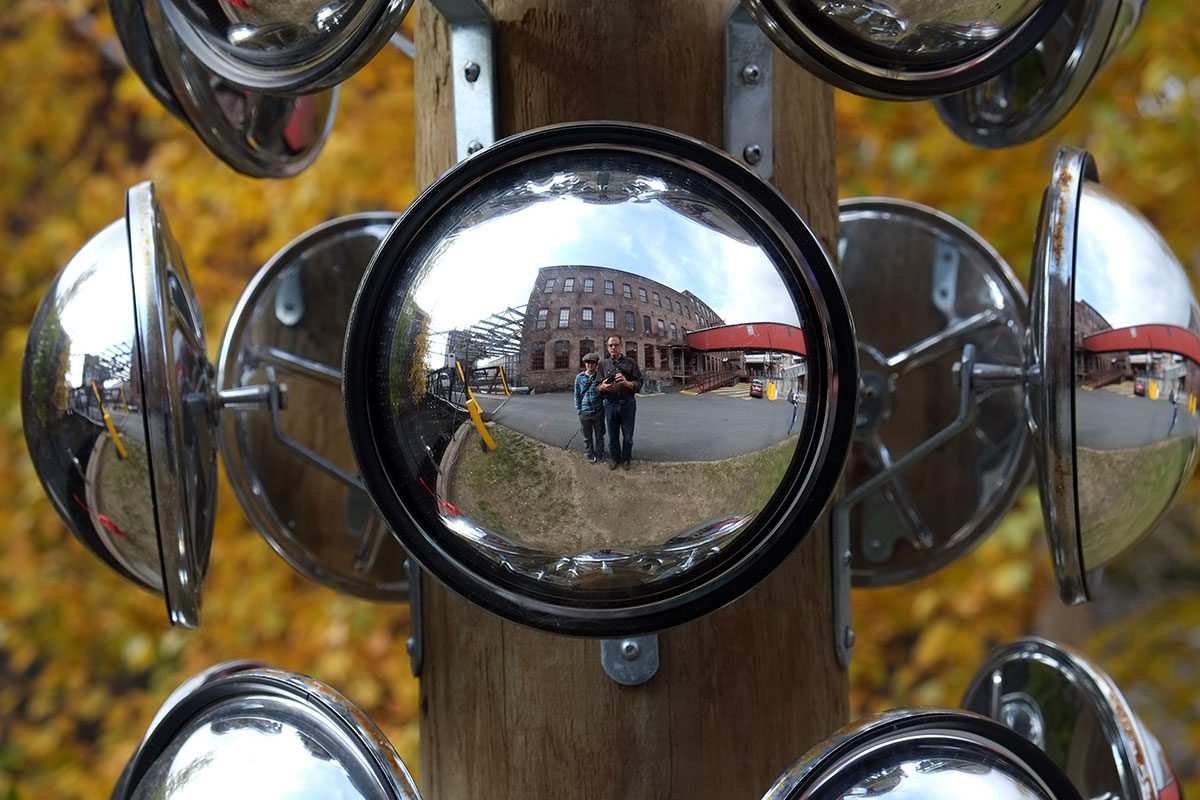
the art meta-selfie

the art meta-selfie

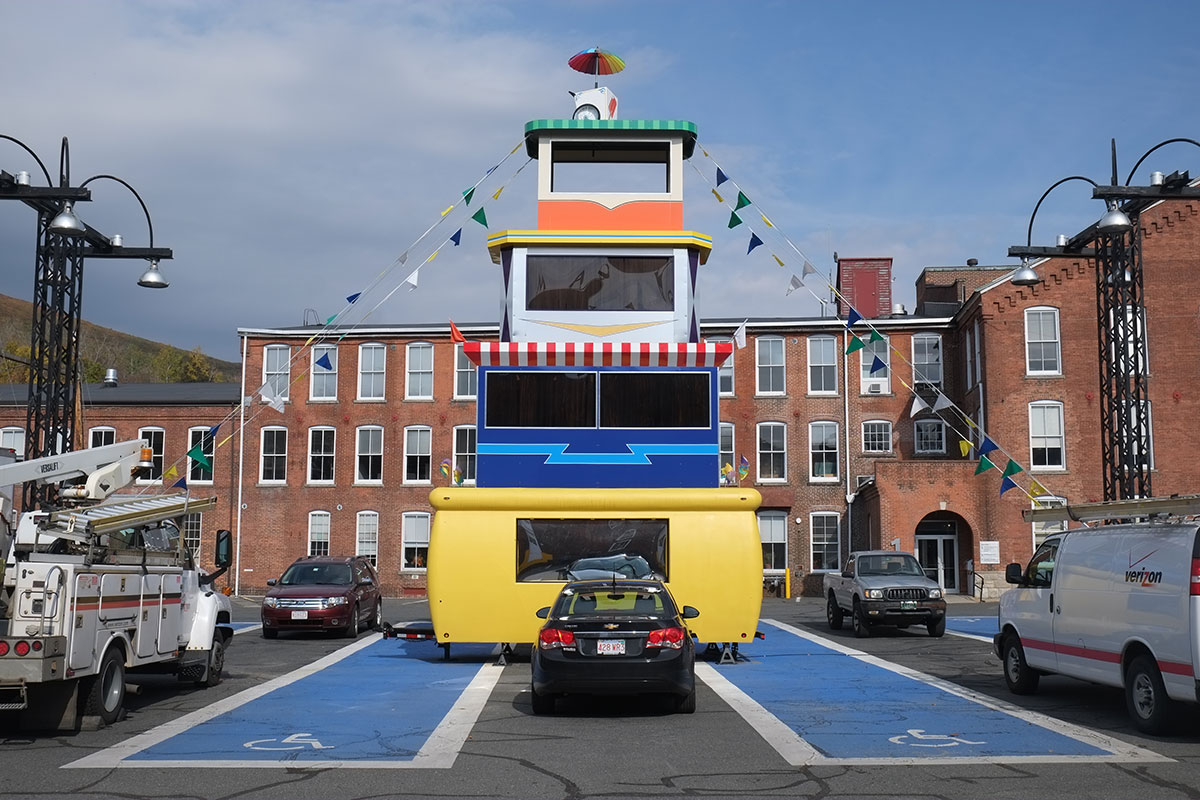
a take on plastic trailers that is a little different from ours, done by some folks from Seattle. We thought of moving our trailer next to it for a trailer-selfie.

a take on plastic trailers that is a little different from ours, done by some folks from Seattle. We thought of moving our trailer next to it for a trailer-selfie.

a project with an Airstream. We want this one for our next trip

a project with an Airstream. We want this one for our next trip

there's a theme emerging here

there’s a theme emerging here

some old ramps, some new

some old ramps, some new

a Francesco Clemente installation

a Francesco Clemente installation

a ramp

a ramp

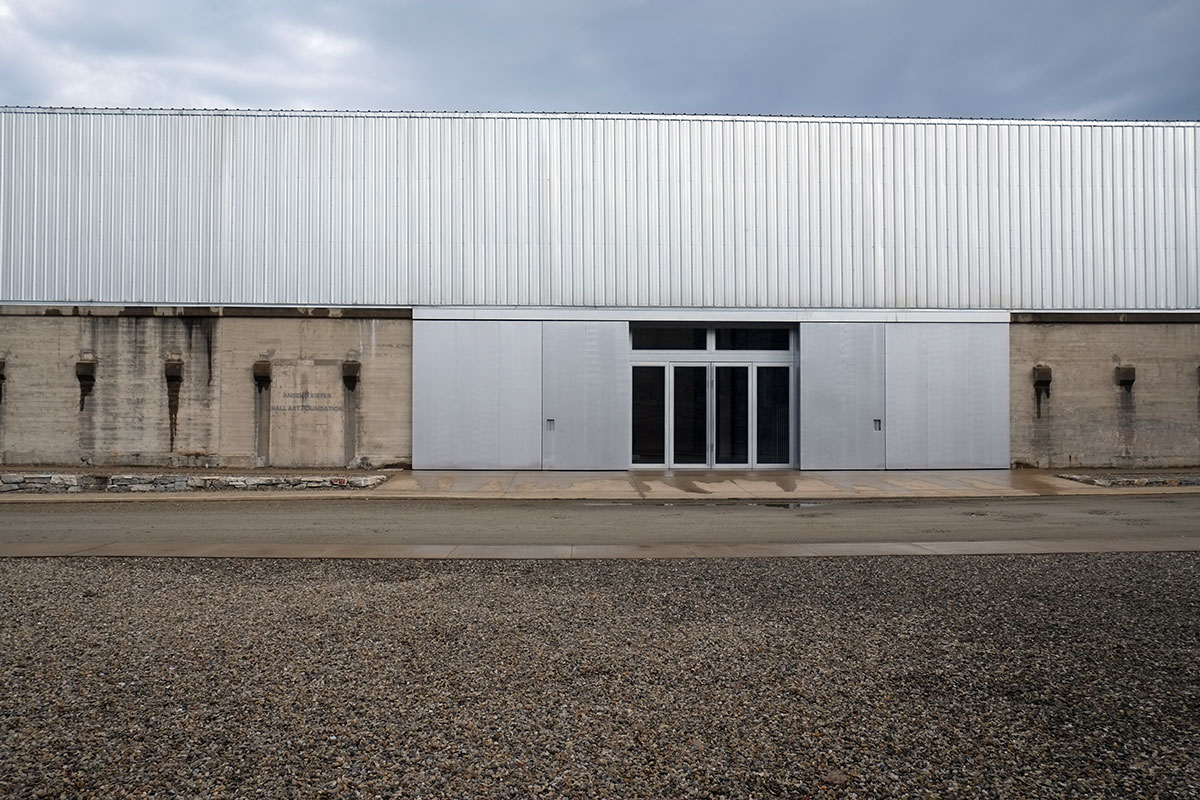
a building which houses Anselm Kiefers

a building which houses Anselm Kiefers

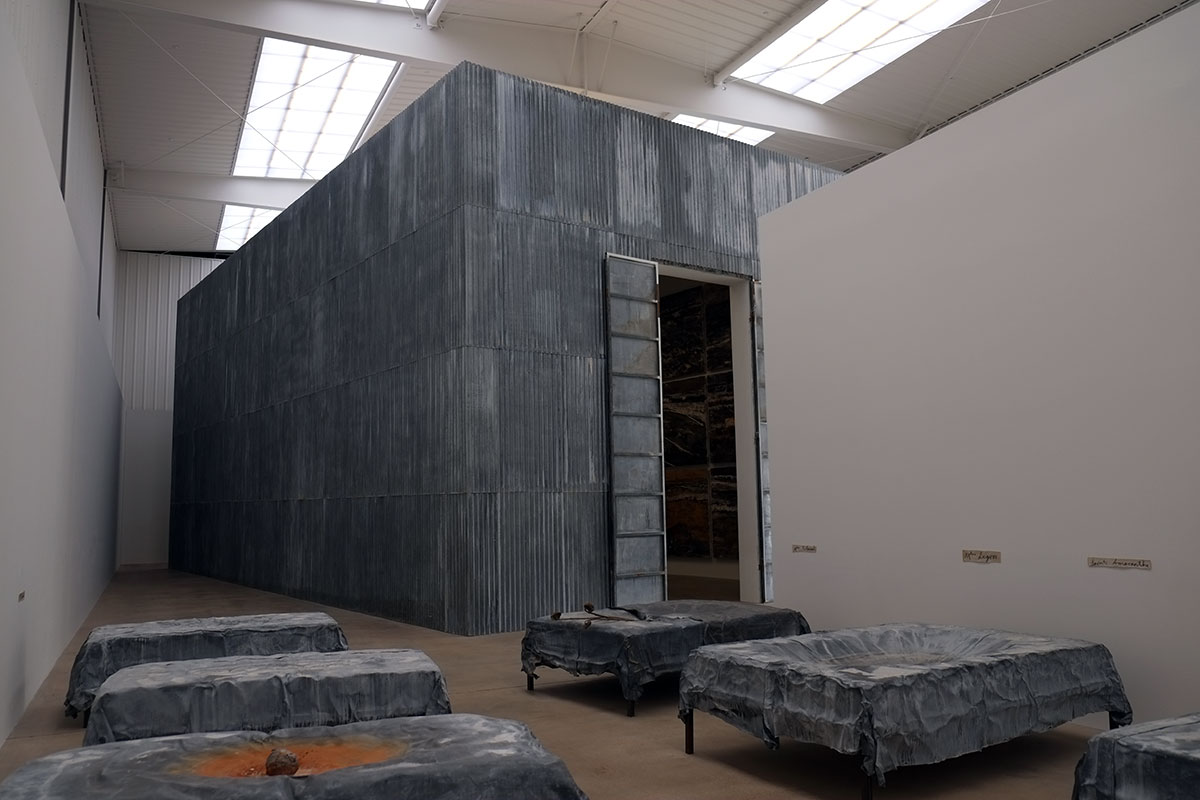
three big Kiefer installations

three big Kiefer installations

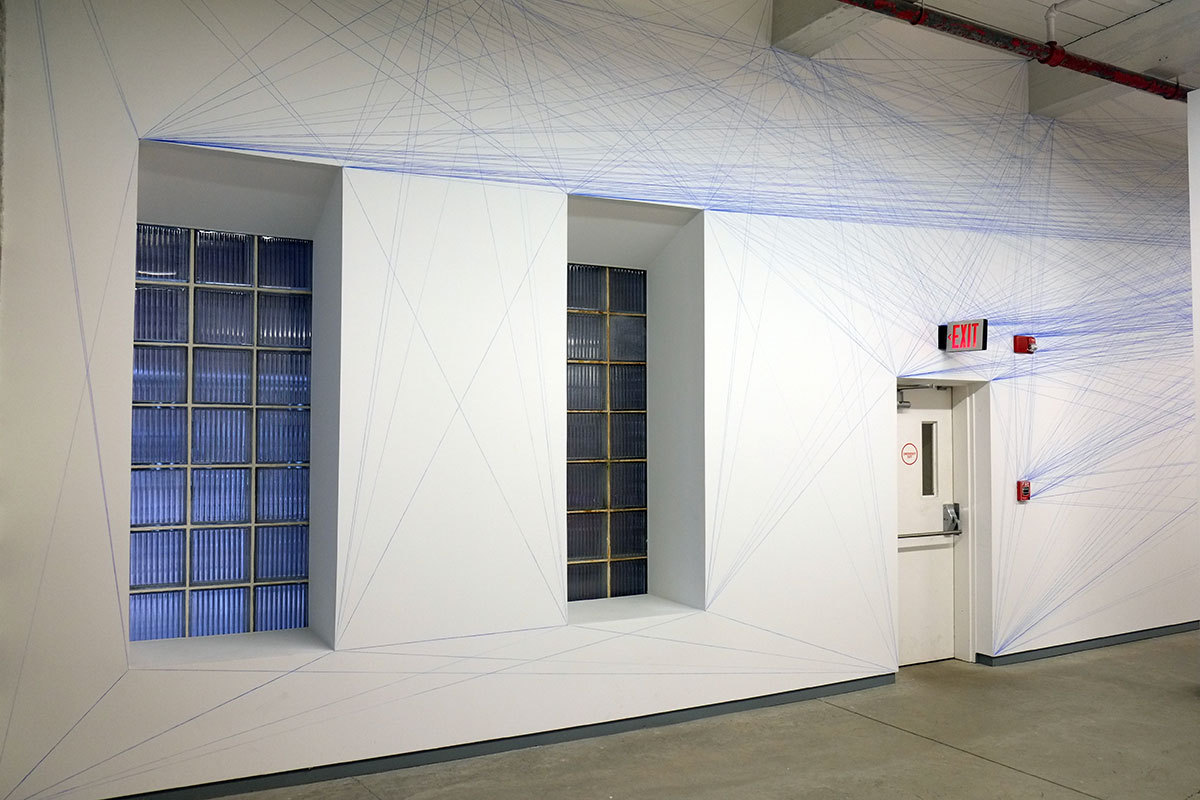
There is a comprehensive Sol Lewitt retrospective which occupies three floors.  I really enjoyed seeing so many in one place, as you can see the progression of ideas.

DSCF2607

Greta really liked the earlier ones, driven by explicit concepts/rules.DSCF2613

DSCF2472

growing tress and then turning them outside down. Apparently this is controversial with members of PETT.

growing trees and then turning them outside down. Apparently this is controversial with members of PETT.

This was way cooler than we thought it would be.  It’s only 150 miles from New York or Boston.

The Empire State Plaza Strikes Back

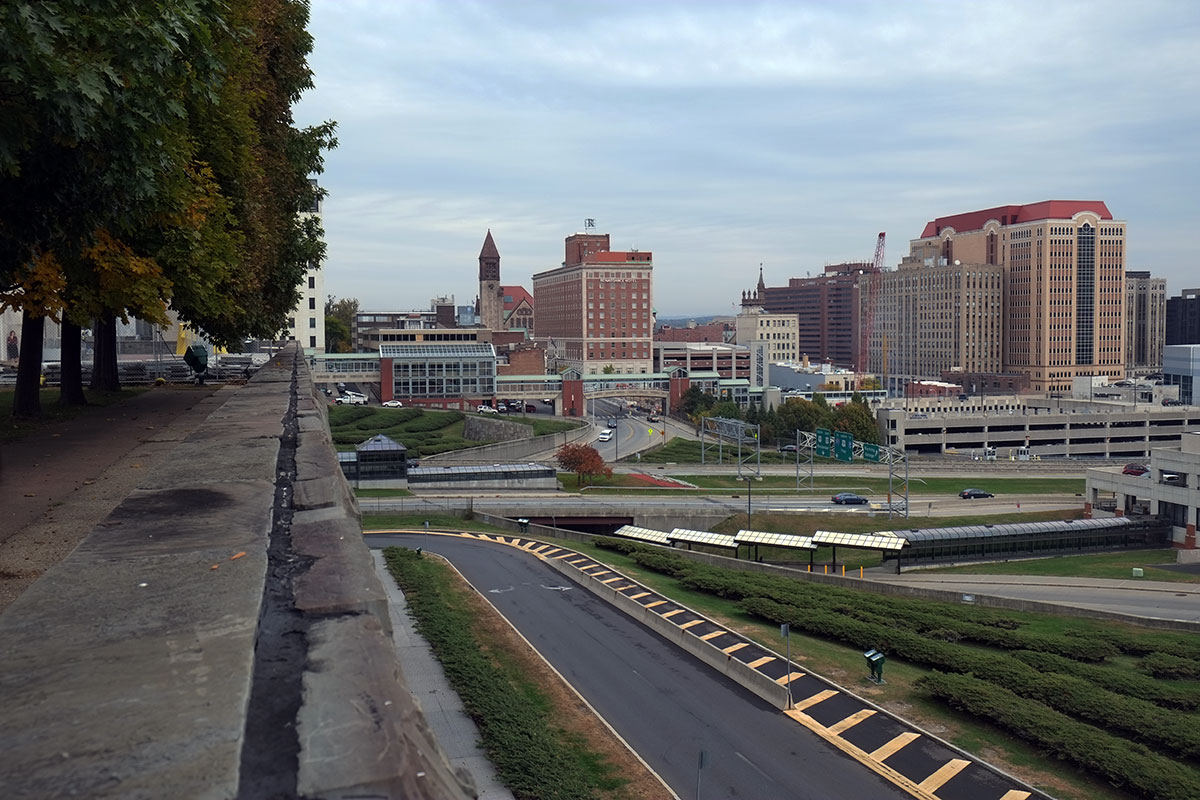
I’m a firm believer that you can’t really understand a work of architecture until you’ve seen it in person.  The Empire State Plaza in Albany bears this out. – photos can’t do it justice .  Going to Albany to see it is well worth the trip.

I had been there a few times in the past, most memorably at night in deep snow back in the 70s.  I had a few pictures of it which I used in my class, but I needed better ones.  More importantly, I had to see if my memories of it could possibly be real, or whether I had built it up out of proportion over the years.  I hadn’t – it exceeded my memories in many ways.

I think that the Empire State Plaza is the worst urban redevelopment project to ever be built in this country.  It is not nearly as well known as it should be – being in Albany, as New Yorkers famously ignores everything that happens in Albany.  If this project were in New York, it would be known world-wide.

It is terrible in at least three ways:  as a whole, as individual pieces, and for what it did to the city of Albany.

DSCF2245

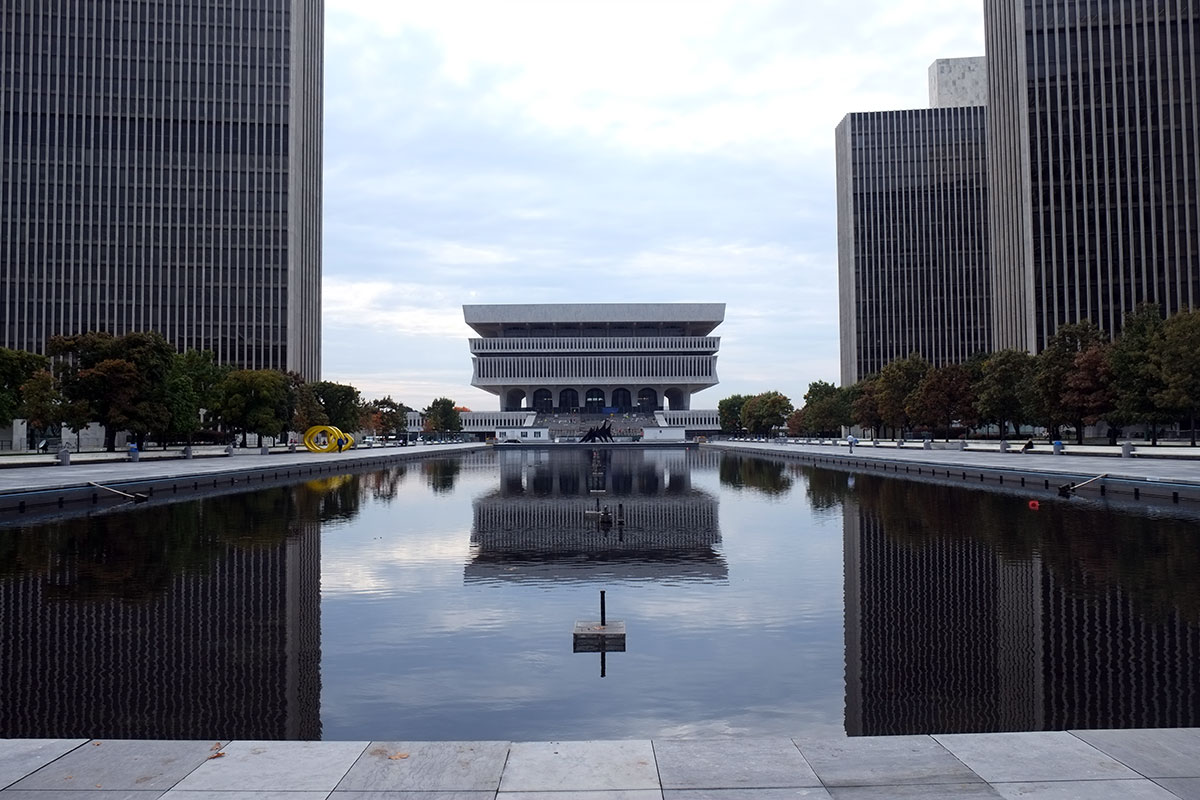
The scale of it is enormous – 4/10 of a mile (12 blocks) long, 1/4 of a mile wide.  It is a vast, empty plaza, devoid of all but smokers even on a warm day.  In the winter, I’m sure no one ever goes onto it, as there is a whole subterranean concourse level beneath, which connects all the buildings.  DSCF2254

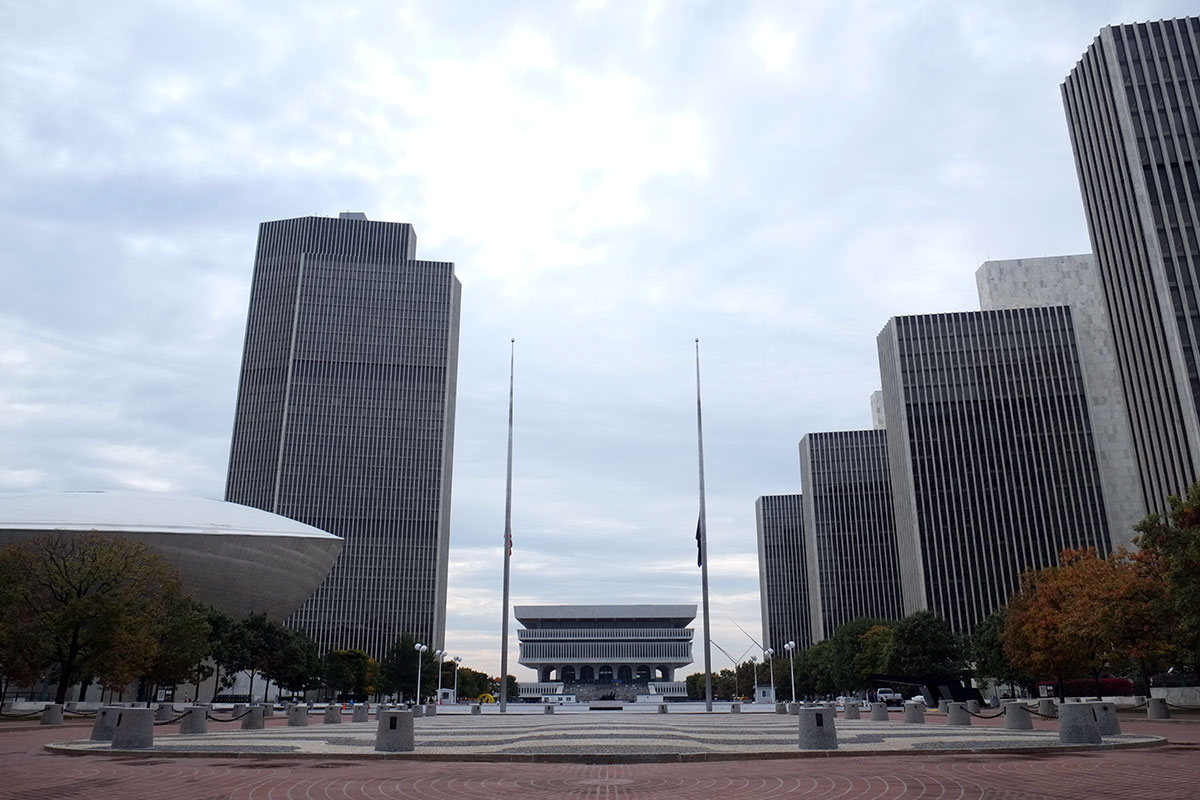
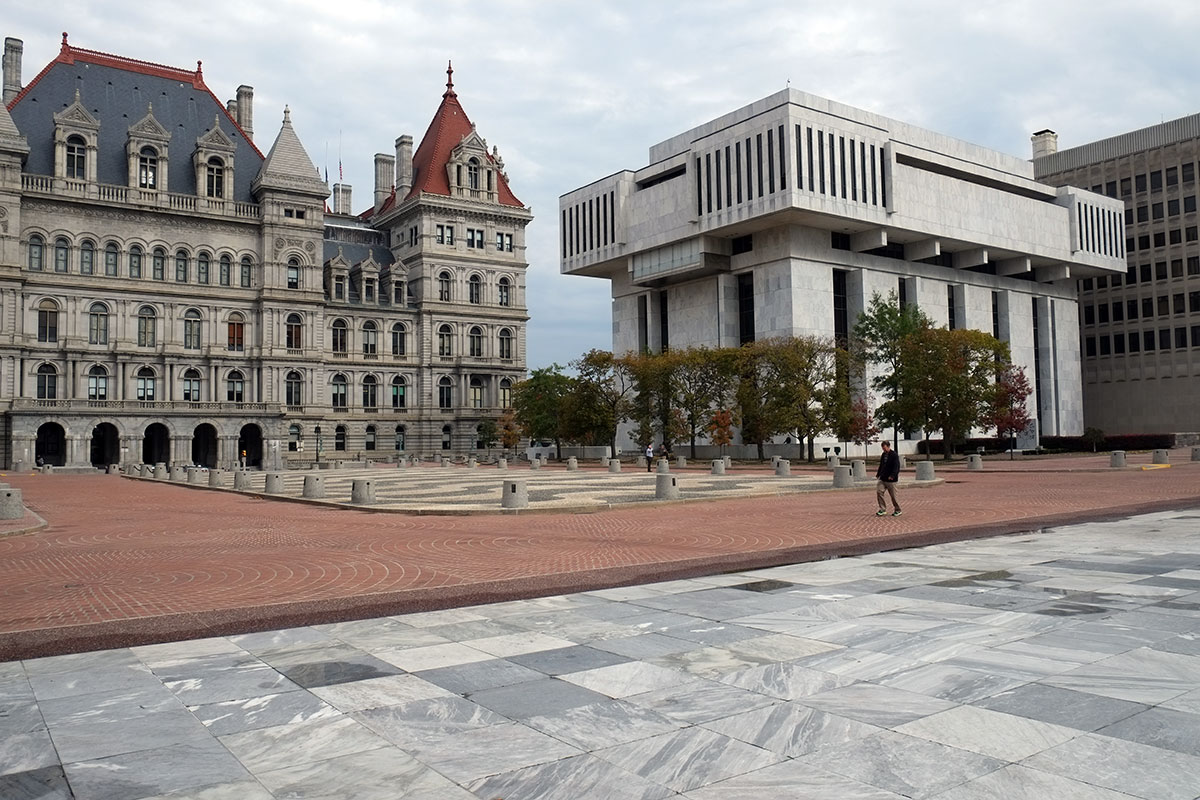
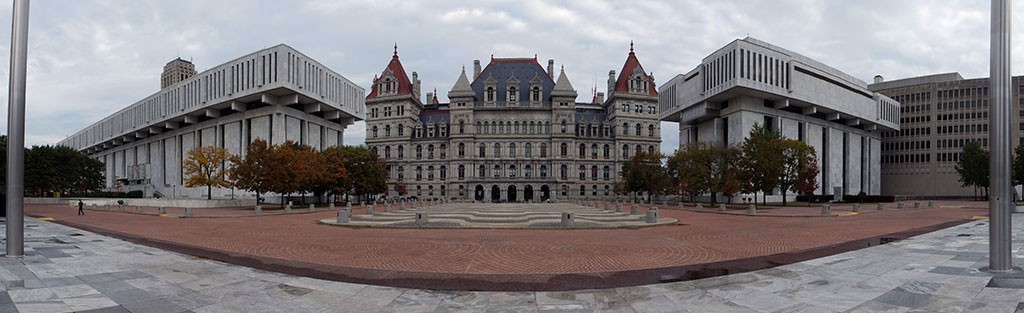
To walk into the plaza is to be humbled, to feel the power of the state poised to crush you.  Greta hummed the imperial march from Star Wars the whole time we were there. The newer buildings dwarf the Capitol, and their massive solidity seems about to crush the dainty Capitol between them.cropped-dscf2262.jpg

The State Capitol sits on the top of a hill, and the plaza has been built up to a slightly higher level – perhaps symbolizing that the power of the state lies not in the feckless legislature, but in the inertia of the bureaucracy?  DSCF2268

The buildings range from the banal to the truly awful.  Wallace K. Harrison was Nelson Rockefeller’s favorite architect, their association going back at least to the design of the UN (where Harrison first began copying Corbu).  He was of the grandiose modernist school (which is often detectable through the excessive use of marble), and in New York he was partially responsible for Lincoln Center.  The buildings fit into the simple parti of the plaza design – a museum facing the Capitol at the end of the axis, four smallish towers on one side facing a large tower and the “Egg” on theater, with a couple of bookends near the Capitol.

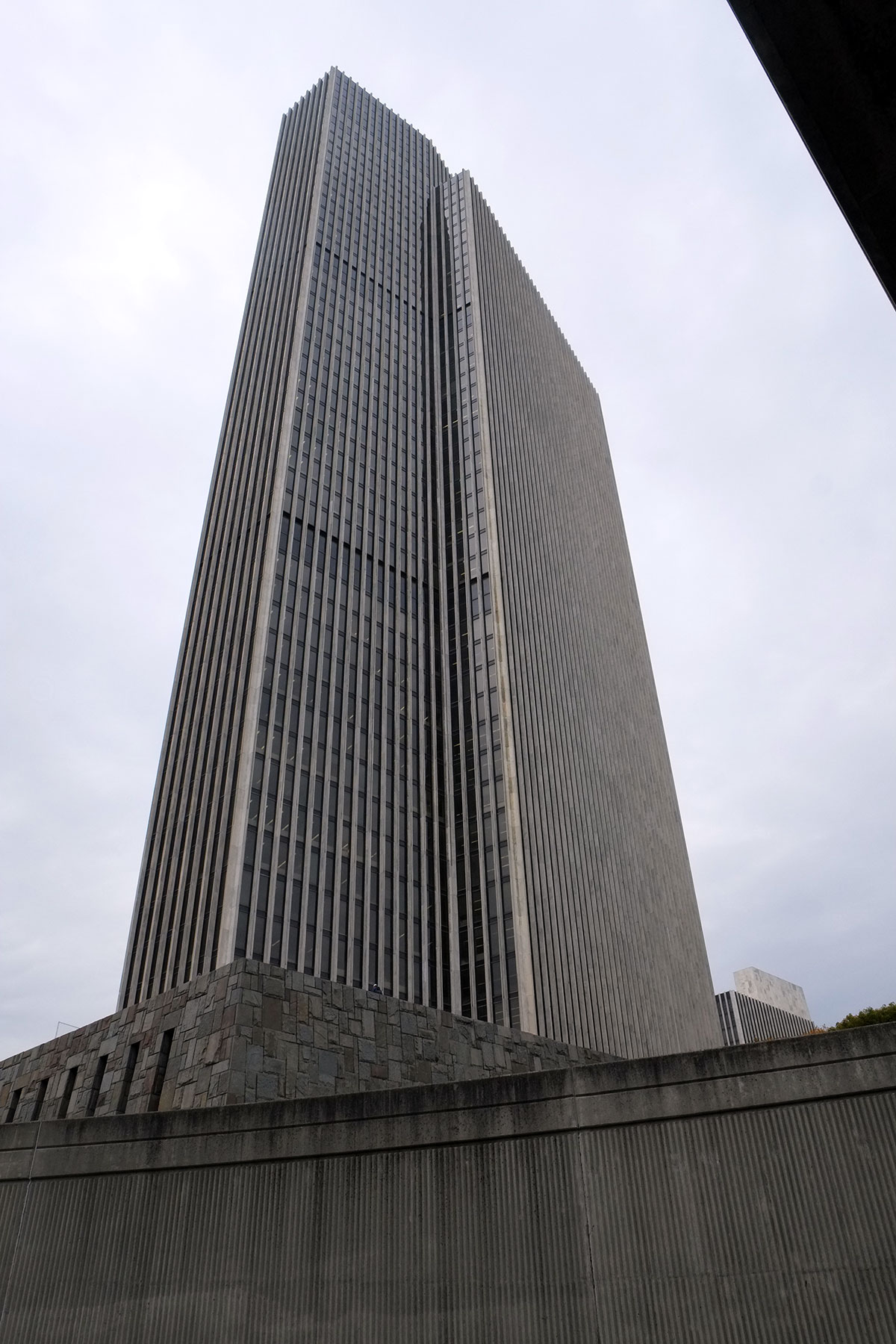
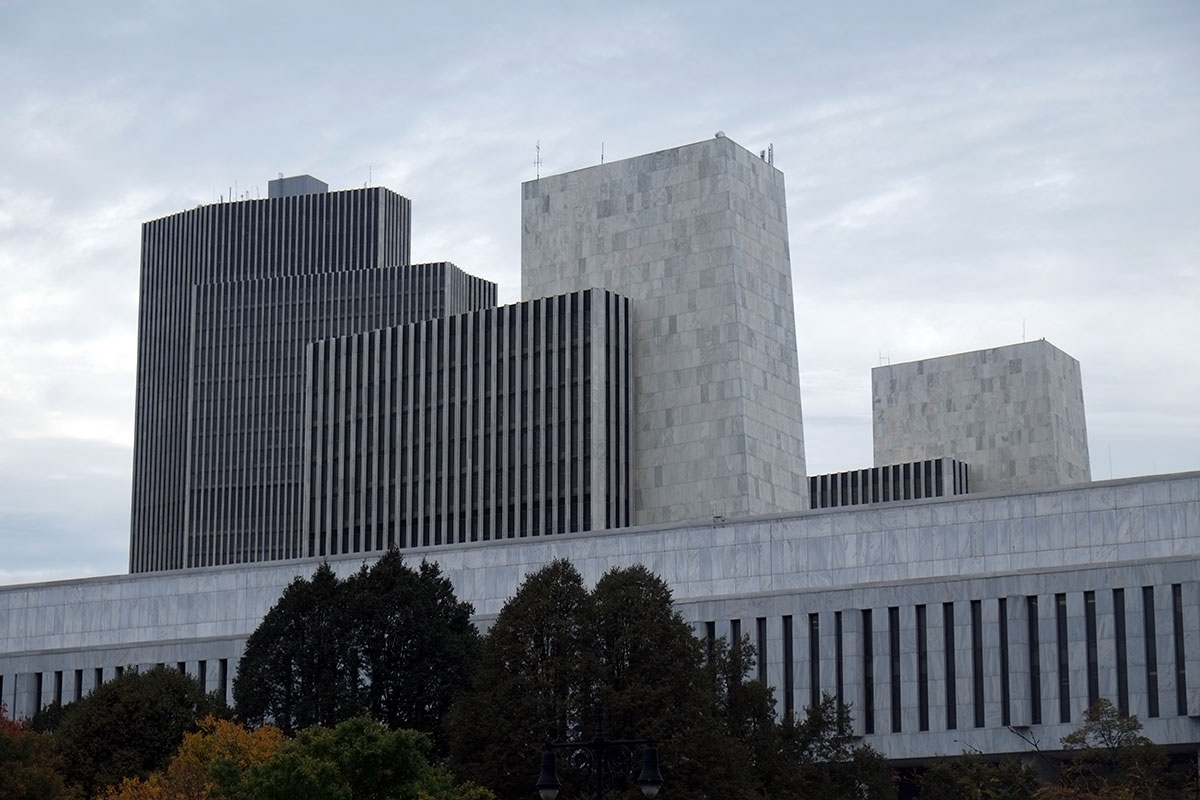
The towers are not so bad as objects.  Elegant and slim, there are two nested masses, expressing core and office floor area.  The idea of a series of identical towers works, and their footprints are actually quite small, with the potential for good daylighting.  The problem is all that empty space in between them.  The large tower refers to classic slabs such as the RCA Building, but in the extreme tower-in-the-park vein.DSCF2271DSCF2352

The Egg is rather funny.  Sometimes it looks like a boat, sometimes a duck, sometimes an egg. This is another element in the channeling-Corbu vocabulary – the expressive, playful highlight which contrast with the preponderant rationality (think of the stuff on the roof of the Unite).   I can’t imagine they named it the Egg to start with; I like it when a nickname is so perfect it has to be acknowledged.DSCF2255

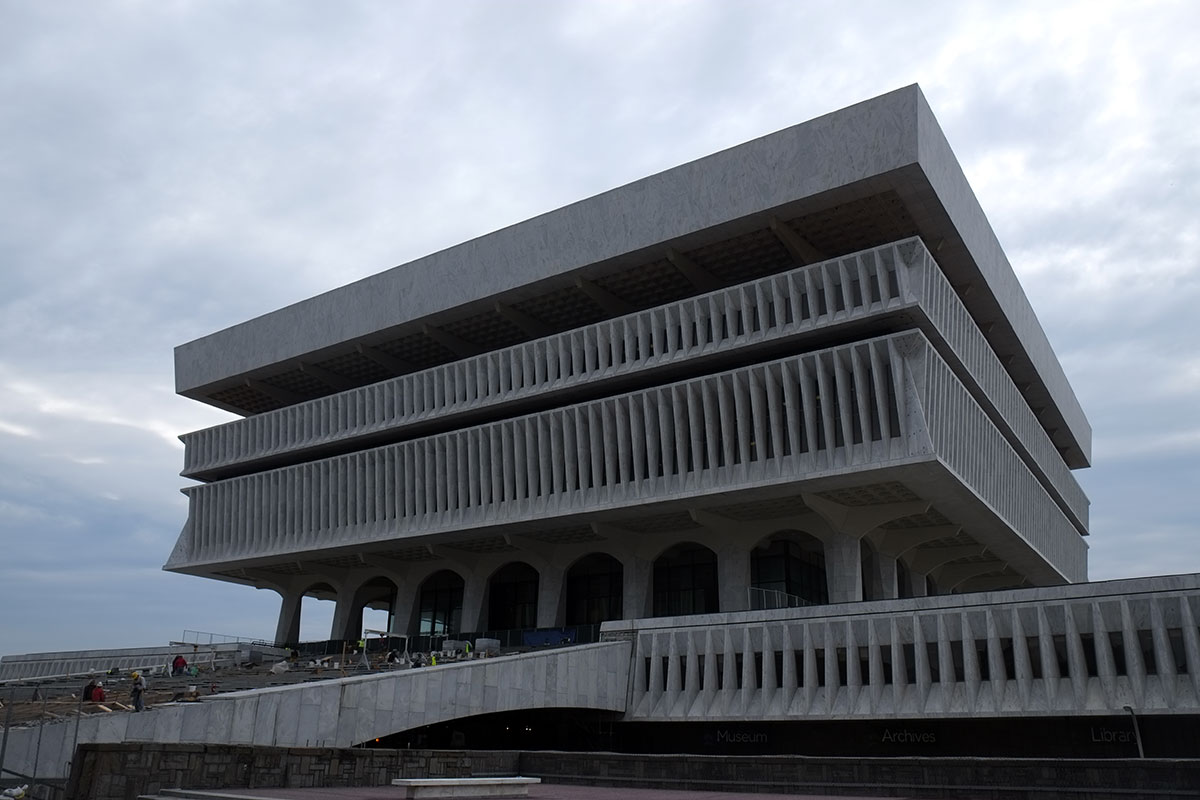
The museum is ponderous and looming, at the top of a huge staircase that spans a street.  Most schoolchildren enter from the streets way below, so they don’t experience the whole effect.DSCF2241

The two building flanking the Capitol are the worst.  Massive, clunky, ill-proportioned.  (They are so ugly that I suspect Harrison’s even-less-talented partner, Max Abramowitz, must have had a hand in them.)  They try to articulate some aspects of their systems – such as the beams which support the overhanging upper stories – but the differentiation of parts doesn’t work if you just cover everything with marble.  Greta and I have been defining a few building types on this trip, related to popular culture, with the Barad-Dur type showing up pretty often.  Greta immediately classed this building in the Star Wars ATAT type.  DSCF2258

DSCF2276

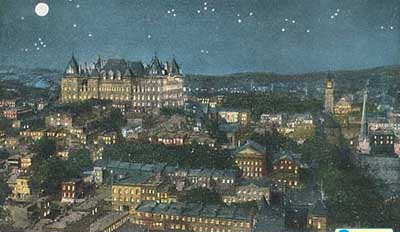
But the biggest problem with this project is what it did to the city.  The Capitol sits at the top of a hill, with the commercial and residential districts on the slopes below it.  Albany1

The neighborhood seen to the left in the old postcard above was obliterated, and the podium / plaza run straight out from the Capitol.  By the time you get to the south end of the museum, the edifice looms above the city.DSCF2237

To the west, a long, lower building presents an impenetrable wall.DSCF2362

And to the east, facing the Hudson, there is a giant rampart, from whence the defenders can look down upon the populace.DSCF2246

But there are no people here (except a few lost pedestrians), as the area has been cleared for approach ramps that lead to the parking garages in the podium below the plaza, and to the streets on the west side.DSCF2356

The relationship between the plaza and the Capitol may be problematic, but that edge is by far the most successful.  The imagery and message of the other three sides is clear:  the government is secure behind its defenses, and the danger and messiness of city life has been pushed far away.  There is a megalomania of architectural vision here that is seldom seen so clearly (the only other example that comes to mind is the Renaissance Center in Detroit).  Harrison, the lesser acolyte of Corbu, has achieved the complete destruction and negation of the city that the master was never able to fully carry out.

HH Richardson

Having left the midwest and arrived last night in the Boston area, the Architecture Greatest Hits tour moves along from FLW to Richardson.  Before I dive into the Richardson trove that is Boston, I think I’d better get the Richardson outliers to the west out of the way.

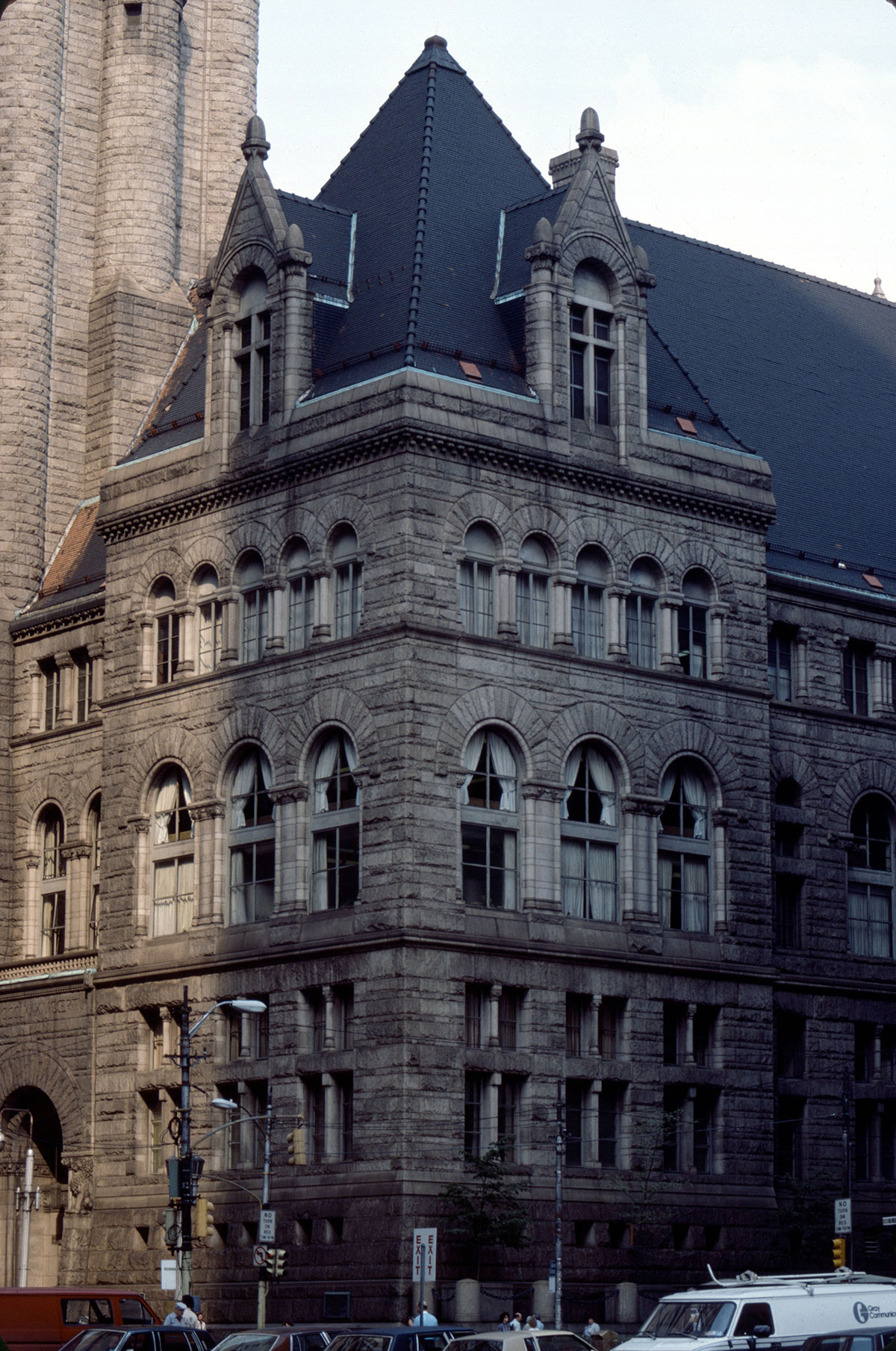
The Allegheny County Courthouse in Pittsburgh is one of his most complete, extended and perfect buildings.  In previous visits, I’d focused most on the courthouse itself, with its solid mass, beautiful tower, commodious entry and stair, etc. DSCF1221

Erie04 Erie08

Erie02

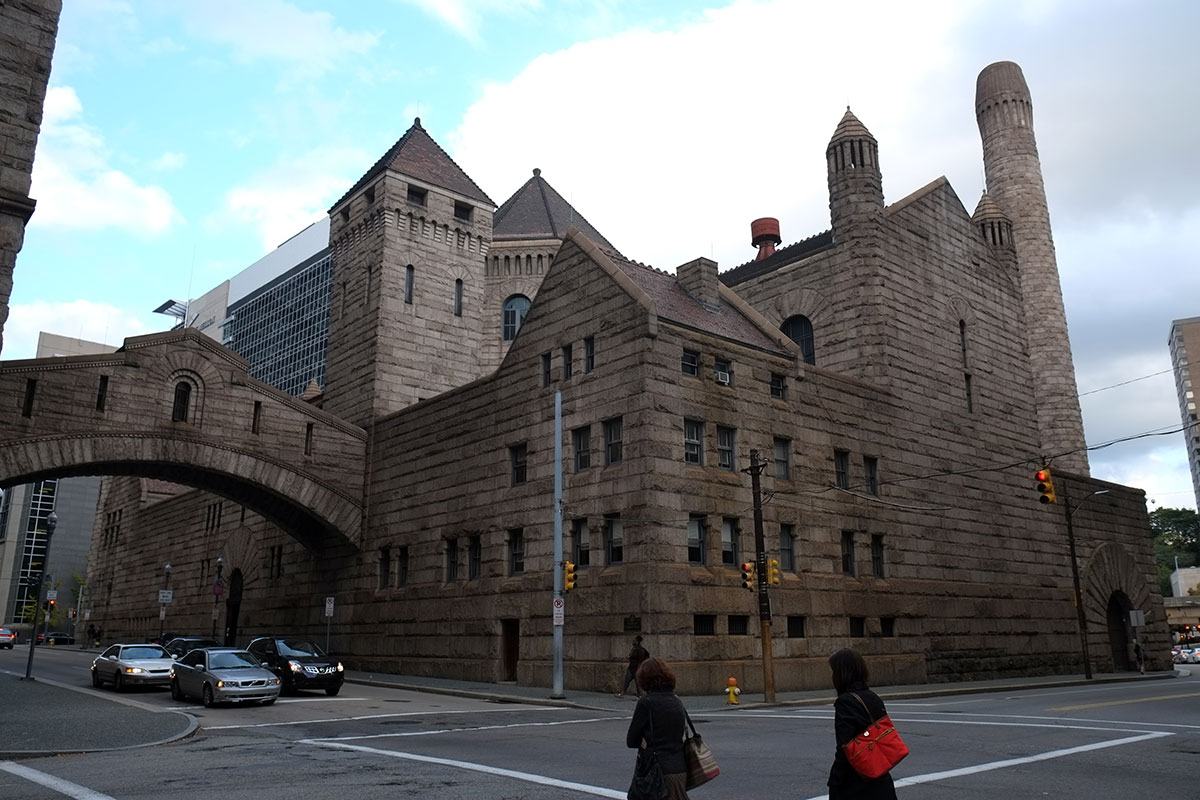
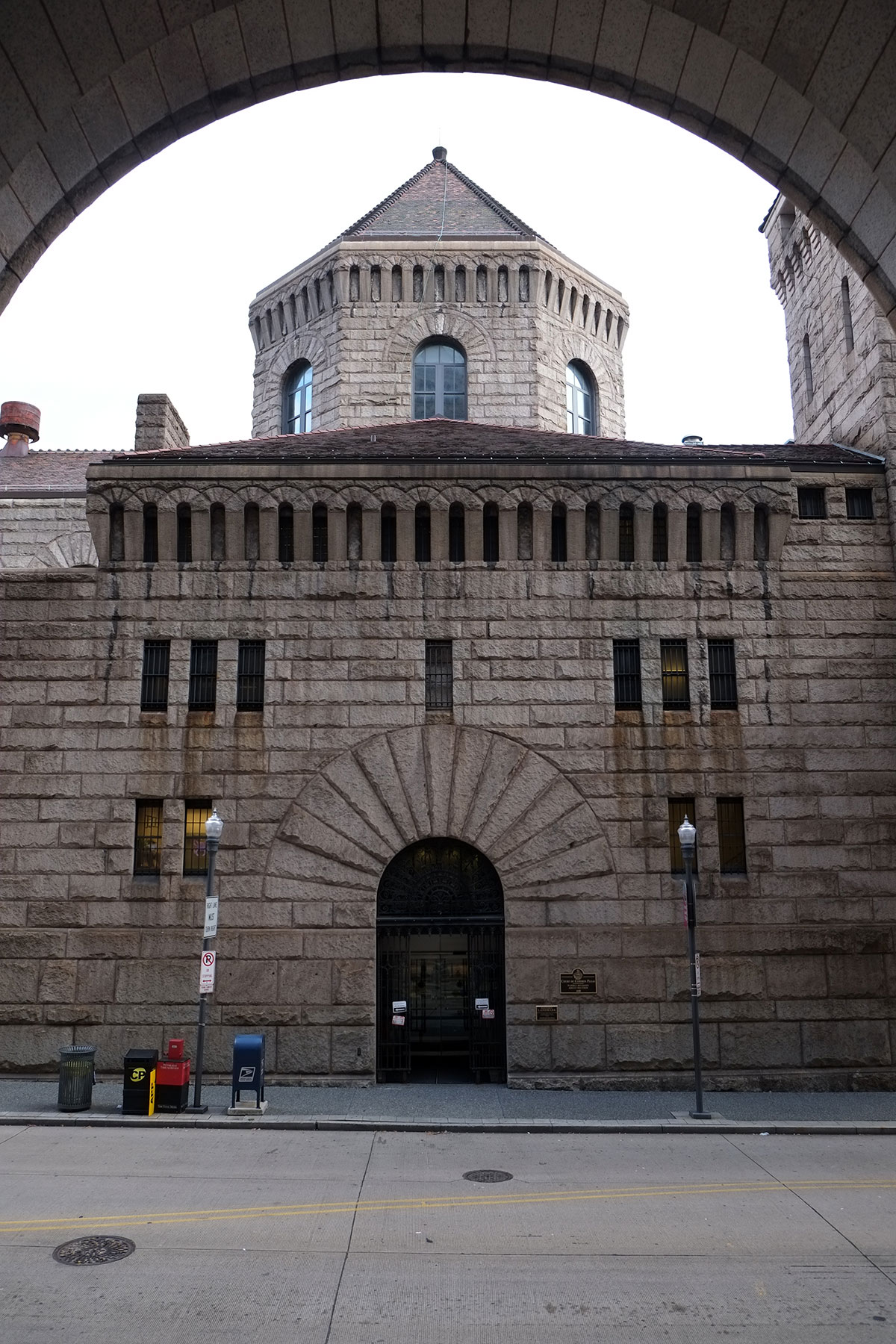
This trip we spent more time looking at the jail.  We often speak about Richardson as a proto-modernist, looking at the rationality of his planning, structural bays, how he led directly to Sullivan, etc.  But in the jail there are other elements at play that we would now regard as quite current – the play between order and disorder, symmetry vs. asymmetry, colliding grids and organizational systems.

DSCF1228

The site is irregular, but Richardson drops some axial, rectilinear volumes onto it, as if the site weren’t an issue.  Then he wraps all of this in a wall that addresses the streets.  Sometimes this is just a wall, and there are courtyards behind it,

DSCF1234

DSCF1275

and sometimes the wall becomes a building, with a whole different geometry.

DSCF1258

For formal entries and foci, symmetry is used to emphasize the centerDSCF1252

but in other areas, an asymmetrical  composition is made of the facade, tying into the field of the wall, but existing on its own terms.  DSCF1227

A building you can study for a long time, or as I pointed out in Minneapolis, you can just copy it.

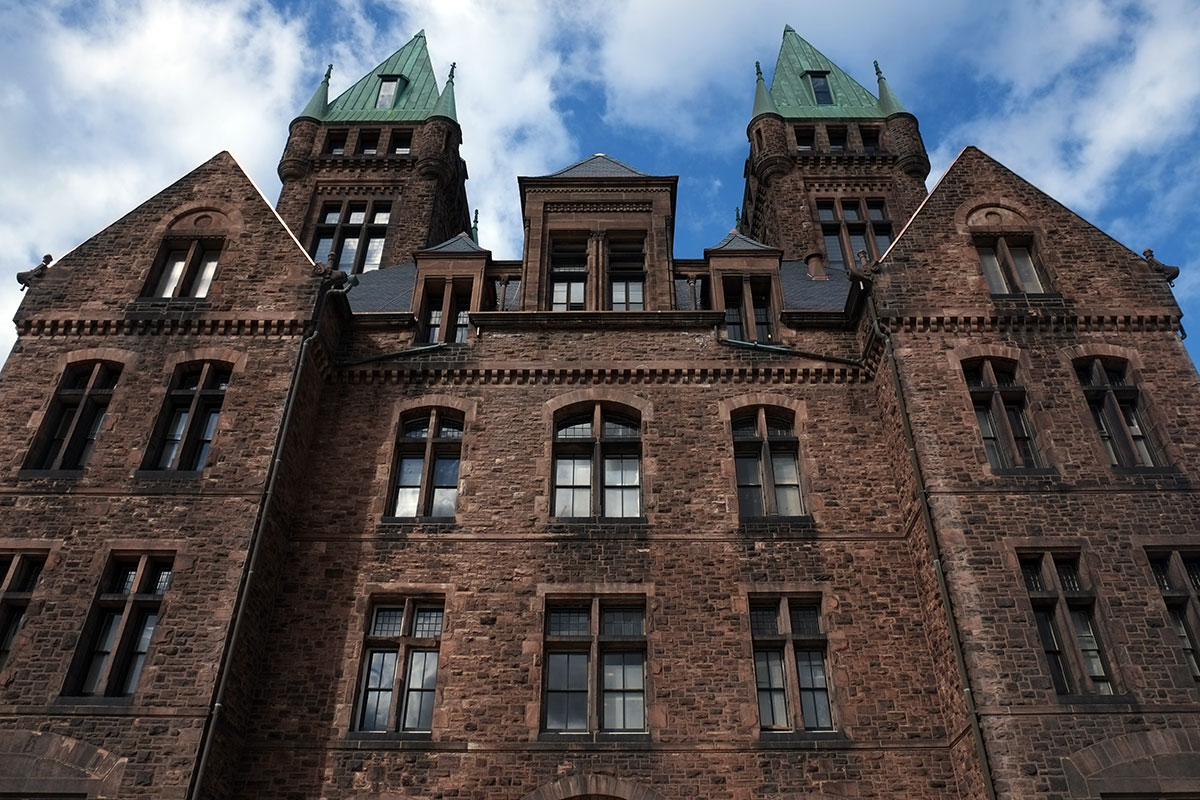
The psychiatric hospital complex in Buffalo is more conventional than this, and at first glance, it is one in a long line of buildings that might not be the most comforting for people having mental problems.   DSCF1897

It is a really large complex, with multiple pavilions and wings.  The central piece is very formal, establishing a clear hierarchy for a large building which rambles around.DSCF1877

but Richardson breaks down the scale nicely in the repetitive wings, each of which reads as a building (again, symmetry and asymmetry):DSCF1887

which are then linked by little connector pieces, and step back to form a series of open spaces.DSCF1886

In Albany we saw the city hall, a well-balanced exterior massing, with a simple, straightforward interior.DSCF2288

and the State capitol.  It’s hard to understand exactly what Richardson is responsible for here, as quite a few architects worked on it throughout a few decades.  However, he is generally given credit for the overall design of the elevations.DSCF2277

It seems that this massive exterior stair exists primarily to buttress the east facade, which started subsiding down the hill:

DSCF2286

DSCF2282

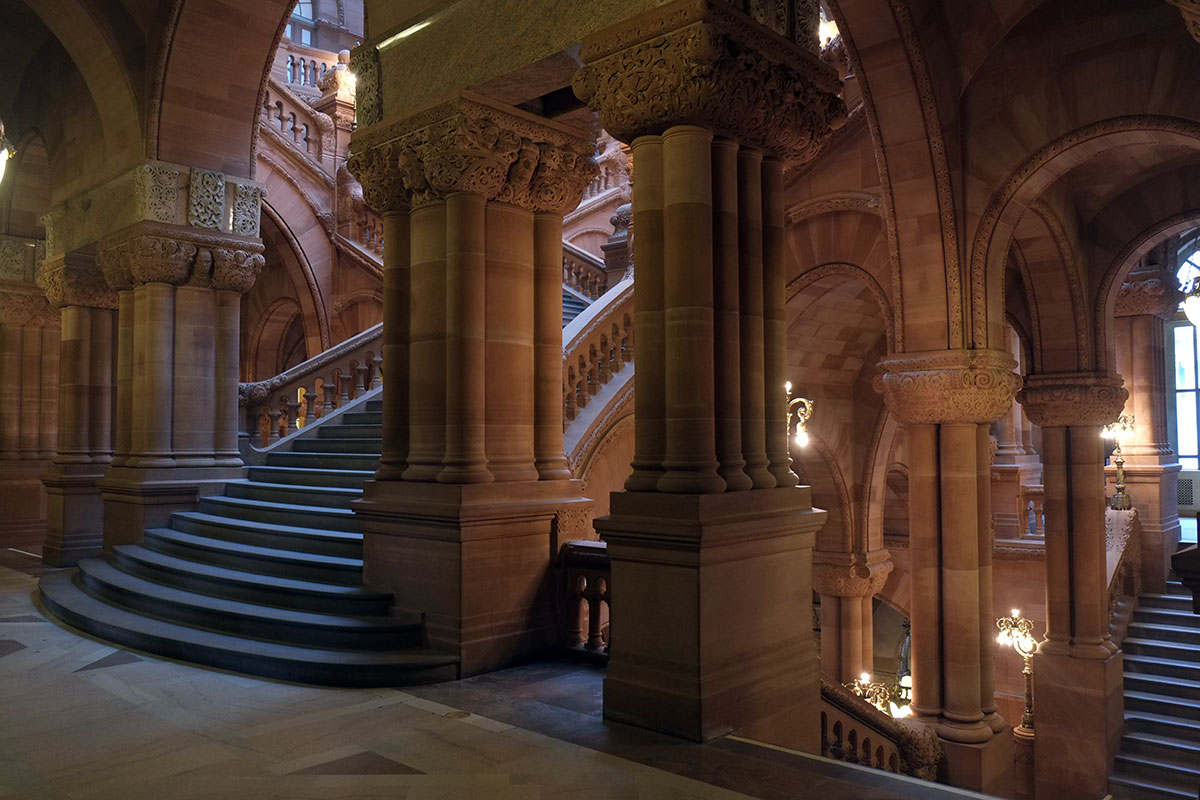
He also completed much of the interior planning, and the basic design for the over-the-top western stair.DSCF2312

This is truly the most extraordinary stair I’ve ever seen.   The space and procession are incredible, DSCF2302

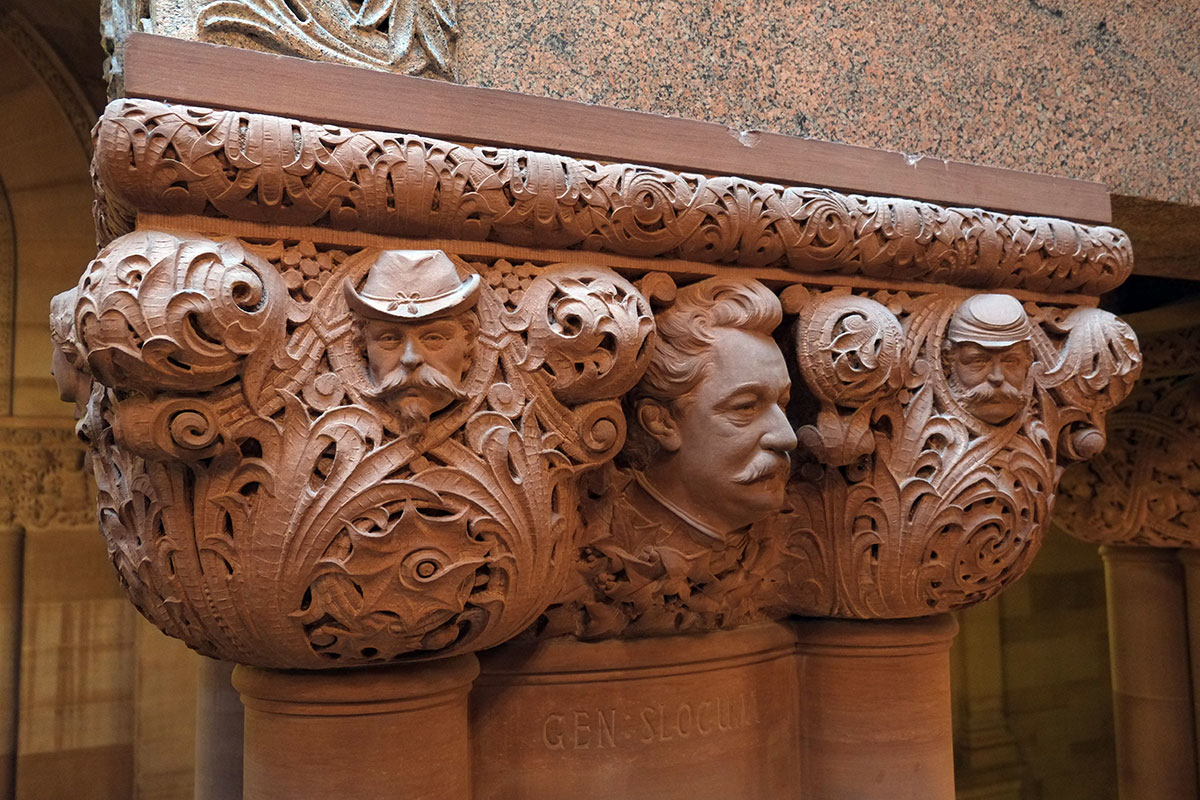
The detailing is insane, but apparently much of that was added by a later architect.DSCF2324

DSCF2331

DSCF2329

Albany is a place that is disdained (or more usually ignored) by downstaters, but this stair alone is worth the trip.  Beaux Arts planning meets Piranesi.

We now head into Boston, and more Richardson will follow, next week.

Buffalo & Rochester

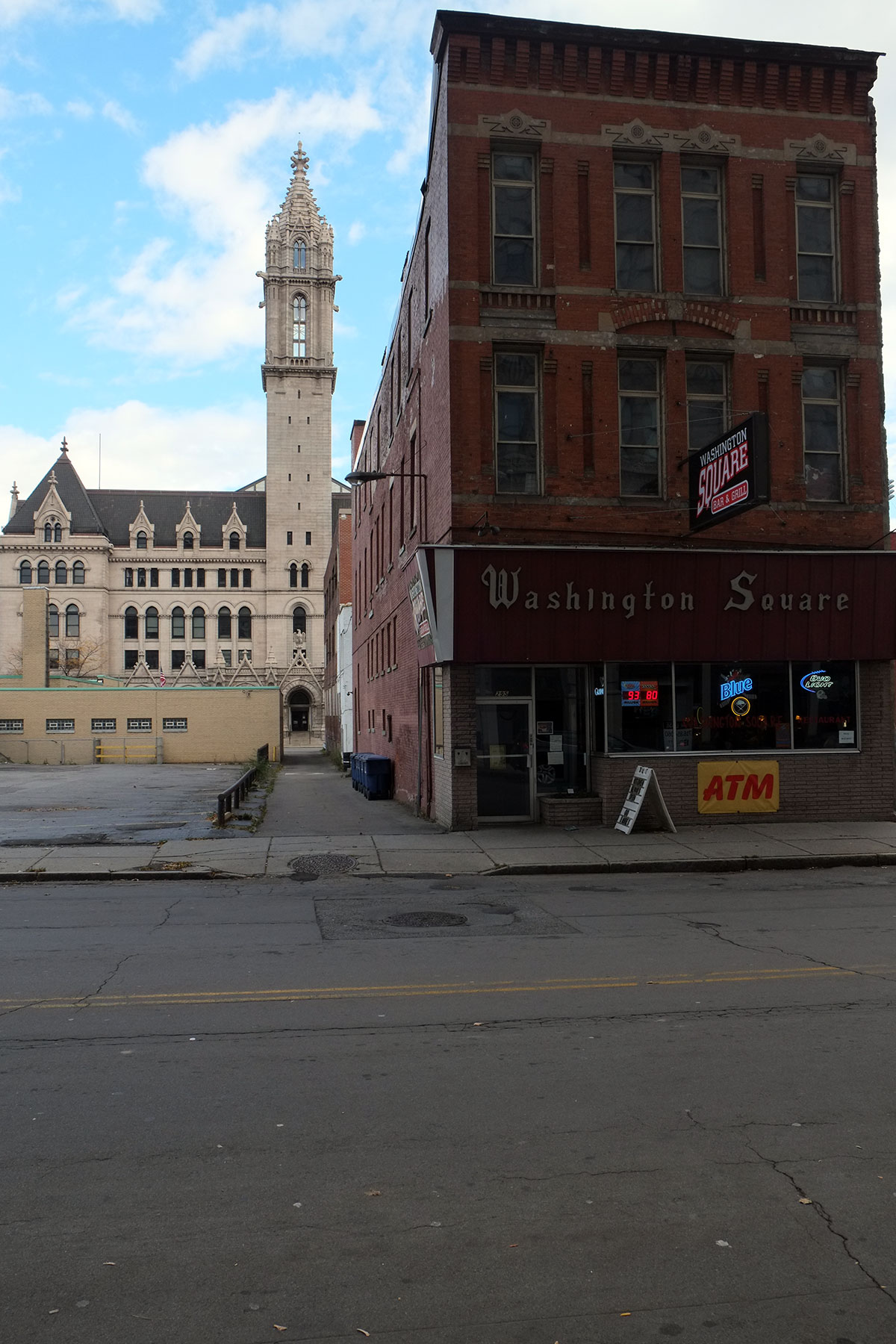
Continuing our tour of cities that were really important 100 years ago but not so much now, we cruised through downtown Buffalo and Rochester.  I think cities such as these are where you often find some of the best architecture and art in this country: they had a lot of money to spend back then, when you could still buy great European art, and when there seemed to be more clients who cared about architecture.

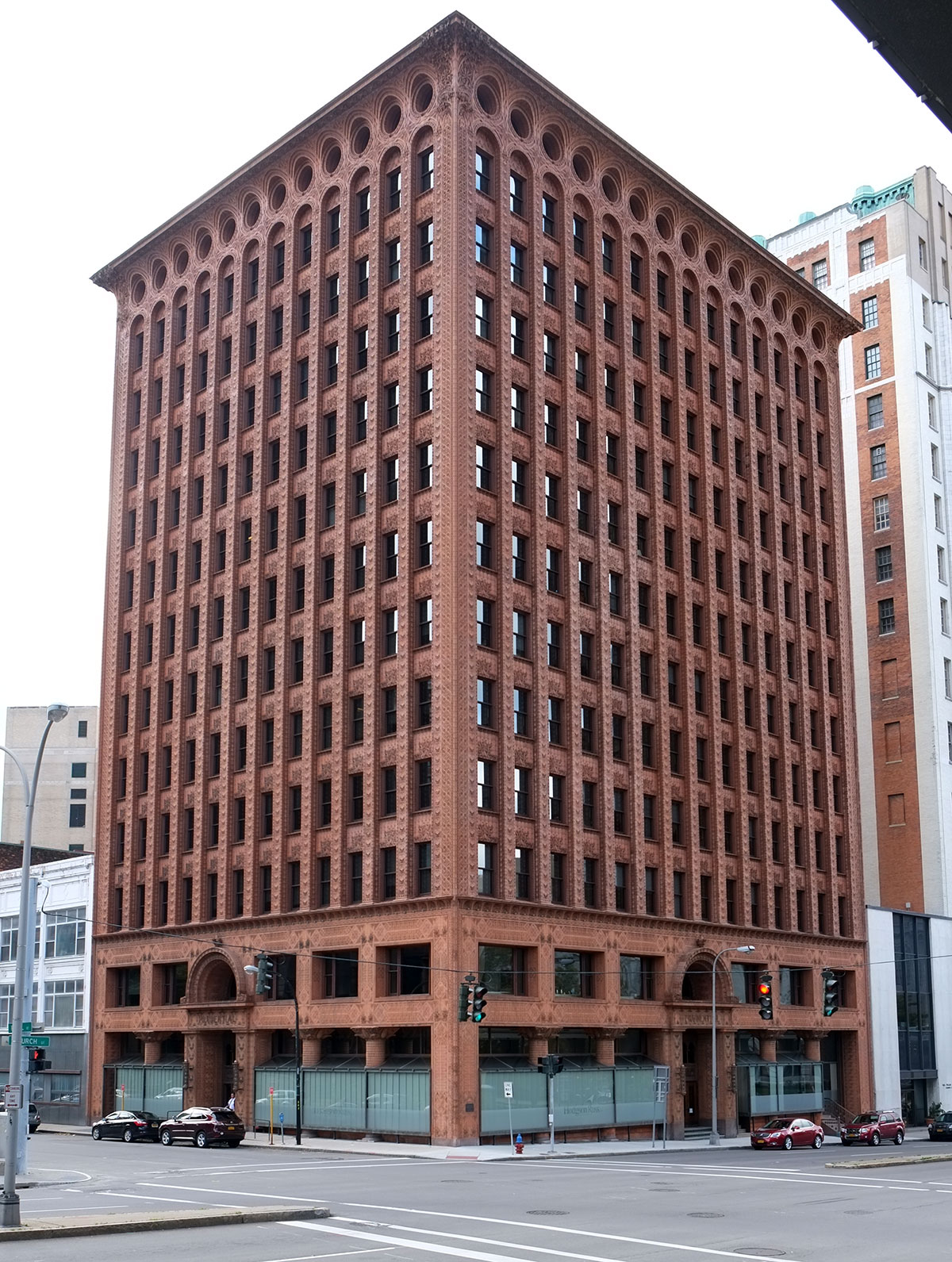
I’ve already posted the great Wright and Richardson buildings here, so the obvious completion of the architecture trifecta is the Guaranty Building, one of Sullivan’s best.  Simple, elegant, beautifully proportioned, it really stands out against the banal post-war buildings near it.  DSCF1913 DSCF1902

I was told to go see the Ellicott Square building by a few people – a full block building with a central skylit atrium.DSCF1924

DSCF1927

The train station, in context:DSCF1933

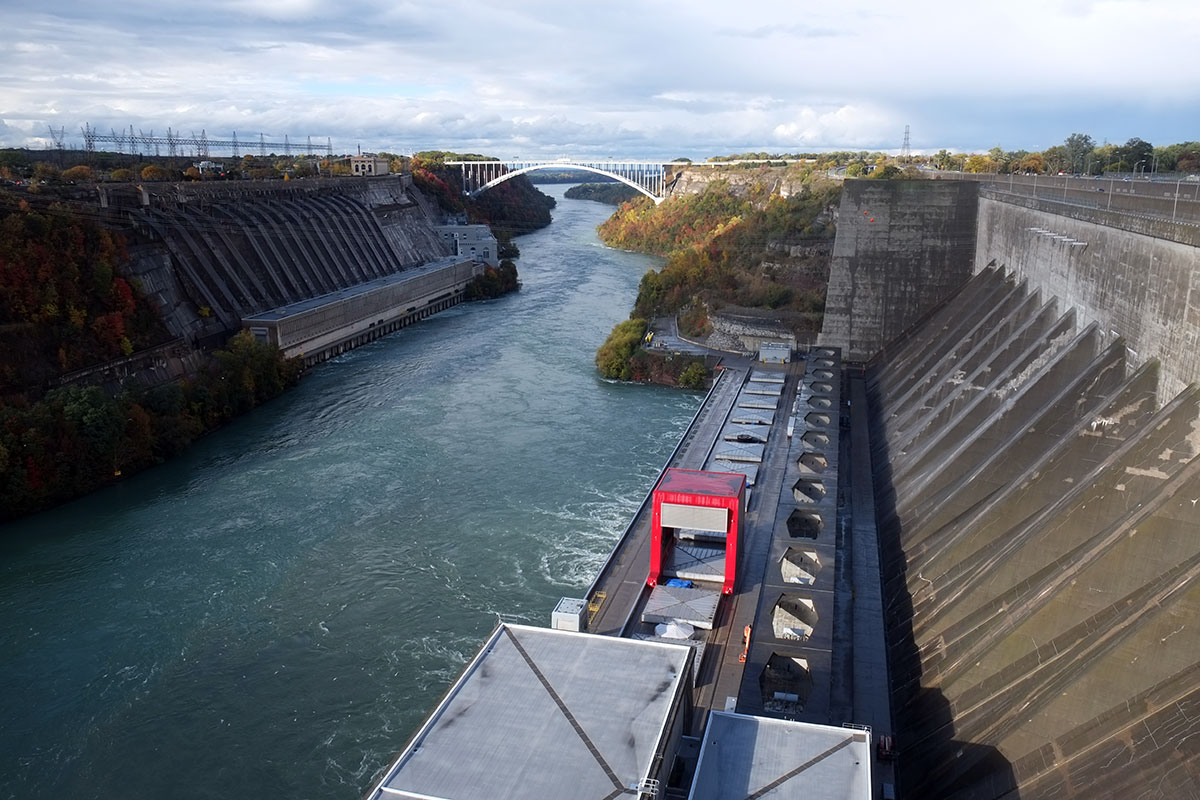
Down the Niagara River past the Falls, The New York State Power Vista is where the big American and Canadian hydropower plants face off against each other.  The sheer scale of these dams is worth a visit.DSCF1724

And inside the excellent visitors’ center, there is a surprise:  A Thomas Hart Benton mural, which is reminiscent of those in Kansas City.DSCF1737

Rochester doesn’t have a great reputation, and the downtown is not compelling – mainly mediocre buildings from all eras.  But there are highlights.

We came to Rochester to see the Kahn Unitarian Church, and the Broad Street Bridge, which when originally built, was an aqueduct which carried the Erie Canal over the Genesee River.  It was later used to carry the subway across, and with the addition of the top roadway level, converted to a vehicular bridge (also good for the parking of small trailers. DSCF1974

The Andrews Terrace apartment building started life in the 1970s as downtown luxury apartments which didn’t fly, and is now Section 8 housing.  What struck me is that many current architects are playing games with angles, and here is a 40-year-old building which anticipated many of the moves, quite elegantly and simply, since there were no computers to facilitate needless complications.  I can’t find who the architect was.DSCF1984

I think it’s pretty compelling when glimpsed from down the street.DSCF1949

Rochester has some buildings which I don’t think are very good, but they’re kind of fun:DSCF1990

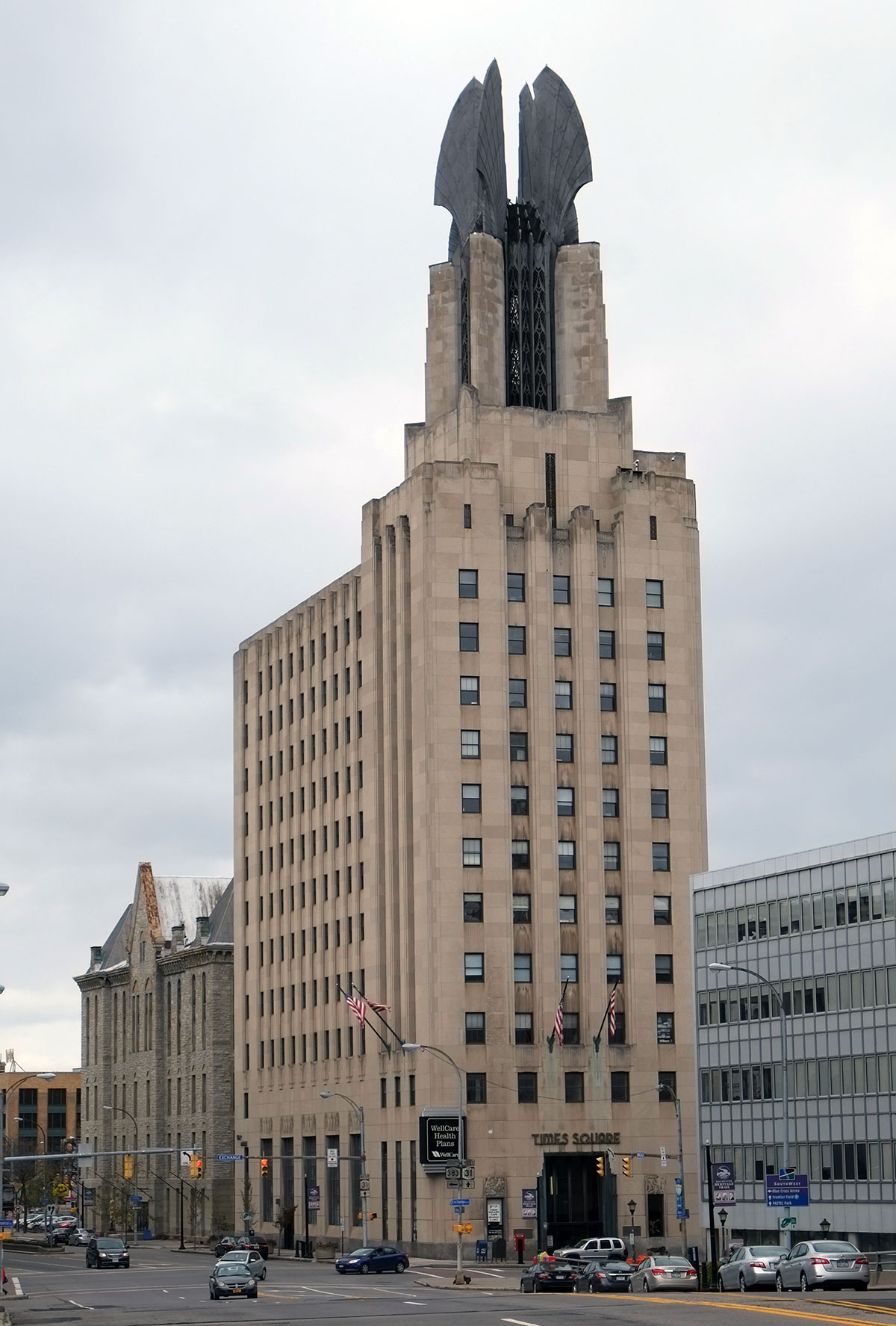
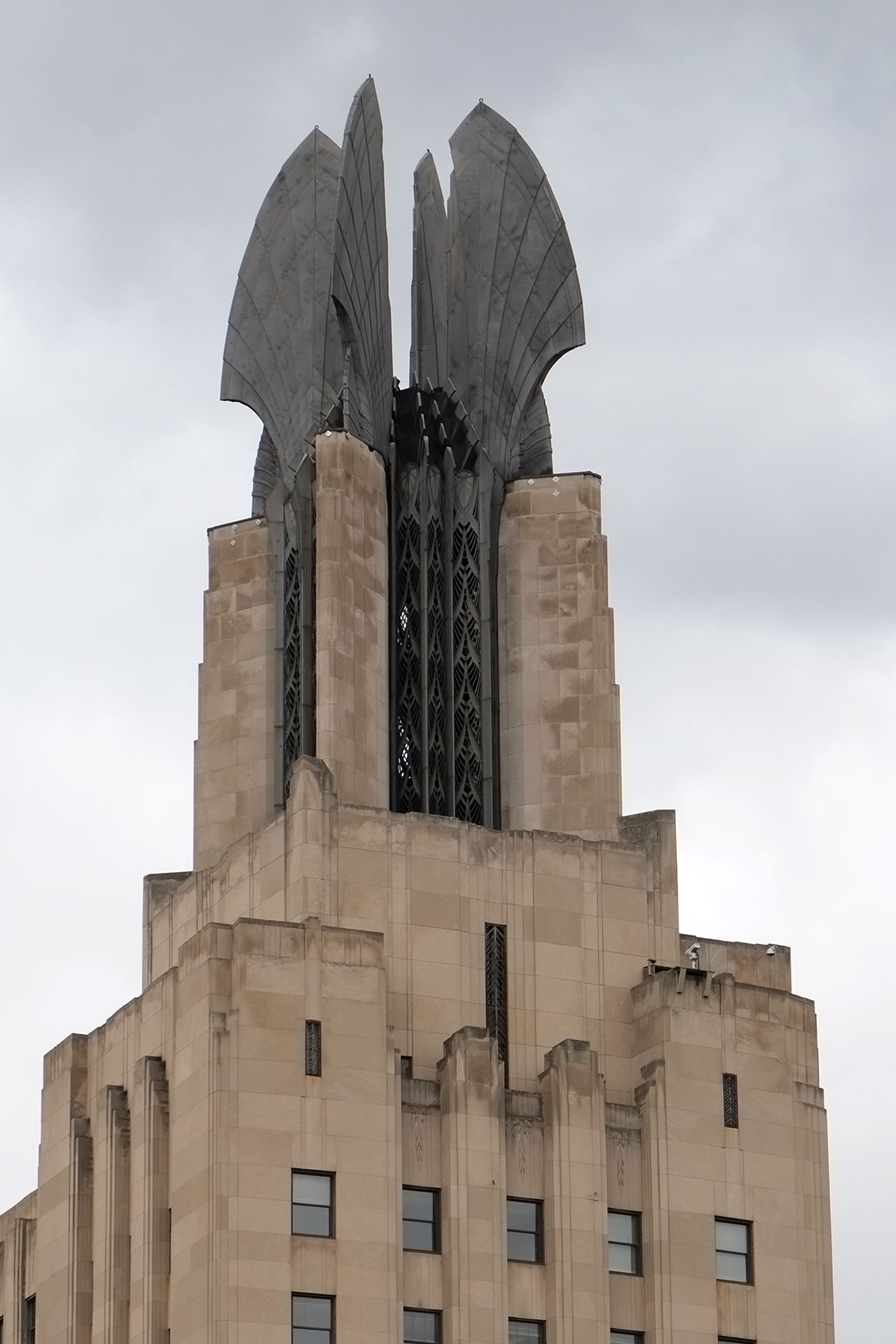
especially this one, which is open to many interpretations.  I thought Barad-dur, or maybe those fighters in Star Wars where the wings fold up.  Greta thought was Aragorn’s crown.  I have to admire the originality and chutzpah – never seen anything quite like it.DSCF1952

DSCF1956

Backroads

Since we reached Pennsylvania we’ve done a pretty good job of staying off interstates.  We travel a little more slowly, but we see things and places.  Here are few places that haven’t gotten their own posts.

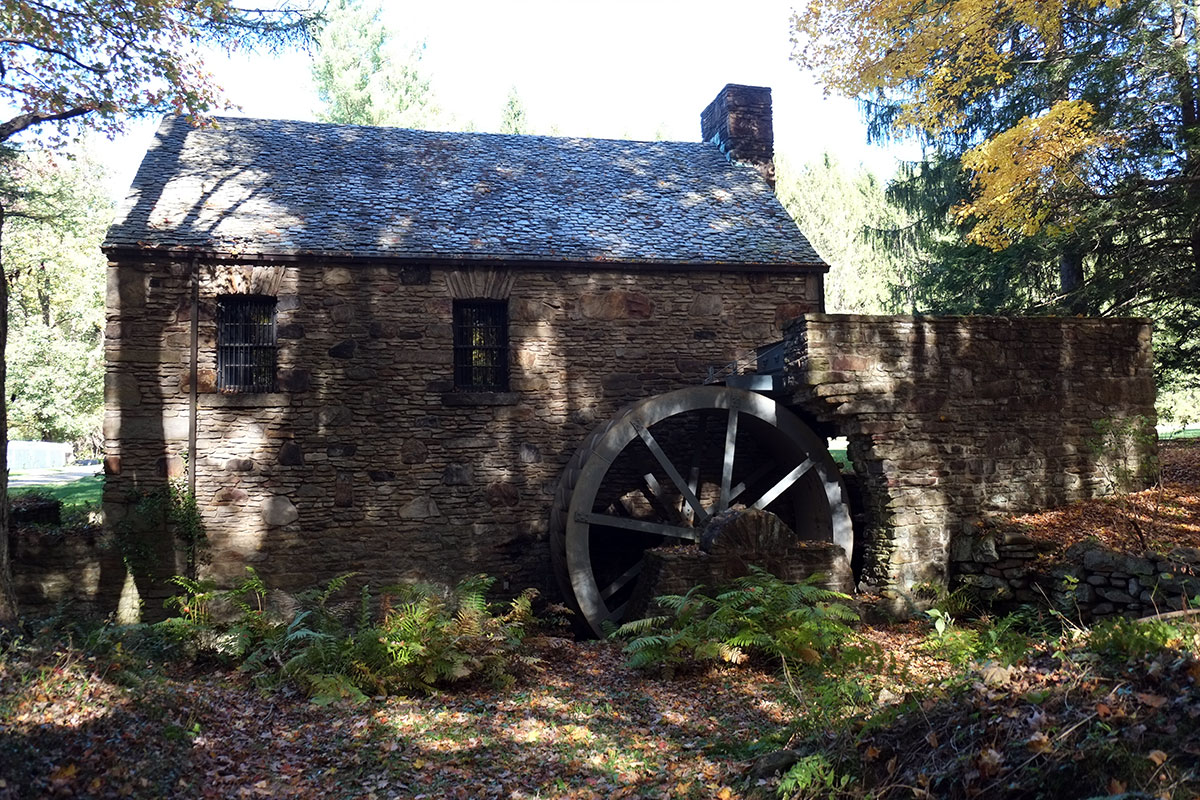
Once again John Wenzel was our guide around the Ligonier Valley, showing us things that we would never have found our own.  An 18th century grist mill.DSCF0790

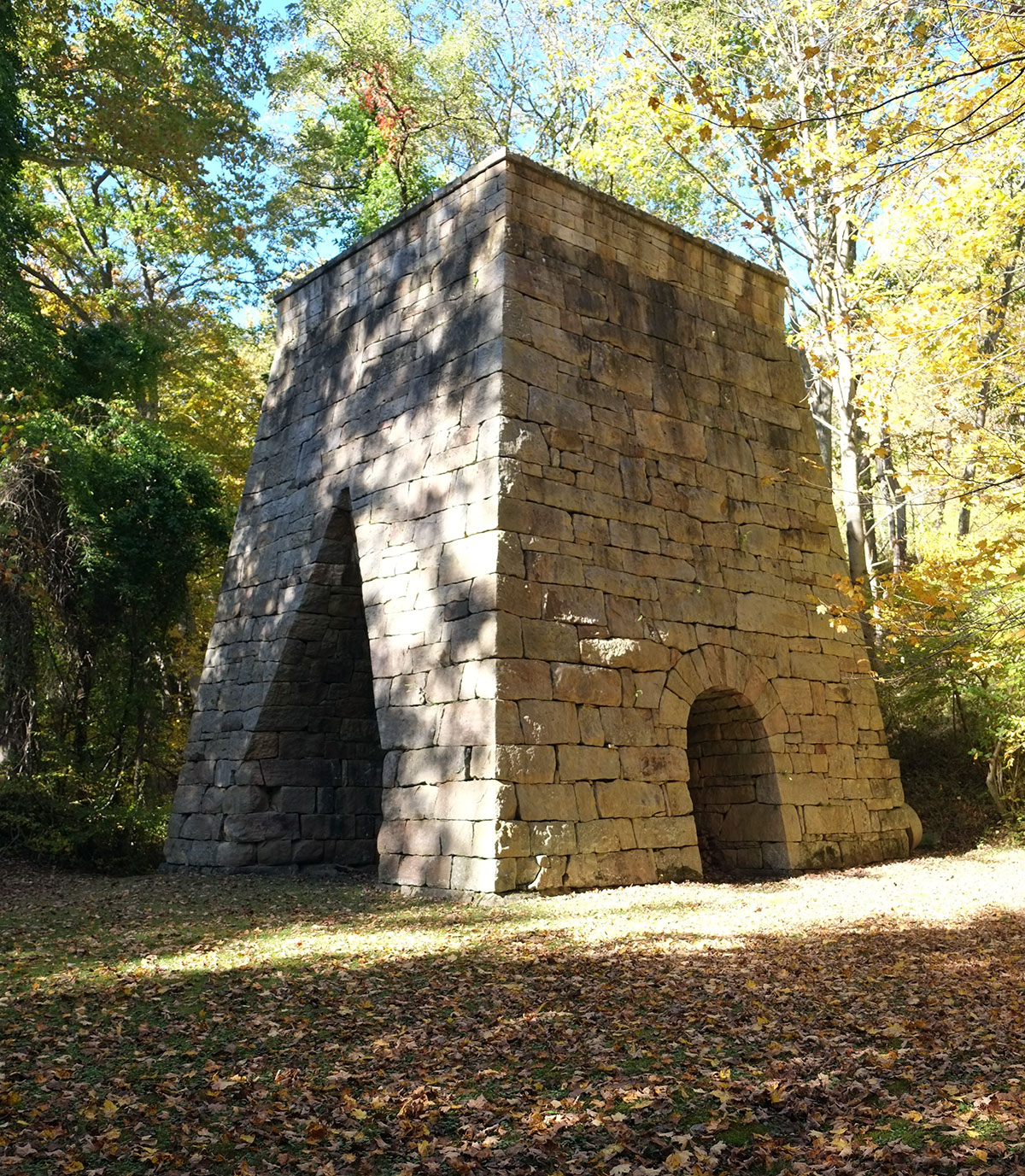
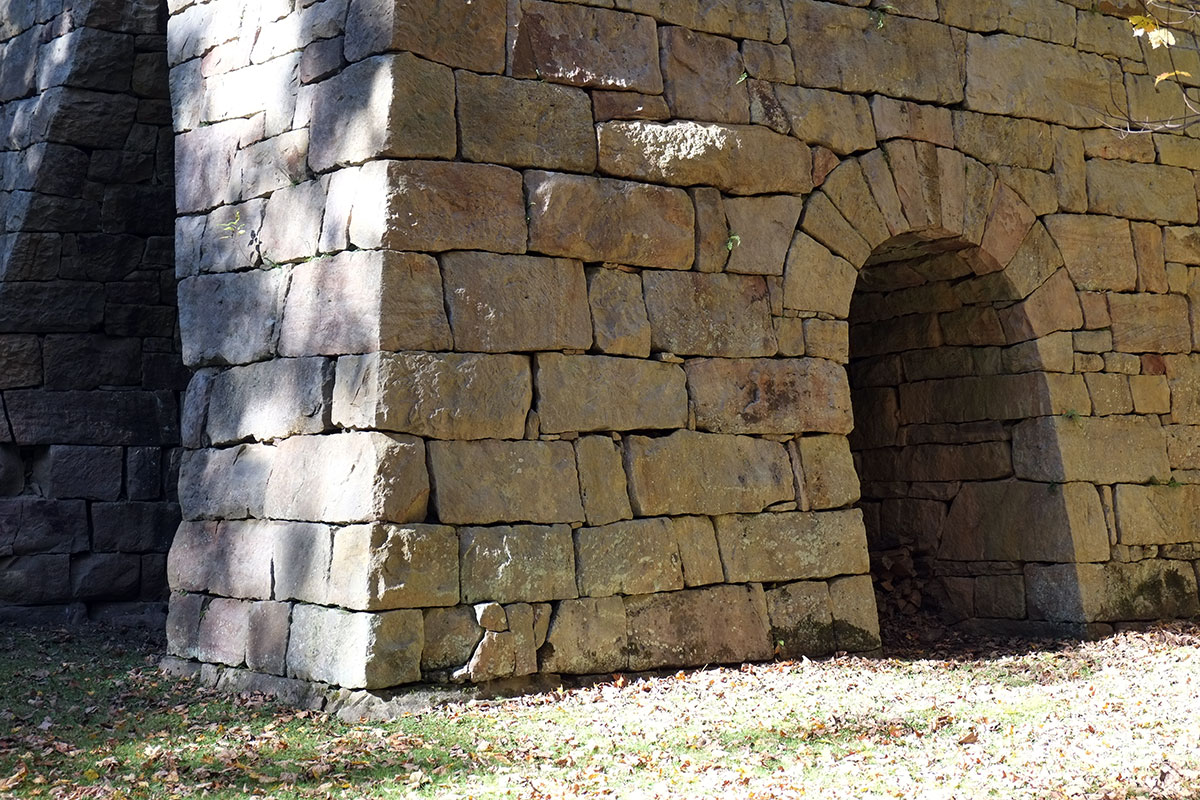
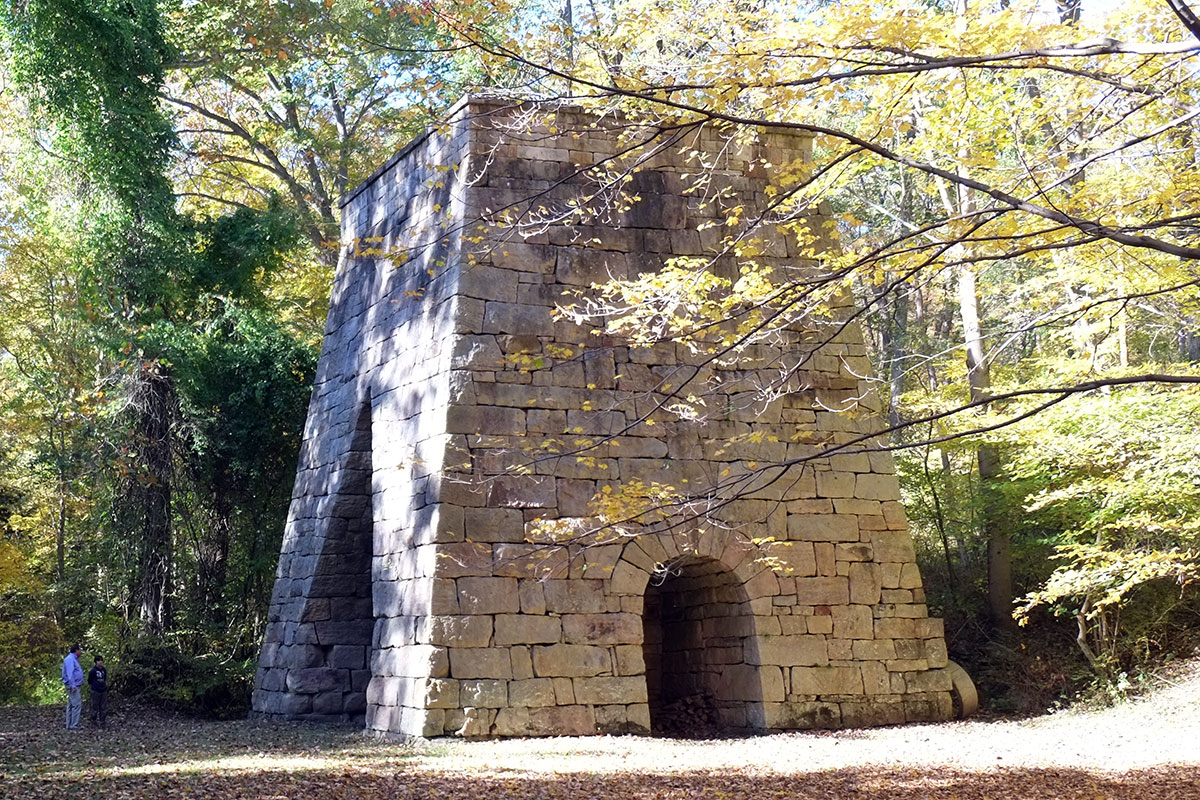
and the amazing California Furnace from 1850, an early iron furnace as the industrial revolution kicked into gear.  Boullee out in the woods. DSCF0820

DSCF0823

here John and Greta give it scale.   DSCF0822

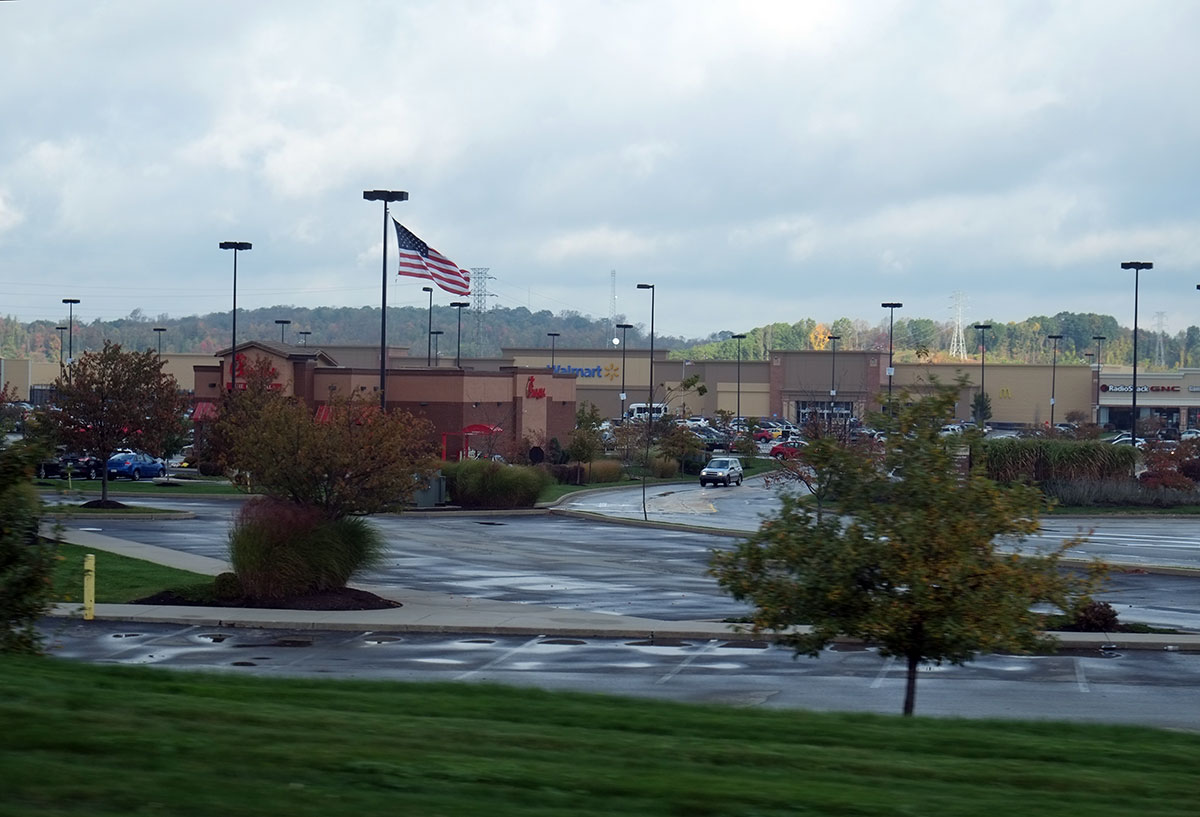
On the way into Pittsburgh, John pointed out where strip mine sites were now being filled and built upon.  We realized that strip mines become strip malls.DSCF1004

Heading north towards Buffalo, we arrived at Punxsatawney, home of Phil the groundhog.  We caught a glimpse of Phil (or who they say is Phil, along with a bunch of other groundhogs who may or may not be Phils).DSCF1544

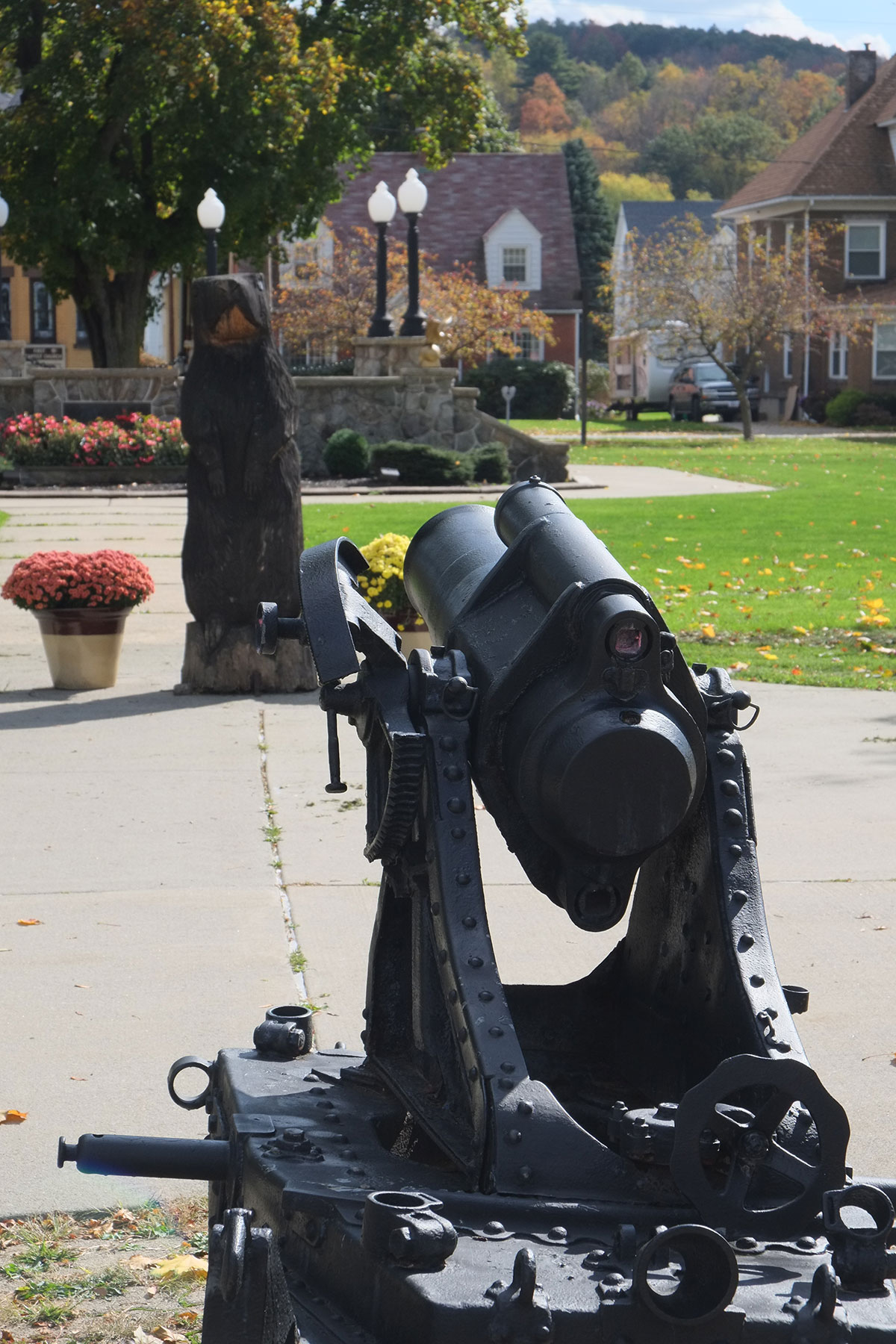
Among the many icons of Phil in the town, we noticed this one, which looked strangely familiar.DSCF1548 DSCF8616

The large, adorable, rodent gods seem to be taking over the country, but in Punxsatawney, unlike South Dakota, they are fighting back:DSCF1549

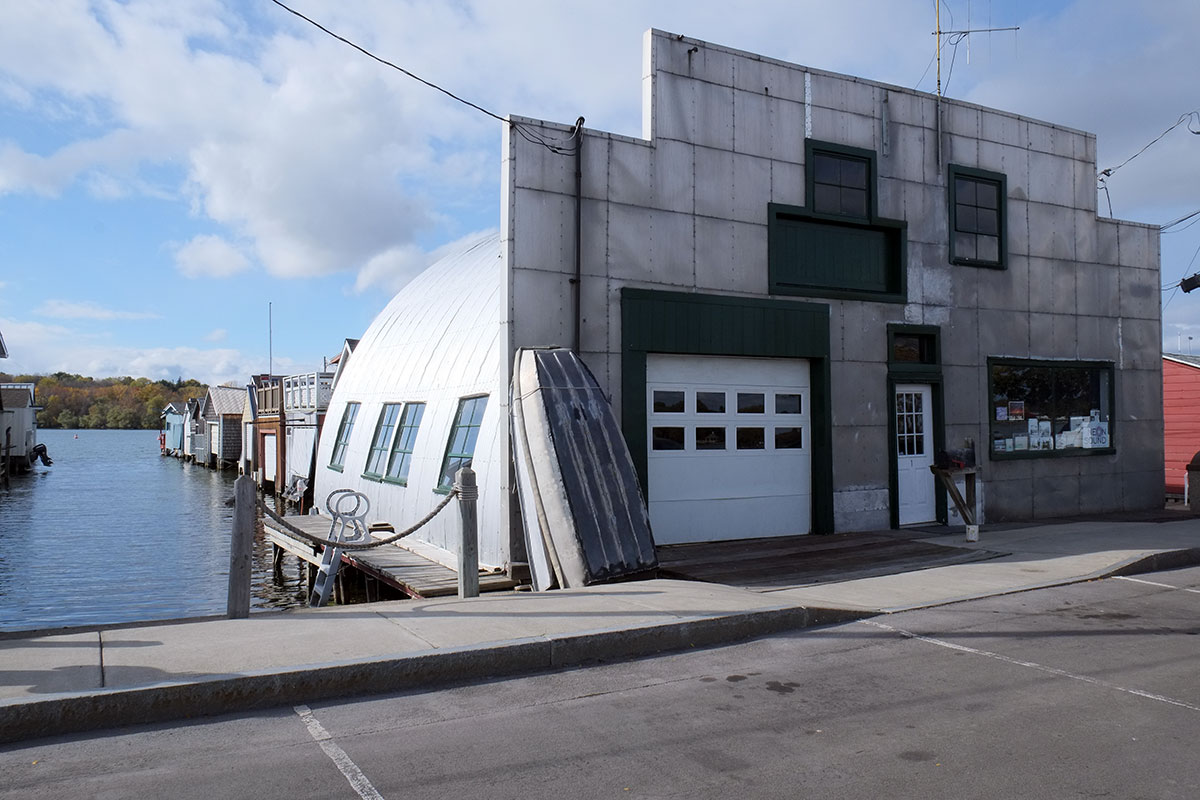
In upstate New York, we drove on Route 20, which hit the northern end of many of the Finger Lakes, a part of the state I (and most downstaters) had never visited.  Canandaigua had some cool houseboats DSCF2130

While Geneva fell into the recurring category of Places that Used to be Prosperous, but still had some interesting buildings.DSCF2145 DSCF2147 DSCF2148

Waterloo had some nice houses in various states of repair.DSCF2152

Skaneateles appears to be the prosperous resort town on the road, with beautifully restored houses, and a thriving main street – the first place we could find a cup of coffee, in the Land that Starbucks Forgot.DSCF2154 DSCF2155 DSCF2160

and in Sharon Springs, this highly-wrought and astoundingly maintained church.  Nice church, interesting steeple, but I’m not sure they’re getting along.DSCF2219

There we were, far away from the City and coastal civilization as know it, and Ithaca was still too far away to be worth visiting.  It really is the most isolated spot in the east.

Rochester Unitarian Church

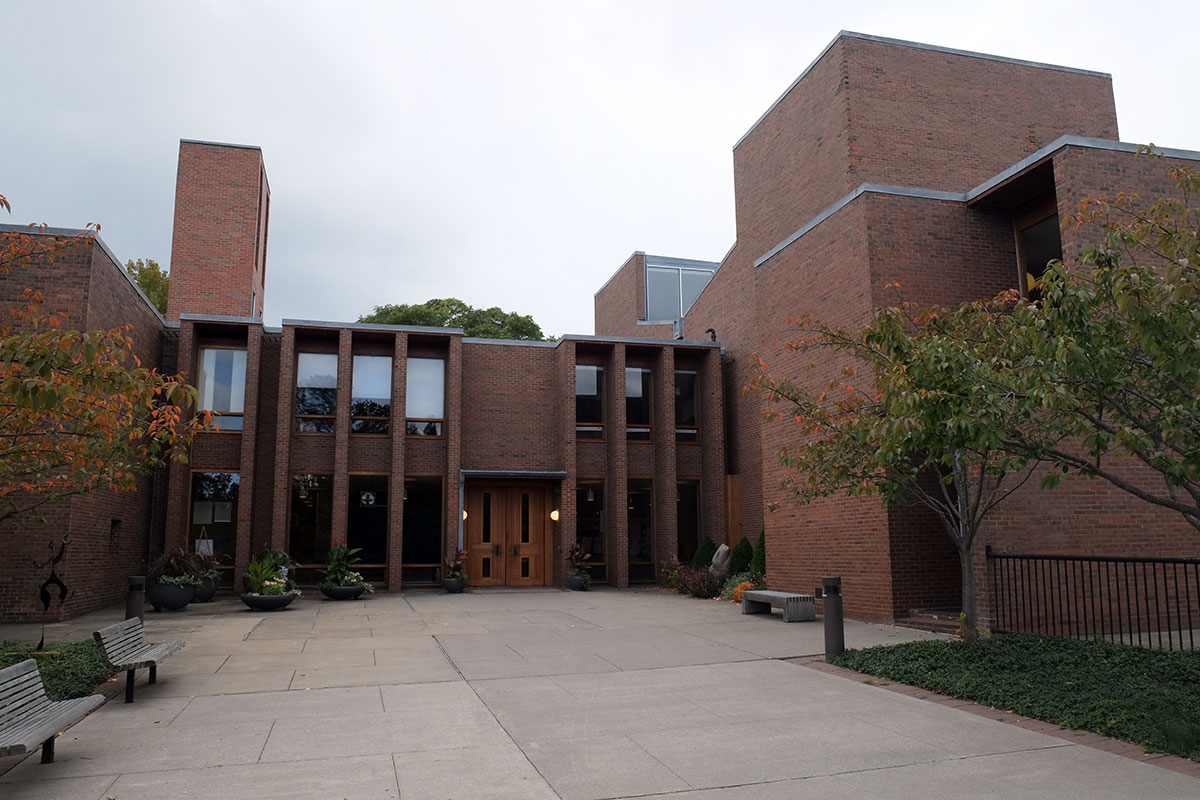
Lou Kahn buildings are really hard to see.  There aren’t very many, and they are all in hard-to-reach places, like Bangladesh, or Ft. Wayne, Indiana.  I’d only managed to see six before starting this trip and I hope to catch four or five more this year.  At the top of the list is the Unitarian Church in Rochester.

Because they are so hard to visit, we all know these buildings from publications, and so our images of them are pristine and perfect – brand new architecture, before the weather or human habitation has had a chance to have an impact.  Many of Kahn’s buildings are also maintained in fairly pristine condition – art museums, important institutions – so it is quite amazing to visit one of his masterpieces, and see how it looks after 55 years years of hard use.  DSCF2077

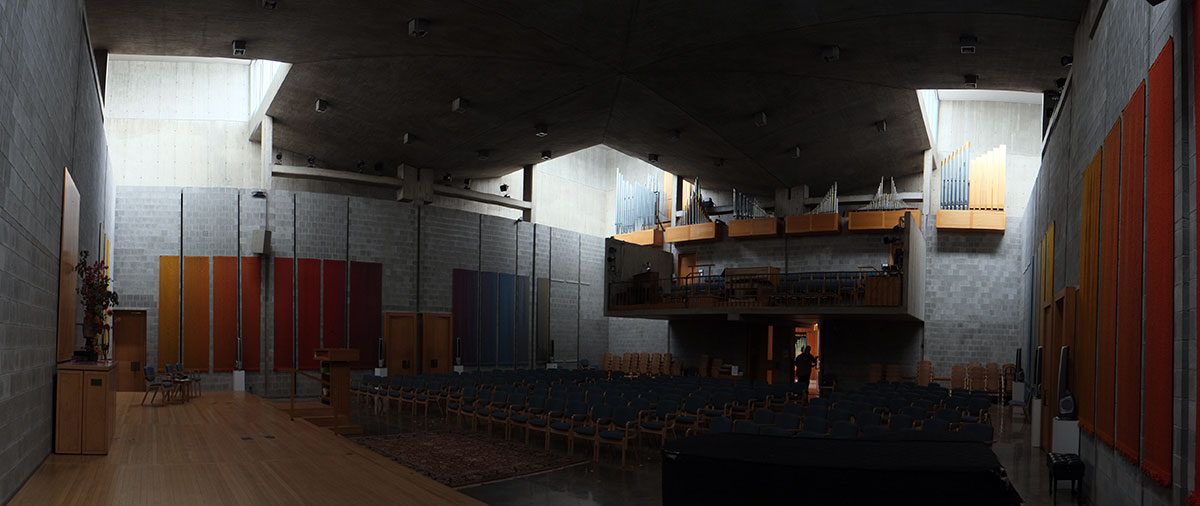
From both the exterior and interior, the quality of the design is most apparent in the rigor and clarity of the parti.  An entry axis, a longitudinal axis that links the major spaces, and the classrooms clustered around the sanctuary.  That is pretty much it, and the development of the idea in the section and the tectonics is what makes the building extraordinary.

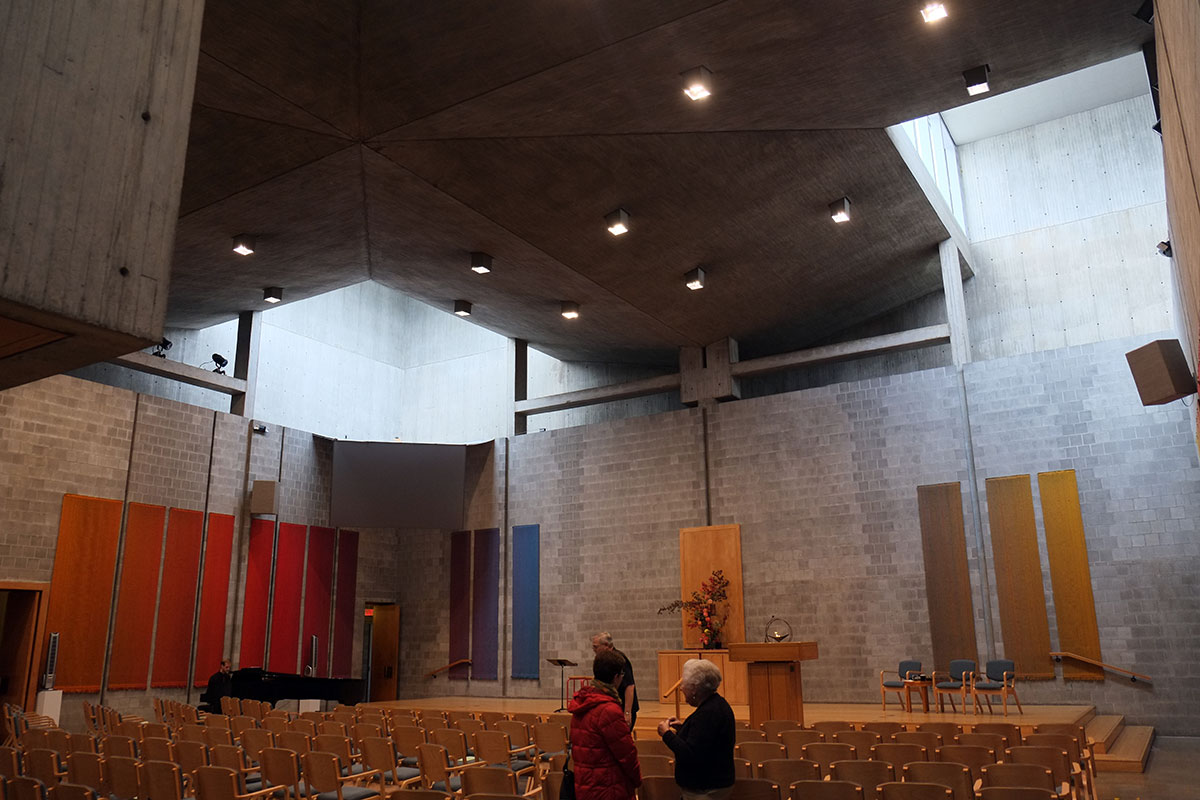
The big spatial/symbolic idea is in the sanctuary.  The four corners are voids under towers with clerestories above.  The concrete lower ceiling is a cross, referring back to the ideal of centralized churches.  DSCF1999

DSCF1998

DSCF2039The plan and section are simple and powerful – big idea, beautifully articulated.

The rest of the interior mirrors this simplicity – the lobby, meeting rooms, transition spaces, classrooms.DSCF2026

DSCF2061

DSCF2060

DSCF2056

a classroom

a classroom

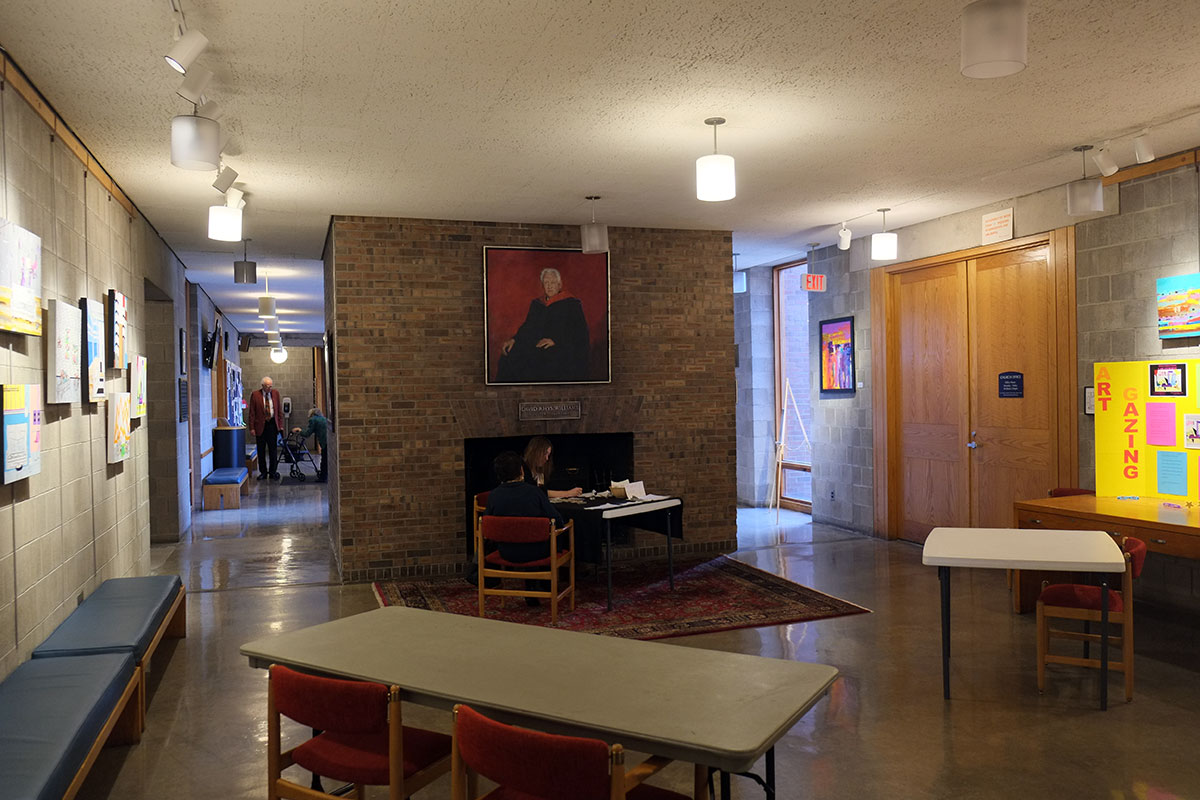
The Miller house in Columbus would have been an austere modernist exercise without Alexander Girard’s furnishings;  here you could argue that when new and empty, the church was severe and perfect, but now there is a relationship between the building (concrete, wood, masonry) and the colorful small-scale stuff (some of which – acoustical panels and space heaters – were necessitated by the materiality of  the building fabric ) that the congregation has added.  It’s noticeable that the order of the design is maintained, despite the random stuff that accumulates in any building that is being well-used.

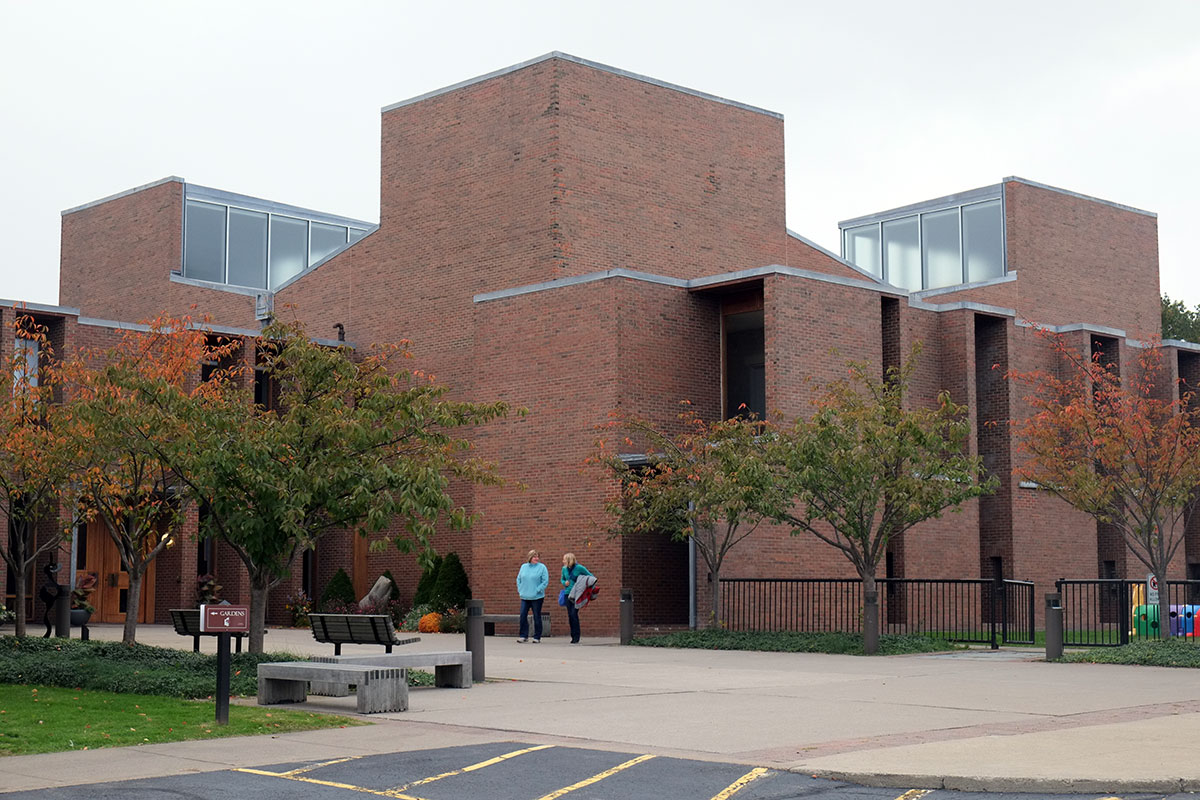
The exterior looks much as it did when built.  The square plan of the sanctuary is apparent, with the four towers rising up from within the mass of classrooms.DSCF2108

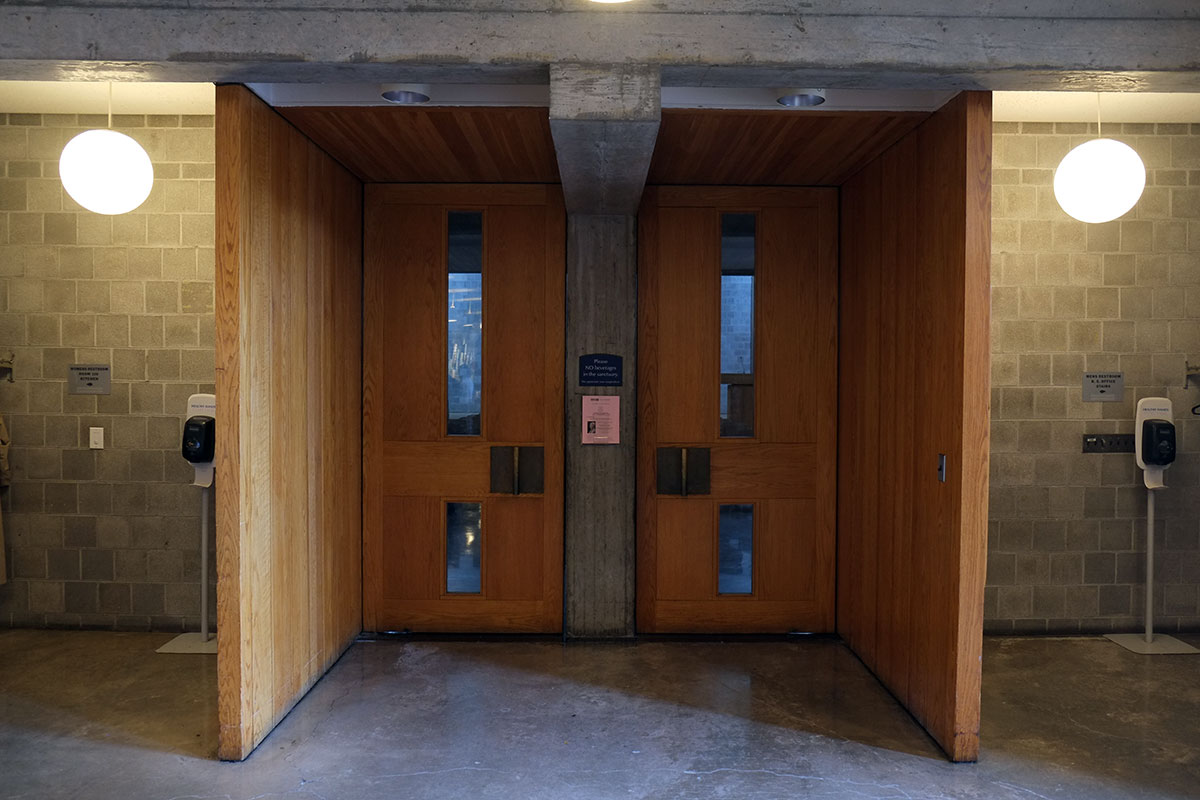
The entry shows something Kahn is always playing with – seemingly symmetrical, but not quite – the off-center center.  Tempering the formality of the axes, showing an inflection towards accommodation.DSCF2070

The integration with the landscape is not something I’d thought about before.  It’s remarkable when seen from down the hill, the soft green of the landscape playing off the severity of the brick.DSCF2096

the office / meeting room wing

the office / meeting room wing

Has a fire exit ever looked this good?DSCF2088

It was instructive to see this the day after the Darwin D. Martin house.  There are similarities – the axiality, the use of massive brick piers/towers instead of walls, the solidity of corners – but the big difference is in the development.  Wright articulates the articulations, with an ever-cascading sequence of scales at which the idea can be developed.  Kahn goes about two levels of articulation down from the parti.  Wright looks for every opportunity to play with the idea, Kahn boils it down to just the essentials.

Frank Lloyd Wright, Part 2

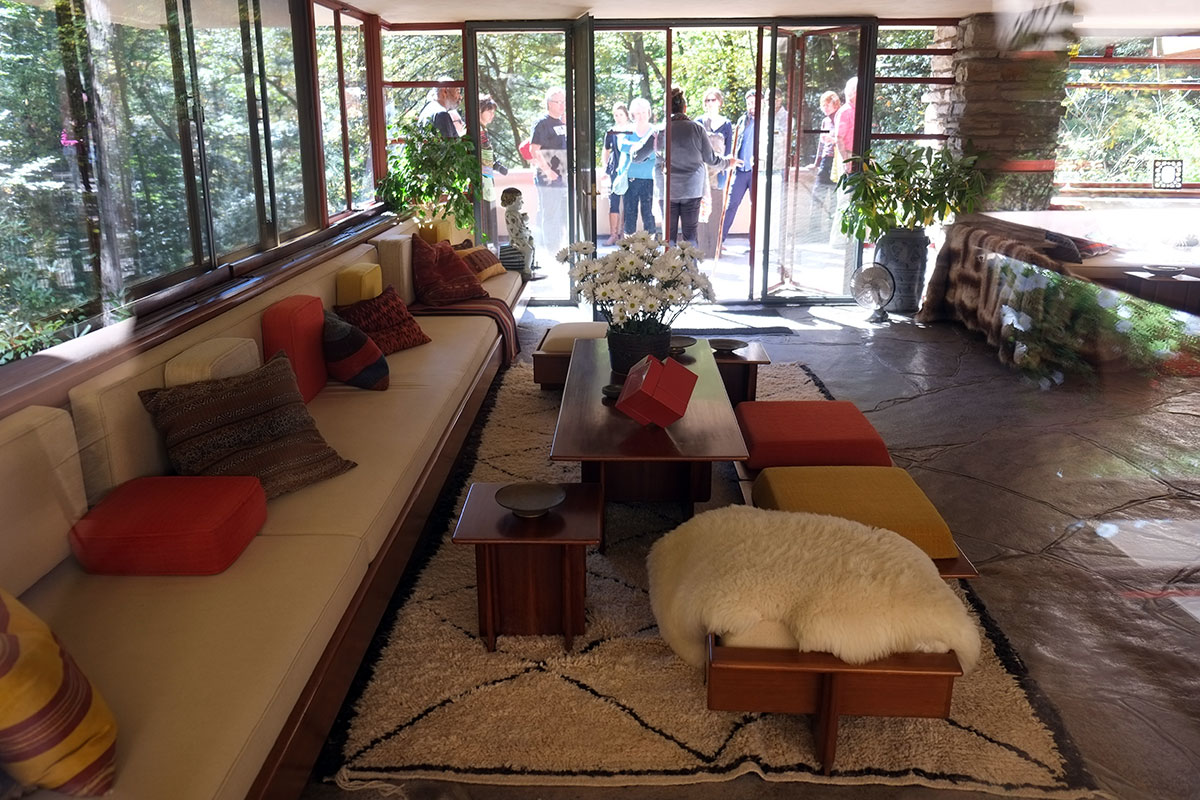
In the past two weeks we visited two of FLW’s masterpieces – Fallingwater and the Darwin D. Martin house in Buffalo.  They are both so well known and documented that I don’t what I can add beyond a few photos and comments.  (Neither of them allows photos inside under normal circumstances, so all my pictures are of the exteriors).

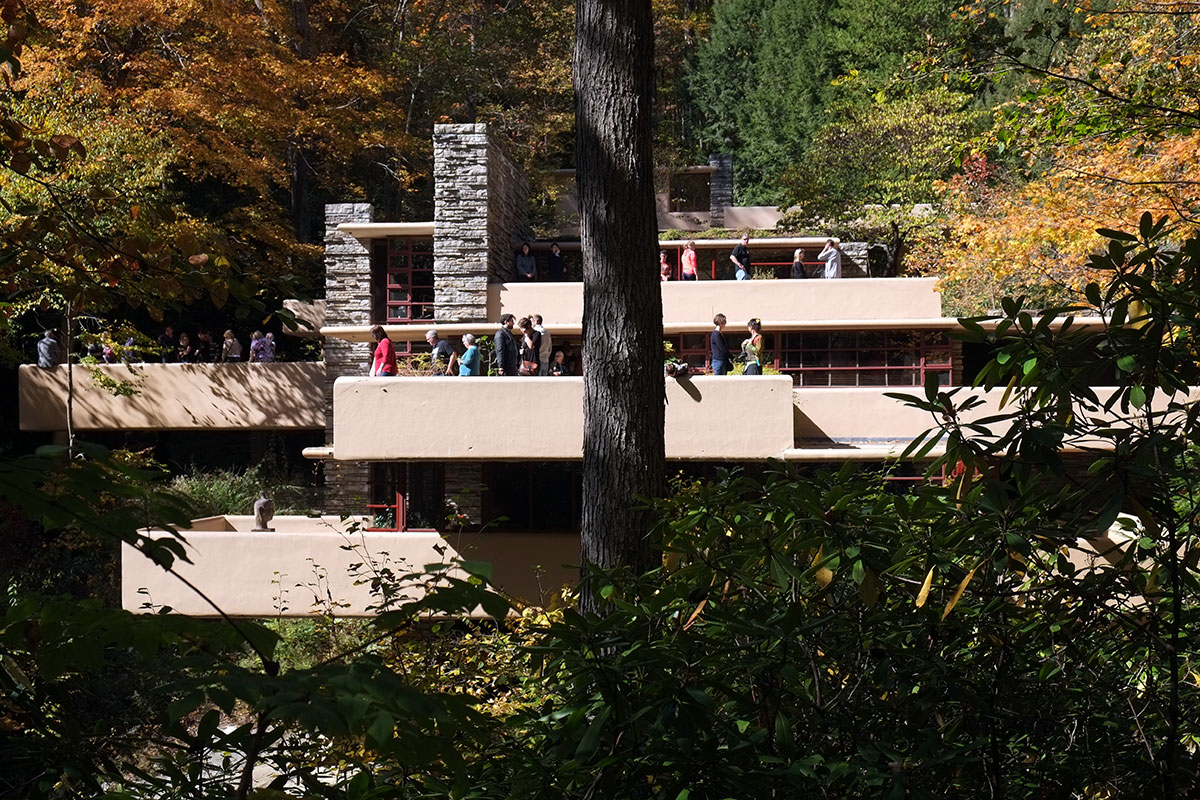
Fallingwater is considered the great house of Wright’s middle period, and it is a tour-de-force.  Every inch has been designed and detailed to perfection.  I must admit that despite years of looking at books about it, I didn’t have a very good idea of its spatial arrangement.  After visiting it, the reason for that is now clear to me – it doesn’t have one big spatial organization, it is rather a series of perfect parts that are really quite isolated from one another

the little entry door on the left

the little entry door on the left

For each part, the big move is the connection between the interior space and the exterior terrace/tray.  These are then pinwheeled around the central mass.  One moves between the parts on very tight stairways attached to the mass.  From the outside, the parti of cantilevered trays is obvious; from the inside, you can understand the logic of each part, but never comprehend the whole.

the concrete trays

the concrete trays

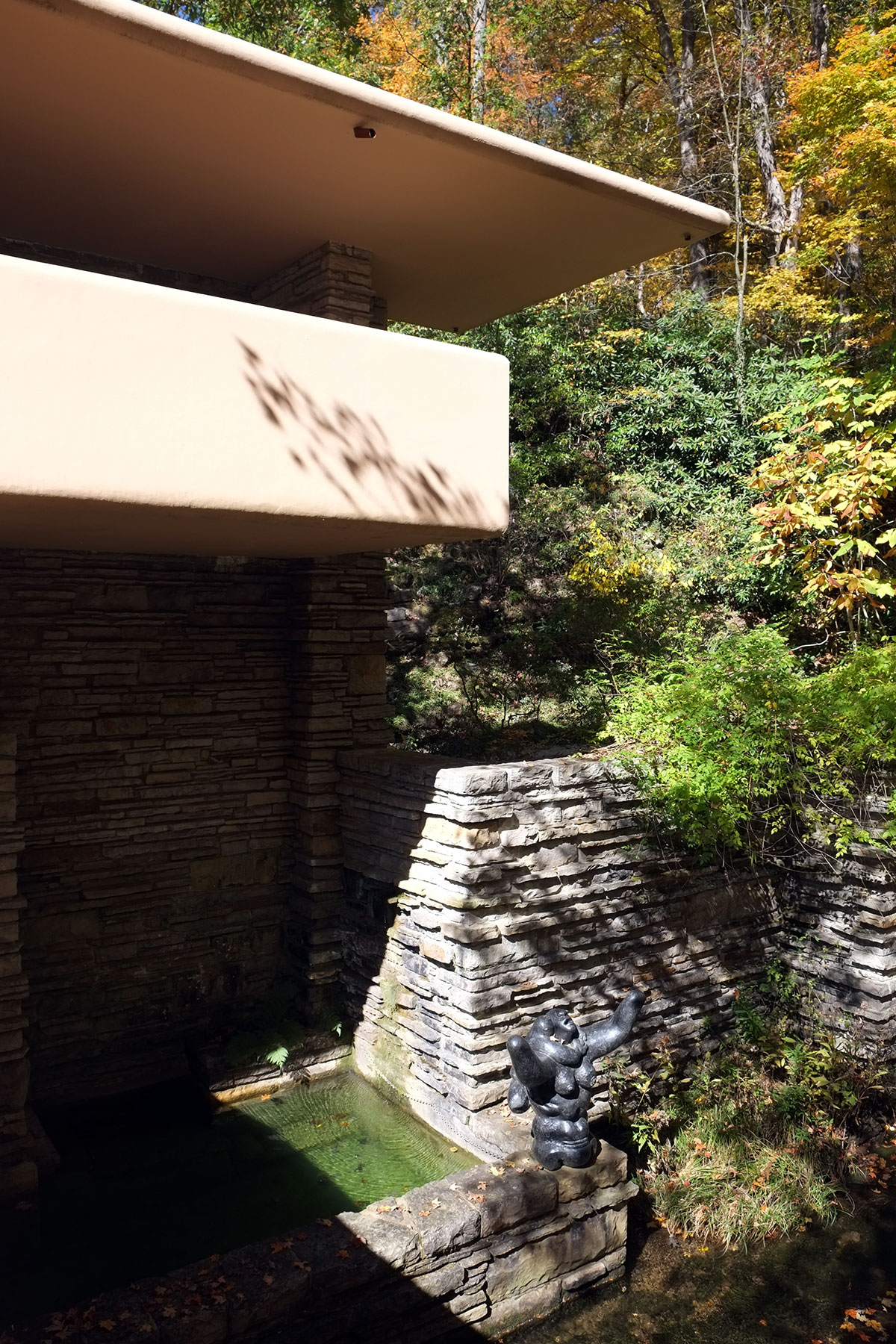
the swimming hole

the swimming hole

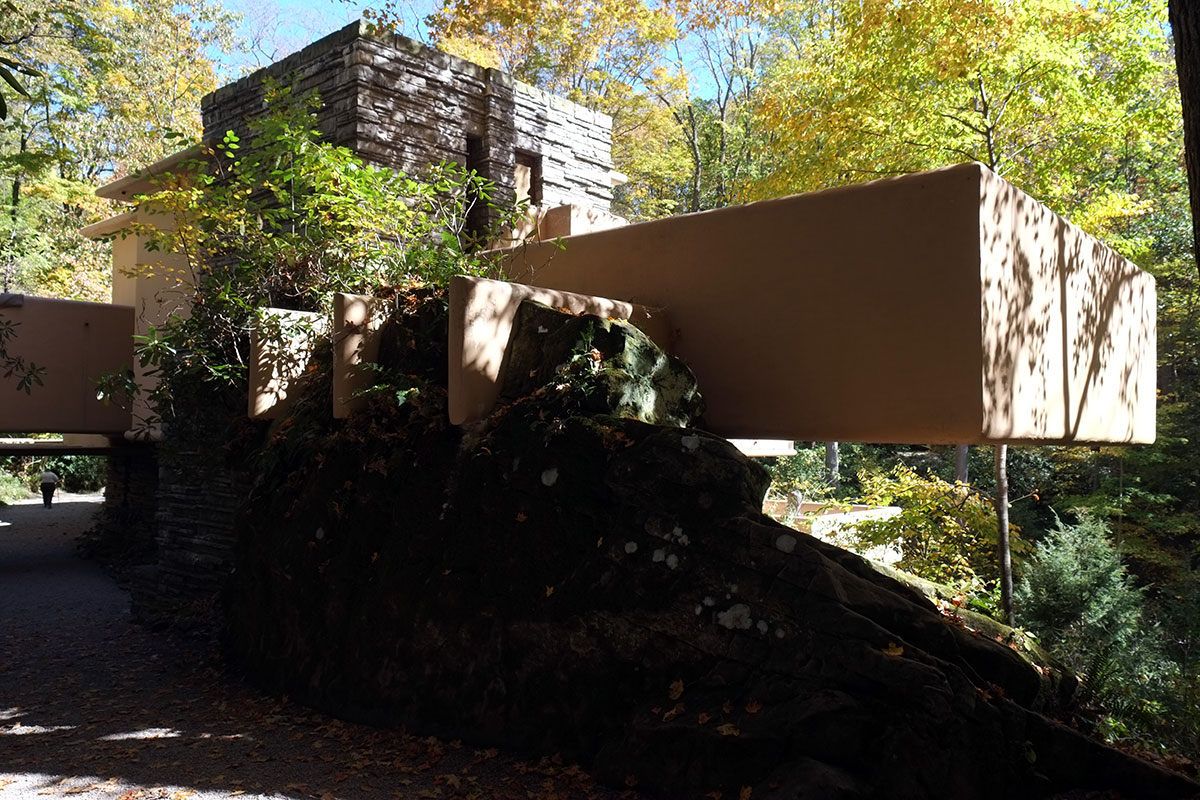
the beams anchored in the native rock

the beams anchored in the native rock

We now live in age where the open plan (and open section) are dominant;  it is instructive to see how fantastic a house can be when it is divided up into discrete parts.

looking into the living room from the a terrace

looking into the living room from the a terrace

Edgar Kaufman Jr. was an apprentice of Wright’s, and convinced his parents to hire Wright to design Fallingwater.  In the 1980s he was one of my professors, co-teaching a seminar on Wright at Columbia.  It was a great course, and he was a lovely man, with a courtly manner, a beautiful voice, great reminiscences and insights into Wright, and the best wardrobe of anyone I knew in New York.  In homage to him, I wore a nice tweed jacket while touring the house (instead of the normal tourist garb), and as I paused besides the tray of cocktail ingredients by the fireplace, I felt that he would have approved.

Why don't they have tours where they let you mix a drink and sit by the fireplace?

Why don’t they have tours where they let you mix a drink and sit by the fireplace?

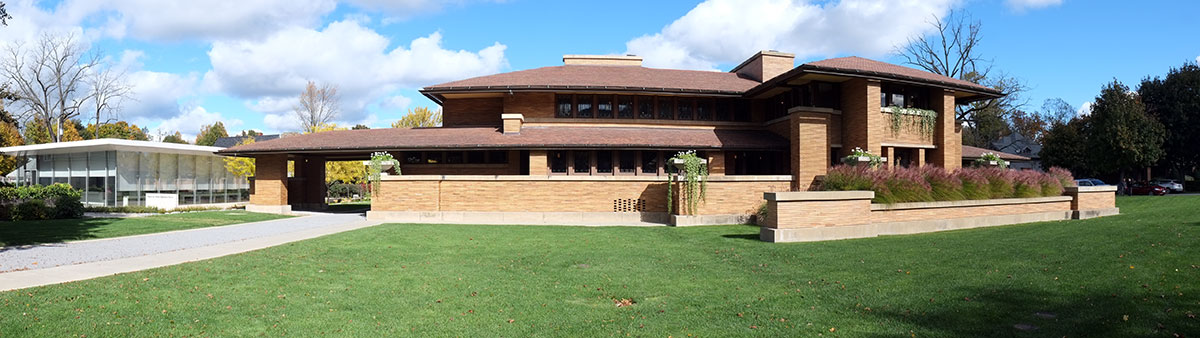
The Darwin Martin house has been restored by a non-profit over the past two decades or so.  The main house had survived in bad condition, as had the Barton house (built for Martin’s sister) and the gardener’s house.  But the carriage house and pergola had been demolished long ago, so the foundation undertook the complete reconstruction of them based upon Wright’s original drawings and photographic documentation.  All of this work is painstaking and beautifully done, as is the restoration of the main house.

the complex

the complex, Barton house on the right

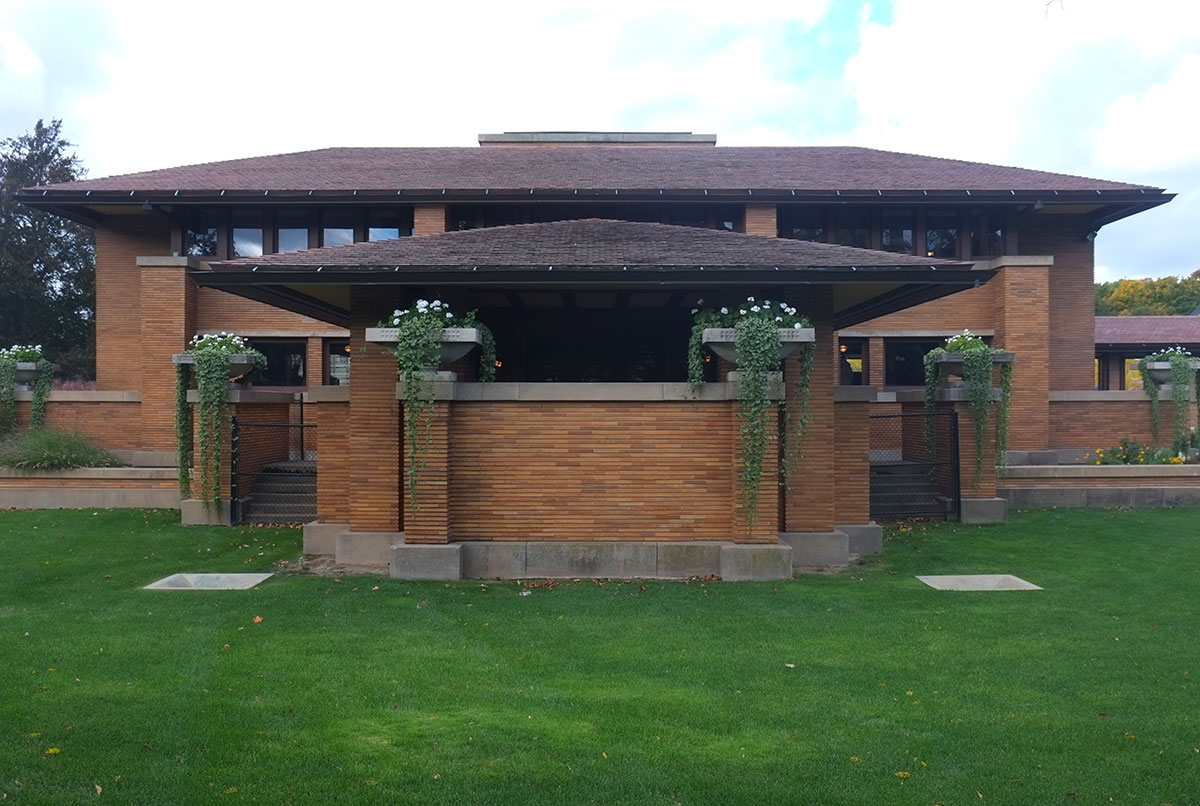
front elevation

front elevation

the main terrace

the main terrace

We had an excellent docent on the tour, who spoke of how Wright regarded this as his summa project, the one that accomplished everything he wanted.  Having seen many other early Wright houses, I’d agree.  He had an unlimited budget, and he used it to pursue every idea and piece to its most developed state.  Nothing that could be developed or elaborated has been left alone.  Sometimes it’s a bit much – there are just so many idea and moves and articulations.  But it all fits together seamlessly – the underlying logic of the overall scheme is always apparent, and the development at successive scales reads perfectly – it’s like a rectilinear fractal.

the service entry

the service entry

the backyard seen through the porte-cochere

the backyard seen through the porte-cochere

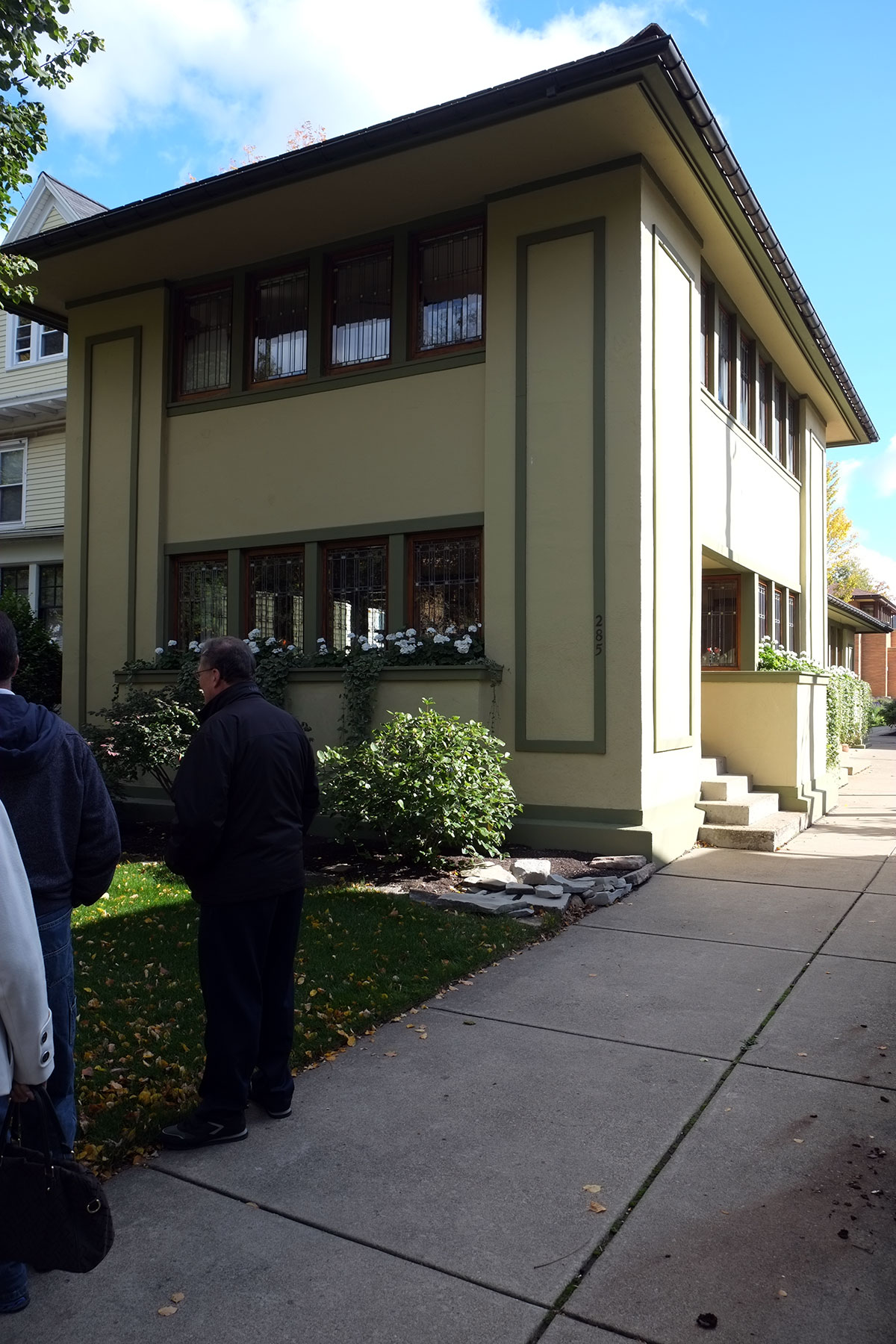
The Barton and gardener’s houses are much smaller and simpler, and the contrast with the main house was intriguing, as one could see the bare bones spatial organization without the endless development.

The Barton house

The Barton house

the gardener's house

the gardener’s house

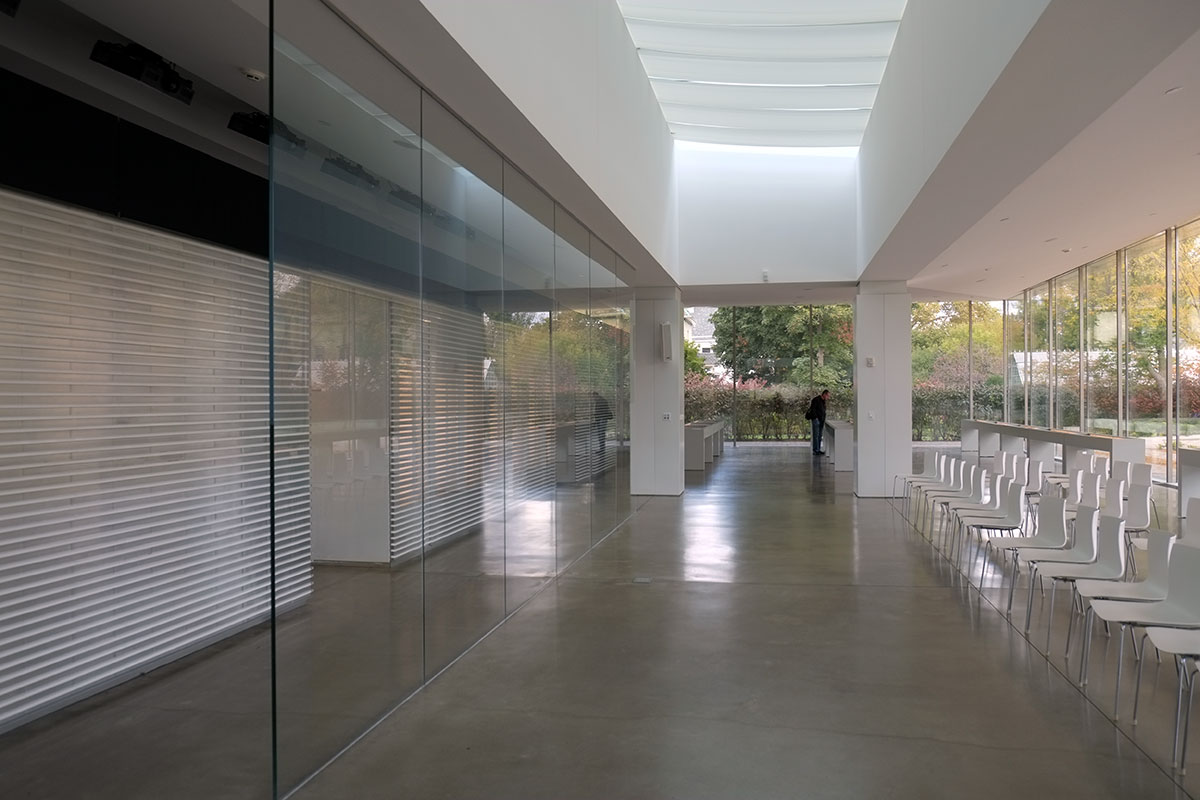
Toshiko Mori designed the adjoining visitors’ center, which plays with some of Wright’s ideas (cantilevered roof, rigid modular plan) with very different materials and tectonics.  It’s a fine little building, one which doesn’t compete with the house, but which has its own integrity and logic.

the introductory video is projected onto the glass panels on the left

the introductory video is projected onto the glass panels on the left

DSCF1860

The houses confirmed my opinion that you can’t really understand a great building until you visit it.

The Carnegie Museums

Backtracking to Pittsburgh for a post, as the Carnegie Museums of Art and Natural History must be mentioned.  There are three things about this complex that are great:  the natural history museum, the art museum, and the architecture.  But the best thing is that they are all together;  Greta could look at dinosaurs and animals while I looked at art and architecture, and neither of us got cranky.

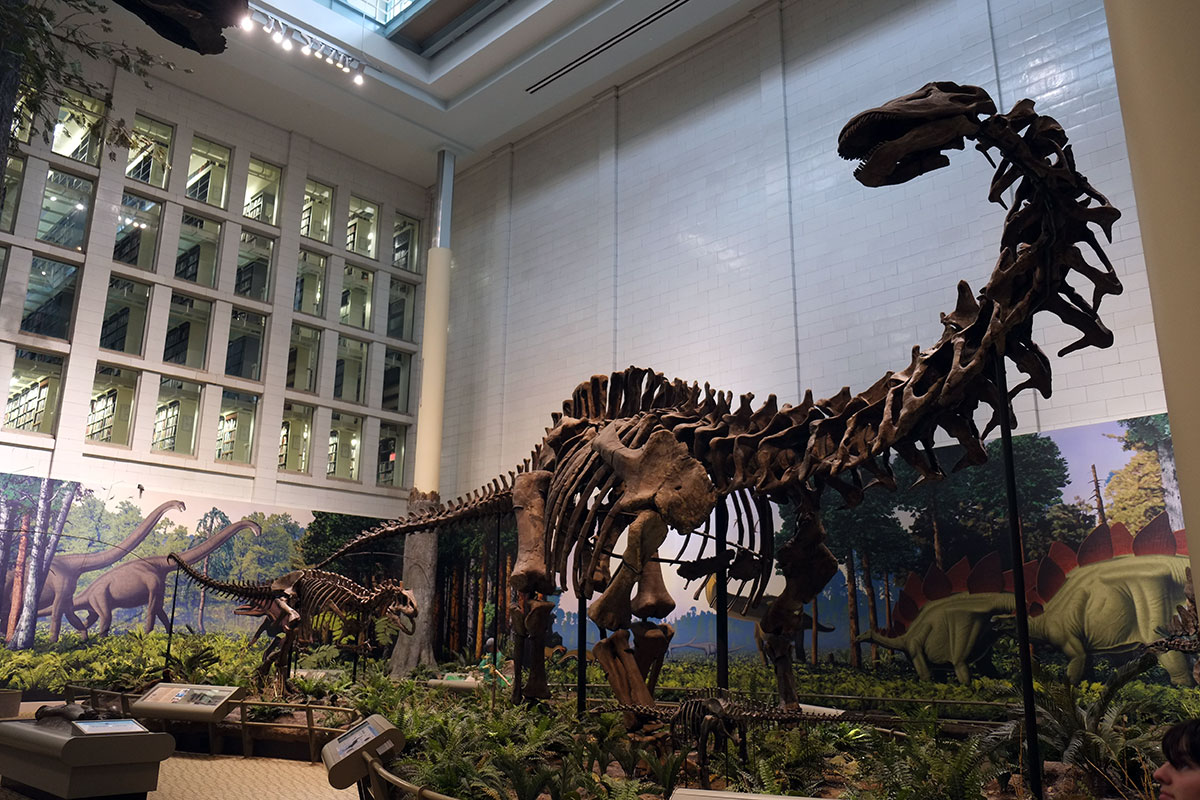
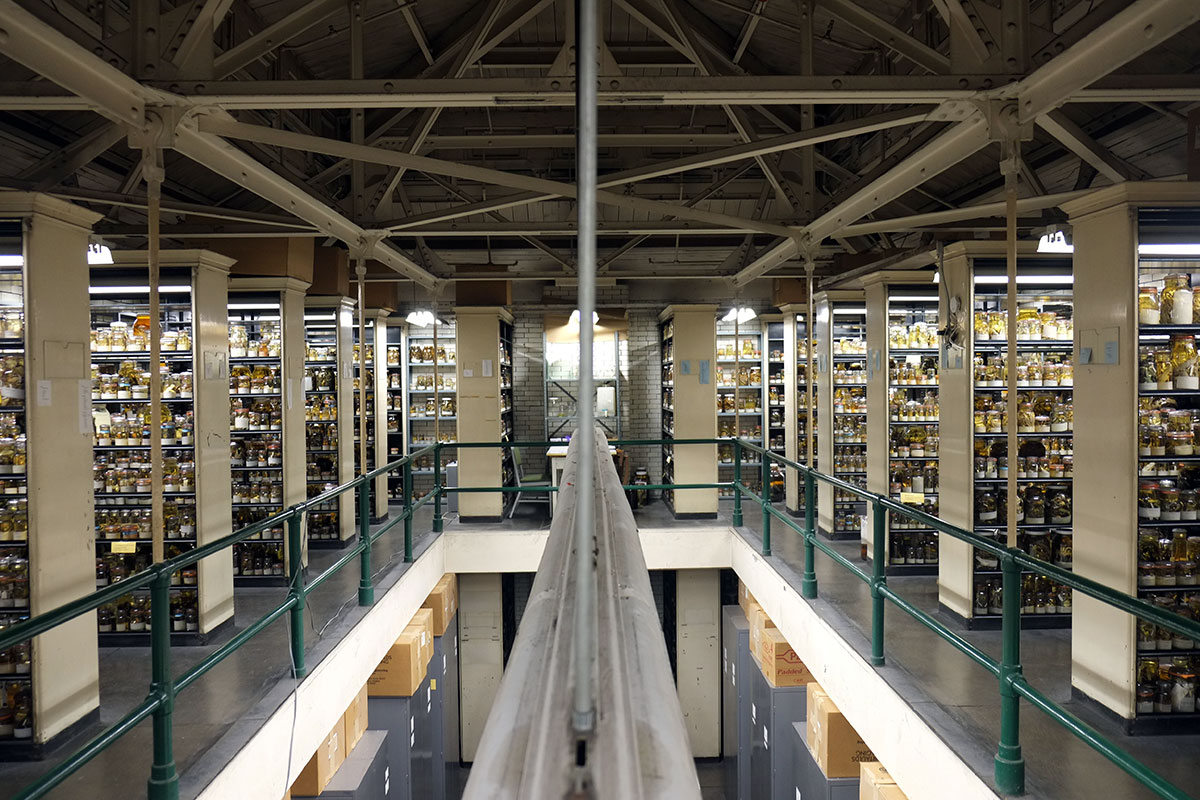
First, the Natural History Museum was remarkable, even by Greta’s high standards.  As I mentioned in the post about my friend John Wenzel, who runs the Powdermill nature center for the museum, we went behind the scenes to meet the curators, etc.  As he points out, it is one of the greatest archaeological collections in the country;  many other museums display casts of the fossils that are in the Carnegie.DSCF1447

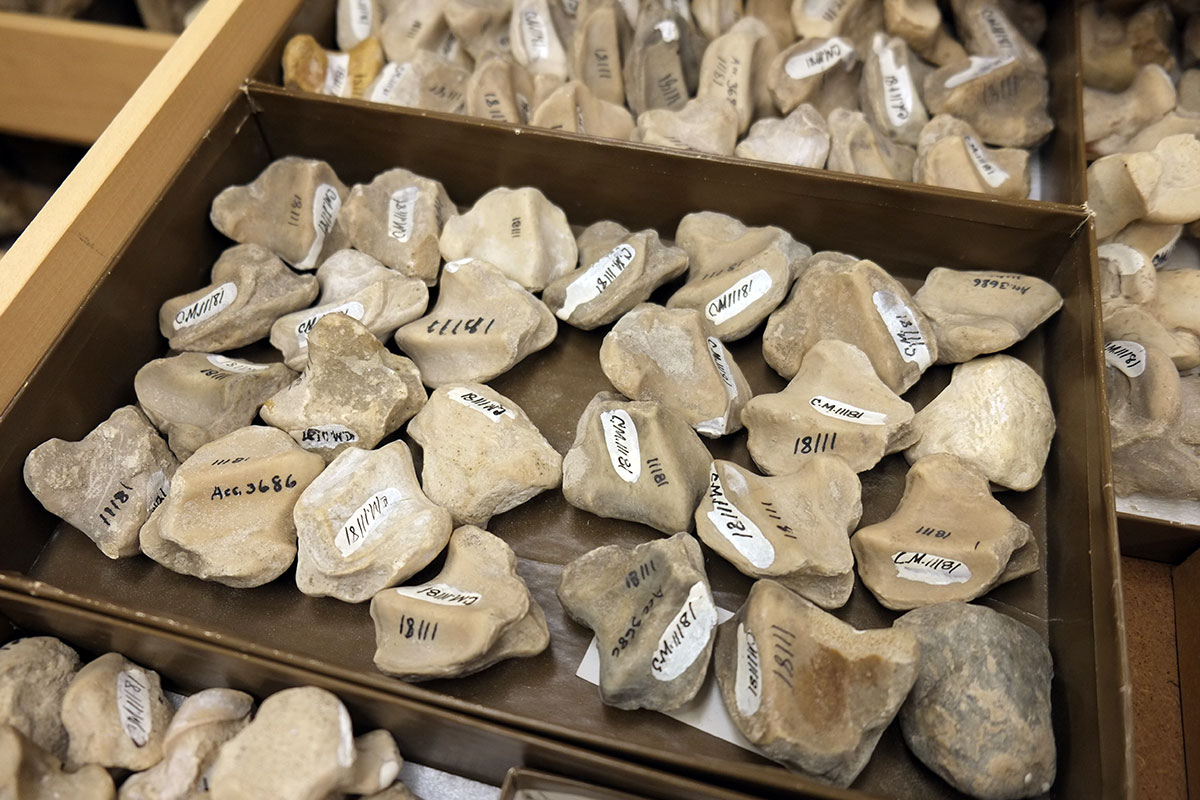
a whole drawer full of rhinoceros kneecaps

a whole drawer full of rhinoceros kneecaps

the amazing Alcohol Room, two levels of glass jars full of amphibians and reptiles

the amazing Alcohol Room, two levels of glass jars full of amphibians and reptiles

DSCF1459

the prairie dogs are everywhere (along wi the bison)

the prairie dogs are everywhere (along with the bison)

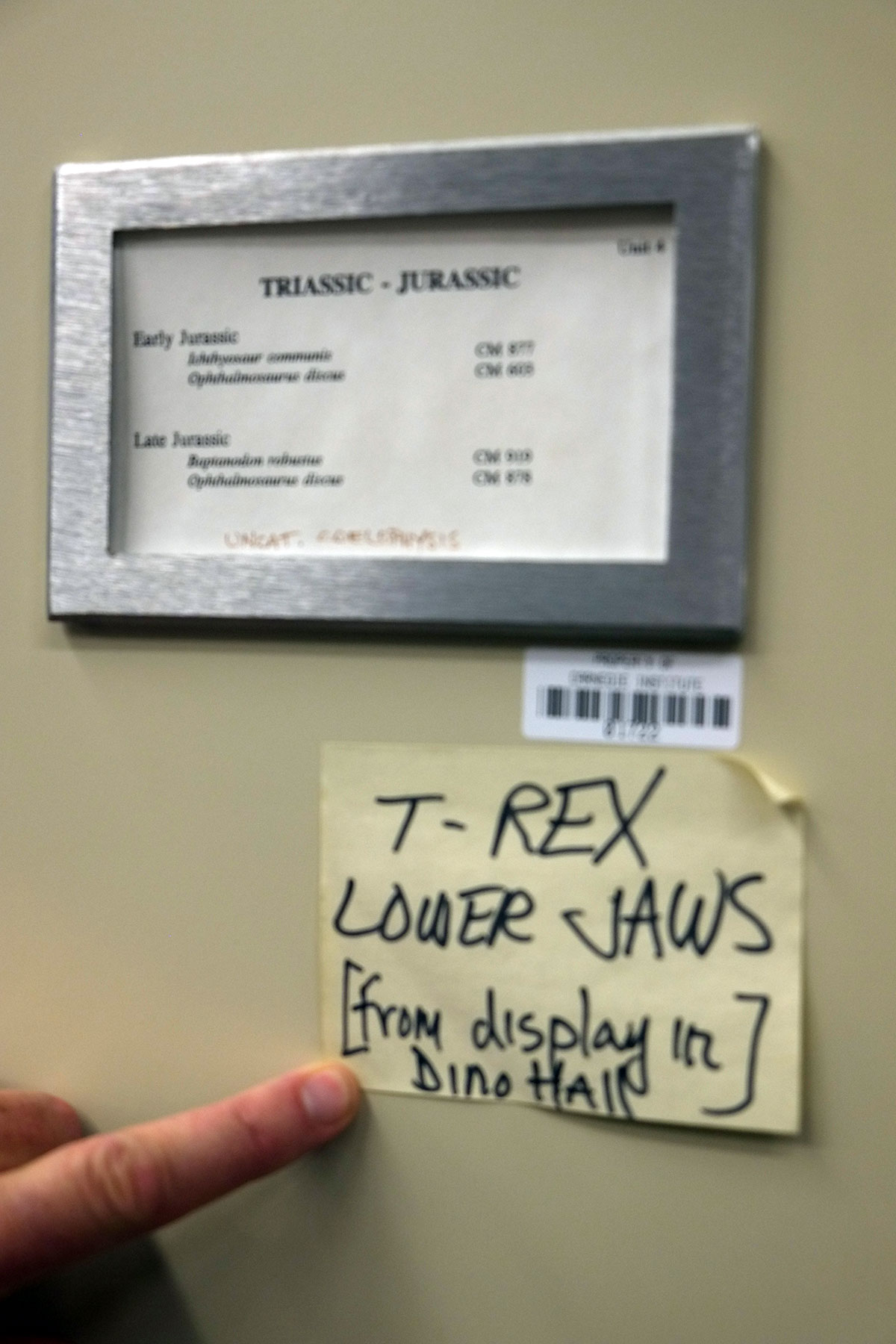
my favorite thing in the bone storage area.  My post-its usually say things like cheese and coffee, or a phone number with no name.

my favorite thing in the bone storage area. My post-its usually say things like cheese and coffee, or a phone number with no name.

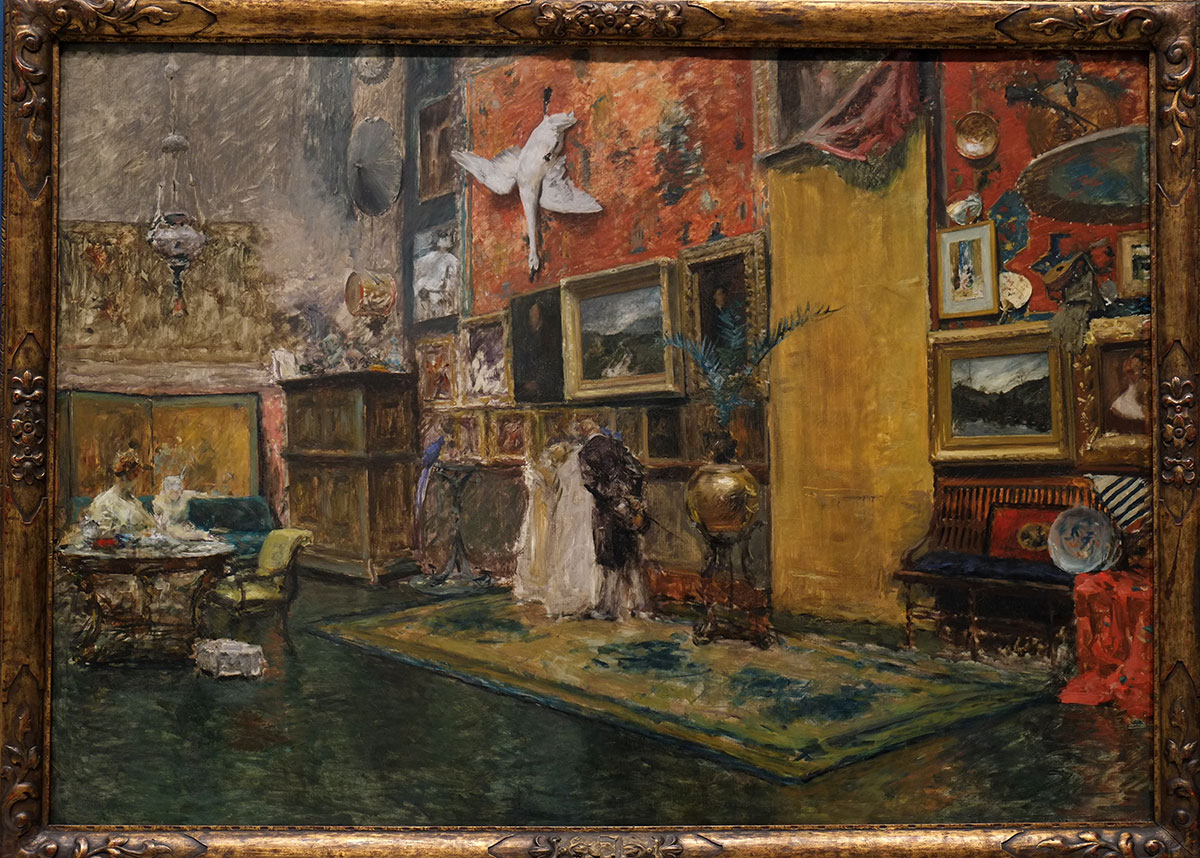
Second, the art collection is one of the best in the country.  You may recall that many of the best paintings in the National Gallery were given by the Mellons;  they obviously kept a lot of good things home in Pittsburgh too.  Perhaps the most interesting circumstance that determines the collection is that starting in 1896, the museum sponsored an annual (then biennial, then triennial, etc.) exhibition of contemporary work, and they often they acquired important entries.  So there is a fantastic collection of late 19th-century American and European paintings and sculpture.  Many of modern western civilization’s all-star team, but many less well-know artists who are quite interesting.  Here are a few images, without getting all lecturey about them:DSCF1475

DSCF1495

DSCF1473

Caitlin, I think

Caitlin, I think

DSCF1368

DSCF1361

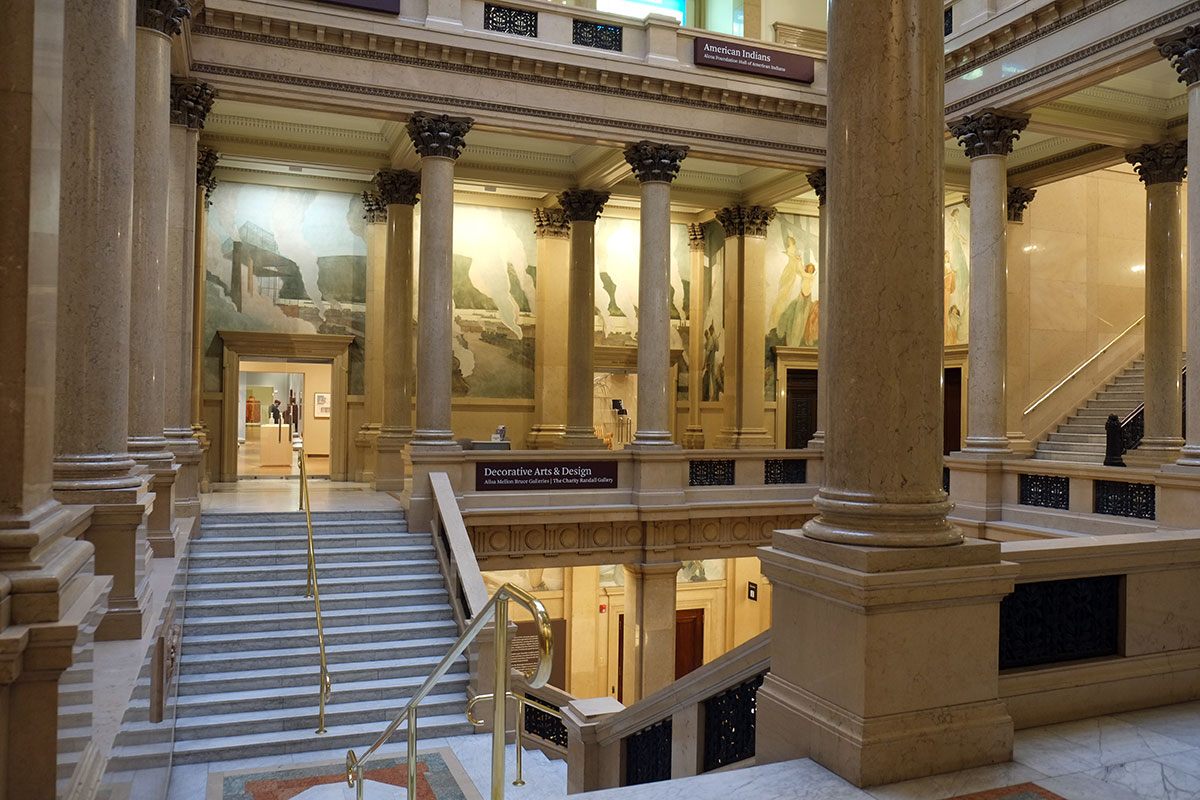
Third, the architecture is superb.  The original Beaux Arts building is opulent yet under control, with grand halls and stairs:DSCF1321

DSCF1324

DSCF1501

In 1970, Edward Larrabee Barnes (an architect about whom those under the age of 50 have not heard) designed an excellent addition/remodel/insertion, with elegant galleries and a beautiful entry/lobby/courtyard.DSCF1513

DSCF1327

DSCF1369

DSCF1337

I could have spent a week in this museum, the collection is that good.  Highly recommended, and Greta still needs to blog about the Indian food around the corner.