Tag Archives: #vanlife

HH Richardson

Having left the midwest and arrived last night in the Boston area, the Architecture Greatest Hits tour moves along from FLW to Richardson.  Before I dive into the Richardson trove that is Boston, I think I’d better get the Richardson outliers to the west out of the way.

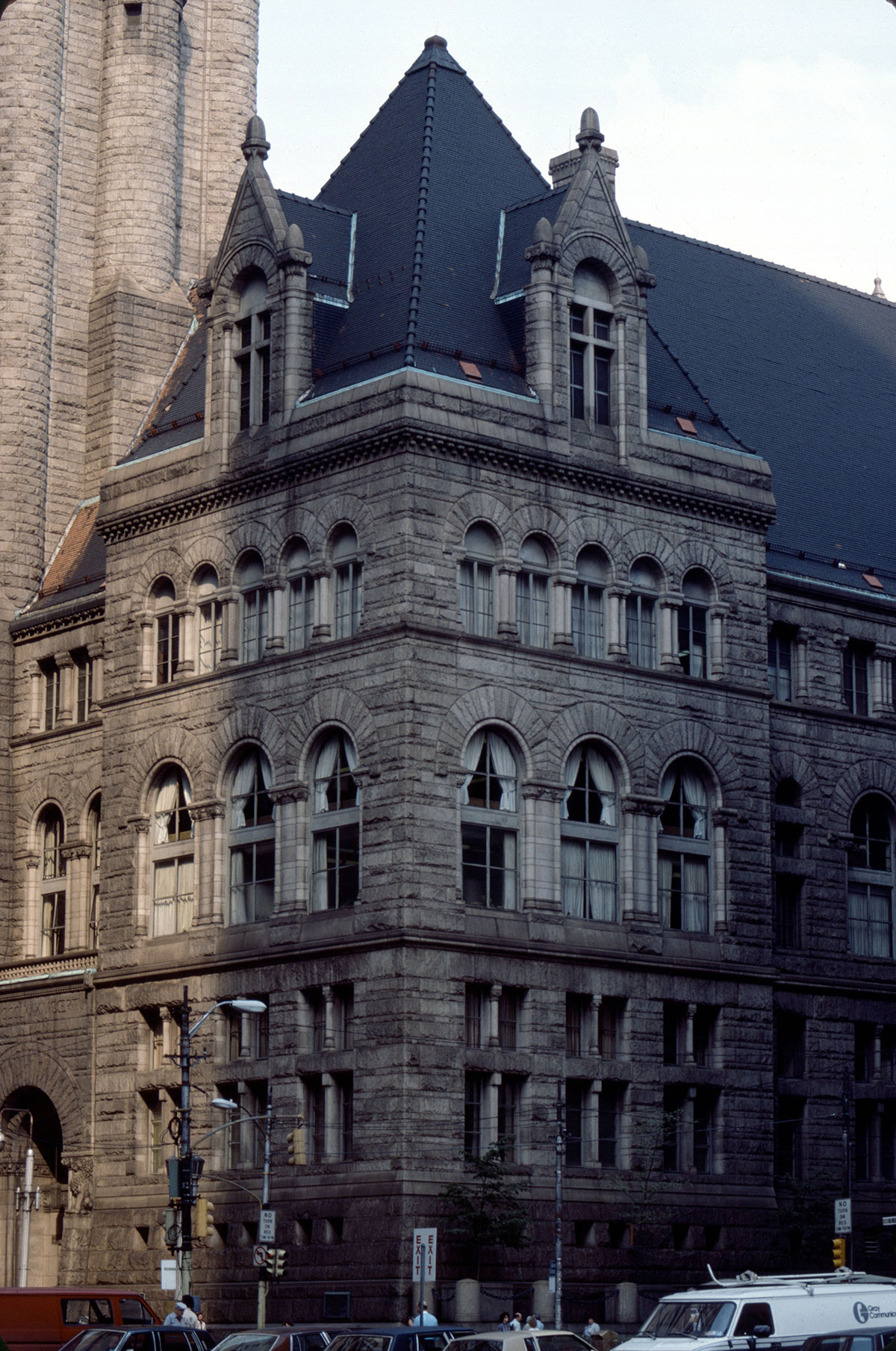
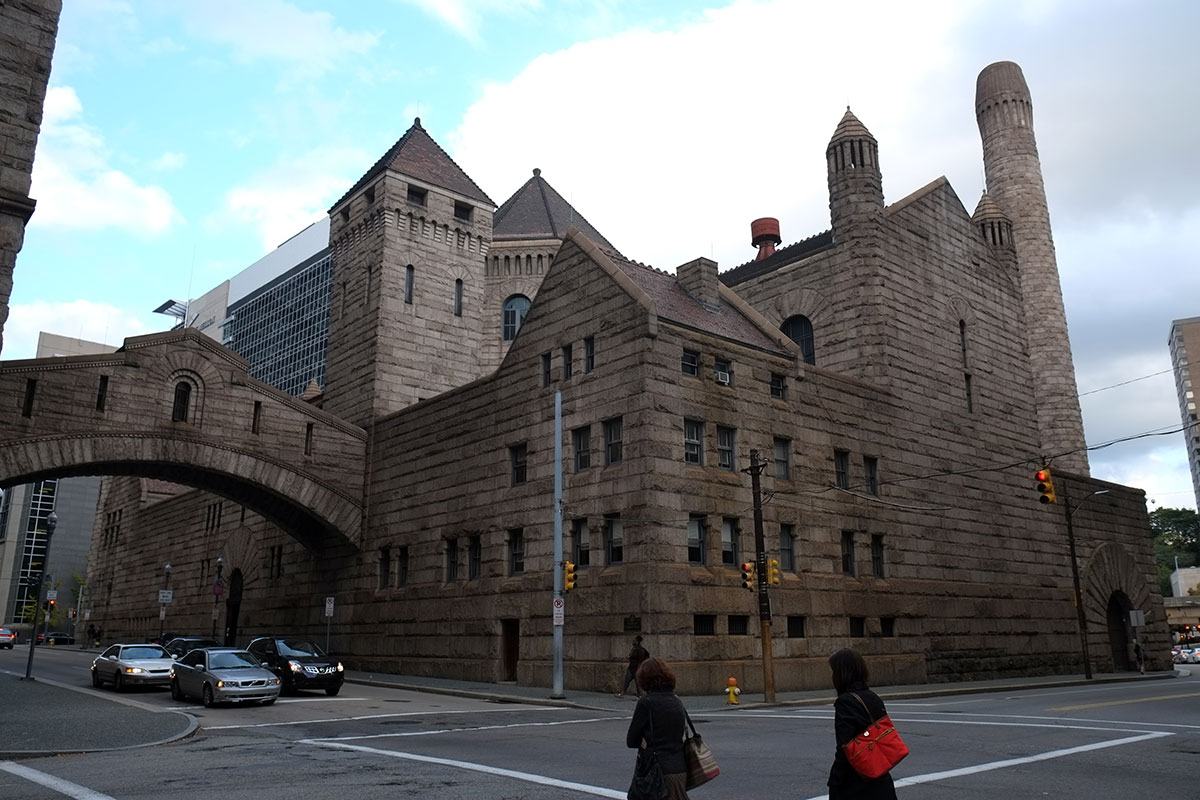
The Allegheny County Courthouse in Pittsburgh is one of his most complete, extended and perfect buildings.  In previous visits, I’d focused most on the courthouse itself, with its solid mass, beautiful tower, commodious entry and stair, etc. DSCF1221

Erie04 Erie08

Erie02

This trip we spent more time looking at the jail.  We often speak about Richardson as a proto-modernist, looking at the rationality of his planning, structural bays, how he led directly to Sullivan, etc.  But in the jail there are other elements at play that we would now regard as quite current – the play between order and disorder, symmetry vs. asymmetry, colliding grids and organizational systems.

DSCF1228

The site is irregular, but Richardson drops some axial, rectilinear volumes onto it, as if the site weren’t an issue.  Then he wraps all of this in a wall that addresses the streets.  Sometimes this is just a wall, and there are courtyards behind it,

DSCF1234

DSCF1275

and sometimes the wall becomes a building, with a whole different geometry.
DSCF1258

For formal entries and foci, symmetry is used to emphasize the centerDSCF1252
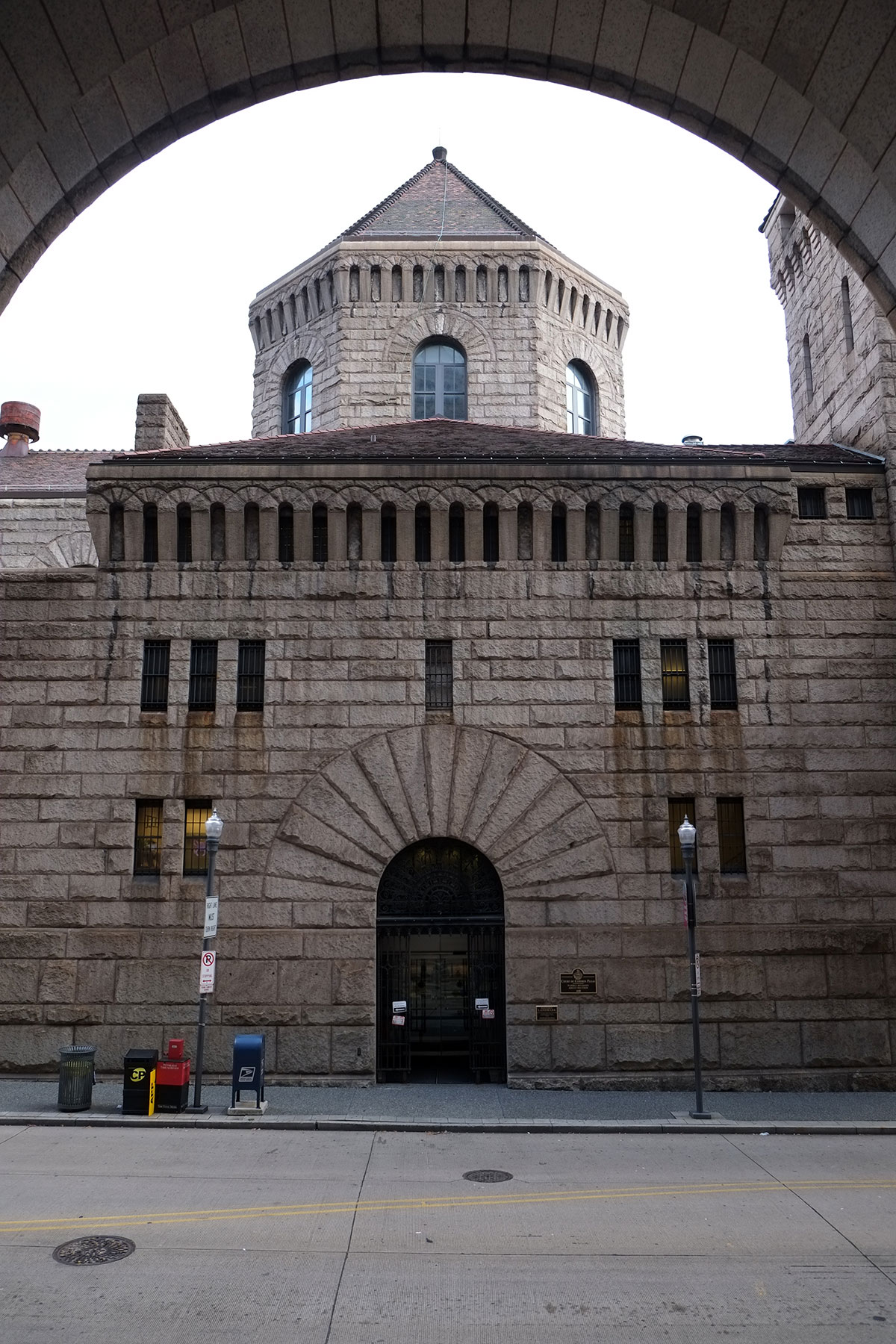
but in other areas, an asymmetrical  composition is made of the facade, tying into the field of the wall, but existing on its own terms.  DSCF1227

A building you can study for a long time, or as I pointed out in Minneapolis, you can just copy it.

The psychiatric hospital complex in Buffalo is more conventional than this, and at first glance, it is one in a long line of buildings that might not be the most comforting for people having mental problems.   DSCF1897
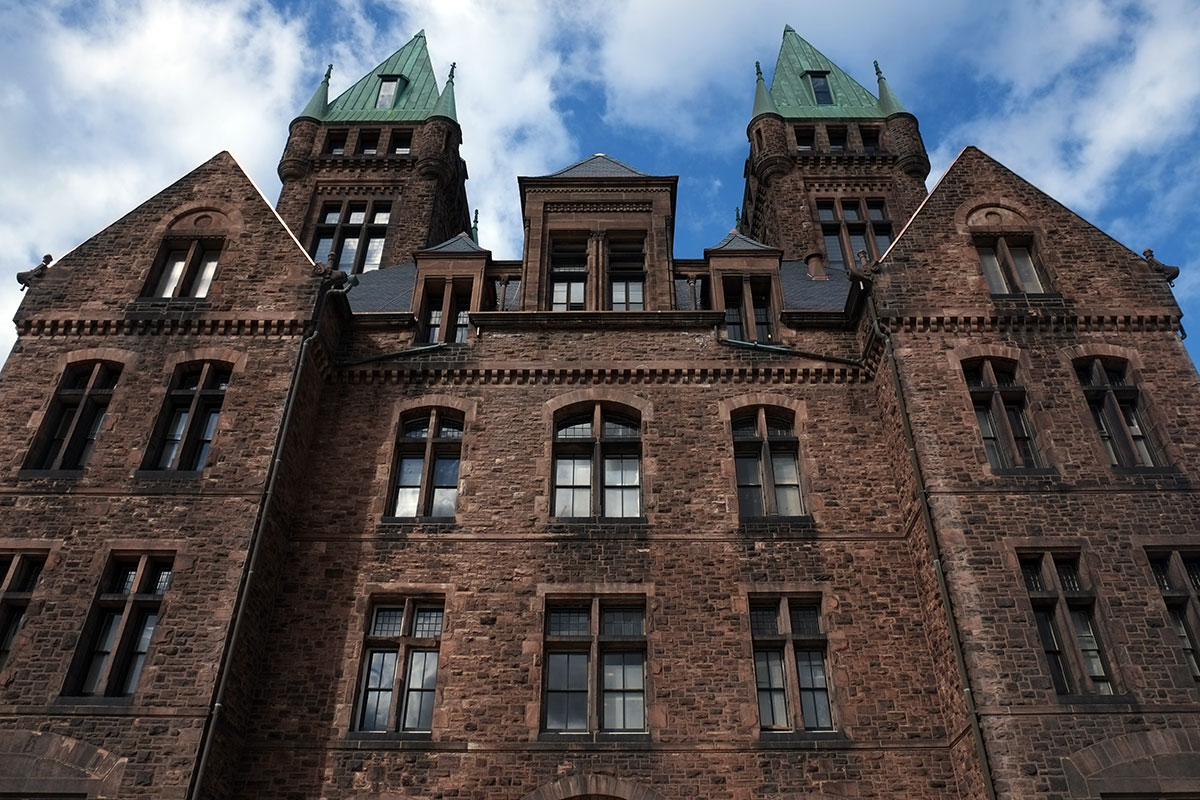
It is a really large complex, with multiple pavilions and wings.  The central piece is very formal, establishing a clear hierarchy for a large building which rambles around.DSCF1877

but Richardson breaks down the scale nicely in the repetitive wings, each of which reads as a building (again, symmetry and asymmetry):DSCF1887

which are then linked by little connector pieces, and step back to form a series of open spaces.DSCF1886

In Albany we saw the city hall, a well-balanced exterior massing, with a simple, straightforward interior.DSCF2288

and the State capitol.  It’s hard to understand exactly what Richardson is responsible for here, as quite a few architects worked on it throughout a few decades.  However, he is generally given credit for the overall design of the elevations.DSCF2277

It seems that this massive exterior stair exists primarily to buttress the east facade, which started subsiding down the hill:

DSCF2286

DSCF2282

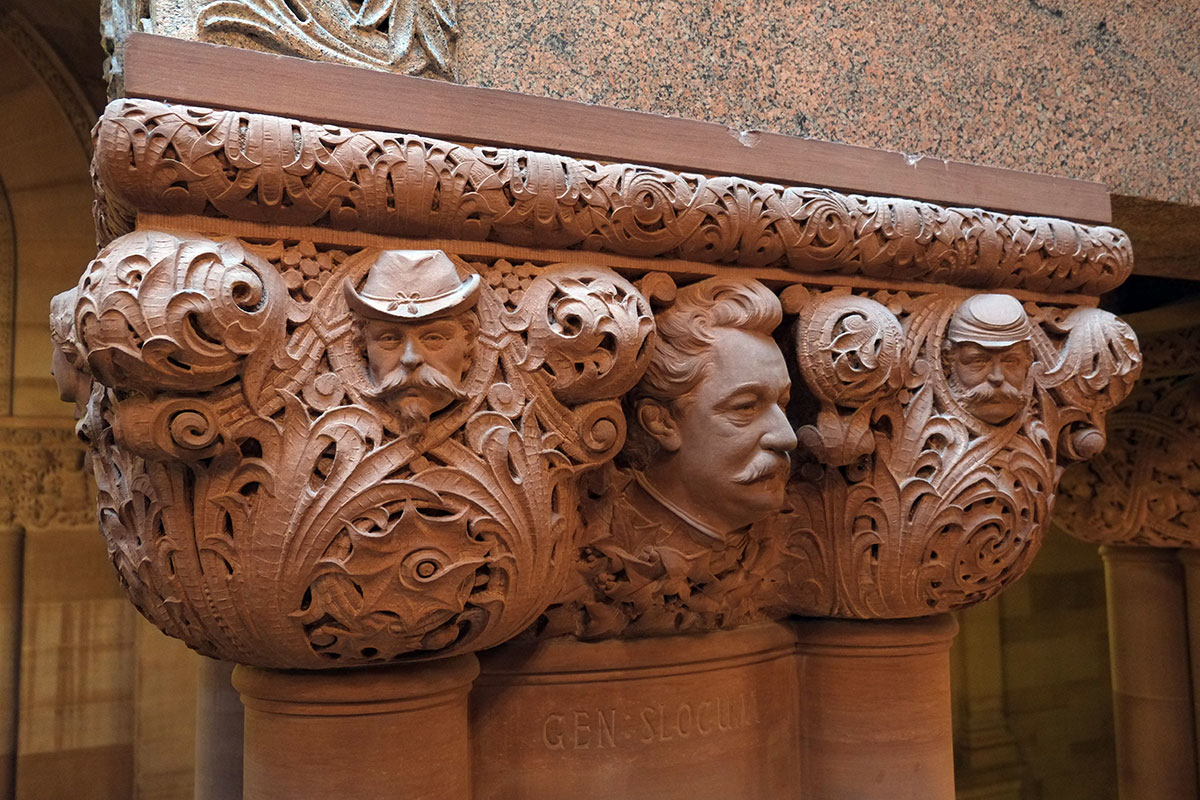
He also completed much of the interior planning, and the basic design for the over-the-top western stair.DSCF2312
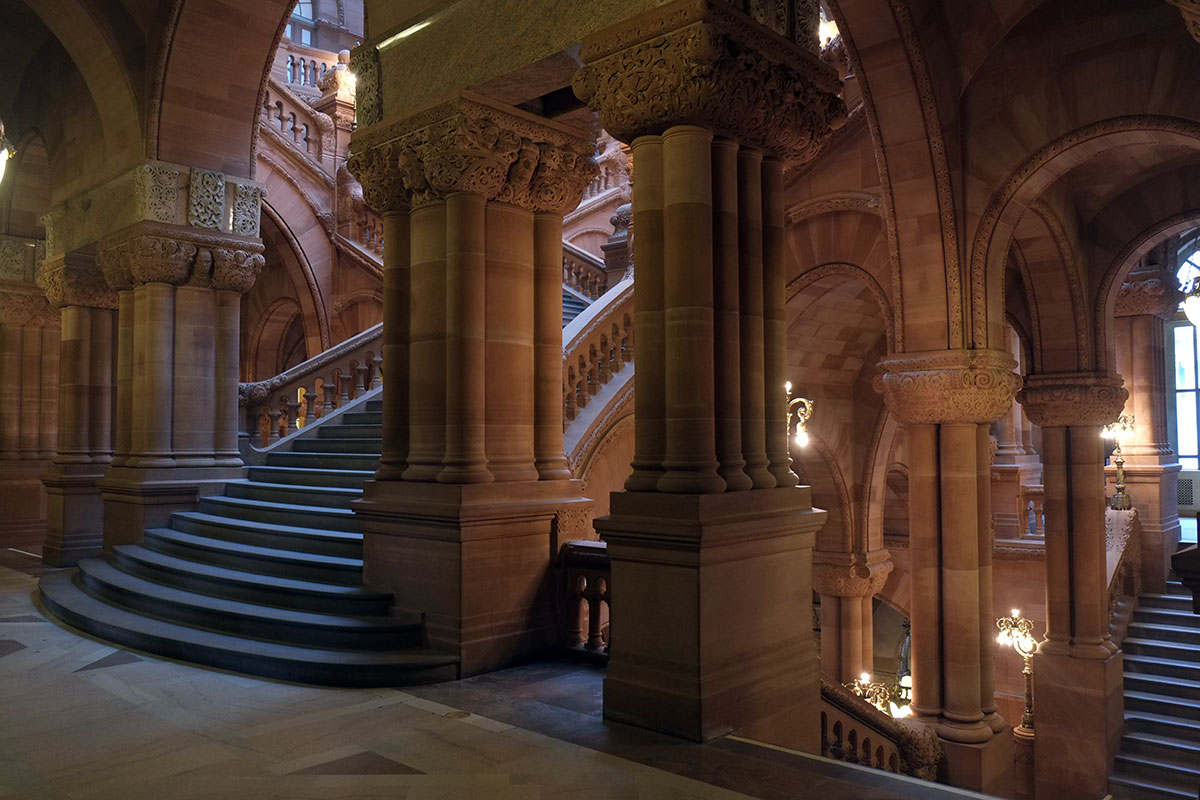
This is truly the most extraordinary stair I’ve ever seen.   The space and procession are incredible, DSCF2302

The detailing is insane, but apparently much of that was added by a later architect.DSCF2324

DSCF2331

DSCF2329

Albany is a place that is disdained (or more usually ignored) by downstaters, but this stair alone is worth the trip.  Beaux Arts planning meets Piranesi.

We now head into Boston, and more Richardson will follow, next week.

Terrance Goode and Carolyn Senft

Terrance Goode and Carolyn Sent were colleagues and good friends on the UO faculty back when I first arrived in 1990.  They were my informants in the culture:  when I was first applying for a position in academia, a mutual friend in New York told me to look them up, and they taught me everything a New Yorker needed to know about Eugene.  I would have been completely at sea without them.

I bought a house two doors down from them on 19th St., and we spent a lot of time together, cooking meals, discussing architecture, and trying to keep the cats from escaping.  They left town over 20 years ago, and have been happily ensconced in Syracuse for most of that time, where Terrance teaches architecture, and Carolyn has divided her time among teaching, designing, quilting, and raising their son Eli.

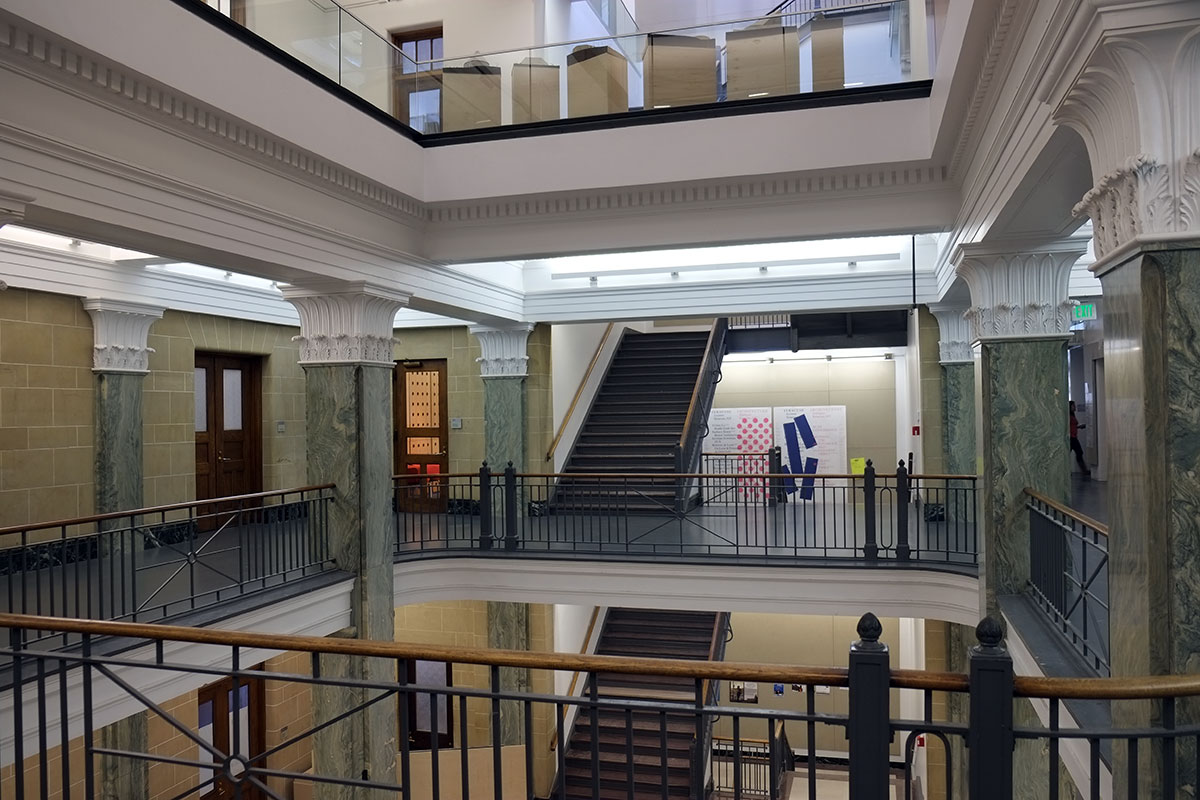
Greta and I spent a couple of days with them, where we once again spent a lot of time talking about architecture, driving both Greta and Eli to distraction.  We tooled around Syracuse seeing the sites, which include a commodious architecture building:DSCF2198

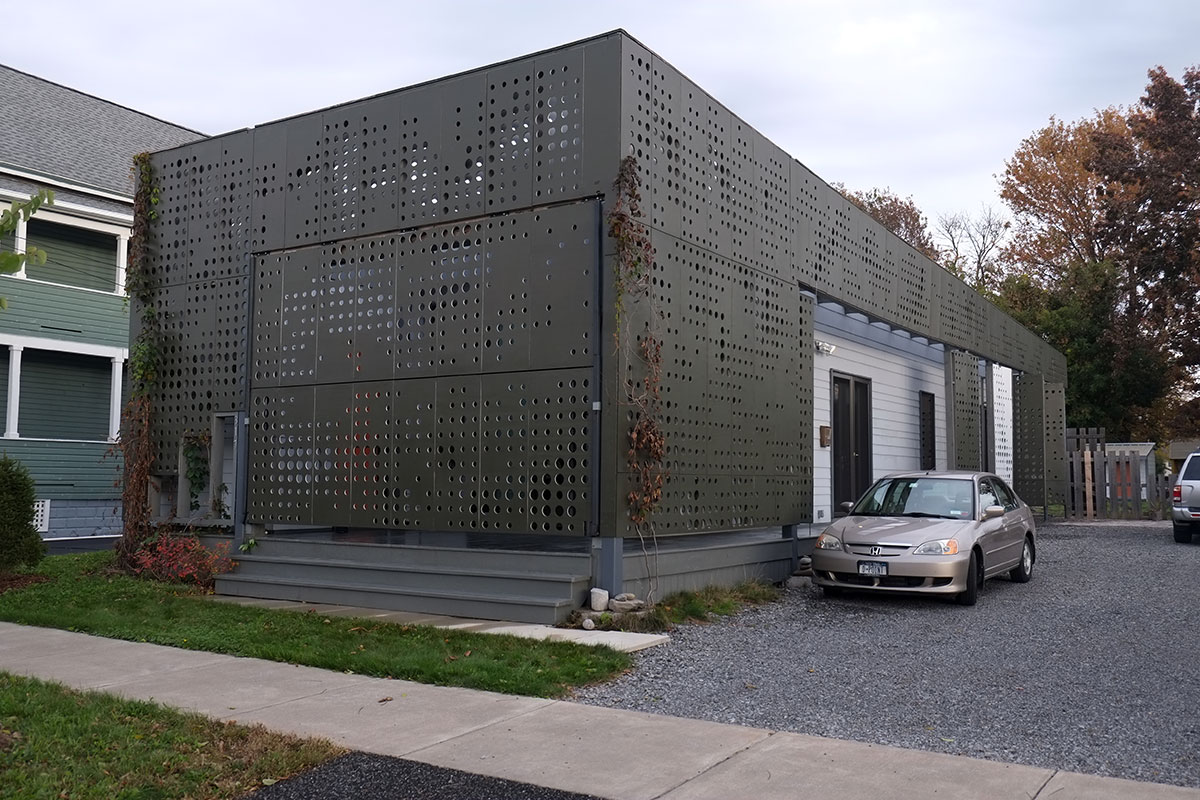
some student-designed housing which makes a statement DSCF2207

and evidence that football culture in Syracuse might be even a little more crazed than in Eugene (I haven’t seen any football banners hanging on churches in Eugene).  DSCF2167

We had a great time catching up after many years of long-distance communications.  T&C send their regards to their many friends in Eugene, who are probably wondering how I have managed to start this post with a photograph of them without a cat in it.  DSCF2216

Buffalo & Rochester

Continuing our tour of cities that were really important 100 years ago but not so much now, we cruised through downtown Buffalo and Rochester.  I think cities such as these are where you often find some of the best architecture and art in this country: they had a lot of money to spend back then, when you could still buy great European art, and when there seemed to be more clients who cared about architecture.

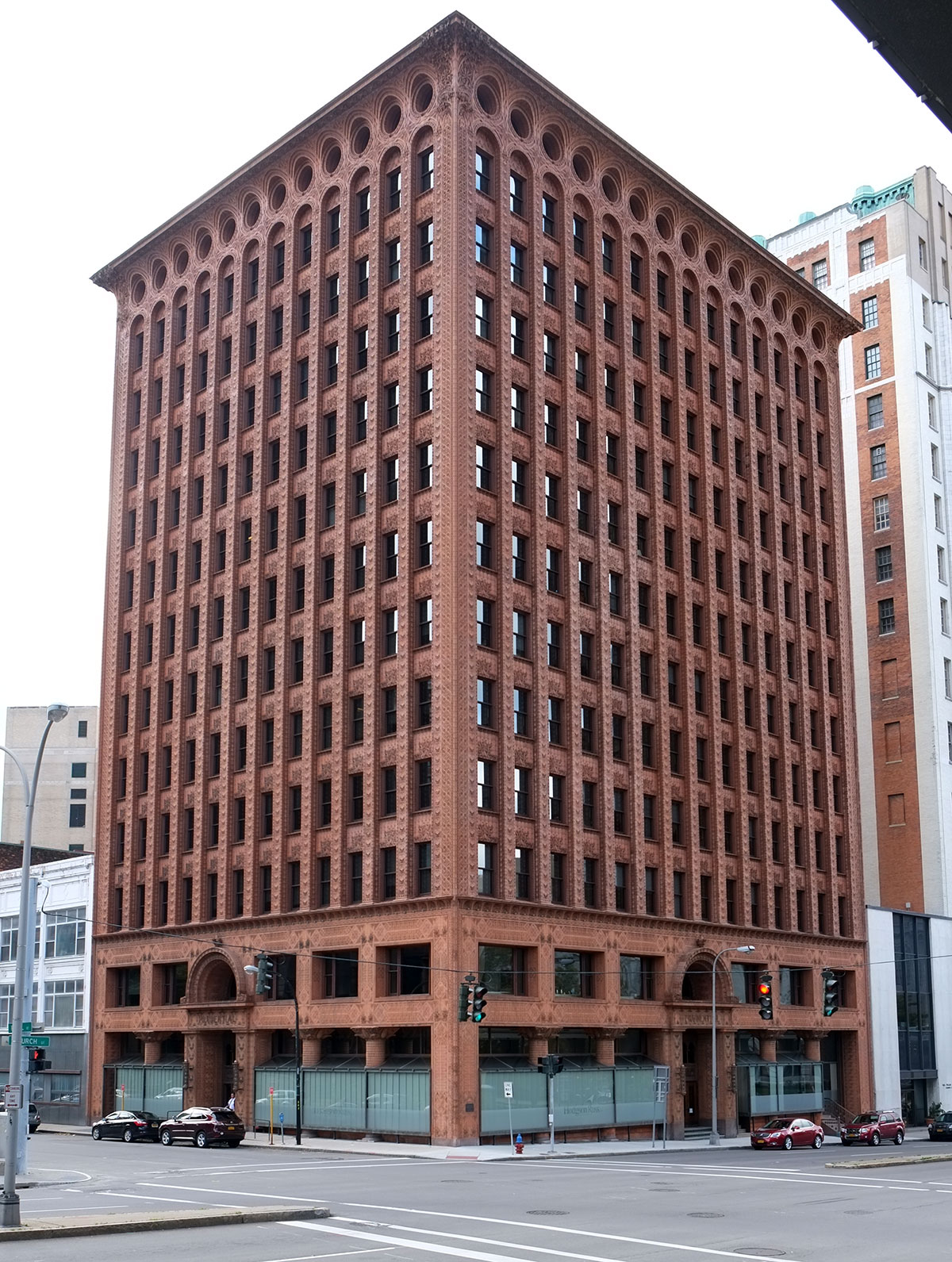
I’ve already posted the great Wright and Richardson buildings here, so the obvious completion of the architecture trifecta is the Guaranty Building, one of Sullivan’s best.  Simple, elegant, beautifully proportioned, it really stands out against the banal post-war buildings near it.  DSCF1913 DSCF1902

I was told to go see the Ellicott Square building by a few people – a full block building with a central skylit atrium.DSCF1924

DSCF1927

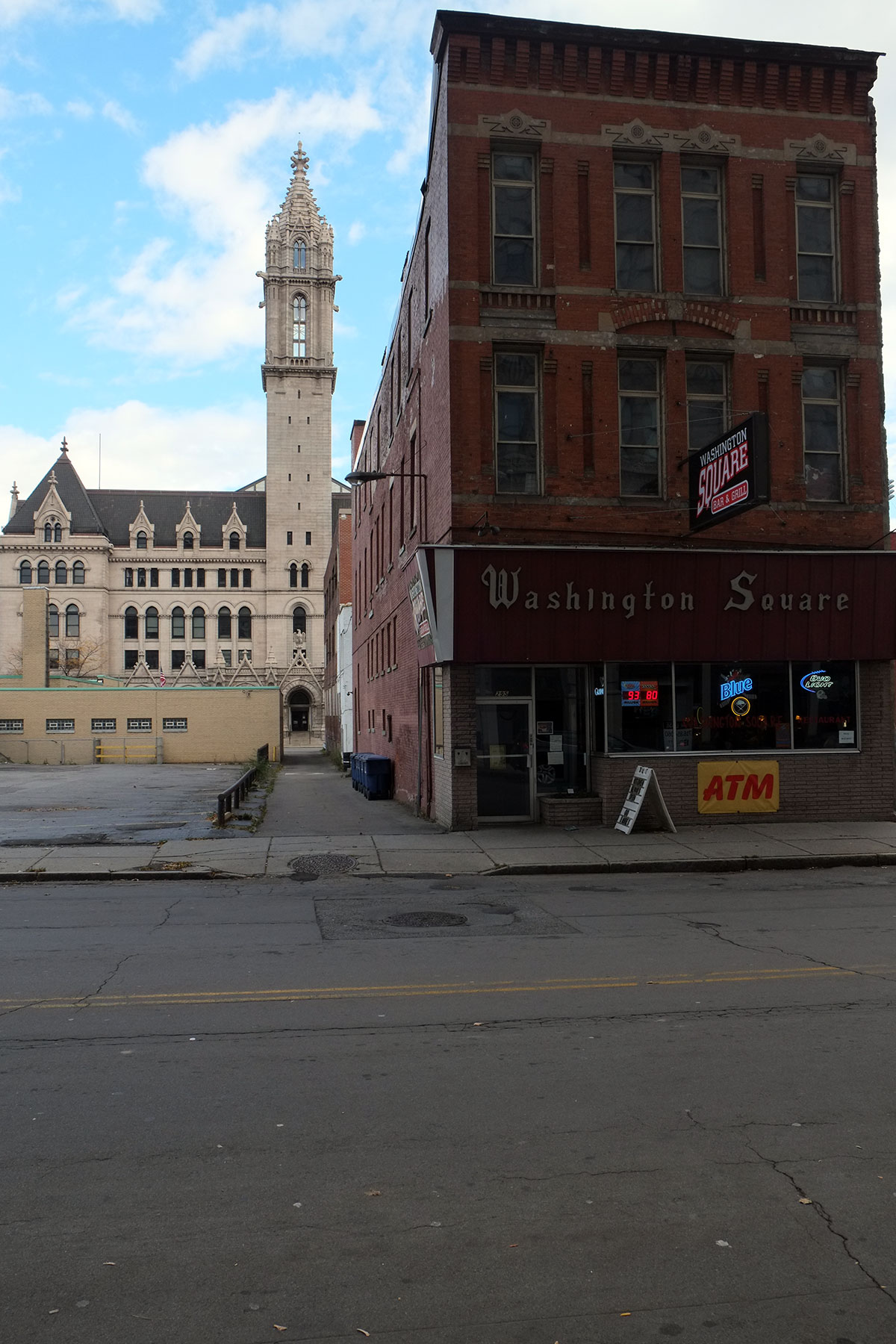
The train station, in context:DSCF1933

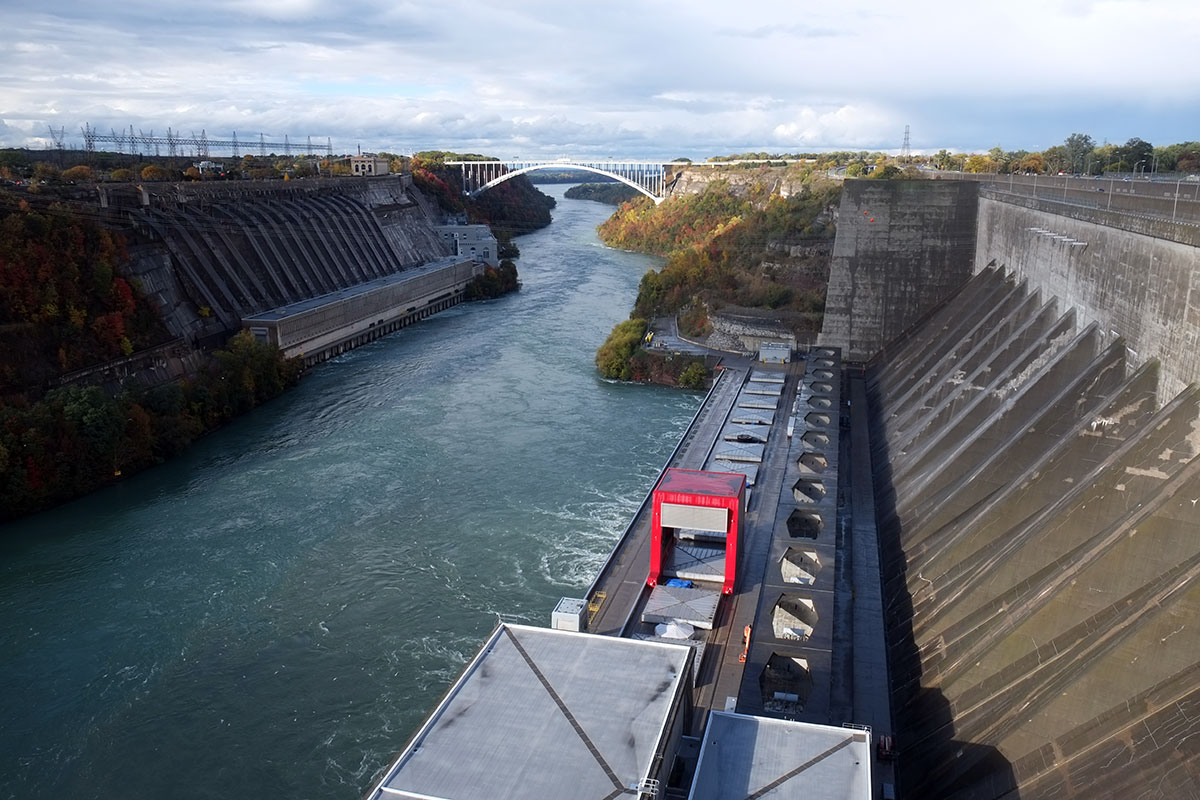
Down the Niagara River past the Falls, The New York State Power Vista is where the big American and Canadian hydropower plants face off against each other.  The sheer scale of these dams is worth a visit.DSCF1724

And inside the excellent visitors’ center, there is a surprise:  A Thomas Hart Benton mural, which is reminiscent of those in Kansas City.DSCF1737

Rochester doesn’t have a great reputation, and the downtown is not compelling – mainly mediocre buildings from all eras.  But there are highlights.

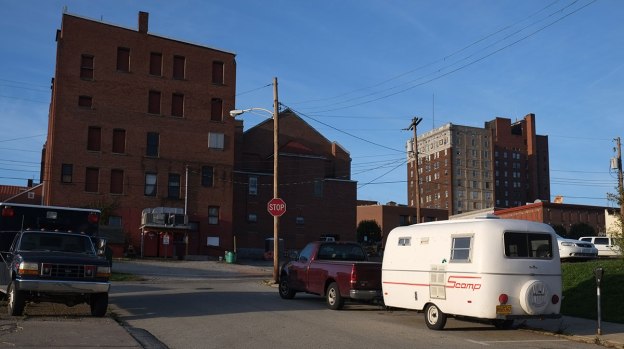
We came to Rochester to see the Kahn Unitarian Church, and the Broad Street Bridge, which when originally built, was an aqueduct which carried the Erie Canal over the Genesee River.  It was later used to carry the subway across, and with the addition of the top roadway level, converted to a vehicular bridge (also good for the parking of small trailers. DSCF1974

The Andrews Terrace apartment building started life in the 1970s as downtown luxury apartments which didn’t fly, and is now Section 8 housing.  What struck me is that many current architects are playing games with angles, and here is a 40-year-old building which anticipated many of the moves, quite elegantly and simply, since there were no computers to facilitate needless complications.  I can’t find who the architect was.DSCF1984

I think it’s pretty compelling when glimpsed from down the street.DSCF1949

Rochester has some buildings which I don’t think are very good, but they’re kind of fun:DSCF1990

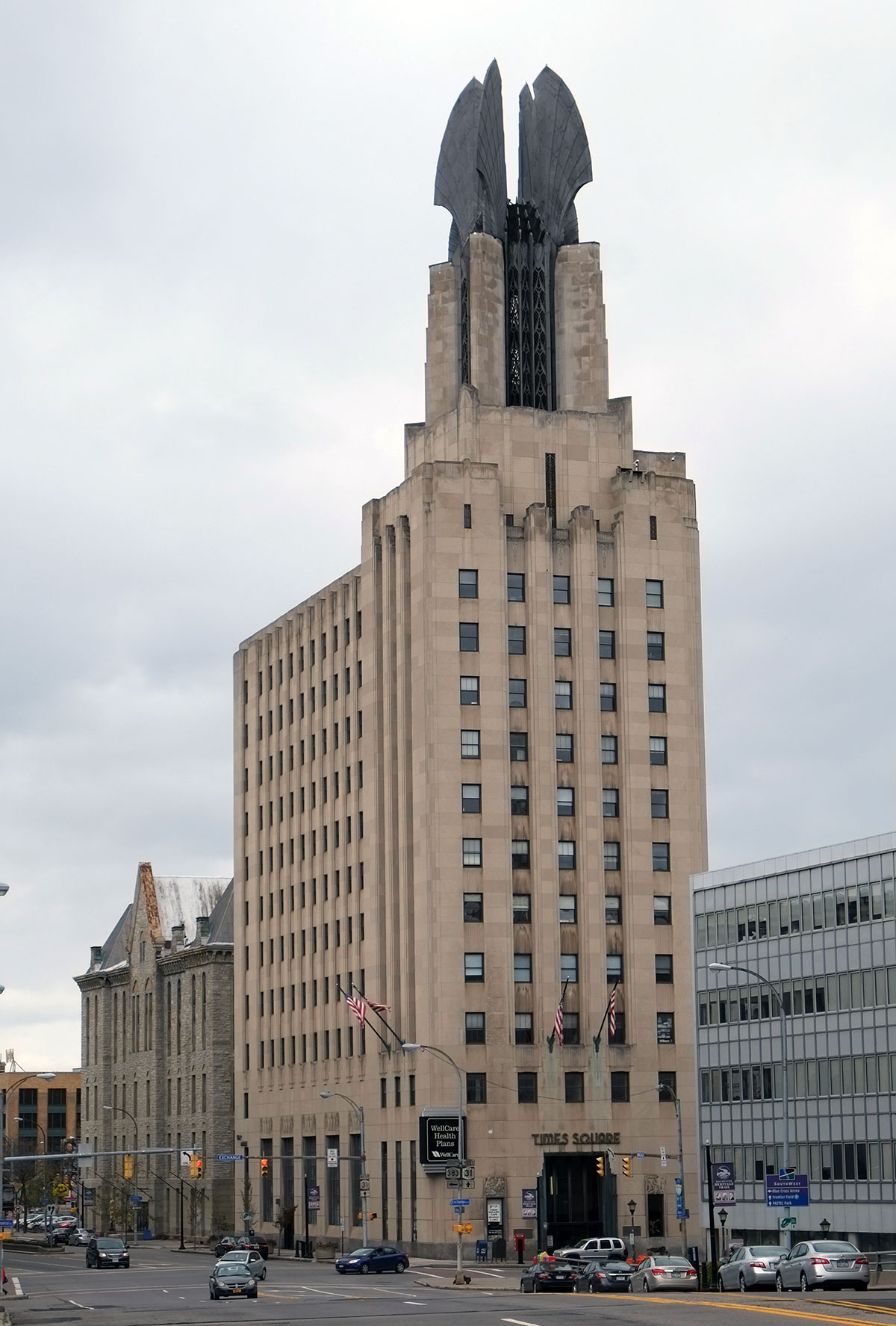
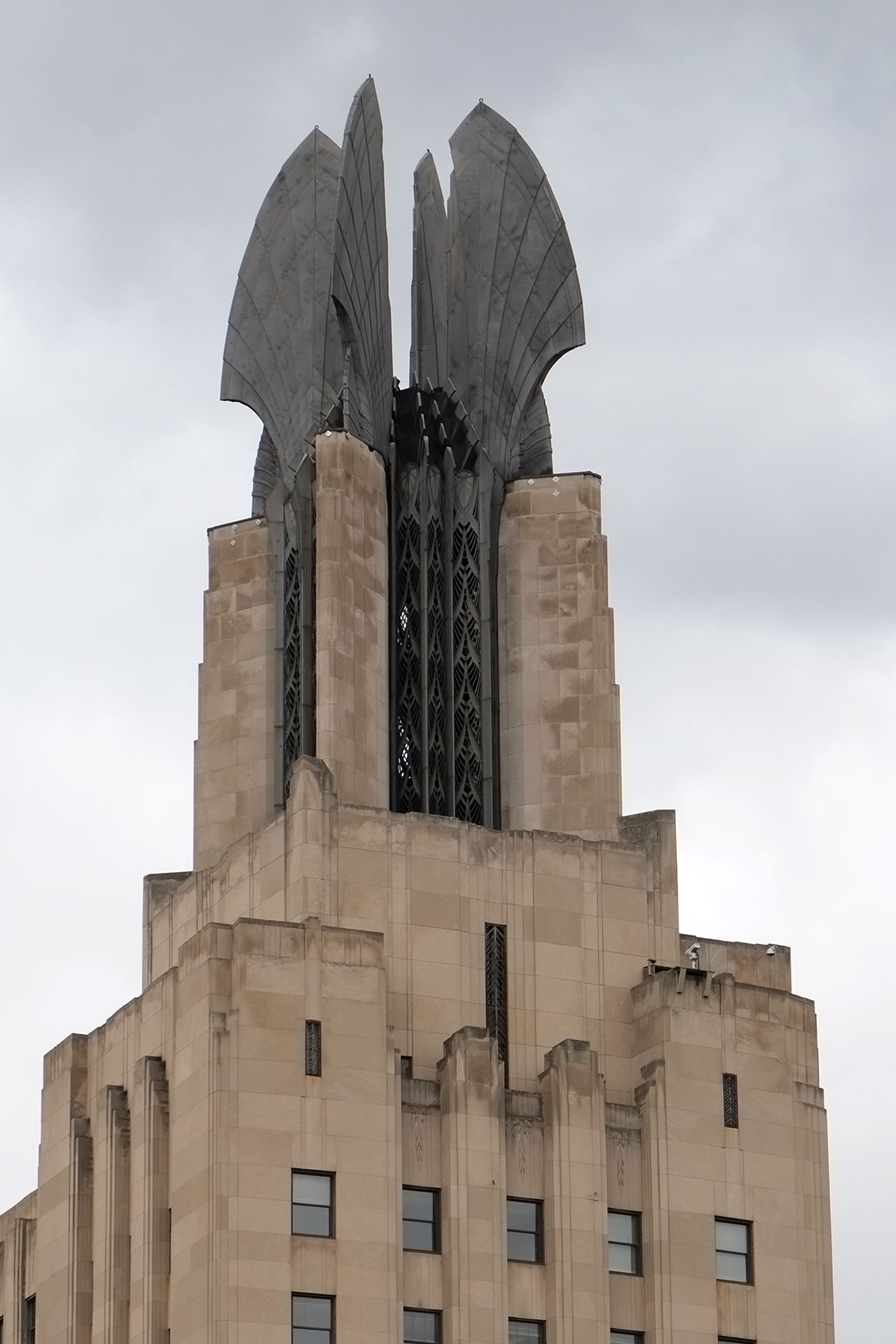
especially this one, which is open to many interpretations.  I thought Barad-dur, or maybe those fighters in Star Wars where the wings fold up.  Greta thought was Aragorn’s crown.  I have to admire the originality and chutzpah – never seen anything quite like it.DSCF1952

DSCF1956

Backroads

Since we reached Pennsylvania we’ve done a pretty good job of staying off interstates.  We travel a little more slowly, but we see things and places.  Here are few places that haven’t gotten their own posts.

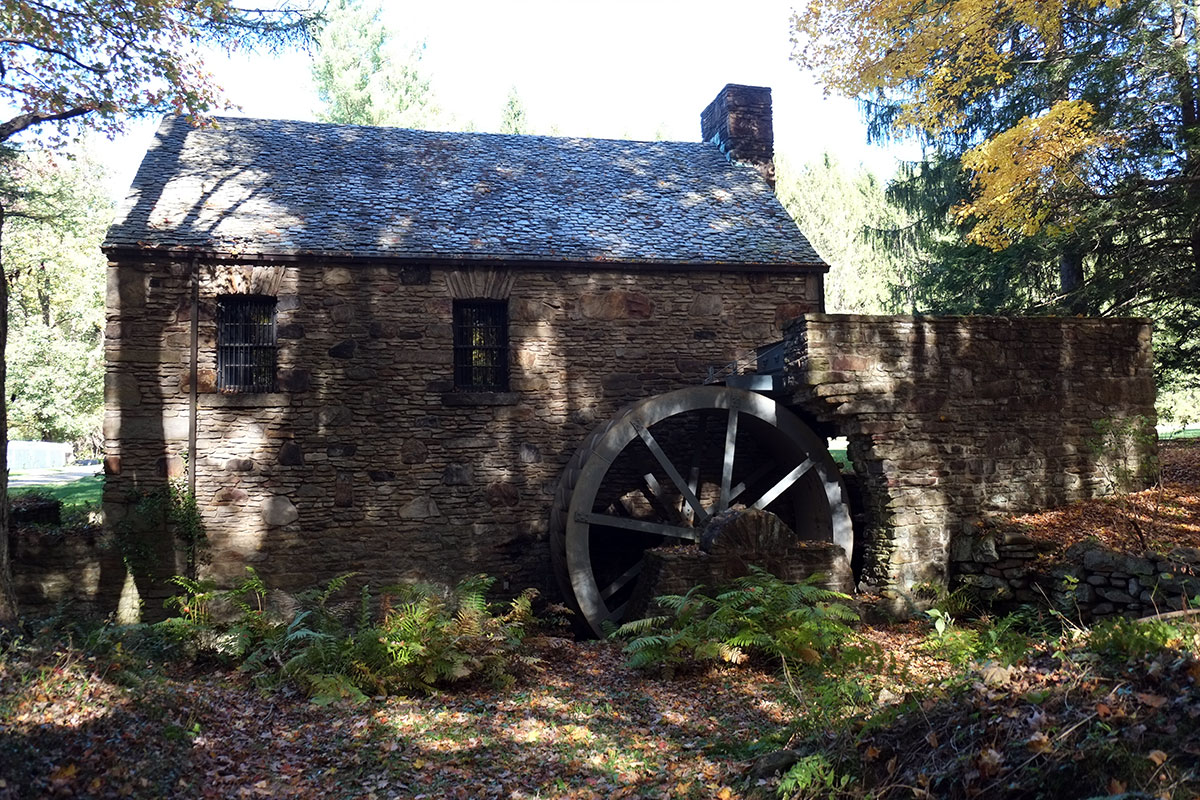
Once again John Wenzel was our guide around the Ligonier Valley, showing us things that we would never have found our own.  An 18th century grist mill.DSCF0790

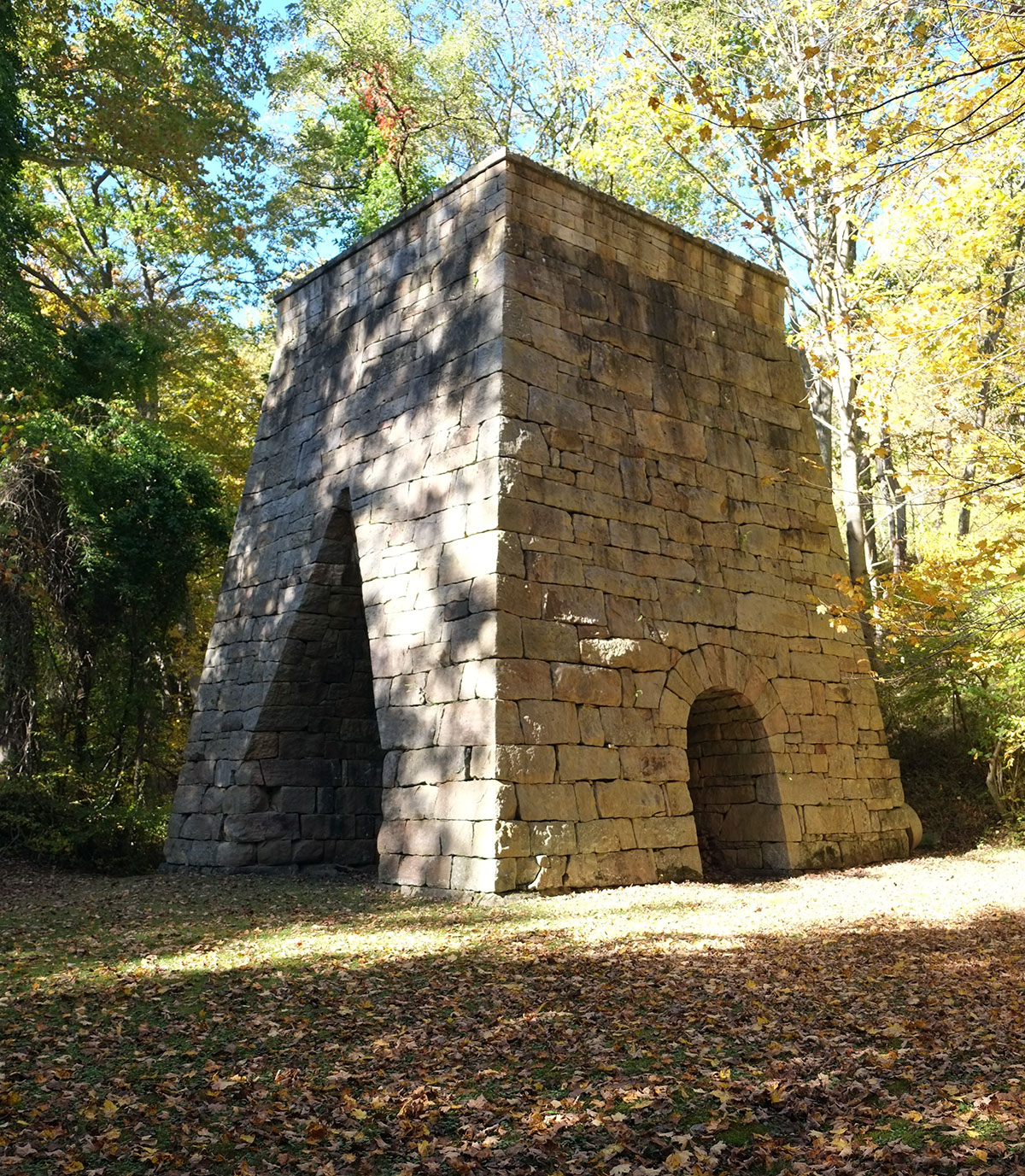
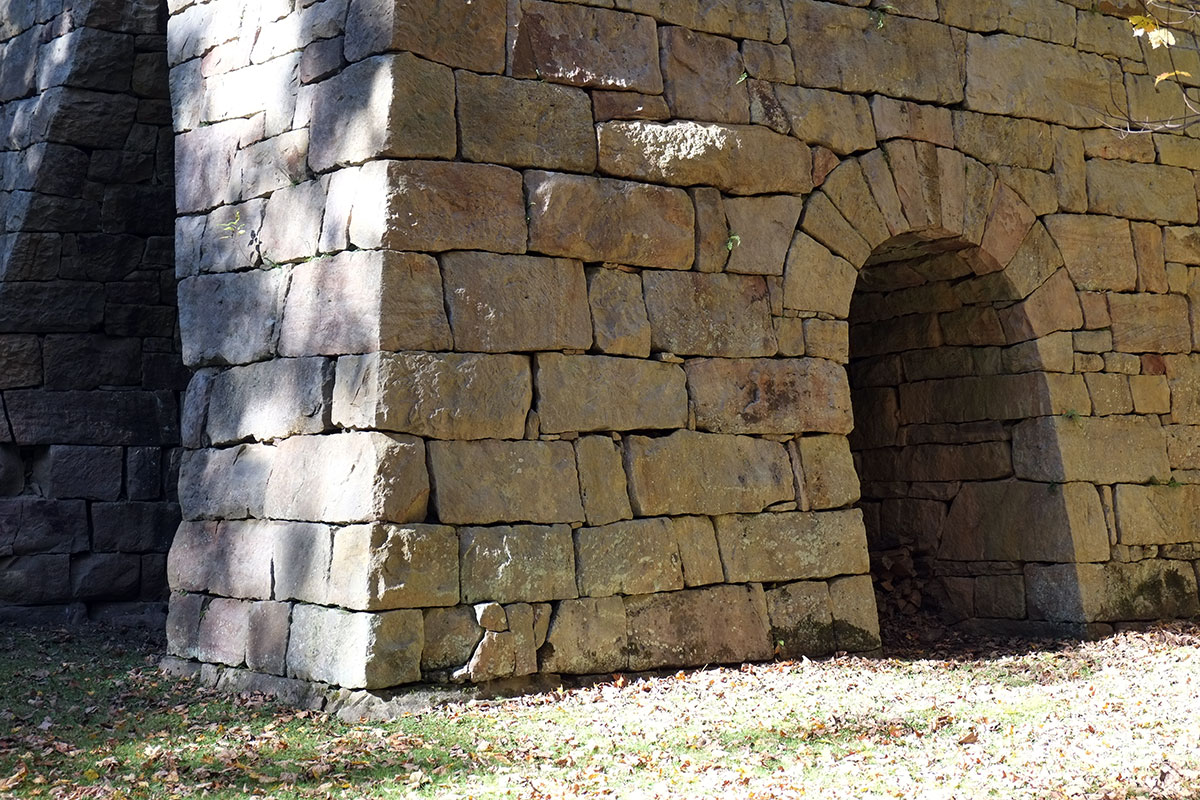
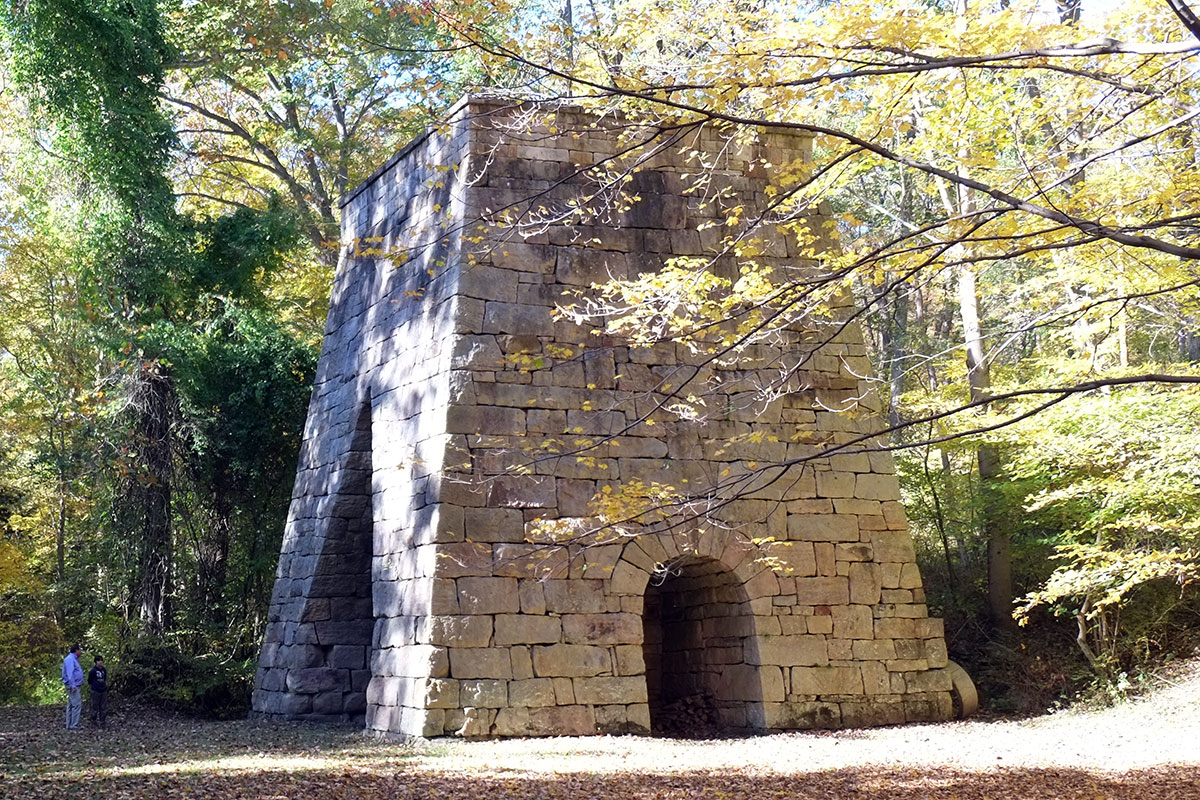
and the amazing California Furnace from 1850, an early iron furnace as the industrial revolution kicked into gear.  Boullee out in the woods. DSCF0820

DSCF0823

here John and Greta give it scale.   DSCF0822

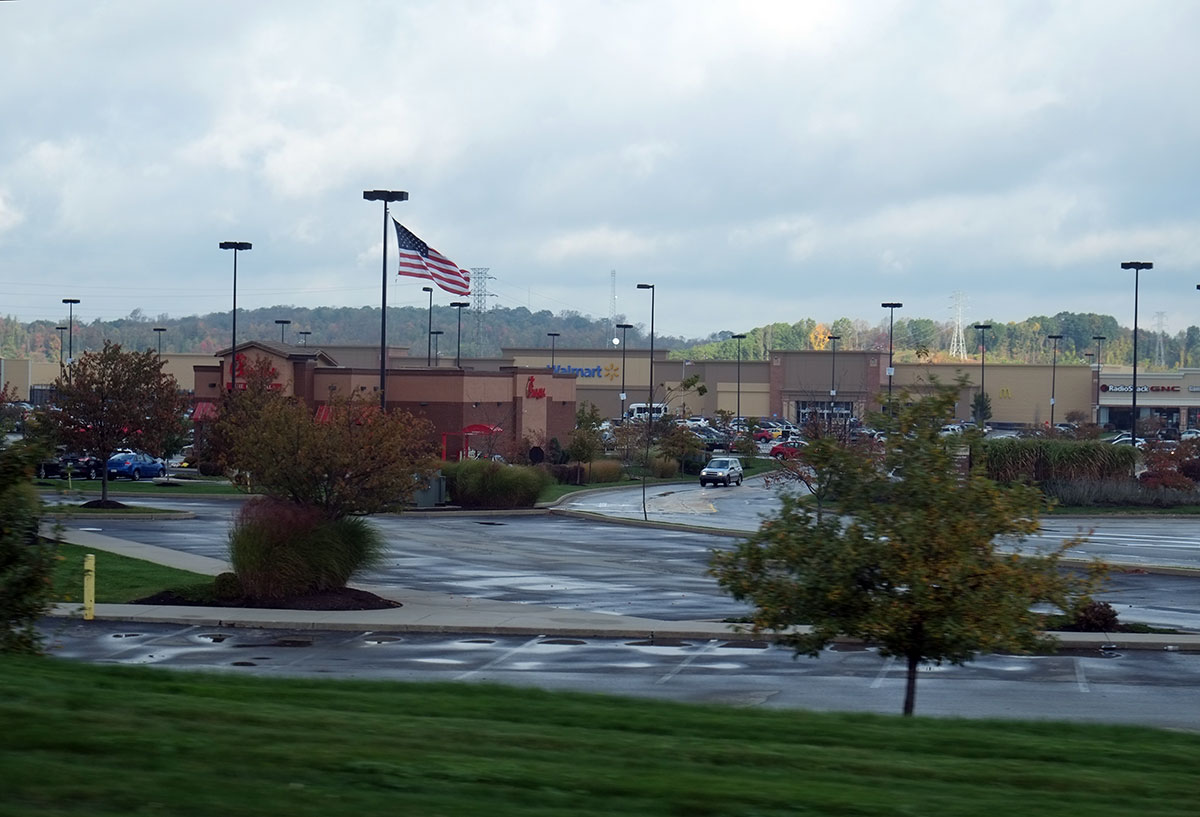
On the way into Pittsburgh, John pointed out where strip mine sites were now being filled and built upon.  We realized that strip mines become strip malls.DSCF1004

Heading north towards Buffalo, we arrived at Punxsatawney, home of Phil the groundhog.  We caught a glimpse of Phil (or who they say is Phil, along with a bunch of other groundhogs who may or may not be Phils).DSCF1544

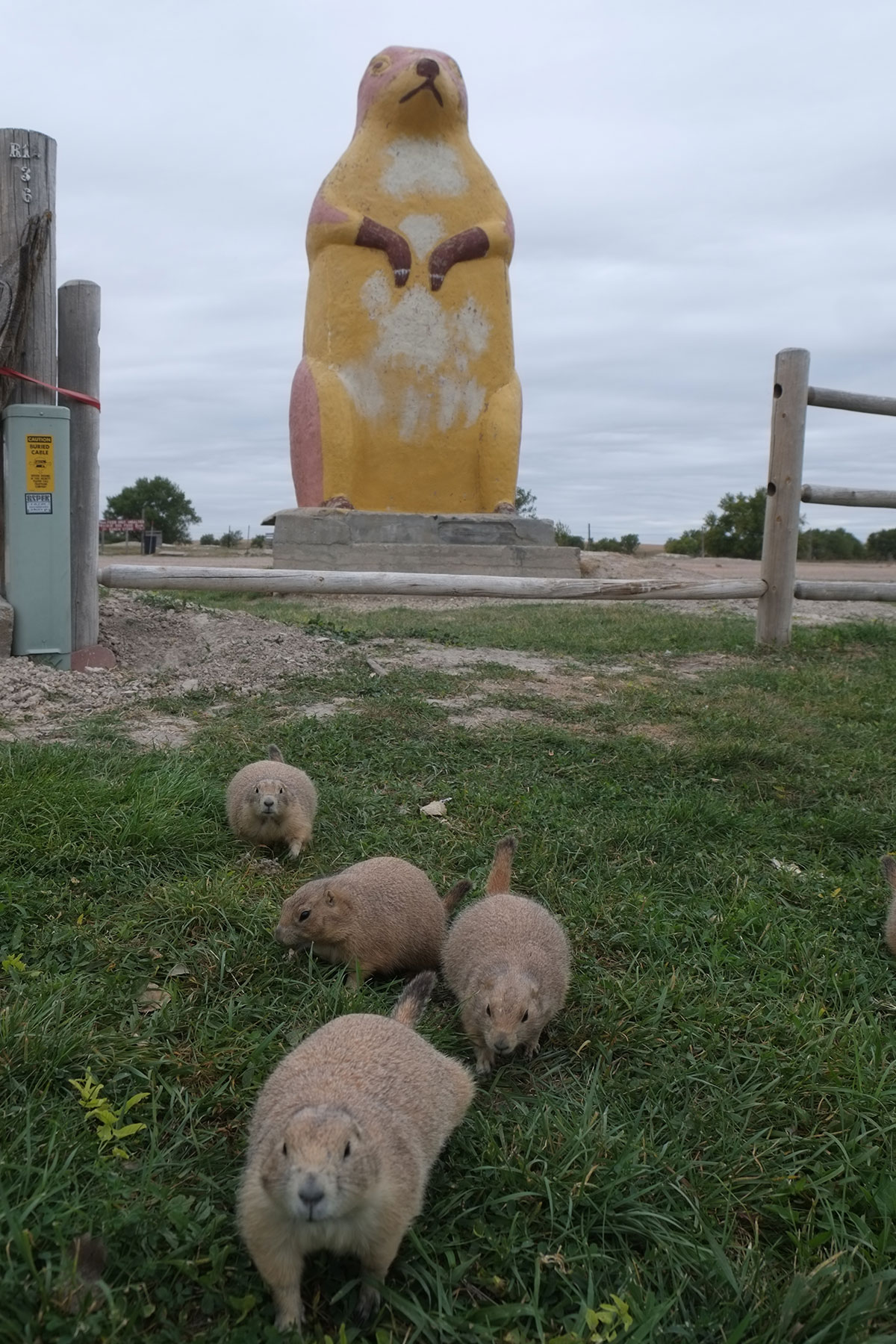
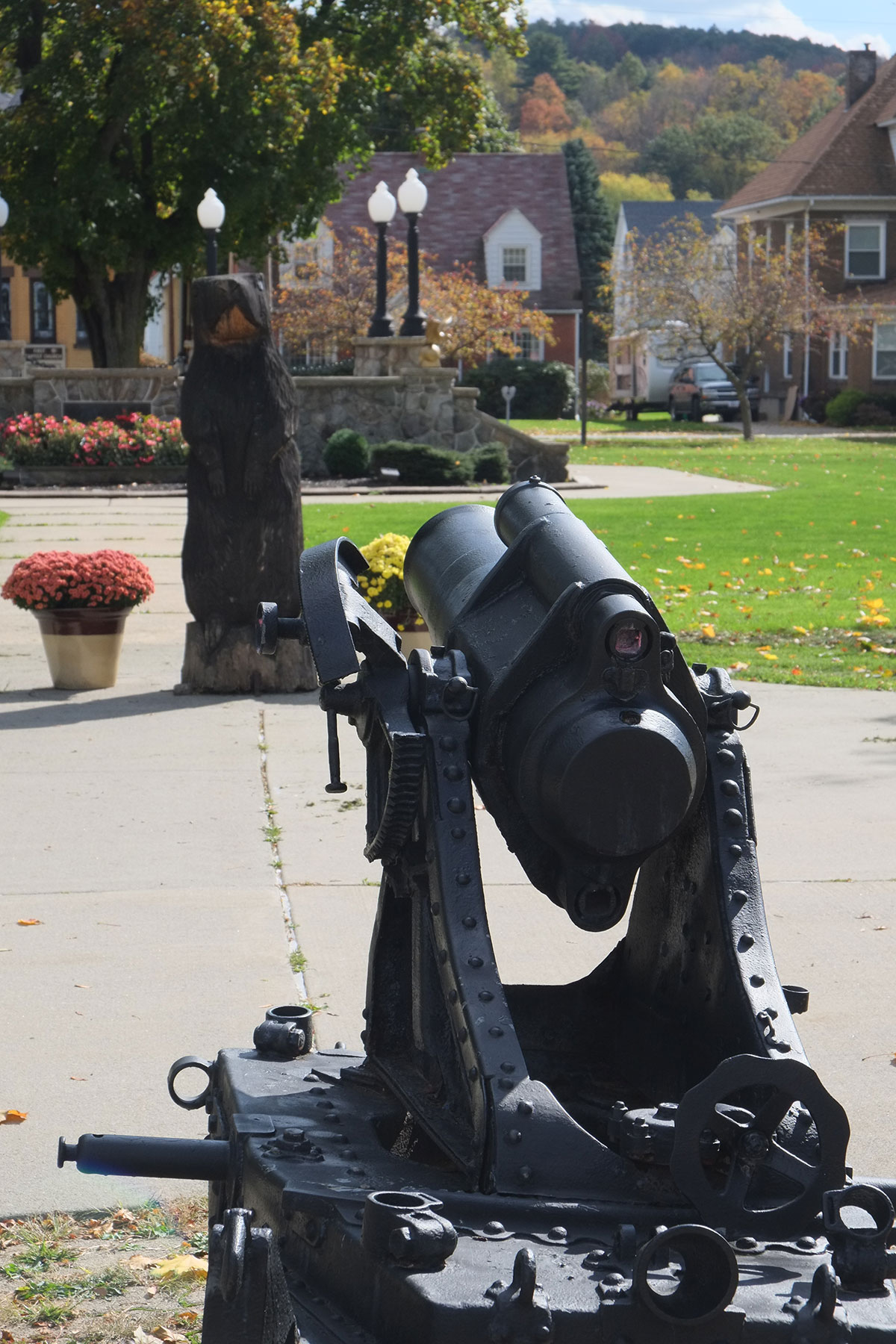
Among the many icons of Phil in the town, we noticed this one, which looked strangely familiar.DSCF1548 DSCF8616

The large, adorable, rodent gods seem to be taking over the country, but in Punxsatawney, unlike South Dakota, they are fighting back:DSCF1549

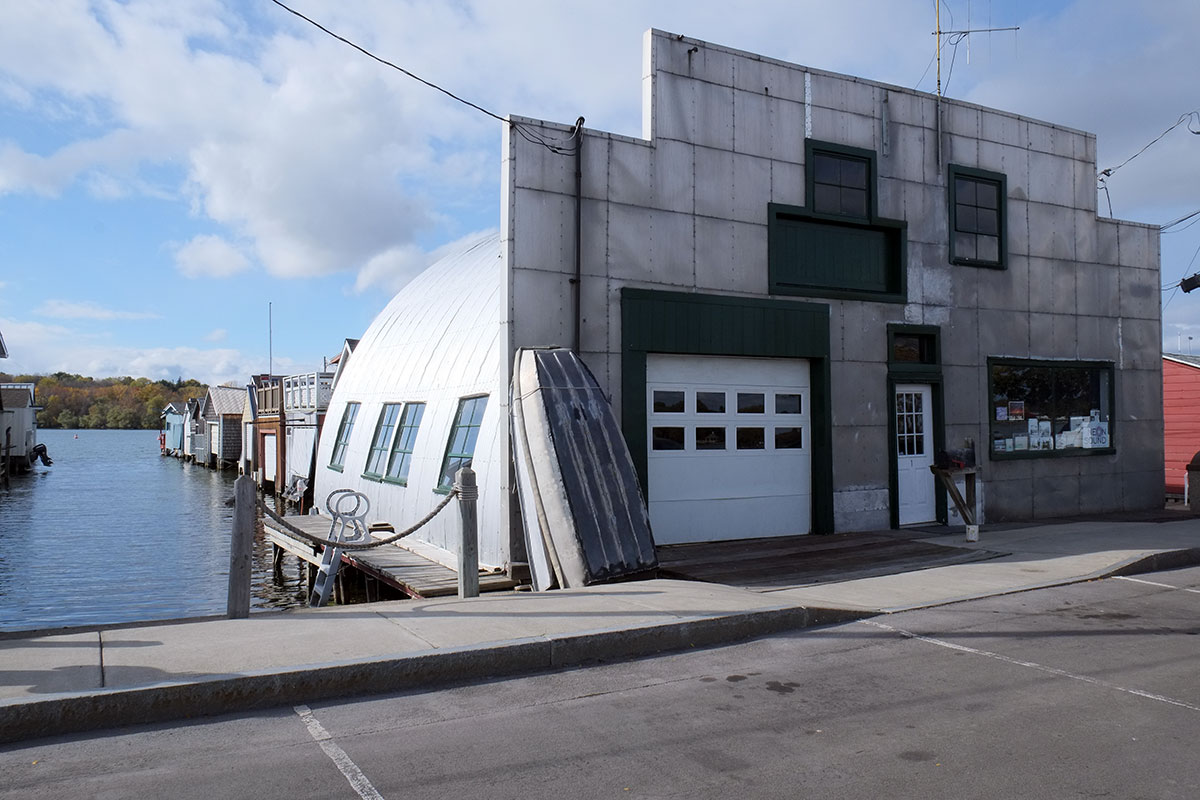
In upstate New York, we drove on Route 20, which hit the northern end of many of the Finger Lakes, a part of the state I (and most downstaters) had never visited.  Canandaigua had some cool houseboats DSCF2130

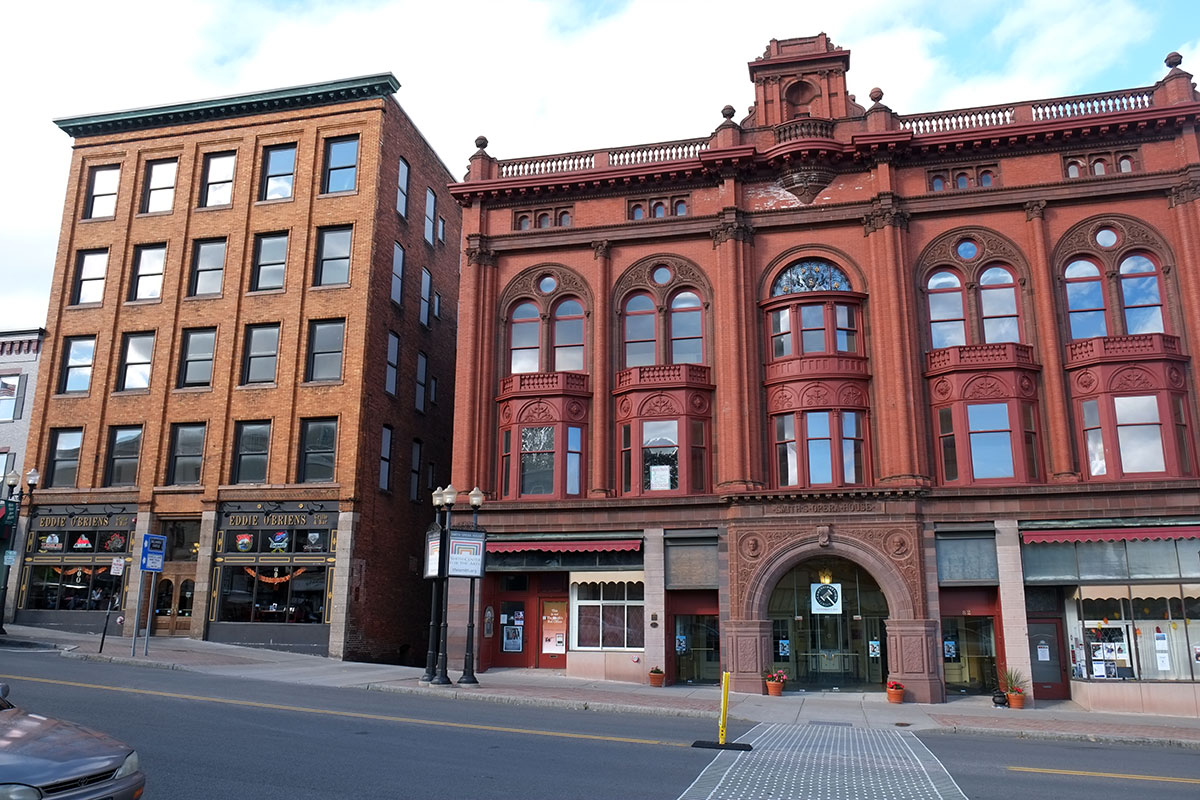
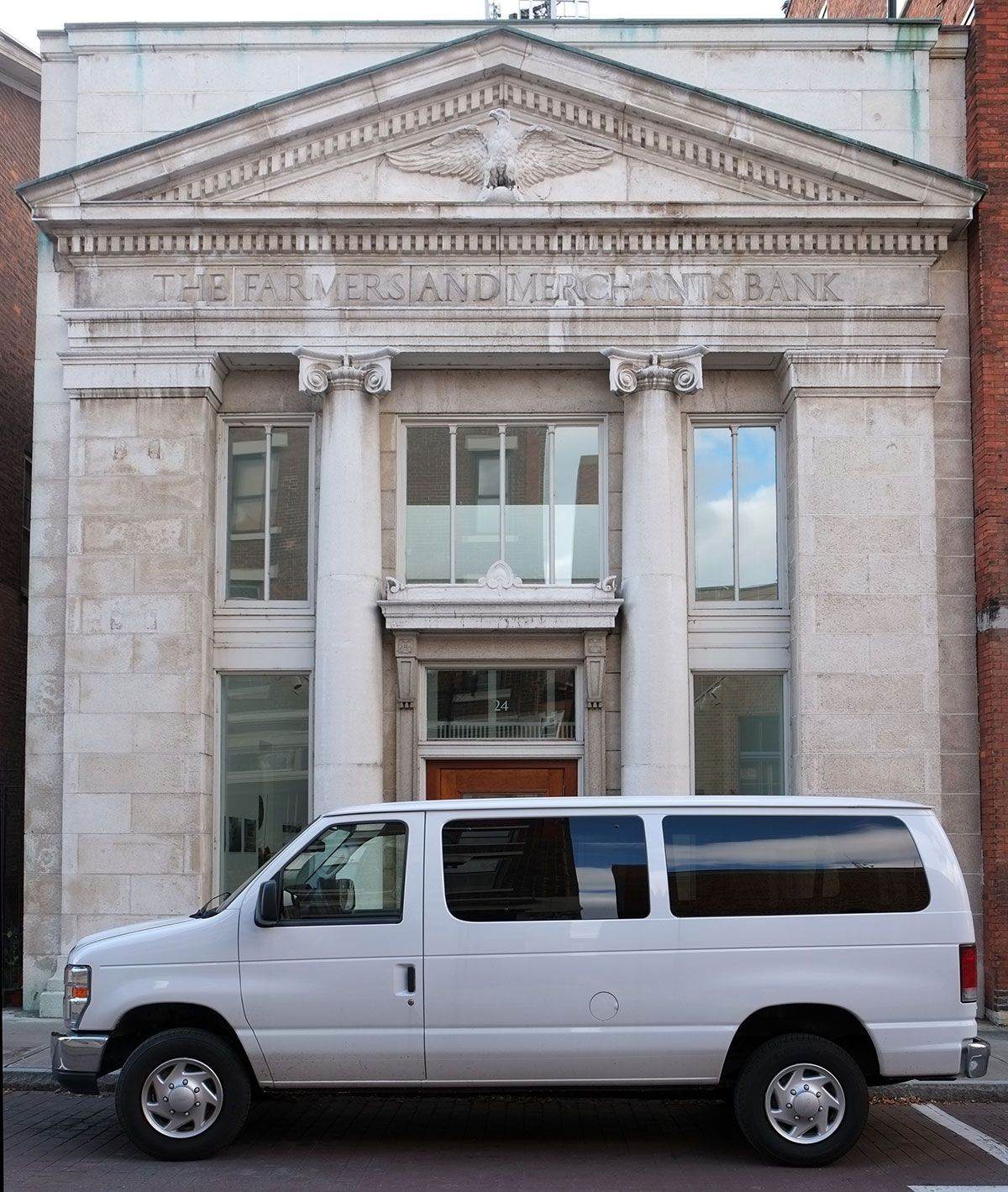
While Geneva fell into the recurring category of Places that Used to be Prosperous, but still had some interesting buildings.DSCF2145 DSCF2147 DSCF2148

Waterloo had some nice houses in various states of repair.DSCF2152

Skaneateles appears to be the prosperous resort town on the road, with beautifully restored houses, and a thriving main street – the first place we could find a cup of coffee, in the Land that Starbucks Forgot.DSCF2154 DSCF2155 DSCF2160

and in Sharon Springs, this highly-wrought and astoundingly maintained church.  Nice church, interesting steeple, but I’m not sure they’re getting along.DSCF2219

There we were, far away from the City and coastal civilization as know it, and Ithaca was still too far away to be worth visiting.  It really is the most isolated spot in the east.

Rochester Unitarian Church

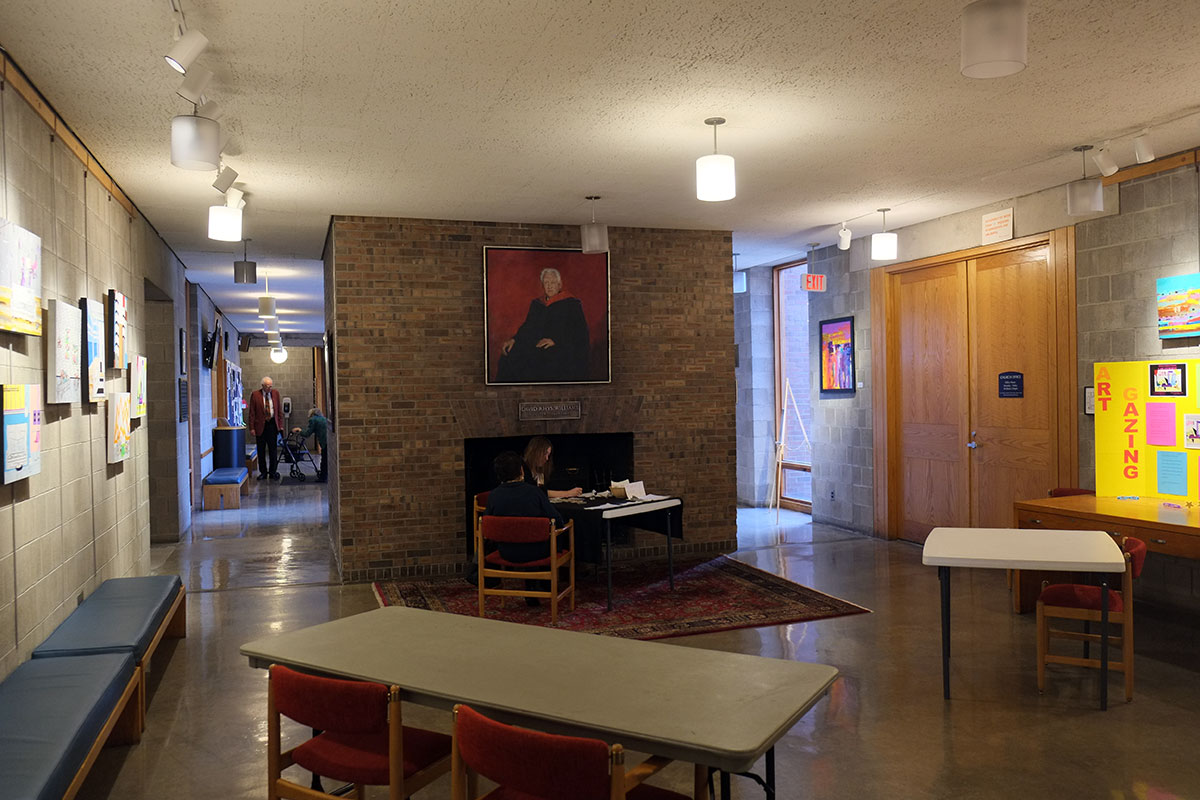
Lou Kahn buildings are really hard to see.  There aren’t very many, and they are all in hard-to-reach places, like Bangladesh, or Ft. Wayne, Indiana.  I’d only managed to see six before starting this trip and I hope to catch four or five more this year.  At the top of the list is the Unitarian Church in Rochester.

Because they are so hard to visit, we all know these buildings from publications, and so our images of them are pristine and perfect – brand new architecture, before the weather or human habitation has had a chance to have an impact.  Many of Kahn’s buildings are also maintained in fairly pristine condition – art museums, important institutions – so it is quite amazing to visit one of his masterpieces, and see how it looks after 55 years years of hard use.  DSCF2077

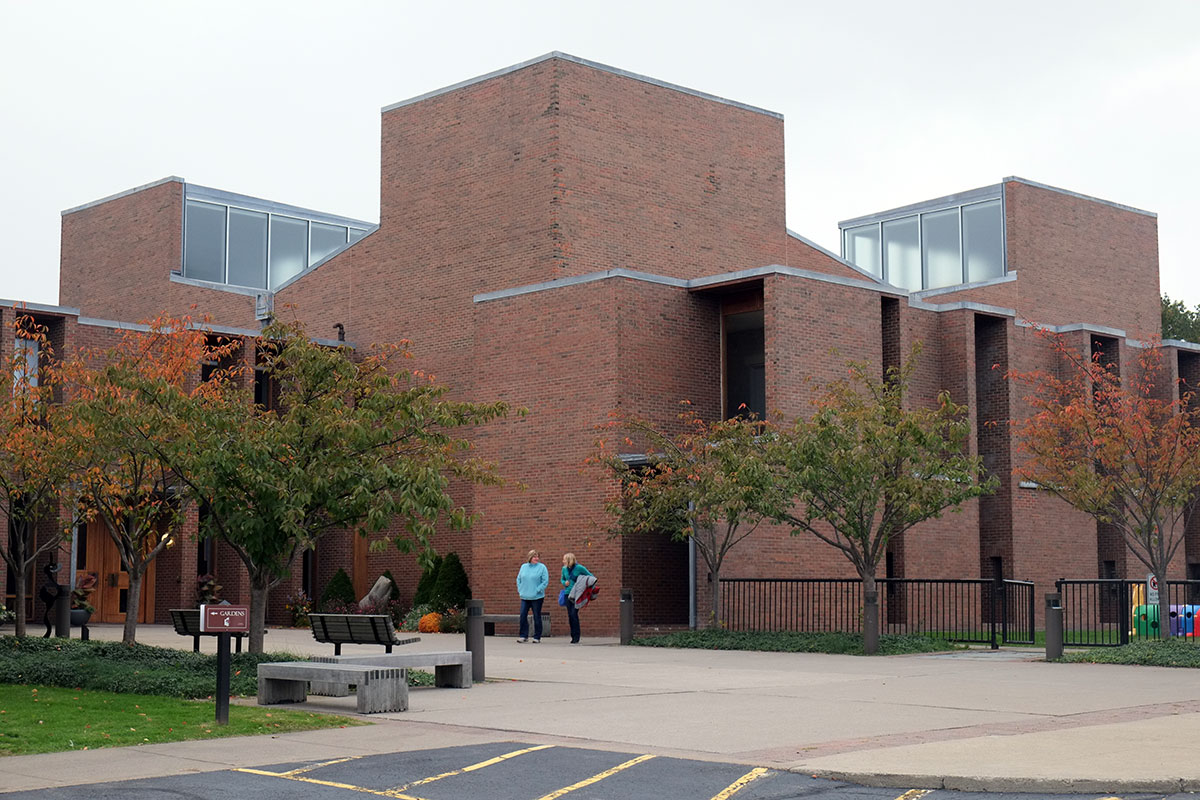
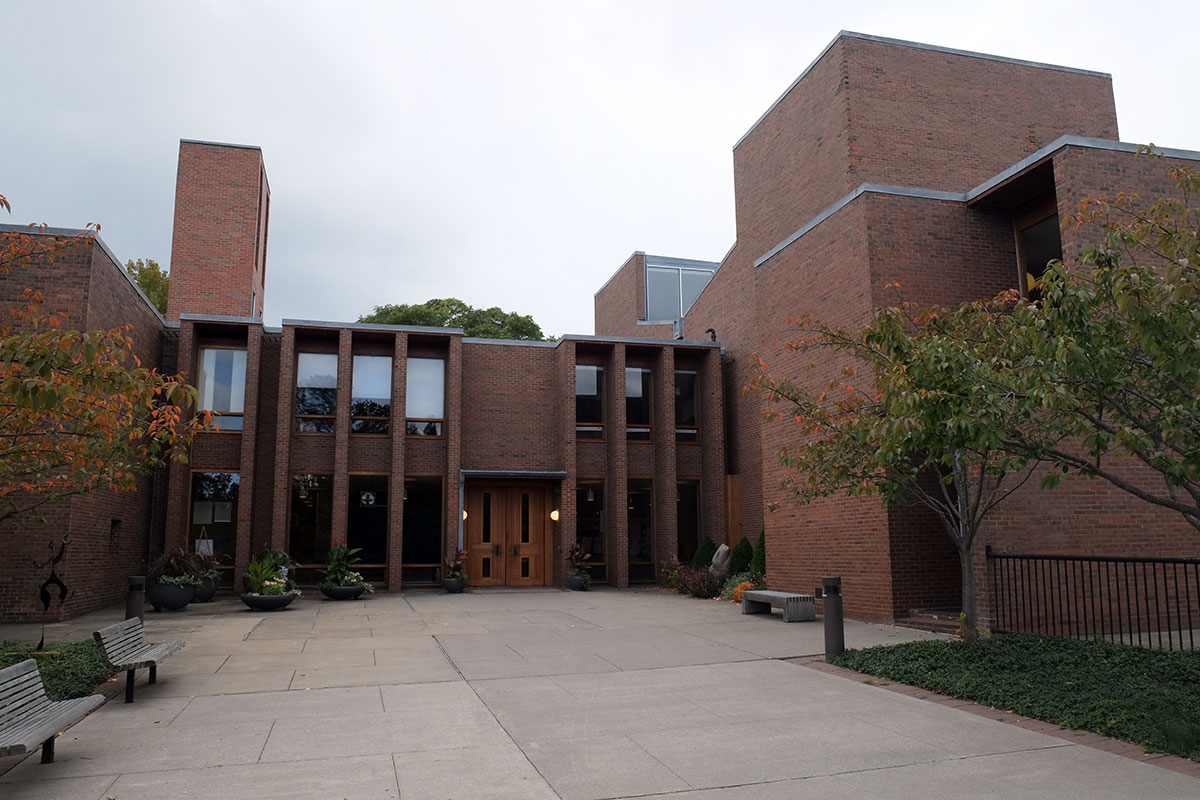
From both the exterior and interior, the quality of the design is most apparent in the rigor and clarity of the parti.  An entry axis, a longitudinal axis that links the major spaces, and the classrooms clustered around the sanctuary.  That is pretty much it, and the development of the idea in the section and the tectonics is what makes the building extraordinary.

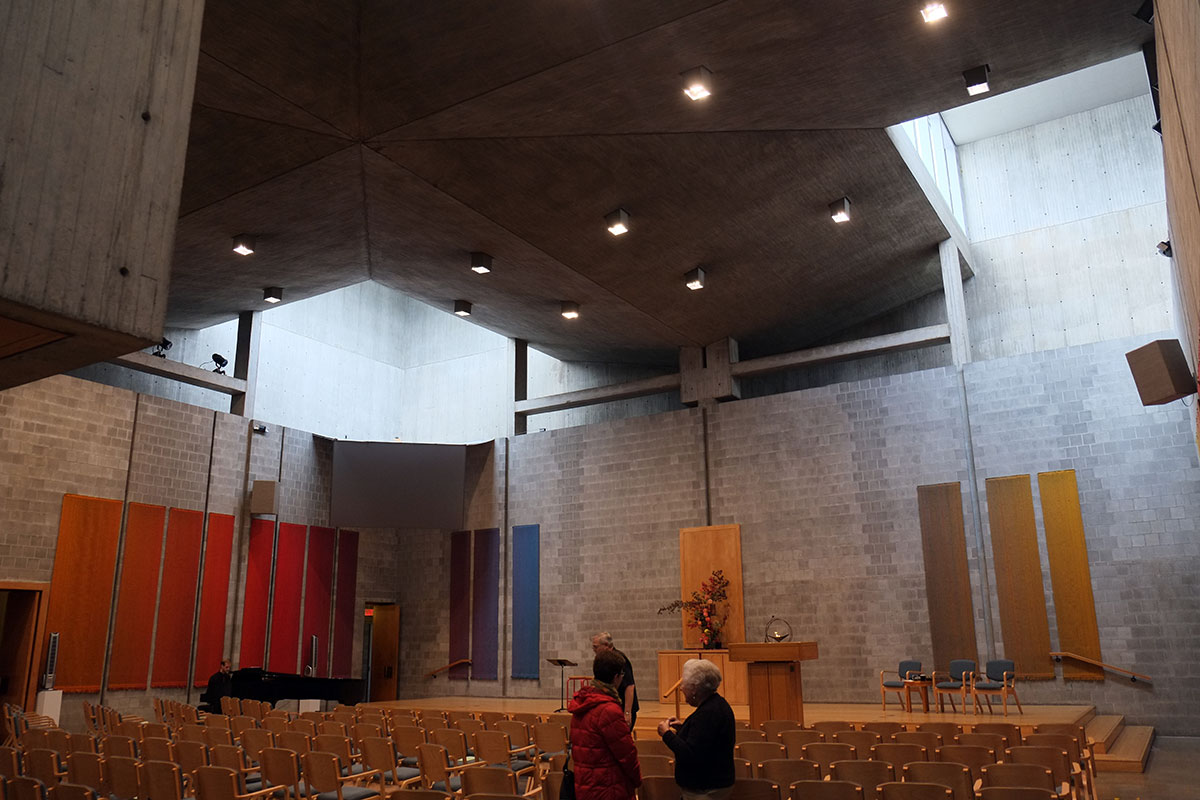
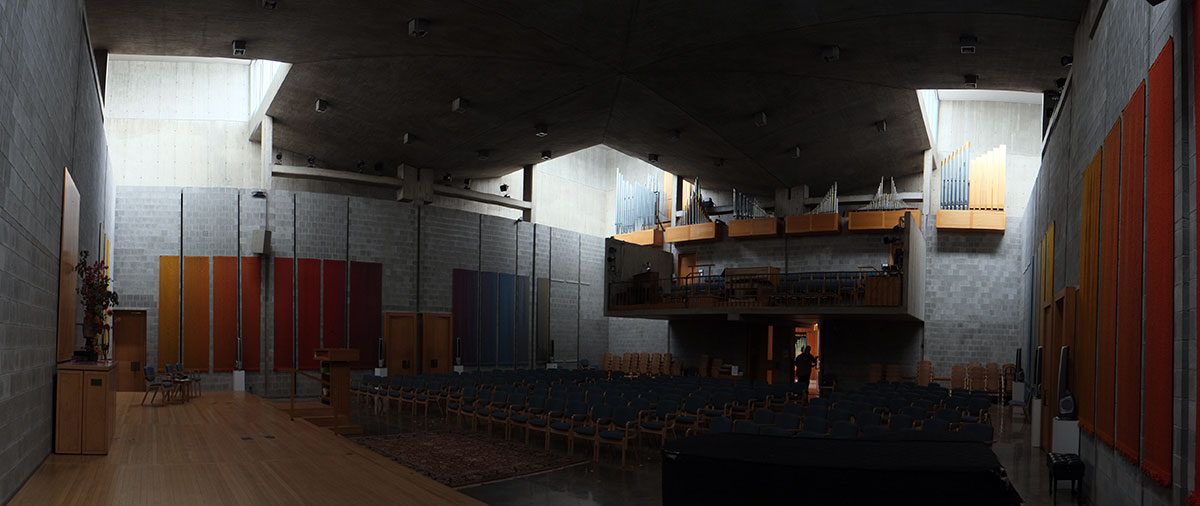
The big spatial/symbolic idea is in the sanctuary.  The four corners are voids under towers with clerestories above.  The concrete lower ceiling is a cross, referring back to the ideal of centralized churches.  DSCF1999

DSCF1998

DSCF2039The plan and section are simple and powerful – big idea, beautifully articulated.

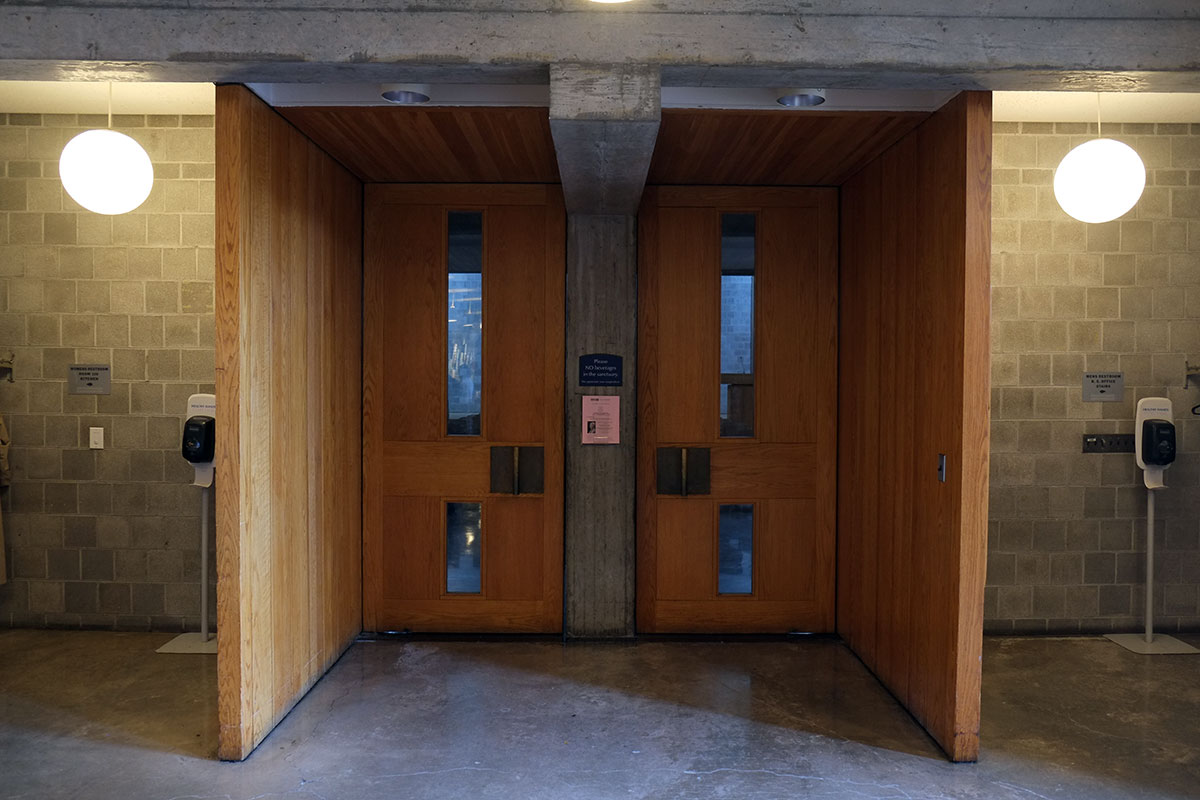
The rest of the interior mirrors this simplicity – the lobby, meeting rooms, transition spaces, classrooms.DSCF2026

DSCF2061

DSCF2060

DSCF2056

a classroom

a classroom

The Miller house in Columbus would have been an austere modernist exercise without Alexander Girard’s furnishings;  here you could argue that when new and empty, the church was severe and perfect, but now there is a relationship between the building (concrete, wood, masonry) and the colorful small-scale stuff (some of which – acoustical panels and space heaters – were necessitated by the materiality of  the building fabric ) that the congregation has added.  It’s noticeable that the order of the design is maintained, despite the random stuff that accumulates in any building that is being well-used.

The exterior looks much as it did when built.  The square plan of the sanctuary is apparent, with the four towers rising up from within the mass of classrooms.DSCF2108

The entry shows something Kahn is always playing with – seemingly symmetrical, but not quite – the off-center center.  Tempering the formality of the axes, showing an inflection towards accommodation.DSCF2070

The integration with the landscape is not something I’d thought about before.  It’s remarkable when seen from down the hill, the soft green of the landscape playing off the severity of the brick.DSCF2096

the office / meeting room wing

the office / meeting room wing

Has a fire exit ever looked this good?DSCF2088

It was instructive to see this the day after the Darwin D. Martin house.  There are similarities – the axiality, the use of massive brick piers/towers instead of walls, the solidity of corners – but the big difference is in the development.  Wright articulates the articulations, with an ever-cascading sequence of scales at which the idea can be developed.  Kahn goes about two levels of articulation down from the parti.  Wright looks for every opportunity to play with the idea, Kahn boils it down to just the essentials.

Frank Lloyd Wright, Part 2

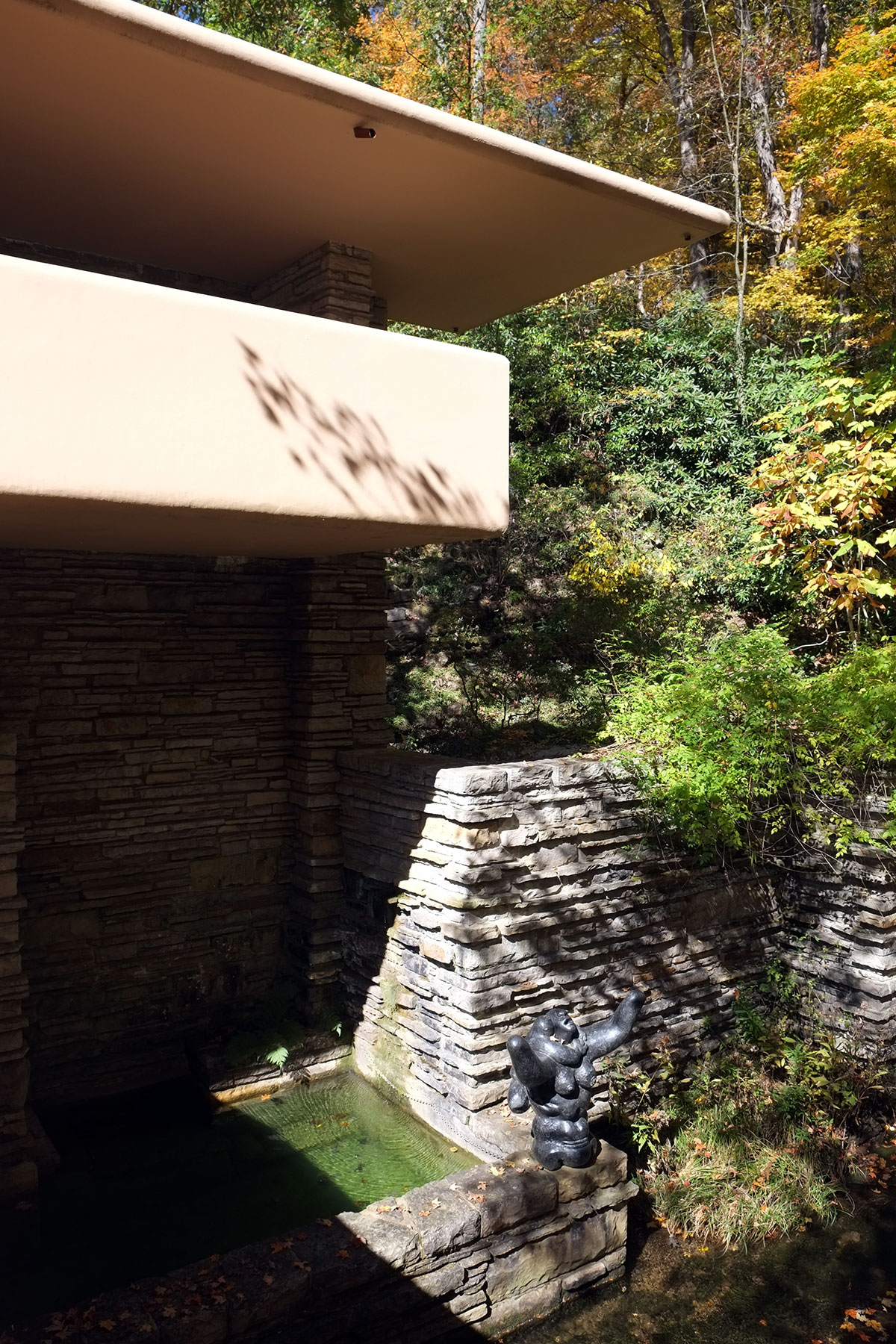
In the past two weeks we visited two of FLW’s masterpieces – Fallingwater and the Darwin D. Martin house in Buffalo.  They are both so well known and documented that I don’t what I can add beyond a few photos and comments.  (Neither of them allows photos inside under normal circumstances, so all my pictures are of the exteriors).

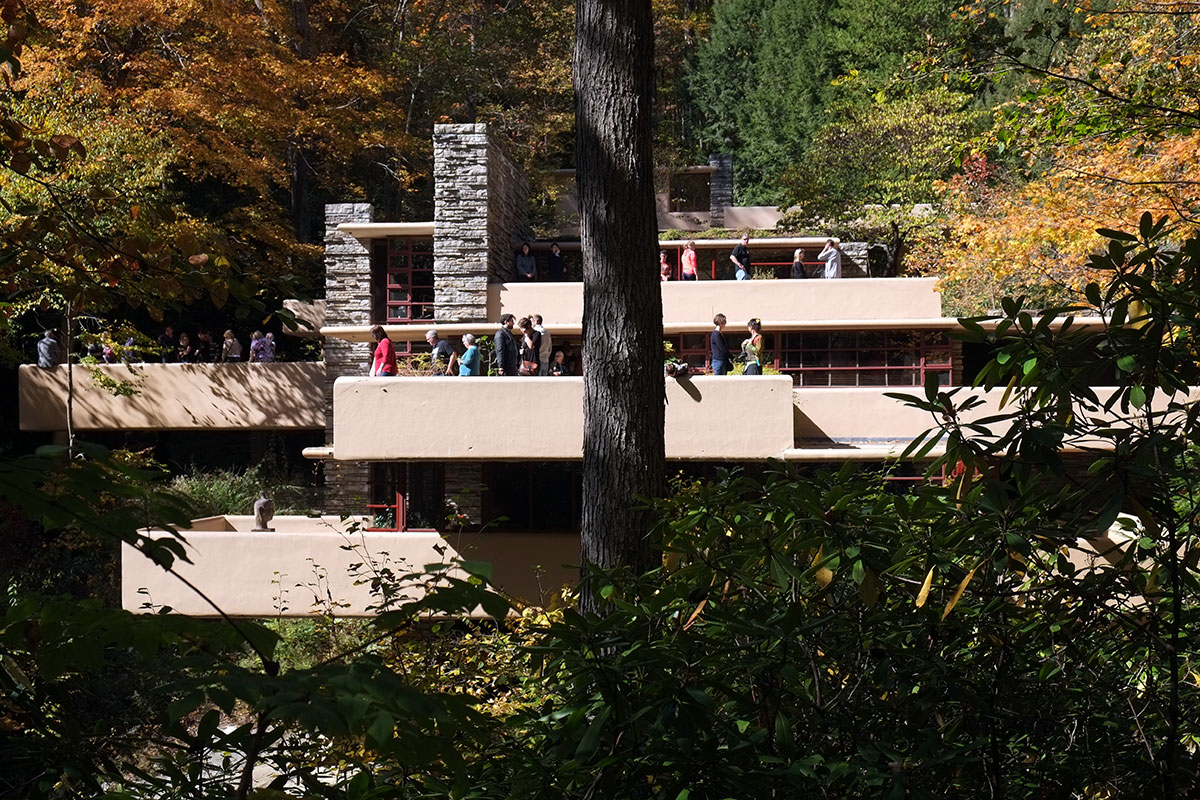
Fallingwater is considered the great house of Wright’s middle period, and it is a tour-de-force.  Every inch has been designed and detailed to perfection.  I must admit that despite years of looking at books about it, I didn’t have a very good idea of its spatial arrangement.  After visiting it, the reason for that is now clear to me – it doesn’t have one big spatial organization, it is rather a series of perfect parts that are really quite isolated from one another

the little entry door on the left

the little entry door on the left

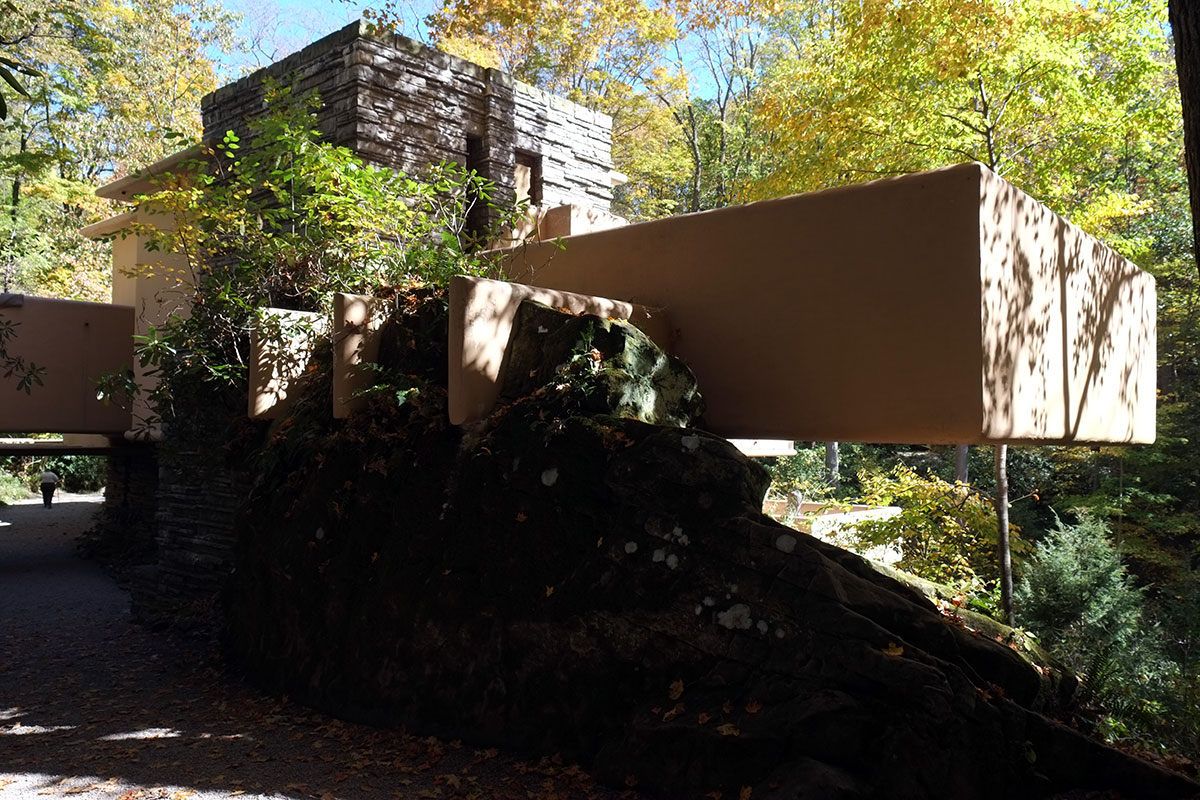
For each part, the big move is the connection between the interior space and the exterior terrace/tray.  These are then pinwheeled around the central mass.  One moves between the parts on very tight stairways attached to the mass.  From the outside, the parti of cantilevered trays is obvious; from the inside, you can understand the logic of each part, but never comprehend the whole.

the concrete trays

the concrete trays

the swimming hole

the swimming hole

the beams anchored in the native rock

the beams anchored in the native rock

We now live in age where the open plan (and open section) are dominant;  it is instructive to see how fantastic a house can be when it is divided up into discrete parts.

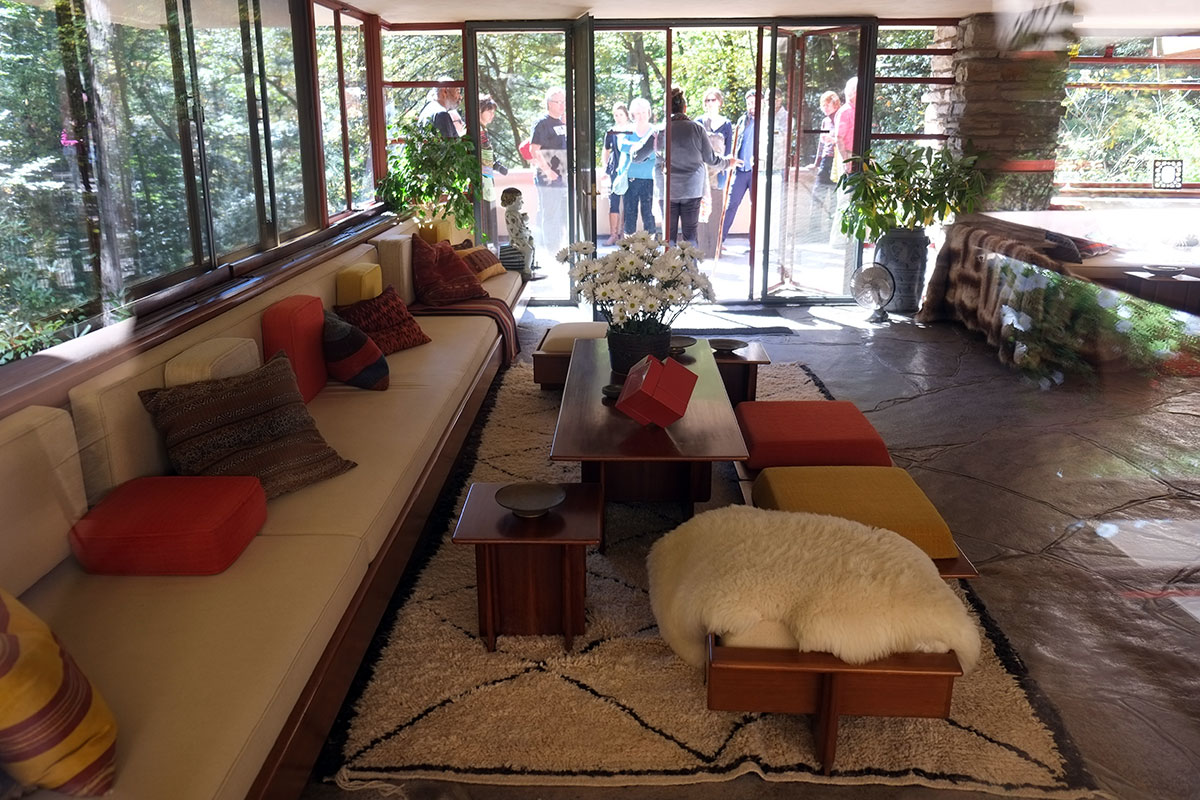
looking into the living room from the a terrace

looking into the living room from the a terrace

Edgar Kaufman Jr. was an apprentice of Wright’s, and convinced his parents to hire Wright to design Fallingwater.  In the 1980s he was one of my professors, co-teaching a seminar on Wright at Columbia.  It was a great course, and he was a lovely man, with a courtly manner, a beautiful voice, great reminiscences and insights into Wright, and the best wardrobe of anyone I knew in New York.  In homage to him, I wore a nice tweed jacket while touring the house (instead of the normal tourist garb), and as I paused besides the tray of cocktail ingredients by the fireplace, I felt that he would have approved.

Why don't they have tours where they let you mix a drink and sit by the fireplace?

Why don’t they have tours where they let you mix a drink and sit by the fireplace?

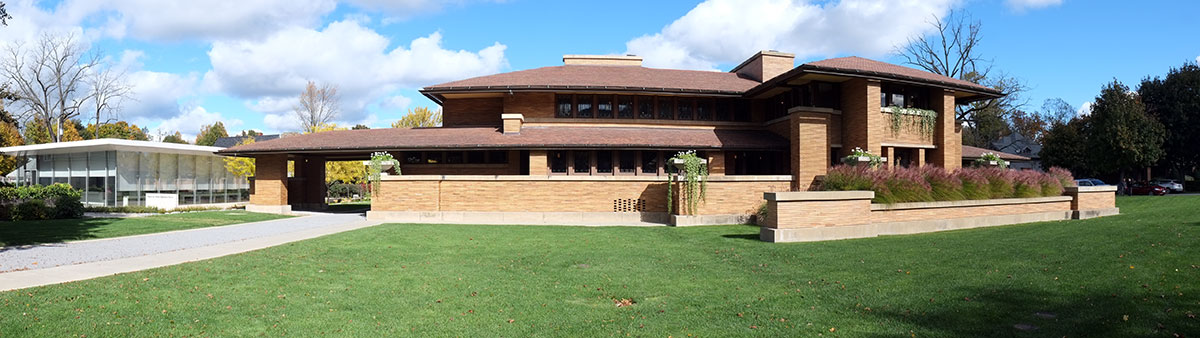
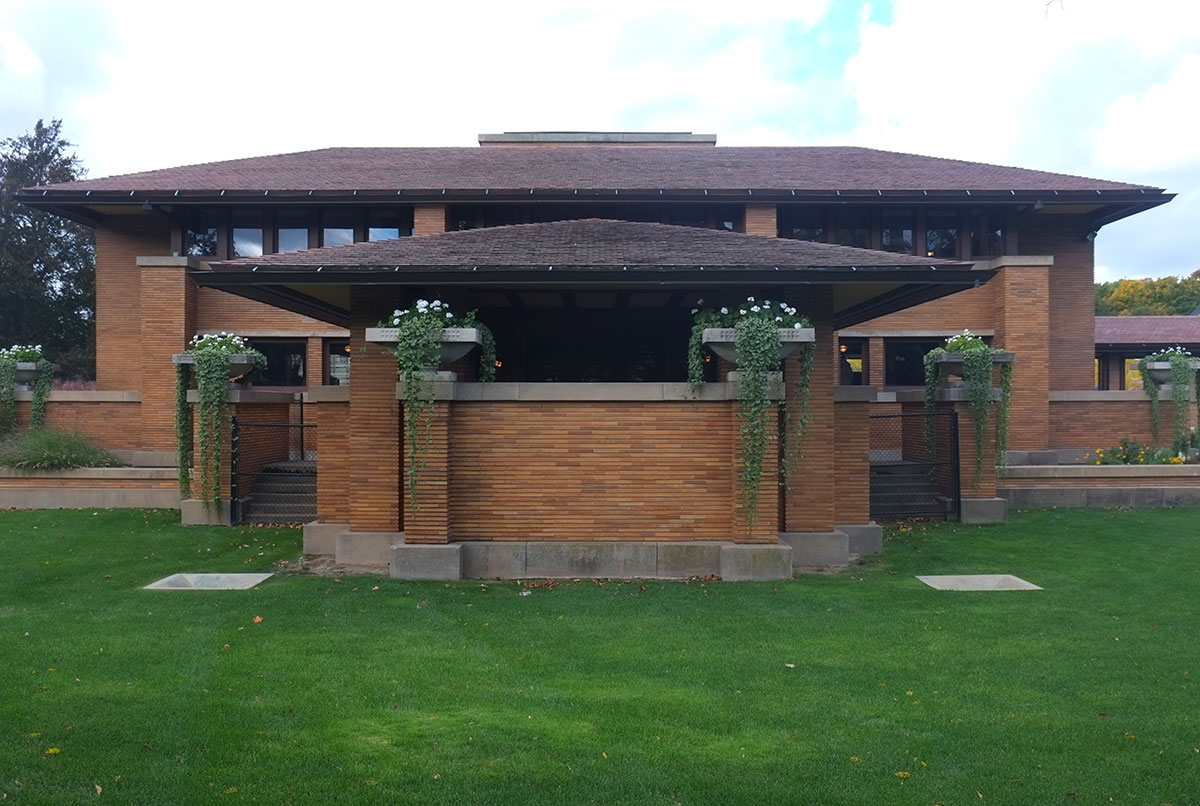
The Darwin Martin house has been restored by a non-profit over the past two decades or so.  The main house had survived in bad condition, as had the Barton house (built for Martin’s sister) and the gardener’s house.  But the carriage house and pergola had been demolished long ago, so the foundation undertook the complete reconstruction of them based upon Wright’s original drawings and photographic documentation.  All of this work is painstaking and beautifully done, as is the restoration of the main house.

the complex

the complex, Barton house on the right

front elevation

front elevation

the main terrace

the main terrace

We had an excellent docent on the tour, who spoke of how Wright regarded this as his summa project, the one that accomplished everything he wanted.  Having seen many other early Wright houses, I’d agree.  He had an unlimited budget, and he used it to pursue every idea and piece to its most developed state.  Nothing that could be developed or elaborated has been left alone.  Sometimes it’s a bit much – there are just so many idea and moves and articulations.  But it all fits together seamlessly – the underlying logic of the overall scheme is always apparent, and the development at successive scales reads perfectly – it’s like a rectilinear fractal.

the service entry

the service entry

the backyard seen through the porte-cochere

the backyard seen through the porte-cochere

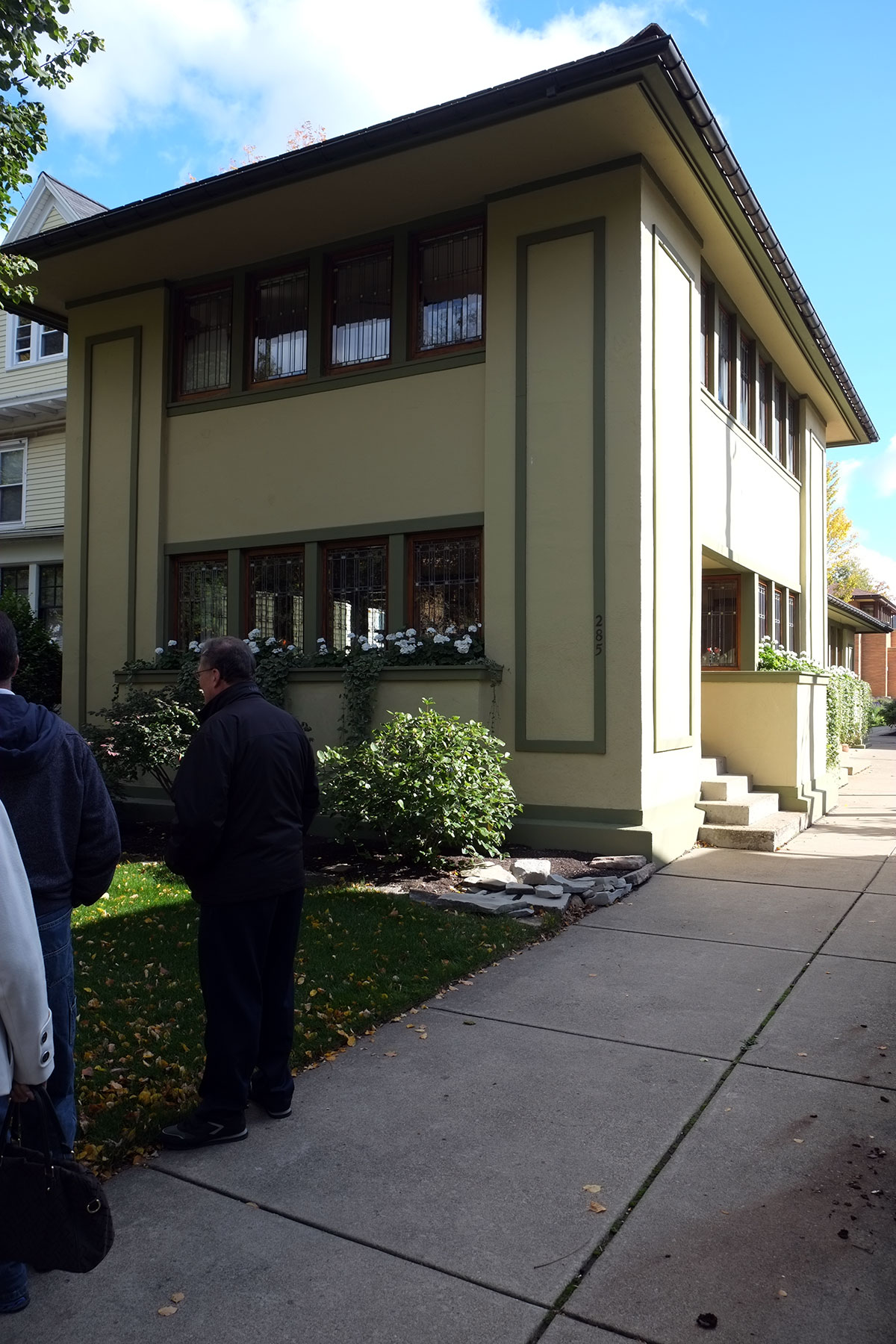
The Barton and gardener’s houses are much smaller and simpler, and the contrast with the main house was intriguing, as one could see the bare bones spatial organization without the endless development.

The Barton house

The Barton house

the gardener's house

the gardener’s house

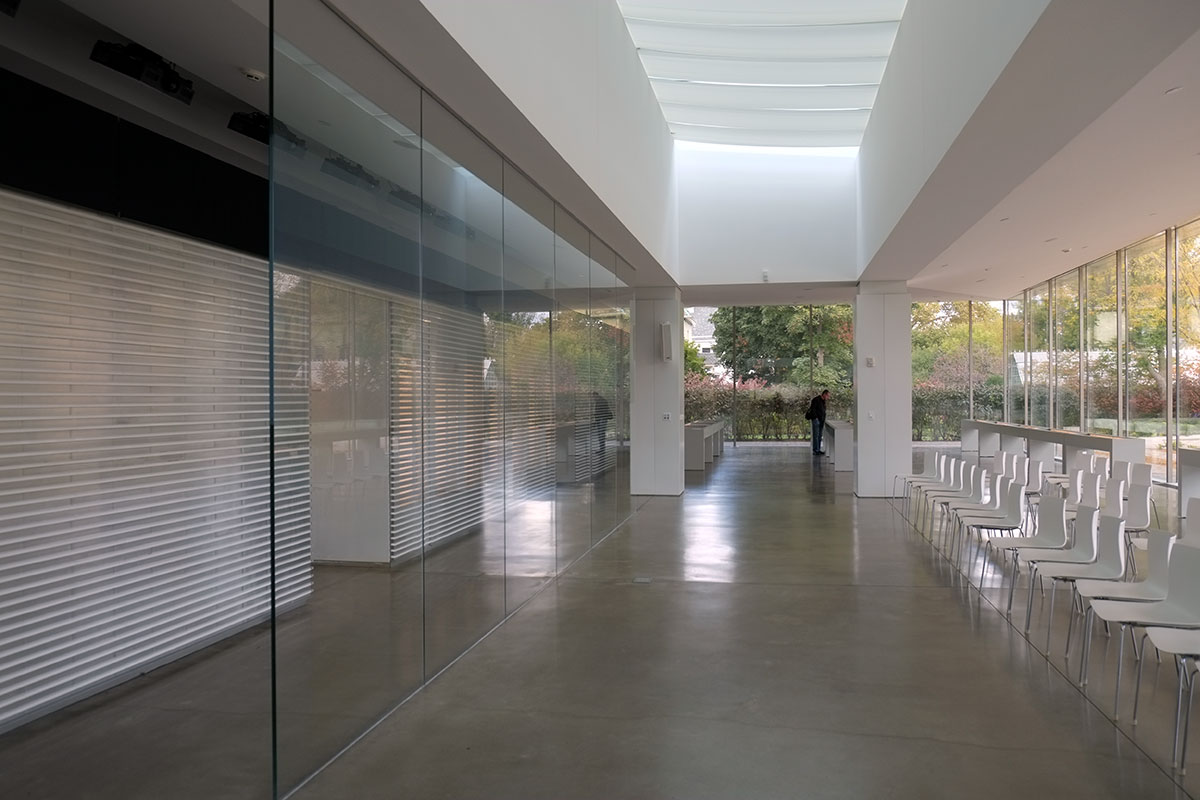
Toshiko Mori designed the adjoining visitors’ center, which plays with some of Wright’s ideas (cantilevered roof, rigid modular plan) with very different materials and tectonics.  It’s a fine little building, one which doesn’t compete with the house, but which has its own integrity and logic.

the introductory video is projected onto the glass panels on the left

the introductory video is projected onto the glass panels on the left

DSCF1860

The houses confirmed my opinion that you can’t really understand a great building until you visit it.

Selfies, Part 3 (including the ultimate Safe Bison-Selfie™)

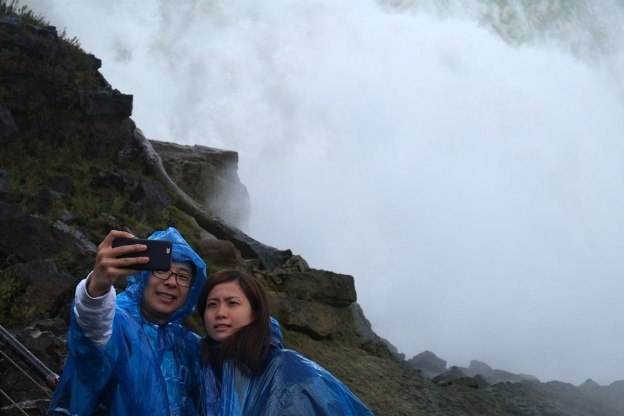
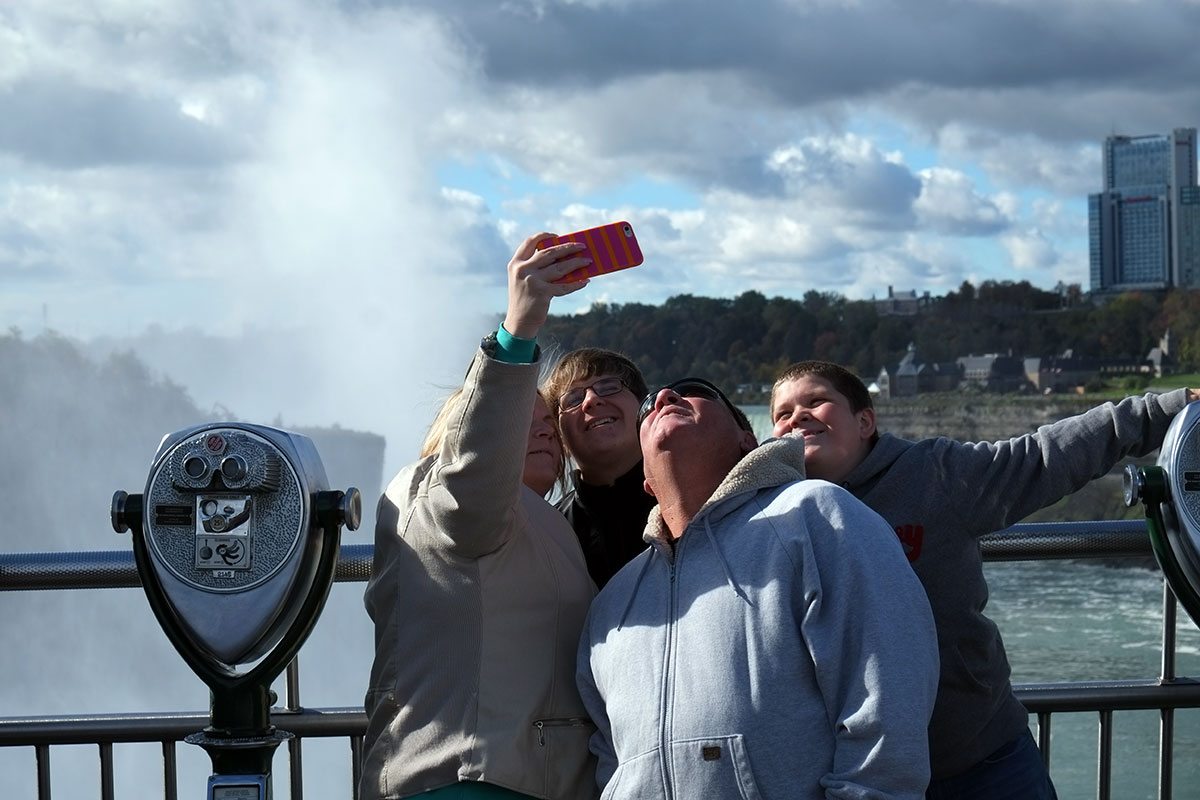
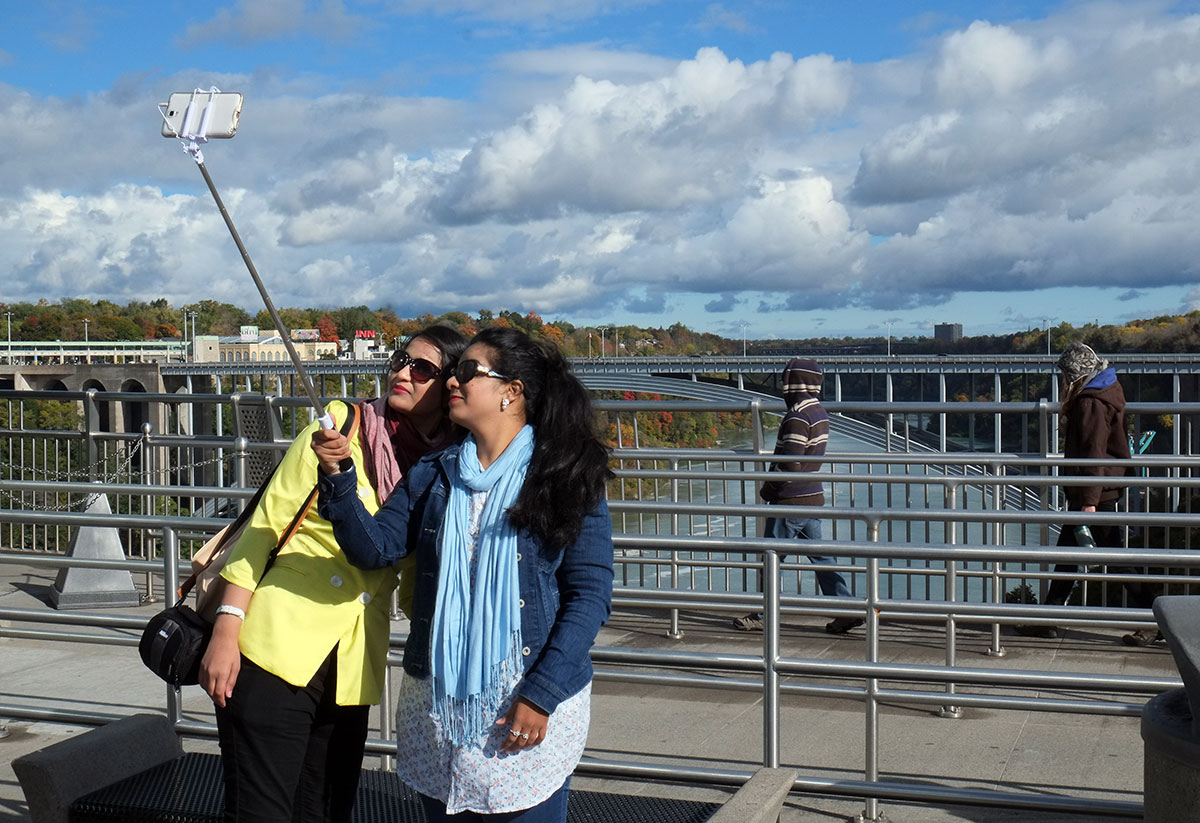
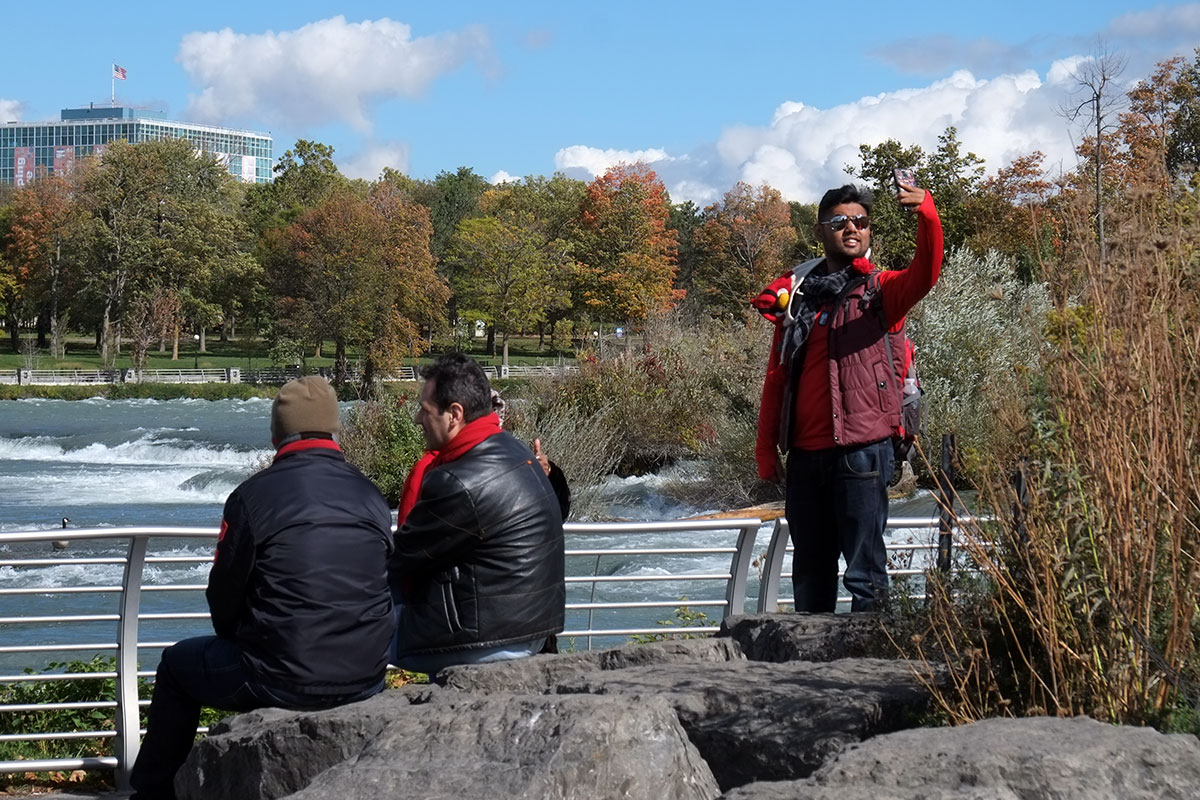
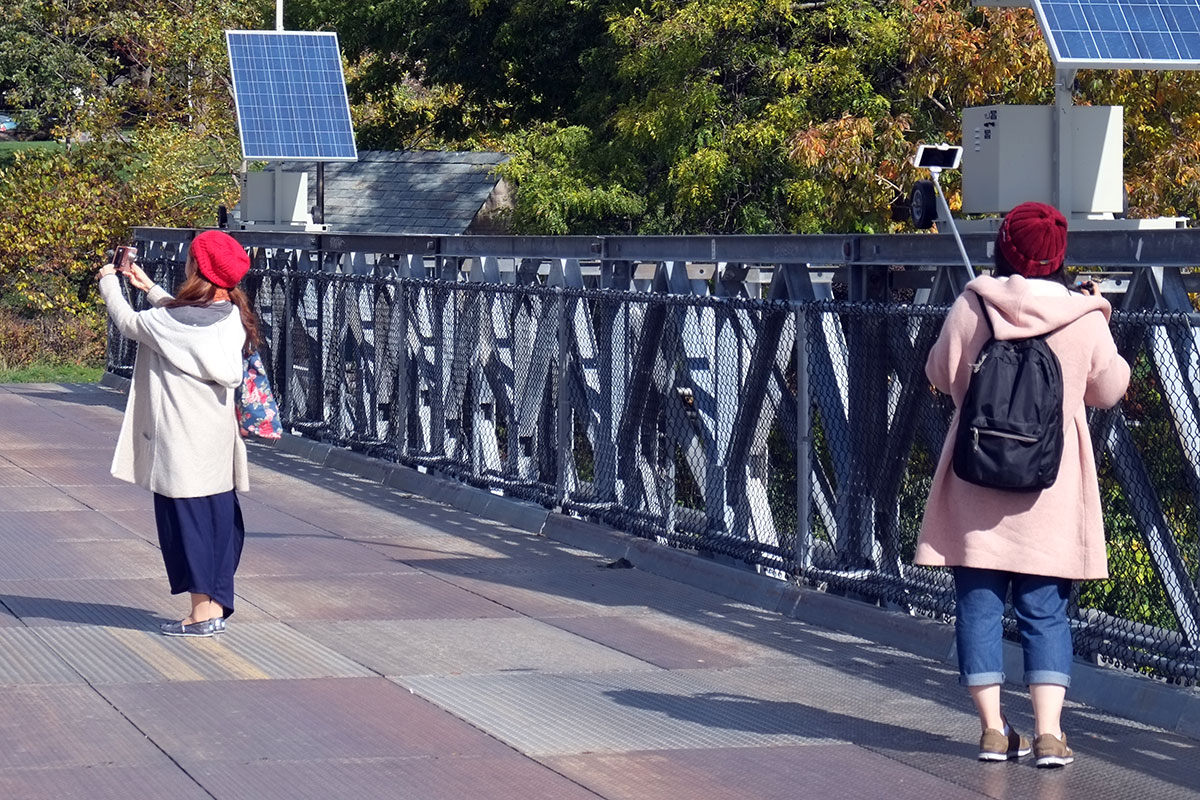
Since Mt. Rushmore was a gold mine for selfies, we should have known that Niagara Falls would be another.  The tourists couldn’t resist the lure of the selfie, no matter how wet or freezing they were:DSCF1578

this guy is standing in a dead-end spot which seems to be reserved for selfie-takers

this guy is standing in a dead-end spot which seems to be reserved for selfie-takers

it doesn't matter if the Falls don't appear in your selfie, as long as the lighting makes you look good.

it doesn’t matter if the Falls don’t appear in your selfie, as long as the lighting makes you look good.

DSCF1629

DSCF1681

the girl on the left was spinning in circles, taking a selfie movie!

the girl on the left was spinning in circles, taking a selfie movie!

We thought that the last opportunity for a Safe Bison-Selfie™ had been in Pittsburgh (what could be safer than an extinct bison) but then we realized, we’re in Buffalo!  There must be some good bison opportunities here. And there were:

the stuffed animal Safe Bison-Selfie™

the stuffed animal Safe Bison-Selfie™

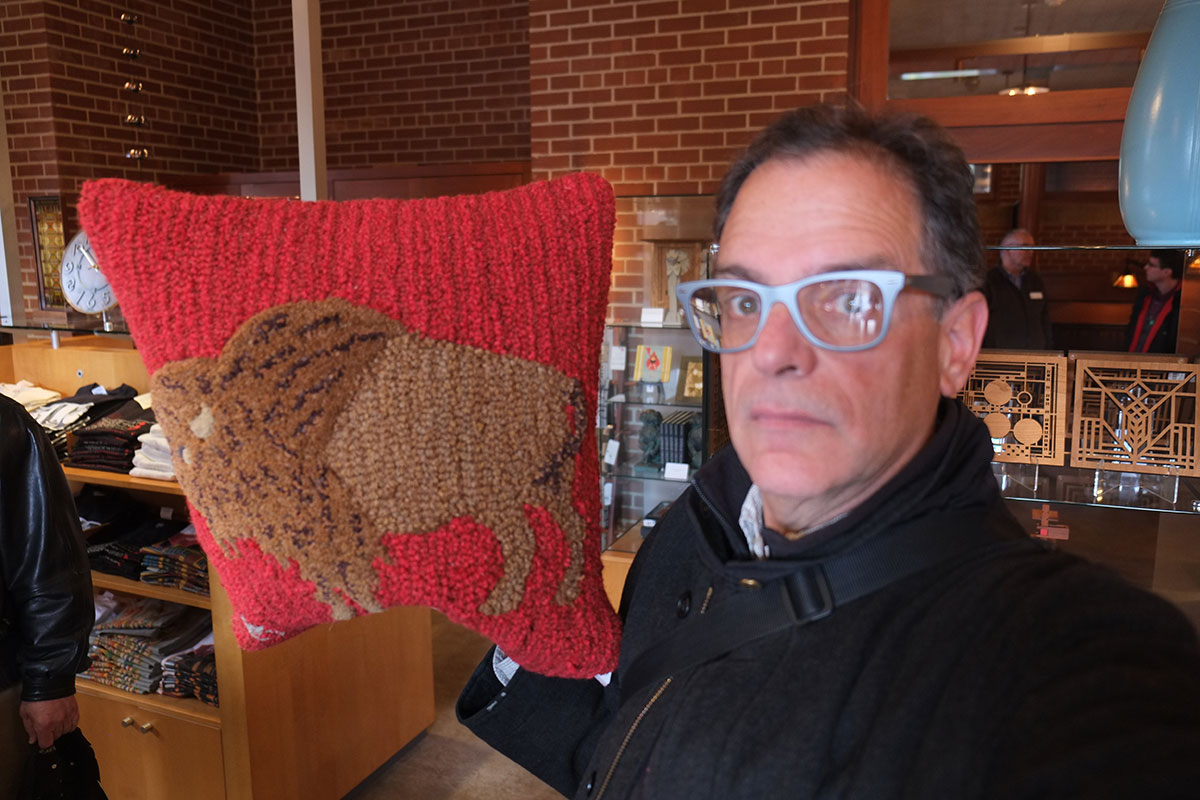
And the Ultimate Safe Bison-Selfie™, with the soft cushions!  (cue Cardinal Biggles):

Somehow, the bison soft cushions were in the gift shop at Frank Lloyd Wright's Darwin D. Martin house. I have no clue.

Somehow, the bison soft cushions were in the gift shop at Frank Lloyd Wright’s Darwin D. Martin house. I have no clue.

Perhaps now our work is truly done.

No, more selfies continue here.

Cataract

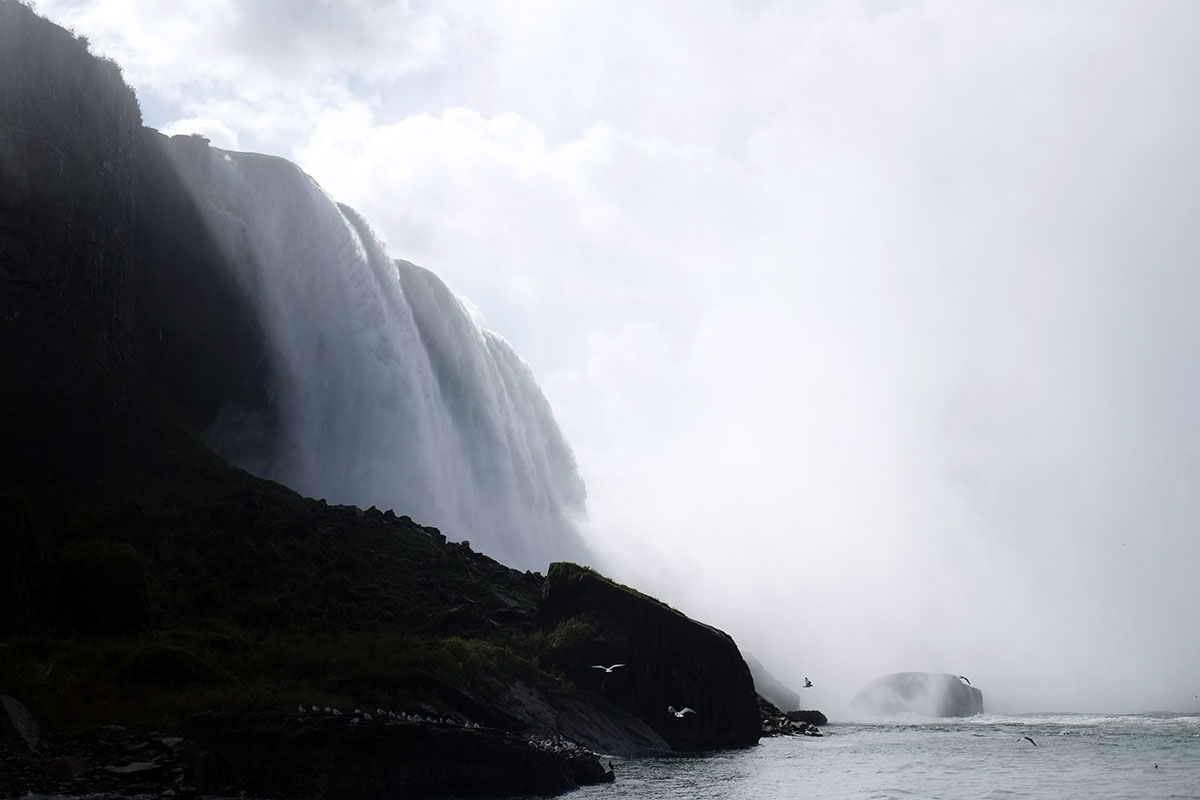
Just as there are celebrities who are famous for being famous, there are tourist attractions that are popular just because they are popular. Then there are tourist attractions that are popular because they are incomprehensibly amazing. If you haven’t been here yet (and I find that many people haven’t), go, and get as close up as you can. I had been here a few times as a kid and thought it was cool, and I wondered if it would seem familiar this time. It didn’t. Greta was blown away (literally).DSCF1608

DSCF1618

DSCF1656

DSCF1593

Kim and Sarah Carlsen

This post on social media is about the efficacy of social media.  After I put up a picture taken in Pittsburgh, I got a note from Kim Carlsen, who is married to my nephew Ben, and lives in Colorado.  Where are you, she asked, and when I sent her the details of our location at Powdermill Nature Reserve, she replied that she was visiting her parents in Berlin, PA, 30 miles away.

So the next morning she and her daughter Sarah came by for a brief visit.  Greta and her cousin Sarah went to watch some bird-banding, and to take a walk in the woods to get away from their parents, while Kim and I sat and had coffee.  It was an unexpected pleasure on our trip, and it wouldn’t have happened without Facebook.

One month on the road

We’ve driven 3900 miles through 14 states in a month, and haven’t really driven each other crazy yet.  We’re in Buffalo now, heading across NY State and into Massachusetts in the next week. We’ve been having so many great experiences in rapid succession that it feels like we’ve been gone for six months; it’s hard to conceive that we’re only about 1/8 through the trip.  The blog is about a week behind, and as soon as we hit a boring patch we’ll catch up.  Cheers!