Smithsonian Natural History Museum

Beware of tigers

Beware of tigers

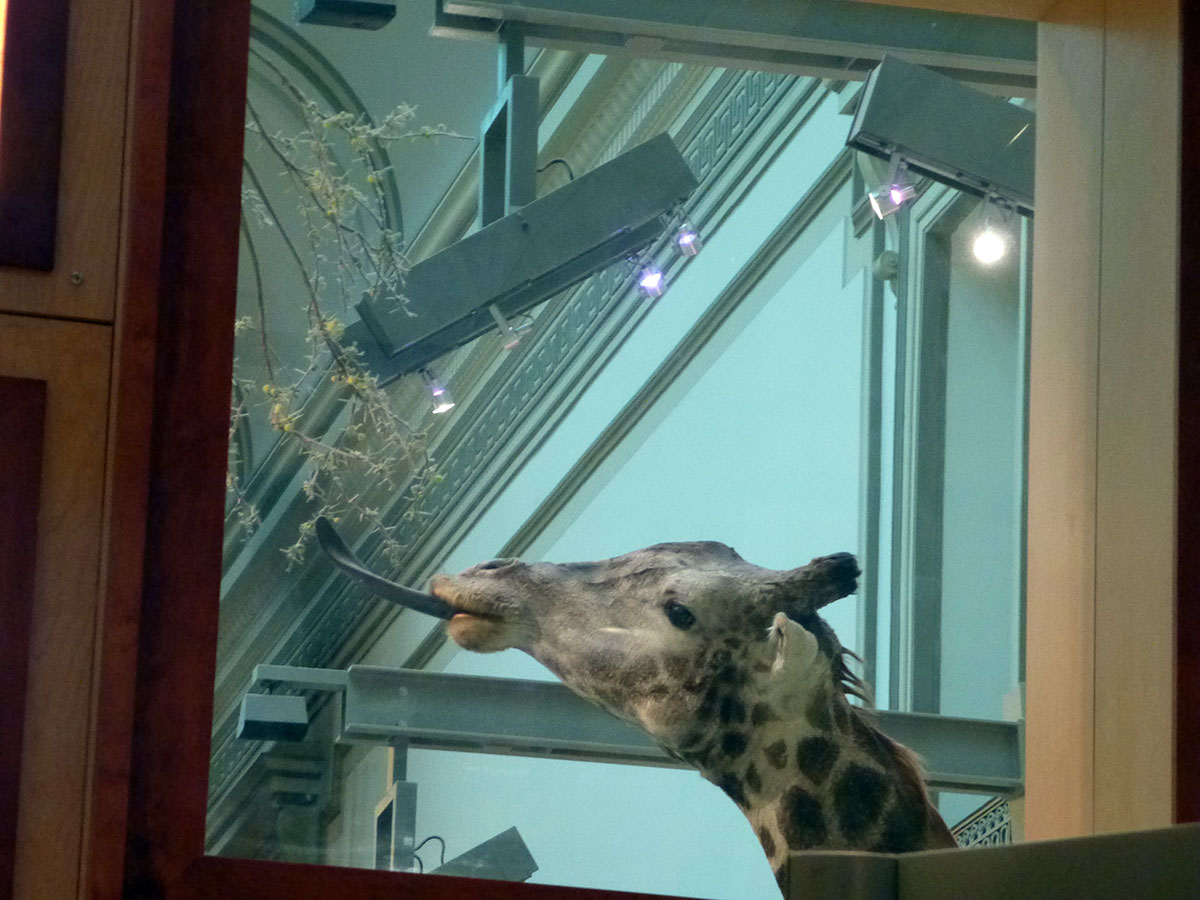
If you enter from the National Mall side of the Smithsonian Museum of Natural History in Washington DC, the first thing you see is a mounted bull African Elephant. It is the largest taxidermied specimen in the world, of the largest land animal. On your left continues the Great Mammal Hall. In its entrance, a Bengal Tiger is posed to pounce on you, and a giraffe waves his tongue in greeting through a window. Though the entrance is not laid out in any order I can find beyond looking cool, it quickly segues into being arranged by continent or environment. The region about Australia, being the only continent to house all three subclasses of mammals, explains the differences between placental mammals, marsupials, and monotremes. I’m a big fan of being allowed to poke stuff, so I liked in the polar area where they had a chilled squirrel statue that you could touch, and feel how cold an animal’s body might get during hibernation.

Giraffe in the window

Giraffe in the window

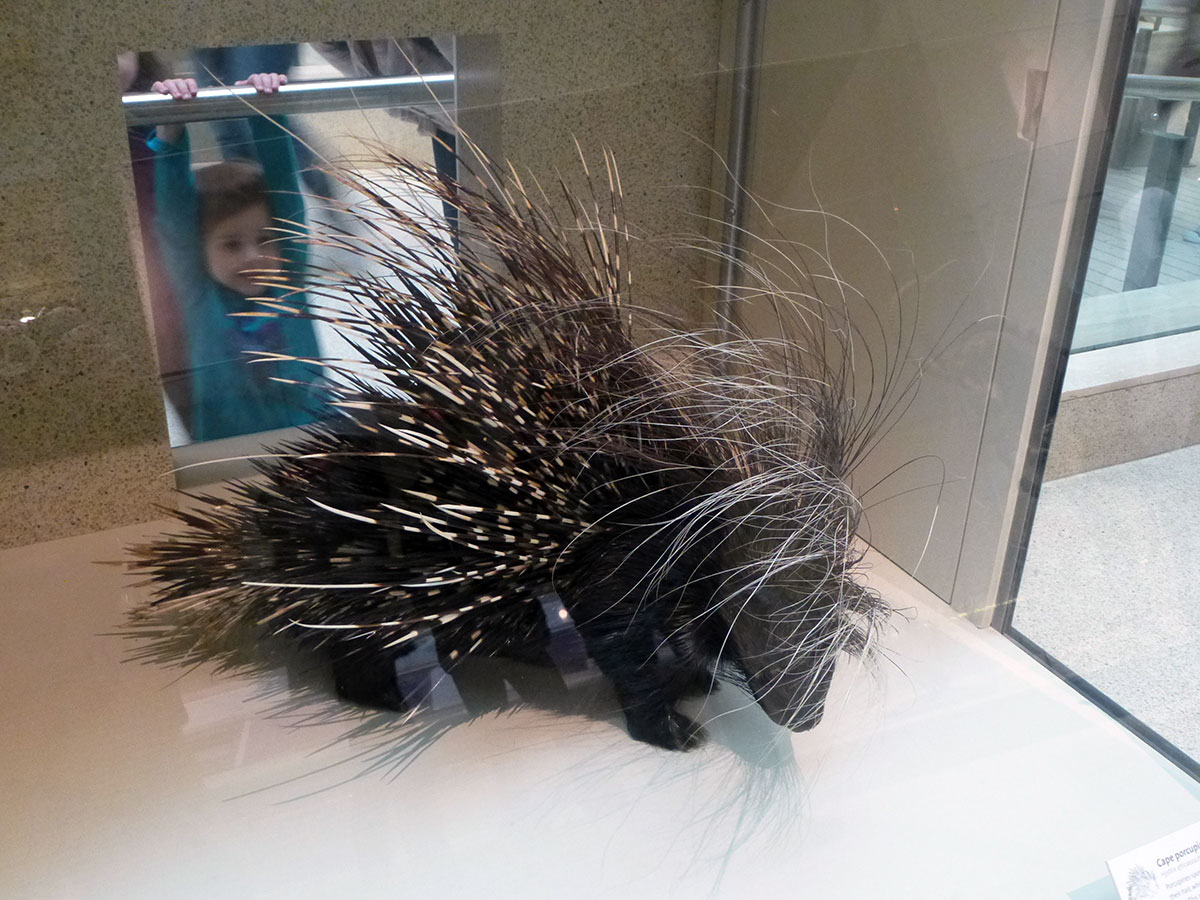
For protection against being pet by small children, porcupines have developed spines

For protection against being pet by small children, porcupines have developed spines

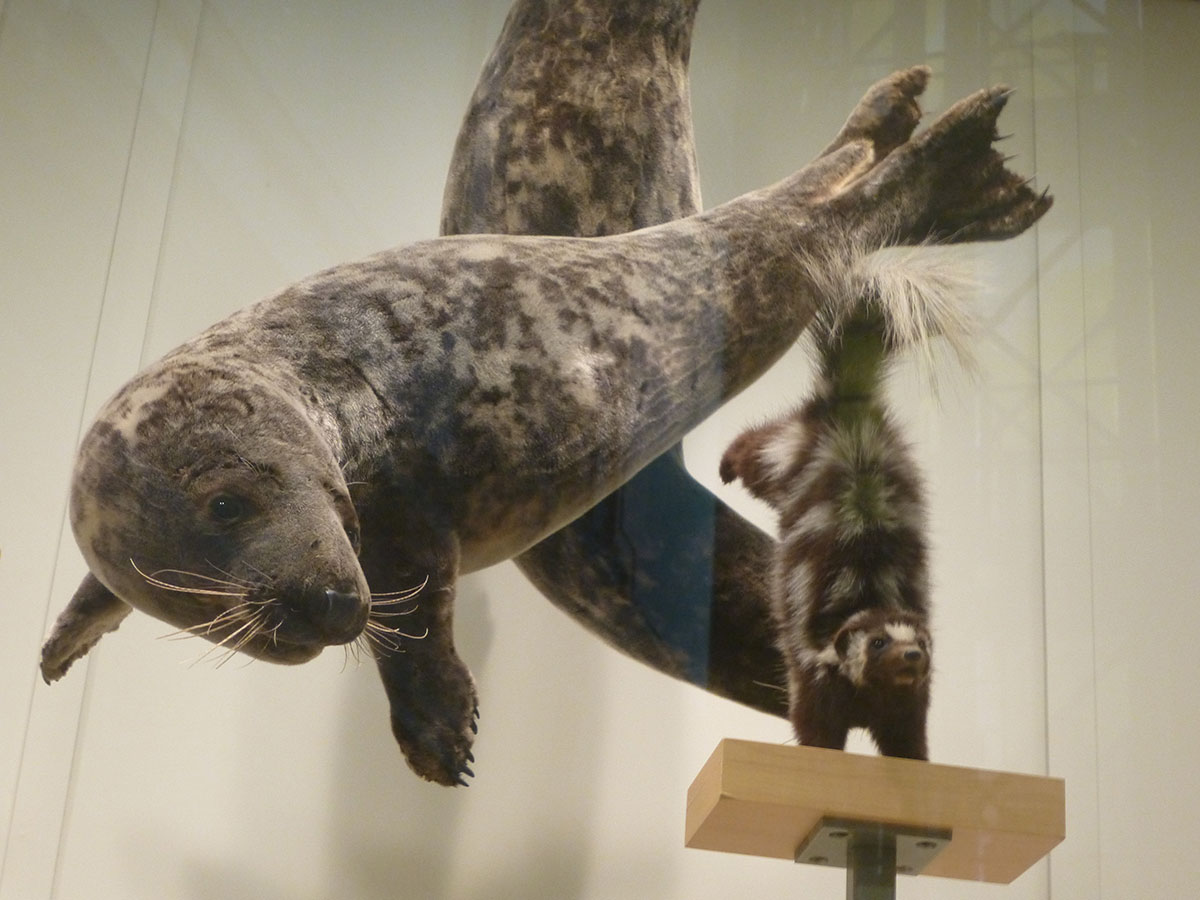
Carnivora

Carnivora

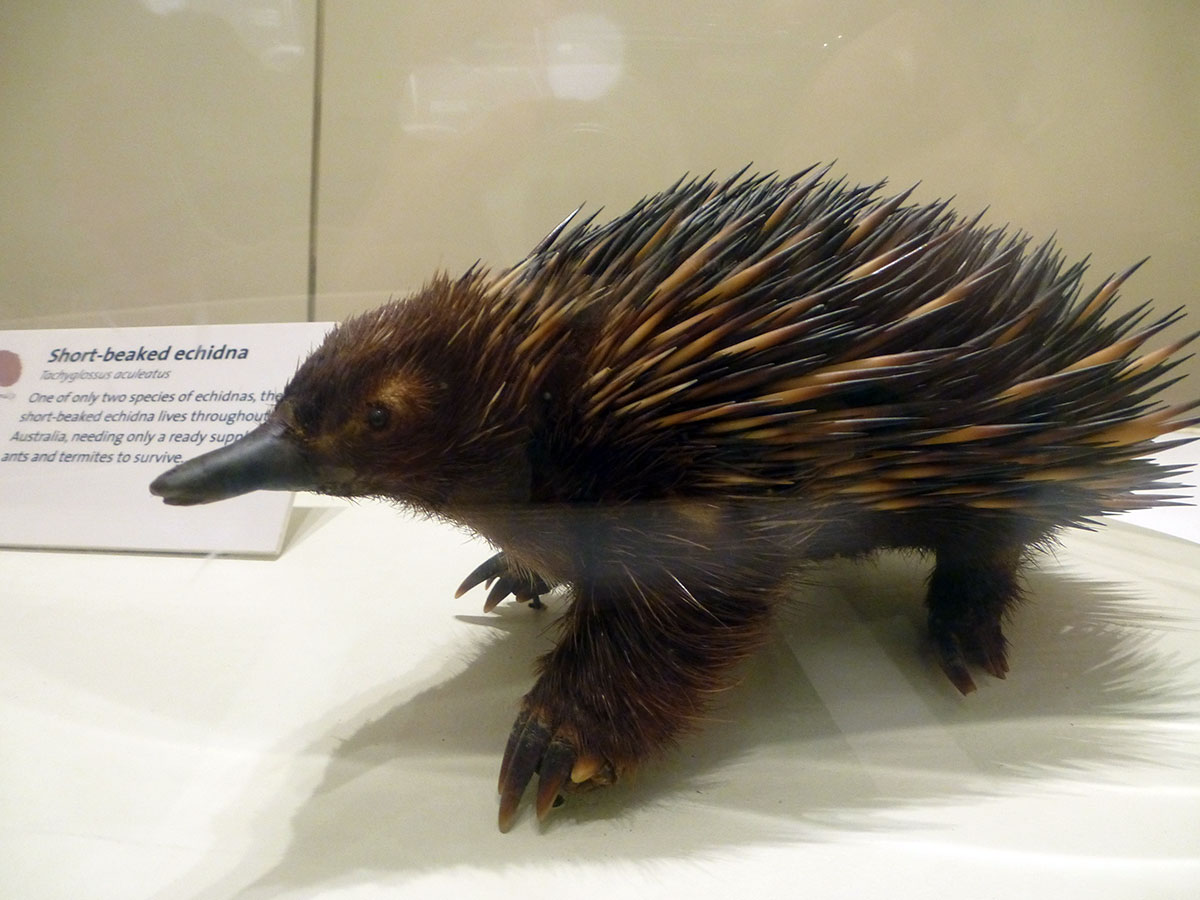
Echidna, one of only two remaining monotremes

Echidna, one of only two remaining species of monotremes

Highly Skilled Indoor Predator

Highly Skilled Indoor Predator

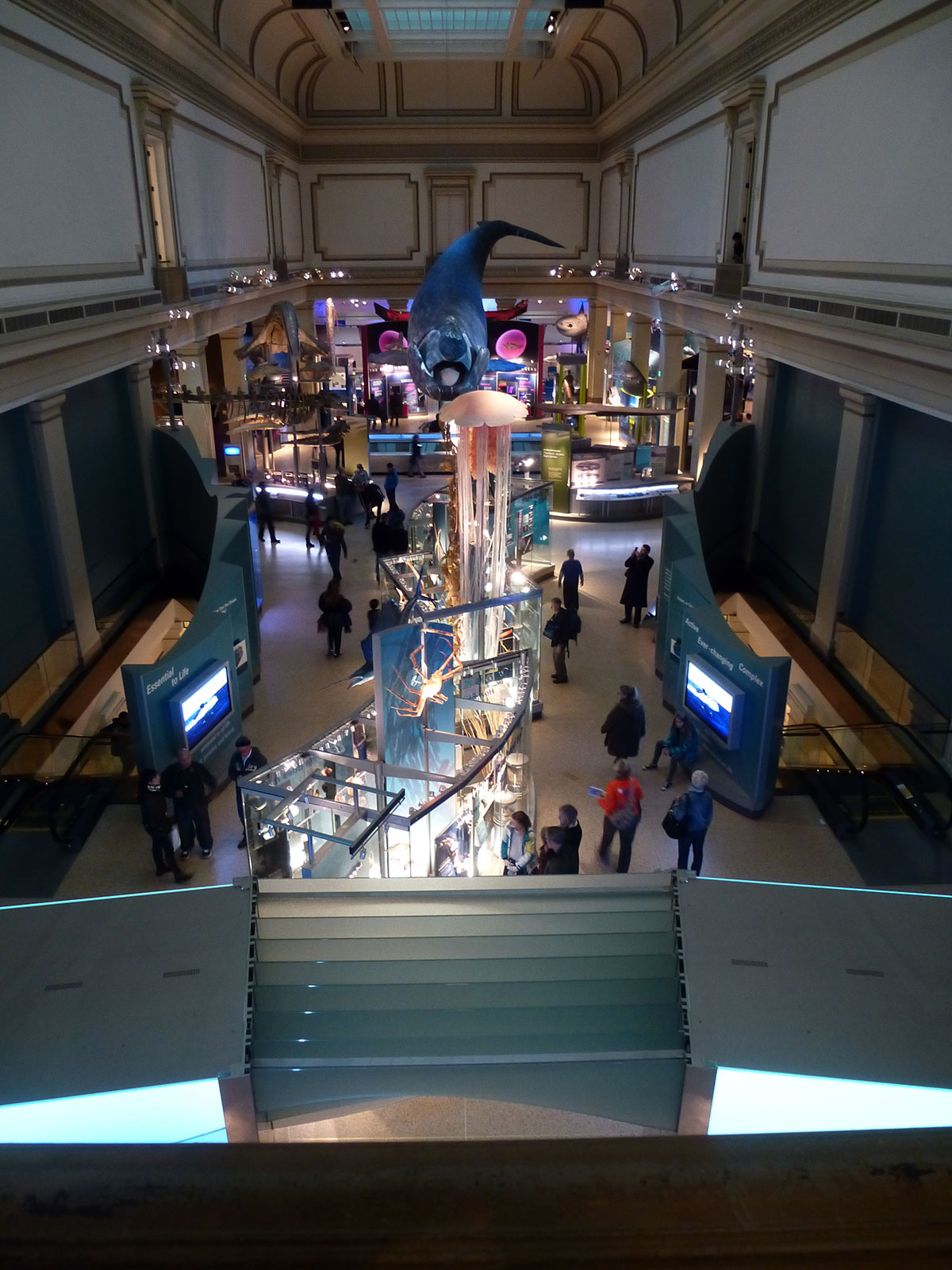
And boasting a giant squid over ten meters in length and a multitude of whale skeletons hung overhead in the two story space, the Ocean Hall of the Smithsonian Natural History museum is an impressive sight. In its section about prehistoric marine animals, it had a Dunkleosteus skull, and the jaw of a shark that basically had a hacksaw as a tongue. I’d say between a quarter and a third of the exhibit was about how humans are destroying the ocean, and how pretty soon it’s just going to be inhabited by massive swarms of jellyfish, which is kind of my worst nightmare.

Ocean Hall

Ocean Hall

Human history, even ancient stuff, has never been a great interest of mine, but the Hall of Human Origins presented the information (and I know I sound like a textbook critic here) in a clear and compelling fashion. The hall had recently been re-done, and incorporated videos and technology efficiently. They even had a booth where you could have your picture taken, and then modify it to see what you might look like as another species of hominid. Much more detailed than what you might learn in school, instead of just talking about Neanderthals and Australopithecus Afarensis, the direct ancestor to us, Homo Sapien Sapiens, it had models and statues of others, like the hobbit-sized people of Polynesia.
The third floor, usually home to the dinosaur exhibit, was closed for renovation, but they had a smaller Dino hall set up near the mummies. It only contained a few full skeletons, and was obviously aimed towards young kids, but for a temporary exhibit it was rather well put-together. Like at the Carnegie, they had a fossil lab with large windows, so visitors could look in at how fossils are prepared for exhibits.
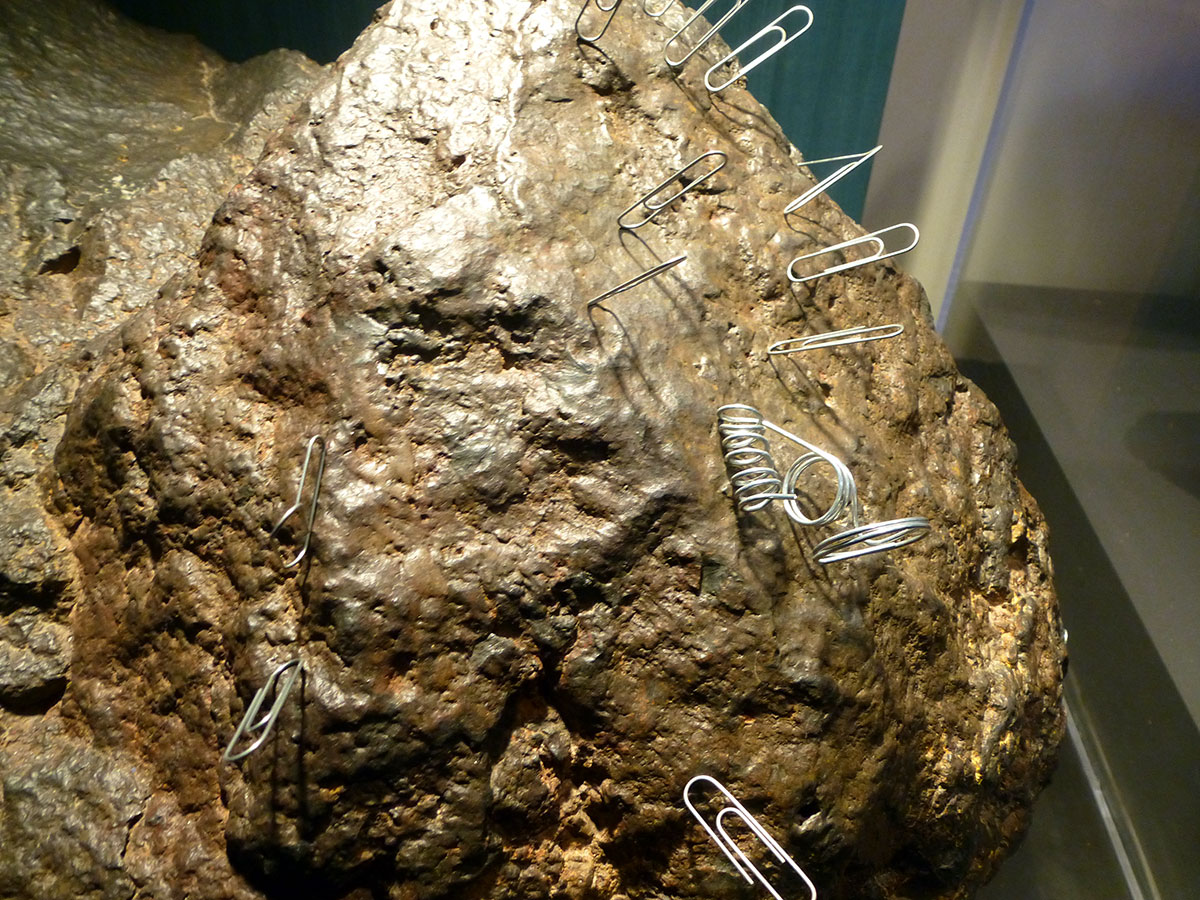
The Geologic exhibit held the world-famous Hope Diamond. Not being the kind of girl who’s interested in jewelry, I liked the crystal ball better. A large sphere of clear polished Quartz, when you looked into it, it showed the room and everything in it upside down, like a spoon does when you hold it the right distance from your face. Even cooler than this though, was the large piece of naturally magnetic rock. Not behind a glass case (yes!), it was covered in paper clips that you could experiment with sticking to it.

Magnetic Rock

Magnetic Rock

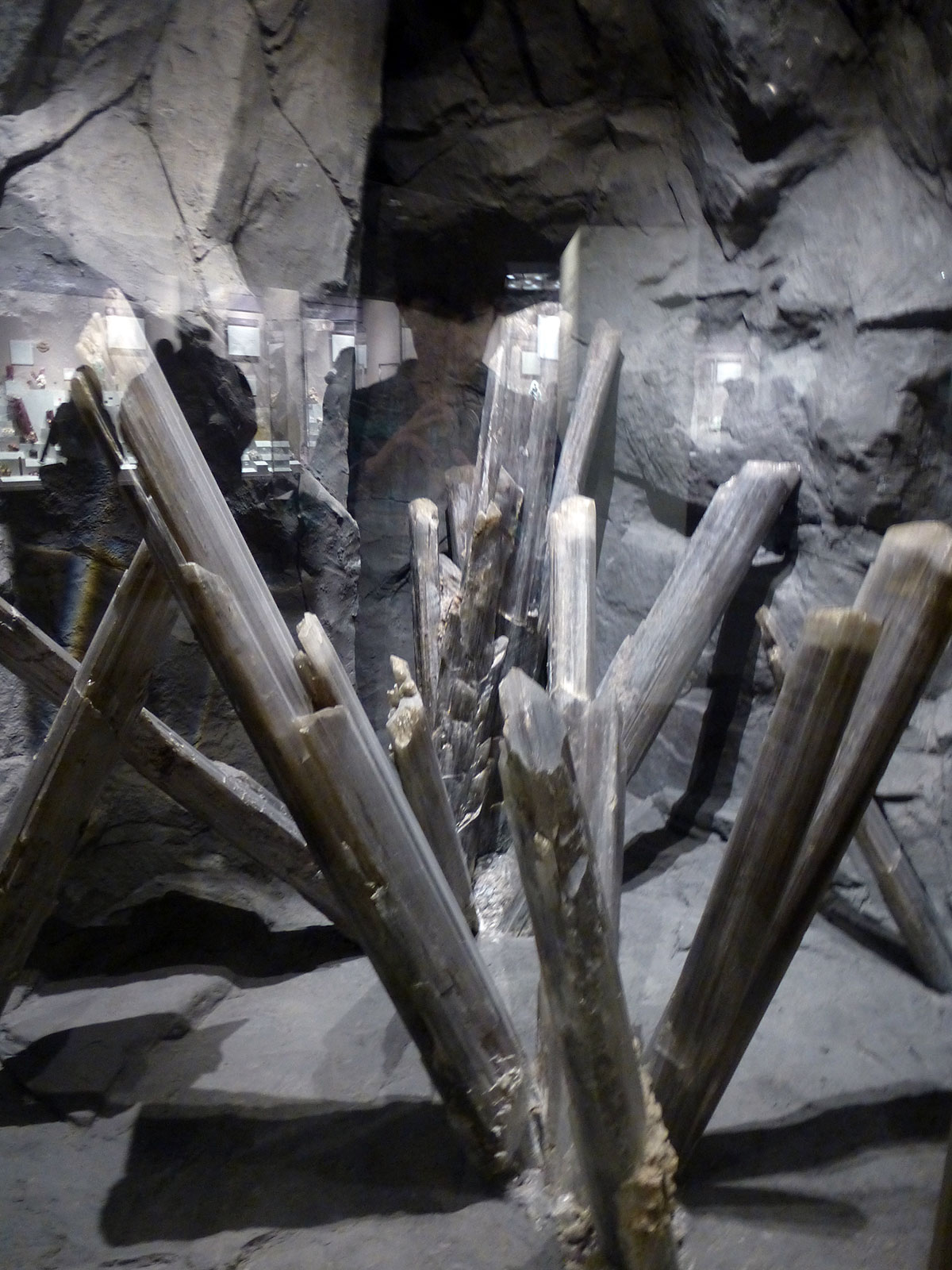
Stibinite

Stibinite

But surprisingly, my favorite exhibit didn’t contain any taxidermy. The temporary show, Nature’s Greatest Photography, was simply a gallery filled with large prints of the winning photos from the Windland Smith Rice International Contest. One of my favorites in it was a picture of two Bush Rabbits playing, where they are touching noses, with one flying high in the air. To me it seems like a cartoon, where the pretty girl finally kisses the awkward boy, and he’s so surprised and happy he literally jumps. The exhibit actually prompted me to buy a catalogue of its photos in the gift shop.
Unlike the American Museum of Natural History in New York, it’s free. It also will let you in by yourself if you’re under 16, which is why you won’t see a blog post about that museum. I didn’t go into the insect exhibit, but I’ve been told that you should go see the butterflies, if you’re ever in DC.

College friends

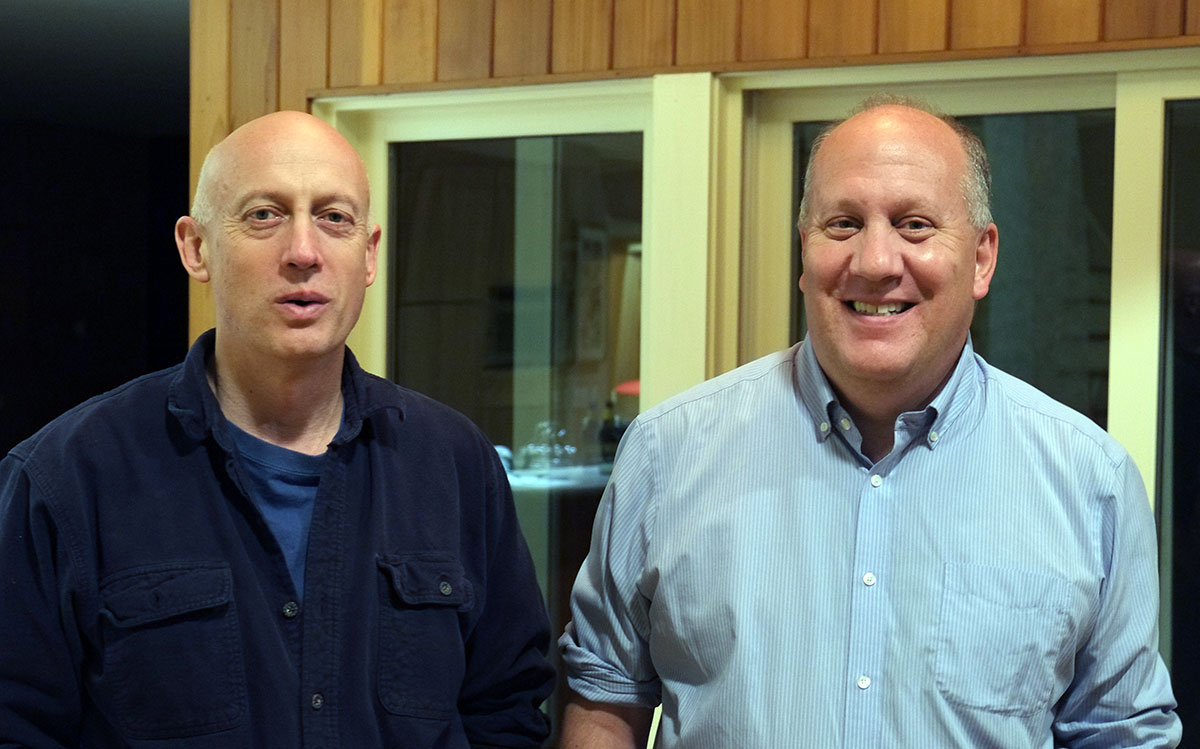
As I was planning this trip and listing all the old friends we’d be able to visit, I discovered, to my amazement, that Greta was actually interested in meeting more of my college friends. She knew Dan and Mike and Bob, and she found them really entertaining – smart and funny and very offbeat, so she assumed the others would be the same.

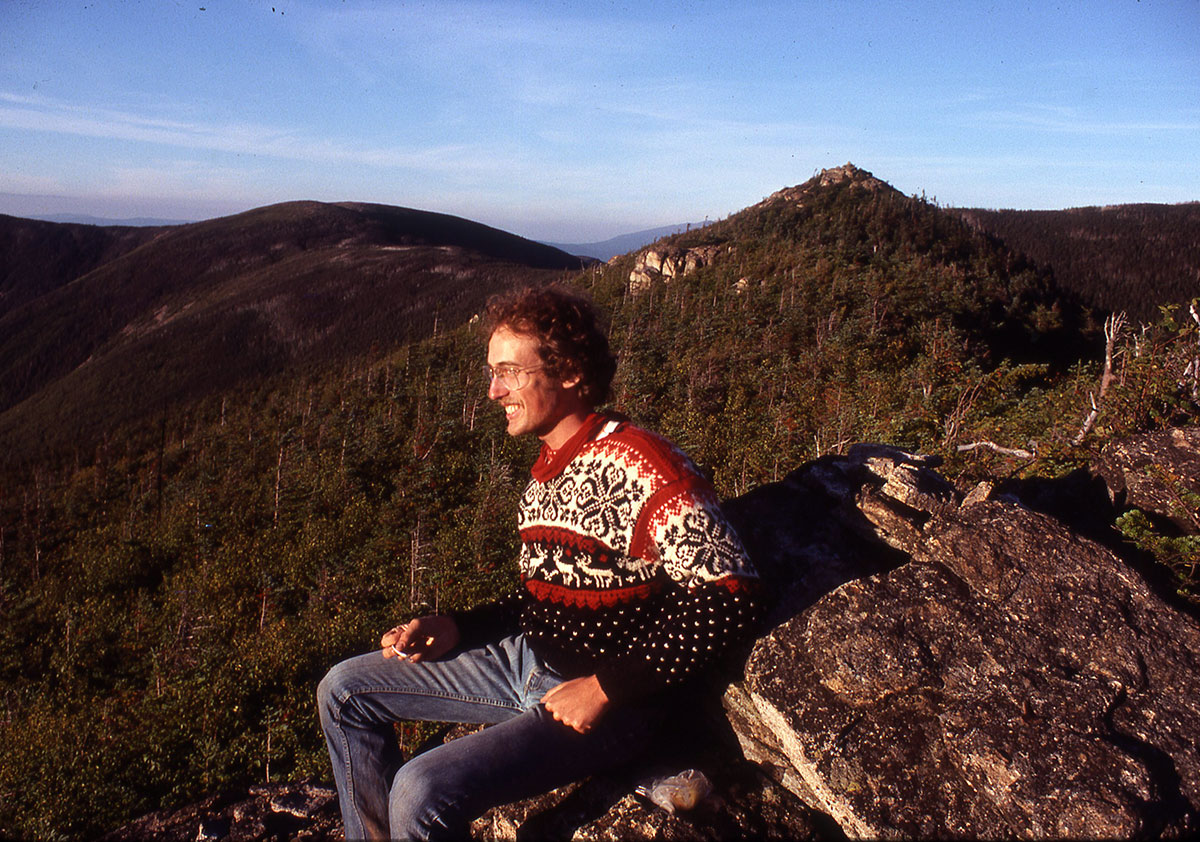
I met Isadore Katz because he went to prep school with Bill, one of my freshman roommates. I distinctly remember this very intense person showing up during freshman year, complaining about Rochester and its miserable weather, where he had made the mistake of deciding to go to college. The next year Iz rectified this by transferring to Wesleyan, and he would stop in to visit us when he was back in Boston. He lived with members of our crowd sometimes in summers, and back in 1977 he and I spent a week together hiking the ridgeline around the Pemigewasset Wilderness in the White Mountains.peeps019
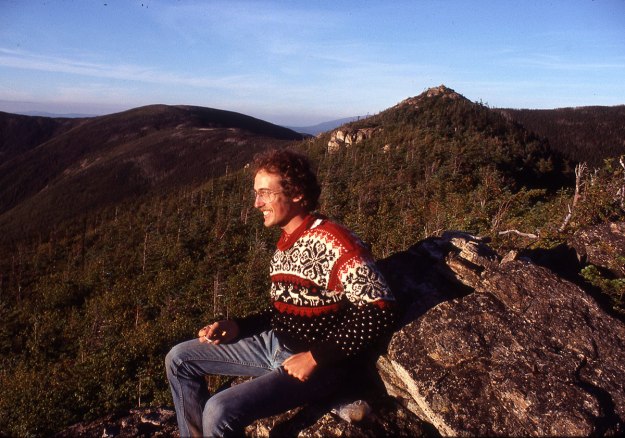
Isadore moved back to Boston to work as a consultant after college, so we hung out for a couple of years until I moved to New York for grad school. Isadore started at the Sloane School at MIT at the same time, and when I asked him how business school was, he said, You’d be surprised at what passes for a concept around here. He lived with us in NY during a summer internship in 1983.  After school Iz worked in the expanding computer industry, and met his wife Chris, a very cool and laid-back architect who had the good sense to not marry another architect. They moved off to Silicon Valley in the mid-80s, and after I moved to Oregon in 1990, I would see them whenever I went down to the Bay Area. Iz and Chris raised three wild and crazy girls, who have now grown up to be in law school at Berkeley, working in tech in Silicon Valley, and in college at Barnard. (One of the secondary goals of this trip has been to reconnoiter the terrain on how smart and independent girl-children turn out.)

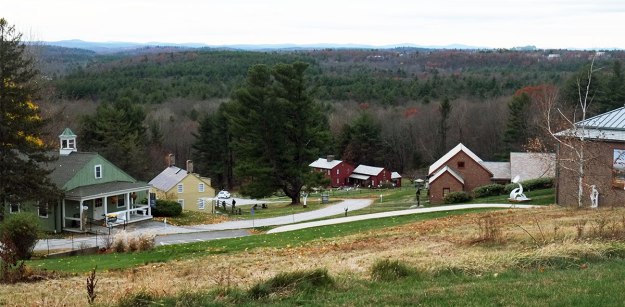
Isadore has always had another one of those jobs where we can never quite figure out what he does, although in this case it’s not due to the vagueness of the job description, but rather to the complexity of the technology involved. He’s mainly been in the management end of the high tech industry, although after the Crash, he spent a couple of years working as a consultant at the Veterans Administration, essentially reconfiguring their database operation. About a decade ago, back in Massachusetts, he started a company that, as far as I can tell, designs software for chip manufacturers to help them model real, versus theoretical, chip performance, before they put a design into production.DSCF4787Is and Chris live in Harvard, Mass, out in the woods past I-495, a short walk from Fruitlands, the transcendentalist utopian community started by the Alcotts and others.  Staying with them felt like being home – a modern house with lots of windows looking at the trees, a few days eating and drinking, and relentless storytelling and joking with two of the cleverest people I know. Isadore’s brother Seth, another friend from long ago, dropped in from his home in Florida, and we all got to reminisce about crummy apartments in Somerville and life before we became middle-aged.DSCF4791
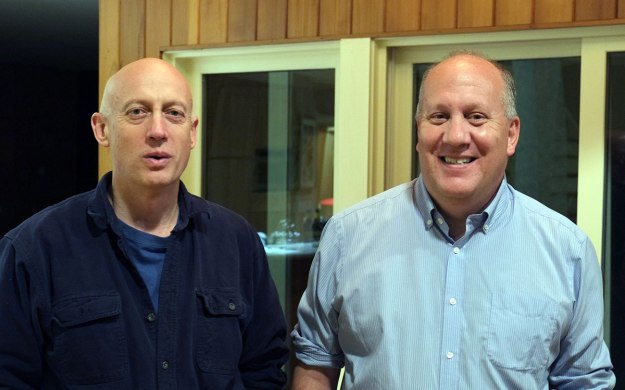
 

Bob Beckman was one of my freshman roommates. I walked into our five-person suite, and saw that half of one room was already occupied, by someone who had left an olive-drab, gigantic filing cabinet, with a bar and padlock across the drawers. I immediately decided to take my chances on the other double room. Bob showed up and confirmed my take on him – a serious science nerd from the Philadelphia area, whose career orientation had been jumpstarted by his technocrat father (who had also supplied the government surplus file cabinet). In high school Bob had been a Westinghouse science competition national finalist with his research into sleep patterns, and this direction continued with his advanced standing concentration as a pre-med.

Bob’s seemed to conform to the absent-minded nerd stereotype: incredibly brilliant and relatively incompetent in dealing with the real world (manifested in such incidents as his first attempt to cook a hamburger, when it became clear he had no idea that you had to flip them). But contrary to type, Bob was one of the wittiest and most social people around. After graduating from college early, Bob worked in a lab for a year, and had weekly gatherings at his apartment for his college buddies, featuring endless guitar jams and truly awful spaghetti dinners.   He also began his association with a lab at UW, furthering his research into a mathematically-based approach to understanding cancer. (Yes, Bob has another one of those careers I can’t understand, despite his repeated efforts to explain it to me.) Bob then entered the Harvard-MIT joint MD-PhD program, sharing an apartment with Isadore throughout this period, as his cooking skills marginally improved after determined effort.  Bob moved off to California for his residency, where he met his wife Susan, a medical social worker from Rhode Island, whose good sense, unflappable disposition, and extreme competence have provided the bedrock upon which Bob could continue his stereotypical scientist life.DSCF6265Bob worked as a pediatric oncologist, but finally gave up on the clinical career when the unique American medical insurance situation made it impossible for him to practice medicine in the way he knew it should be practiced. He went to work on the East Coast for a succession of pharmaceutical companies over the next two decades, designing cancer drug trials, and trying to survive the corporate politics, while he and Susan raised two great kids, Daniel (now working for the NPS at Saguaro, whom we plan on visiting next month) and Laura, an artist in New York. Bob was appointed a fellow at the Institute for Advanced Study at Princeton, where he furthered his continued interest in cancer research, while still holding down his day job.
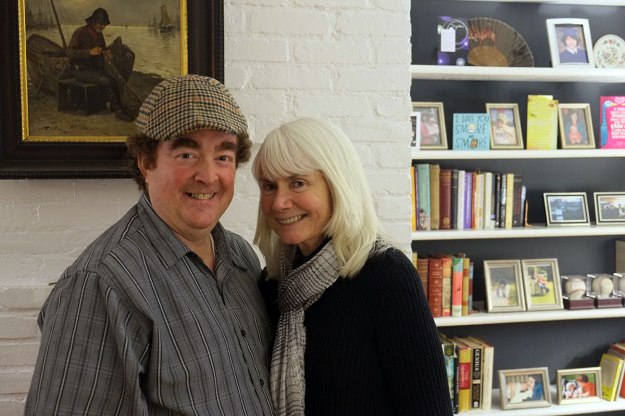
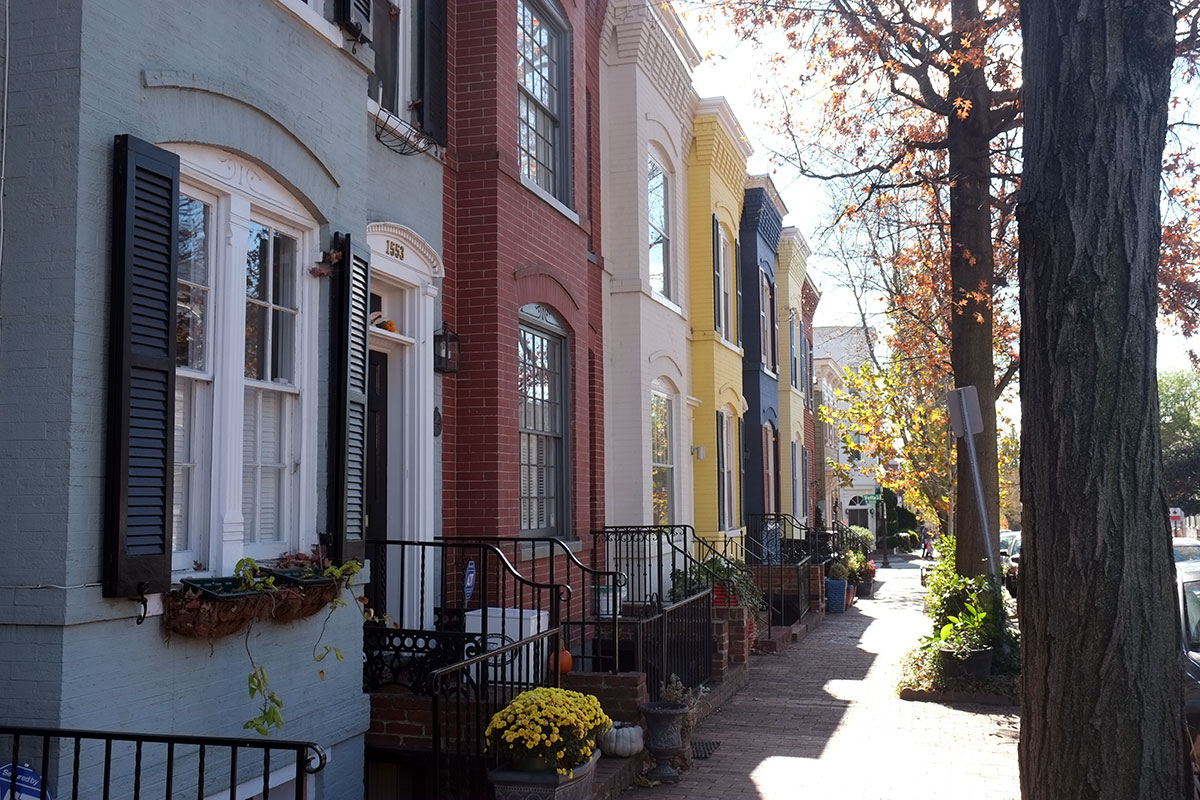
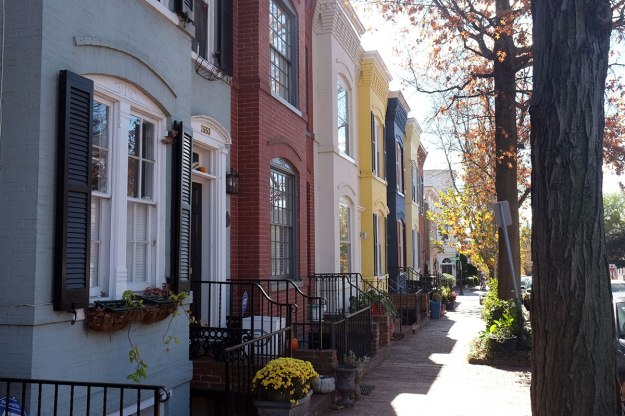
A few years ago Bob mentioned that with the kids grown and retirement money stashed away, he’d like to return to research full time, using the last decade of his career to consolidate his theoretical approach to cancer. I warned him that the institutional nuttiness of academia was different from, but not necessarily any better than that in large corporations, but he didn’t listen. So last fall Bob got an appointment as a professor at Georgetown. He works with some graduate students, but his main job is to secure funding and pursue his unique direction in cancer research. We stayed with Bob and Susan in the little rowhouse they’re renting in Georgetown, where they are thrilled with the possibilities of urban life, after a few decades in suburbia in the northeast.DSCF6267
 

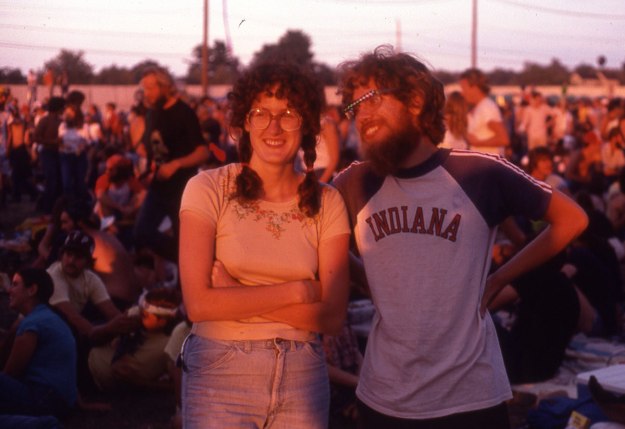
Norman Rave was another resident of our freshman dorm of misfits and savants. He arrived as a relatively conservative graduate of a Jesuit high school in Cincinnati, and along with us other lapsed Catholics, left the trapping of that life behind fairly quickly. Going off to college allows you to reinvent yourself, and Norman took advantage of this in the best possible way, combining his academic interest in biochemistry with his other strong predilections for literature and philosophy. Long rambling conversations with Norman about the meaning of life were some of the highpoints of college for me.

Norman always wore a weirdly wide range of eclectic tee-shirts, which I at first took to be the expression of an extremely ironic viewpoint, but it turned out that he just shopped at a store in Cincinnati which sold remaindered and misprinted shirts really cheaply.  When this sartorial approach combined with Norman’s decision to stop cutting his hair or his beard, his appearance became the quintessence of the mid-70s college student, and he was known as Troll thereafter.
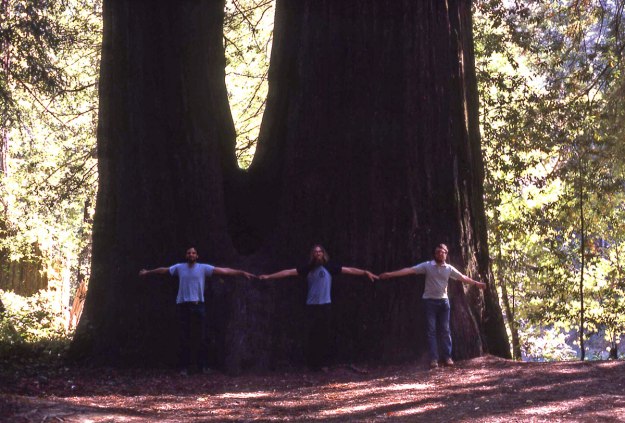
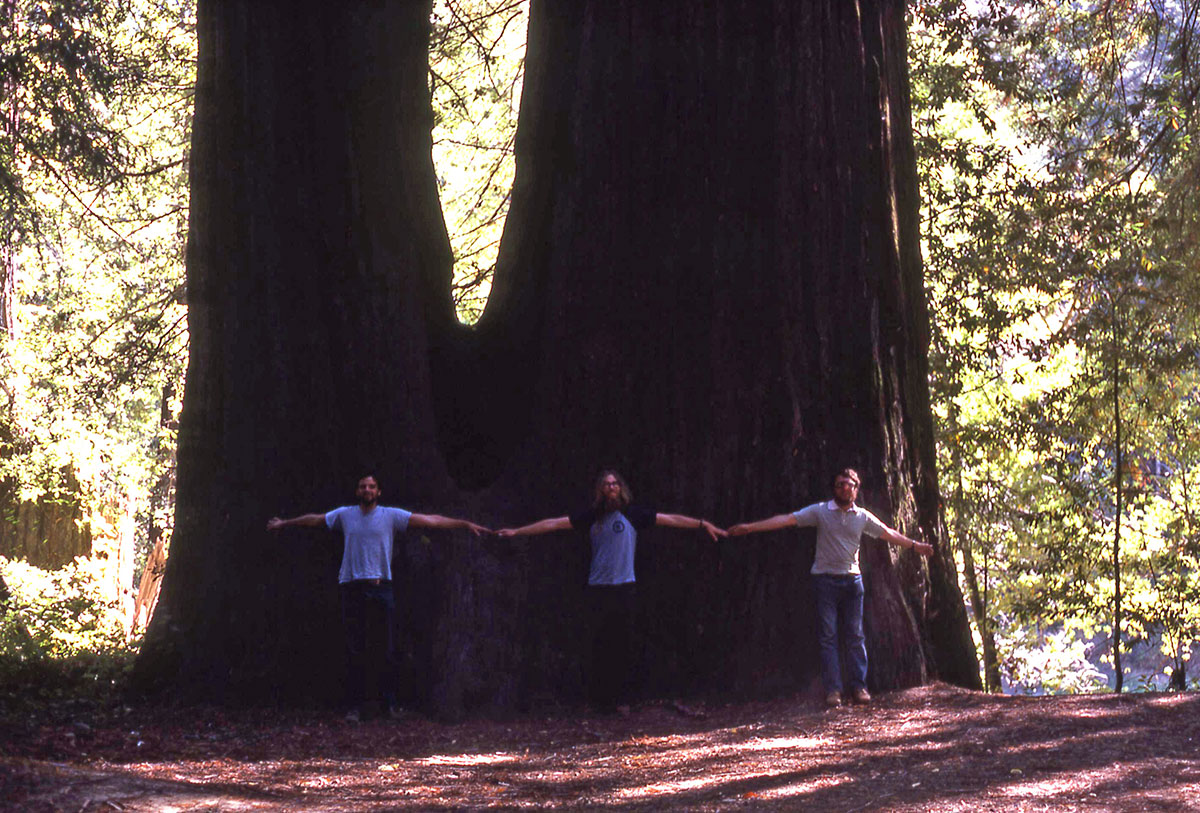
redwood021Norman got into grad school at Berkeley, so the summer after college, he and Dan Rabin and I drove across the country together, packed into an old Datsun B210 with all of Norman’s possessions. The person riding in the backseat was unable to move at all, and our overall appearance was such that we were shocked at the laxity of US law enforcement in that no one ever pulled us over. This was the first cross-country drive for any of us (I am in the middle of my 11th right now), but it just started a trend for Norman. He decided he didn’t like grad school, so he drove back to the east, and then back and forth a few times as he tried to figure out what to do with his life.

At some point he stumbled upon a position working in a lab at Princeton, which was of little long-term professional import, but where he met Ginny, a post doc in the lab, who would later become his wife.  (I didn’t get  a good photo of Norman and Ginny, but they still look remarkably like they did 35 years ago, except for the hair length.)  RavesThey lived in Boston and then DC, as Norman decided he was more interested in the policy side of environmental issues, and he attended Georgetown Law School. Norman eventually ended up at the DOJ, while he and Ginny raised three kids in Rockville. Ginny spent years as a full-time mom, but began teaching high school science about ten years ago, and recently led a group of students on a field trip to the Amazon (she is nothing like any of the science teachers I ever had.)
We got to meet Kate, who is living at home while considering grad school (maybe in Oregon), and Will, who attends George Washington University. (Greta realized she had picked up yet another member for her cool nerdy posse when Kate opened the front door wearing her Welcome to Nightvale tee shirt.) Helen is off at Harvard Law, where she has actually studied environmental law cases that were argued by her father. Greta and I had a great time hanging around with all of them; most of my friends are now empty-nesters, and eating family dinners and spending time with a crowd was a nice change on our trip. And Norman and I got to sit around drinking bourbon and yacking, which we hadn’t done in 20 years.

At one point I asked Greta what she thought about all these friends she’d now met. She said it was fun, but strange. Little kids largely grow up in the world their parents construct for them, listening to the stories their parents tell. Greta had heard stories about these people throughout her life – Bob Stories are an especially iconic category among my people – and long ago they had assumed almost mythical status in her cosmology.  So while it was nice to meet the real people, the legends were somewhat diminished now.  Greta enjoyed getting to know Norman, but she’ll never have the same innocent fascination with Troll that she had before.

Falafel in DC

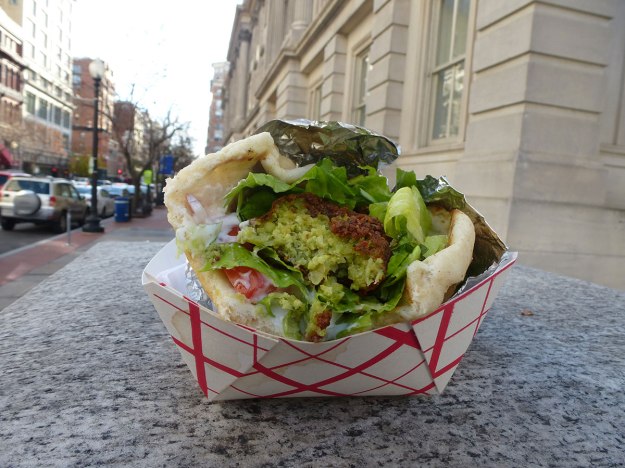
The first time I ever heard about Falafel was in a Batman movie, and I had no idea what it was. Then I ate a bad, horribly dry falafel burger in the cafeteria of the Art Institute of Chicago. Imagine my surprise when I finally tried good, fresh cooked falafel from Two Apple Food Truck on the way to the Mall in Washington, DC. Its logo depicted two cubic apples, which was odd, but also beside the point.

Fresh grilled balls of chickpea that broke apart when you bit them were surrounded by tzatziki, shredded lettuce, and tomatoes, and wrapped in flatbread. The crunchiness of the lettuce and falafel shell balanced nicely with the smooth tzatziki and the chewy wrapping. I ended up with quite a bit of it on my hands, as the whole thing had a tendency to deconstruct as I ate it, because the tinfoil it was wrapped in was not big enough to go all the way around the sandwich.

P1050769

As the falafel in Batman had been off a food cart, it feels appropriate that my first good falafel was too. I wish I could have eaten more than one sandwich from it, but the next day it had moved on. Sadly, that is the nature of food carts.

National Zoo

Giant Panda (I can't remember who this one is)

Giant Panda (I can’t remember who this one is)

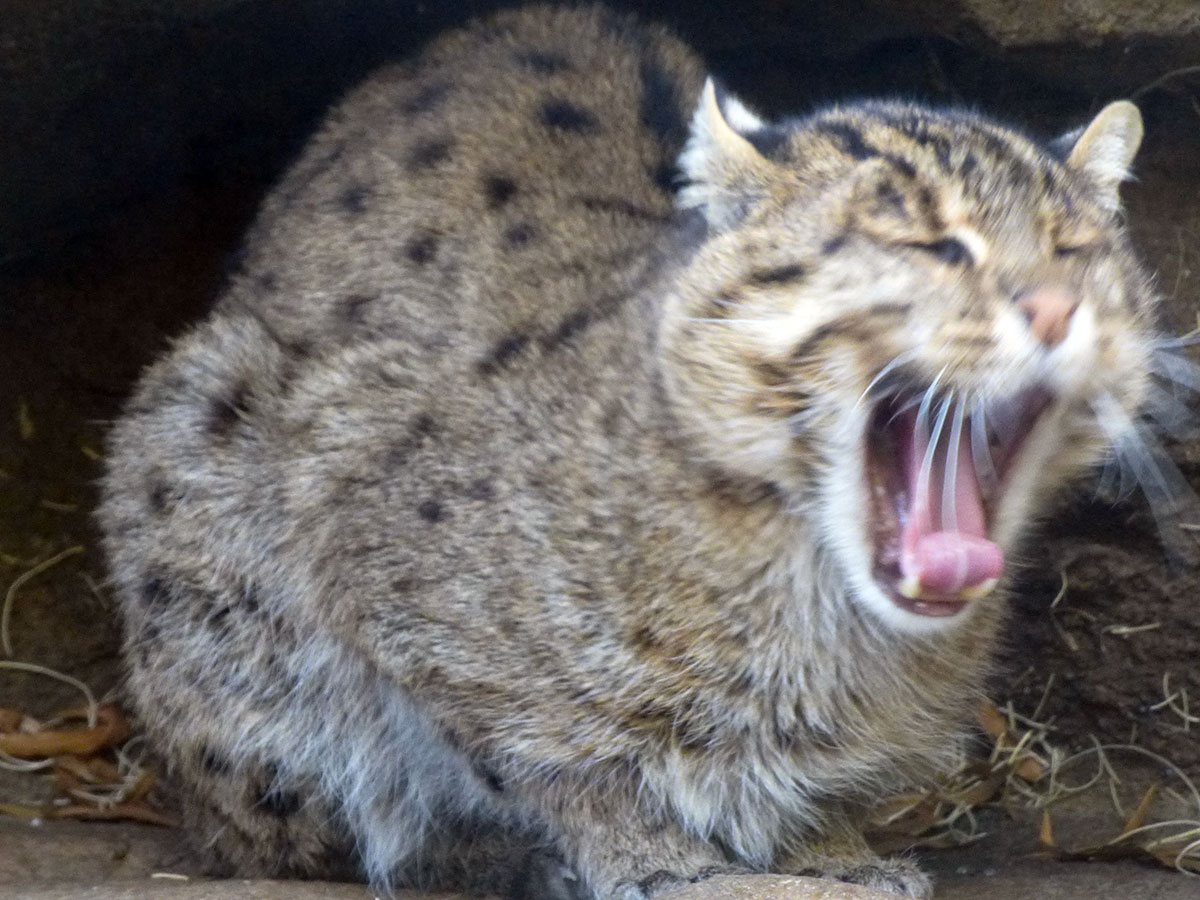
The National Zoo in Washington, DC is known for it’s pandas, but I found many of the other animals more fasinating, like the fishing cat below. I caught her at the perfect moment, in the middle of a yawn.

Fishing cat turned into a yawning cat

Fishing cat turned into a yawning cat

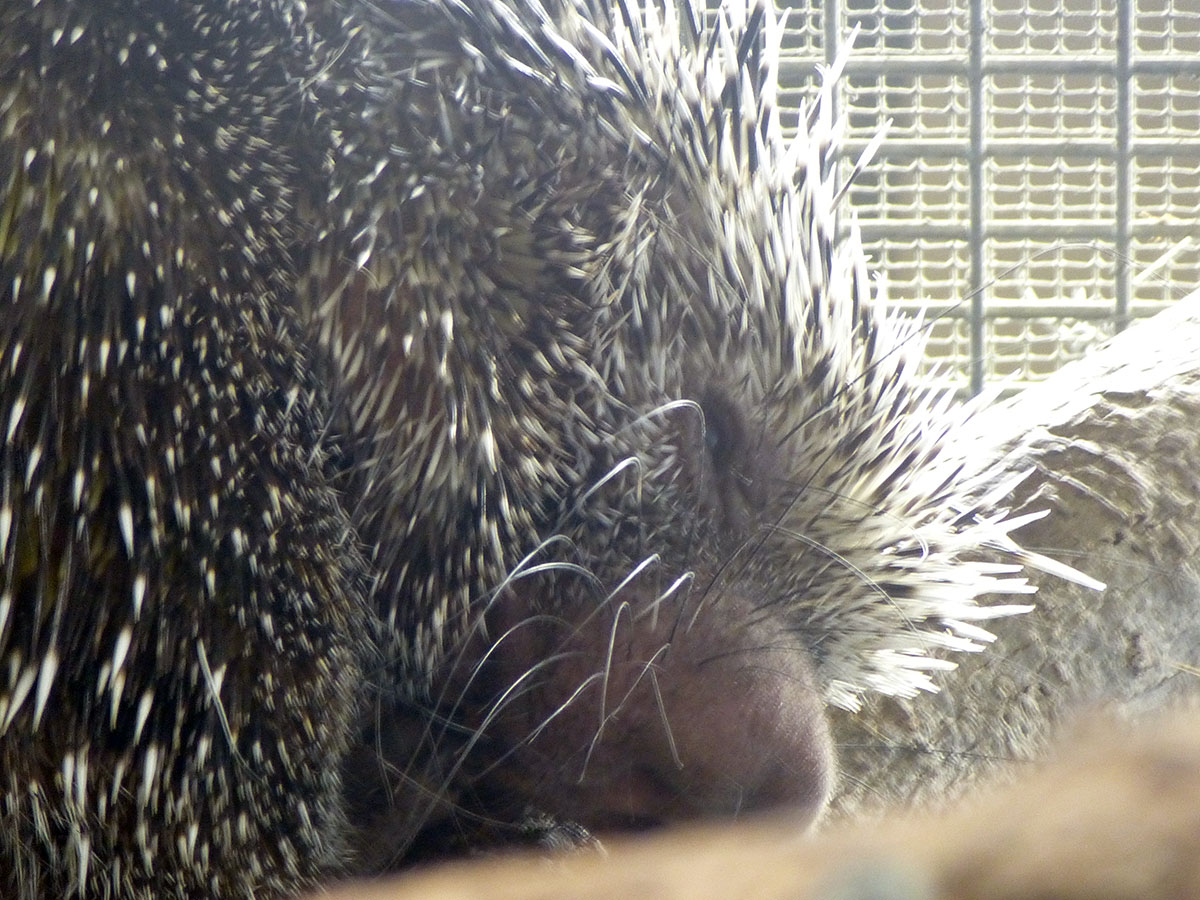
If you have to get stabbed by a porcupine (I’m not sure why you would…), do not pick an American Porcupine. They have all these nasty barbs on the end of their spines that make it hard and painful to pull them out. Even though they look nastier, pick an African Crested Porcupine.

American Porcupine

American Porcupine

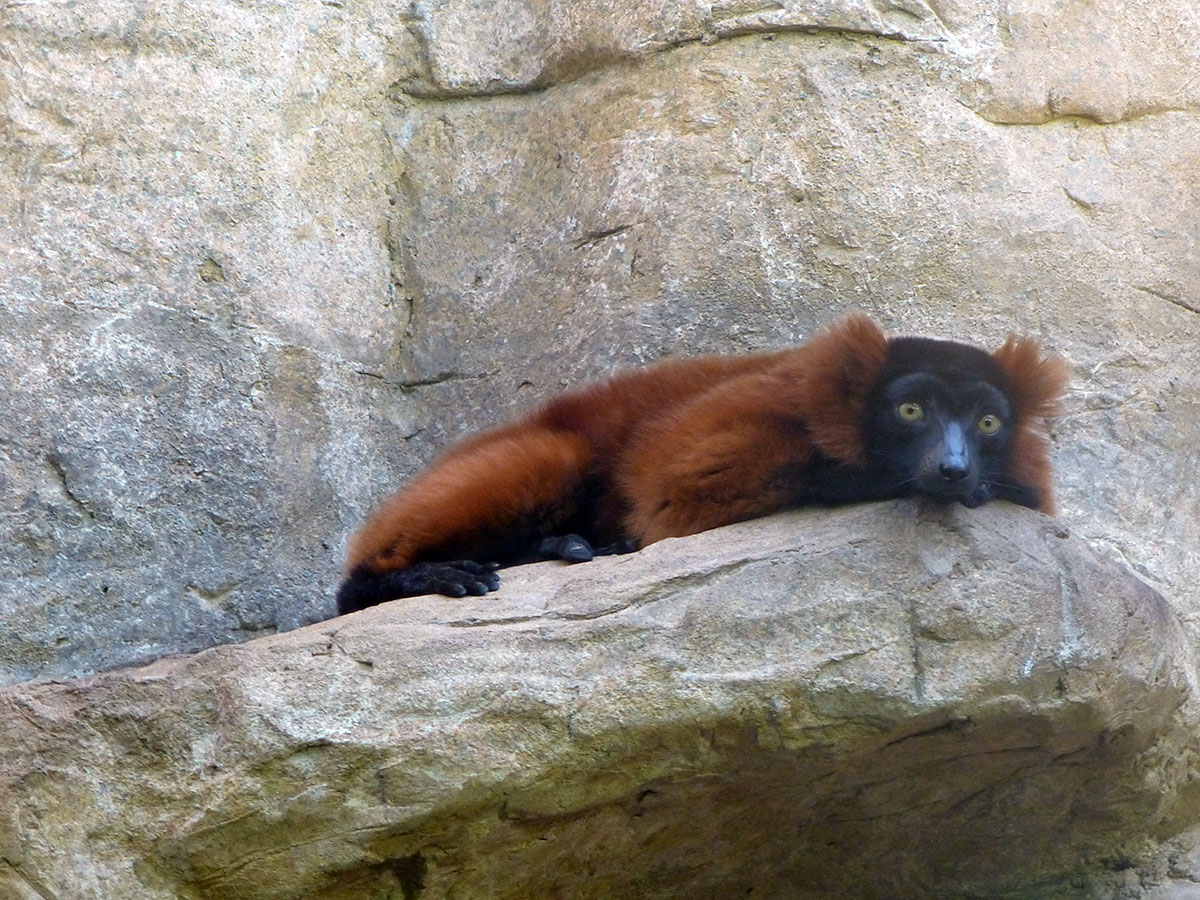
Red ruffed lemurs are one of the most endangered animals in the world, because their forests are being cut down and burned for crop fields. They are also some of the largest lemurs, apart from Indris and diademed sifakas, with eyes that look like they’re peering into your soul.

Red Ruffed Lemur

Red Ruffed Lemur

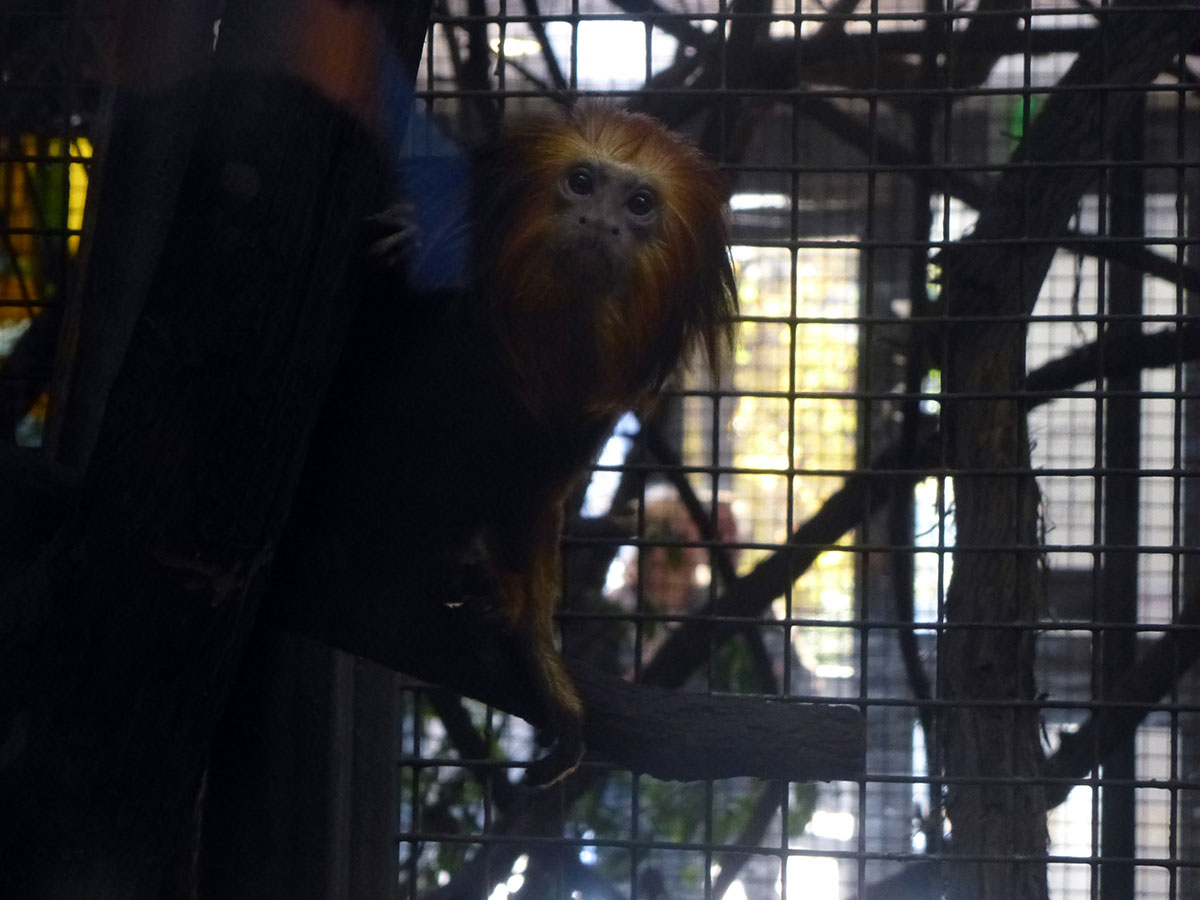
Meanwhile, this monkey’s eyes make it look like he’s been possessed by a demon.

Golden Lion Tamarin

Golden Lion Tamarin

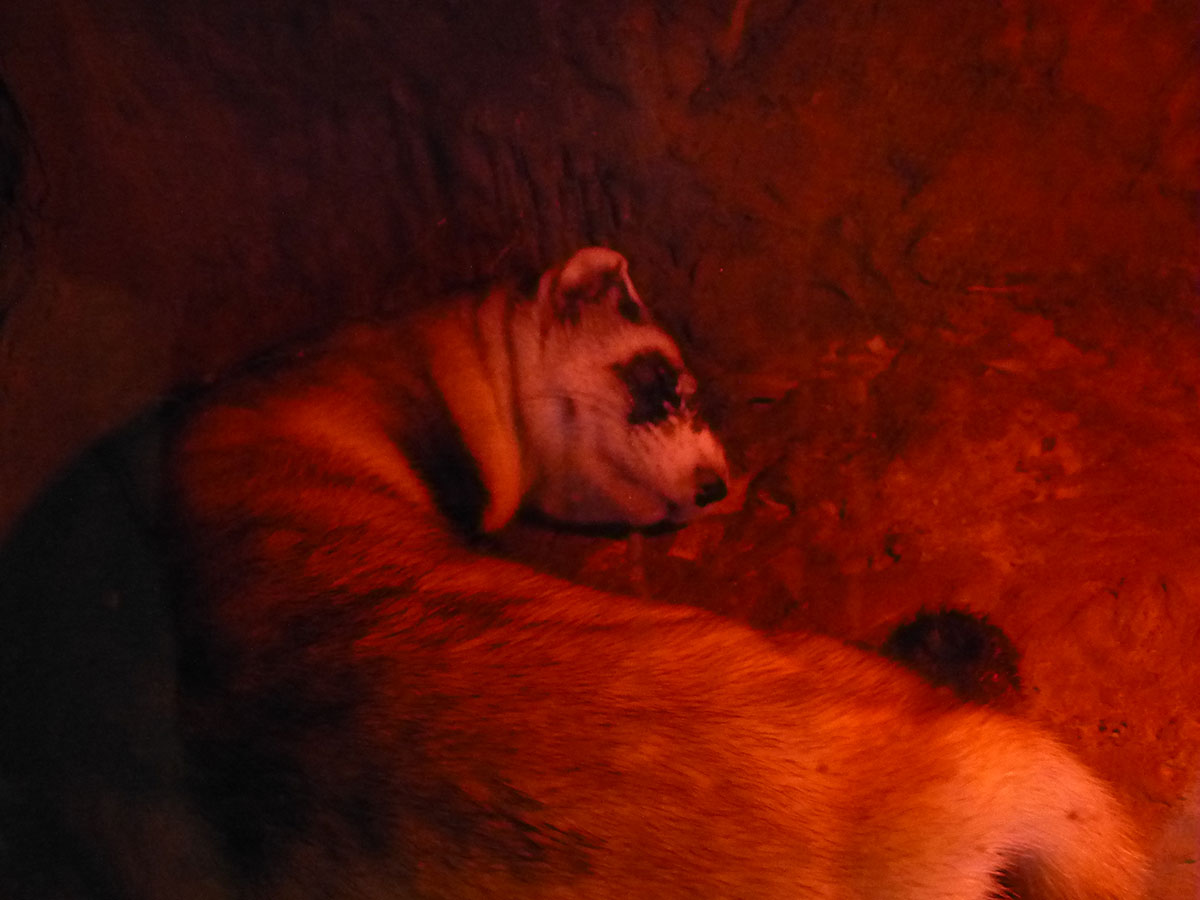
Black footed ferrets are one of my favorite animals, and this was the first time I’d ever seen one alive and in person. Unfortunately, I never got to see it do anything but sleep, although it did turn itself around between the two times I went to go see it.
The population of these prairie dog-eating animals were once thought to be extinct, until a sheepdog found a population of only seventeen adults. Captive breeding programs brought them back, although they’re still endangered.

Black Footed Ferret

Black Footed Ferret

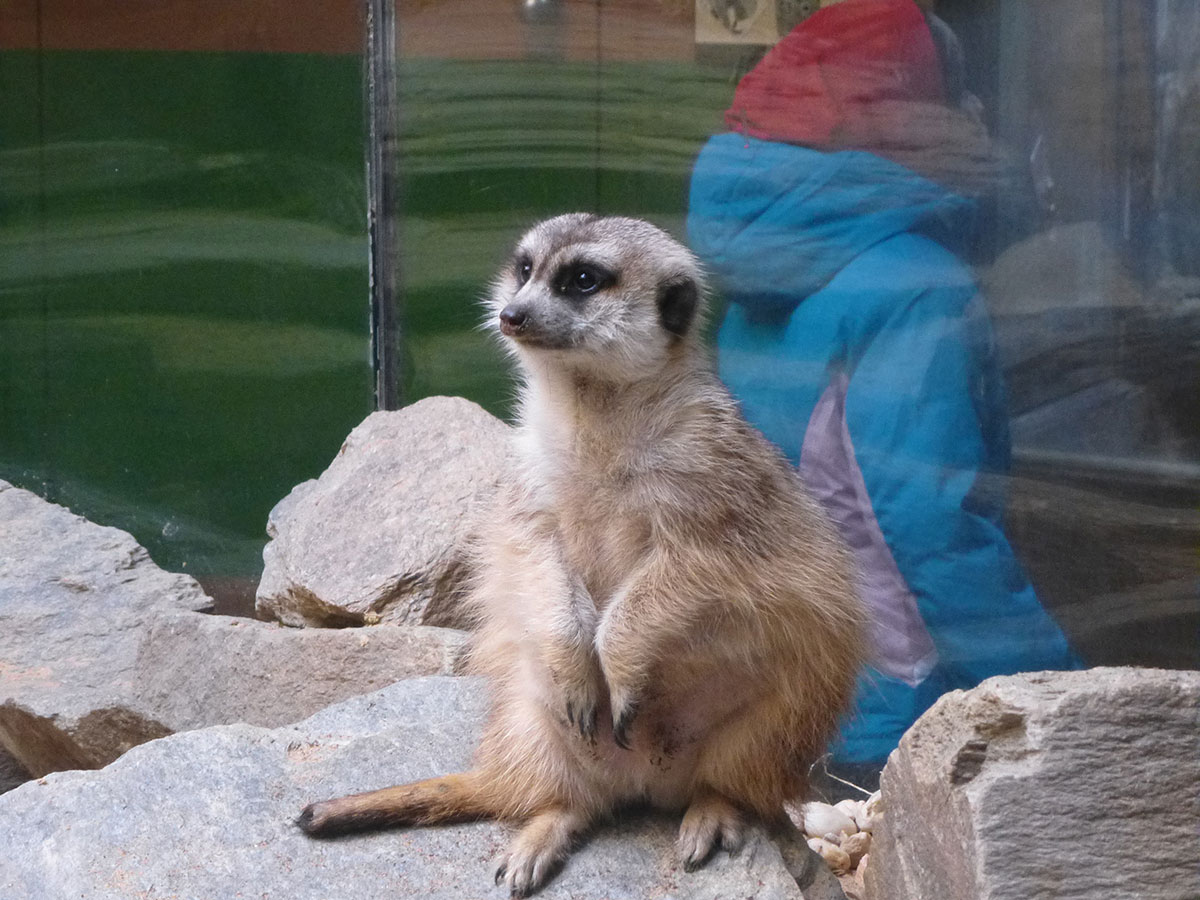
Meerkat

Meerkat

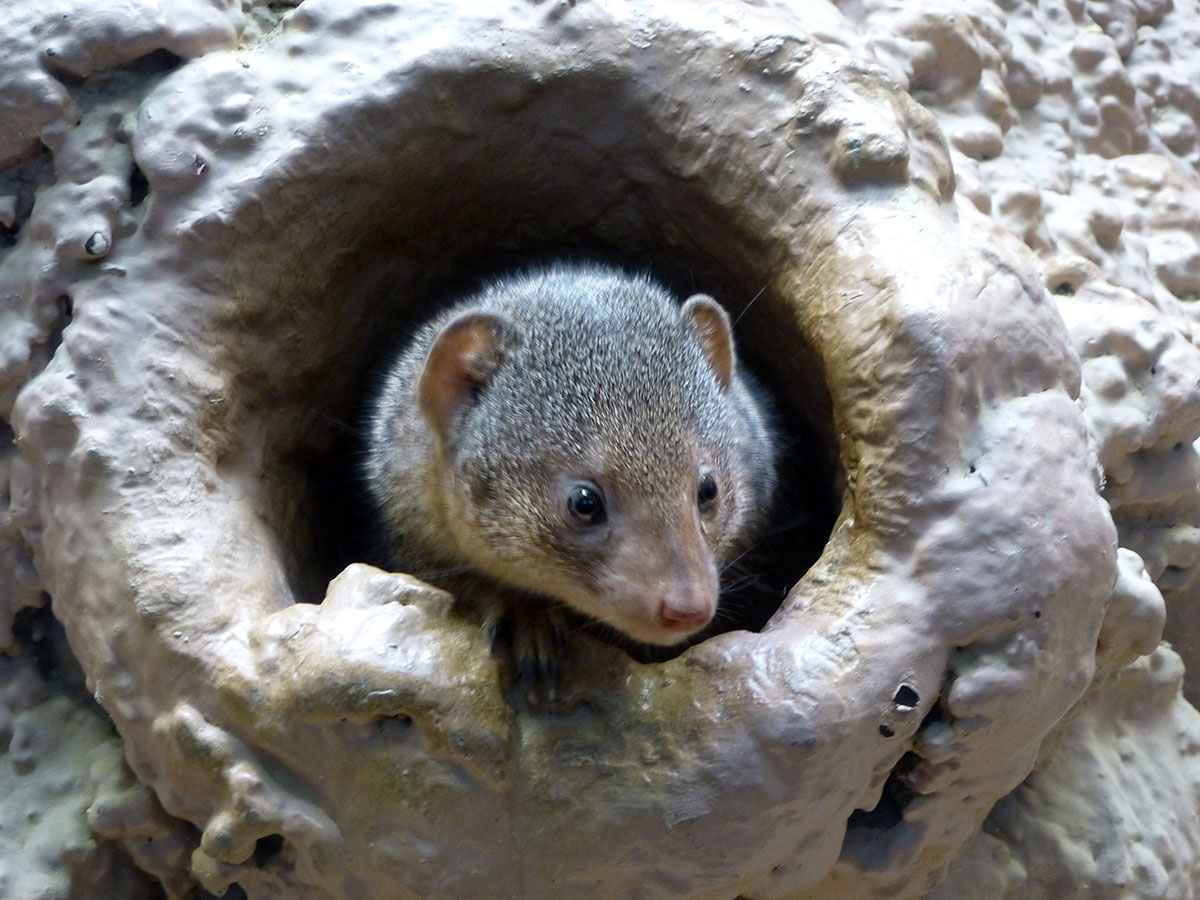
Mongeese (I refuse to call them mongooses) are close relatives of meerkats, and even cuter. This is a dwarf mongoose. They also had banded mongeese, which are another of my favorite animals, but they refused to come out of hiding.

Mongoose

Mongoose

I went through the reptile house rather quickly, because I am not a big fan of snakes.

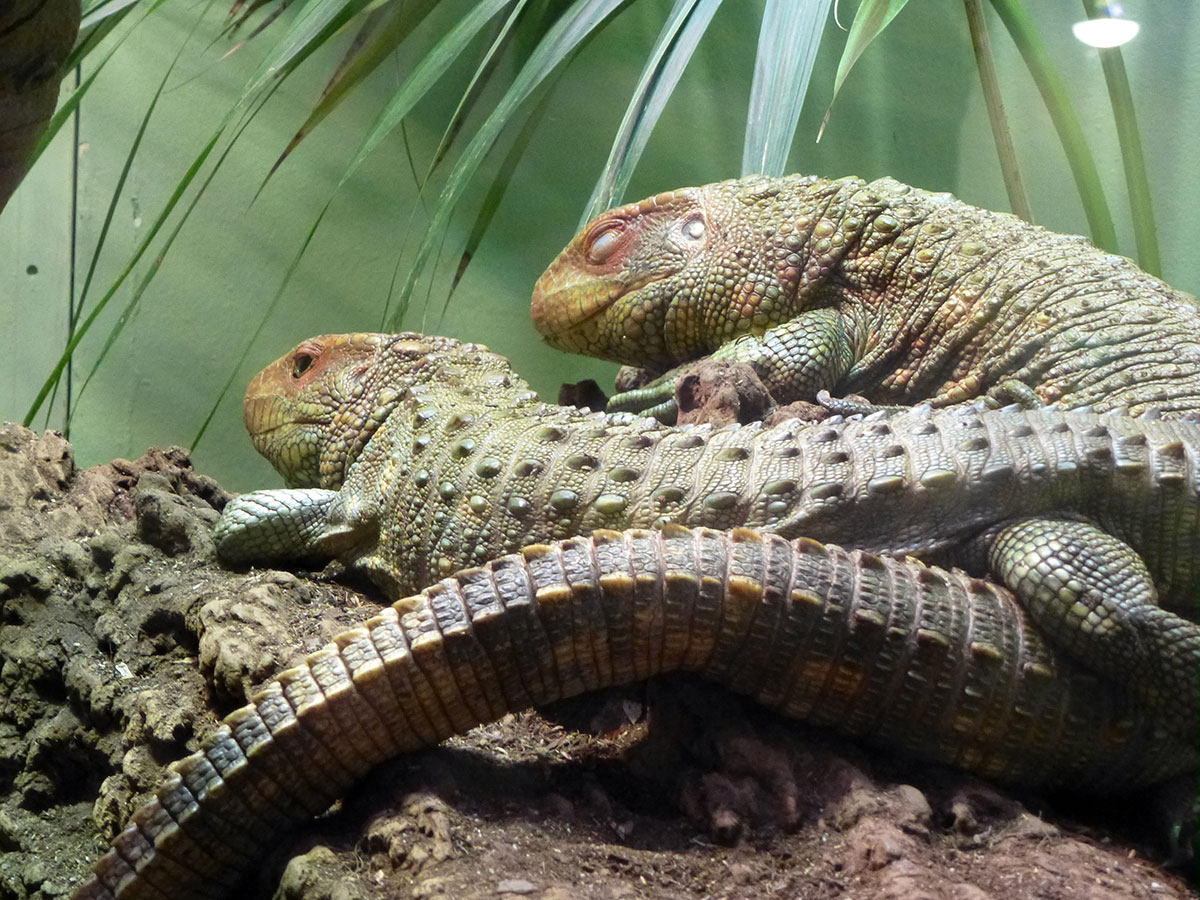
Happy Iguanas

Happy Iguanas

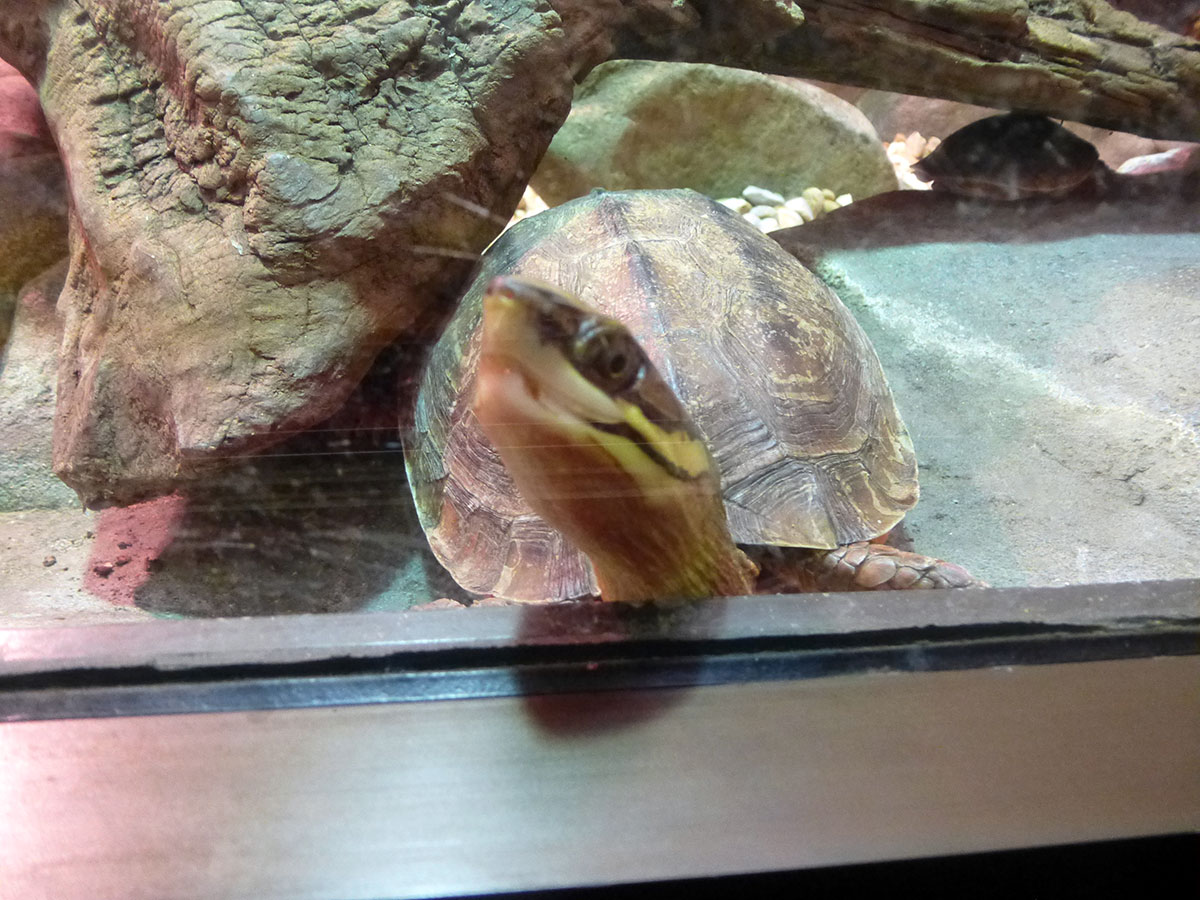
Peekaboo Turtle

Peekaboo Turtle

Some of the last animals we saw were the lions, just as the sun was going down. Mostly nocturnal, they heralded the night with a chorus of roars that would send shivers up your spine if they weren’t contained behind a fence.

Lions

Lions

Annapolis

DSCF5932Visiting state capitols was not a goal of this trip, but we’ve come across eight so far.  The architectural quality of them, and the others I’ve seen, has been very good.  (The only truly embarrassing one being Oregon’s, which looks like a salt shaker designed by Albert Speer.)  But in every case, the quality of the capitol is overwhelmed by the mind-numbing banality of the state administration buildings which surround it.  They reflect the growth of state government in the mid-20th century, and the architecture  is always modernistic-pretentious, with lots of marble and “timeless” elevations.  Albany is obviously the most extreme, but it is not fun walking around any other state capital district either.  With the exception of Annapolis.

A beautiful, well-preserved, 18th-century state house, surrounded by a district which is still largely 18th- and 19th-century.  How can this be?  Where are all the soul-less boxes of bureaucrats?  Baltimore.  Maryland had the good sense to realize there’s no real reason why all the functions of state government have to be in the same neighborhood, and those large boxes were placed in a large city which was better able to accommodate their scale, both architecturally, and in terms of how many employees would have to work there.
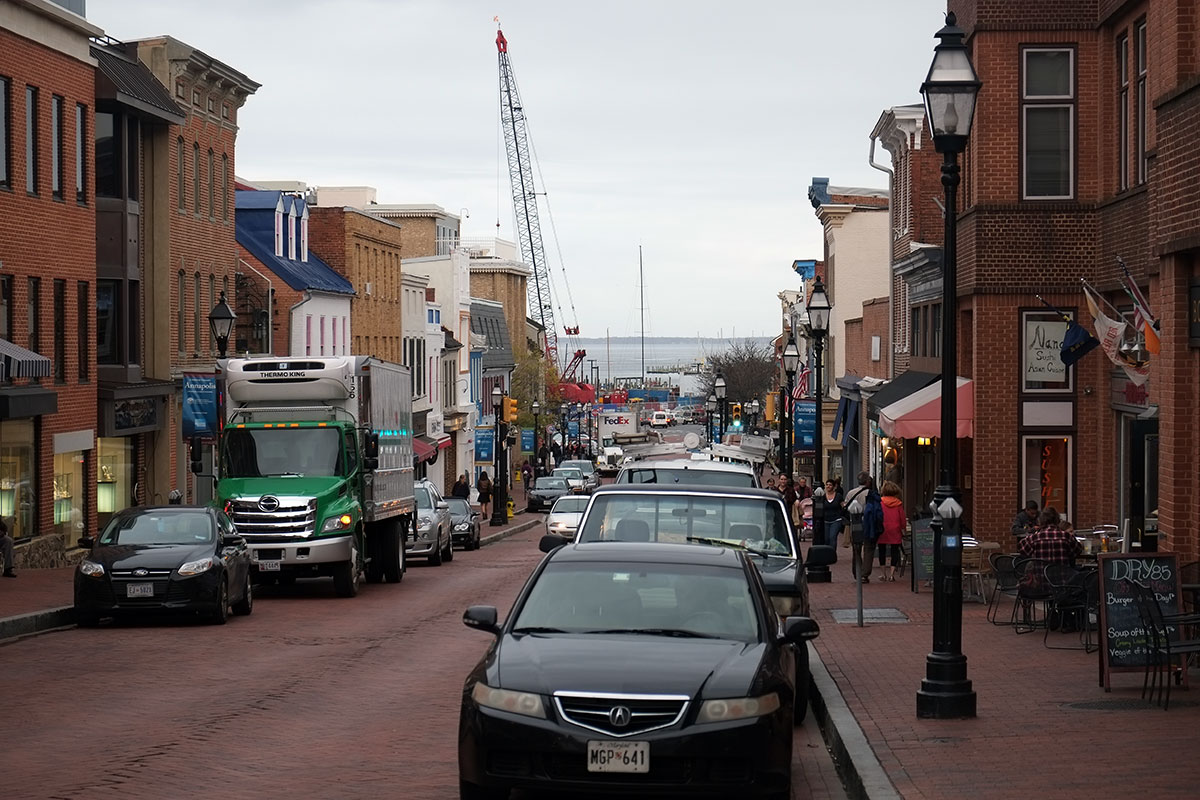
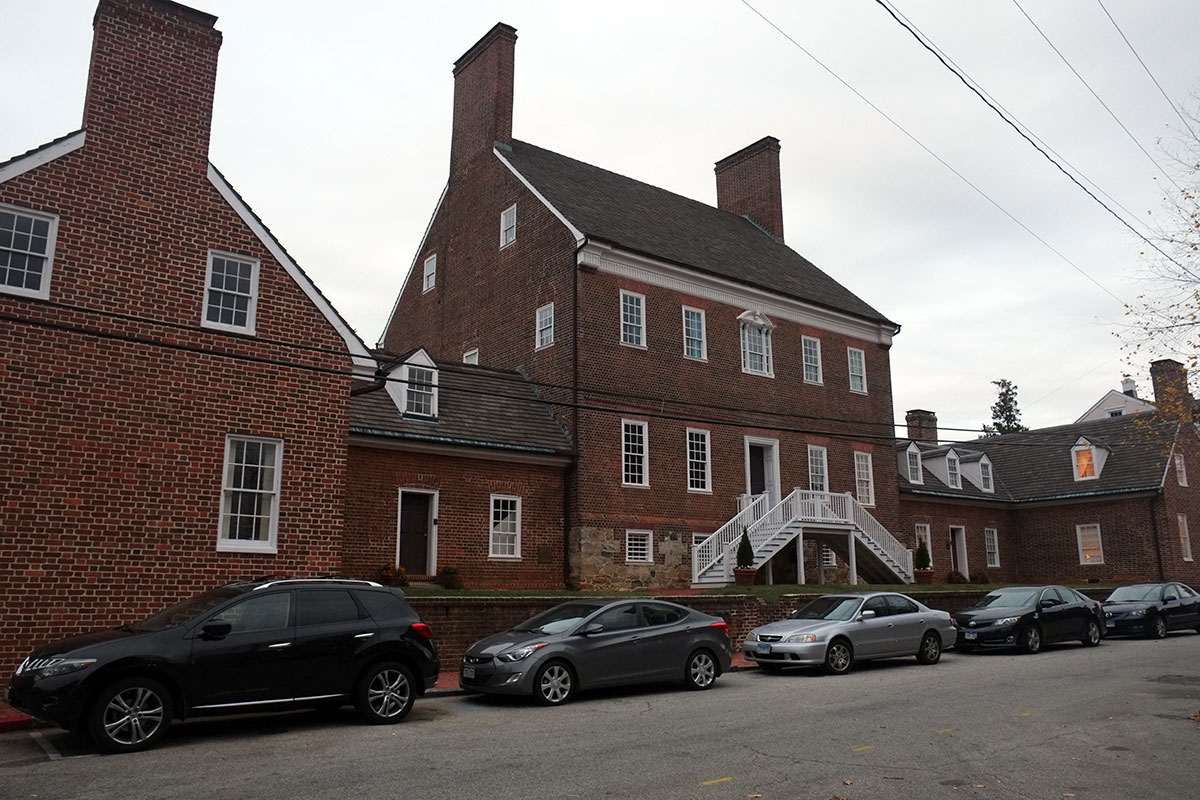
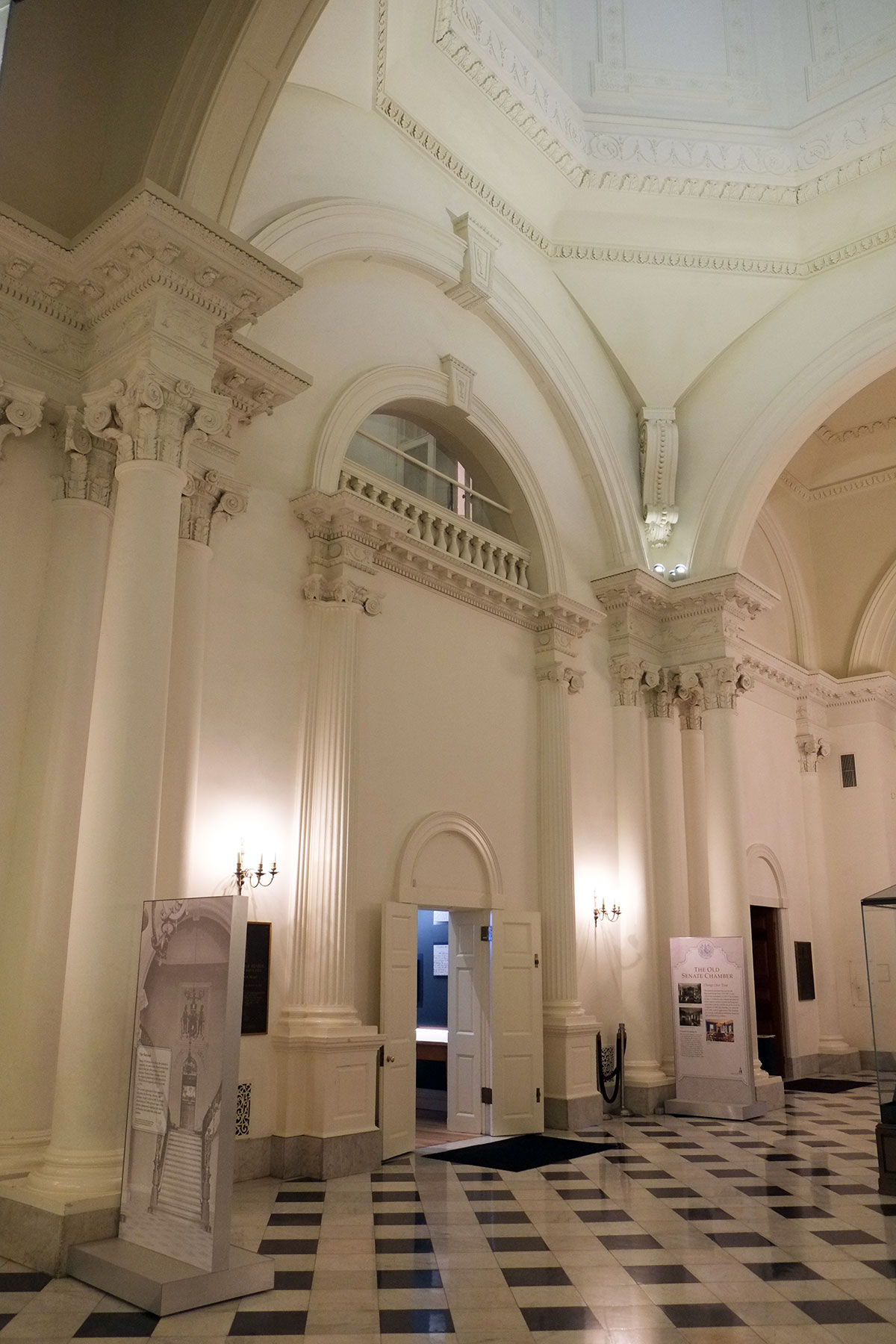
The building itself is fine, the oldest continuously operating state house in the country, and was the temporary home of the US government in 1783-84.  George Washington resigned from the Army there, which is nicely reenacted by bronze statues (so much more satisfying than living reenacters).  DSCF5952

A beautiful central hall and domeDSCF5956

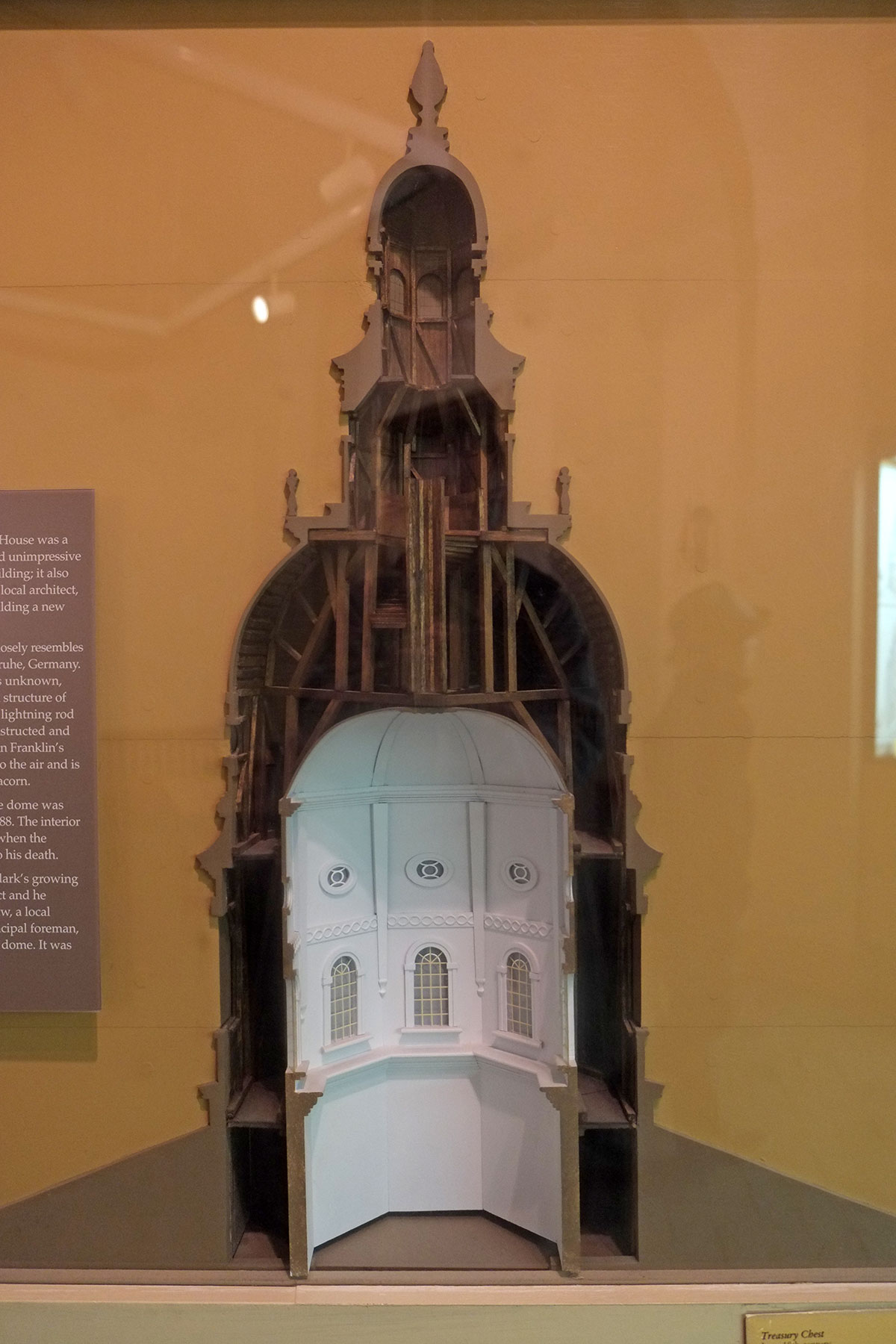
with an excellent sectional model to satisfy the architect-geeks.DSCF5959

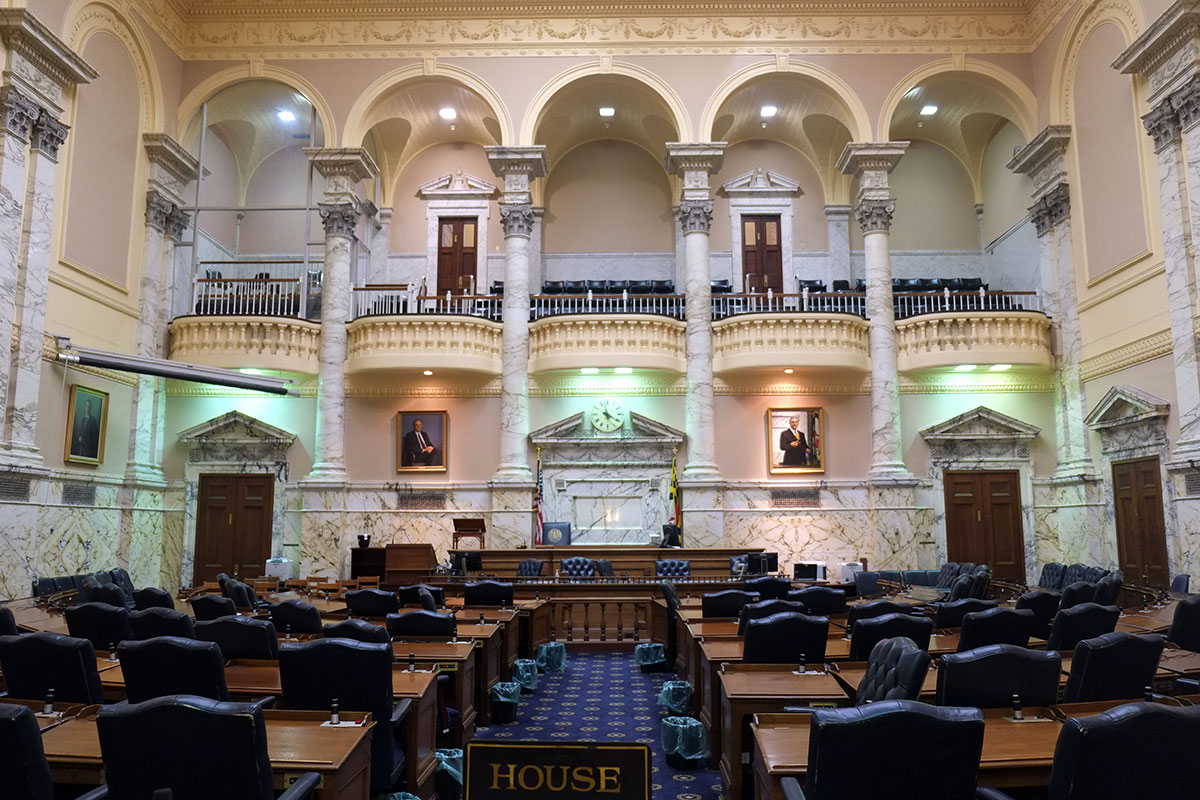
The legislative chambers are accessible, and show their later remodelingDSCF5953and other period rooms are well-restored.DSCF5944

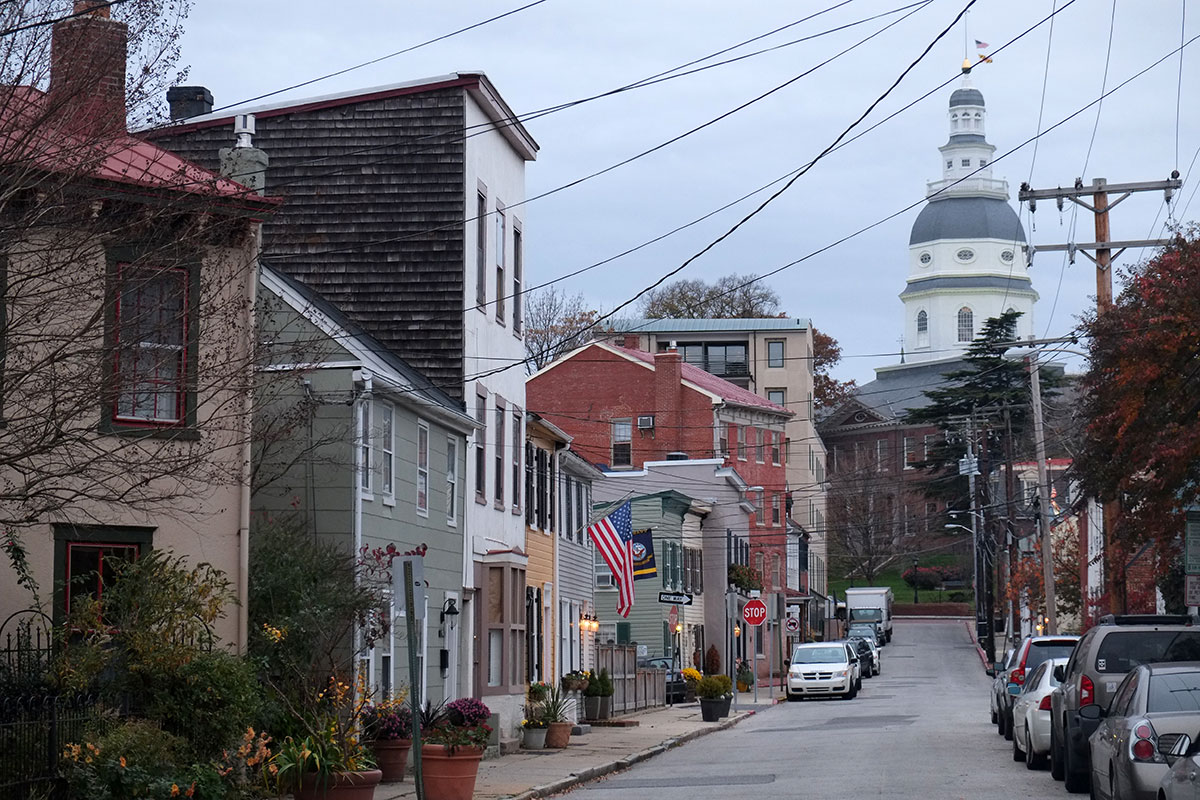
But the best thing about the capitol is how is situated, on top of a hill, providing a focus for views from all over the city.  DSCF6018

There’s a wonderful balance of the formal and the vernacular, what Krier calls the res publica and the res privata.  The state house is of central importance, but it is not the only important thing. Views down the main streets end in the harbor, as they should. DSCF5933There are grand houses (I’m not used to seeing Palladian villas in a city and not in the country) DSCF6019

and small row houses and shops from the same period.DSCF5968

Some prominent locations are downright funkyDSCF5969

and the buildings from different eras and of different scales are juxtaposed.DSCF5934

Some irregularity in siting is quite welcome, relieving the fairly uniform street walls. (I took this same photo 26 years ago.  It’s nice they got around to fixing the porch.)  DSCF5973

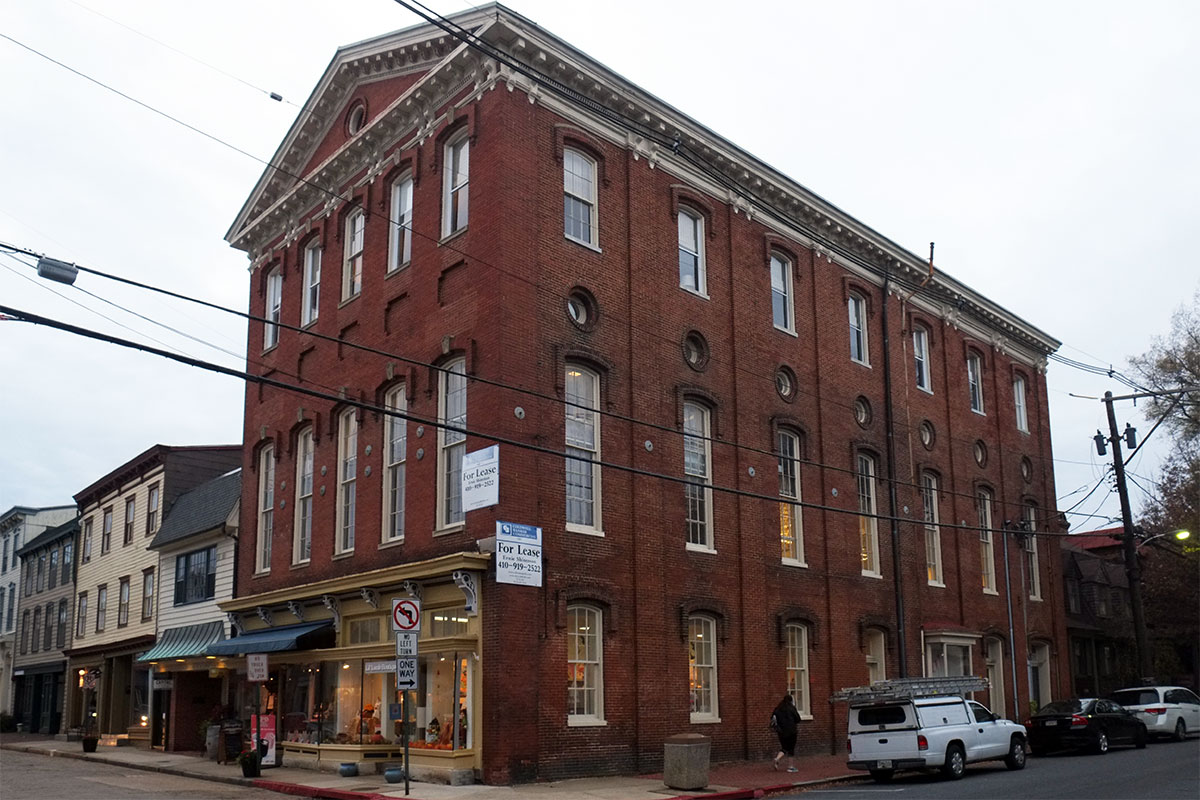
and there are just fine, elegant buildings from many periods.DSCF6009DSCF6004DSCF5998DSCF5989

and some quirks:  three steps, four materials.DSCF5984

Annapolis is this very historic town, full of historic buildings, yet it doesn’t feel precious, or forced (although some of the stores do).  I think this is because they’ve avoided the ye-olde self-consciousness.  It feels like an old city that has people living in it.  They haven’t tried to iron out the anachronisms – it is not a city frozen at one moment in time, but comfortable with many.

They were also smart (or lucky) enough to not have many bad 20th-century intruders.  (I don’t think it’s at all impossible for there to be excellent modern buildings in a context such as this – there are many examples in Europe and a few in this country.  It’s just highly unlikely.)   Annapolis avoided the modernist disrupters (of course, if you go a few miles to the edge of town, it’s just like the rest of America), and also the faux-historical imitators.  It avoided urban renewal, and apparently it avoided grand redevelopment schemes.  Being in such a coherent urban environment makes you realize how rare they are in this country, and how we managed to dodge a bullet a few times.  DSCF5995

Baltimore

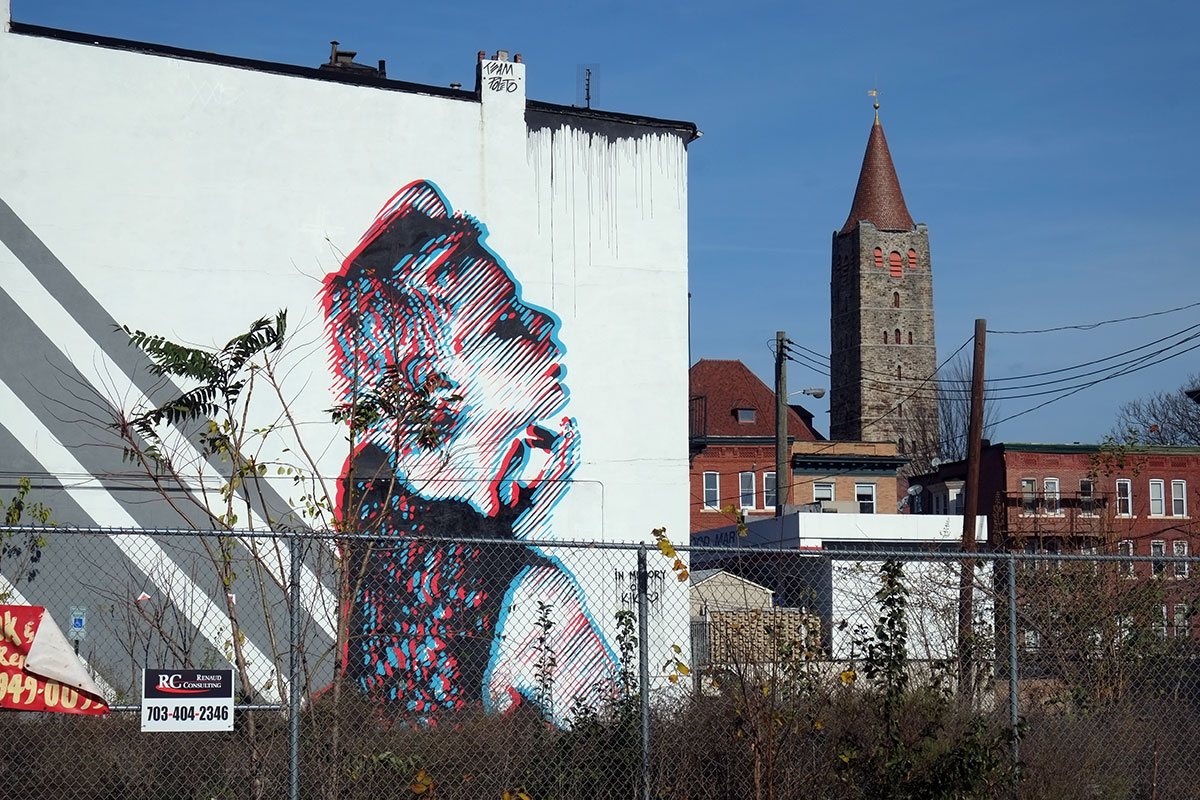
DSCF5725In this age of media-cooption of direct experience, how truly can we see a place, without our understanding being overwhelmed by previously-seen portrayals of that place?  This obviously comes up with New York, and L.A., and many tourist destinations, but for me it also came up with Baltimore.  I had been there several times before, but to be honest, my deepest understanding of Baltimore has come from repeated viewings of Homicide and The Wire.  This preconception had its negative effects – I was worried about walking down an alley, expecting that ferocious black-and-white dog from the Homicide credits to hurl itself against the fence at me – but it also had positive effects.  It reinforced my interest in the fabric of the city, spending time walking through neighborhoods, rather than just seeking out the architectural highlights.  This coincides with Greta’s predispositions too, as she’d much rather people-watch and see day-to-day life than look at major monuments of architectural culture.
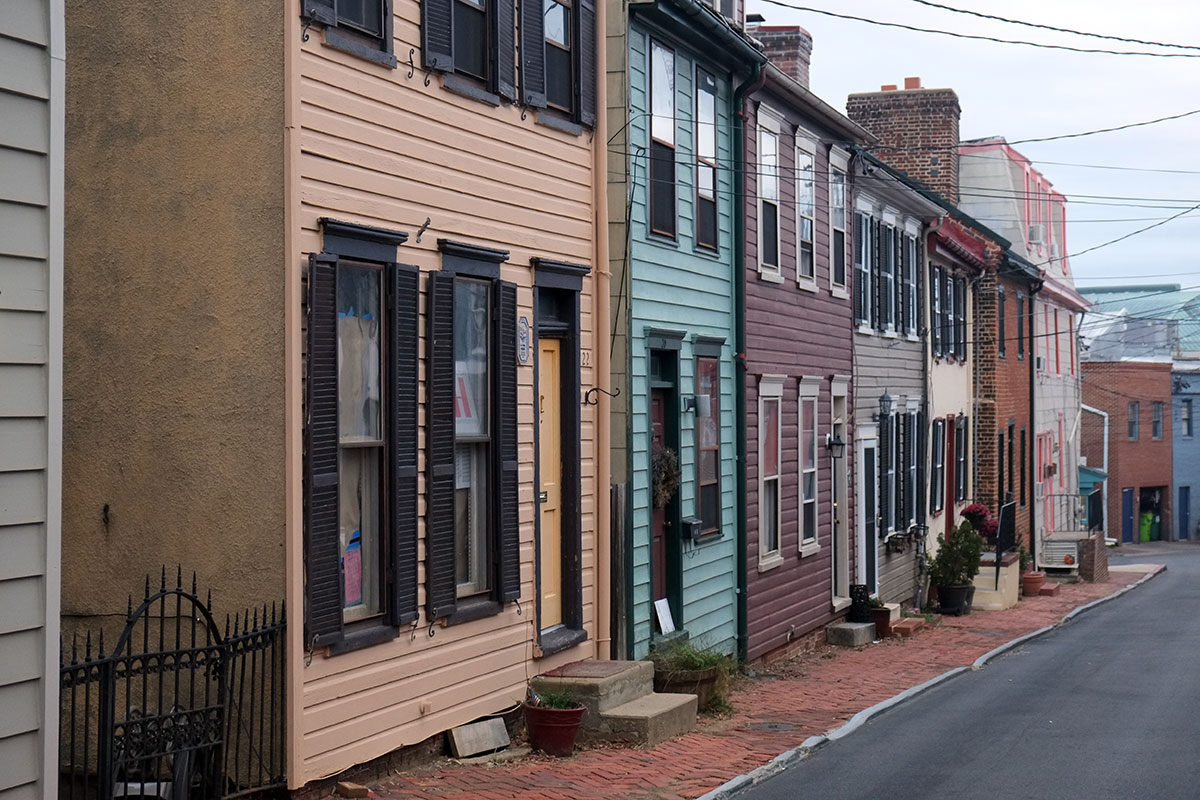
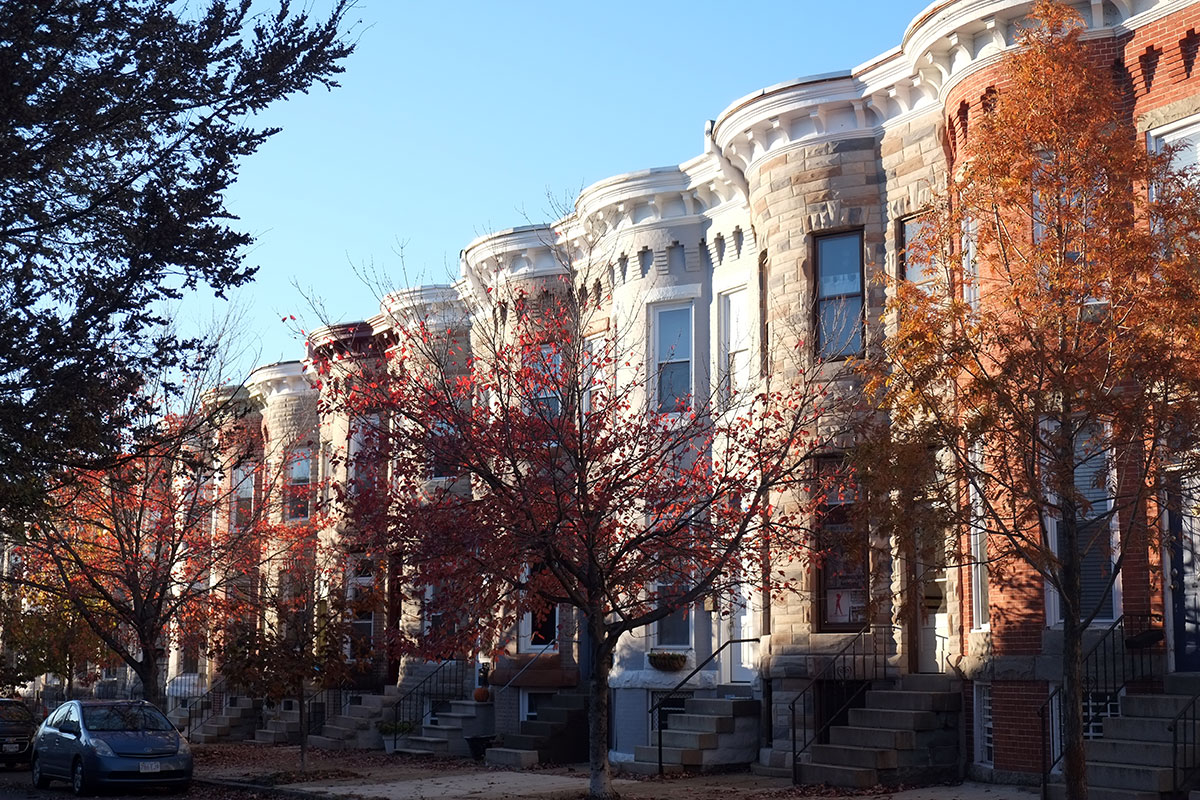
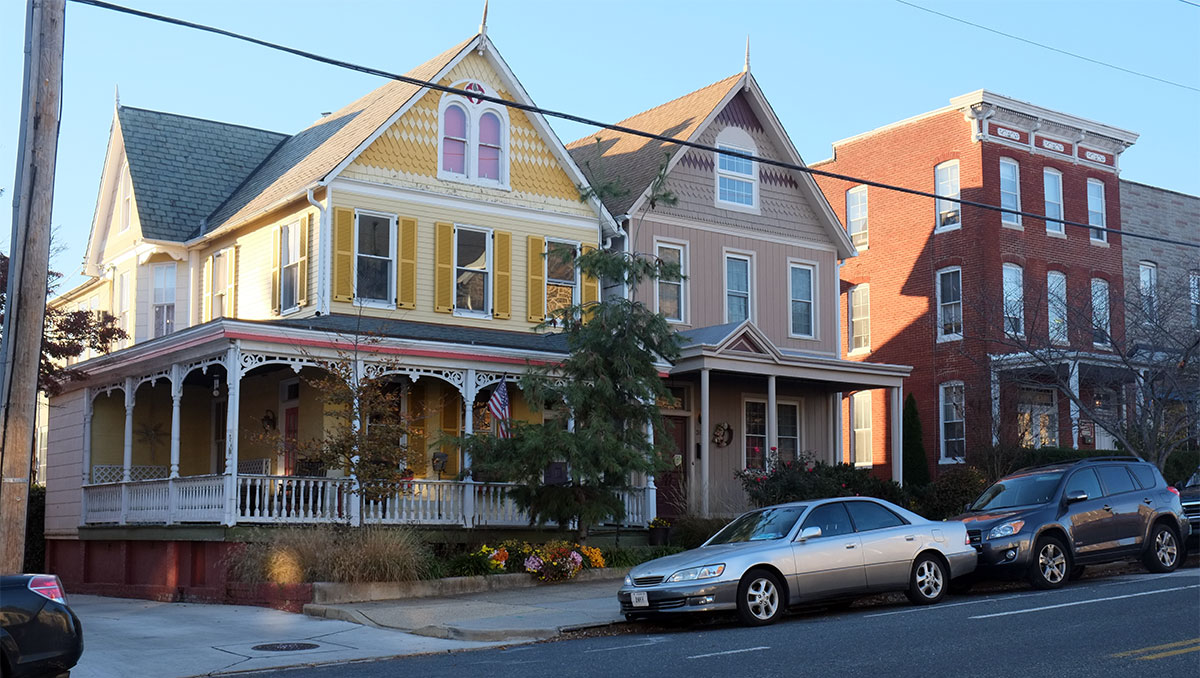
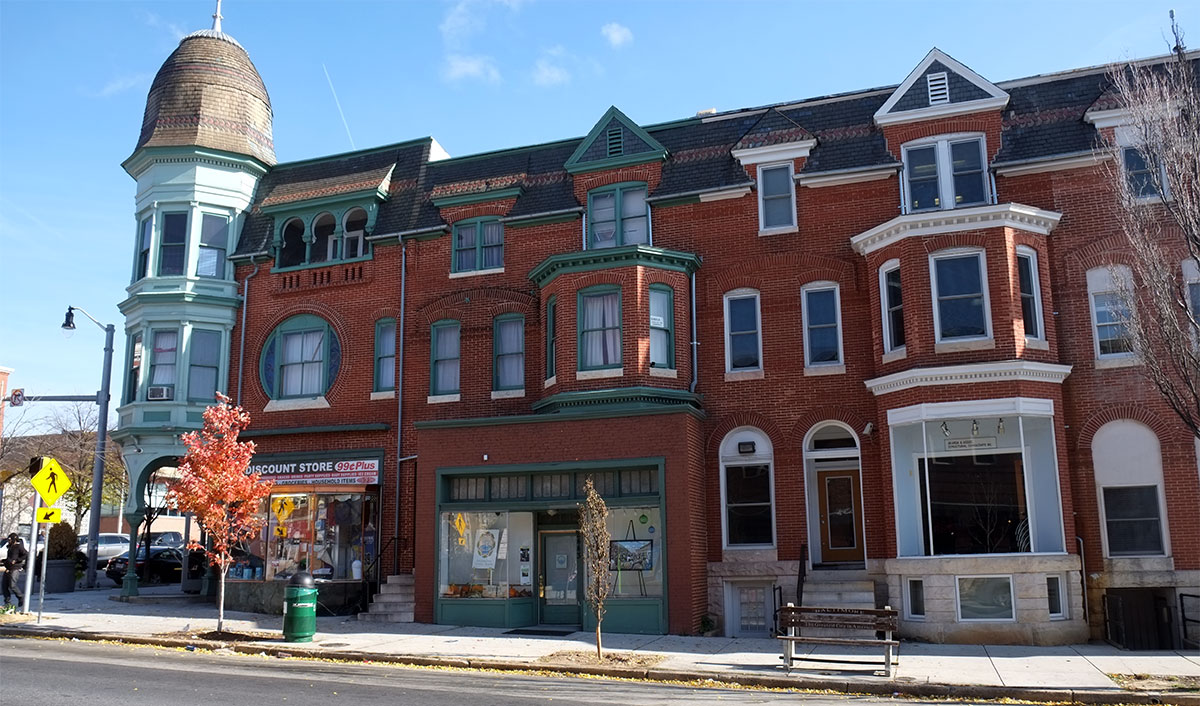
We were staying with our former student Neelab, who lives on the north side, a couple of miles from downtown, so our limited explorations fanned out from there.  (Plus my Wire-based geographic understanding led me to think that wandering around the North side was preferable to the East or West.)  We walked up through the Hampden neighborhood, a straightforward place which seems to be gentrifying at this moment, judging from the presence of a frites shop and other yuppie establishments.  Everyone understands the Baltimore rowhouse as the building block of the city, but what most struck me was the variety of designs, sizes, and styles within this simple type.  There were the obviously high-quality masonry houses,DSCF5716

the simple ones enlivened by coordinated colorDSCF5737

the ones enlivened by the lack of coordinationDSCF5714

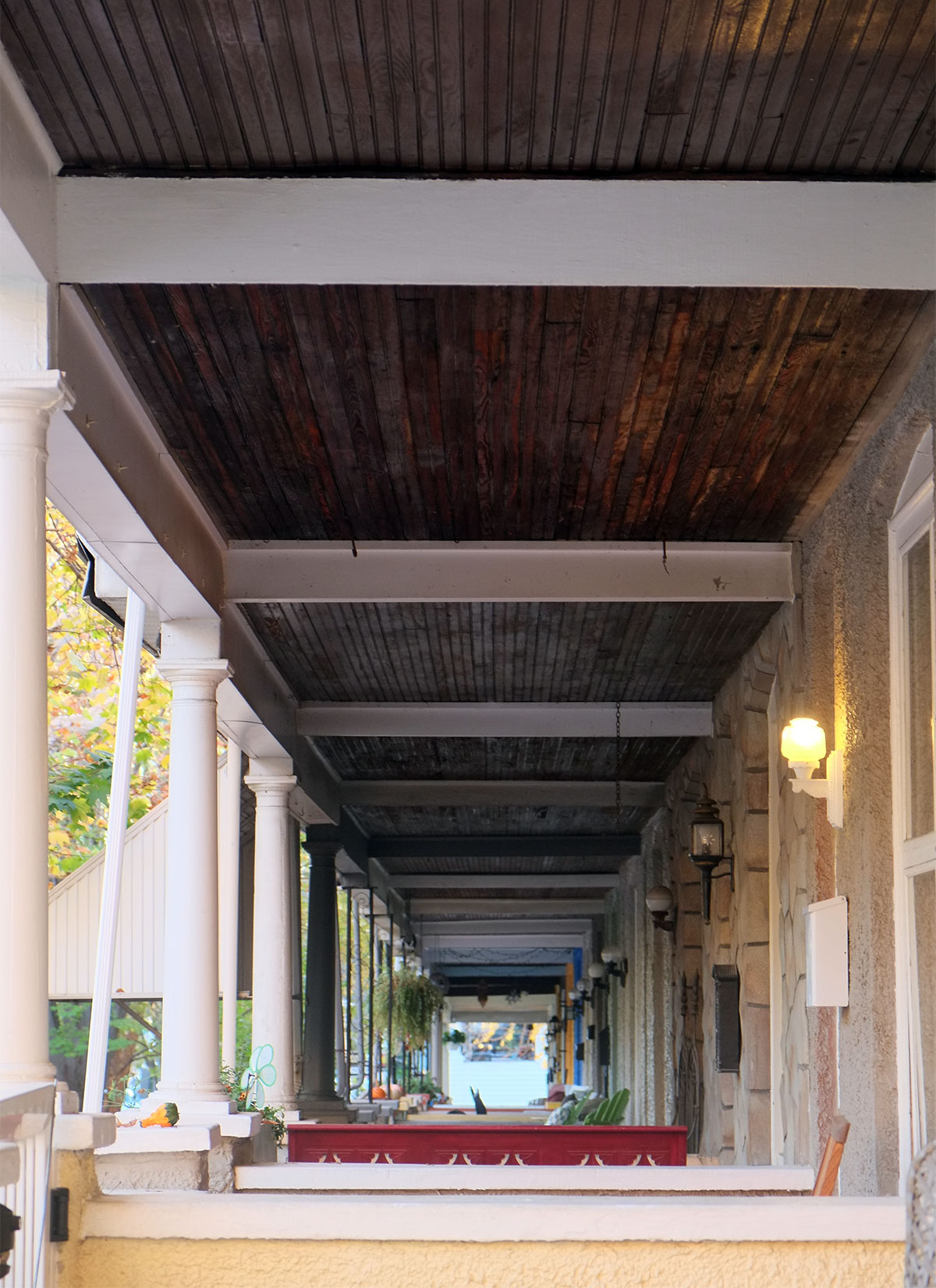
the ones with classic porches instead of stoopsDSCF5741

and the deeply idiosyncratic.DSCF5747

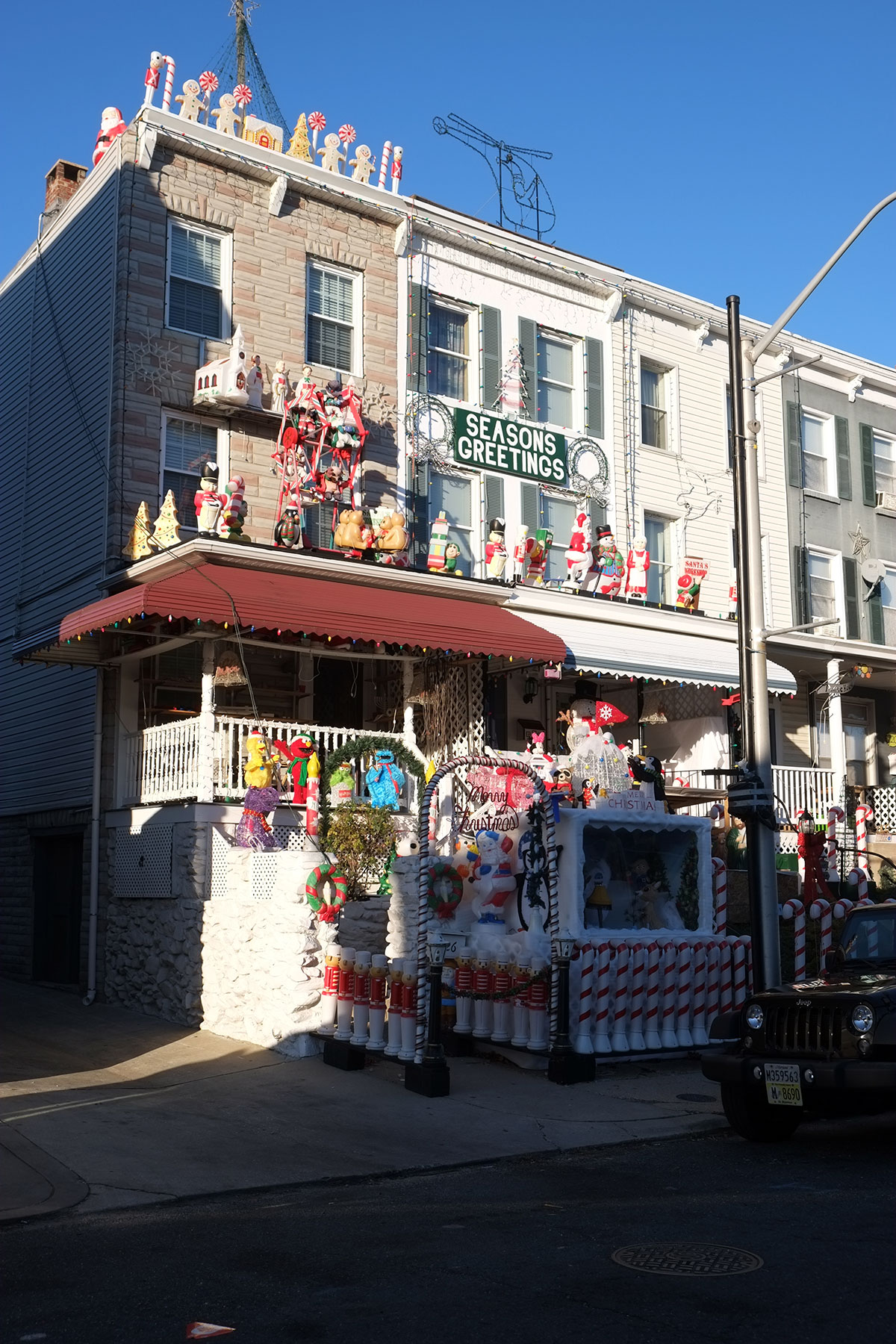
It was also cool to see traditions that we think of as primarily suburban – such as holiday decoration – running amok in the city:DSCF5709

While most blocks are uniformly rowhousing, there were also freestanding houses, semi-detached and narrow lot houses breaking it up:DSCF5730

and some unique houses, such as this one built by a local sculptor about 100 years ago.DSCF5802

And as with any good neighborhood fabric, there were the mixed use and commercial buildings, and local institutions mixed in with the housing.DSCF5707DSCF5794

We saw Johns Hopkins, a not especially unusual campus where the hegemony of academic Georgian is once again strongly in evidence.DSCF5777

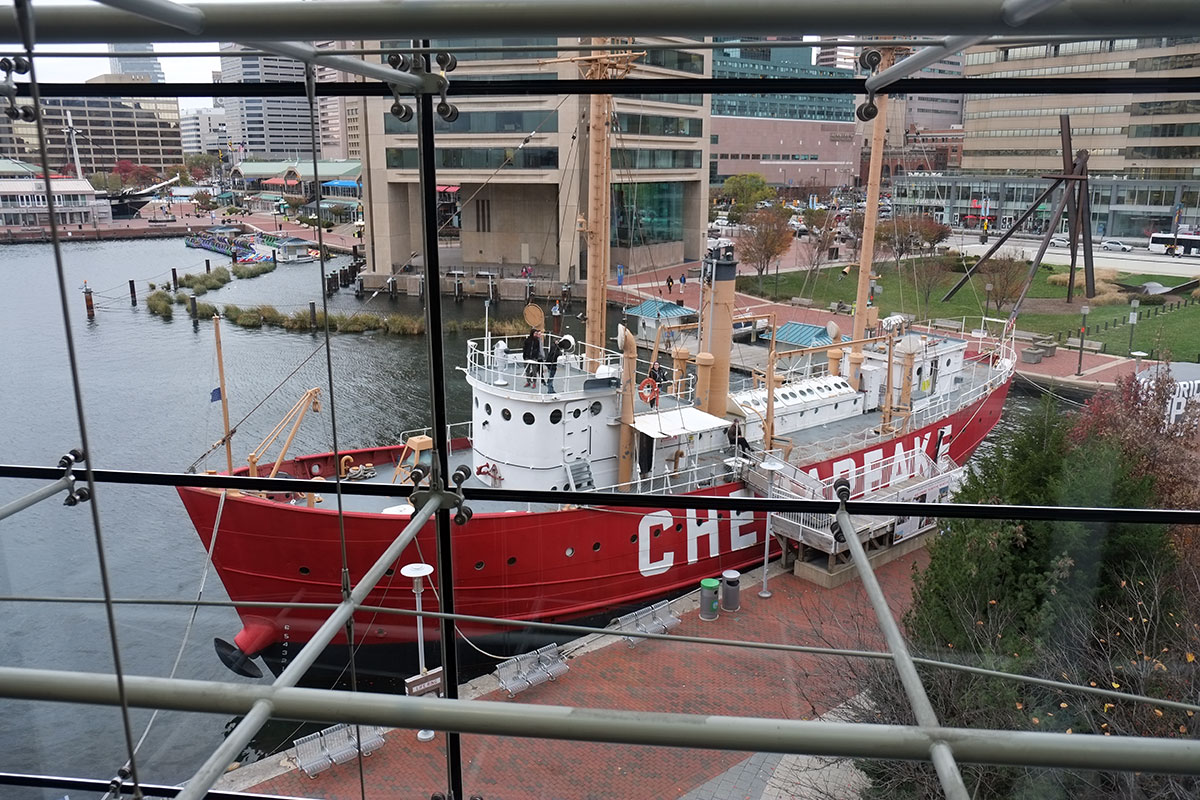
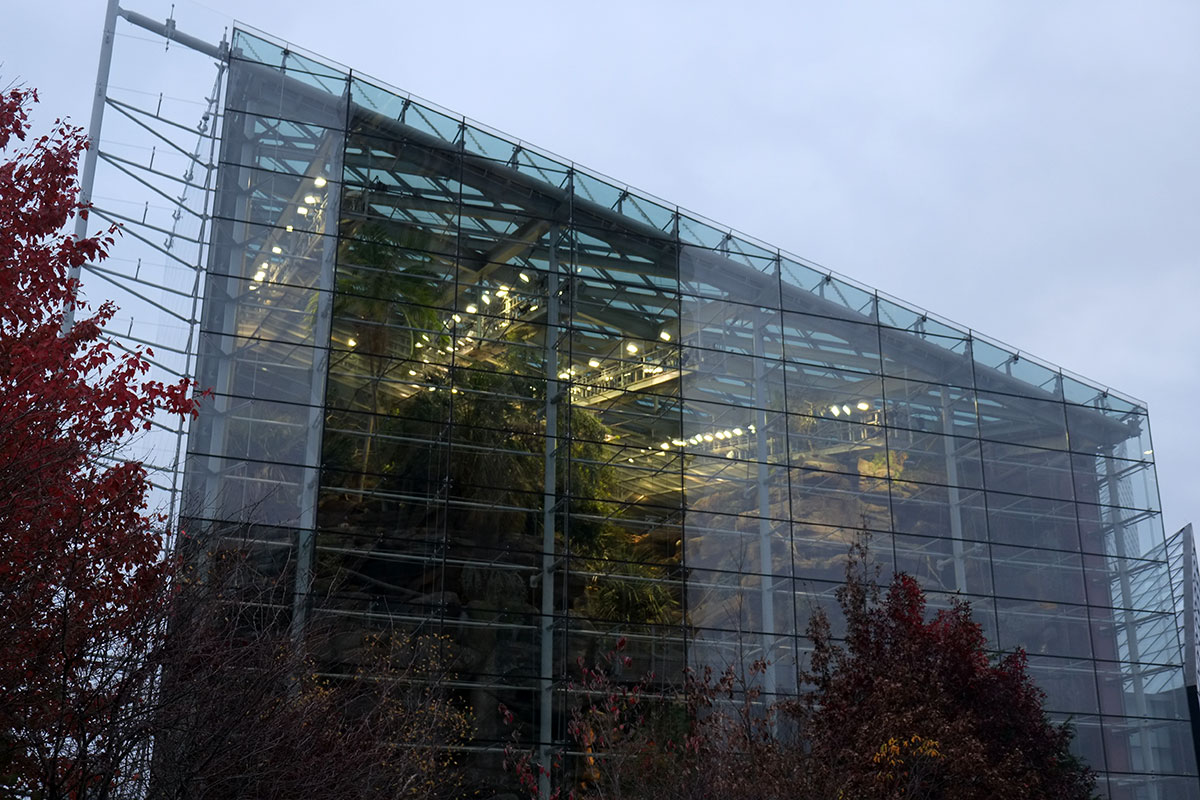
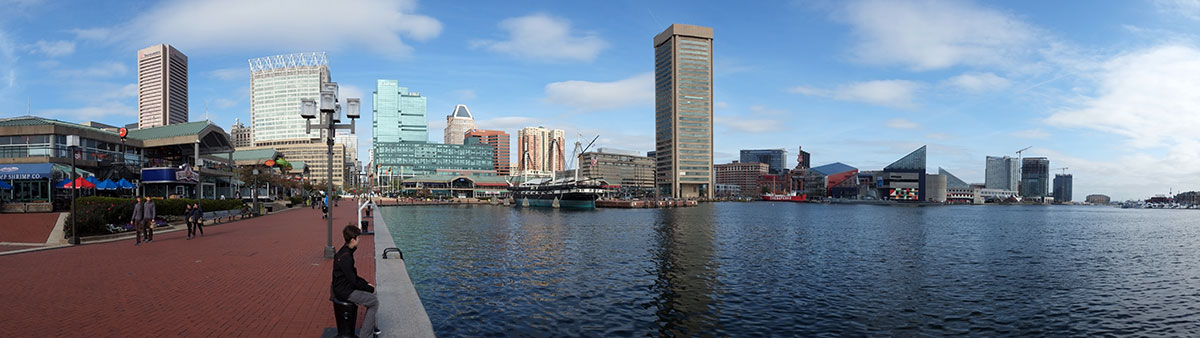
We walked to the downtown to get a better sense of the range of neighborhoods, and made it to the Inner Harbor, the redevelopment that put the city on the tourist map, with the groundbreaking aquarium and the Inner Harbor.  The Aquarium took up a lot of our time, as Greta’s architecture-quota had maxed out and we needed to see more animals.  Designed in the 70s by Cambridge Seven, it was the first to offer extreme spatial variety, huge tanks, and what feels like an immersive experience.  The interior spaces and experience are great,DSCF5859 DSCF5880

and the exterior conveys that this is a unique building, adding a focus to the waterfront.DSCF5834 DSCF5848

To some extent, aquariums need to be black boxes, to control light and marine growth, but this aquarium connects the inside to the outside as much as possible.DSCF5888 DSCF5906Overall, a very good building, though not quite up the Monterey Bay Aquarium, according to our family aquarium expert ( who has written a post about the aquarium qua aquarium and not architecture).

The Inner Harbor was one of the first “festival marketplace” developments by James Rouse, whose company was based in Baltimore.DSCF5832It’s a pretty convincing, nicely-scaled area which obviously opened up the view of the harbor, replacing the waterfront uses that were in decline.  It started a trend to bring suburbanites back into the city, by convincing them that it could be safe and fun.  We saw it on a November weekday afternoon, not prime tourist season, so it was clear that the spaces were scaled for the tourists who must throng it in the summer.  With the exception of a repurposed power plant with giant Hard Rock Cafe guitar on top, it doesn’t try too hard;  it all seems to be related to Baltimore somehow, and isn’t just the latest manifestation of a market-tested, globally-repeated, Disneyfied, ersatz urban branding extravaganza.  That is probably because it is now so old – a more recent development would look more like Vegas.

The issue of eras of building is important in another way in Baltimore.  If you zoom in on the picture above, you’ll notice that there aren’t really many new skyscrapers.  Baltimore has its share of crappy skyscrapers from the 60s and 70s, but very few from later decades.  I think this is a good thing.  Probably since it is a relative economic backwater, and not a global city, Baltimore has been spared the crush of banal behemoths that dominate so many other cities on the ascendant, such as Dallas, New York, Charlotte, etc.  These new skyscrapers may not be any worse than the older ones, but they are much bigger (in both height and floorplate) and they completely change the character of the downtown.  Cities such as Boston, which have preserved a lot of older buildings, can survive the onslaught with a semblance of balance, but newer cities, such as Seattle, become all too much of one era, and unfortunately not a very good one.  We’ve been visiting a lot of second and third-tier cities on this trip, and it strikes me that these cities, which are more embedded in the local rather than global economy, may be much better cities in which to live – reasonable housing costs, a sense of history, a slower pace.  The global cities are exciting and hip, but a city which has been spared the tsunami of global capital looking for a place to buy up real estate may provide a more grounded, balanced and satisfying life for a much wider range of residents.
Baltimore

Aquariums

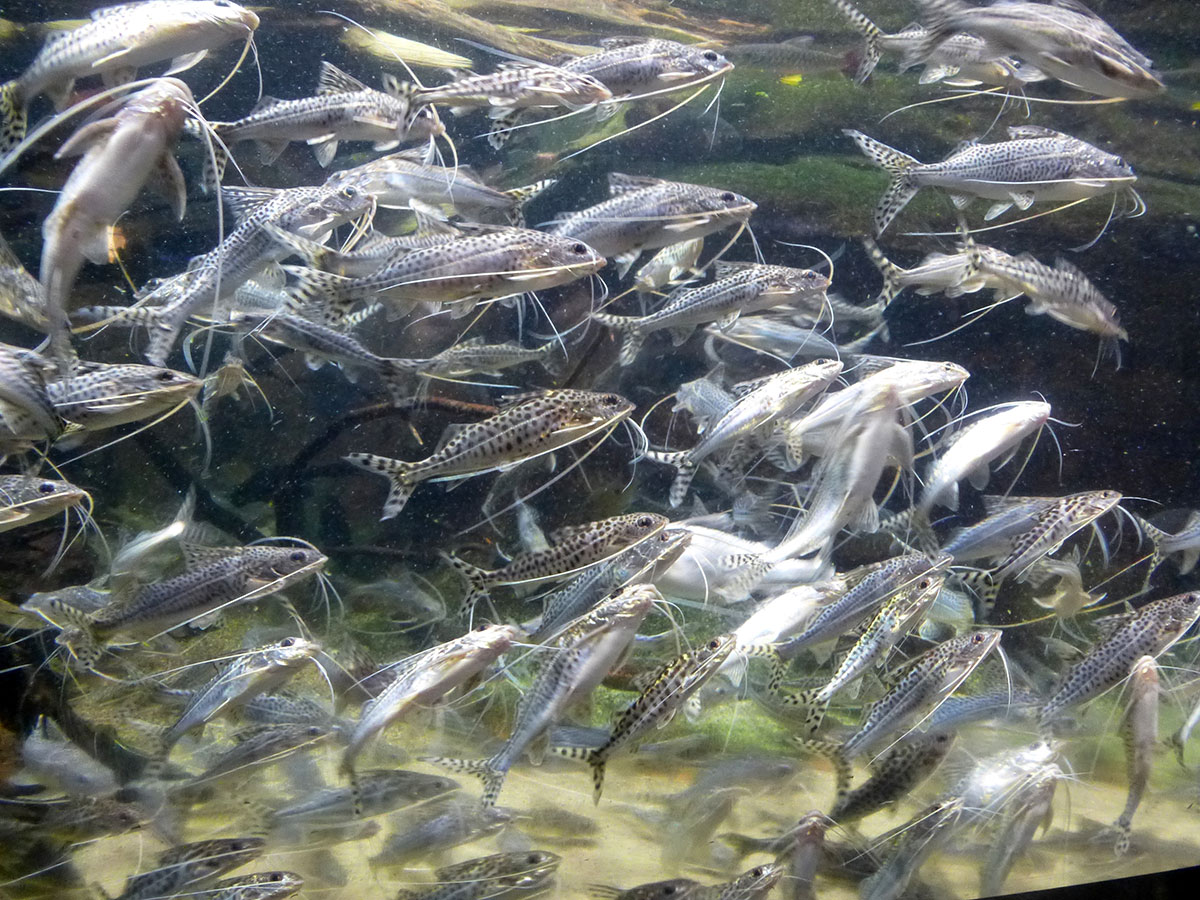
Catfish

Catfish

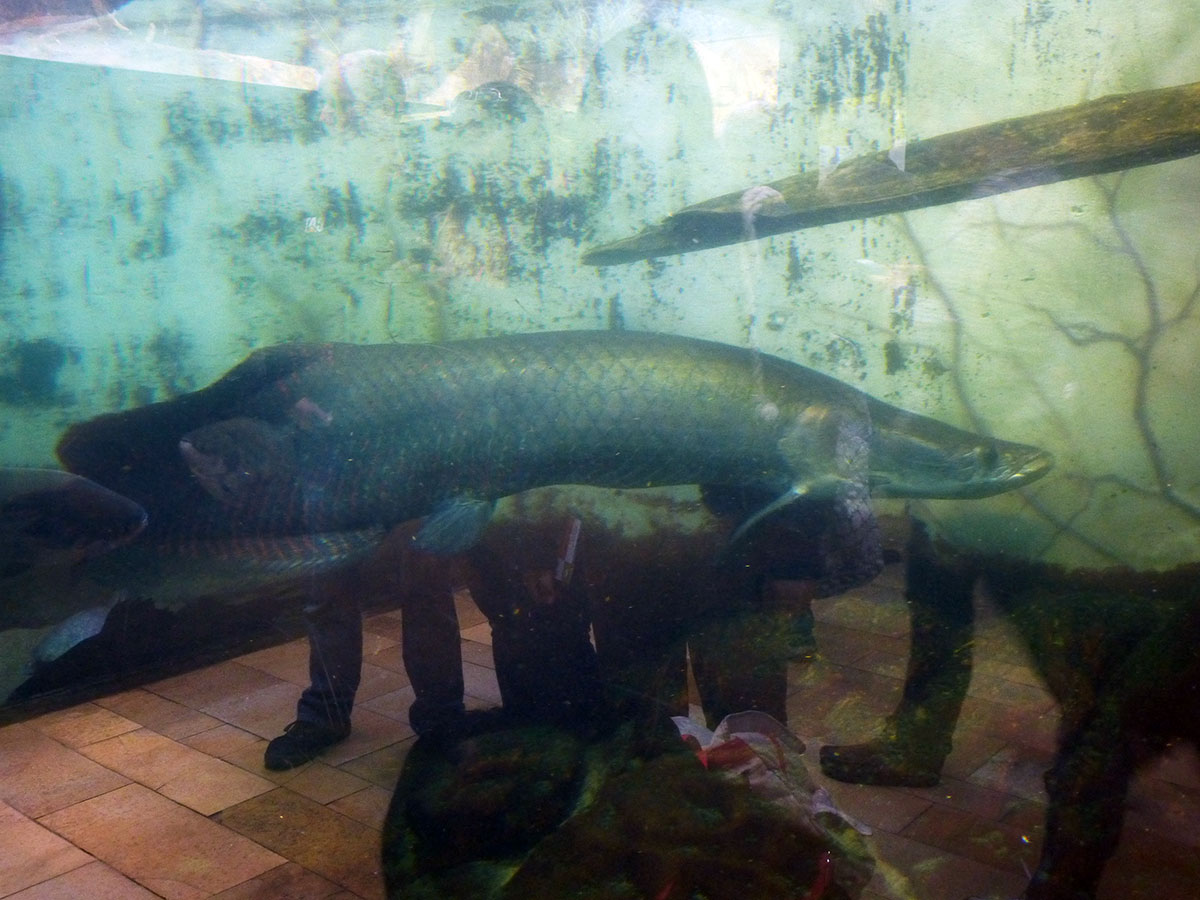
Arapiama, the largest fish in the Amazon

Arapiama, the largest fish in the Amazon

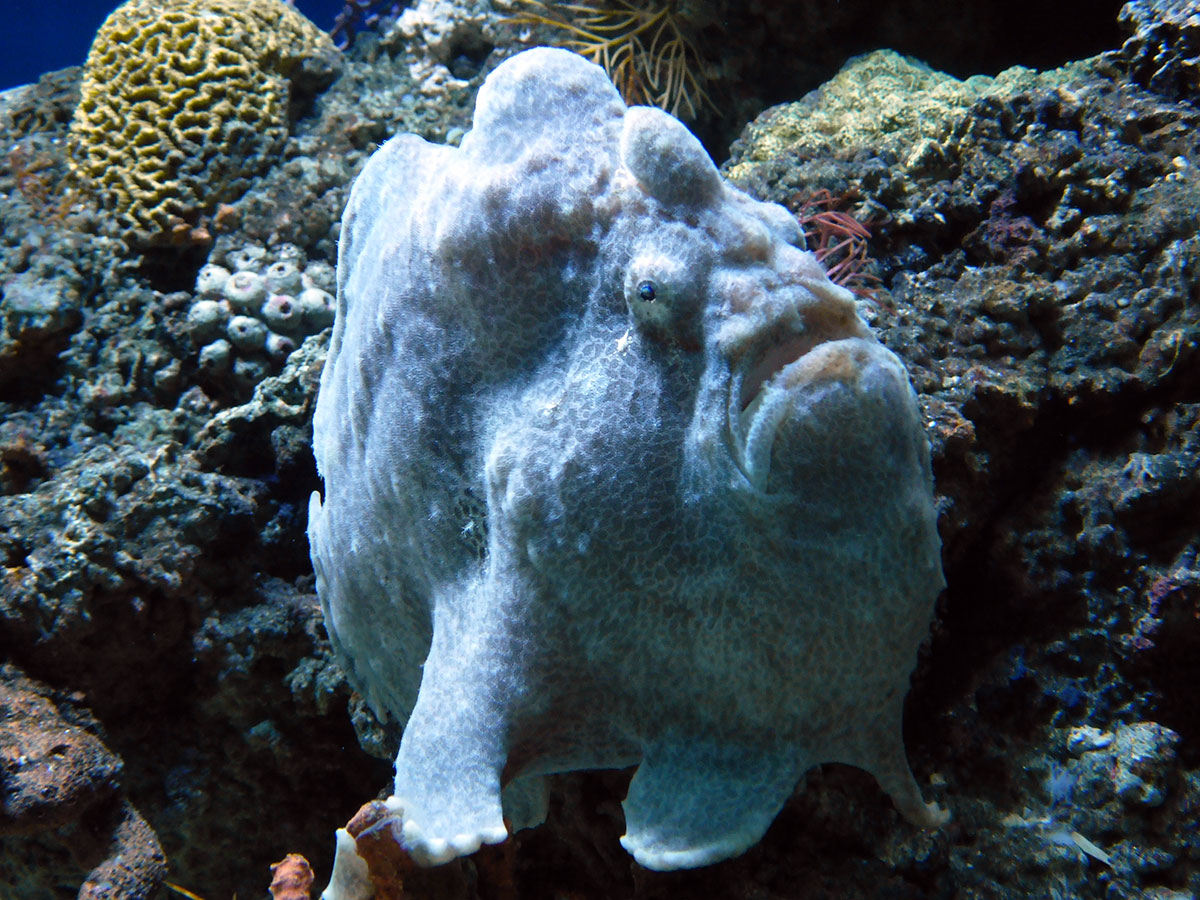
Frogfish

Frogfish

So far on this trip, we have been to two aquariums; The Shedd in Chicago, and the National Aquarium in Baltimore. Though they were both cool, I don’t think that even added together they equal the Monterey Bay Aquarium. But that is so amazingly awesome that even less than half of it is still amazing.

P1050448

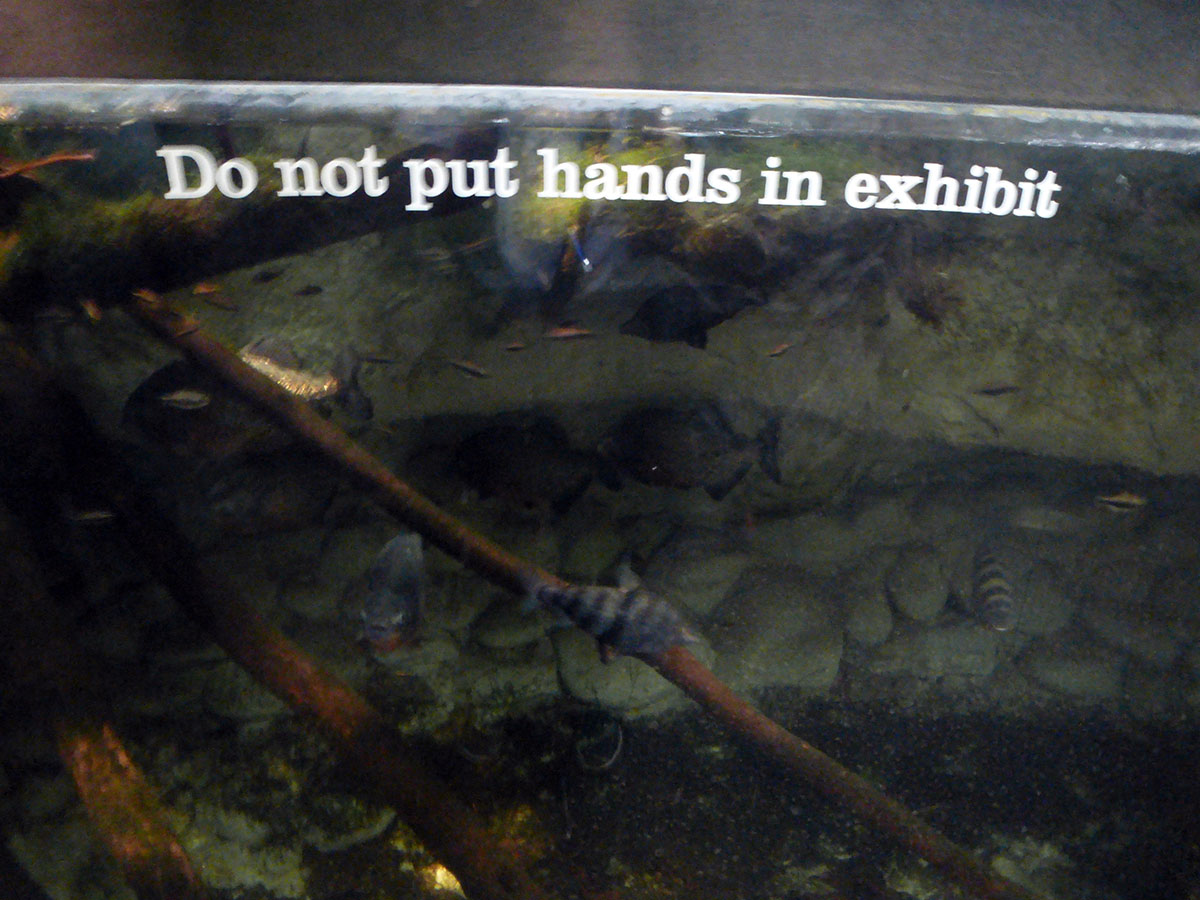
Piranhas

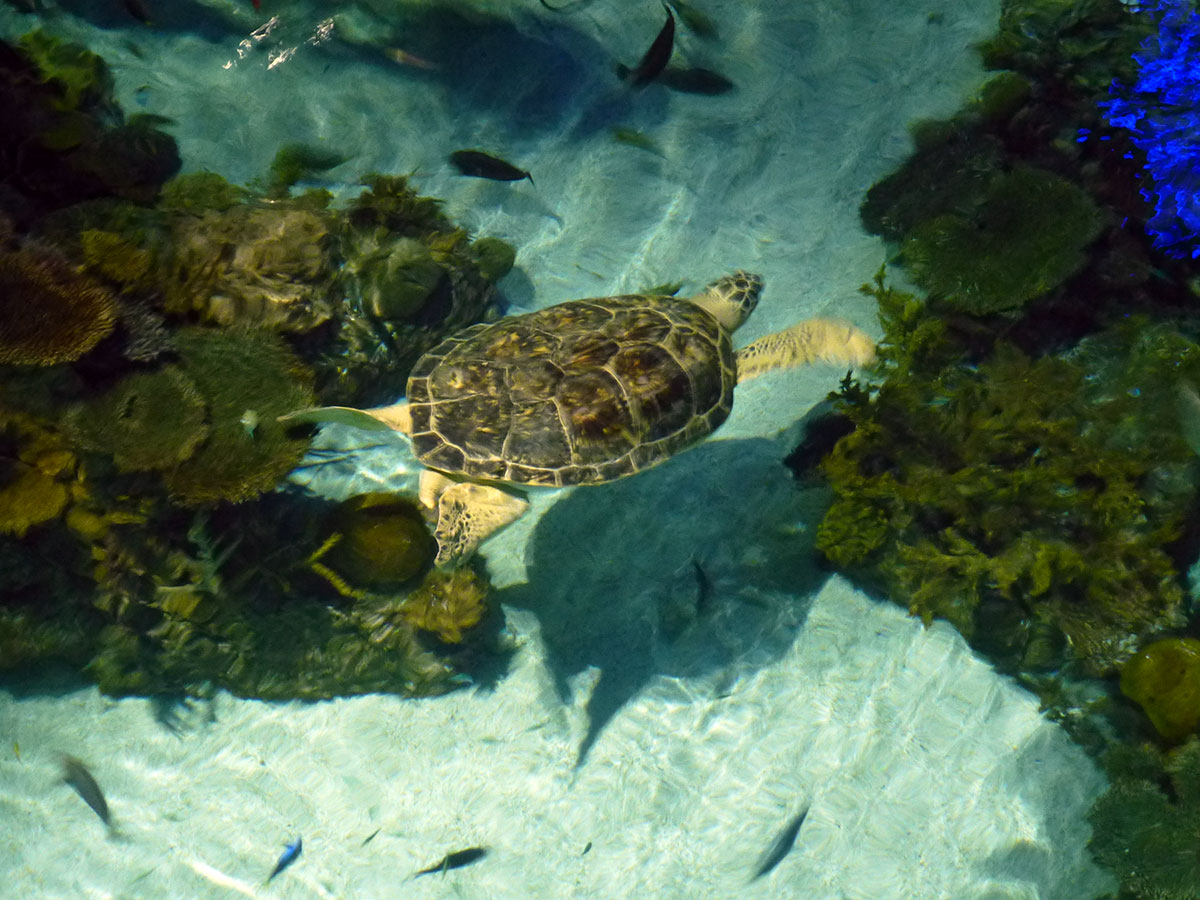
Both aquariums had green sea turtles. Nickel, named because a nickel was found in his stomach when he was rescued, was smaller, but he had all his flippers. The Baltimore turtle had only three, but I was so busy marvelling at her size that I didn’t notice until someone pointed it out to me. She was longer than the diver who was feeding her, and her shell was the size of a tire.
Baltimore Turtle

Baltimore Turtle

Another similarity was that they both had dolphin shows and stingray petting. At the National aquarium however, there was nothing telling you when the shows were, or even telling you that they had dolphins, so we missed that. I missed the show at the Shedd too, while I was looking for the stingray petting. I never found it. At the other aquarium however, they had a tank with skates, horseshoe crabs, and stingrays. The tail barbs on the stingrays were clipped, which is good, because a sting from one is so painful, fishermen in the Amazon call them “wish you were dead fish.” There was also a tank with moonjellies they let you poke, because unlike other jellyfish, their stings are so small you can’t even feel them.

The National Aquarium had more sharks. Shark alley, a three level exhibit where the sharks and sawfish were literally swimming all around you was awesome. I’d never seen a sawfish before, and they are the weirdest things. There were also a few giant pufferfish, who wore the silliest expressions. Zoe the leopard shark only swam in tight circles for the entire time we watched her.

Zoe

Zoe

The Shedd had more marine mammals, including sea otters, seals, and the beluga whale tank I once threw my ragdoll in when I was a baby. True story.

Happy Beluga

Happy Beluga

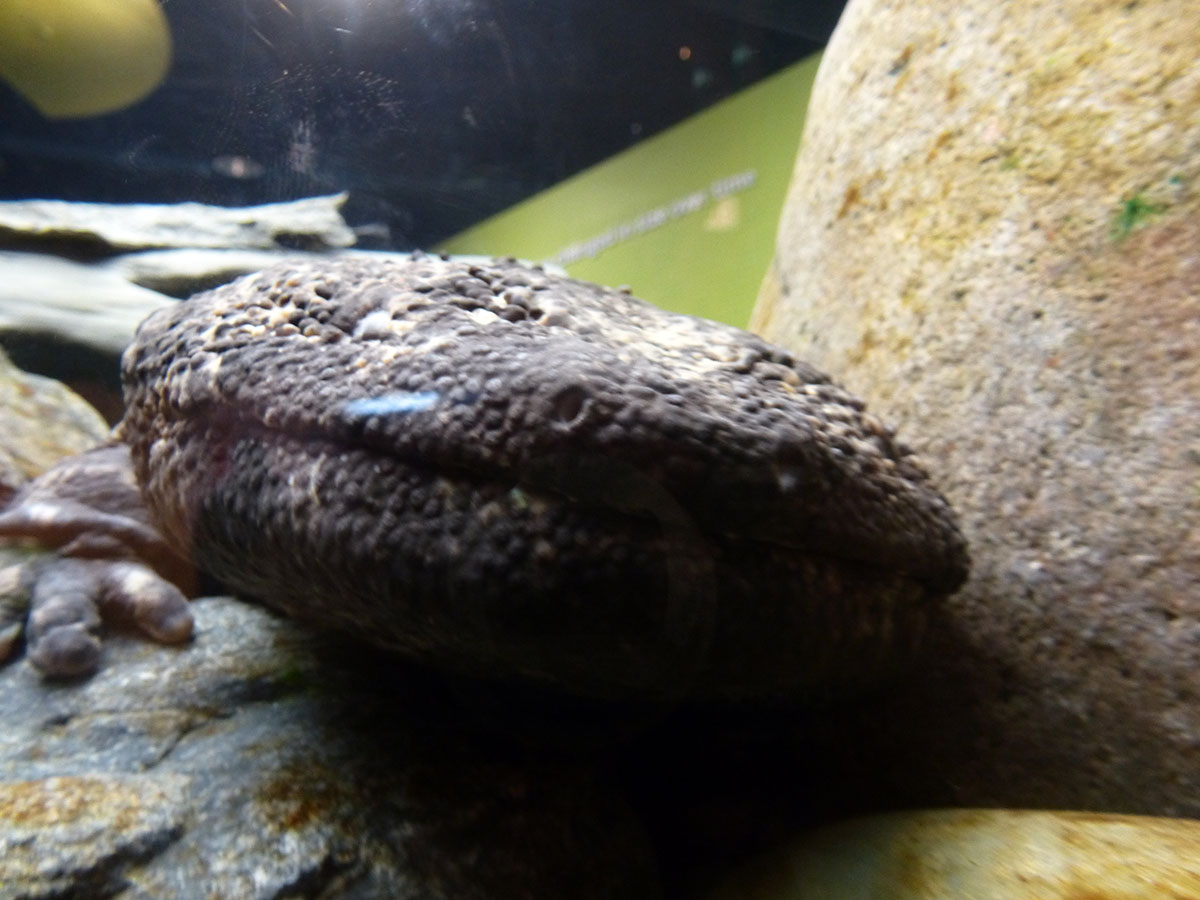
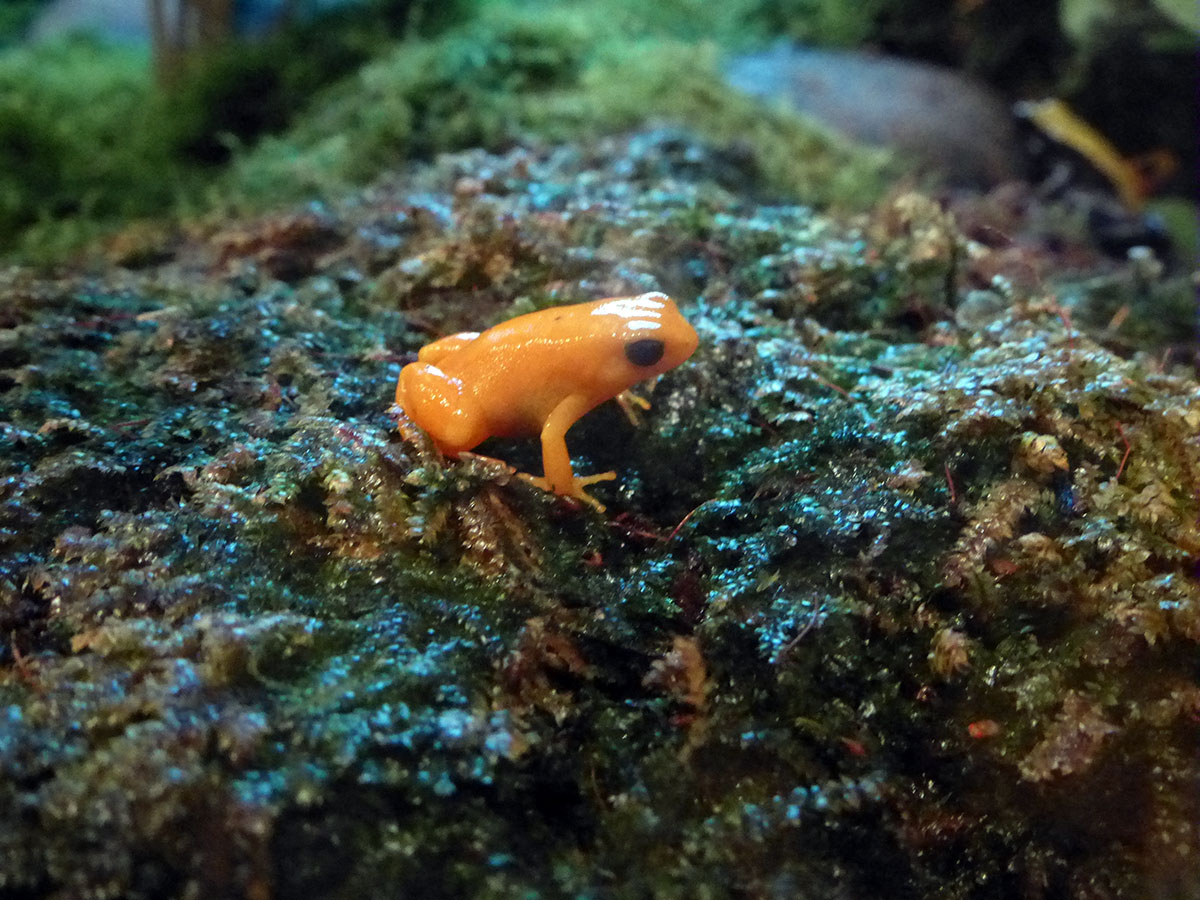
They also had a special exhibit about amphibians. It had a large variety of poison dart frogs, as well as a giant Japanese salamander.

Giant Salamander

Giant Salamander

Frog

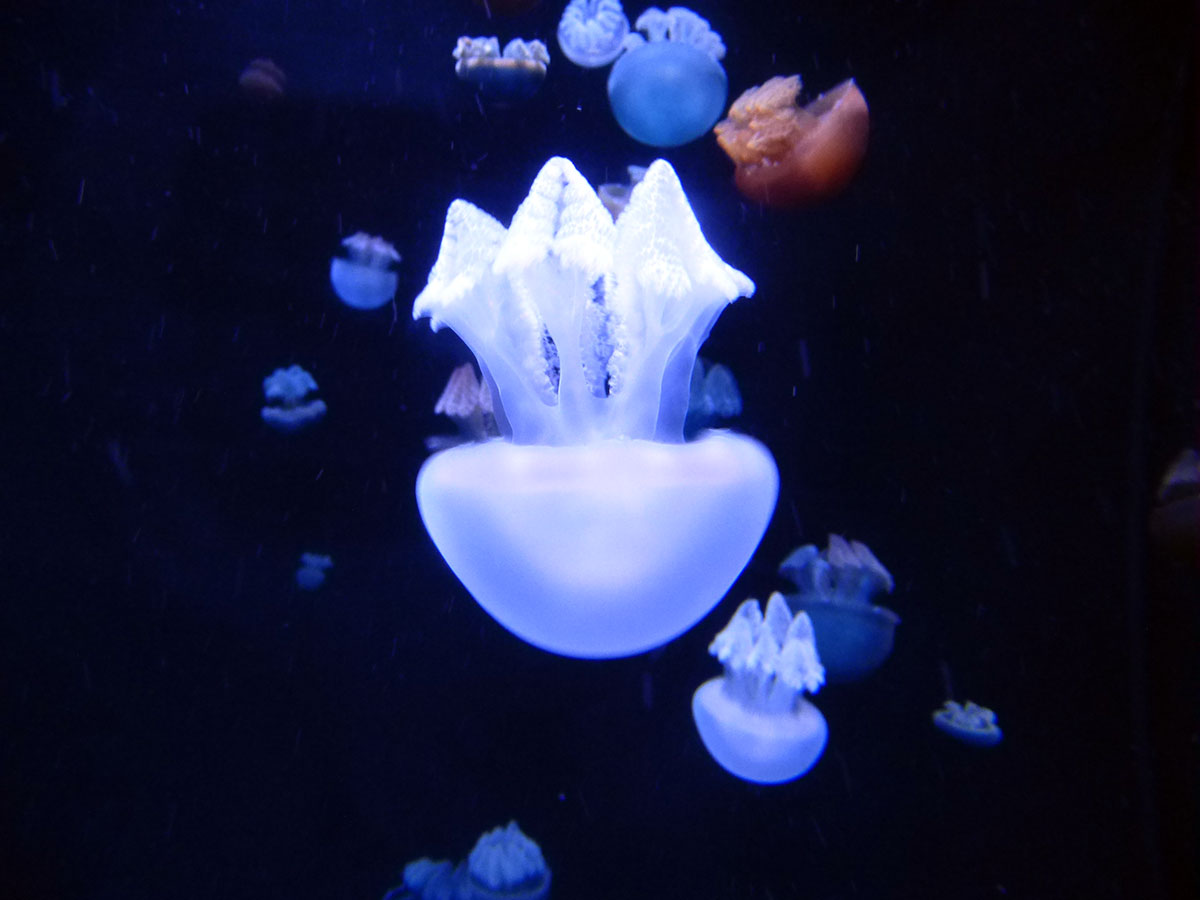
But my favorite exhibit was the jellyfish in Baltimore. They had upside-down jellies, who, instead of floating around, affix their bells (the top part) to hard objects like rocks, and wave their tentacles around waiting for food to come to them. Brown blubber jellyfish look like the Oxiclean scrubbing bubbles things. I couldn’t stop laughing when I was watching them. Jellyfish are the living lava lamps of the animal world. There was another tank of moonjellies too. One cool thing about moon jellies is that they’re translucent, so you can see right into their stomachs, which look like flowers on the top of their bells. Usually full of orange or blue zooplankton, they range from having four to six “petals” or stomach compartments, and no one is sure what causes the variation. The aquarium obviously didn’t have any on display, but box jellies are the evil cousin of moon jellies. Clear and small, they live in Australian waters, and are the most poisonous animals in the world. A single sting from one can kill a human in less than twenty minutes. The more visible and less deadly Australian white-spotted jellyfish was on display, and looked nearly as ridiculous as the blubber bots.

Blubber Jellies

Blubber Jellies

moon jellies

moon jellies

Australian spotted jellyfish

Australian spotted jellyfish

Though both aquariums are expensive, over forty dollars a ticket, I think they were worth it. Be sure to manage your time wisely, and go see the dolphin shows we missed.

Family (northern edition)

DSCF6551-copyTraveling to the Northeast not only meant catching up with many old friends, but also seeing the family, in New York and Pennsylvania.  We didn’t get to see everyone, and we couldn’t stay as long as we wanted (as we could sense the change in weather closing in on us), but we shall return soon.

We stayed with my brother Jerry in Westchester, to which he has returned after a long hiatus in New Jersey.  Jerry is eight years older than me, but from the earliest age, we’ve always been pretty close.  PAK016a

And as is probably typical with most siblings, there are ways we are polar opposites (politics, musical taste), and ways in which we are pretty similar (sailing, traveling, dark sense of humor).  As we’ve been traveling down to the south in recent weeks, I realized we were going places that I first visited when Jerry was a teenager and took his little brother along on a road trip – the Shenandoah Valley, Charleston, etc.  Those were the first trips I made without a parent, and I think they planted the idea that one could just get in a car and go see the world.  In the past decade we’ve gotten together every summer, as jerry flies out to Whidbey Island, and we sail and hang out.
Sailboat-shots-017After a career in insurance and banking, Jerry retired two years ago, about 15 seconds after he was eligible, and retirement seems to suit him very well.  (For the last three years of his working life, his screensaver was a photo of his sailboat with a count-down calendar on it.)  His good friends Pam and Steve sold their house and bought a two-family house in Mamaroneck, and after a year of renovation, they live in the downstairs unit and Jerry lives upstairs.  They are three miles away from the boat club where they all spend much of their time, and one mile from the train station into the City.  It seems like a very good model for retirement.

After a day in New York, Greta and I both caught a cold, and spent two days hunkered down at Jerry’s, where we caught up on all the 1960s sitcoms that I hadn’t watched since the 1960s.  (My brother has an encyclopedic knowledge of the classic shows of the past 60 years, but it was good to see that he has expanded his repertoire to include more recent television.)

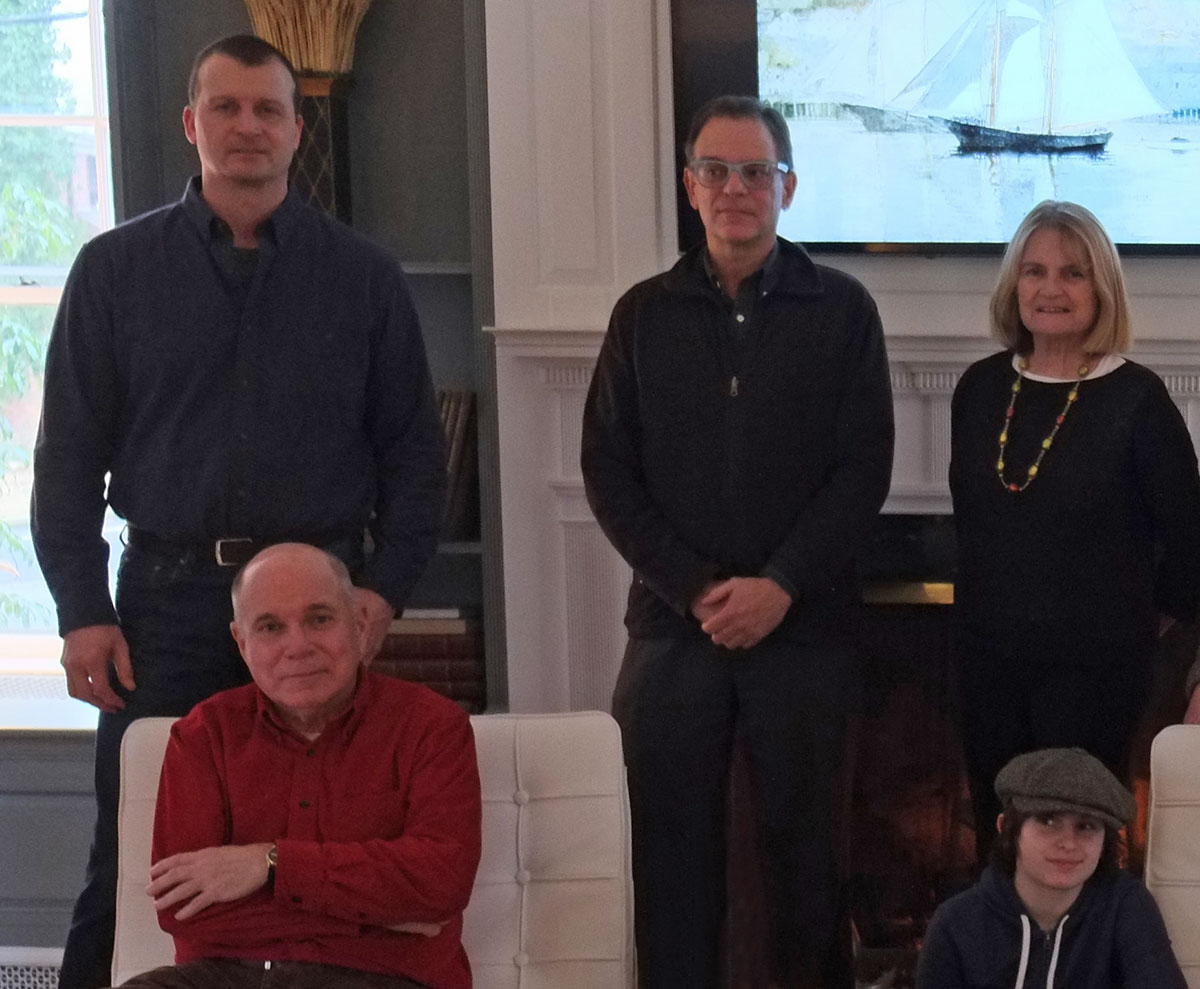
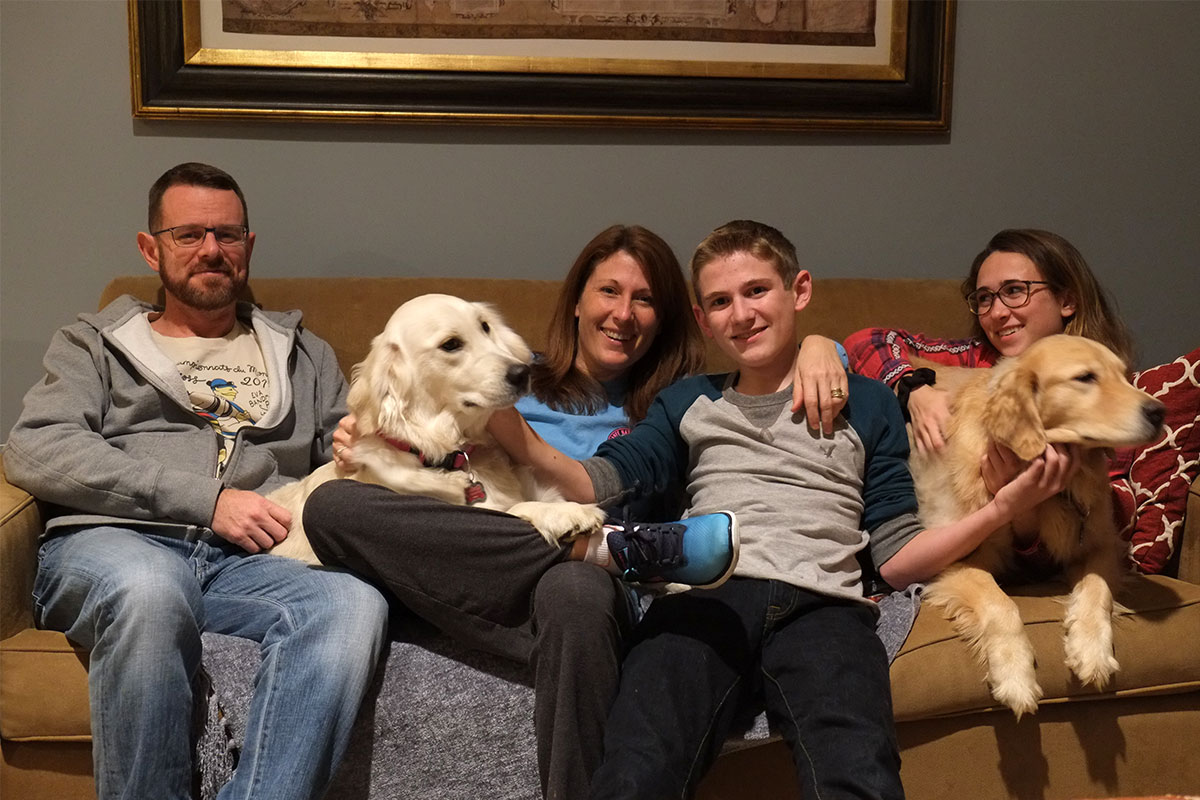
While we were killing time, my nephew Sean (upper left in the top photo taken last Christmas) showed up with pizza and soup, and to entertain us for the day.  Sean grew up nearby in Larchmont, and now lives in Connecticut.  He is Greta’s first cousin – although 34 years older than her – so she really thinks of his three fantastic kids (Connor, Eleanor and and Alexandra) as being more her cousins.  Sean was always athletic, and in college he started the crew team at SUNY Oswego;  in recent years he has kept up this rowing, while also adding marathon running to his portfolio.  (He has also generously shared his rowing insights with Greta, suggesting “more forward body angle at the catch” when she was eight.)

Sean has one of those  jobs that I don’t really understand what it is he does (it is interesting how many more of those jobs I run into every year as I get older and more clueless).  I at least can tell that it involves advertising and the internet.  Somehow between the job in the City and athletic endeavors he still manages to be a great dad, and arguably the funniest person in the family.

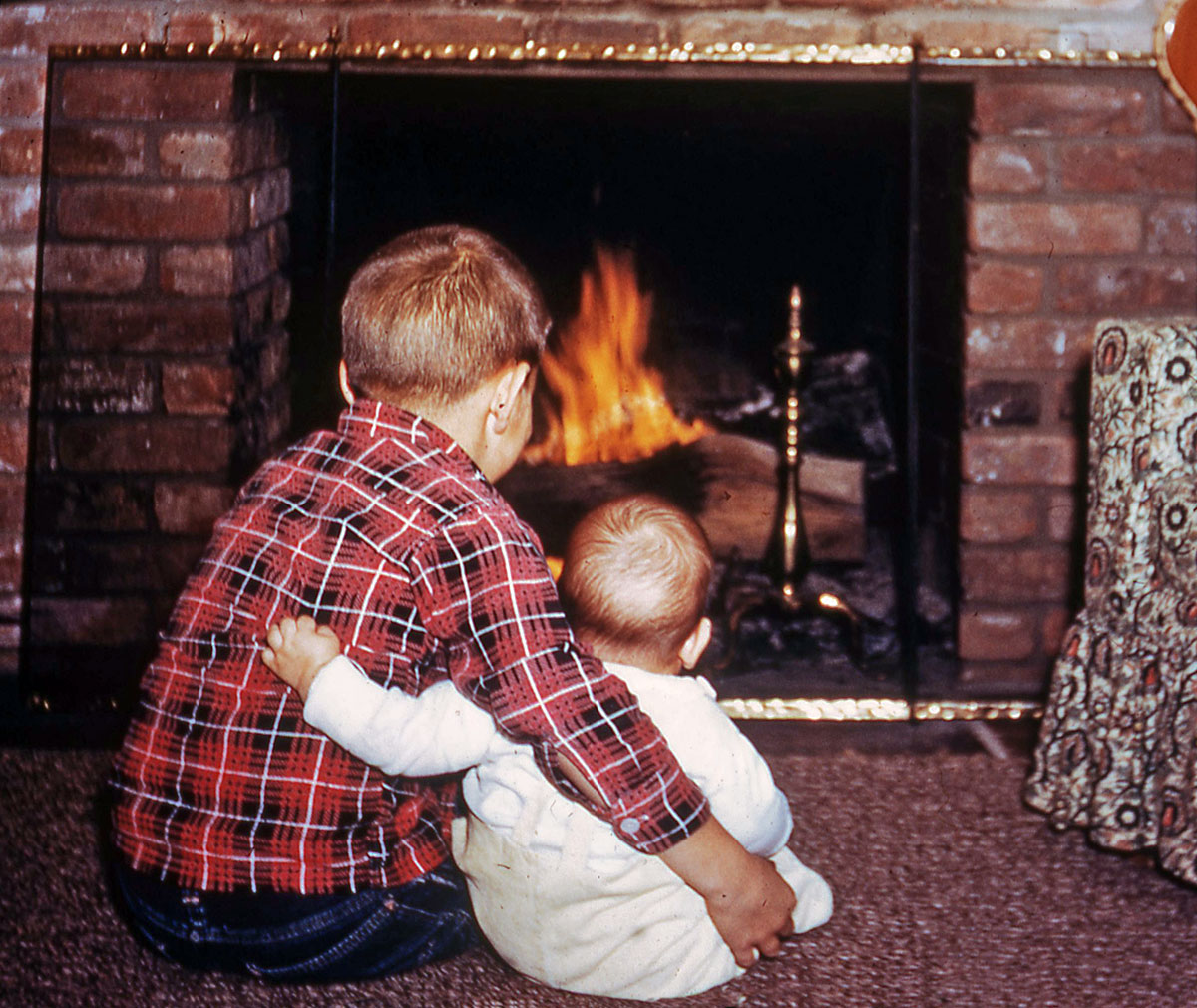
My sister Pat is the oldest of us five, seen here in the first known picture of us together.  I was clearly the practice child for her raising four kids, including Sean.
1956aDec
Once her kids reached a certain age, Pat went to work as a pre-school teacher, for a couple of good reasons:  she enjoyed the company of little kids, and she really enjoyed having summers off to sit in the back yard and read non-stop; over her lifetime, Pat has probably been one of the steadiest supporters of the Strand bookstore, frequently hauling shopping bags full back to Larchmont on the train.  I sometimes have students ask me how I acquired the wide range of random facts that I seem to know, but I am nothing compared to my sister. (She also talks faster than I do.)    She not only retains facts, but she somehow always stays abreast of what everyone is doing, and what they are interested in.  Over the years, I’ve often been surprised by some gift from Pat that tied in perfectly with an interest of mine that I didn’t know she was aware of. This year’s Christmas present was no exception.  DSCF8973Pat retired a few years ago, and so she too was able to come by Jerry’s and spend the afternoon entertaining us when we were sick.  This trip has been rather intense for me and Greta – it seems that every day is dense with new experiences, usually of new places and things that are not that familiar to us.  But this one afternoon spent with Jerry, Pat and Sean was definitely the most dense with talking, joking and reminiscing, and we were really grateful to them all for dropping everything to do it.

Leaving New York, we headed to the Philadelphia Main Line to stay with my nephew Justin and his family.  Justin was a remarkably cute kid, but also a scarily smart one, memorably besting me in an argument when he was three.  He was always precocious, seeming much more mature than his age.
1972April3
With that background, and his current career managing a mutual fund company, it is hard to believe that in an intermediate incarnation he spent some time following the Grateful Dead and supporting the trip by selling peanut butter and jelly sandwiches.

In recent years, Justin has also turned into a serious weekend warrior athlete – marathons, triathlons, mountain biking, etc.  But like Sean and all his other cousins, Justin has become this super family guy.  His wife Joanie is perhaps the most energetic person I’ve ever known – raising two kids while working as a kindergarten teacher with an expertise in special education – and somehow fitting me and Greta into her agenda, making us feel right at home and then sending us on our way with enough food to snack on for a week.  Their daughter Abby is a charming high school senior, but being a high school senior she’s completely over-committed, charging around with her friends, but managing to join us for dinner one night.
DSCF5699
Although Tyler is a only year older than Greta, living on opposite coasts they’ve only met each other a few times in their lives.  But getting together over the past couple of years, they’ve realized they have a lot in common – they’re both kind of quirky, willing to follow their own inclinations rather than the crowd, and they share a wide range of nerdy, fan-boy interests.  Tyler immediately roped Greta into multiple rounds of backgammon, and we spent a really fun day with him, at the Mercer Museum and then the new James Bond movie, as he guided us through the intricacies of Main Line geography.
DSCF5687We’ve gotten a little homesick from time to time on this extended trip, and it was really good to stop in places where we were at home, with family who love us and welcomed us in.

Lancaster, Pennsylvania

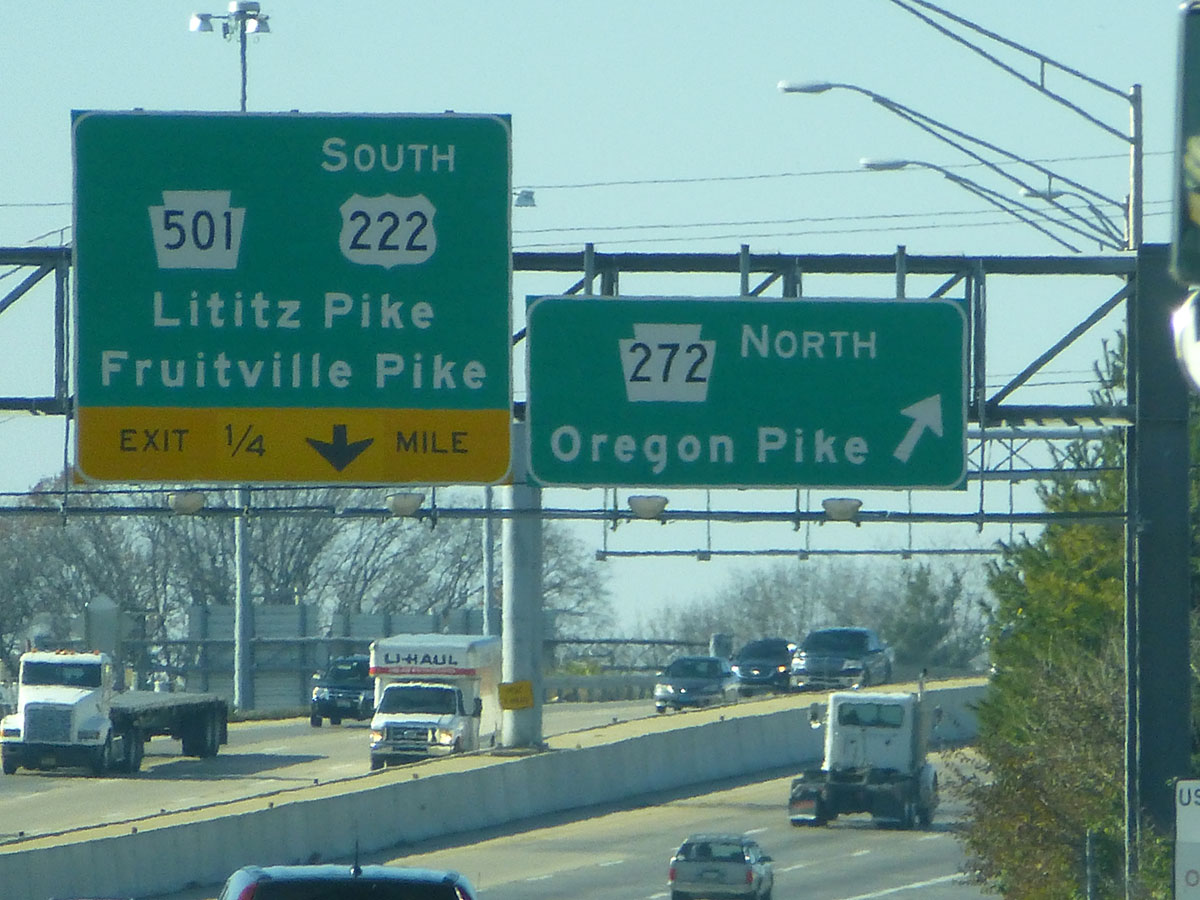
A year ago today we drove west from the Philadelphia Main Line, through Lancaster and York, Pennsylvania, and then south to Baltimore.  Strangely, I had never travelled through the Amish country before, and Greta and I were both taken by the beauty of the landscape, and the singular culture that is centered there.

With a normal adolescent sensibility, Greta was highly amused that we were passing through Intercourse, p1050342

and her more detailed study of the map caused us to make a slight detour south to Fertility, which she was gratified to see was only a short distance from Intercourse.

The landscape showed a lovely amalgam of different eras of vernacular building.  Lancaster itself was a somewhat overwrought tourist destination, but once away from the bus parking lots, the lack of self-consciousness and tweeness was evident.  p1050344

As was extreme laundry-hanging. p1050343

We thought we had come across a wormhole in the space-time continuum, and that maybe we could zip home for a quick visit,p1050345

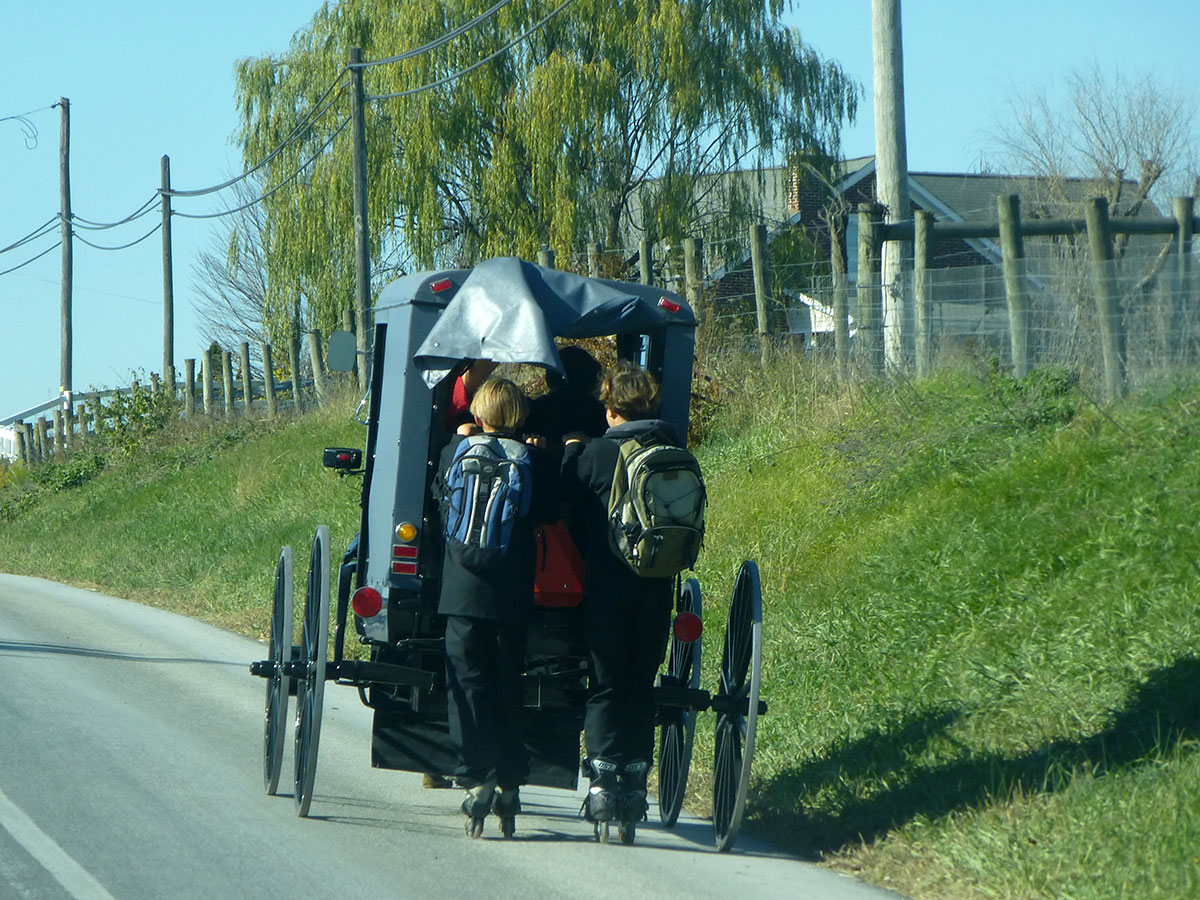
But the real dislocations were in the cultural anachronism category, especially this example of Amish skitching on the way to school.  p1050333

Philadelphia

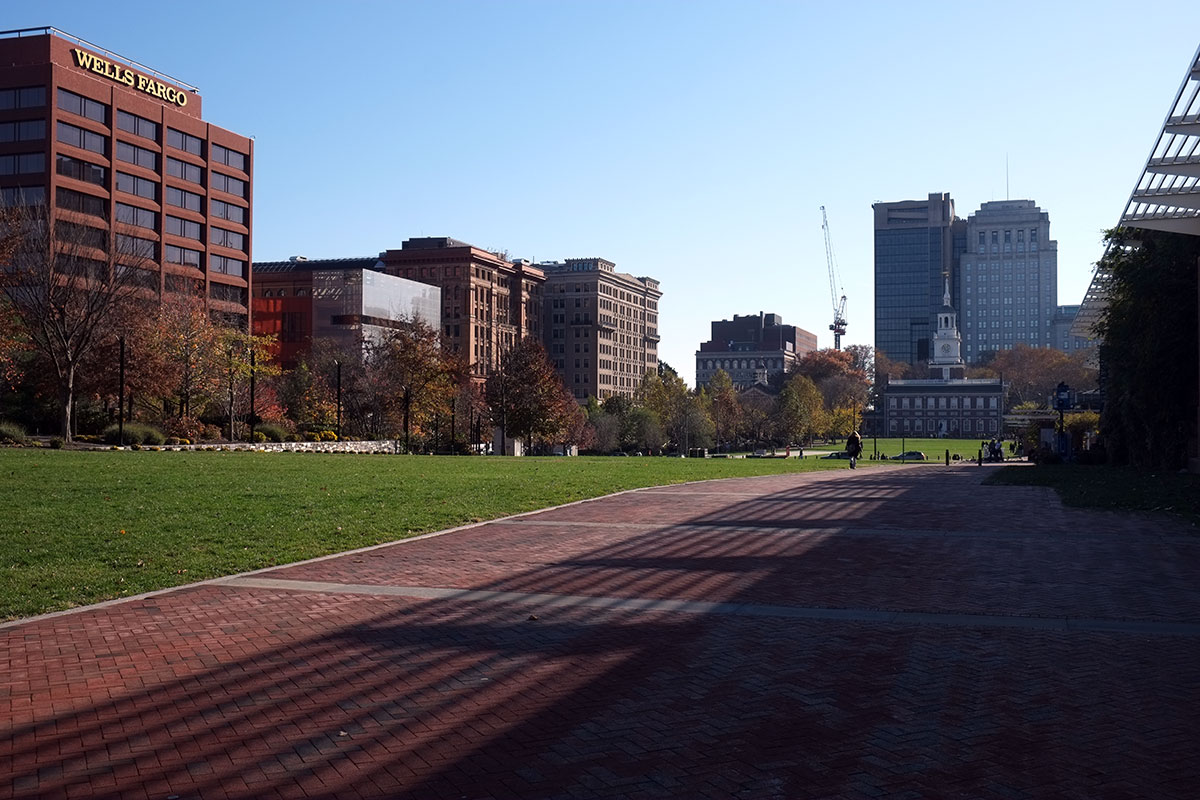
One day in downtown Philadelphia, where once again the parental need to force Greta to view the major monuments of colonial America asserted itself.  Different cities have taken different approaches to this heritage.  Boston does it really well – with the exception of the Paul Revere Mall, the historic sites are still imbedded in the city.  New York more or less obliterated all the historic sites and their surrounding context.  Philadelphia kept all the historic buildings, but obliterated the city fabric around them, so you can view these icons as isolated objects, surrounded by pointless, overscaled open space and dreadful overscaled buildings.

I remember Independence Hall as a wonderful building.  It is not only important, but it is beautiful and says something about the city of the time.  The problem is this:  you can’t get anywhere near it anymore, without signing up for a tour over in the dreadful visitors’ center and waiting around to be shepherded through with throngs of tourists snapping iPhone photos.  You can’t even walk on the grounds near it, having to detour around the block.  DSCF5478

It gets even worse when you step back.  The Independence Hall Mall was proposed in the 1930s, and was implemented in the 1950s, when we thought knocking down old cities was a great idea.  Hundreds of buildings were destroyed, so that a giant open space would allow you to view Independence Hall from far away, looking puny and unimportant.  DSCF5496

Then big, bombastic buildings were built around that, symbolizing the might of large corporations in our national system.  It gets even worse behind Independence Hall, where this sterling example of historic preservation can be seen.  DSCF5464

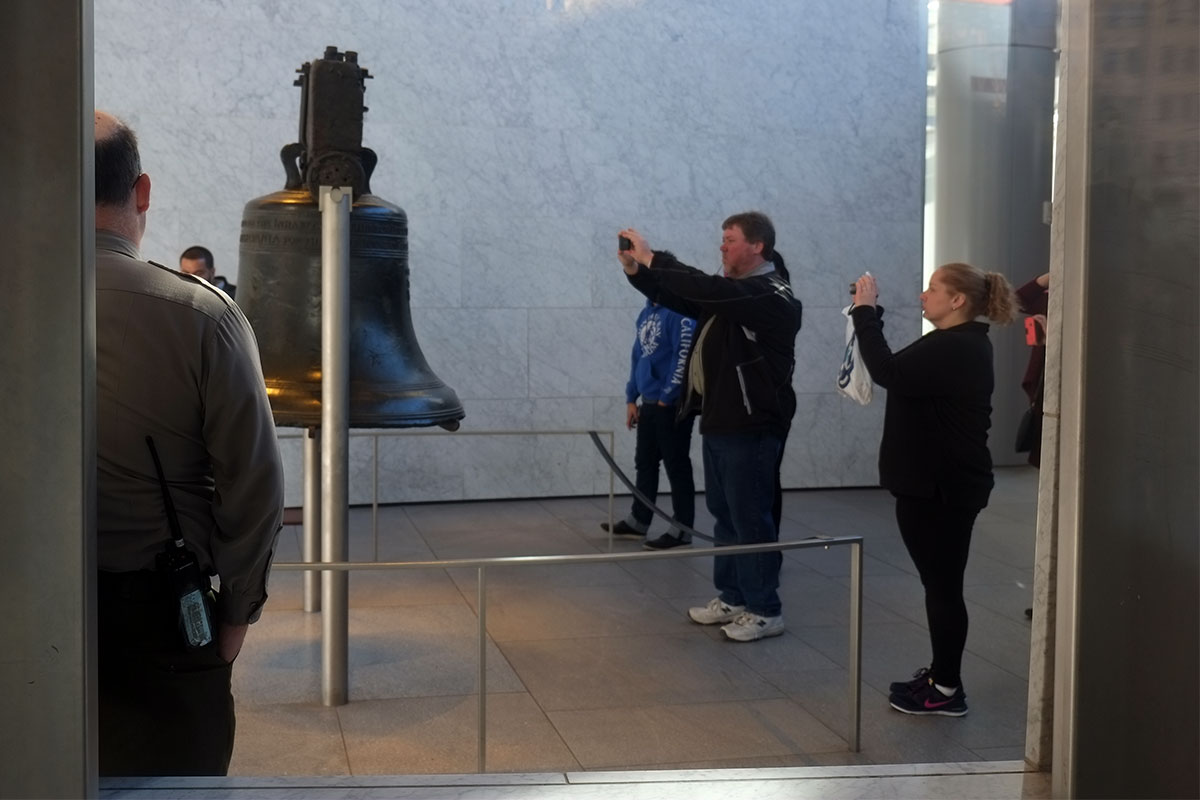
It declined further recently.  In 1976 the Liberty Bell was moved into its own viewing pavilion, part of a veneration of the minor icons of our history rather than the history itself (the recent Star Spangled Banner re-installation at the Smithsonian is another example of this).  But then this simple pavilion was destroyed (probably because it was modernist and minimal), and replaced by a more grandiose pavilion, just south of the visitors’ center.  DSCF5485

The experience is awful, reminding me of what has happened to Mt. Rushmore.  Where does this impulse come from, to remake everything in a phony, pretentious manner?  (By the way, some very good architects and planners were involved in many stages of this madness – Edmund Bcon, Dan Kiley, Venturi and Scott Brown, Cywnski, Laurie Olin!)  Philadelphia was not Versailles, but it had one of the most compelling plans of an early American city. Why can’t we leave it alone, and let visitors have an experience that in some way might evoke the 18th or 19th century, helping them to understand life in that era, rather than pedantically shaping their perceptions?  Boston looks better and better in this regard.

Luckily, the architects did preserve one of the best features of the earlier Liberty Bell pavilion – a window through which it could be seen, without going through the rigamarole.  We took the picture and got the hell out of there. DSCF5474

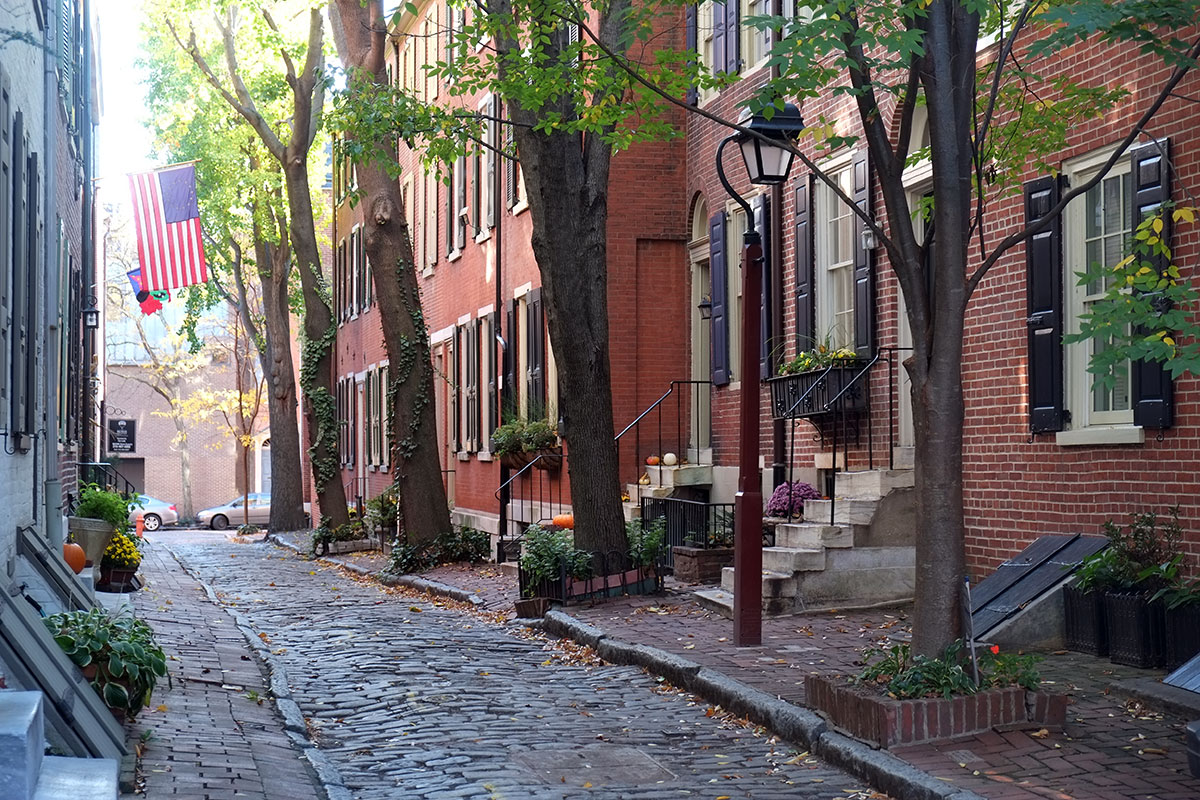
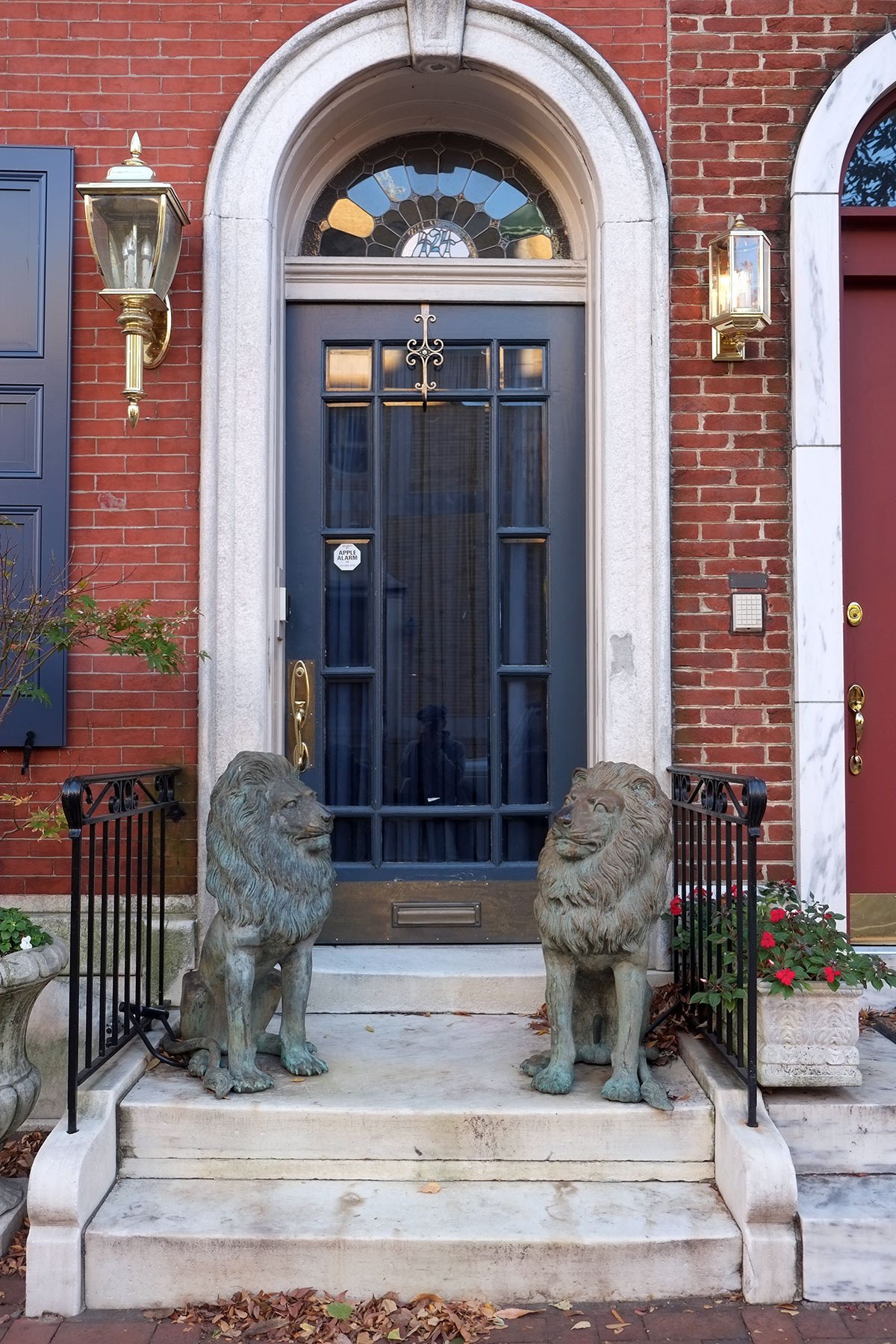
Once you get away from this, Society Hill and other older neighborhoods of Philadelphia are spectacular.  There are crazy renderings of the founding fathers,DSCF5466

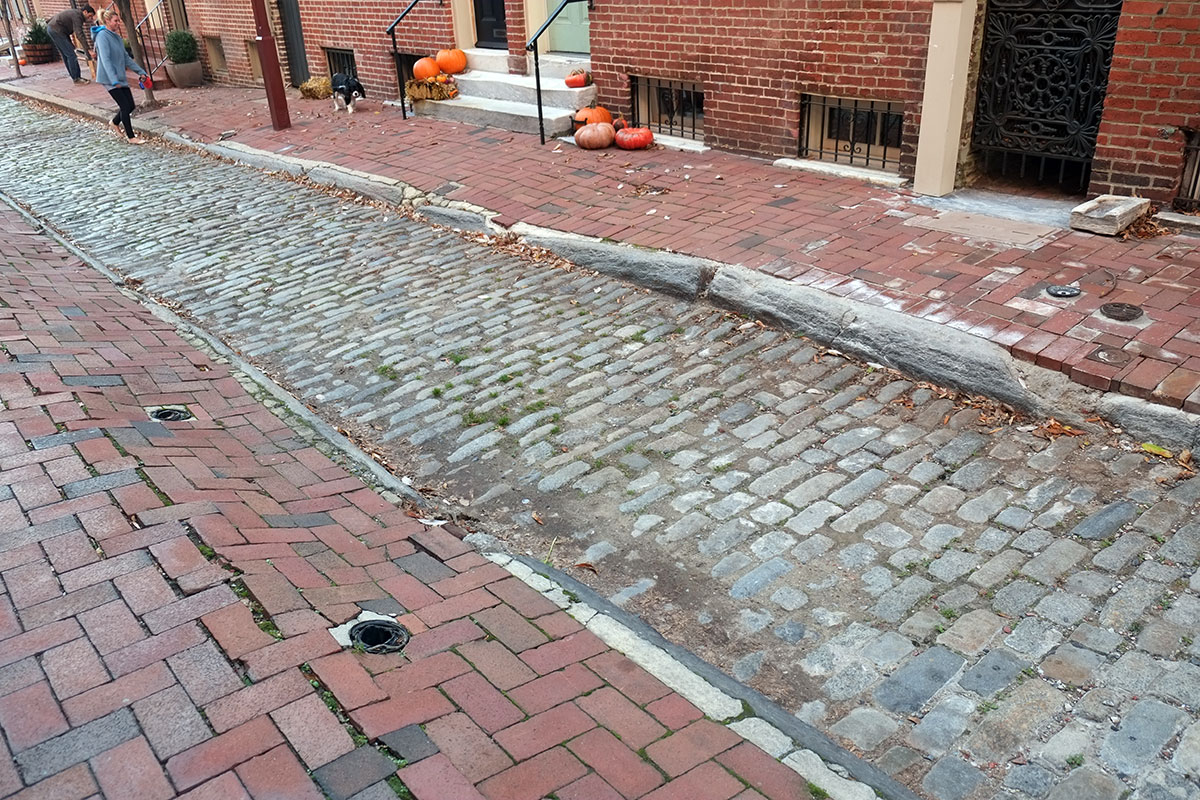
fantastic Greek Revival buildings by Robert Mills and others,DSCF5503DSCF5525and streets which really maintain the experience of the 18th century city.DSCF5569DSCF5575DSCF5579DSCF5604

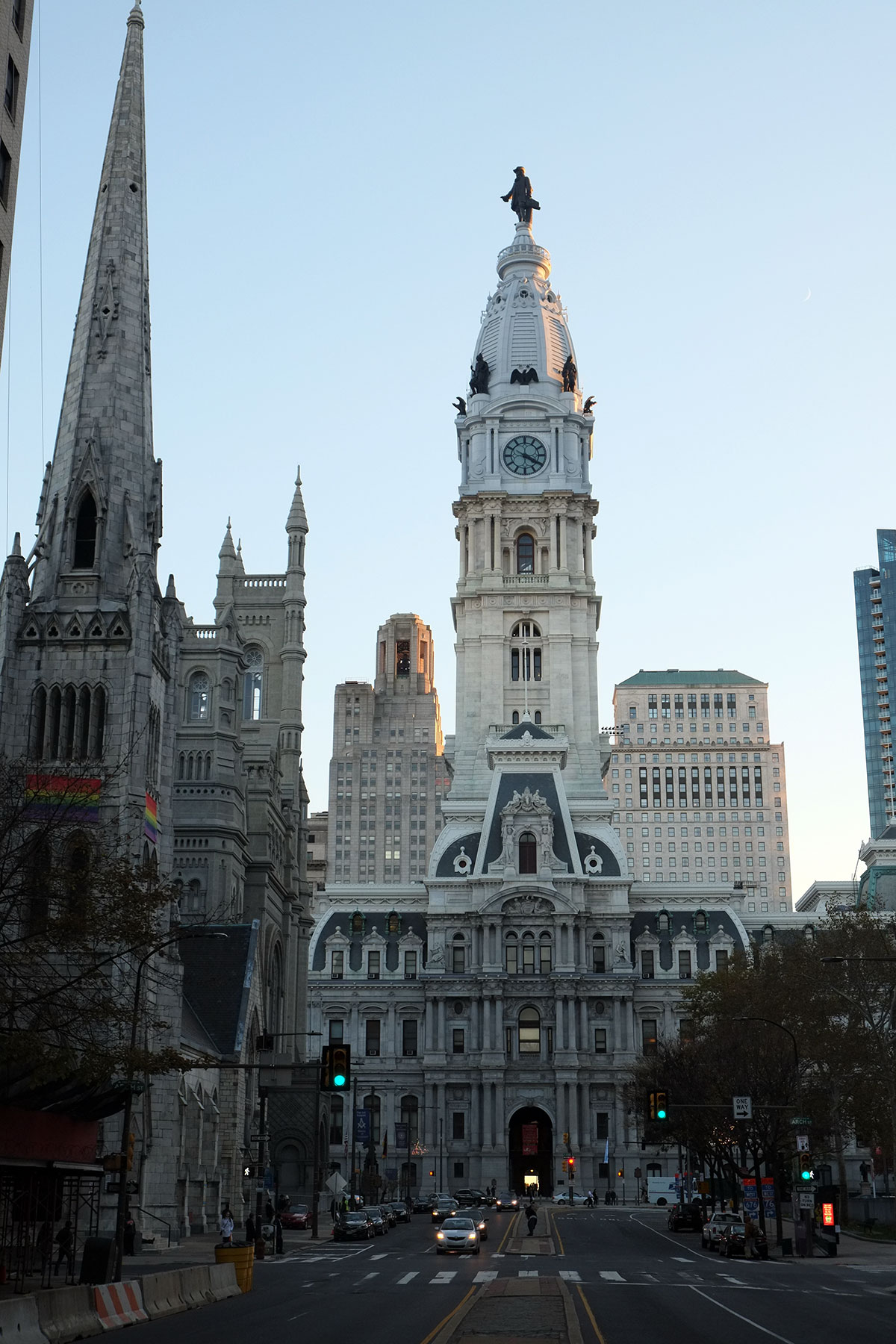
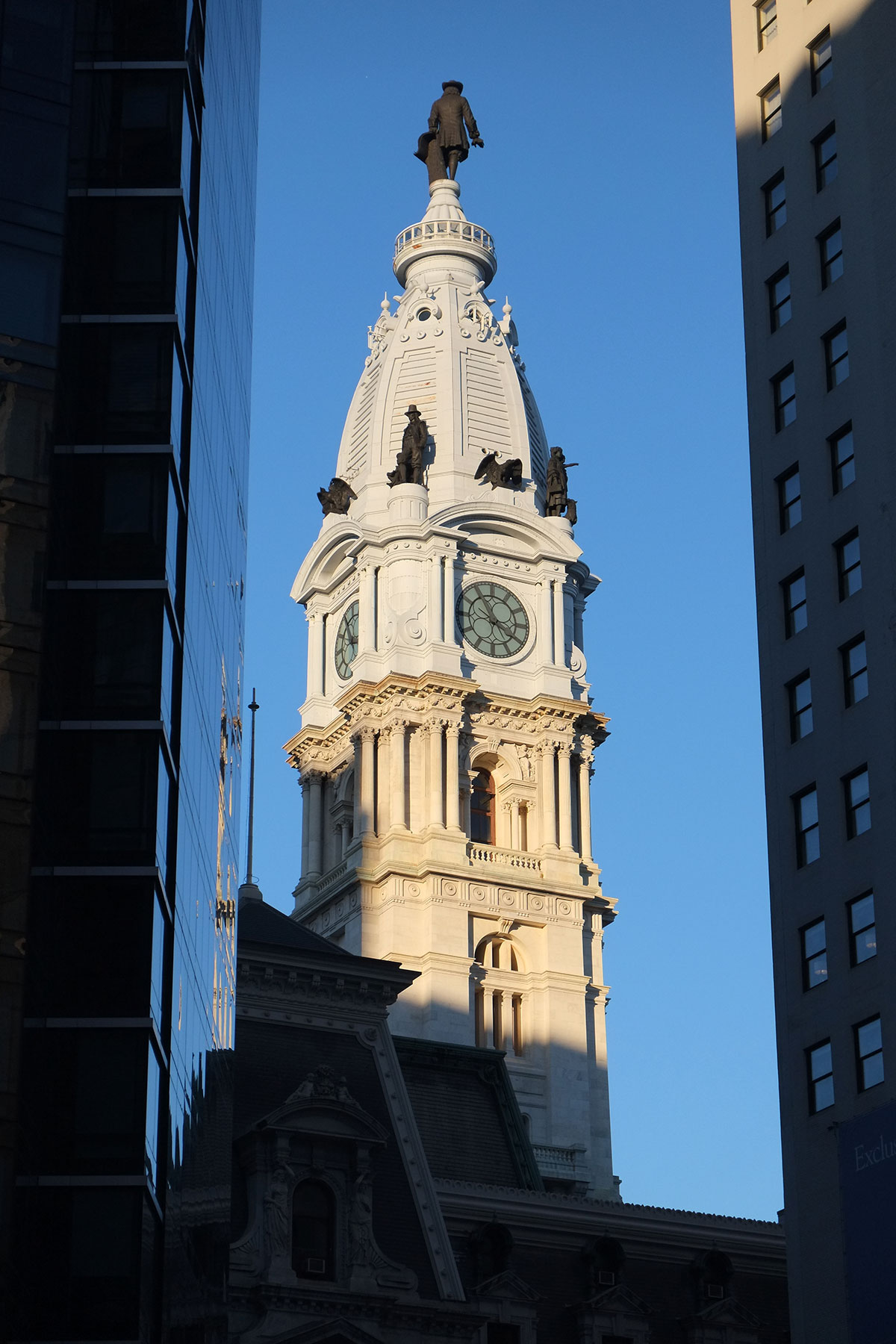
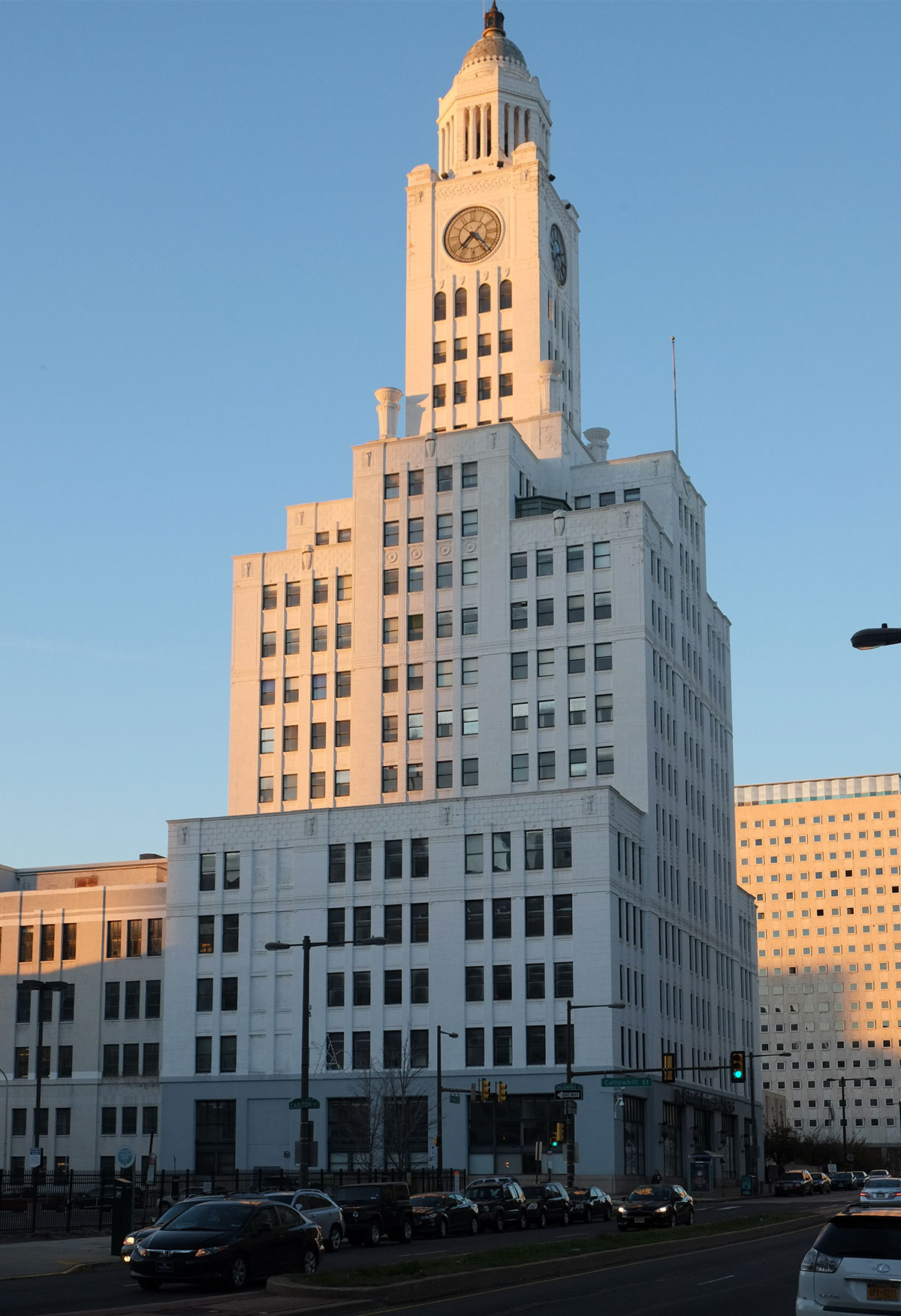
The Ciry Hall is magnificent, a good example of how a city plan can evolve positively. There was no building at the center point of the city in Penn’s plan, but having this icon visible on the axes works beautifully (with sculpture by Alexander Calder Sr.)DSCF5666DSCF5640

The Paul Cret Federal Reserve is fine (Cret being an employer of Kahn).DSCF5616

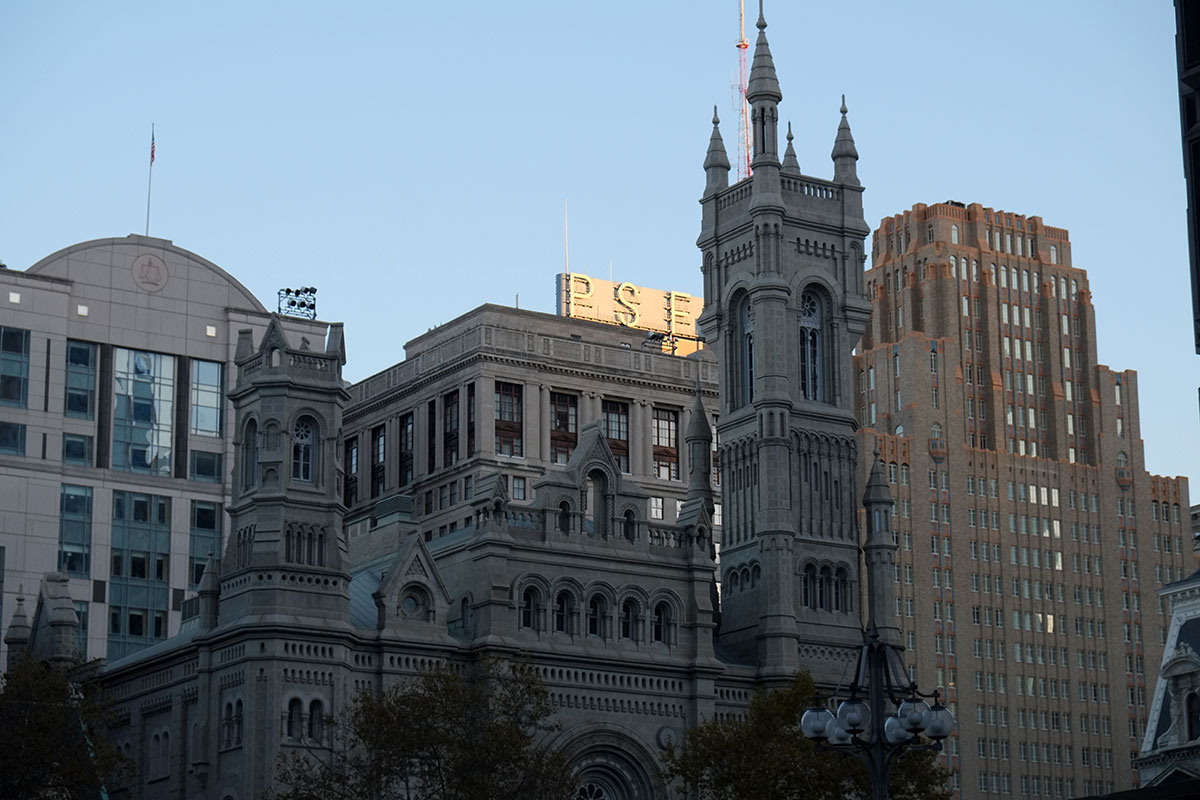
They seem to be having more fun at the Pennsylvania Academy these days, I think Furness might have approved?DSCF5671A truly dreadful “remuddling”DSCF5624and some fine urban buildings and juxtapositionsDSCF5662DSCF5672DSCF5664

As we were into checking things off our list, we grabbed a random cheesesteak, but not being in the right neighborhood, it was nothing to blog about.