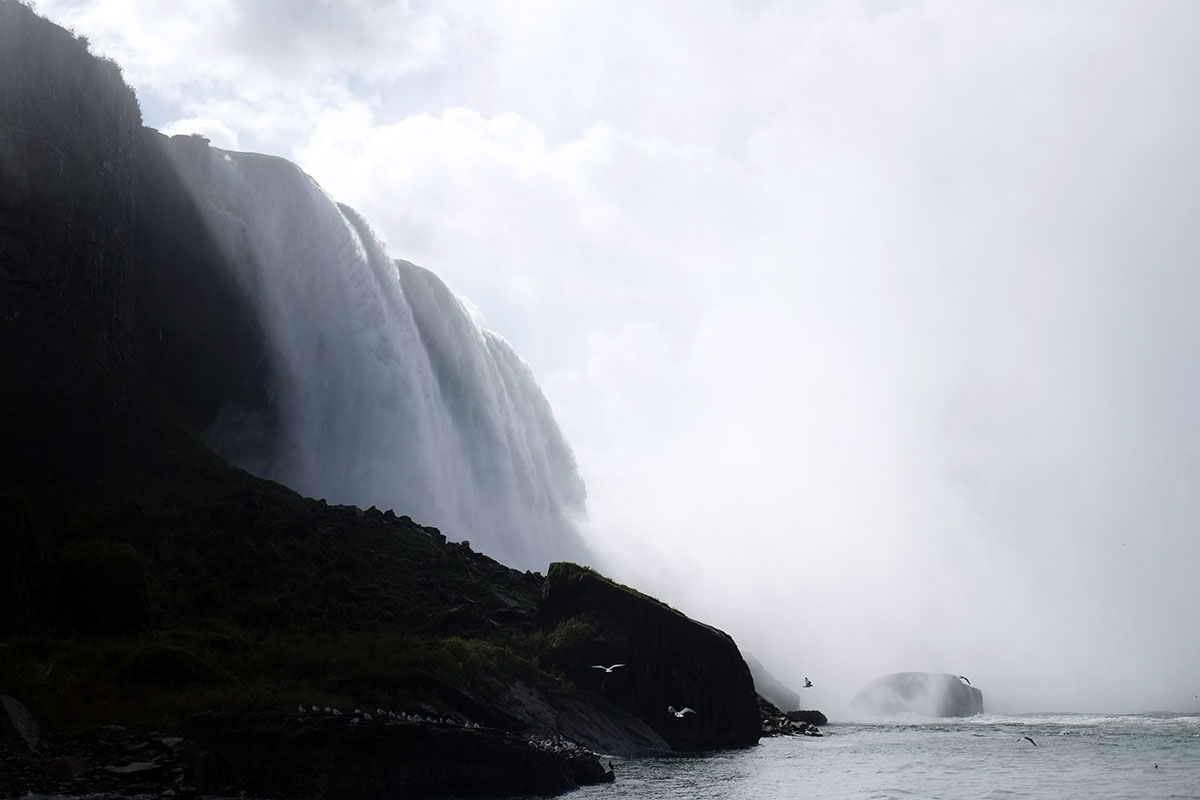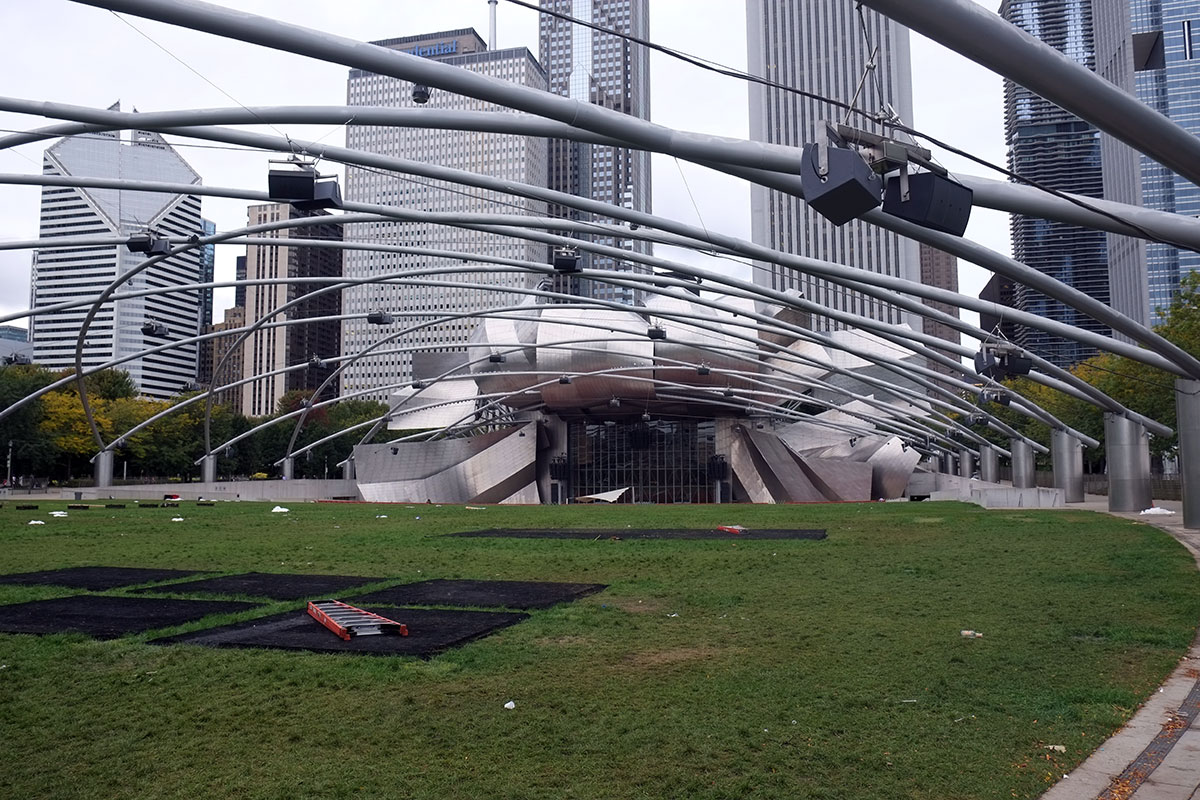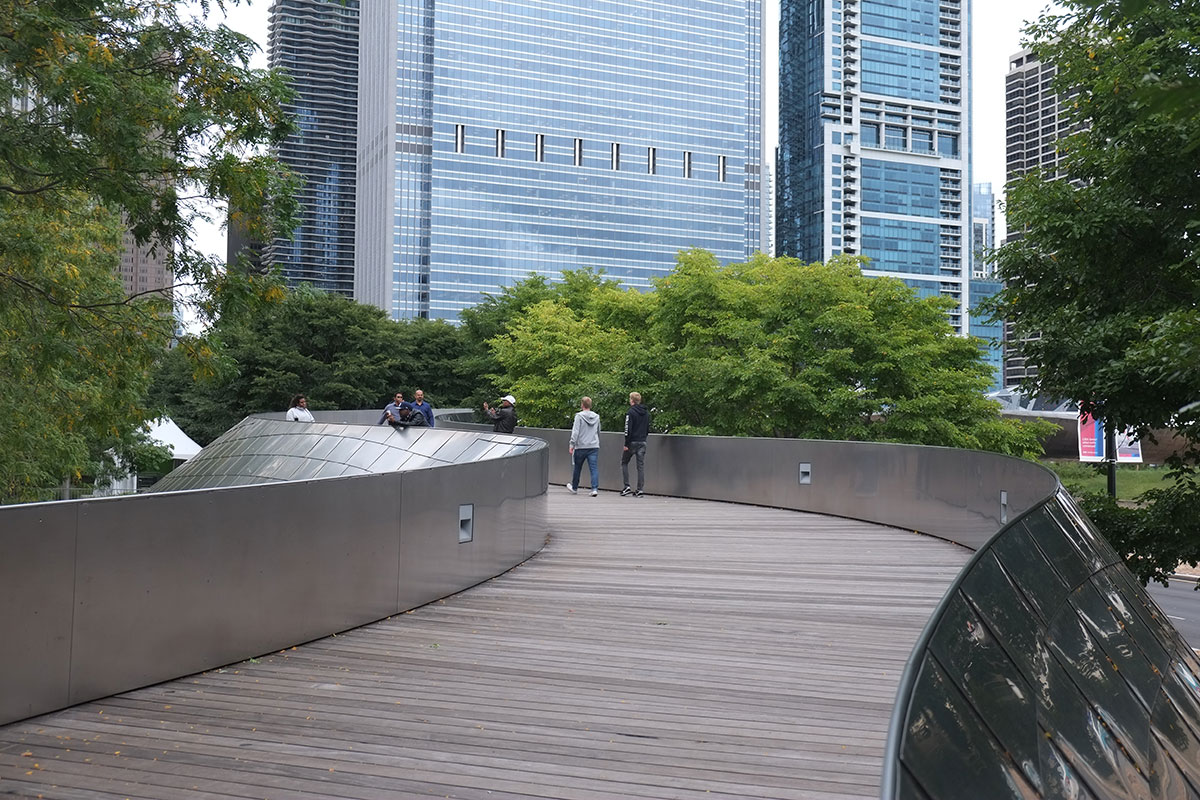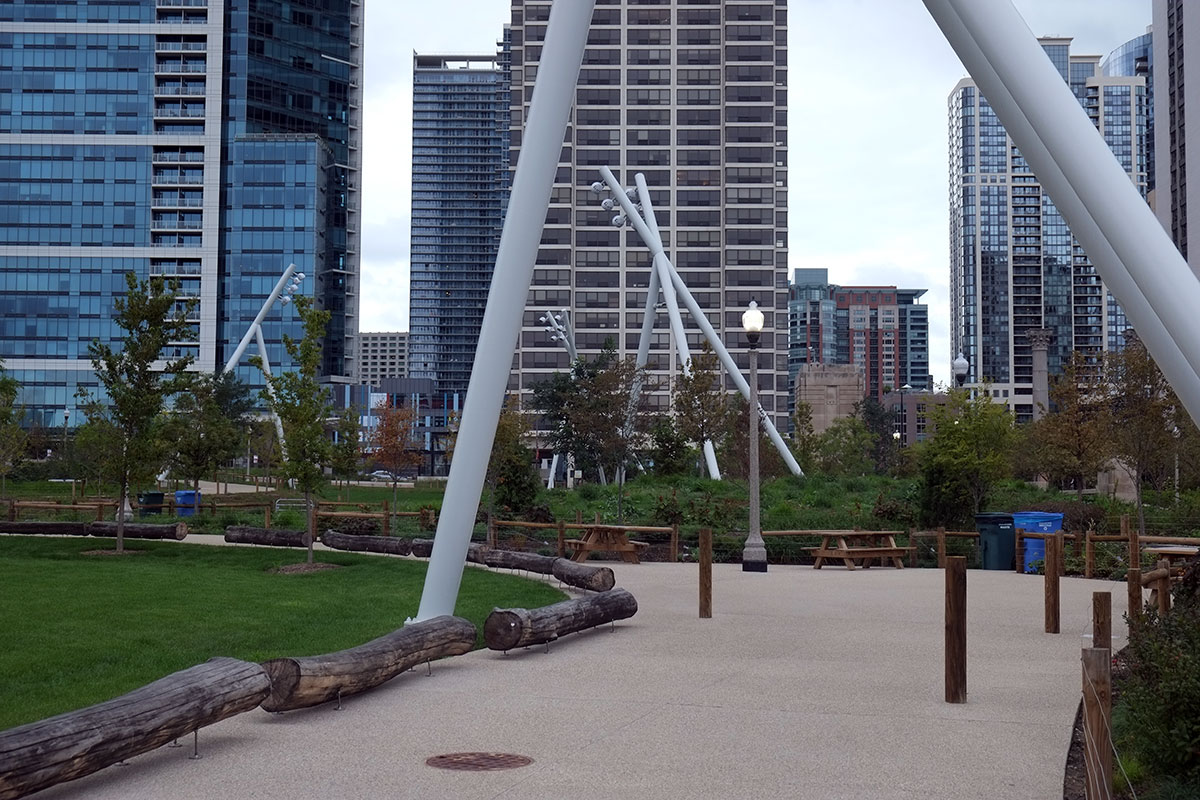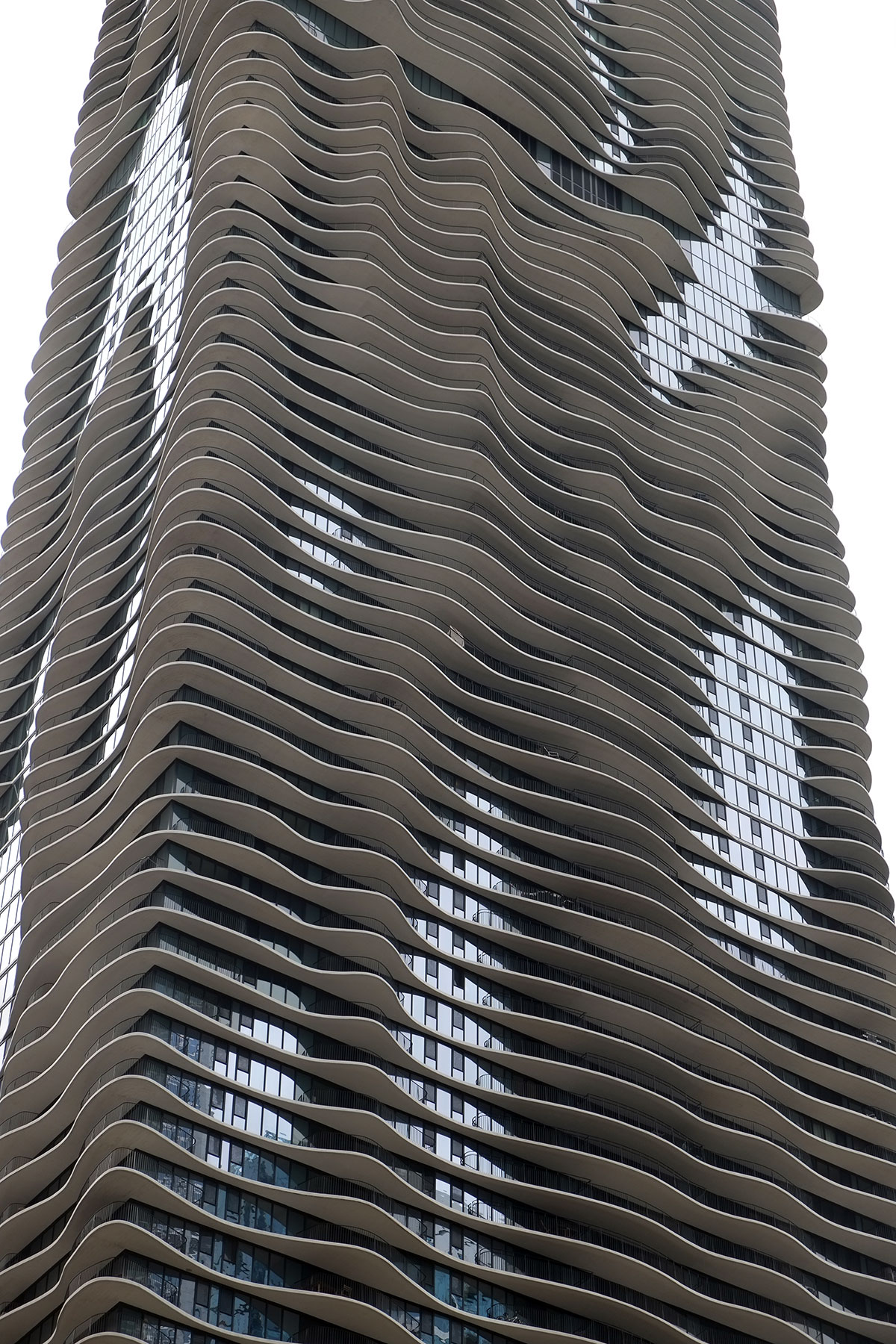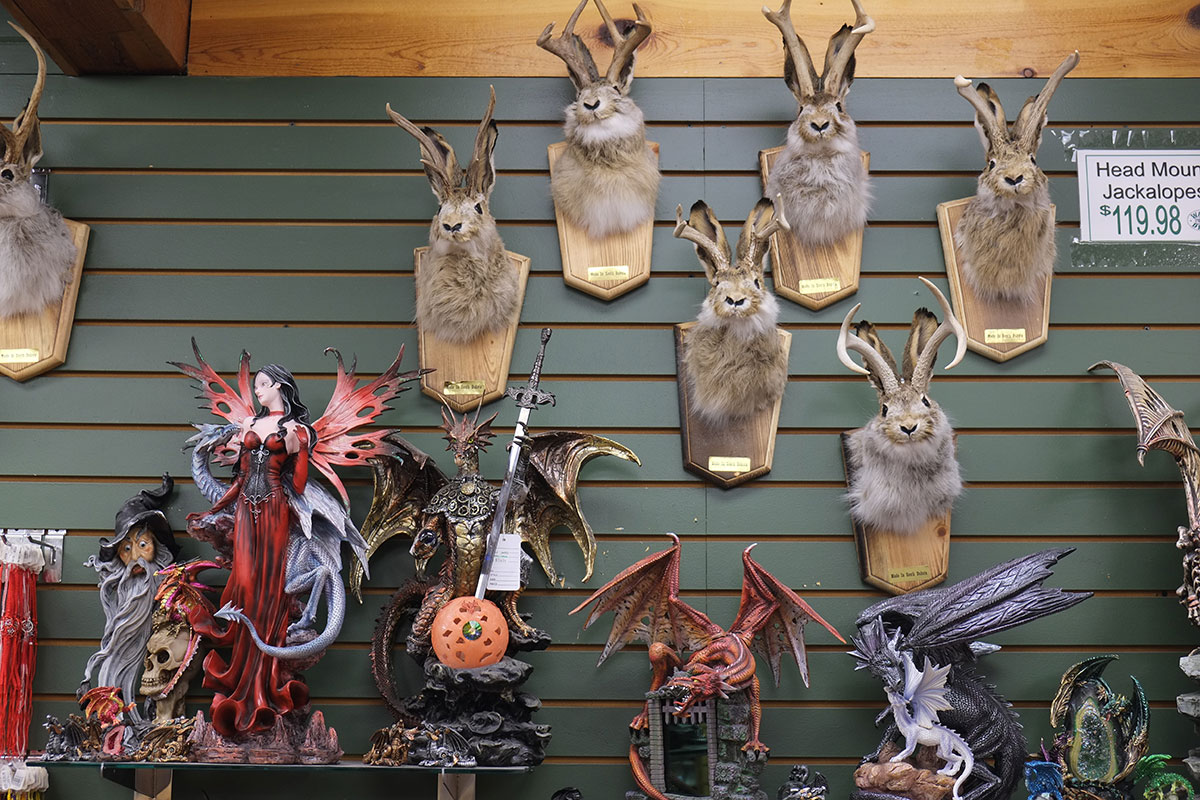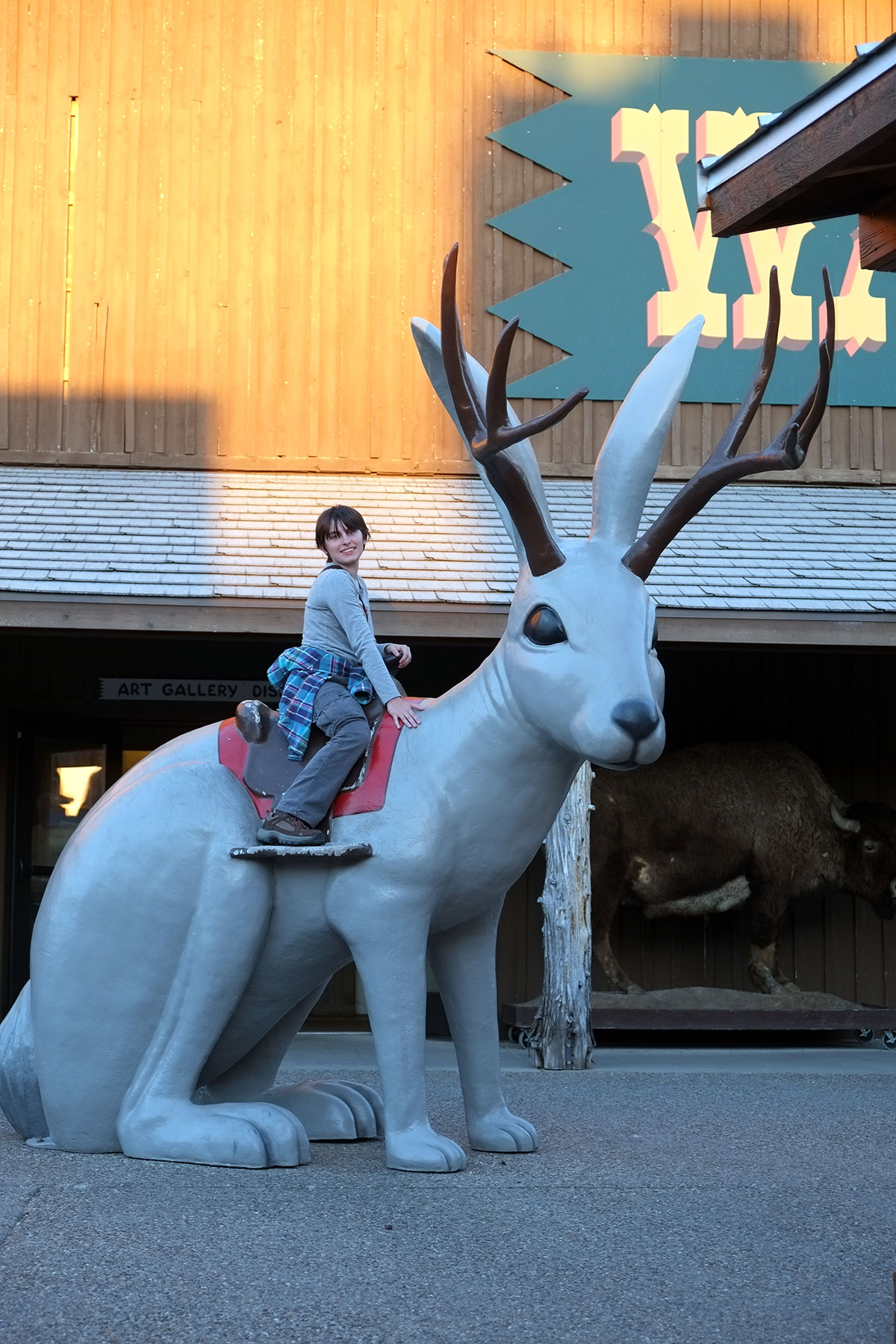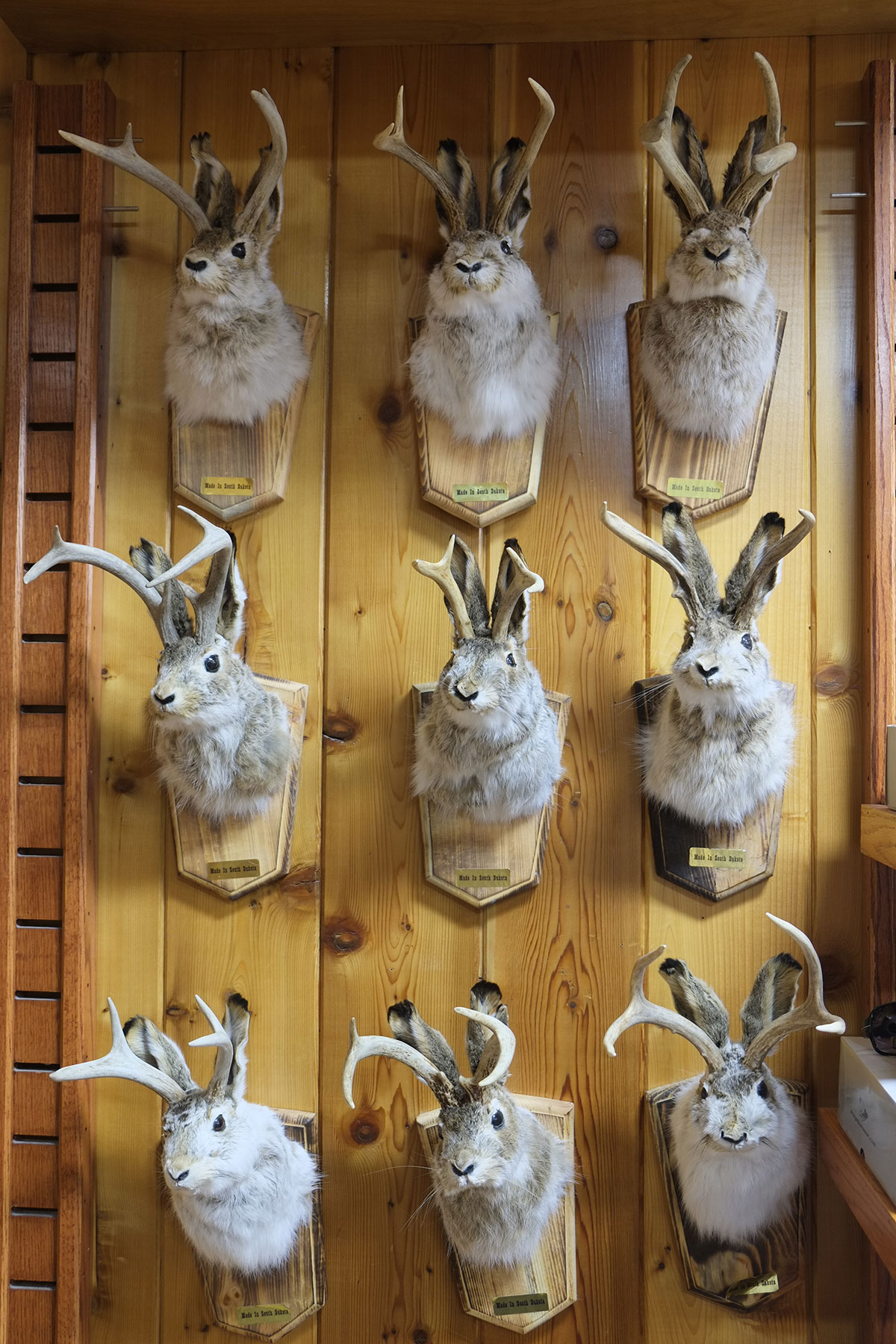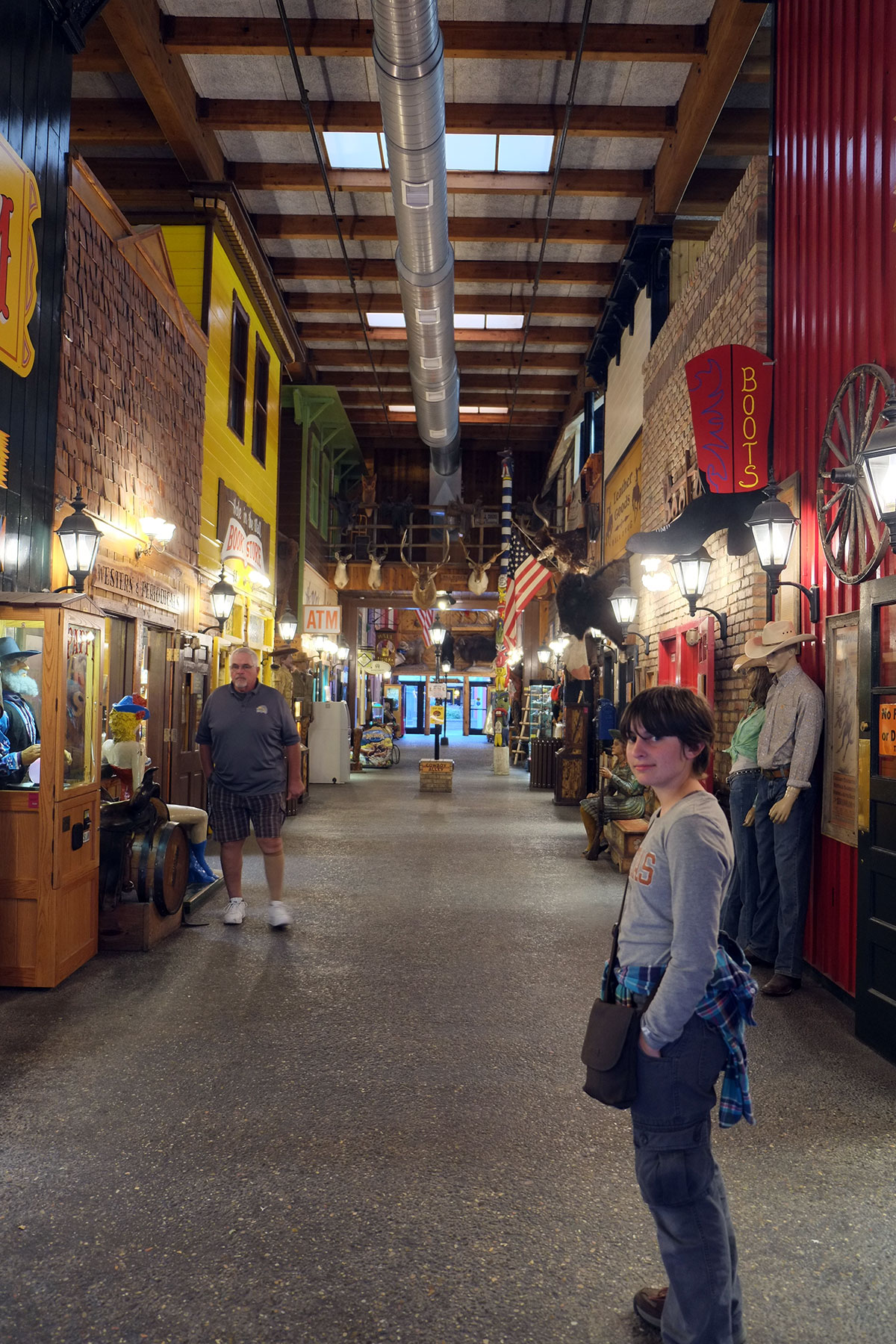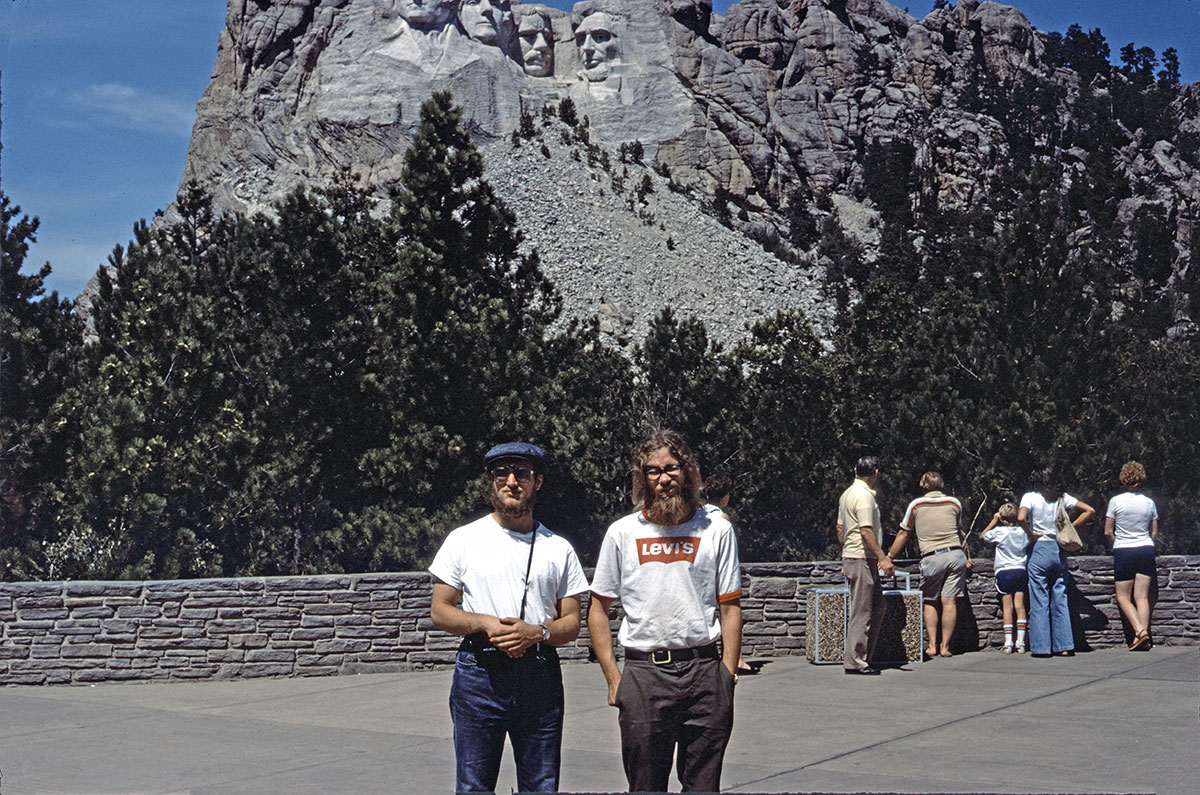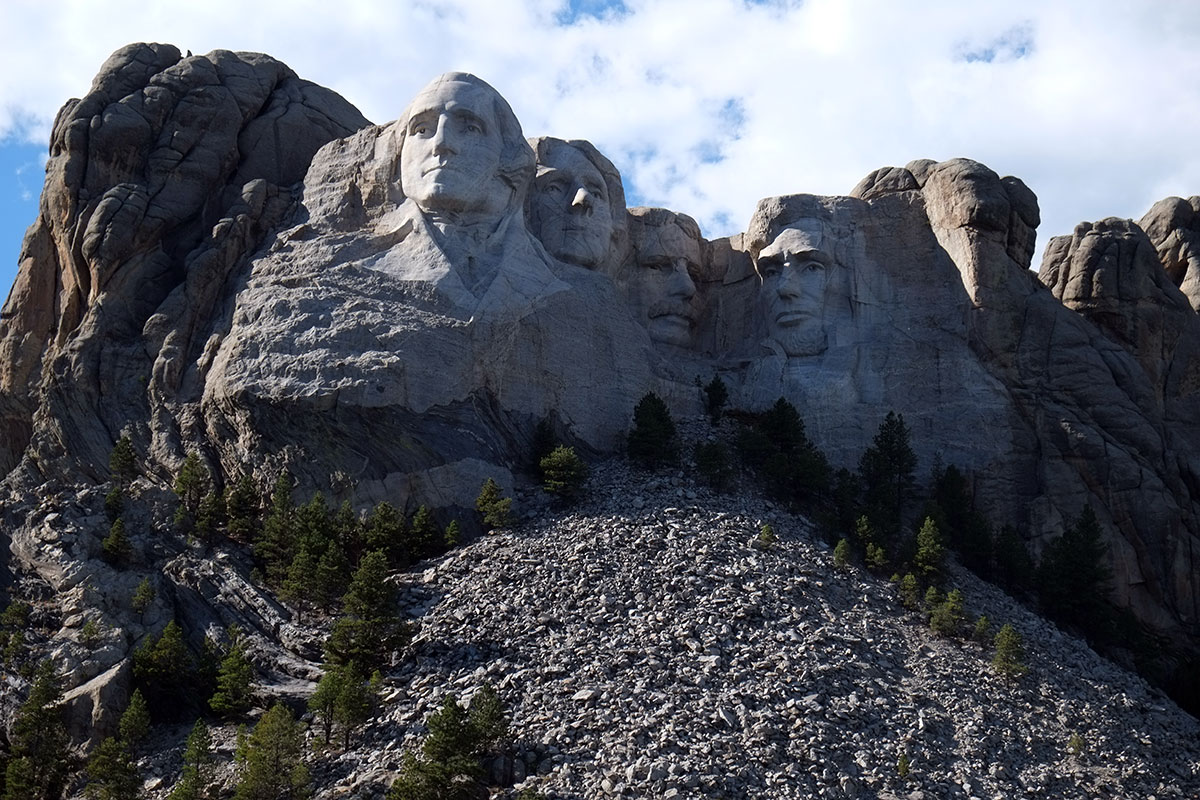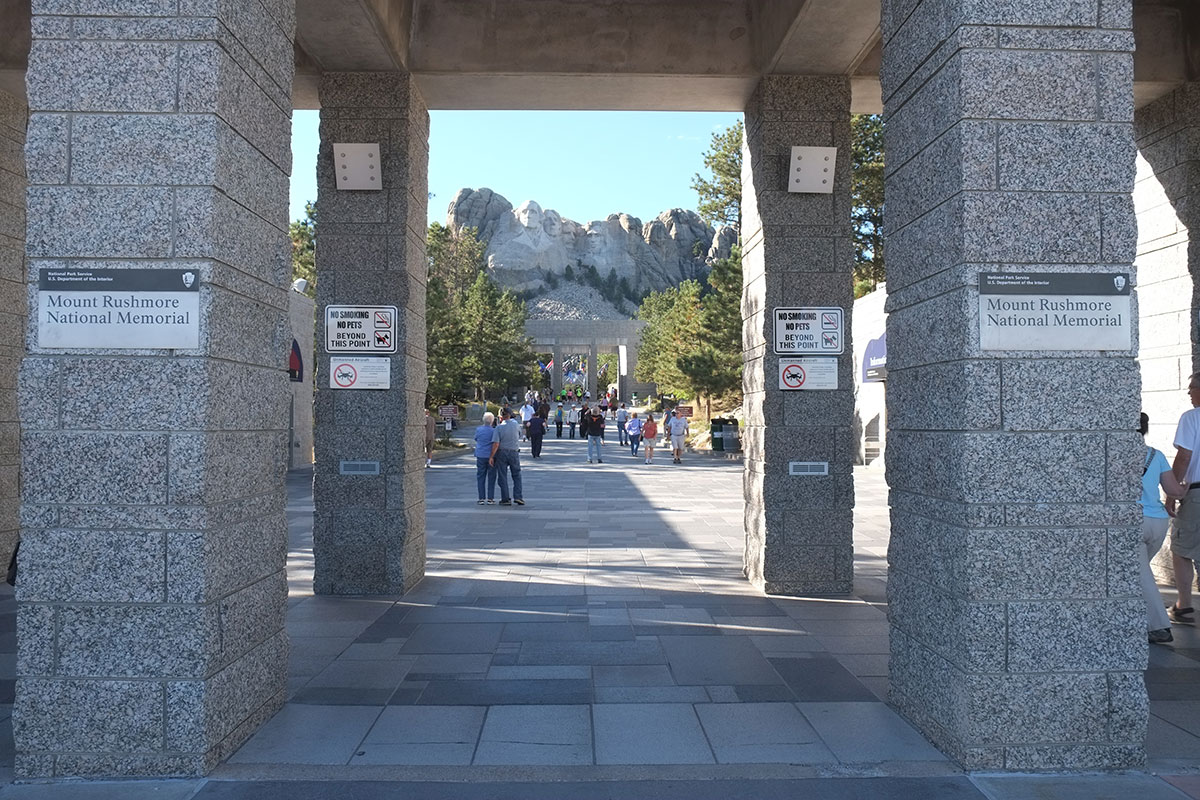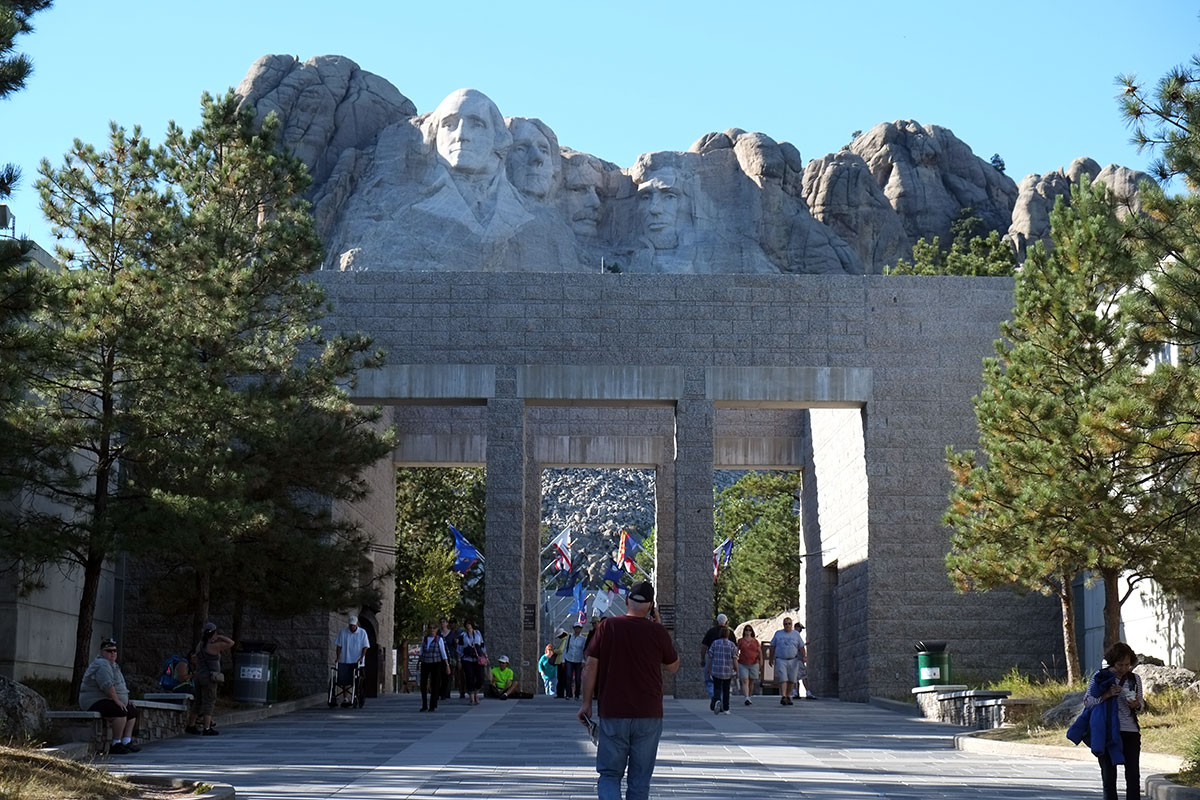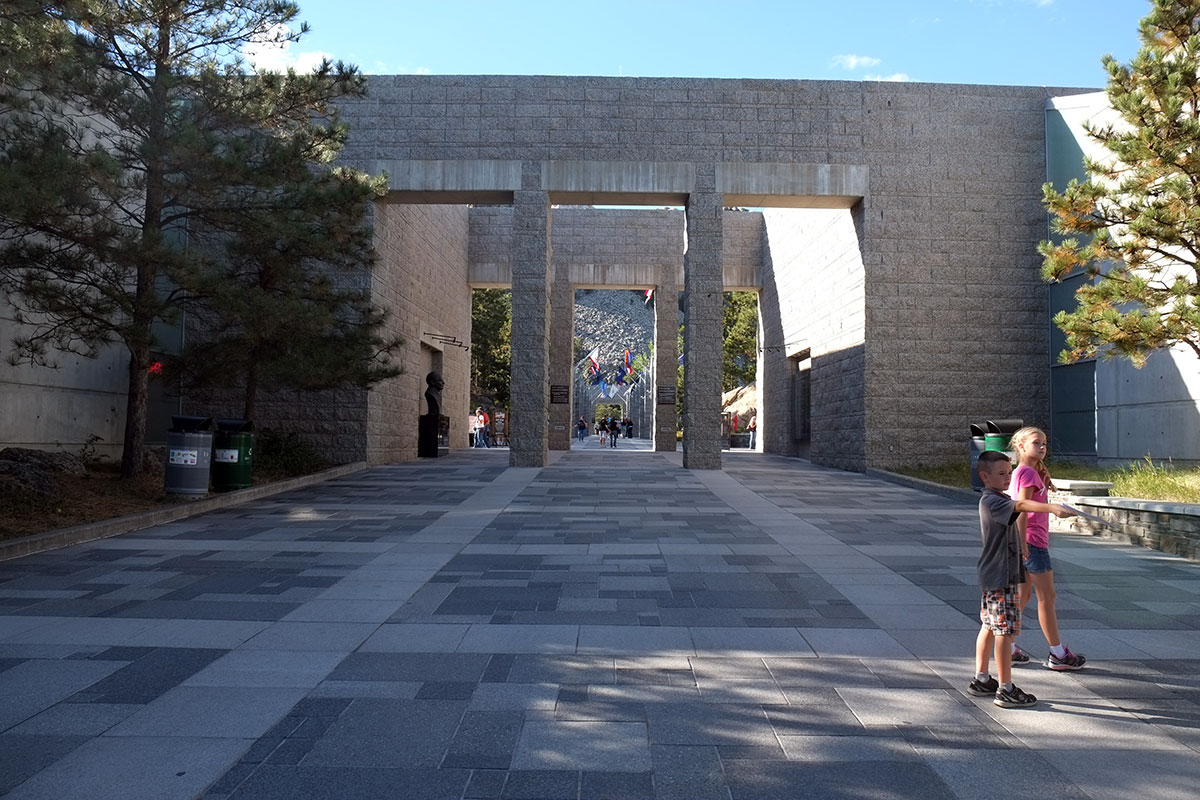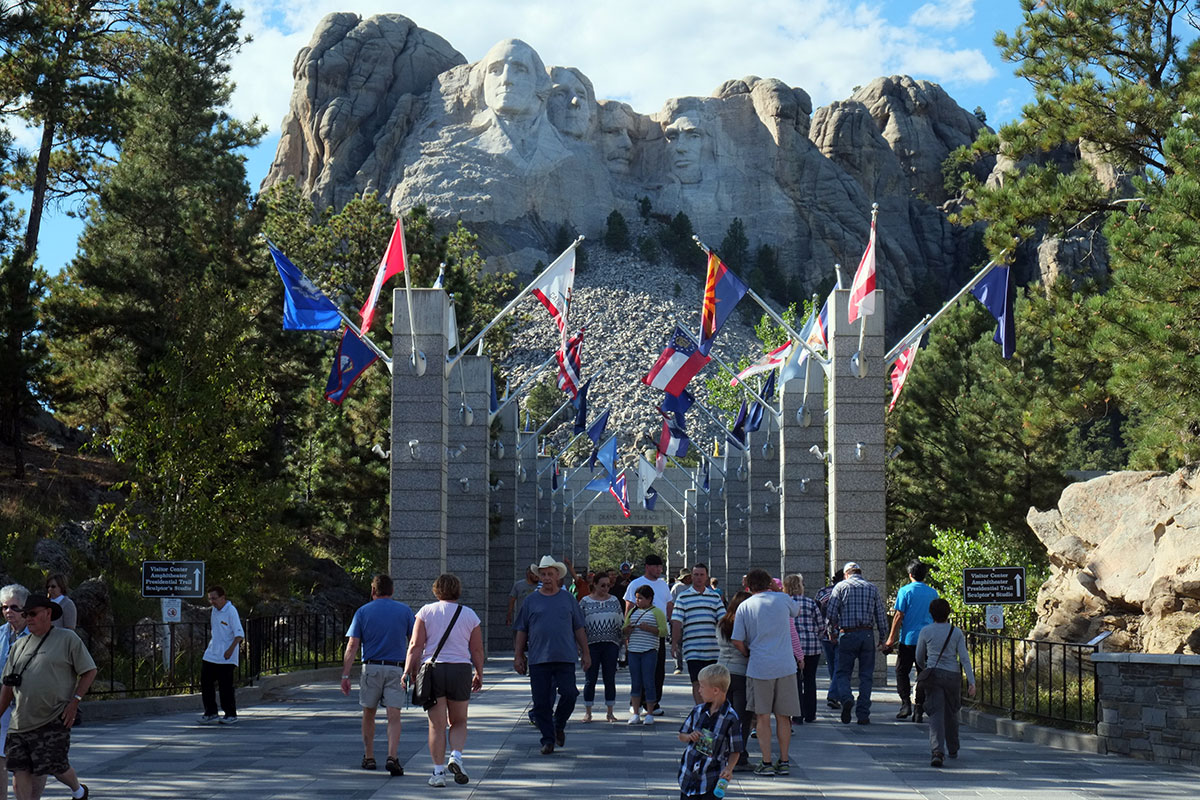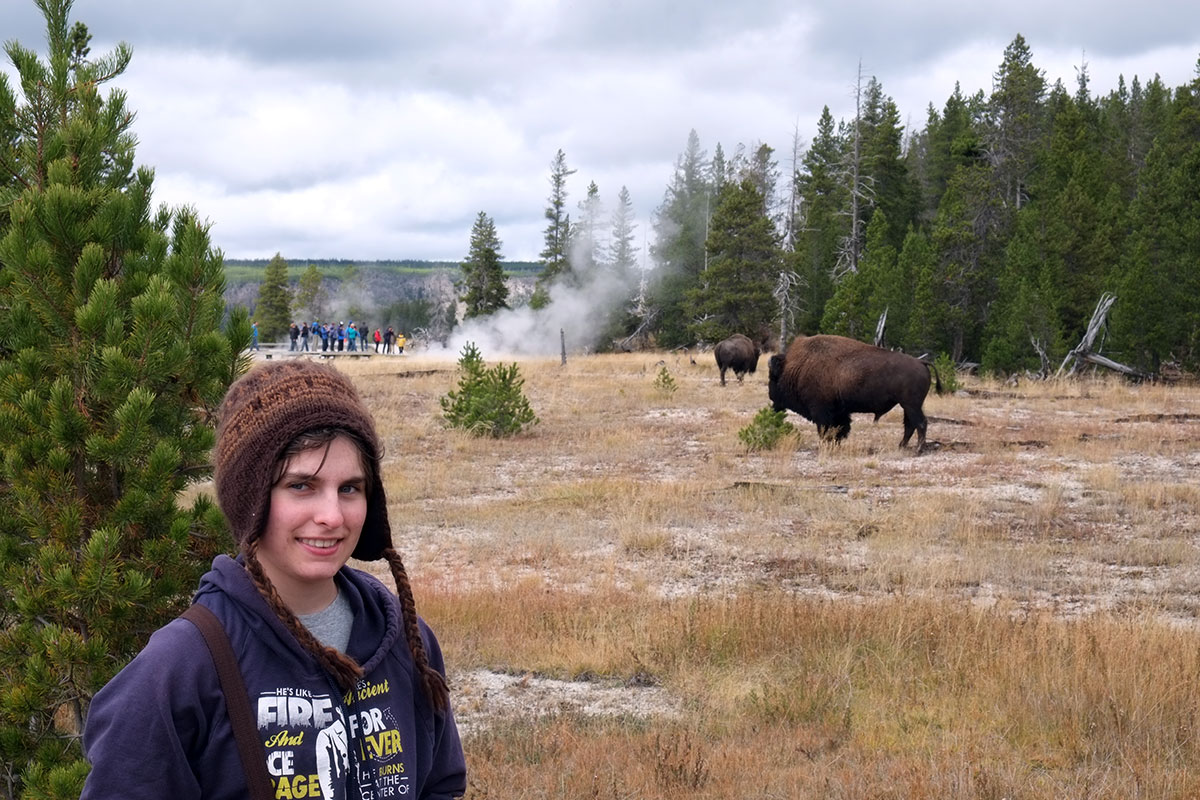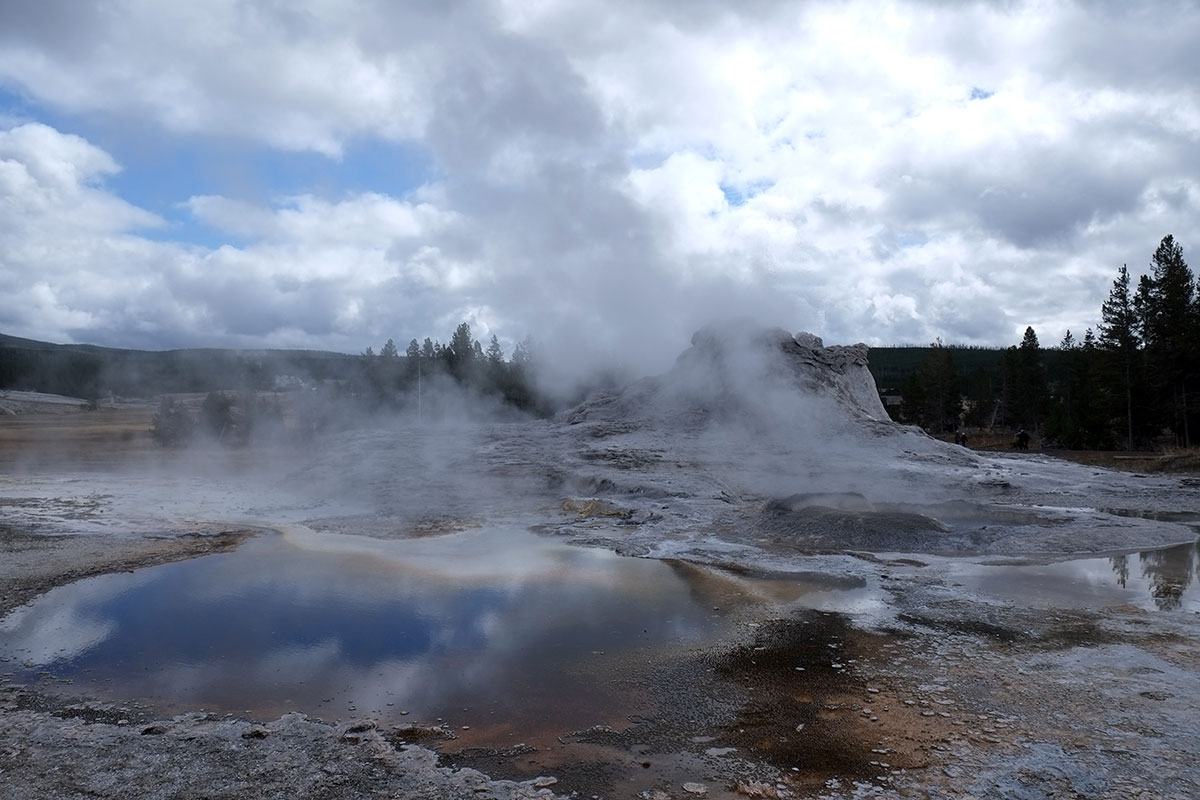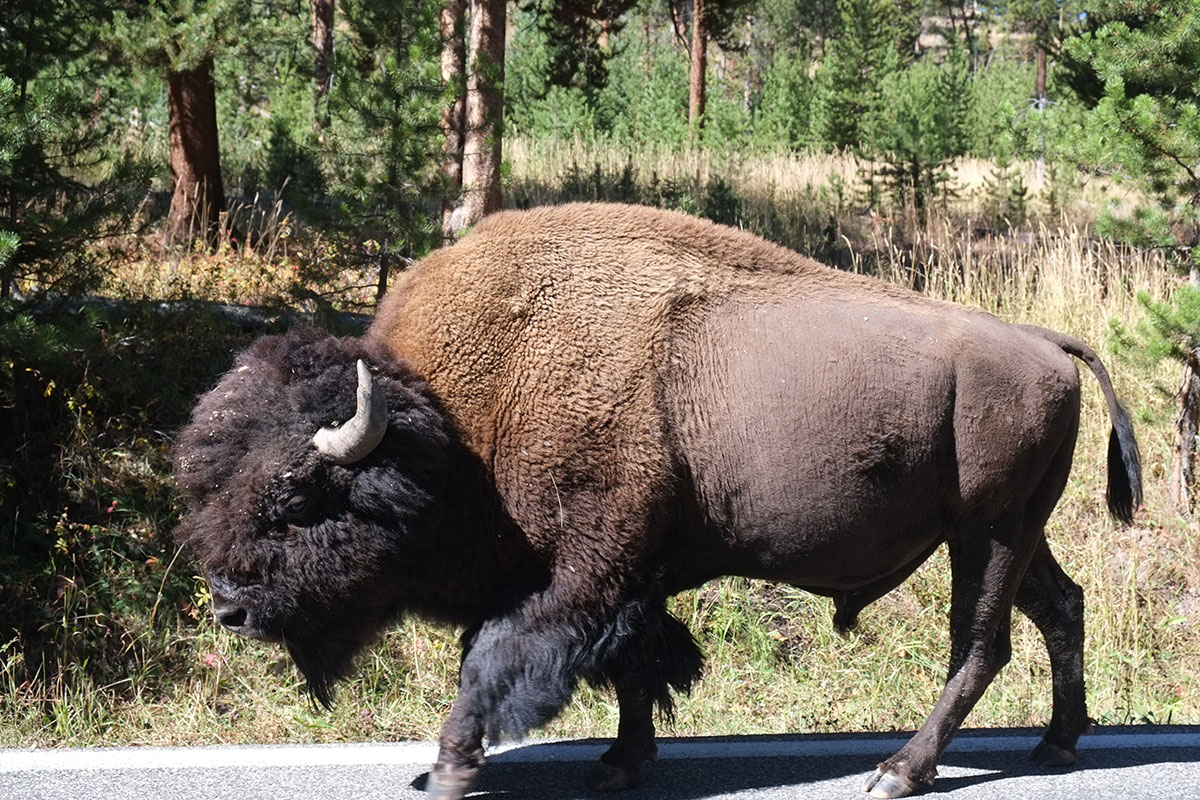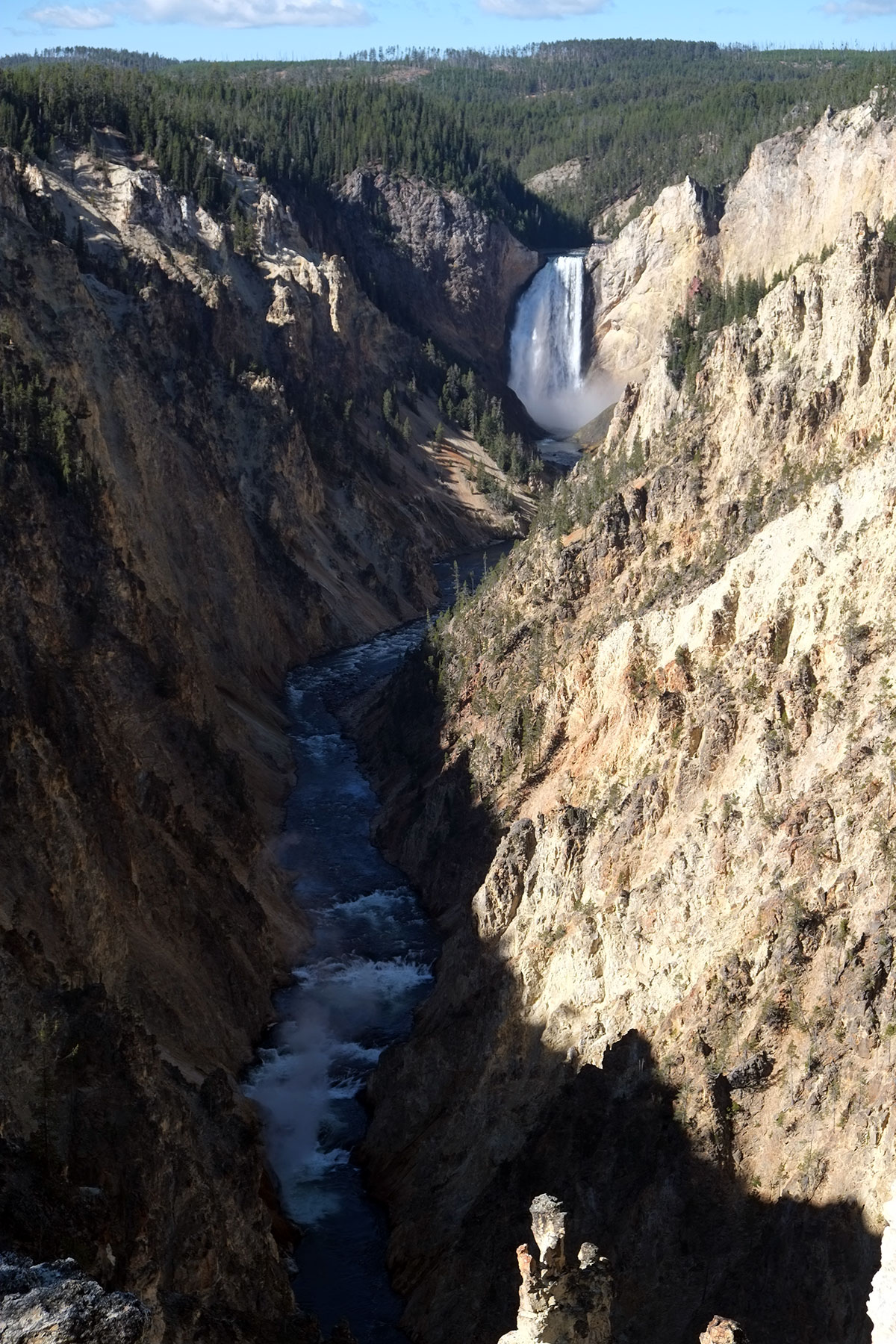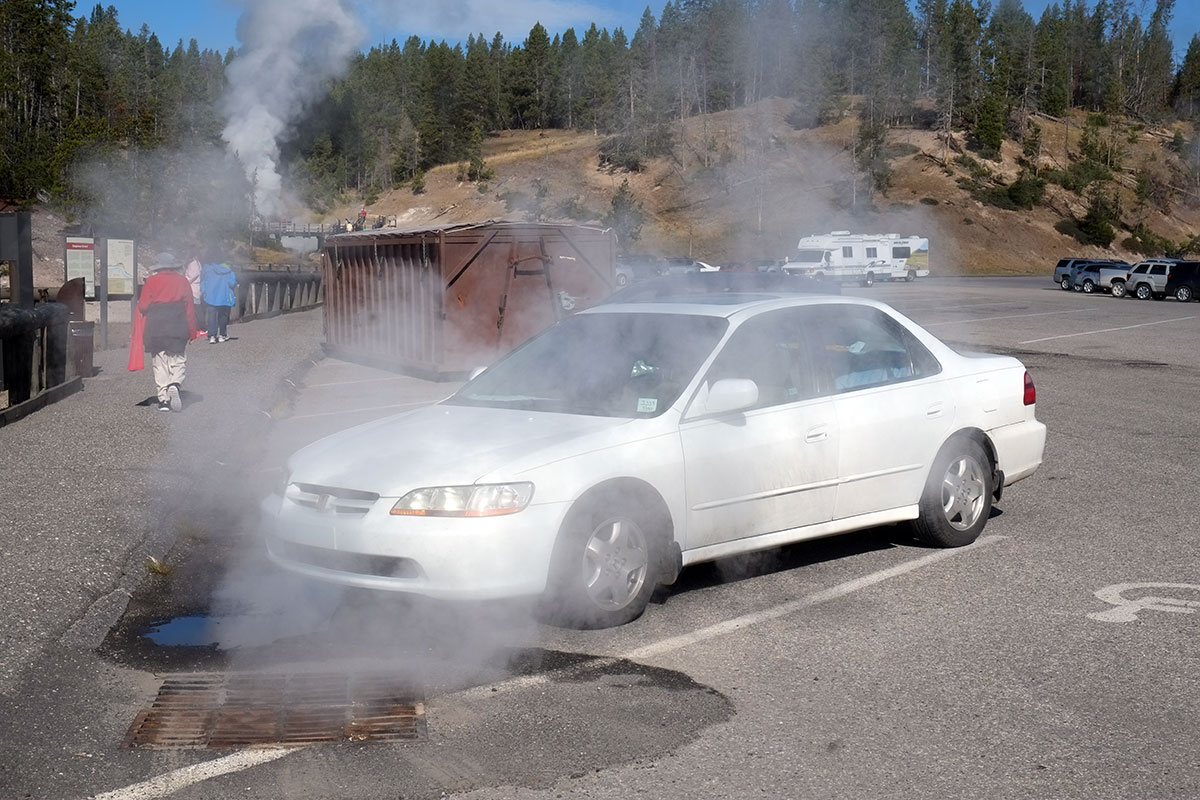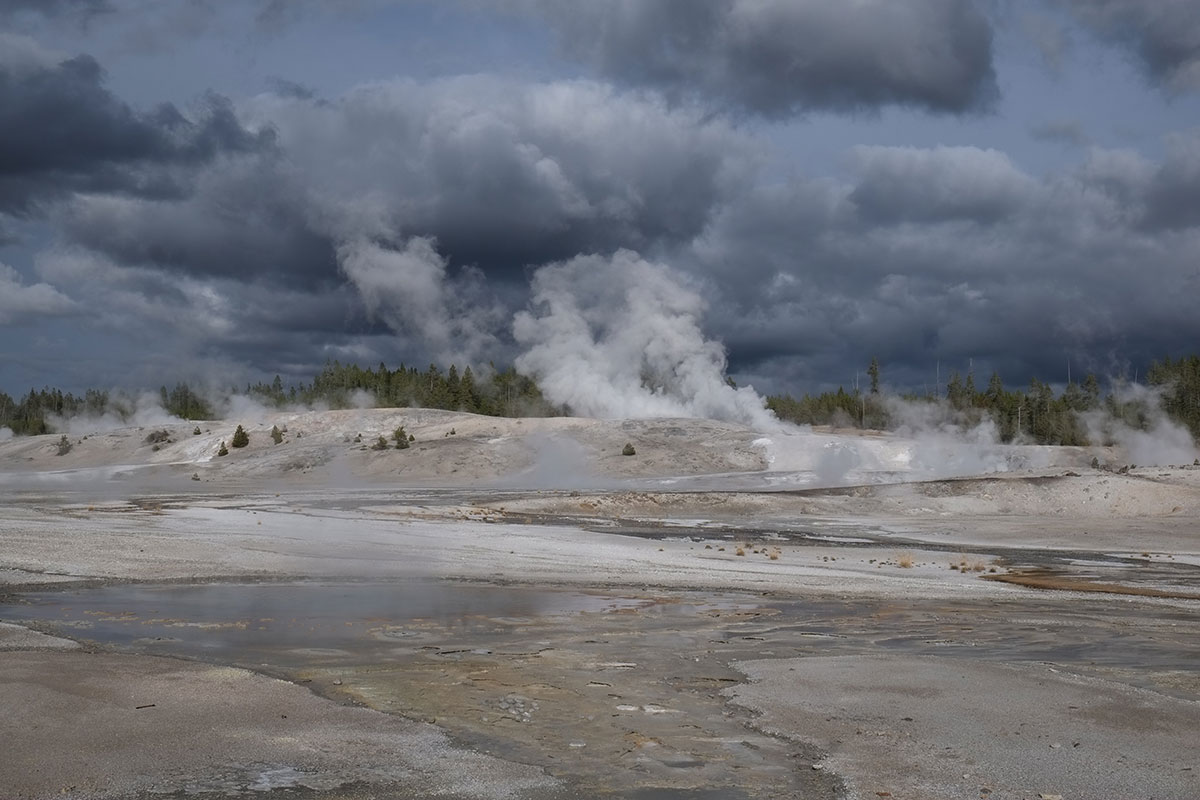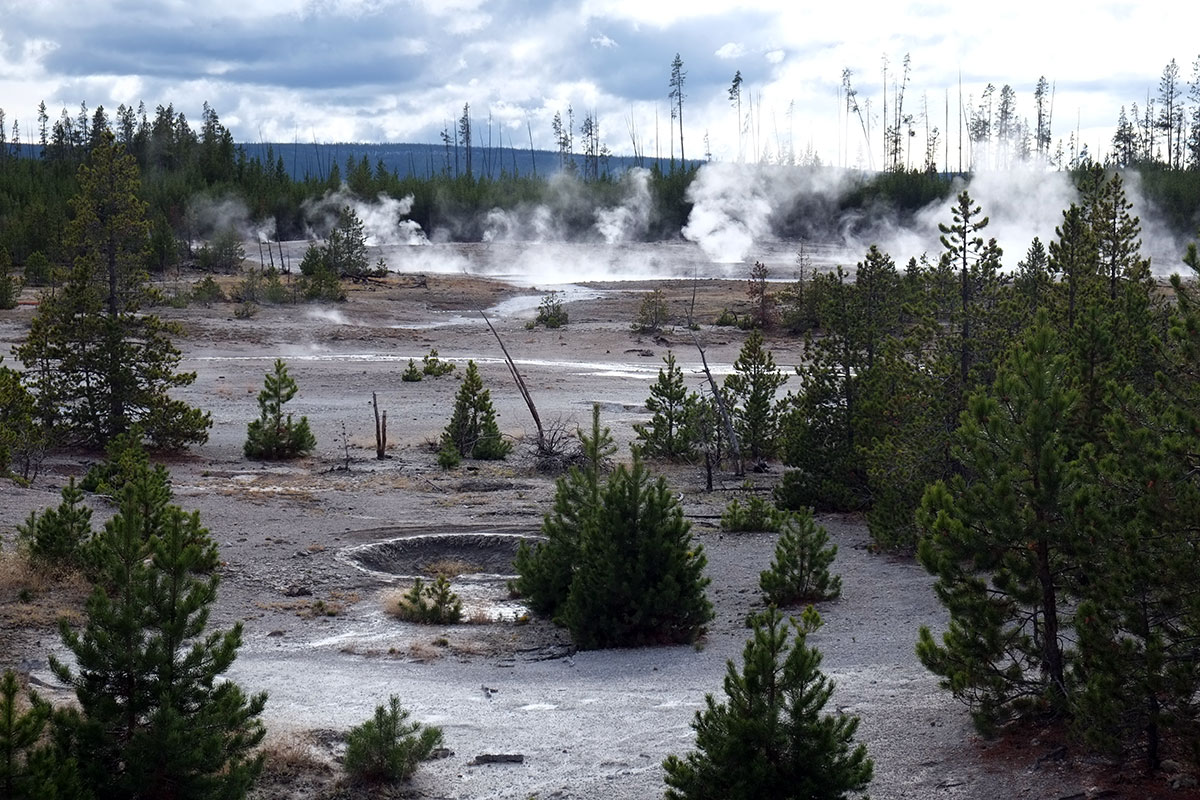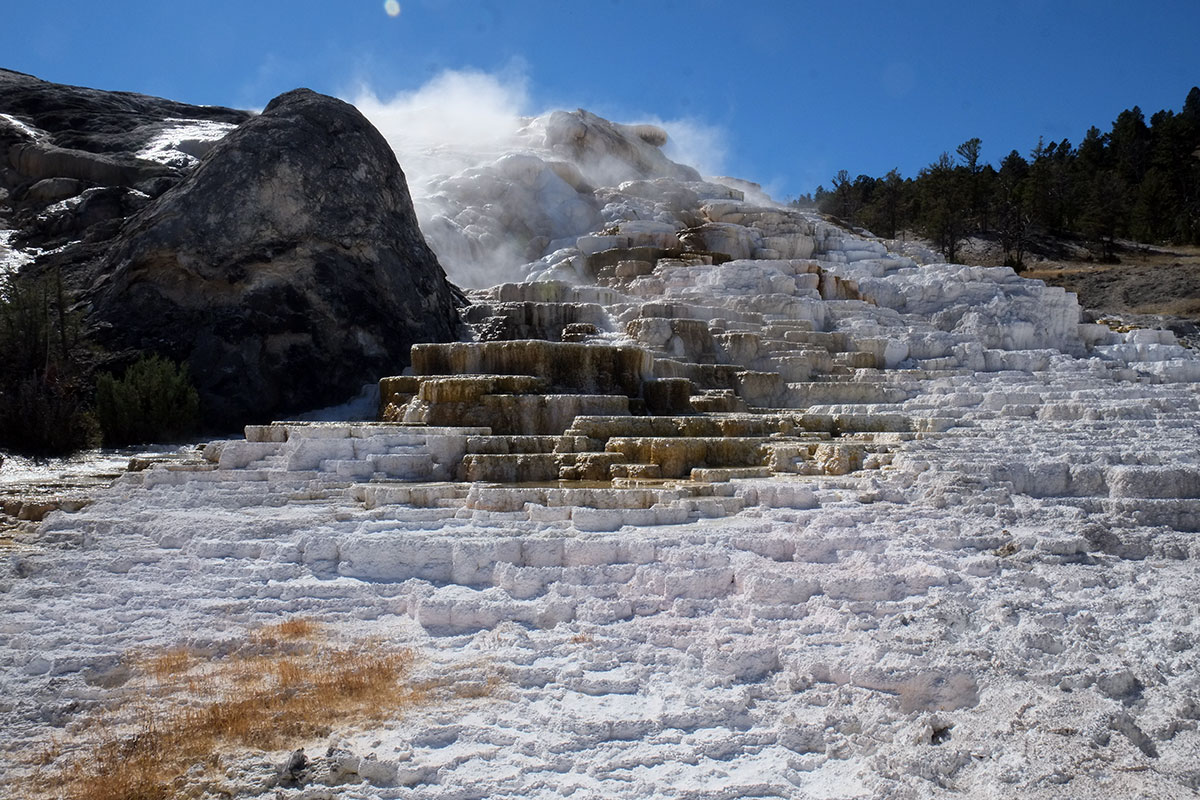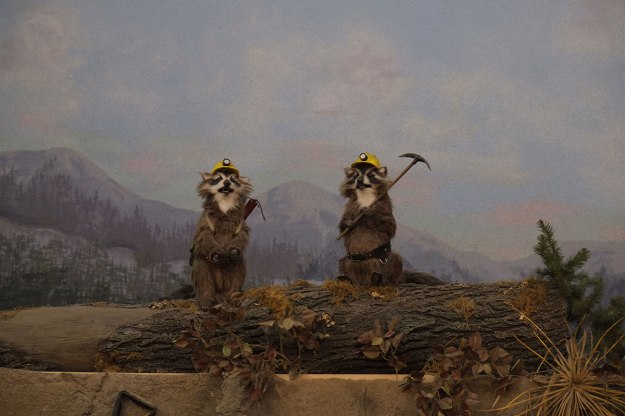
Just as there are celebrities who are famous for being famous, there are tourist attractions that are popular just because they are popular. Then there are tourist attractions that are popular because they are incomprehensibly amazing. If you haven’t been here yet (and I find that many people haven’t), go, and get as close up as you can. I had been here a few times as a kid and thought it was cool, and I wondered if it would seem familiar this time. It didn’t. Greta was blown away (literally).
Category Archives: landscape
Chicago 1
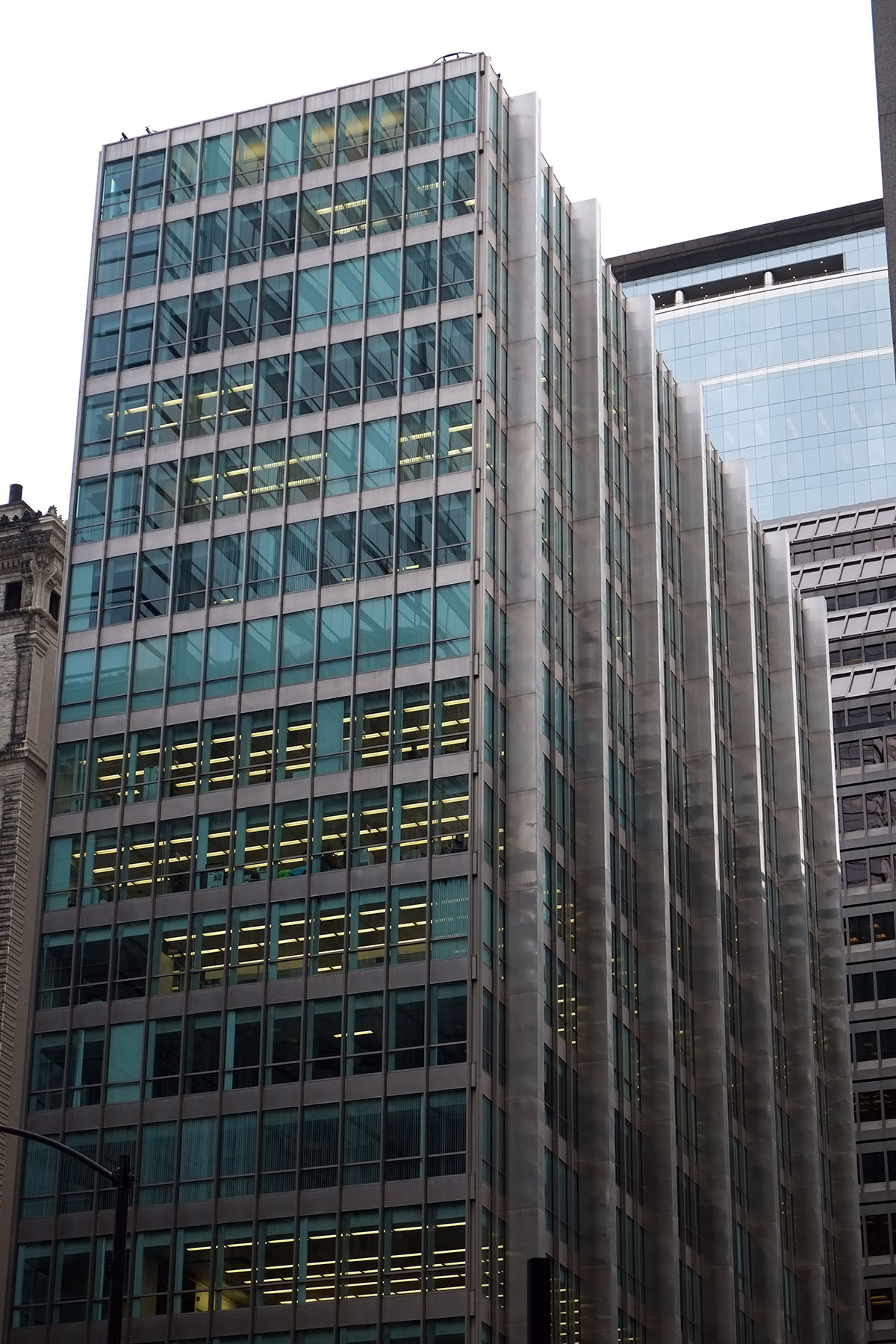
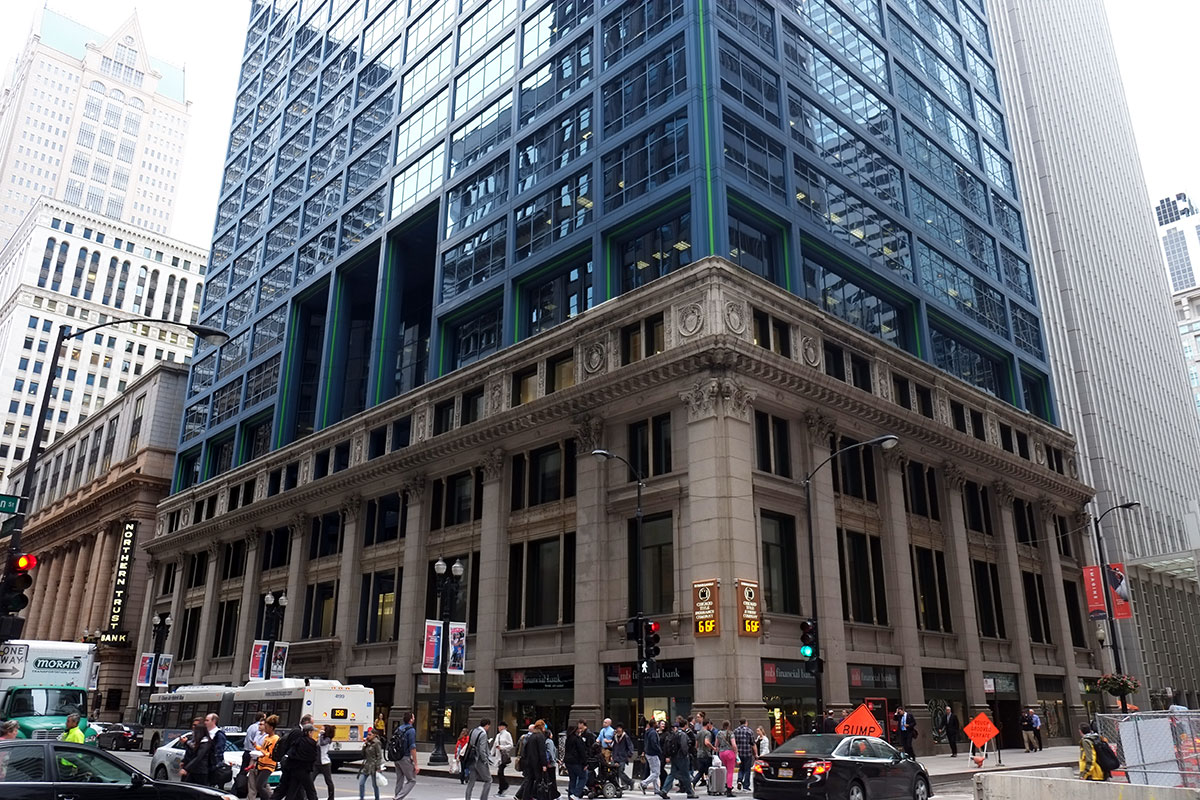
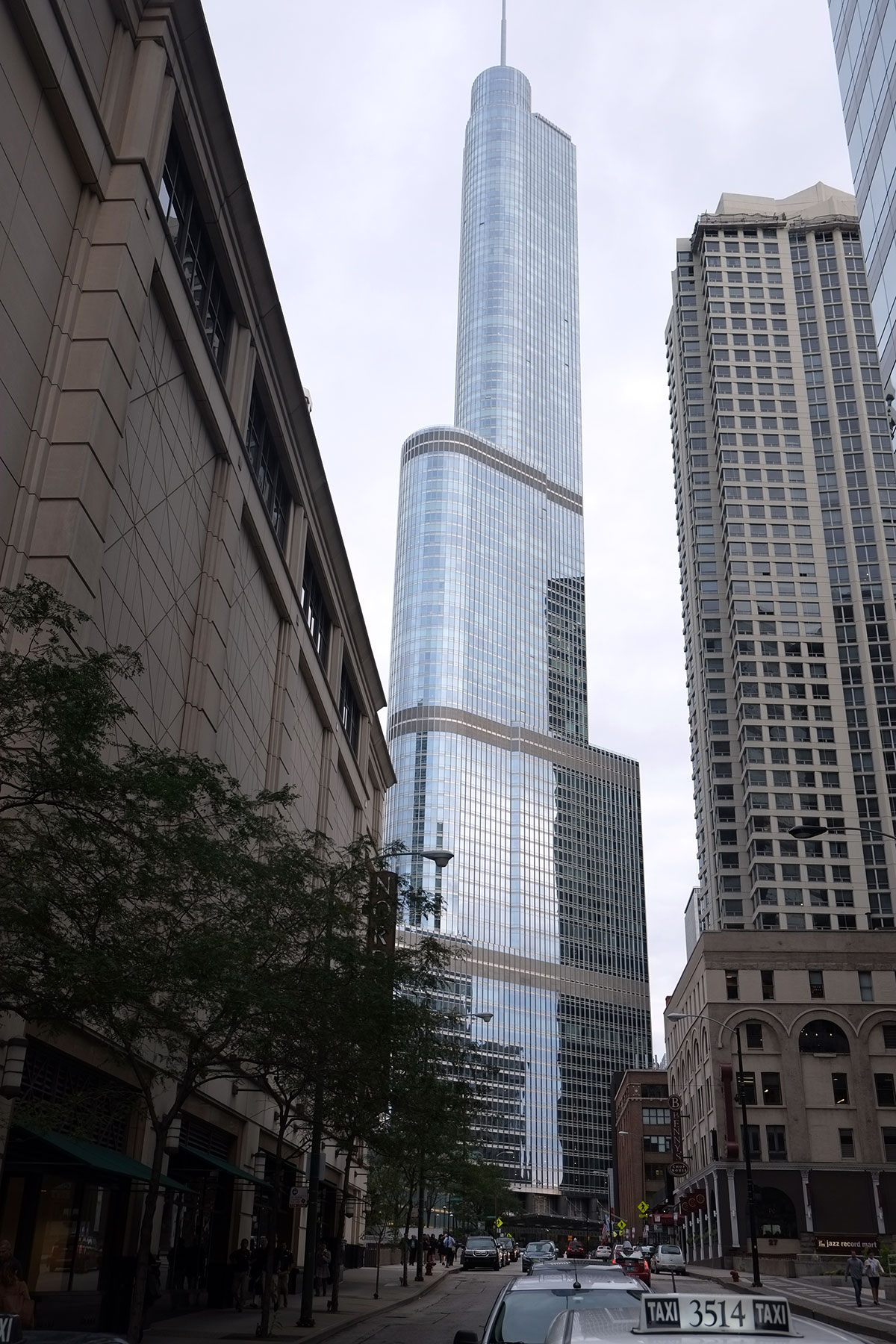
We’ll be visiting some cities on this trip that will be new to me, and most will be new to Greta (although she did spend some time in Chicago when she was two). But there’s a peculiar pleasure in seeing a city you’ve visited with some frequency over the years. You don’t have to rush around seeing all the top sites. You know your way around, and you know what it used to be like. You can catch the new stuff, and casually re-visit favorite places. So the agenda in Chicago this week will be largely driven by Greta, who cares more about museums and food (wasn’t that the title of an Updike story?) than architecture. I’ll take the stealth approach, and walk her past lots of architecture on the way to museums.
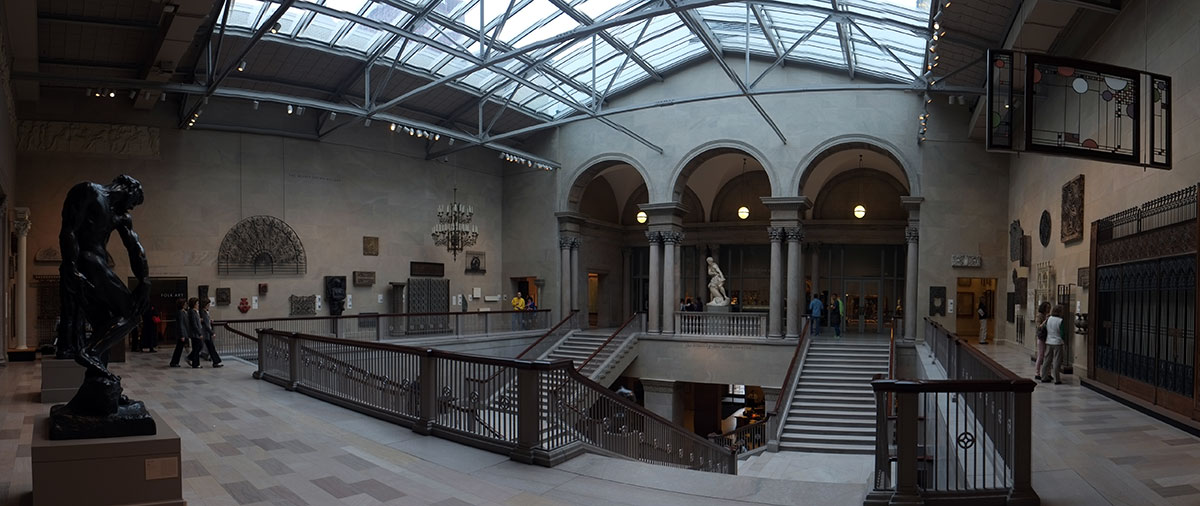
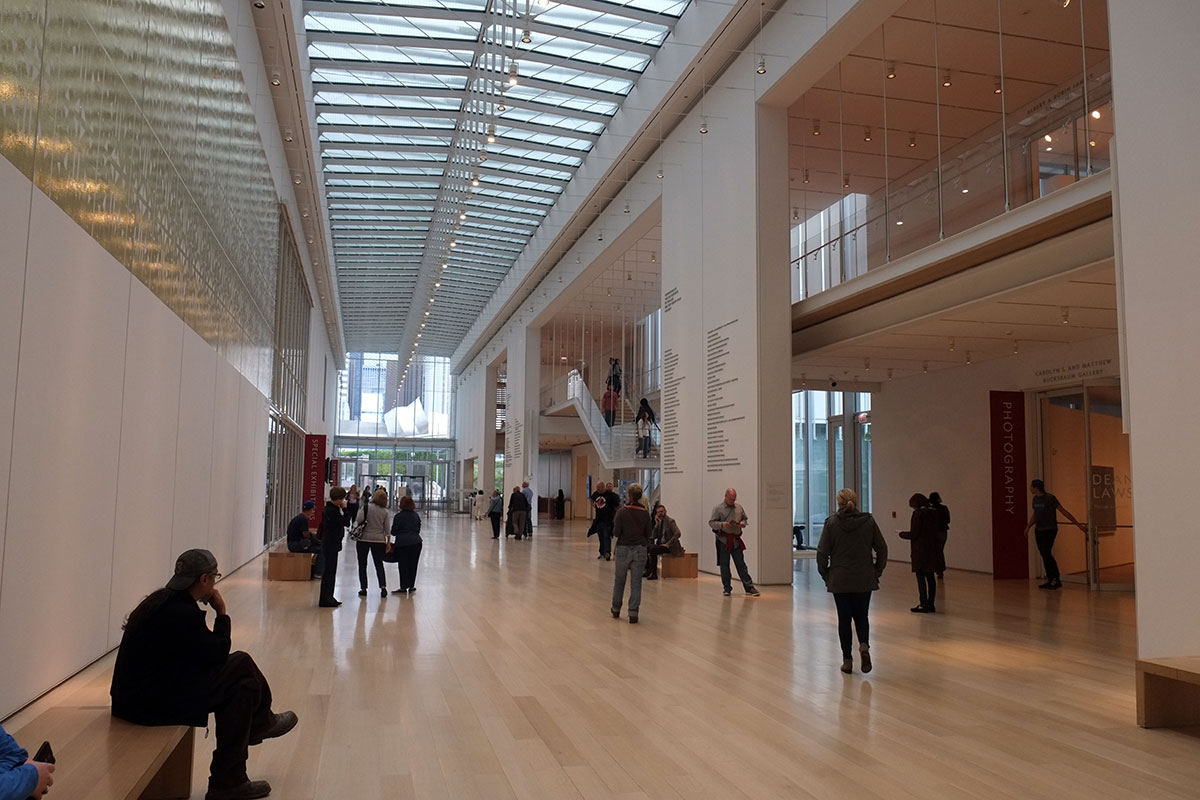
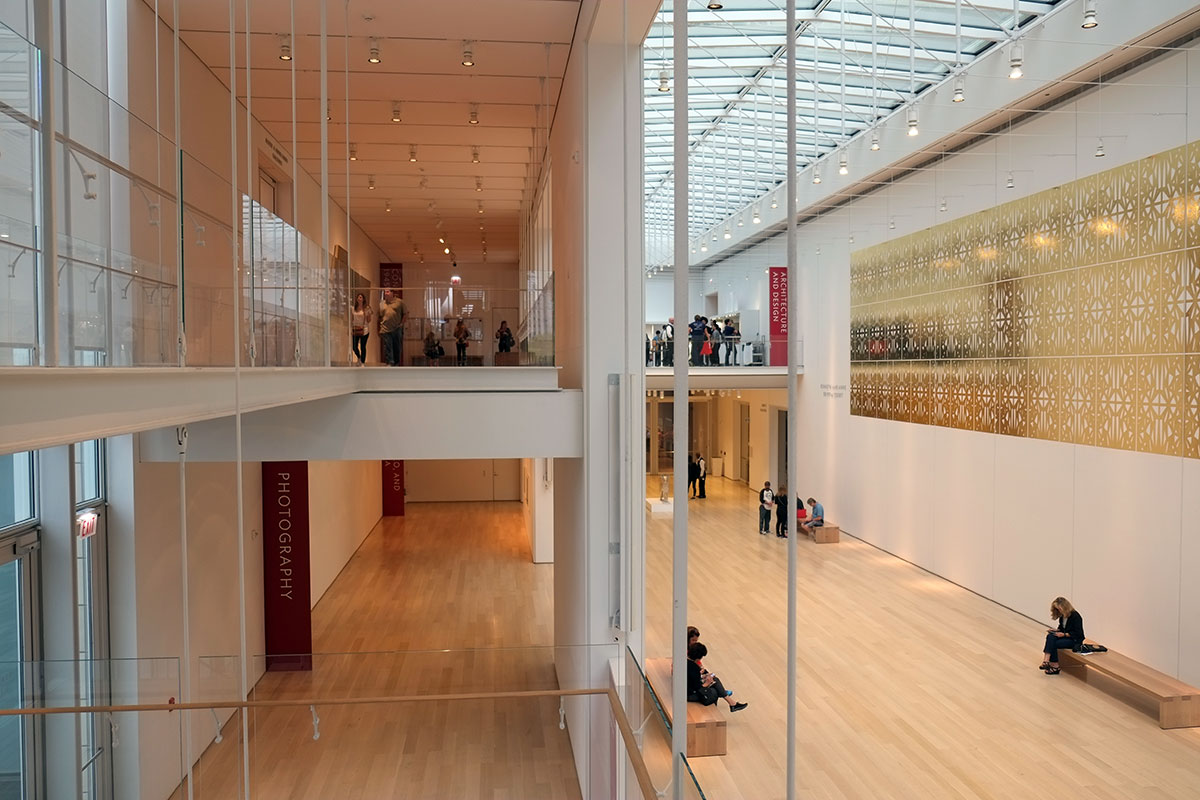
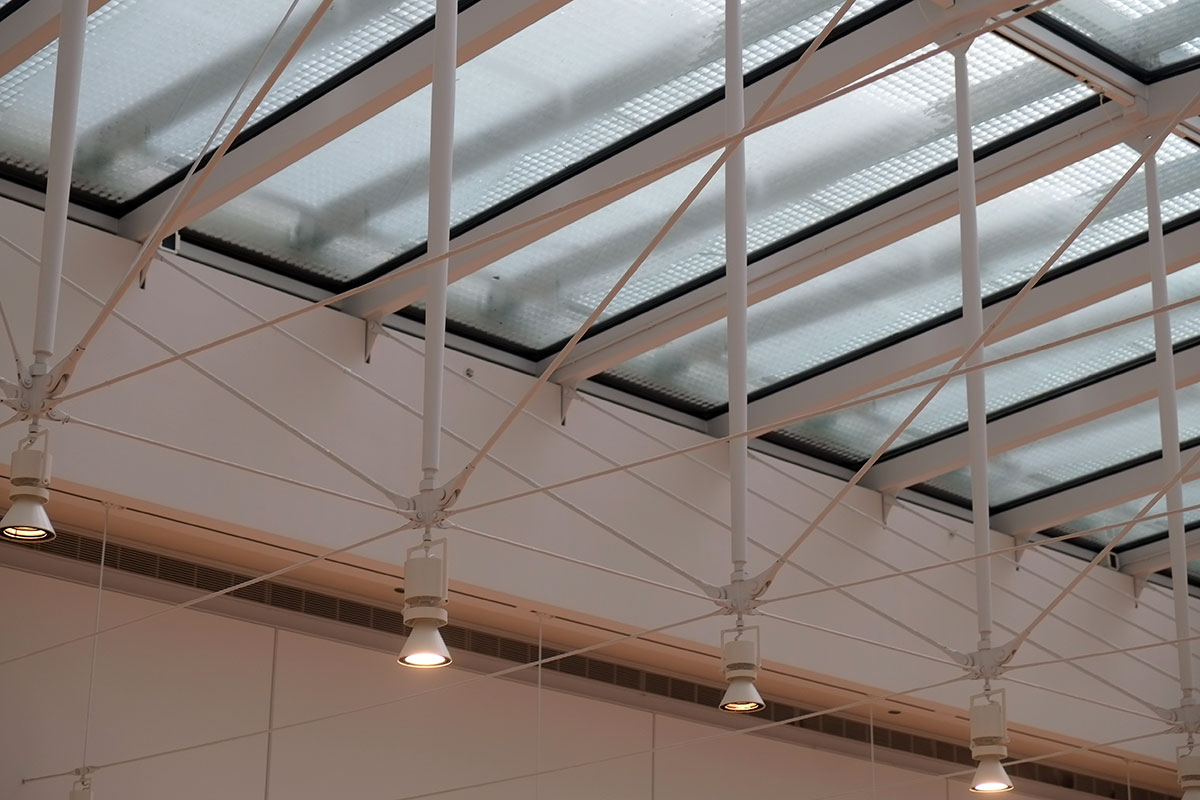
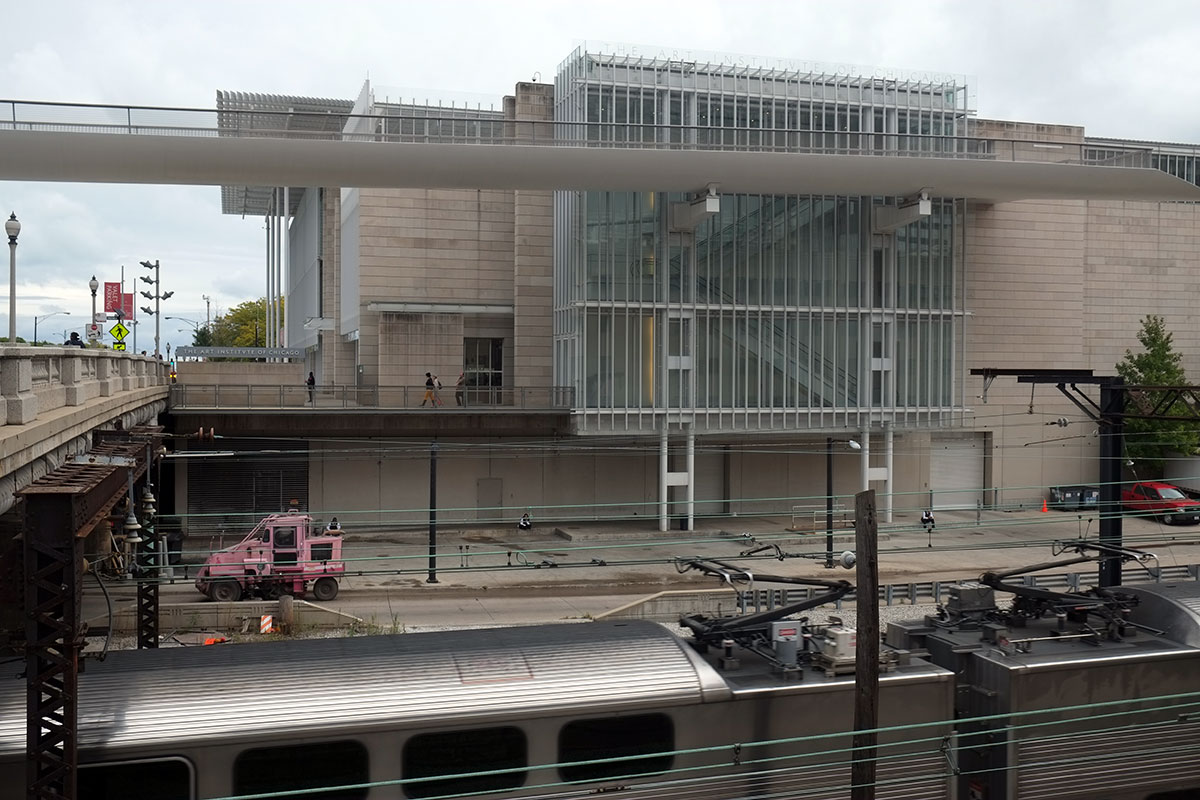
Today it was raining and blowing like hell, so we headed to the Art Institute, mainly seeing modern art and the new Piano wing. As usual, simplicity of conception, space and light, with elegant detailing. 


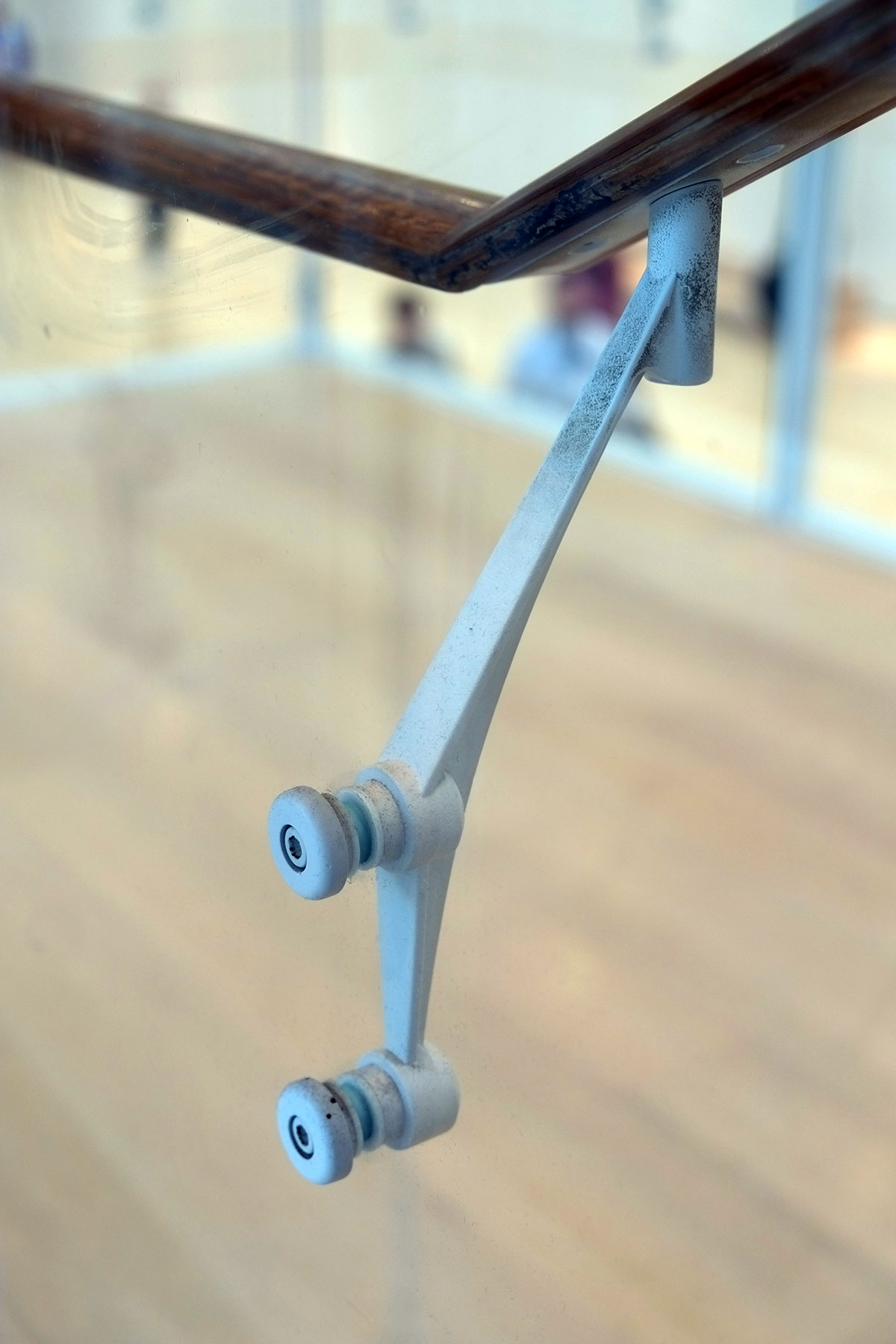
We spent a few years trying to find decent handrail brackets for our house, and finally had to make our own. Does anyone know the store where Renzo buys his hardware?

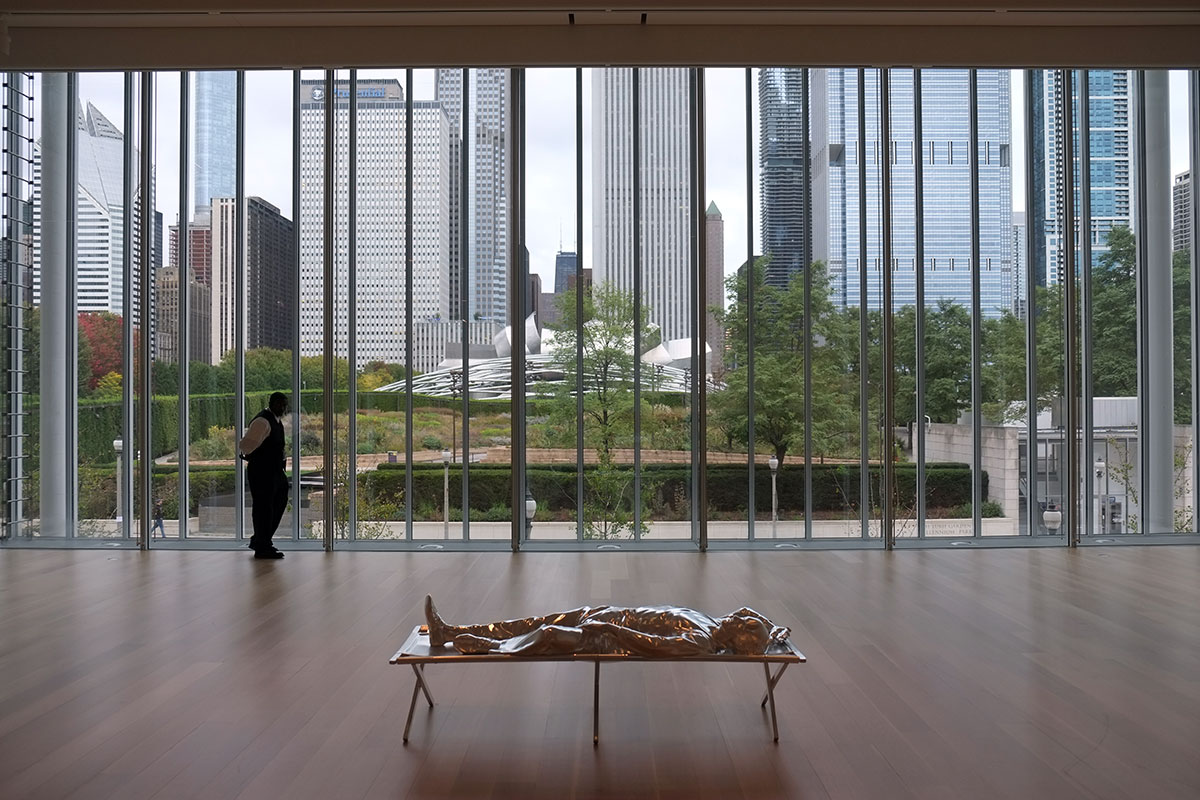
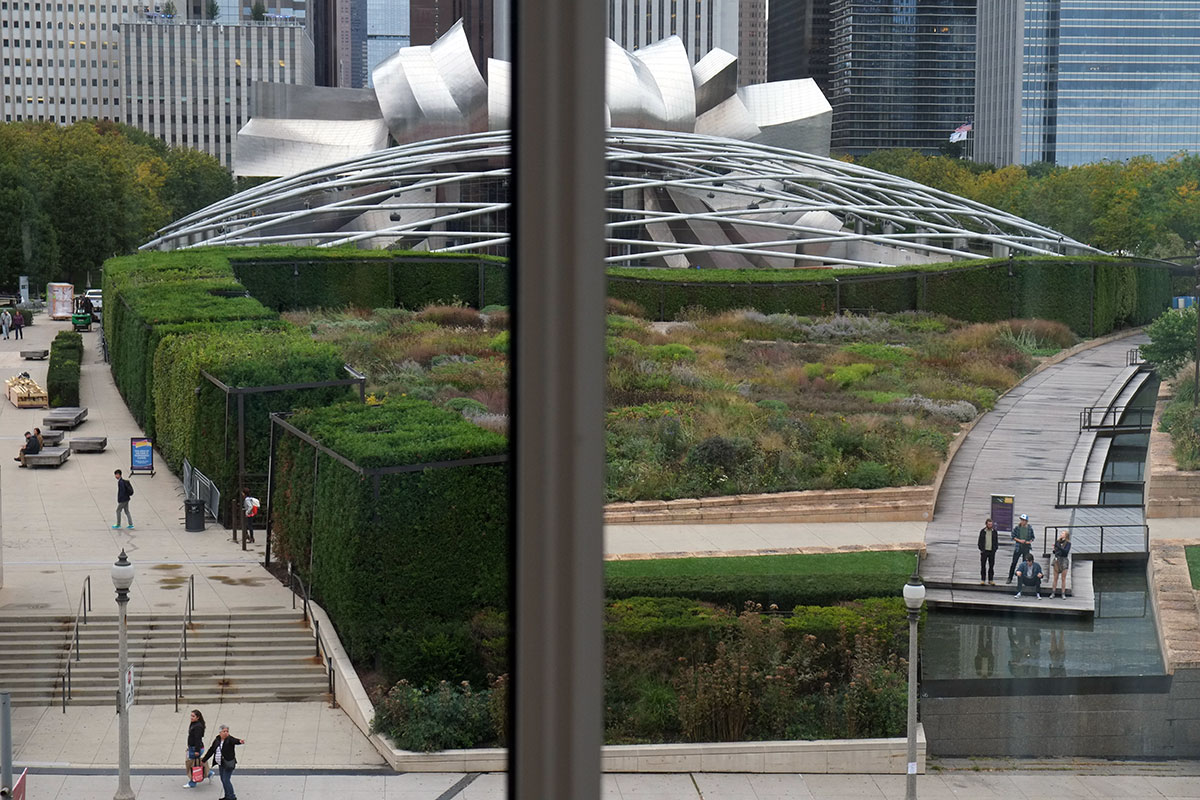
Sculpture exhibit by Charles Ray. Both Greta and I thought it was pretentious and stupid, (the love child of George Segal and Jeff Koons), but we liked the view out the window.
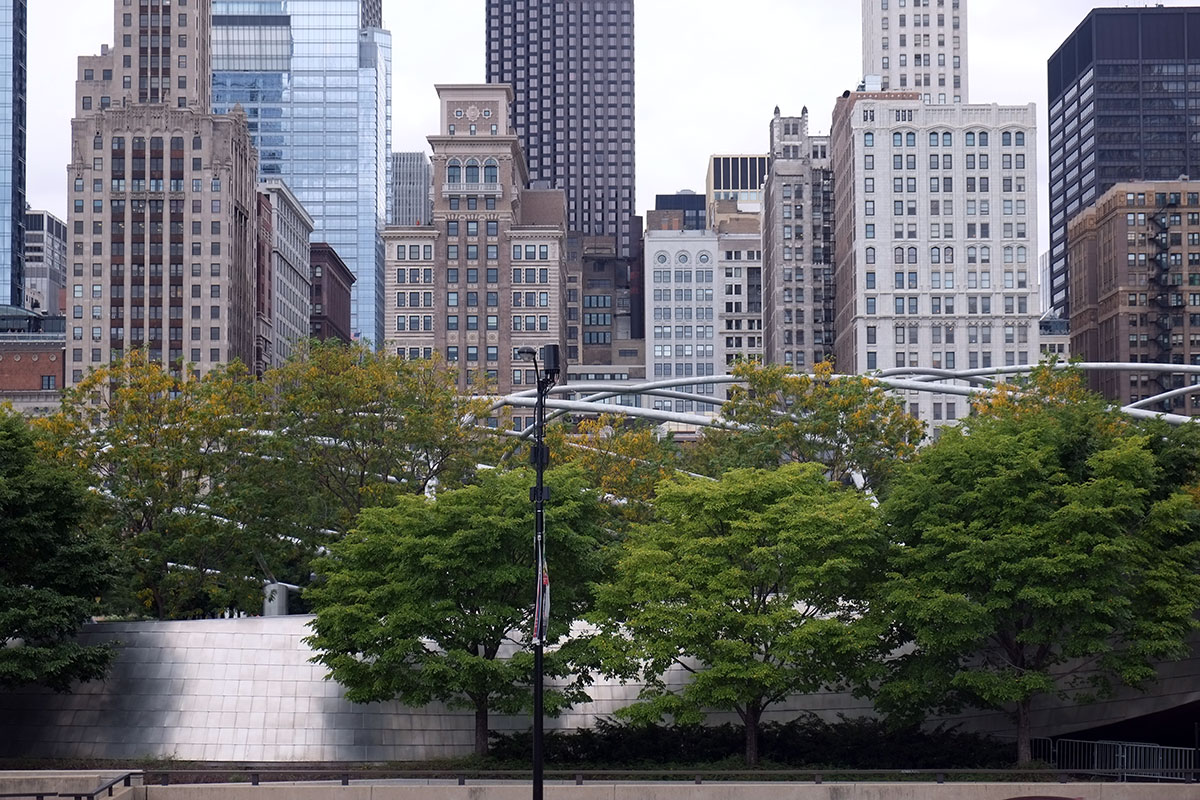
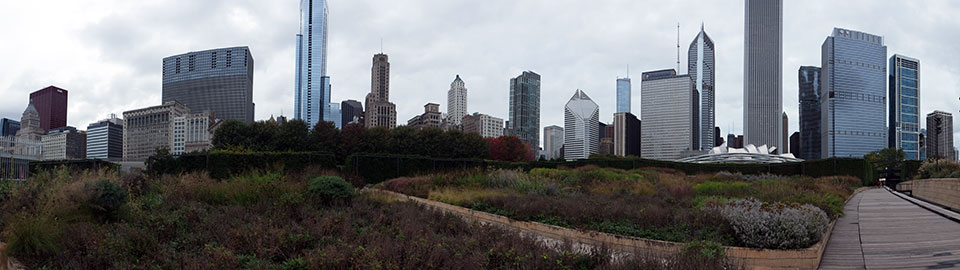
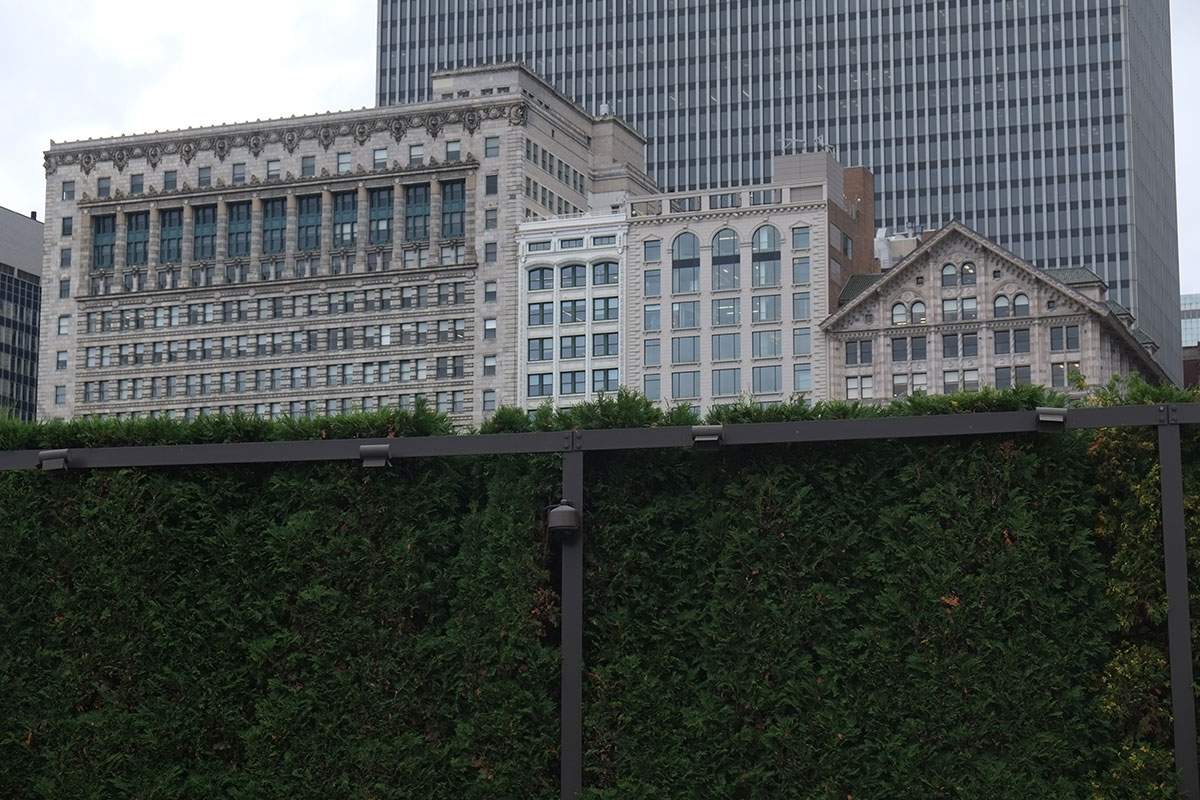
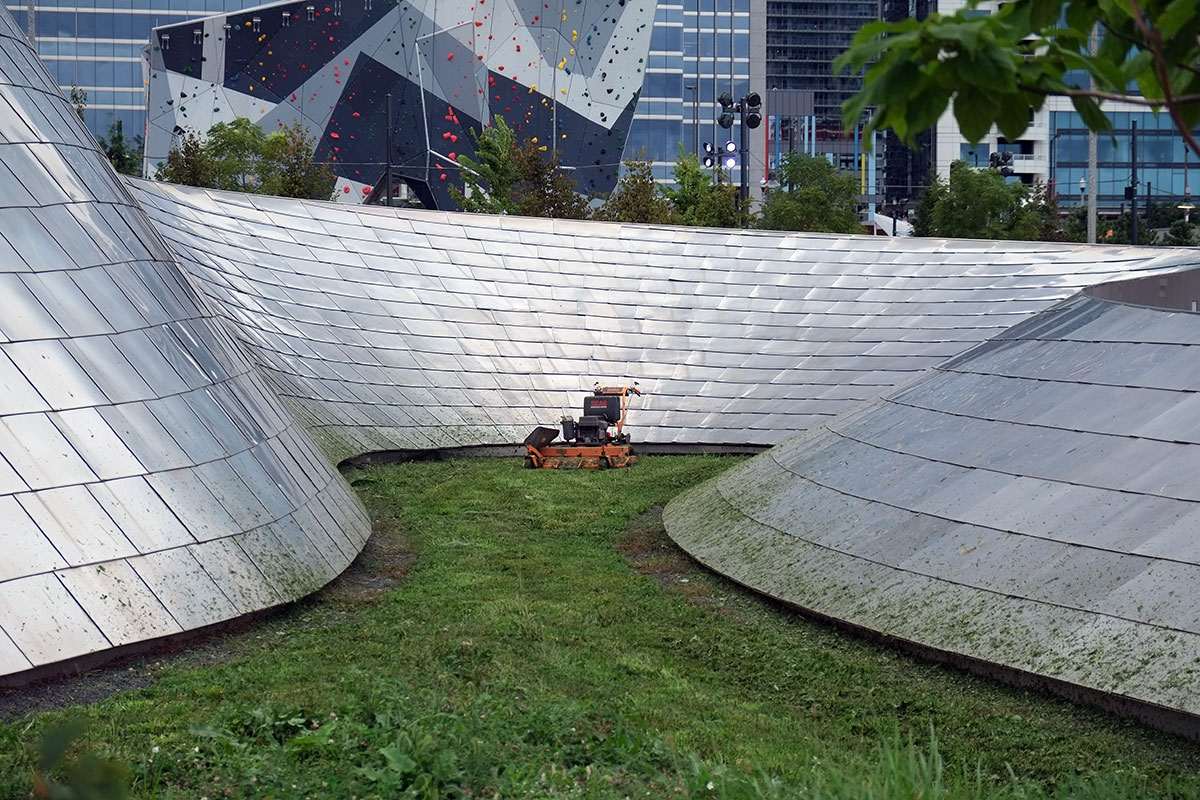
We also saw Millennium Park, Daley Park, and Lurie Garden for the first time. Many excellent parts – especially the garden. 

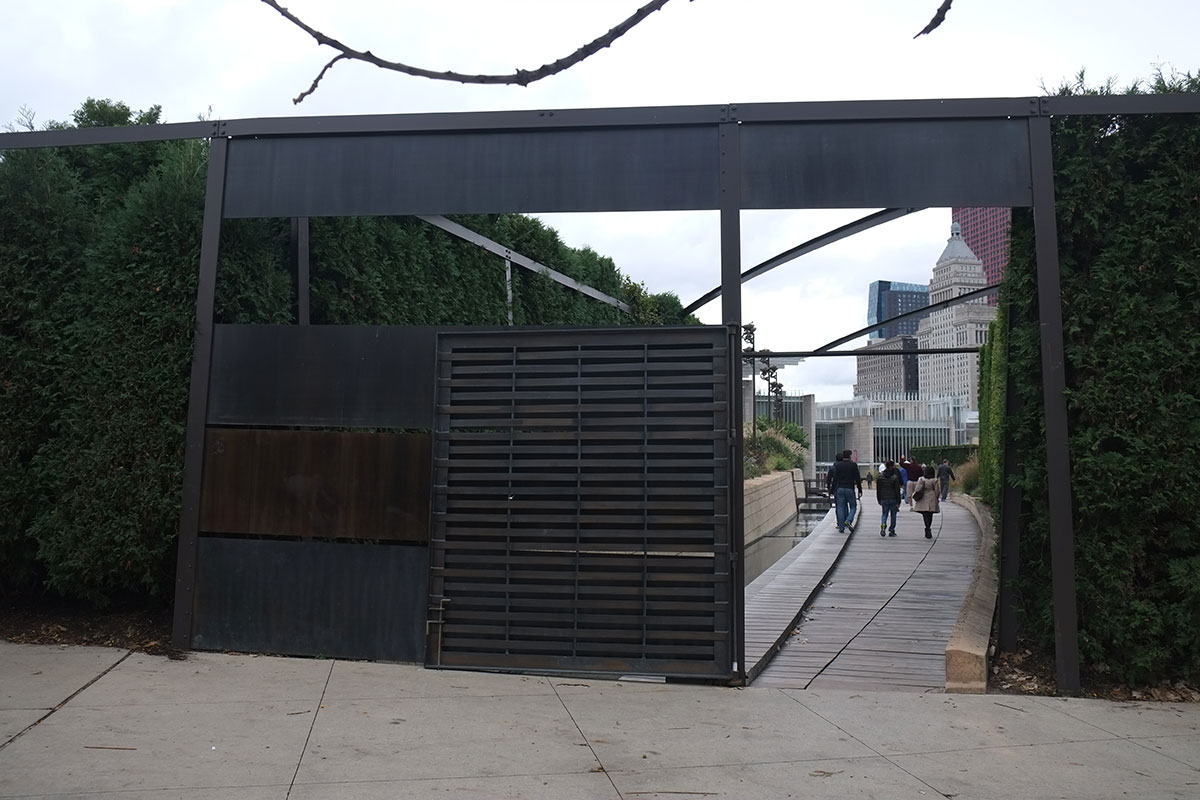
But perhaps it’s all a bit much put together? Every piece seems to be trying to outdo the others, and the curving walkway/bridge/thingee reminded me of some elevated ride through a theme park or zoo where you can look down on all the different exhibits. 

The rain stopped, and we just wandered around the Loop until it was time to eat pizza.
The Machine in the Garden
South Dakota weirdness, part 2
After Mt. Rushmore, Wall Drug and the Prairie Dog God, we wondered if there could be even more weirdness in western South Dakota. Yes, there most definitely can.
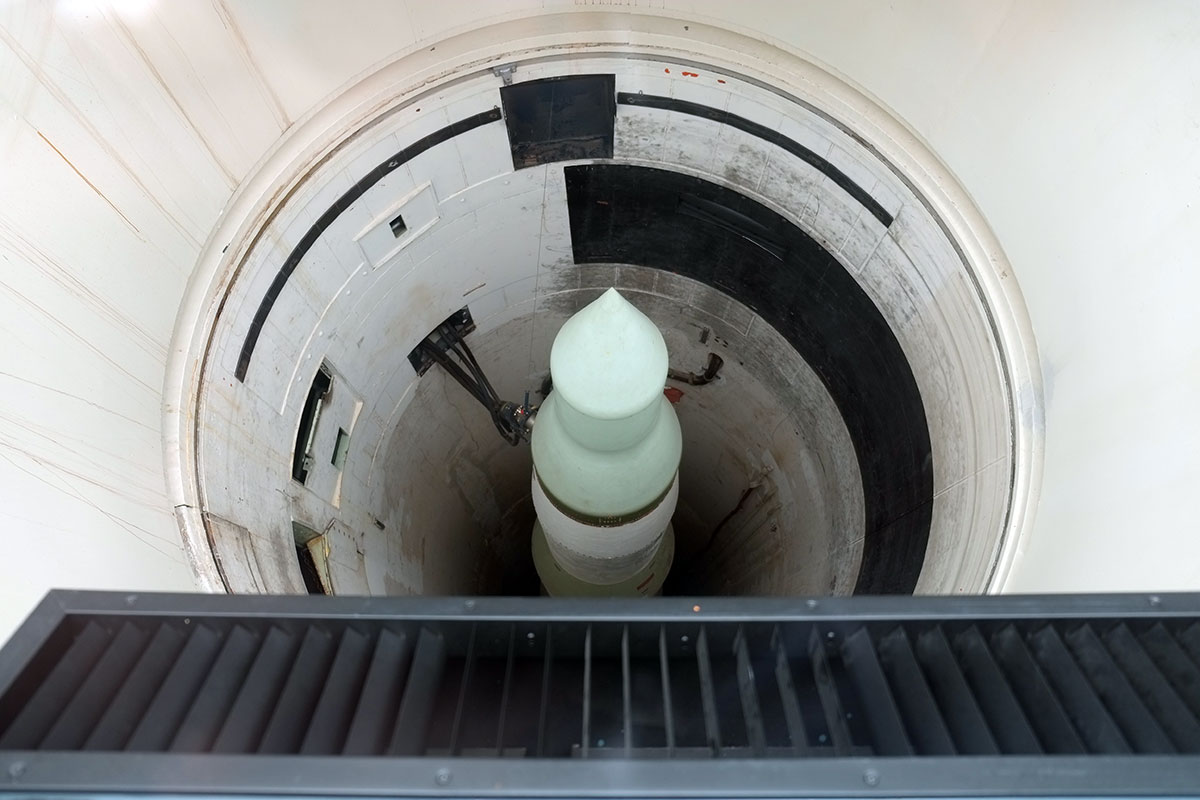
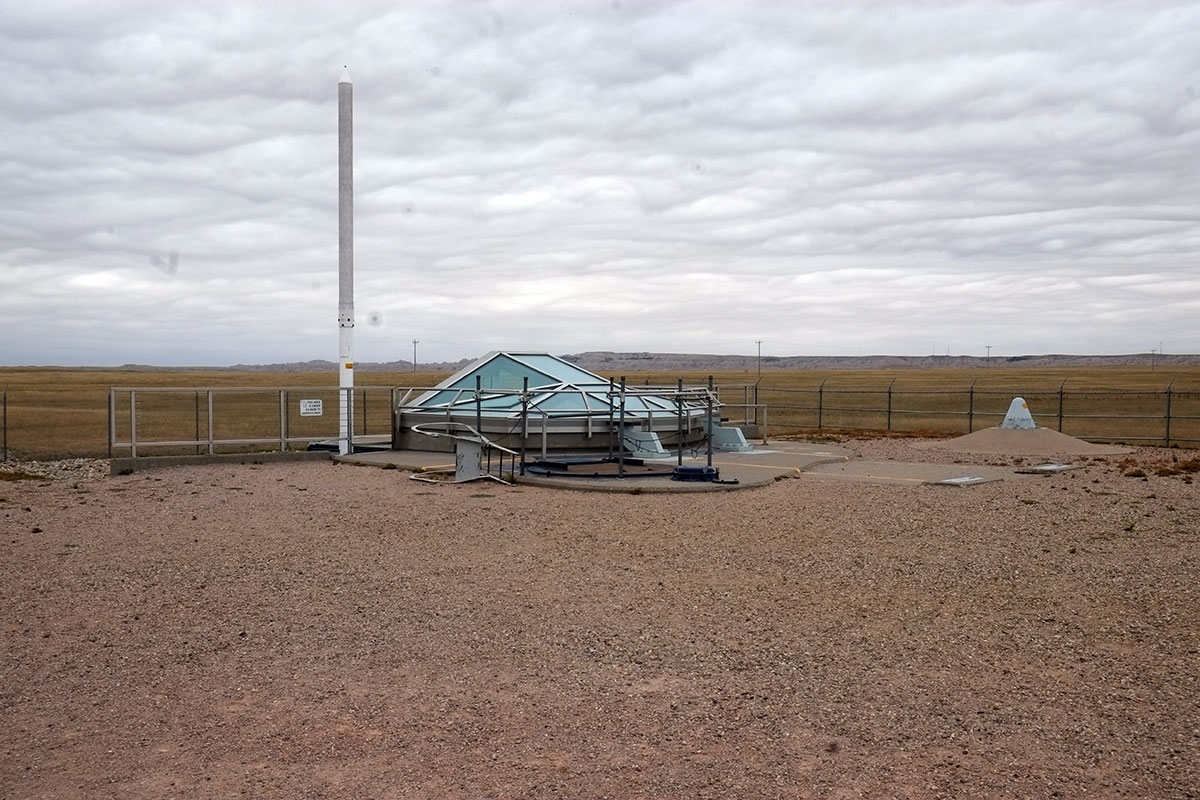
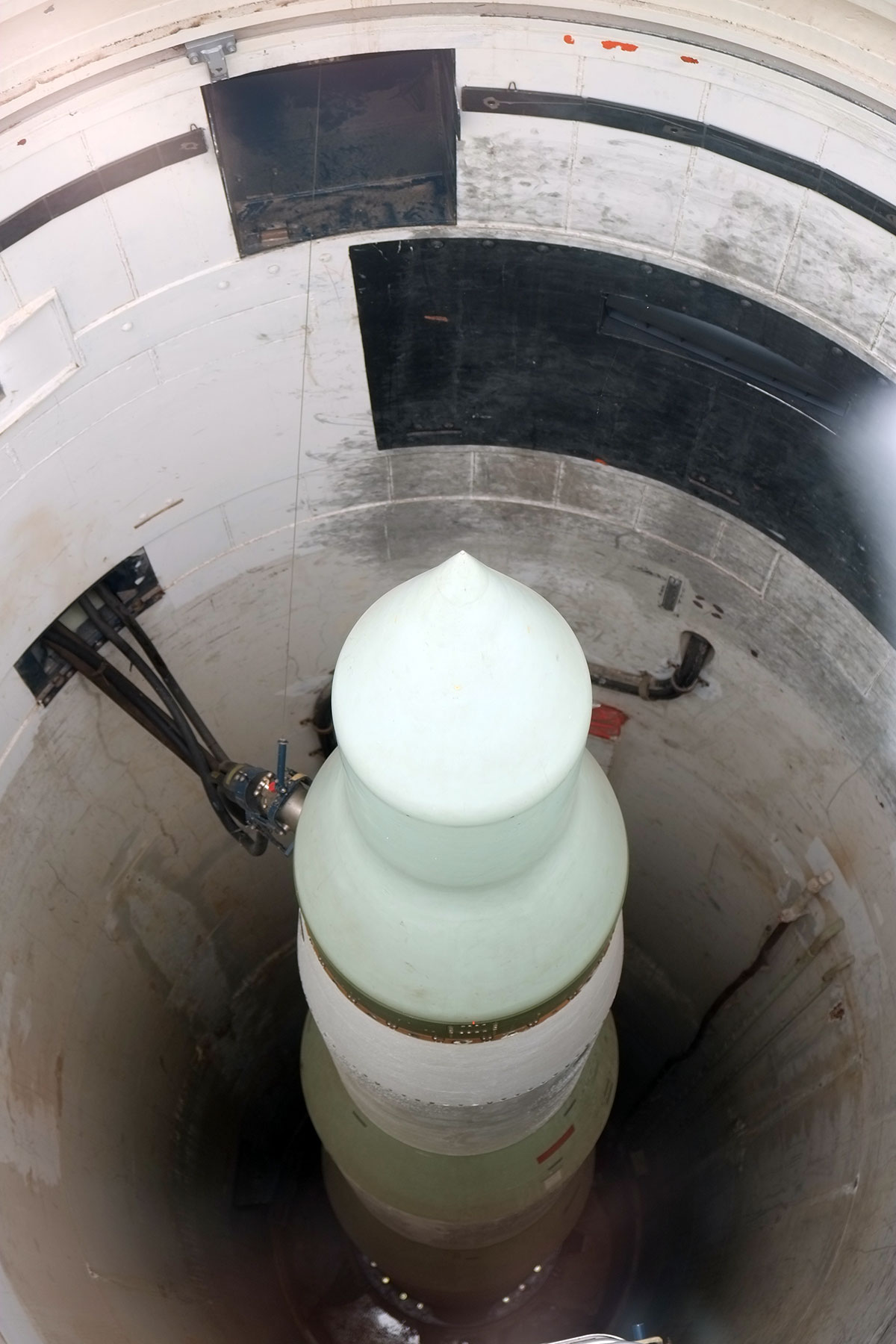
We visited Delta-09, a Minuteman II silo, where we saw an actual nuclear missile.
It’s a weird place – a chain-link fence enclosure in the middle of the prairie, where they leave the gate open so you can enter and look into the silo. There is a phone number you can call on your phone, and then punch in various numbers to get information about it. We tried to do that, and couldn’t get it to work, and then realized we had just called an unknown phone number from a nuclear missile site, and the NSA now had our number, and ever since we’ve been seeing some suspicious vehicles in the rear-view mirror.
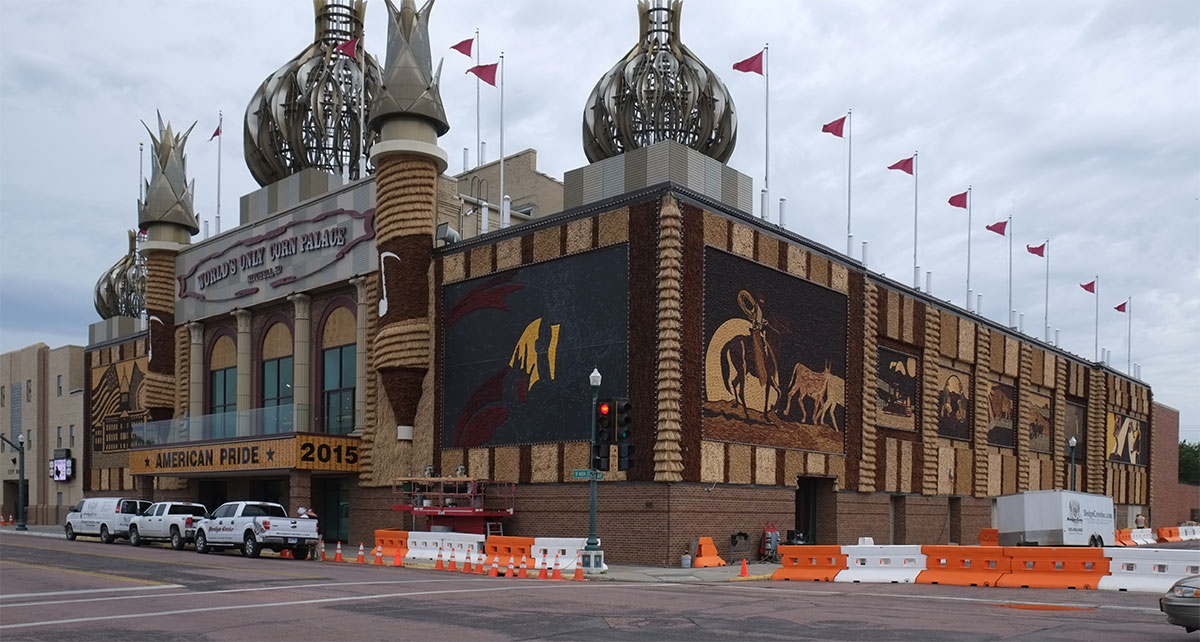
We quickly moved along to Mitchell SD, for a viewing of the Corn Palace. It is undergoing one of its regular refurbishments, where new murals are made out of corncobs. 
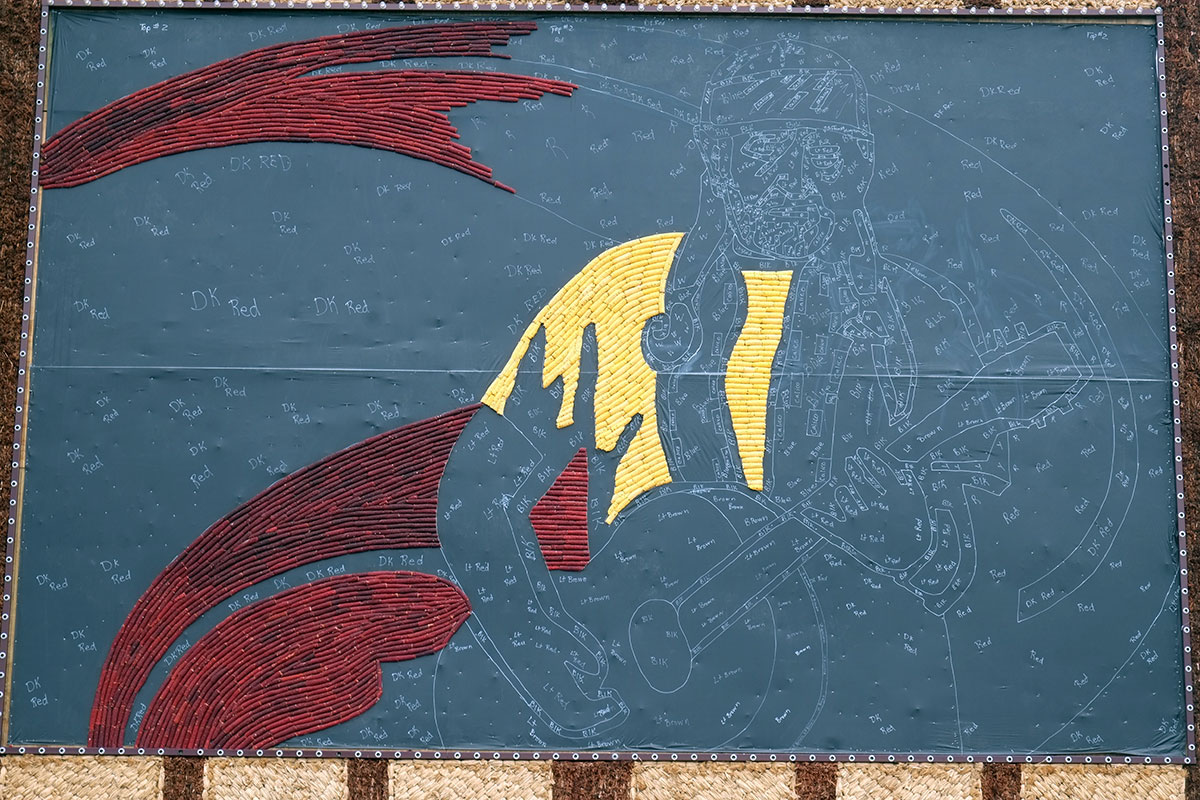
It was cool to see the underlying layout sketched out before the corncobs are added, as in this picture, which seems to be of Willie Nelson:
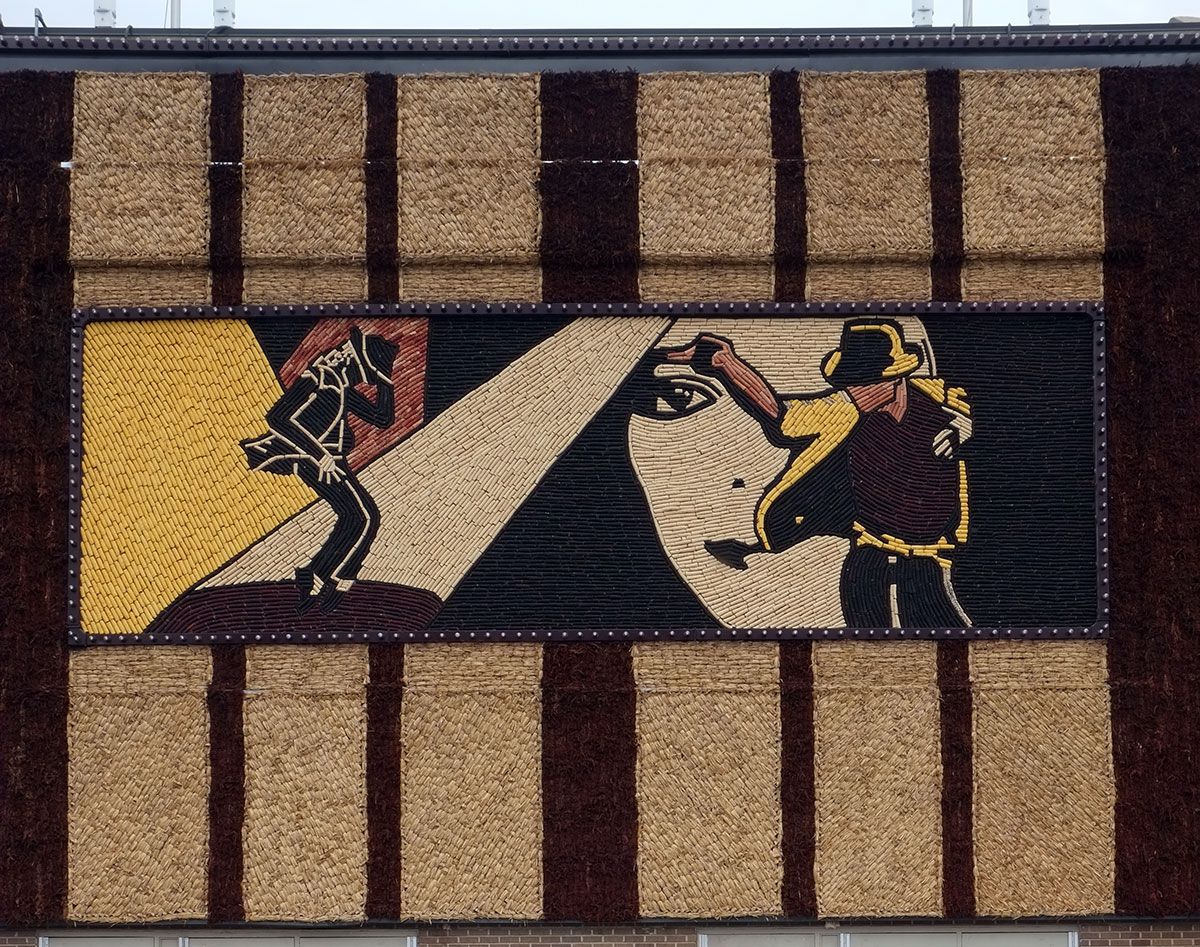
We were a little more perplexed by this mural, until we realized it was a portrait of Michael Jackson, an attempt by the Corn Place to appeal to a younger audience through an homage to a 30-year-old pop tune.
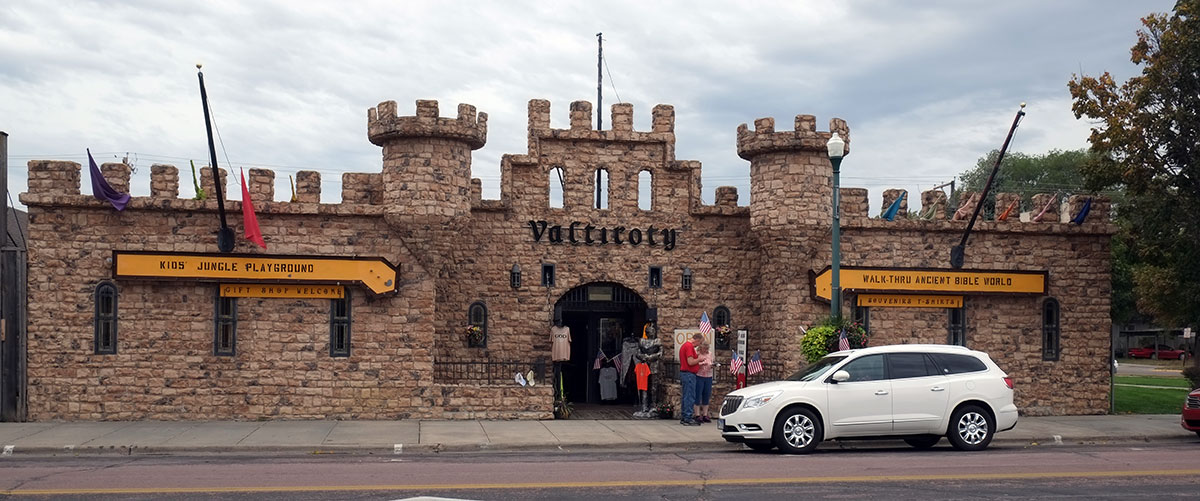
But that is only the beginning of the weirdness in Mitchell. Right across the street is “Valticoty”, a gift shop in a castle, with a “kids jungle playground” and a “walk-thru ancient bible world.” When we were perplexed by the name, the owner, apparently an eastern-European fundamentalist, told us it was from the initial syllables of the names of the Three Wisemen. We moved along quickly.
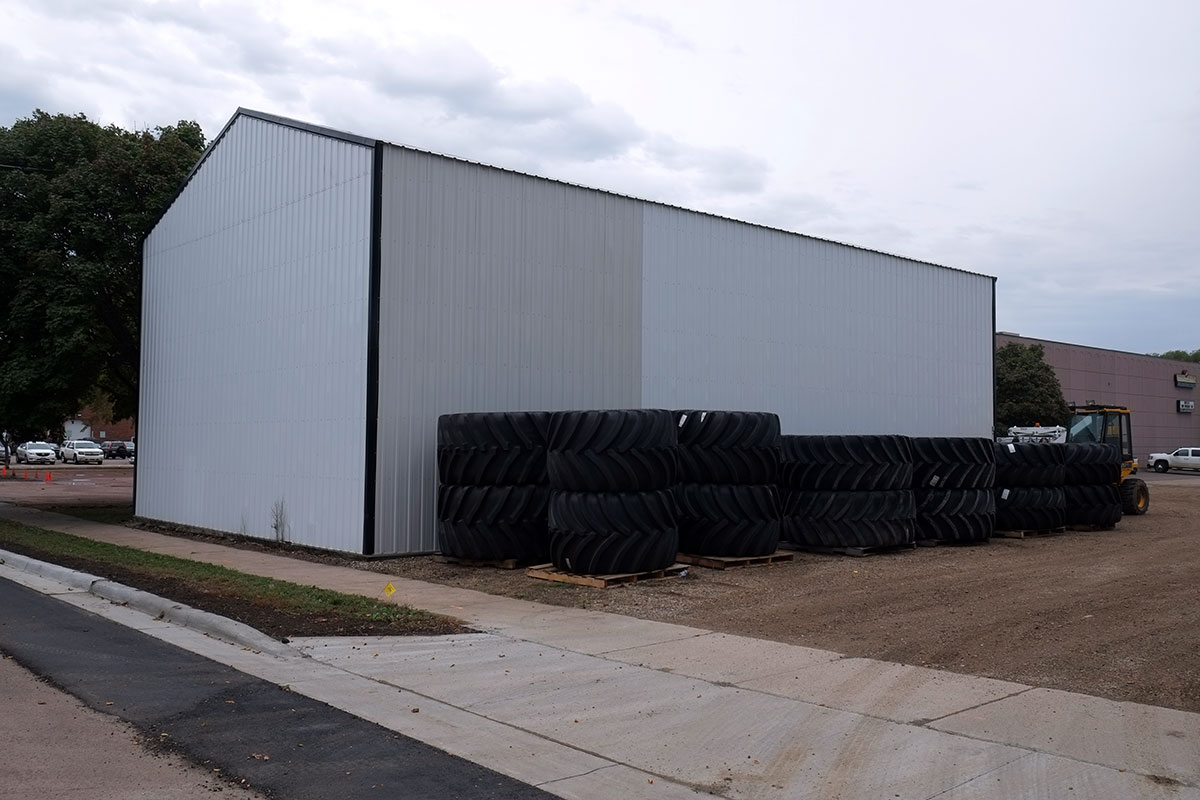
While the Corn Palace gets most of the attention, one should certainly not miss the Tire Palace
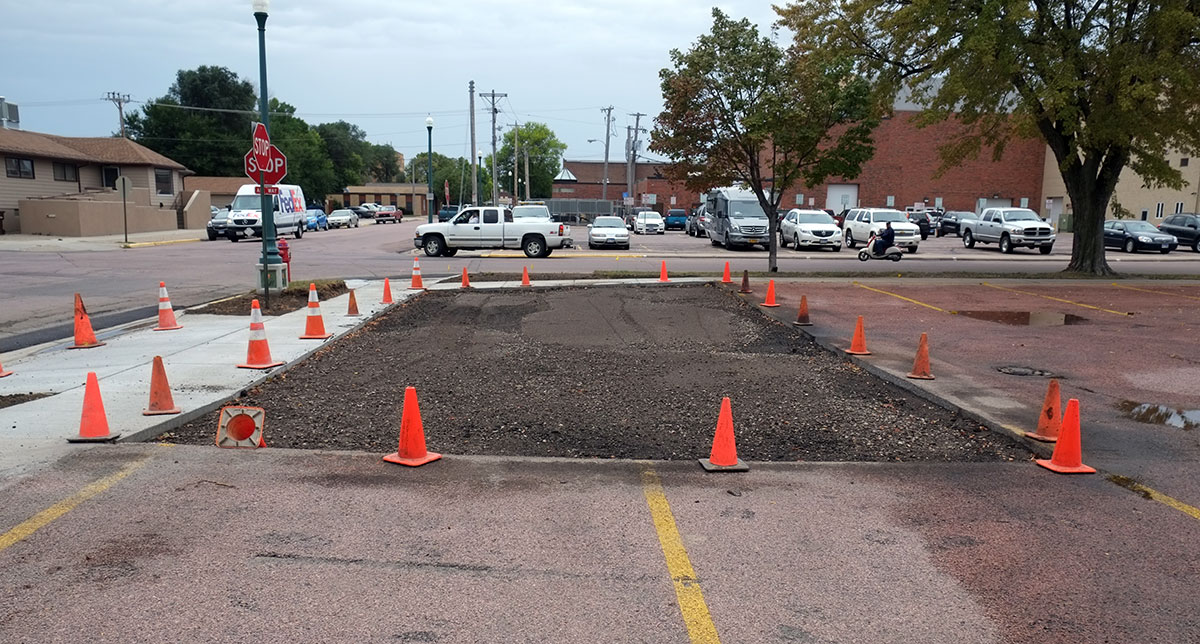
nor the Cone Palace:
We left the Twilight Zone and drove to the Twin Cities.
Badlands
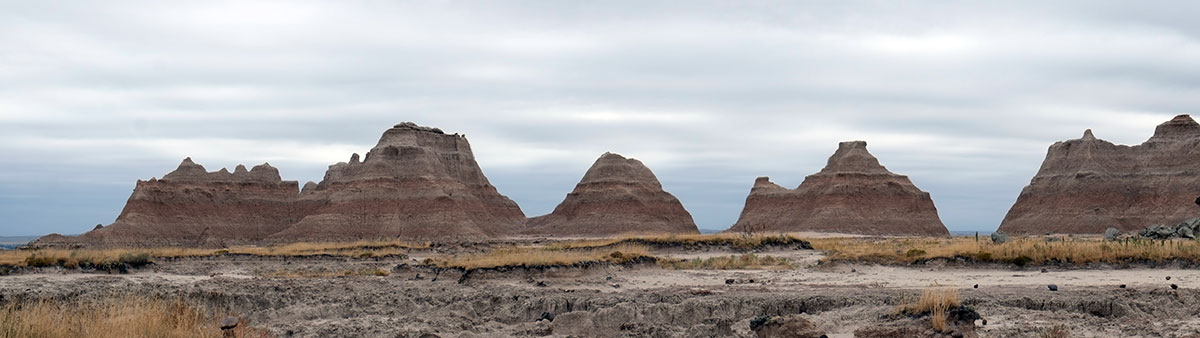
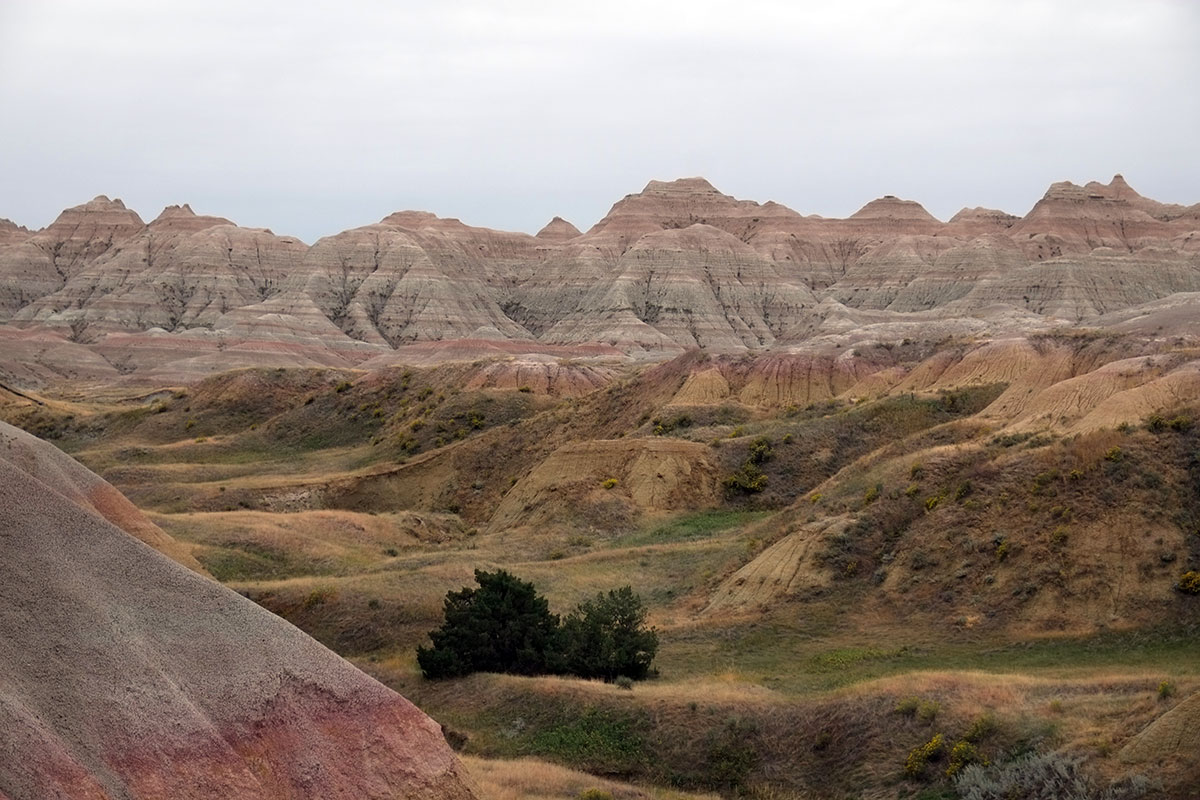
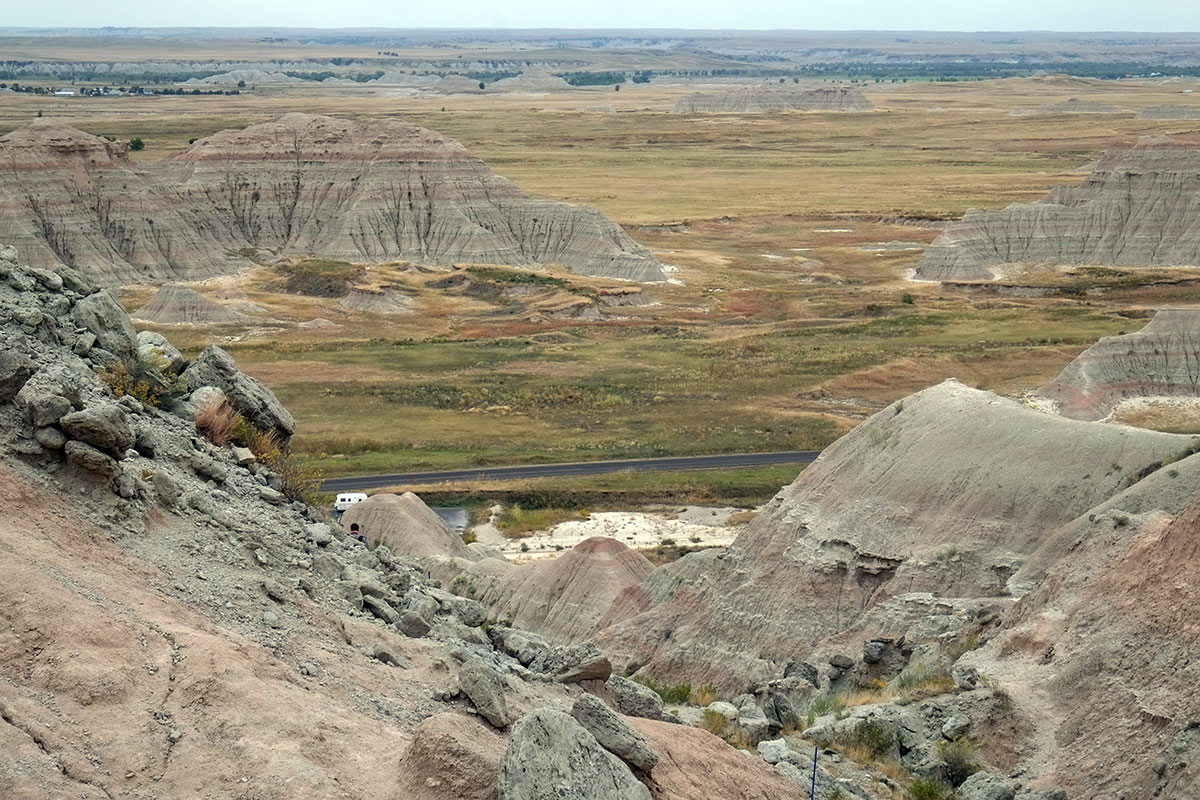
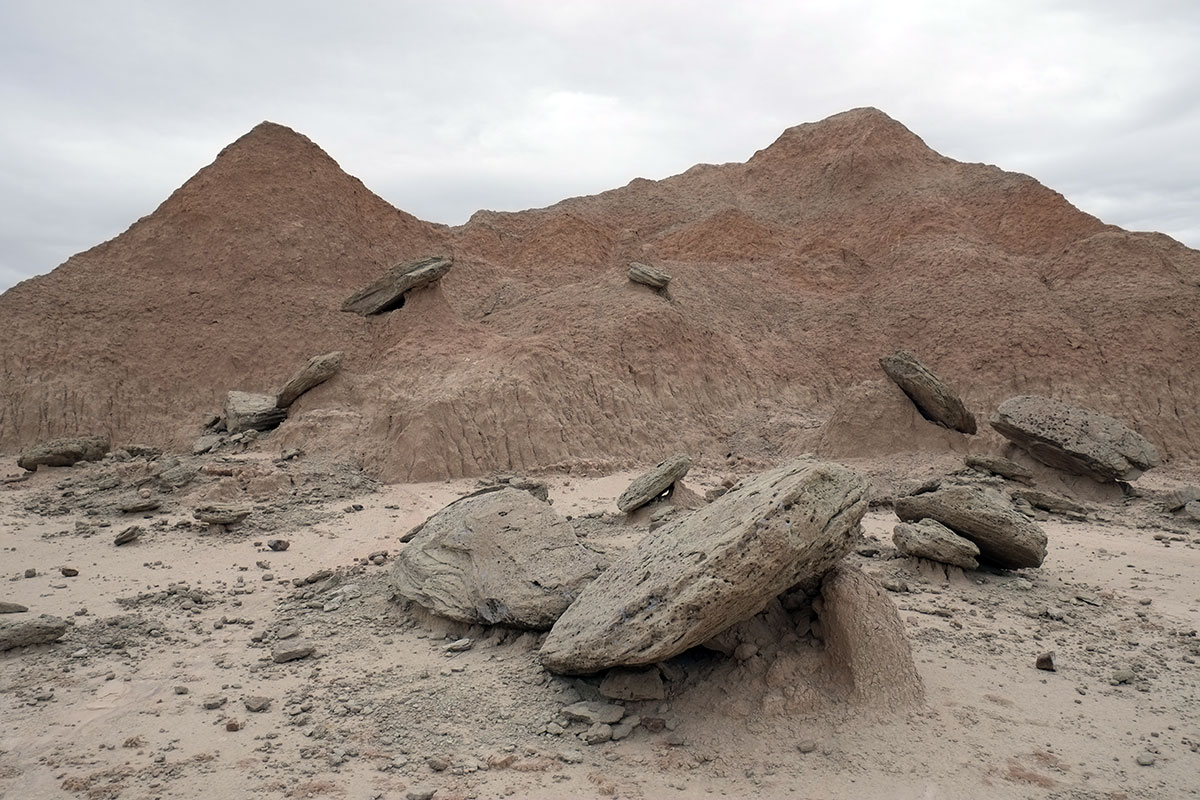
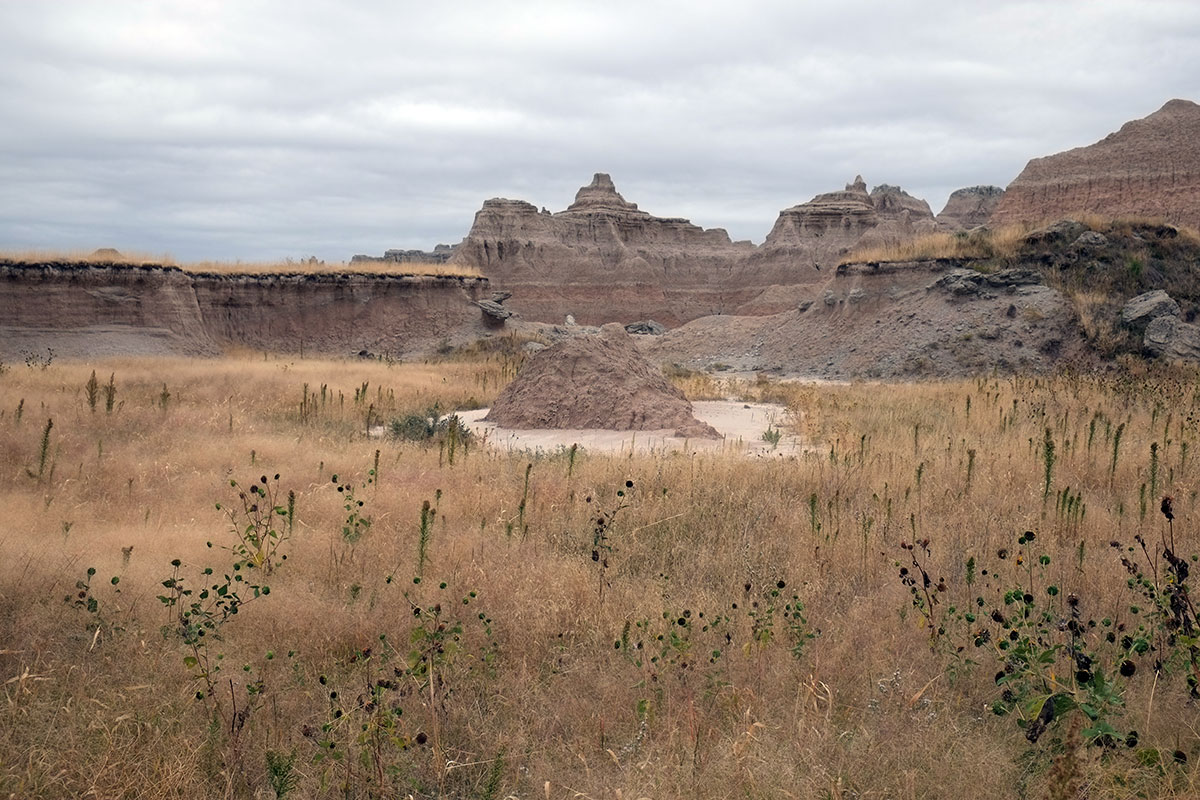
Perhaps the man-made weirdness of western SD was evoked by the strange natural landscapes. The Badlands are in stark contrast to the rolling prairies of the state. I remember approaching them for the first time in 1978 when traveling from the east – they were the first western desert landscape I’d ever seen, and remarkably weird. Travelling from the west, the contrast isn’t as strong, but you later realize that they are the last desert landscape you’ll see for a long time. 
Greta loses interest with big, long views, so we abandoned the drive-by tourism and hiked up a small canyon trail to the flat area at the top of the wall. You can see our trailer near the road in this photo.
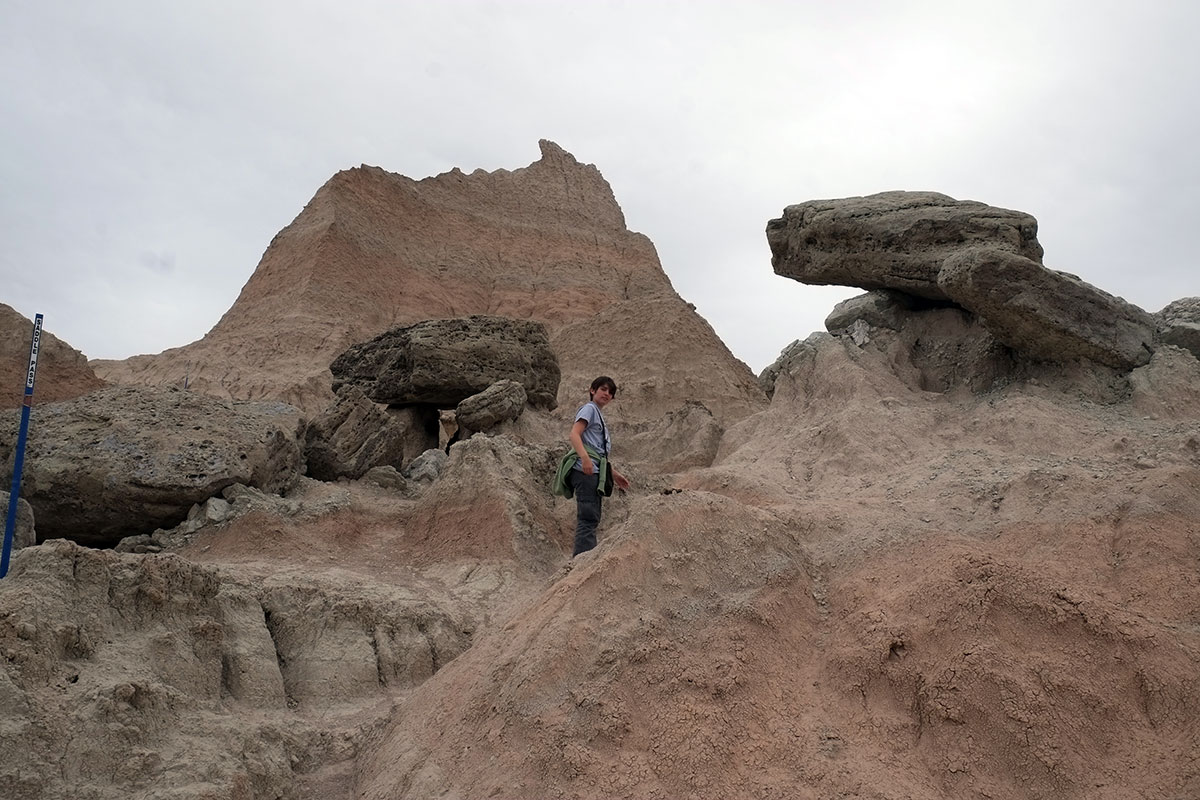
The erosion of the clay has left some big boulders behind.
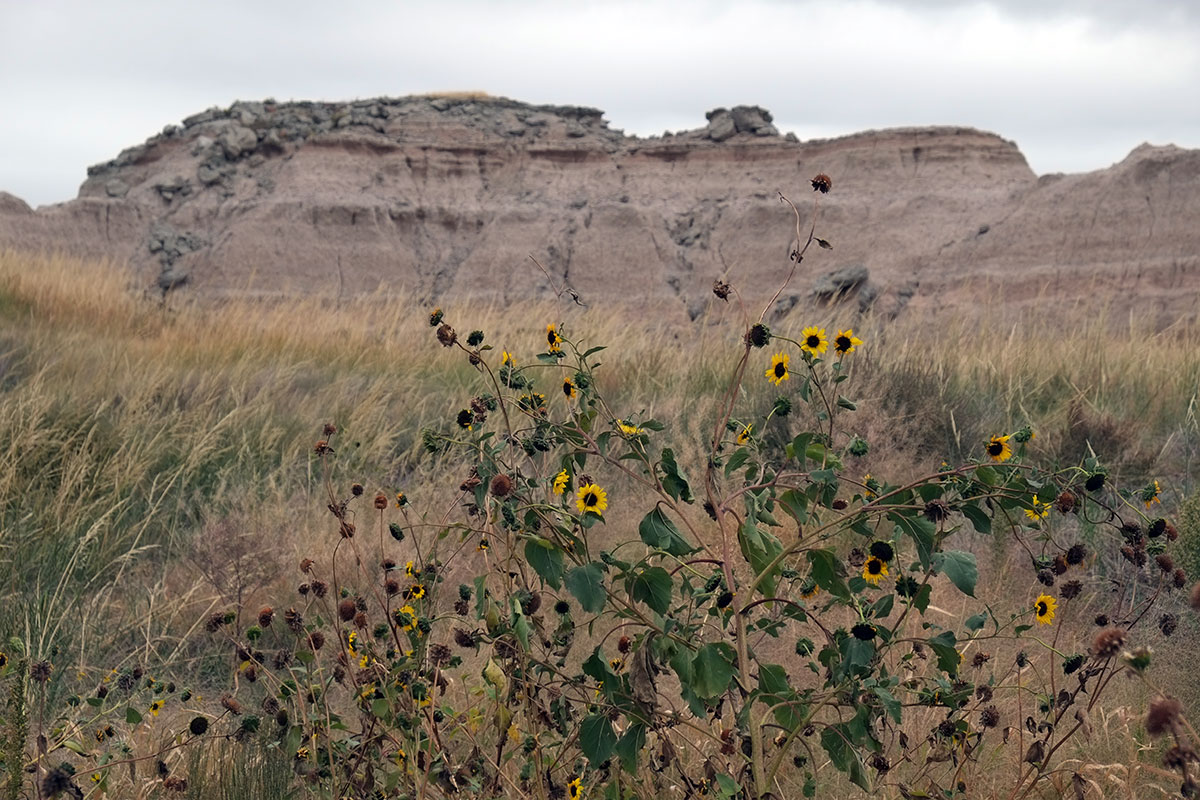
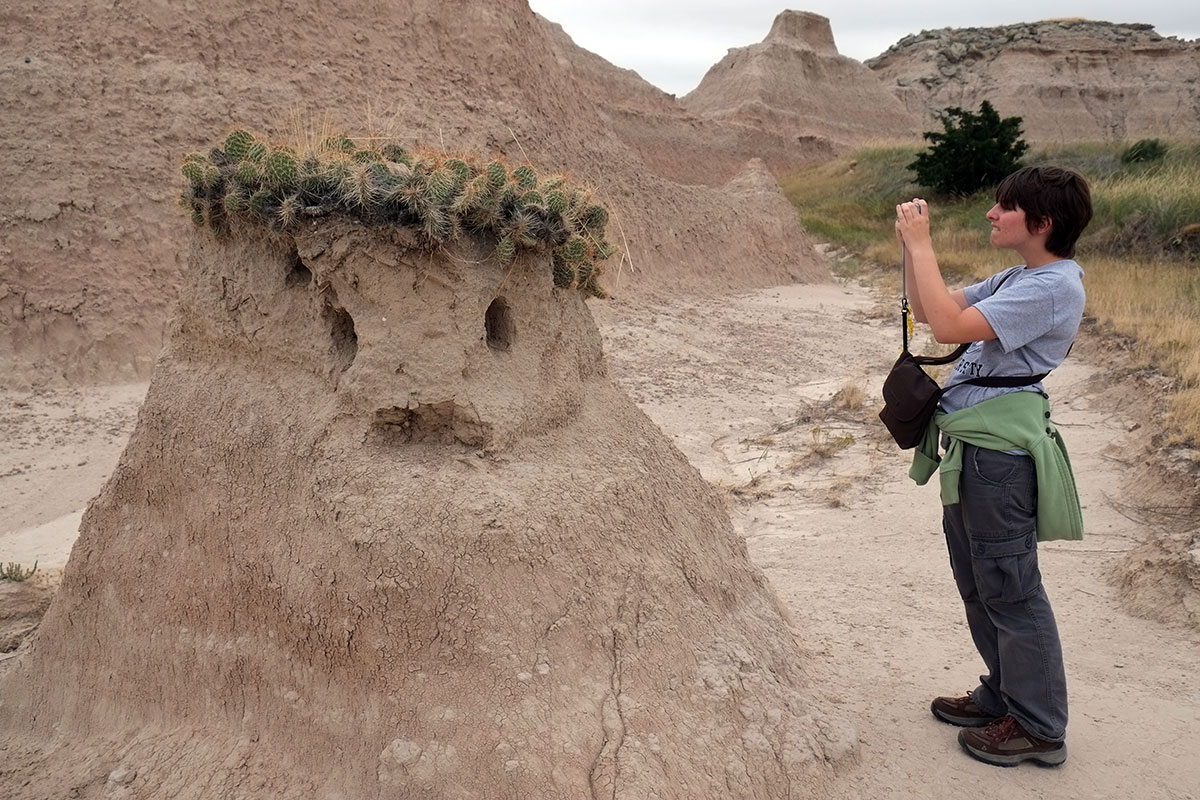
We took a 5-mile hike on a trail with few other people, observing the interactions of the geology with the flora (sunflowers, cacti, tumbleweeds, prickly pear) and fauna (bighorn sheep).
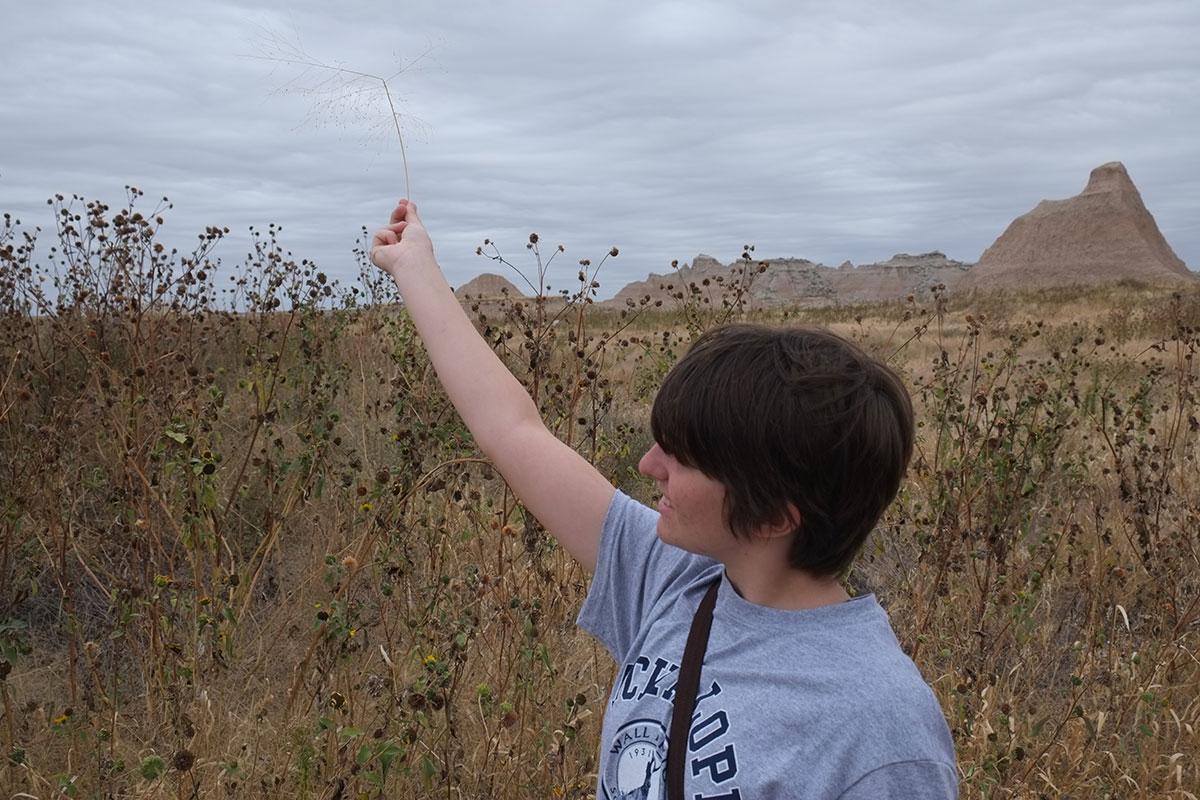
Greta caught her first tumbleweed, and effected a catch-and-release.
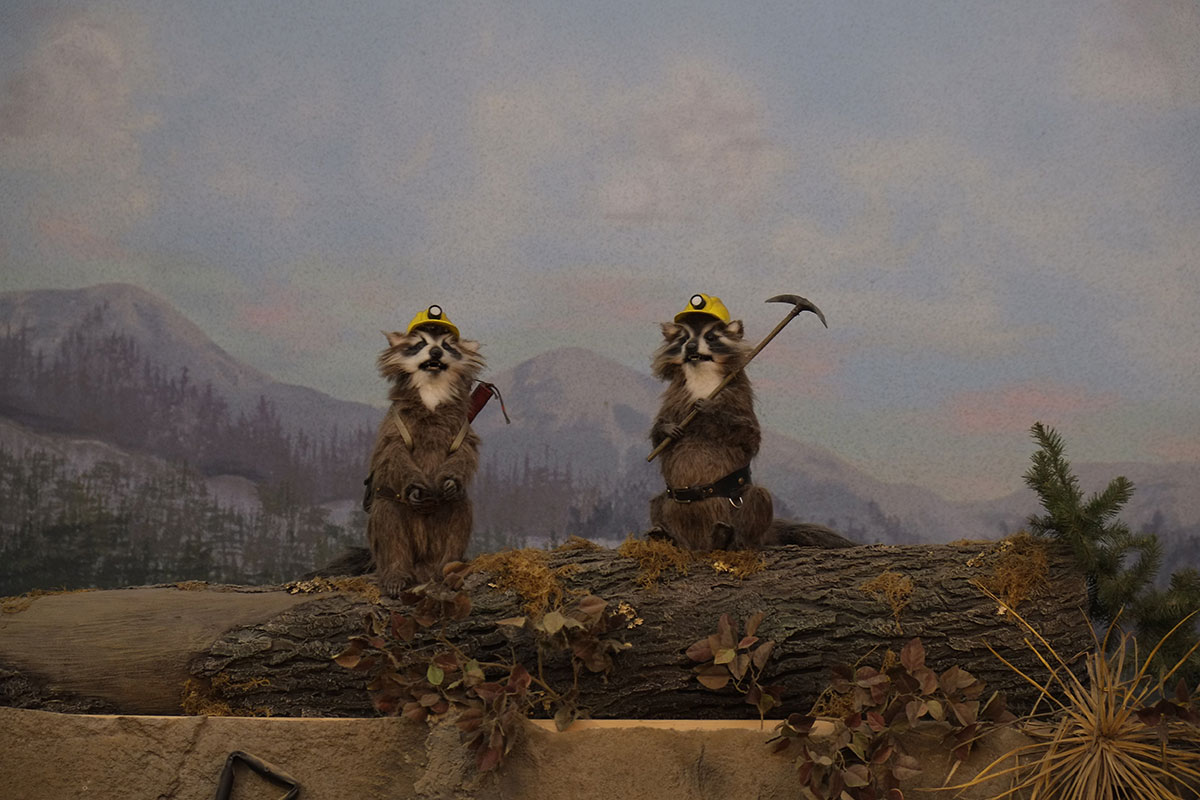
We think we have arrived at the source of the local indigenous religion. All hail the Prairie Dog God.
There seem to be waterfalls of rocks in the clay.
A small canyon with a strange little butte in the center was the source of all the tumbleweed blowing through the area.
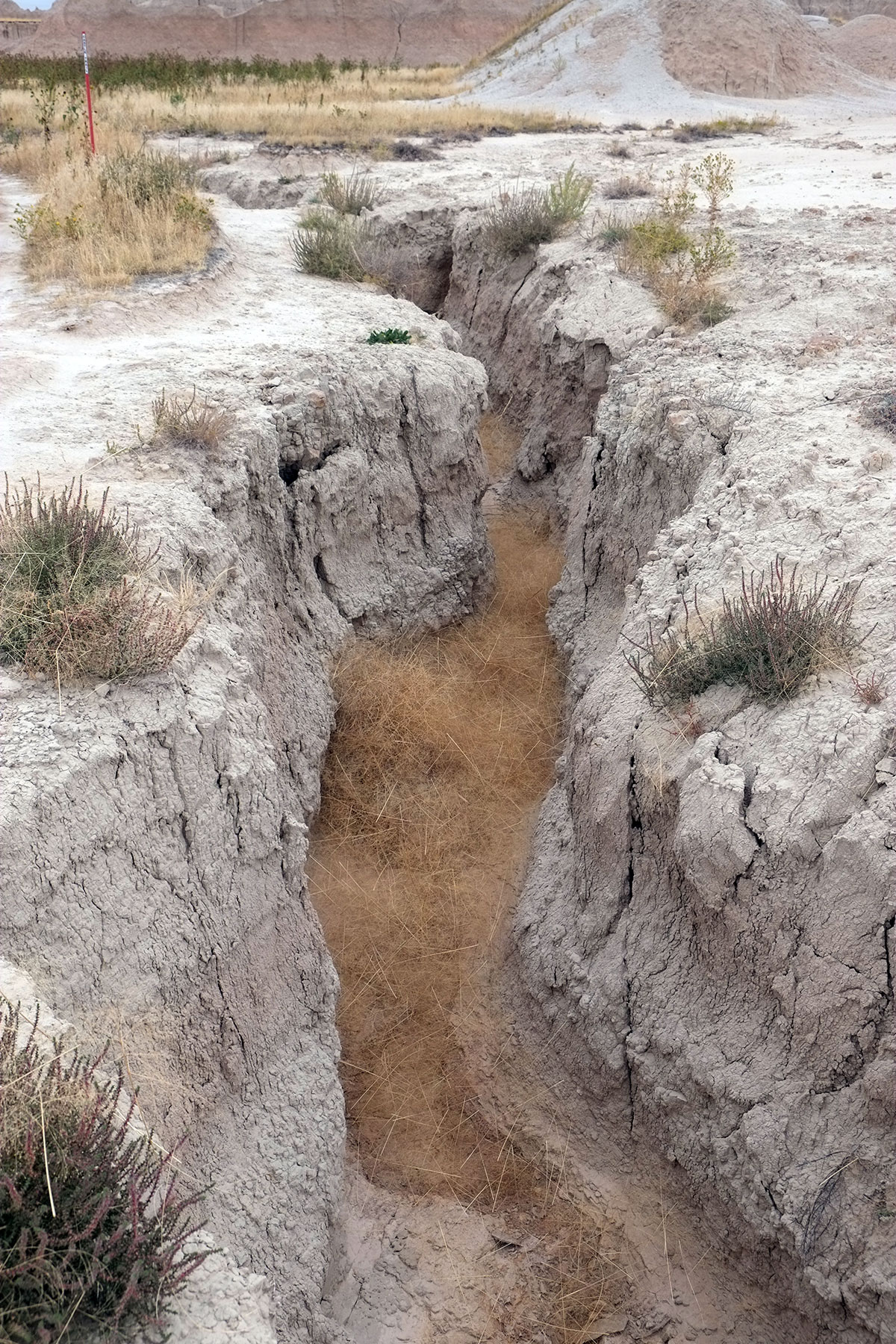
A tumbleweed-catcher, a gully that lays across the prevailing wind.
Kitsch, high and low
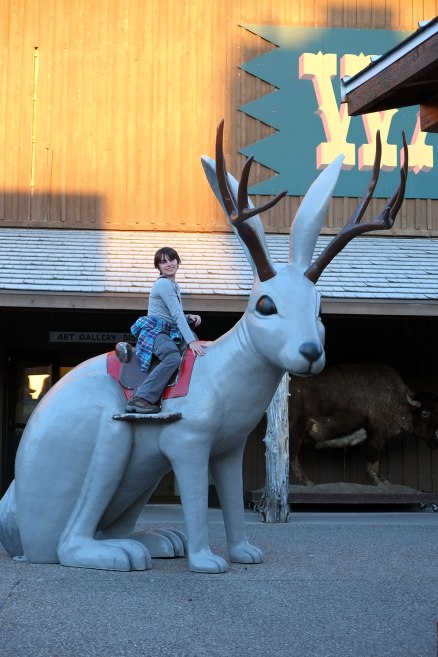
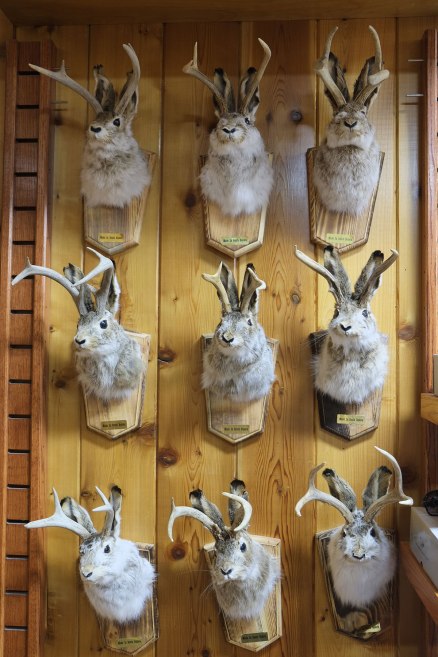
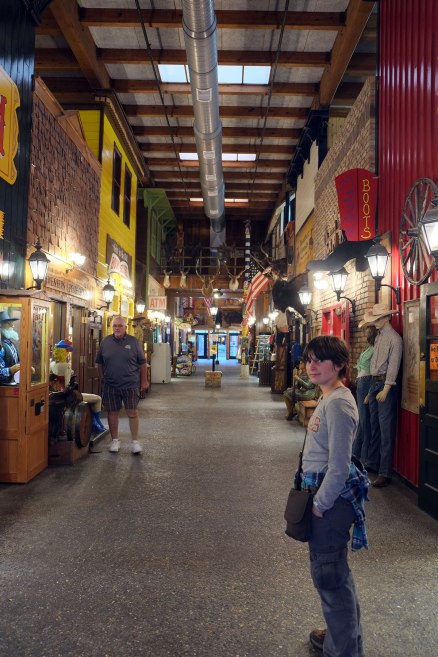
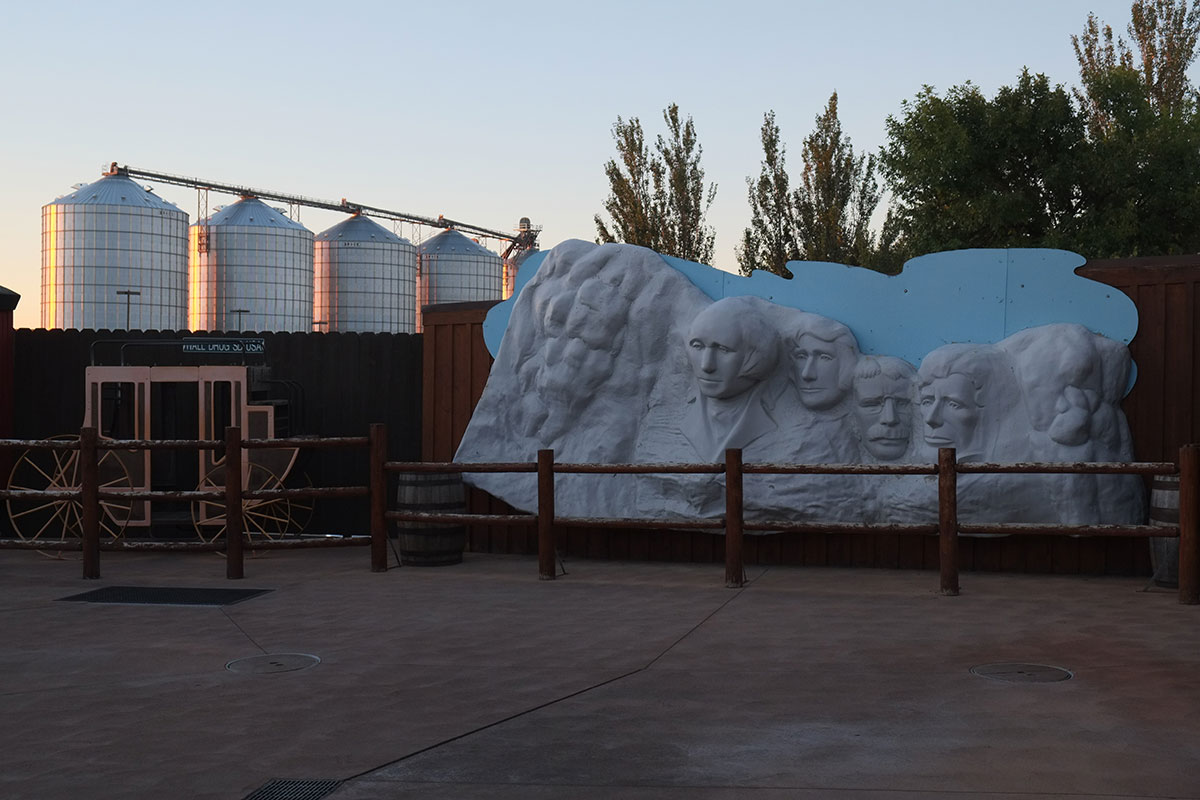
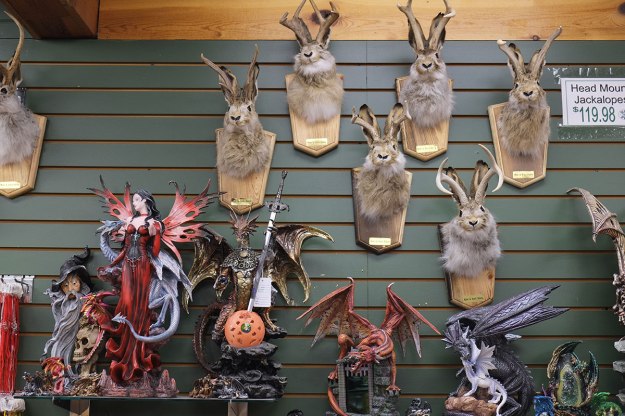
On Monday we were in western South Dakota, which must have the greatest concentration of kitsch in North America. We’re all familiar with Wall Drug, the fabulously irrepressible, over-the-top apotheosis of western tourist culture kitsch, which evinces a degree of naivete and guilelessness that is rare in today’s corporatized, polished, marketed-to-death tourist environment. It is a reminder of an earlier era of tourism, when one person’s particular, antic vision drove the enterprise, and it has a unique character that differentiates it from the bland sameness of the mass culture tourist habitat. Greta was psyched to enter the world of the jackalope, and was not disappointed by its manifestation (although we did think they had missed some good jackalope opportunities).
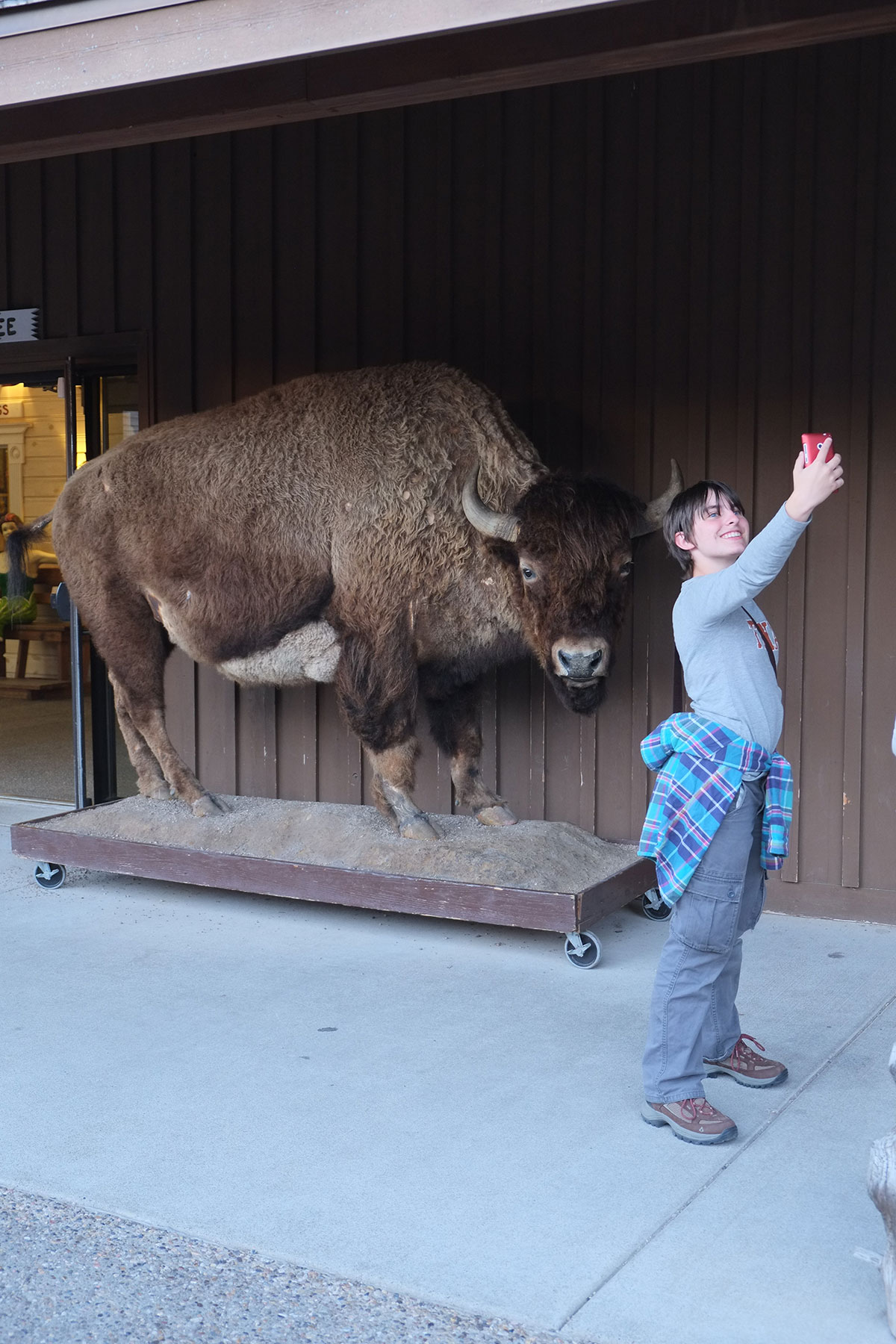
Practicing safe bison selfies. (Cf. http://jezebel.com/terry-gross-interviews-the-author-about-her-new-book-bi-1719997411)
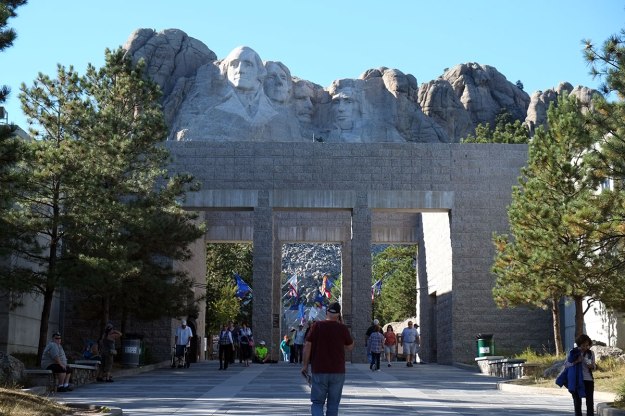
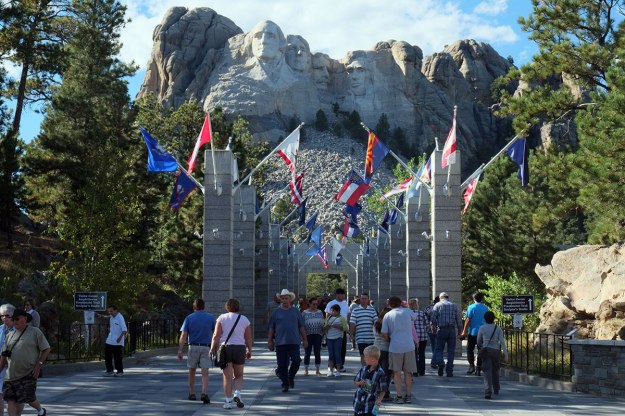
The innocence and manic silliness of this low culture kitsch contrasted with the truly horrifying, high-culture kitsch of Mt. Rushmore. I remember the Mt. Rushmore of 30 years ago – a simple parking lot adjoining a plain terrace, from which you could gaze up at the sculptures, ponder the meaning of carving large representations of your culture’s prior canon of greatest leaders on a mountain in the center of the sacred hills of the indigenous culture whom we had subdued, and then go back to your car.
It too represented a certain innocence, a time when we believed in the rightness of empire and manifest destiny, but it was what it was, a curious relic of an earlier time and sensibility.
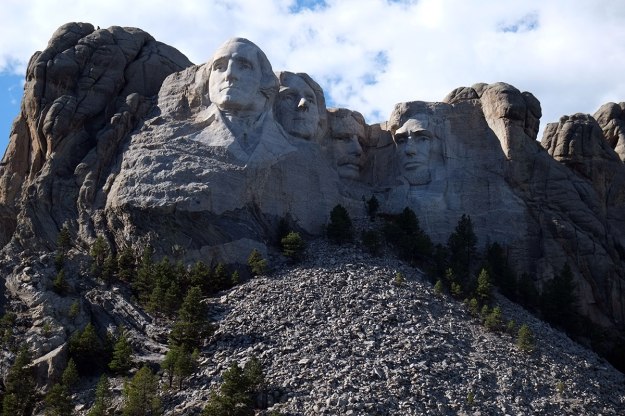
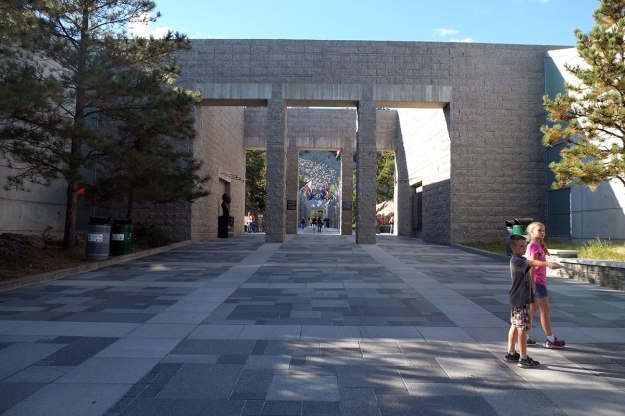
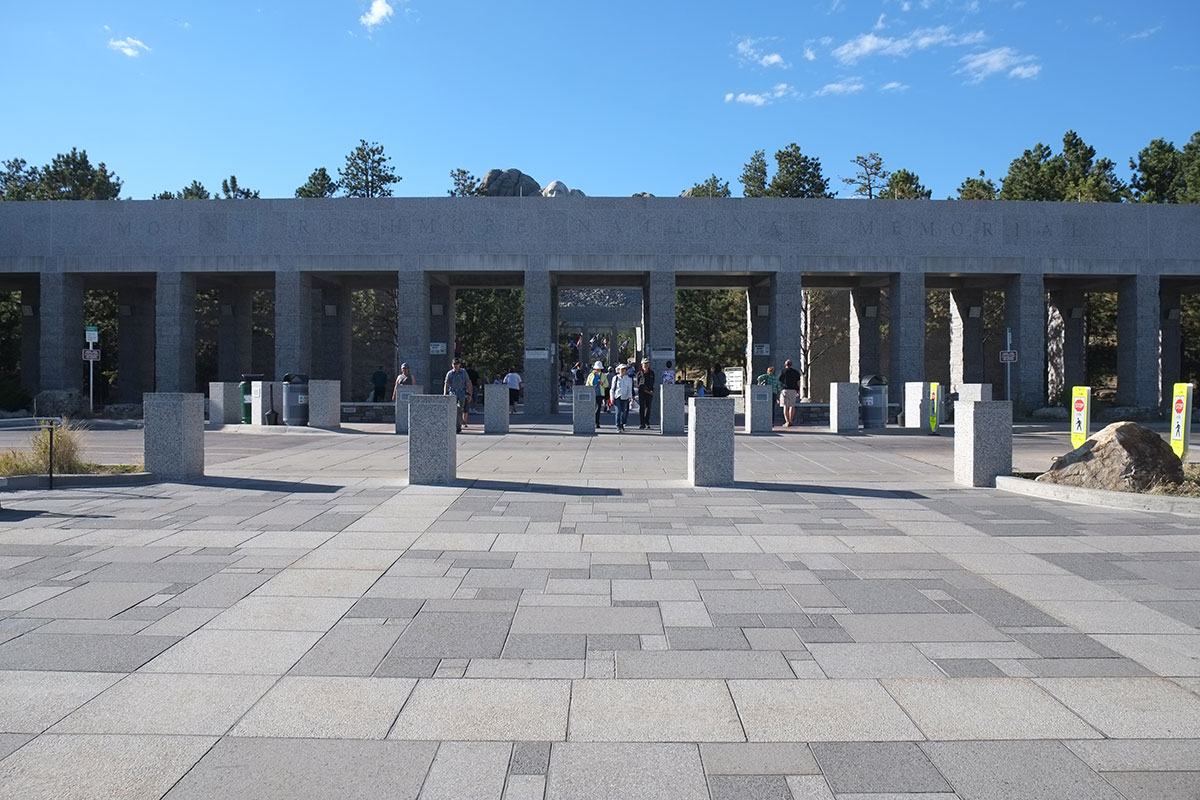
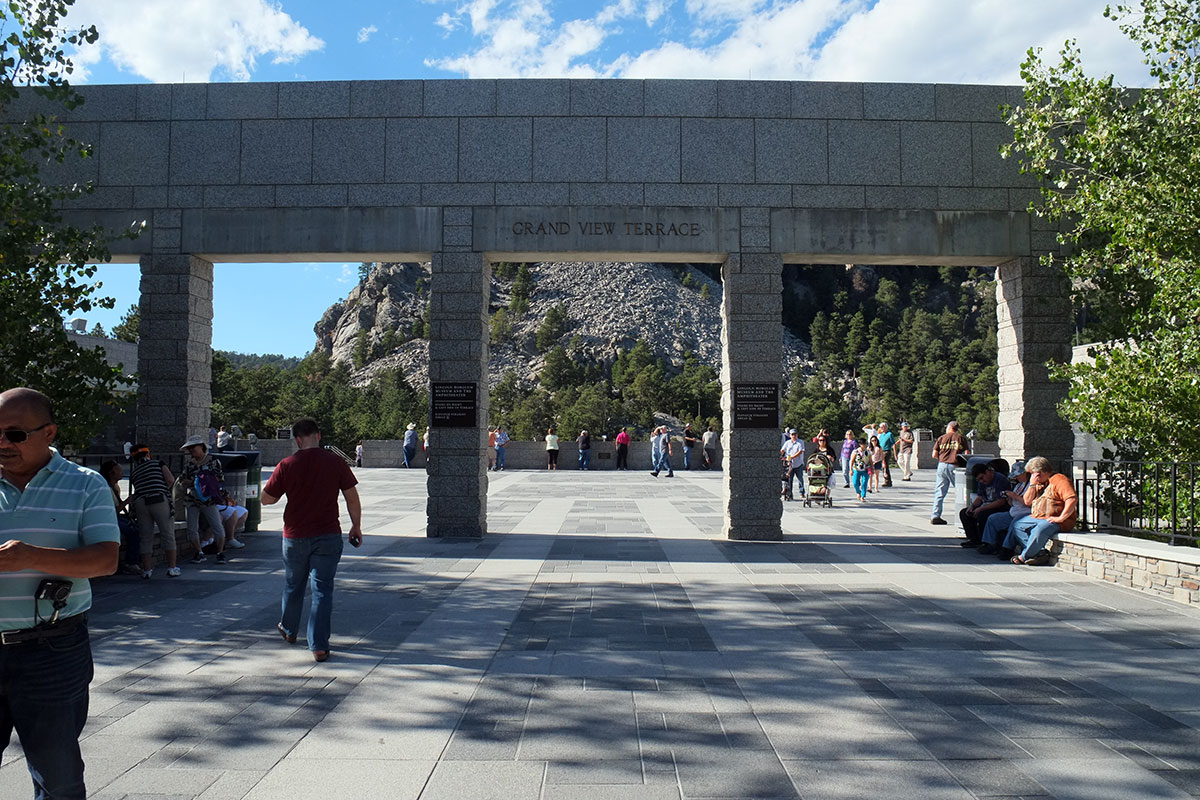
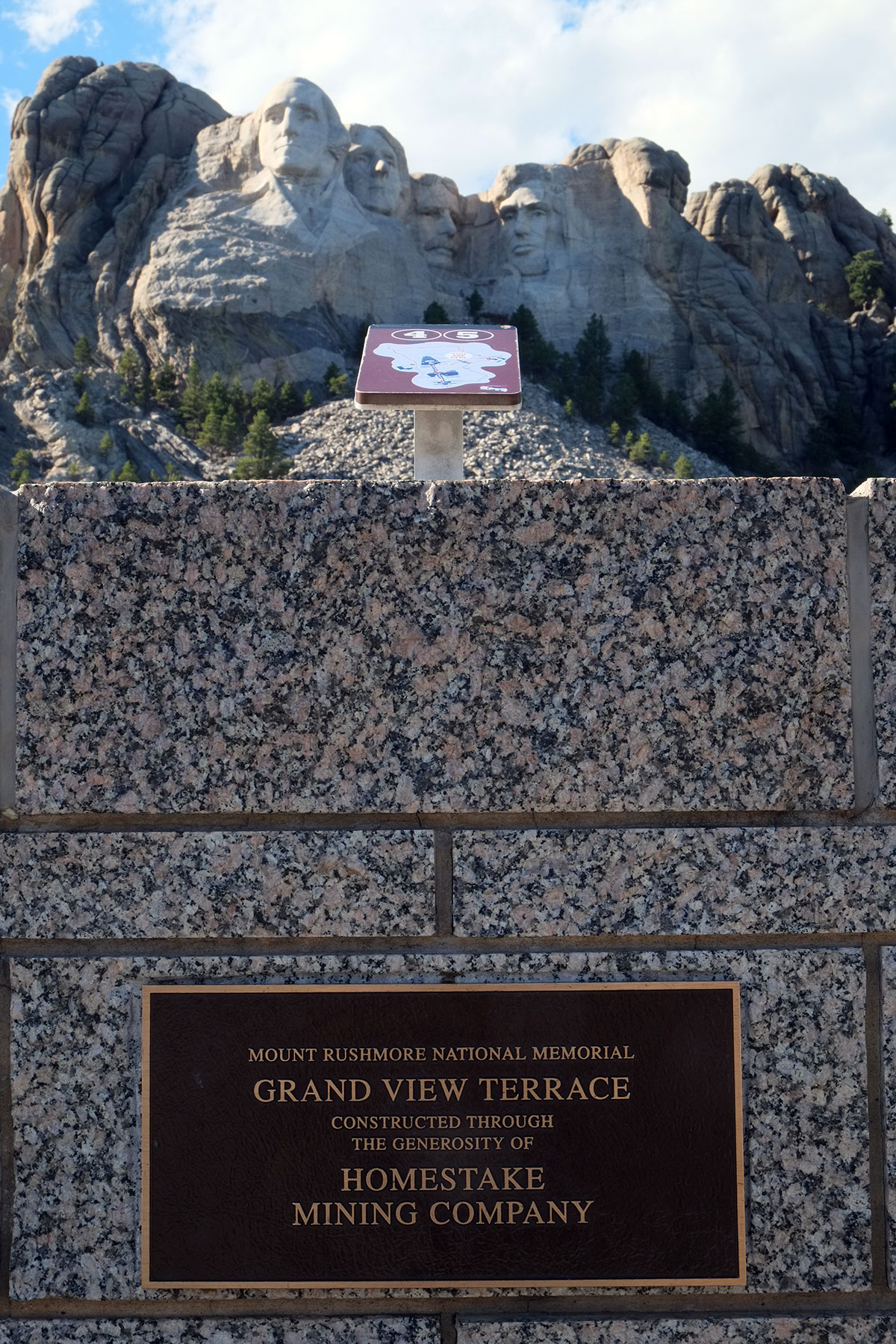
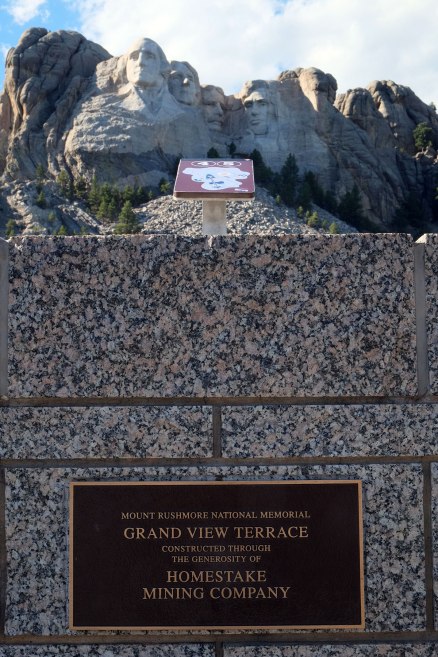
I didn’t recognize the Mt. Rushmore I found on Monday. A confusing array of roads and ramps leading to parking garages, a very high parking fee to the concessionaire, and an extended axis of pomposity and grandiosity which rivals Mussolini’s modifications to St. Peters. I wandered confused through this landscape, wondering if somehow I had forgotten what it was like, until the truth was revealed by an endless series of inscriptions detailing the generosity of the corporate sponsors.
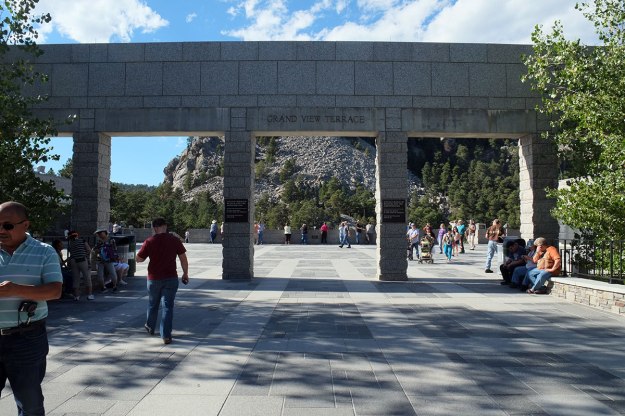
At some point in the 80s, the triumphalist, end-of-history jingoism of the Reagan-Thatcher era intersected with the neo-classisist pretensions of bad postmodernism, to produce an environment that called to mind the Nazi Reichsparteitagsgelände of Nuremberg, where the scenographic design was used to reinforce the power of the state. In contrast to the informality of the hills and the intentional asymmetry of the sculpture, a rigid axis crossed by a seemingly endless and repetitive series of screen colonnades had been constructed to contain one’s view, and focus all attention on the end of the axis, which is actually diminished and belittled by the bombastic banality of the surroundings.
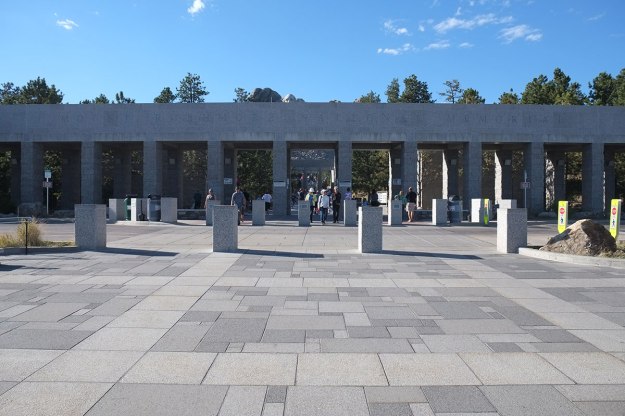
You reach the end of the axis and looking over the low wall, discover an amphitheater sunk below, doubtless for the enactment of patriotic rituals. The echo of fascism seen in the formal design is reinforced by the omnipresent celebration of corporate sponsorship, and the union of oligarchic government and global capitalism is enacted in a manner that is eerily familiar; it appears that Albert Speer Jr. was employed as the architect. Right at the end of the axial movement there is a juxtaposition of elements that could not be clearer in its meaning – one can only hope that a subversive designer put it there to make sure that we understood the meaning.
After this deeply depressing exposure to an image which captured what is most hypocritical and corrupt in our society, the carefree kitsch of Wall Drug was a breath of fresh air, a reminder that outside of the military-industrial-corporate hegemony, there are simple human impulses towards showmanship, entertainment and hucksterism.
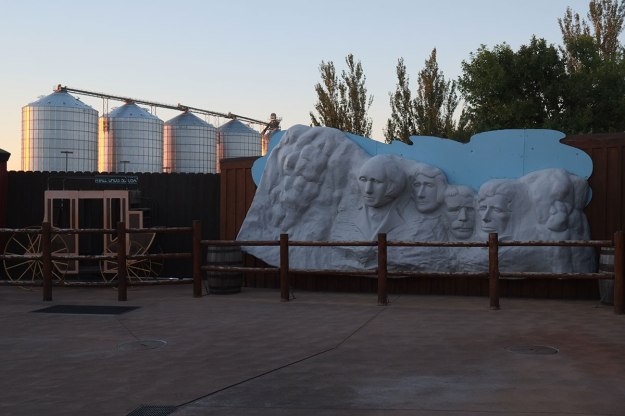
2020 update: Five years after this post, its prescience has, alas, only been borne out too clearly. The difference between the US and Germany is simply that there the dictator and his followers constructed elaborate stage sets for the performance of their dominance, whereas here, the stage set was constructed by an earlier generation of oligarchs, and the tin-pot dictator could simply stroll in and claim it.
Devil’s Tower
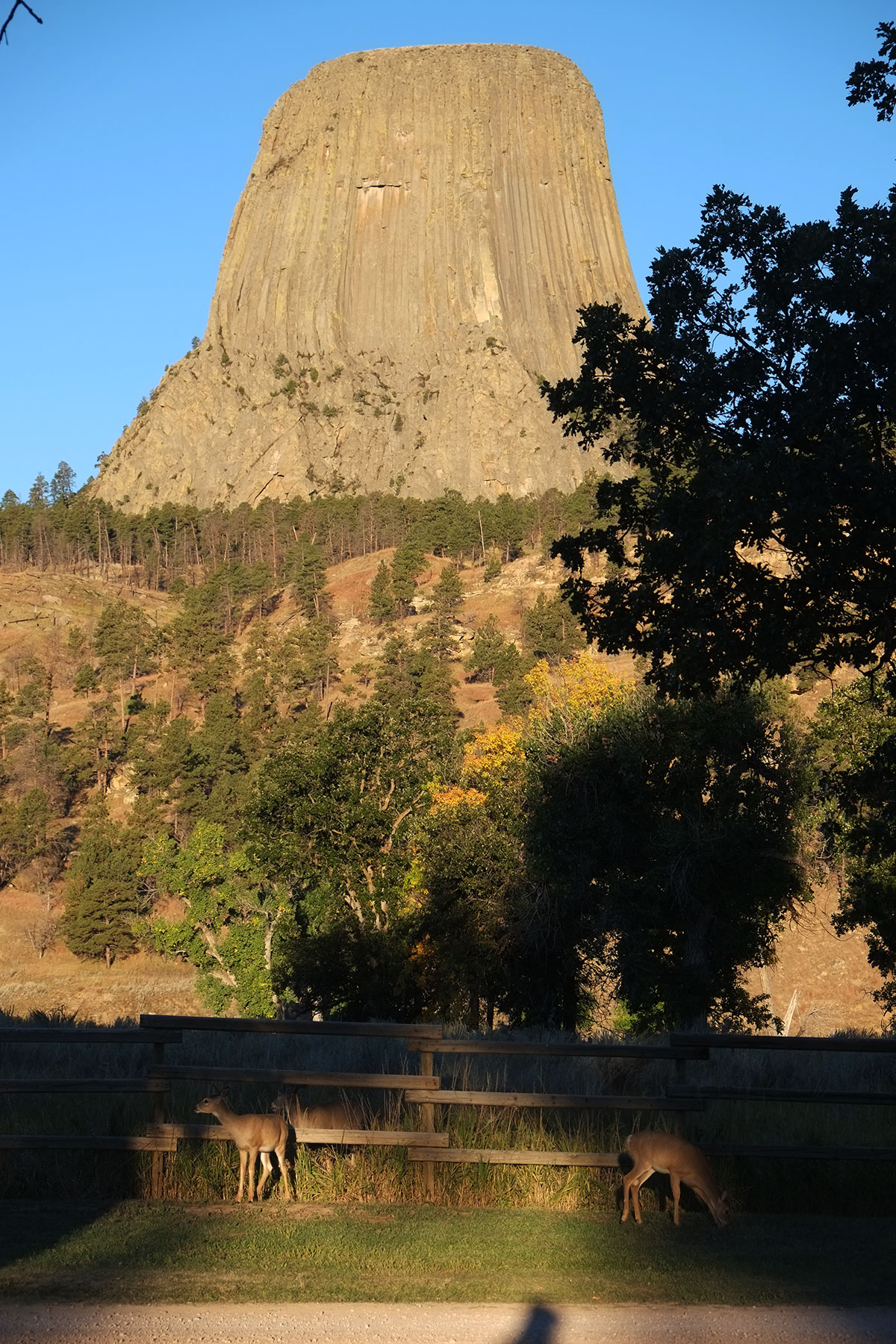
September 21 – Sunrise today at our campsite. Greta had never seen Close Encounters, so we watched it last night under the stars (they show it here every night). Much speculation on how the commodification of experience in mass media validates our own experiences, making them seem more authentic. Can any American of a certain age actually see Devil’s Tower? Walker Percy would have been amused.
Yellowstone
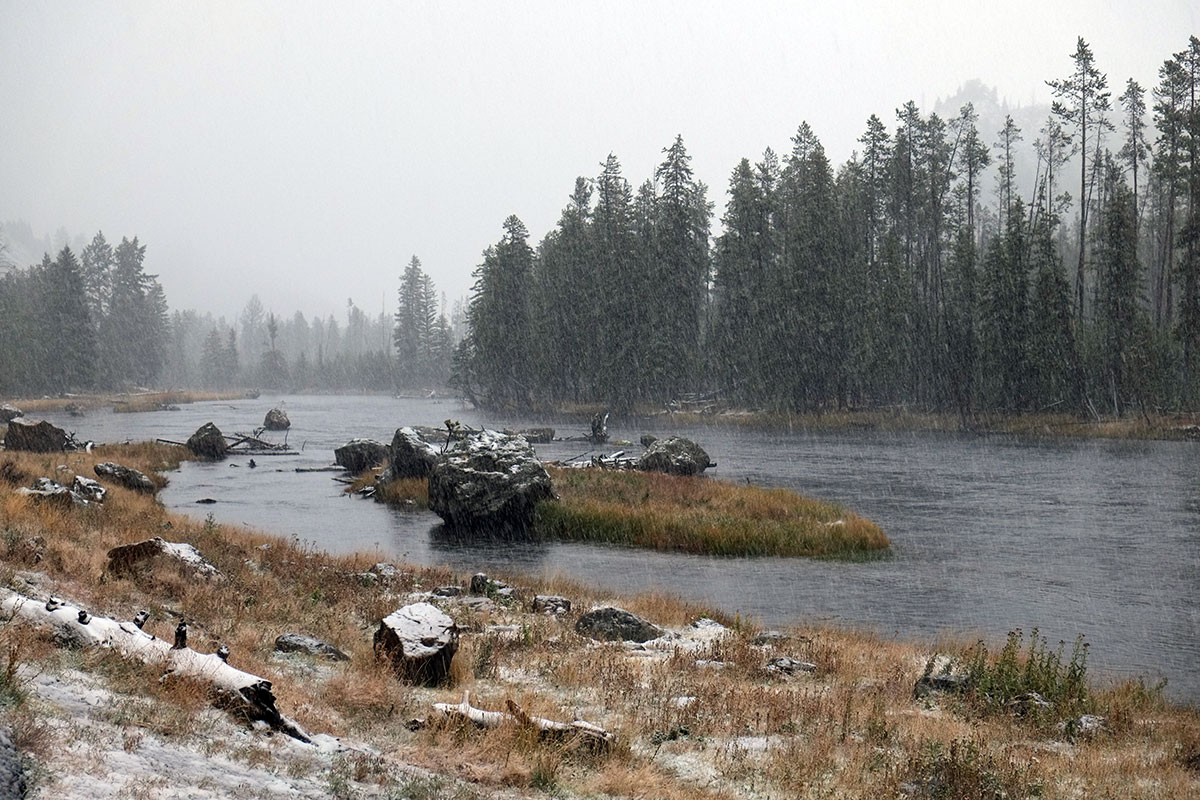
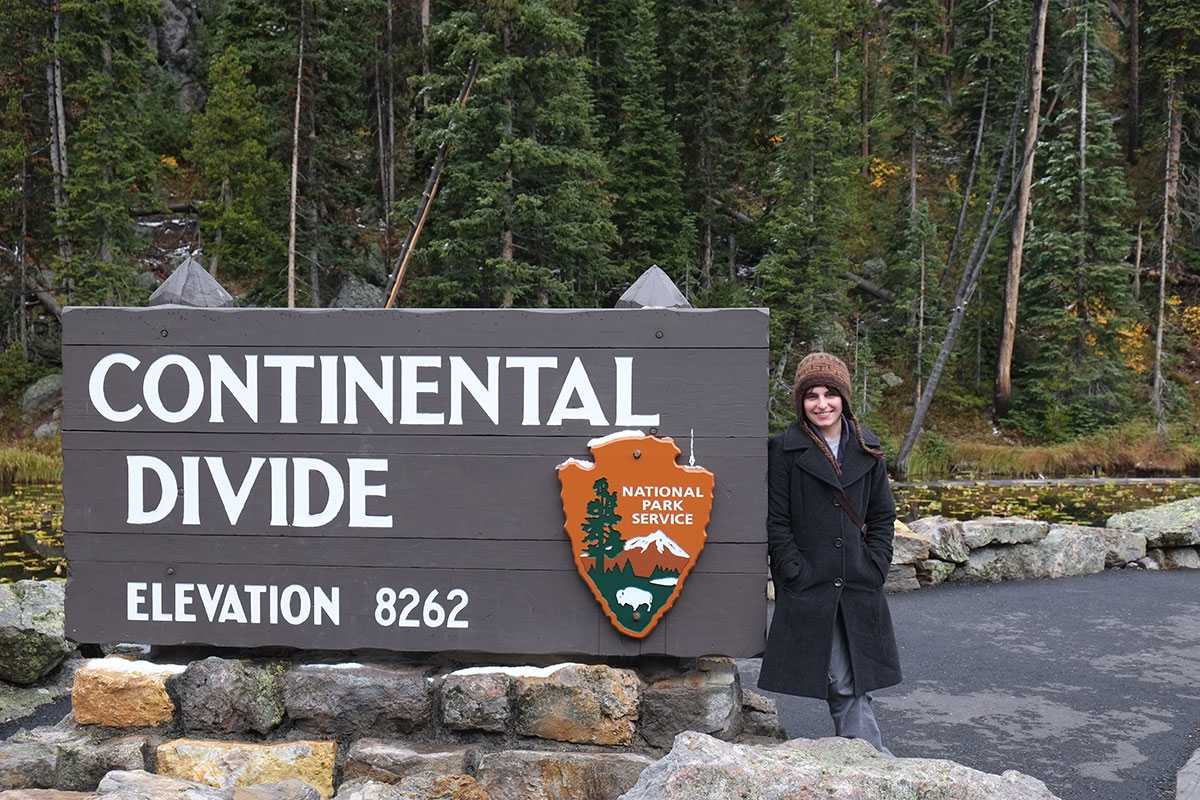
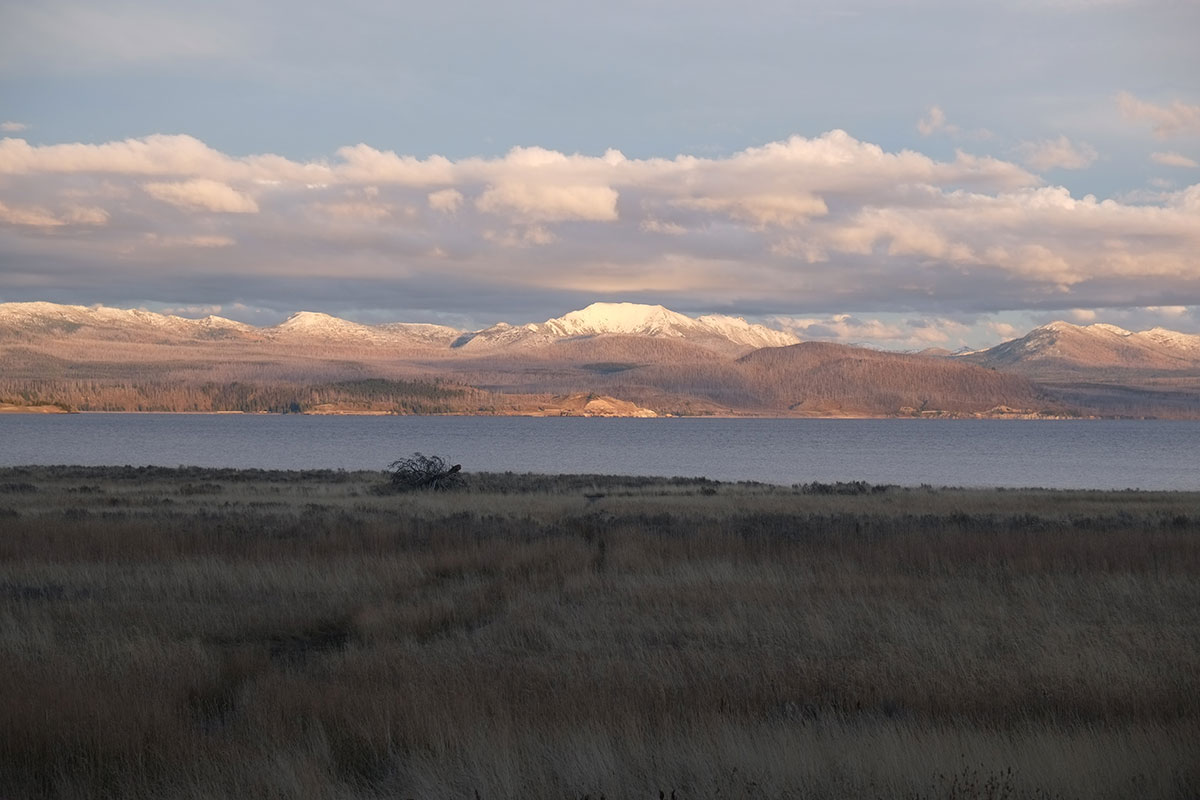
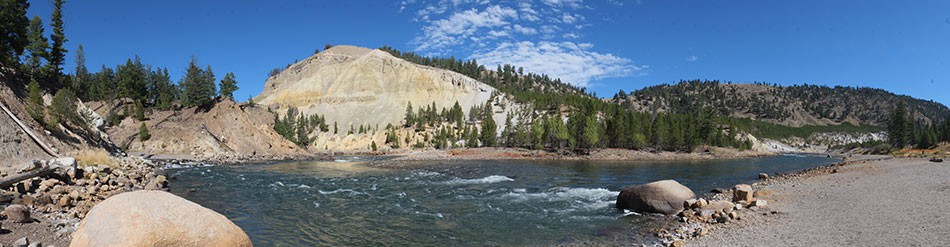
September 18-20. We arrived in Yellowstone in the middle of a thunder snowstorm, and ended the day pulling a trailer over the Continental Divide and on to a dark, potholed road covered with slush and monster RVs creeping along at 5 mph. We crawled into our bunks and awoke to 25 degree weather, a pattern which persisted for our whole time there. Since our trailer probably has an R-value of 1.3, we started keeping our clothes in our beds, pulling them on in the morning, and then jumping into the truck to find a warm restaurant until the sun heated the park.
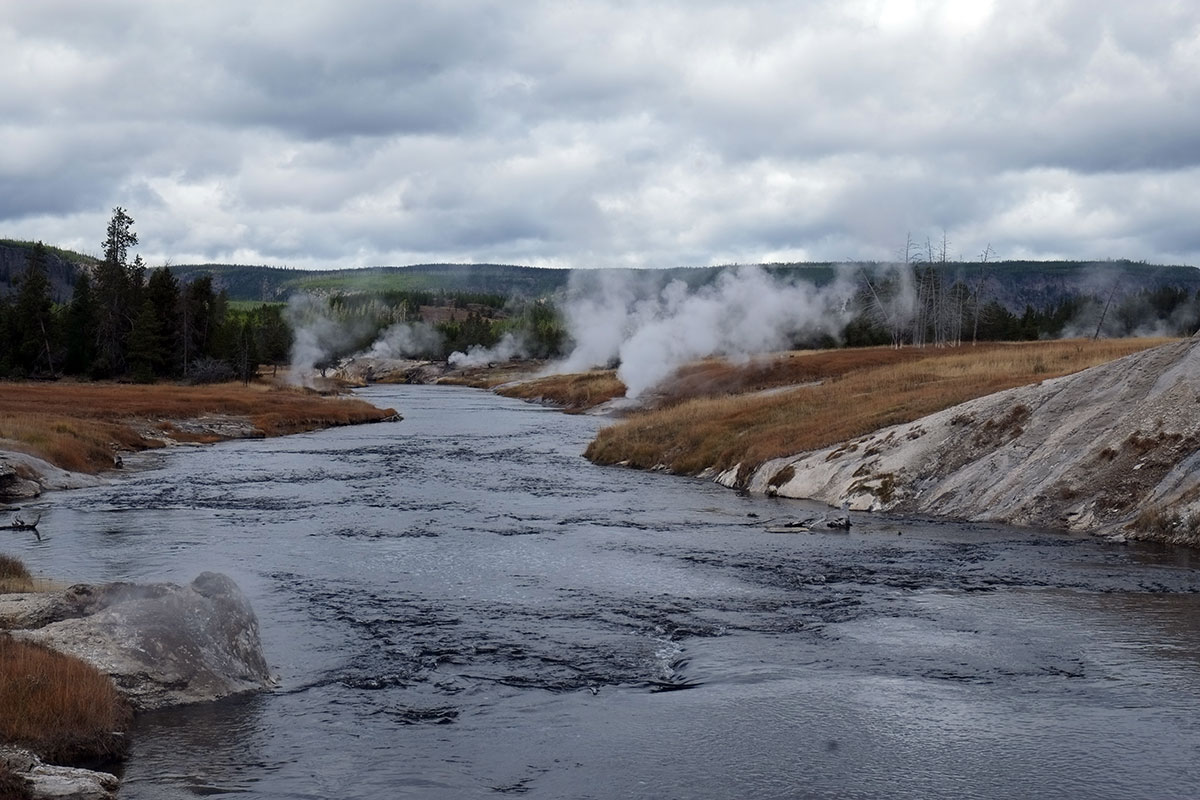
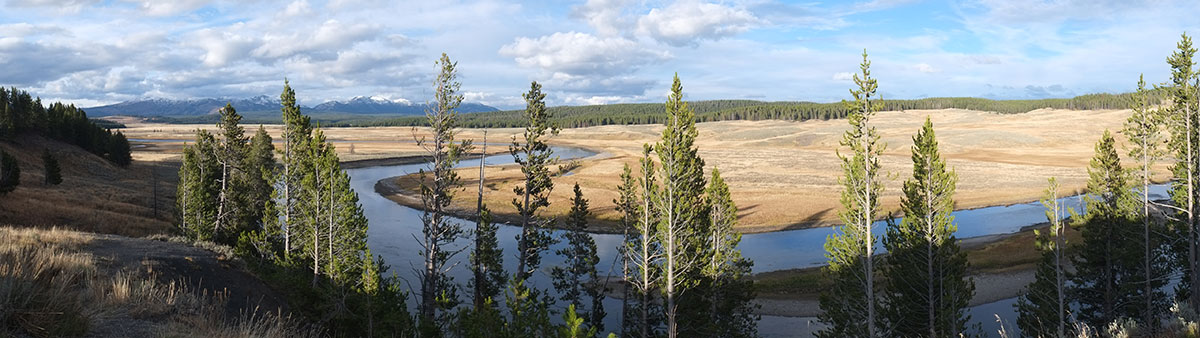
Greta was amazed by the variety of things and experiences at Yellowstone – big landscapes, wildlife (bison everywhere, often causing traffic jams), geysers, waterfalls, tourists, architecture – but no bears (although a grizzly had been spotted in our campground the day before we arrived).

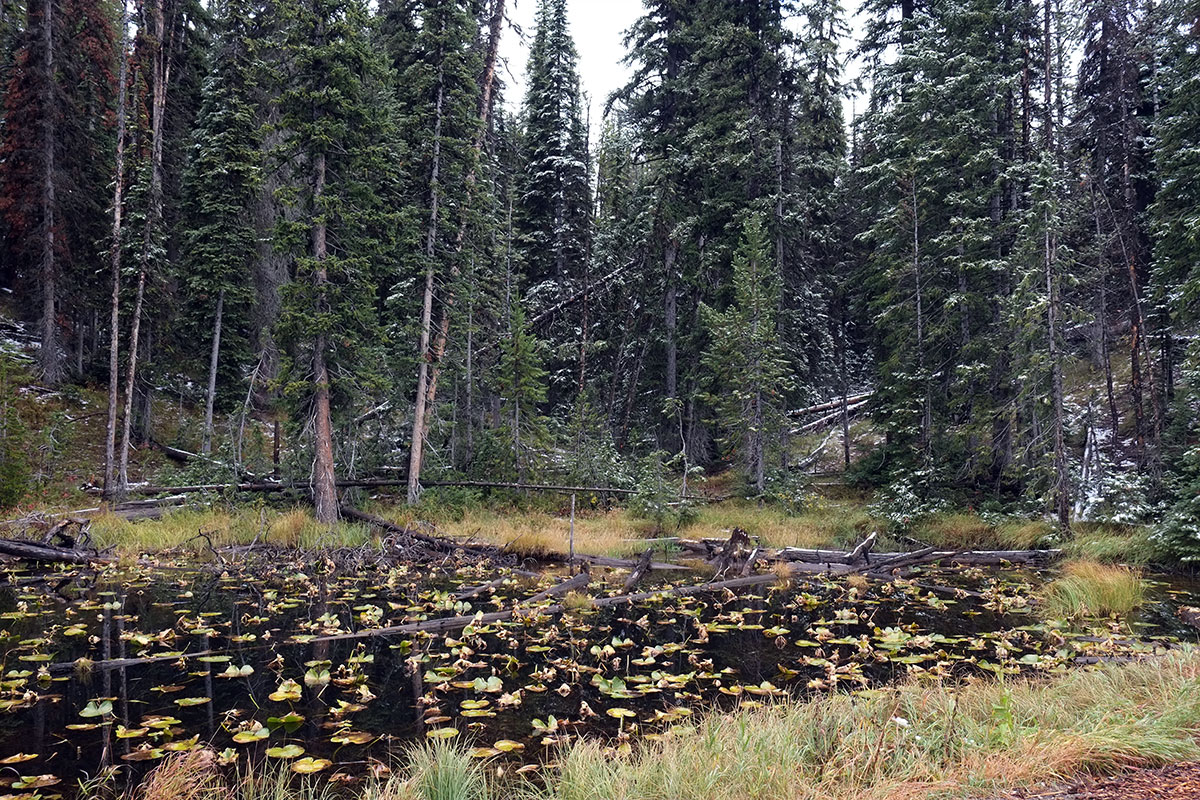
Isa Lake, which sits right on the Continental Divide, and which drains to both the Atlantic and Pacific

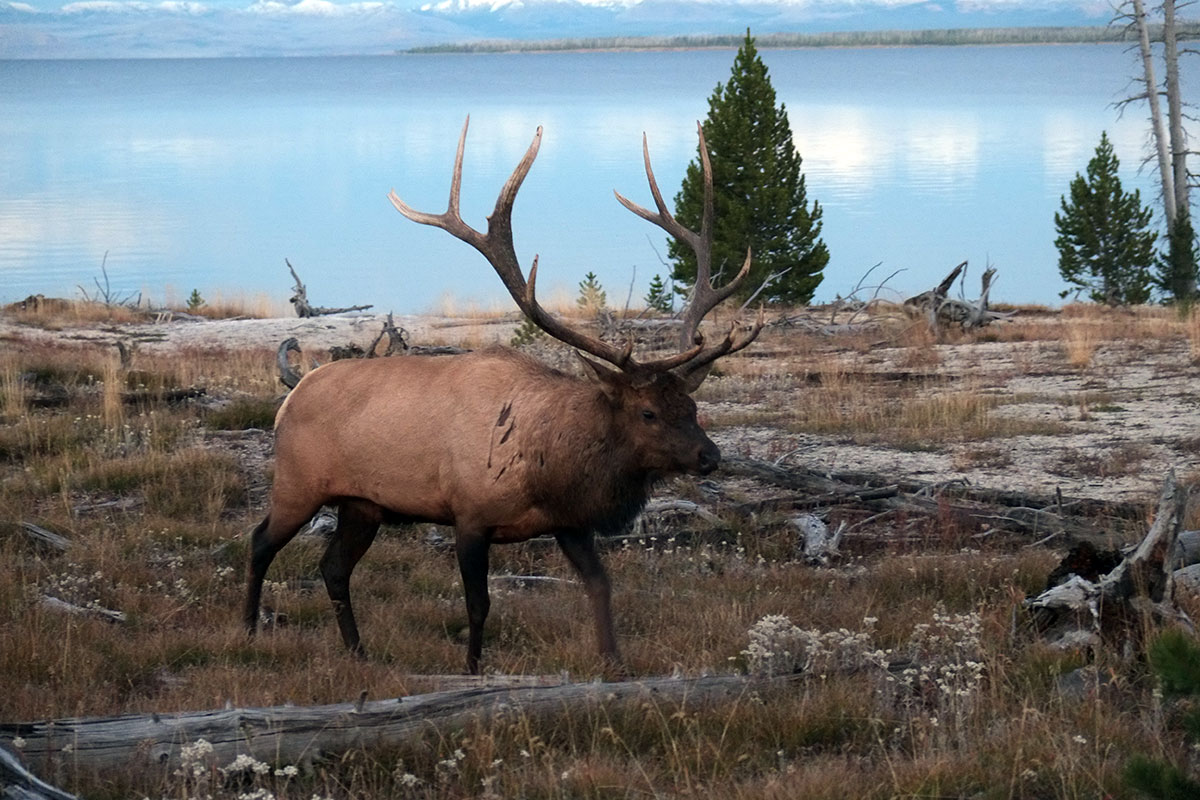
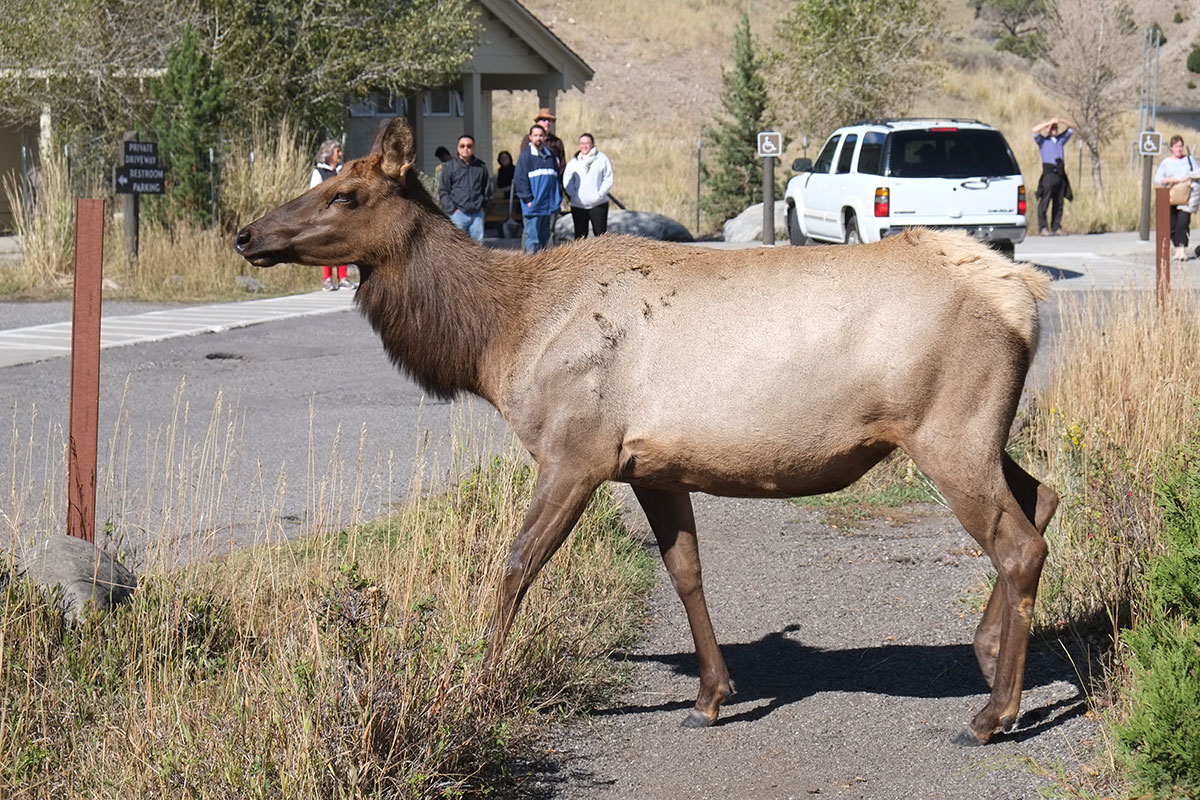
Very large elk, which we pleased was behind a big log fence. However, the next day we saw him hop that same fence quite easily.
Craters of the Moon
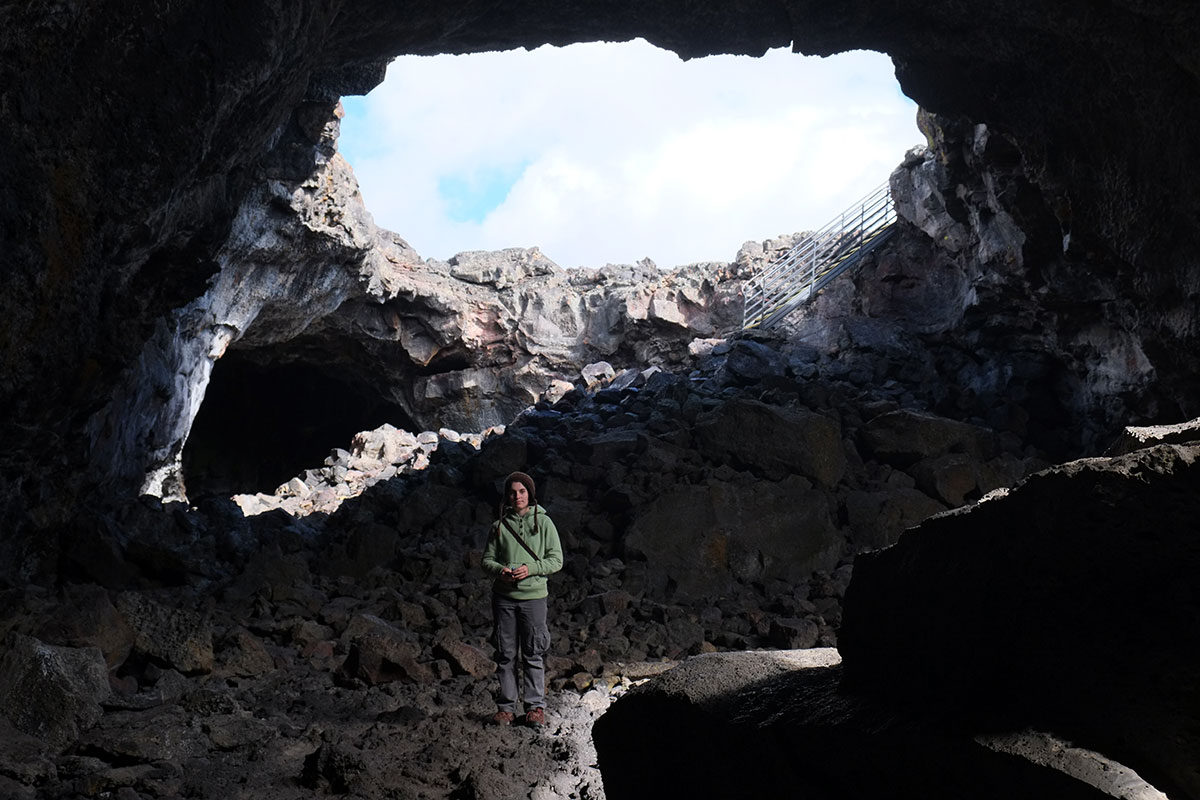
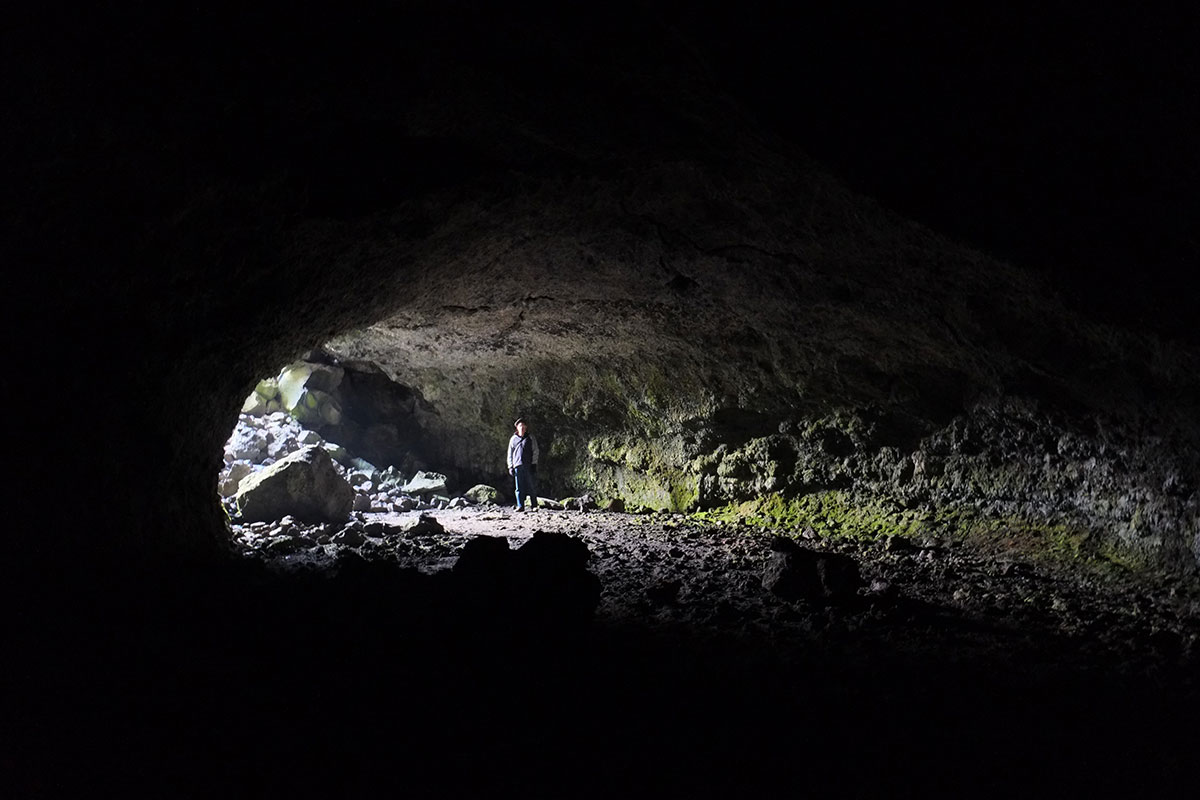
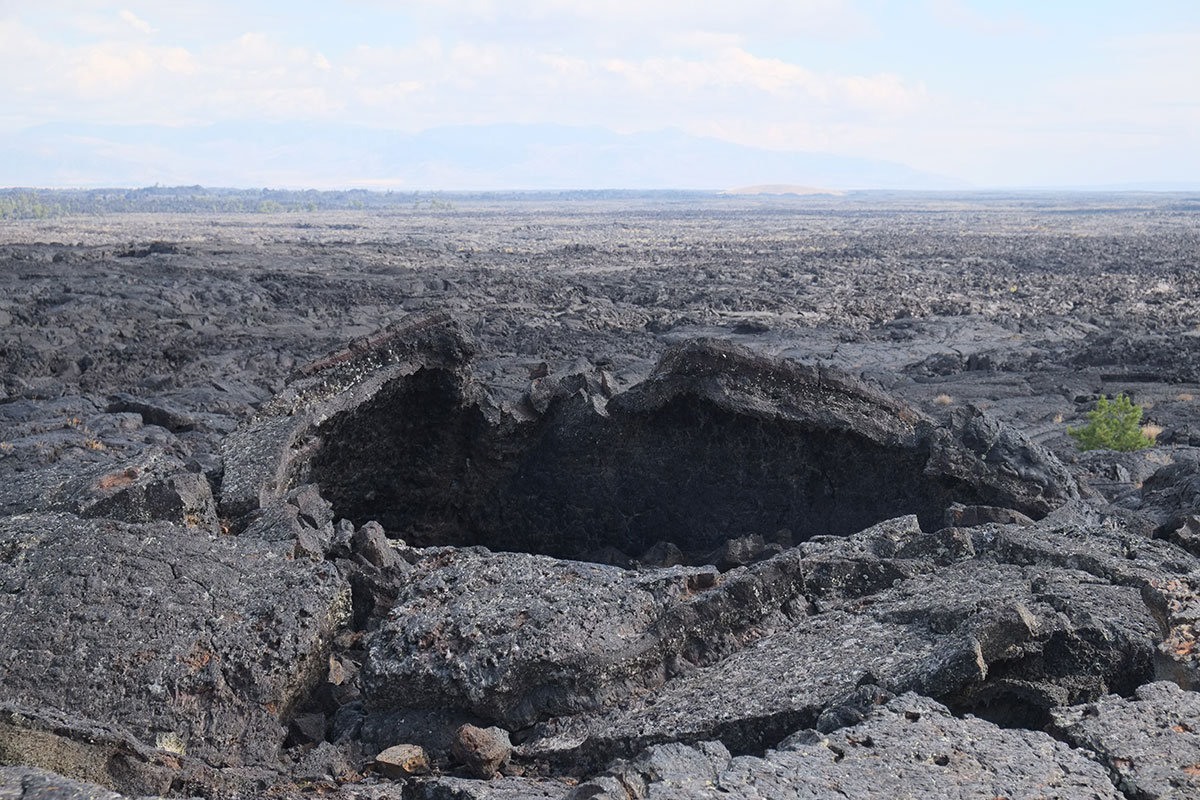
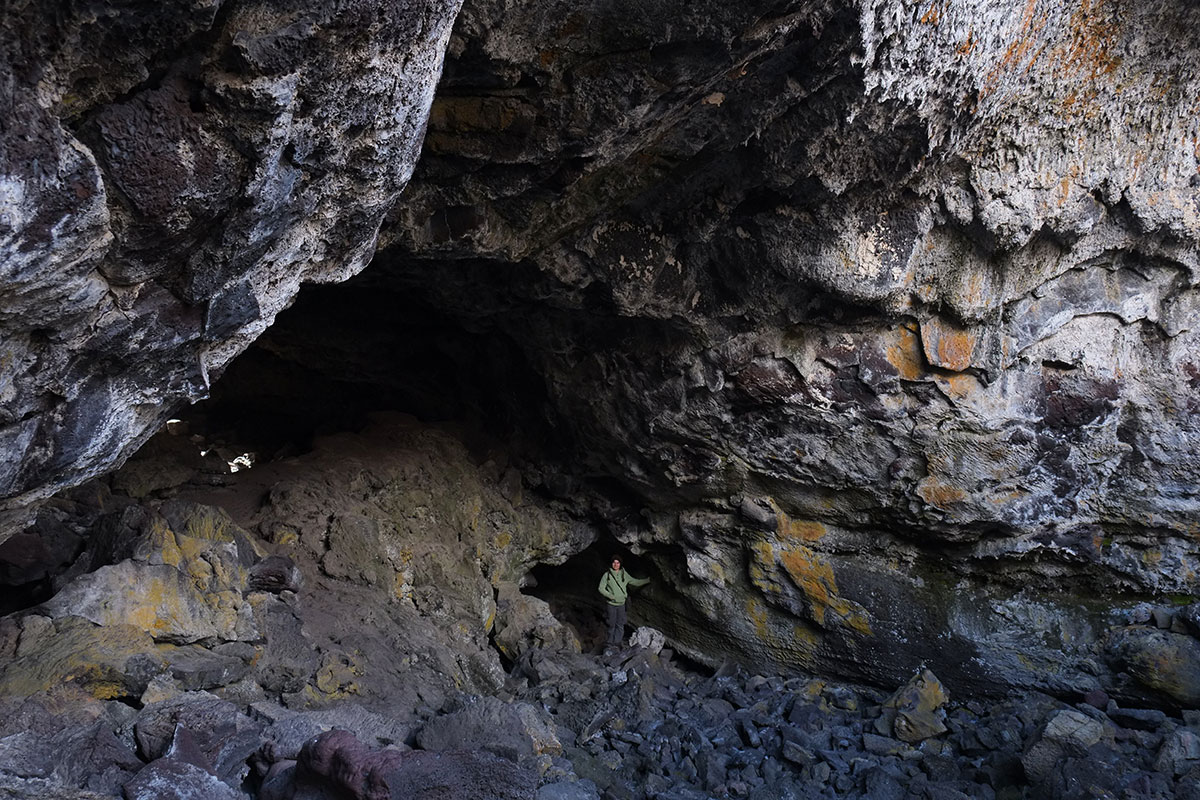
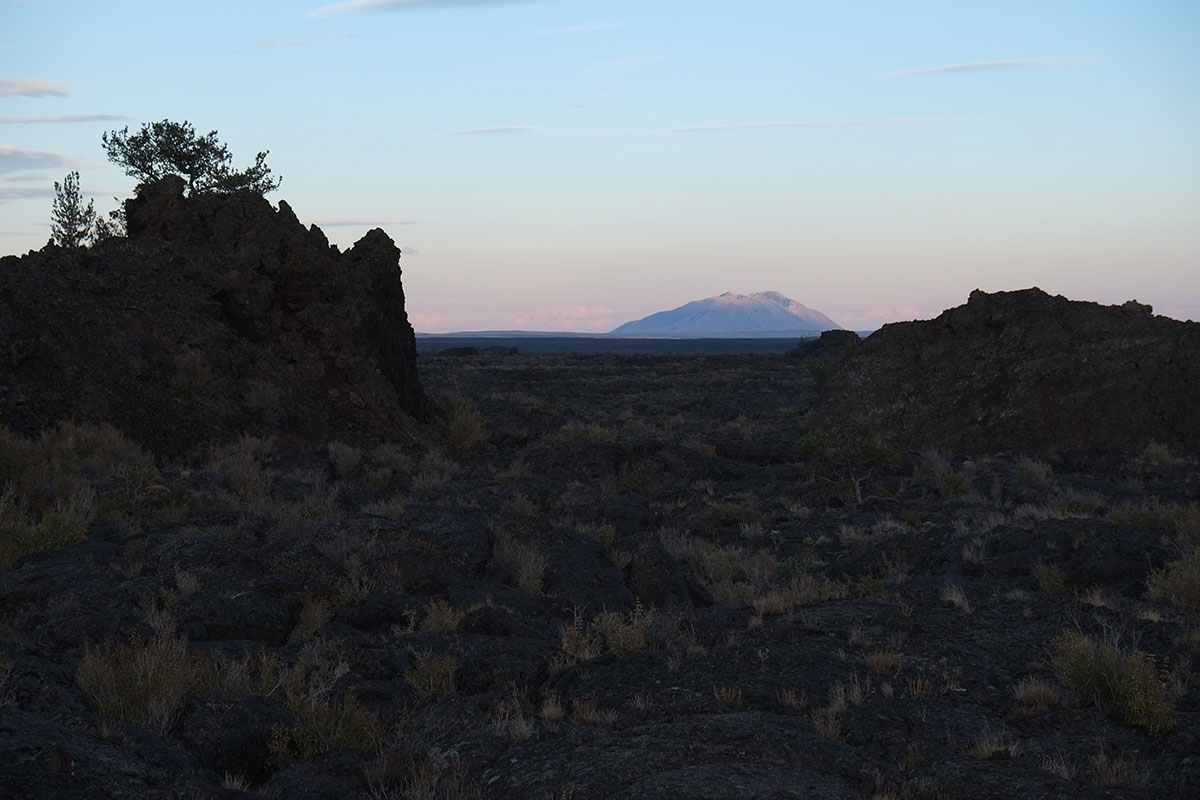
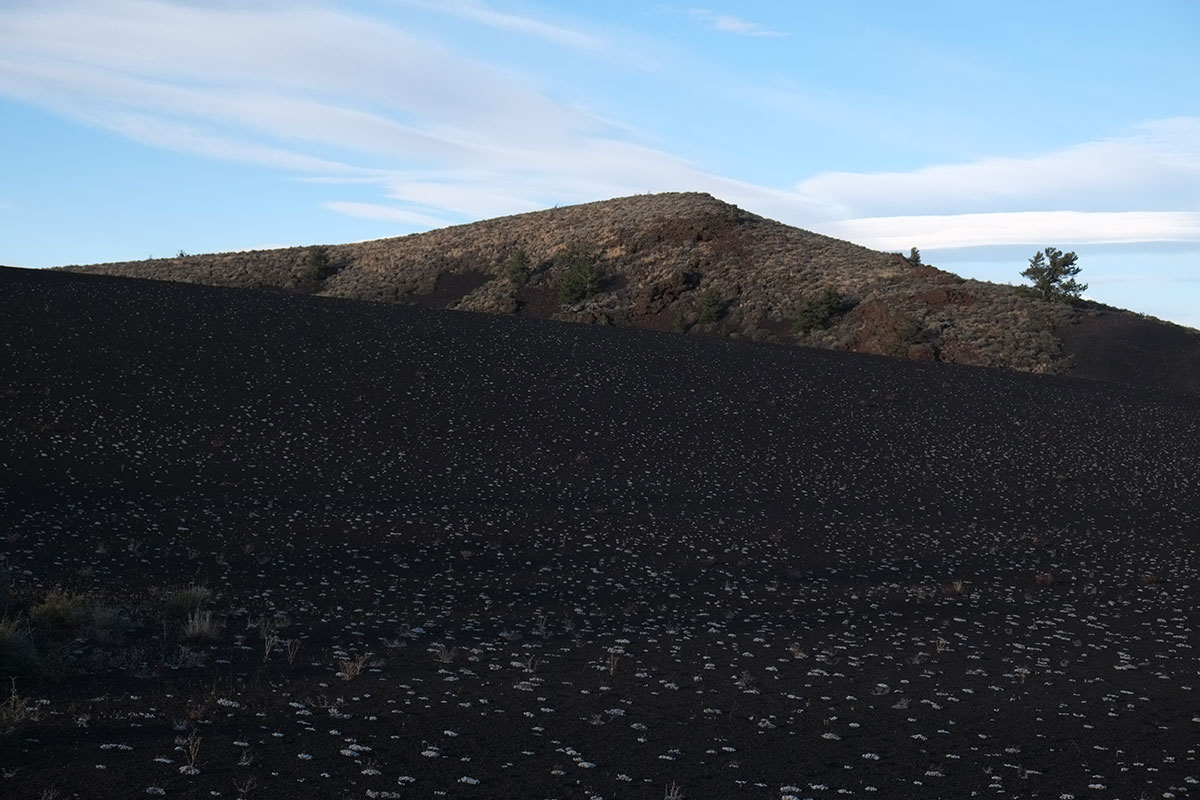
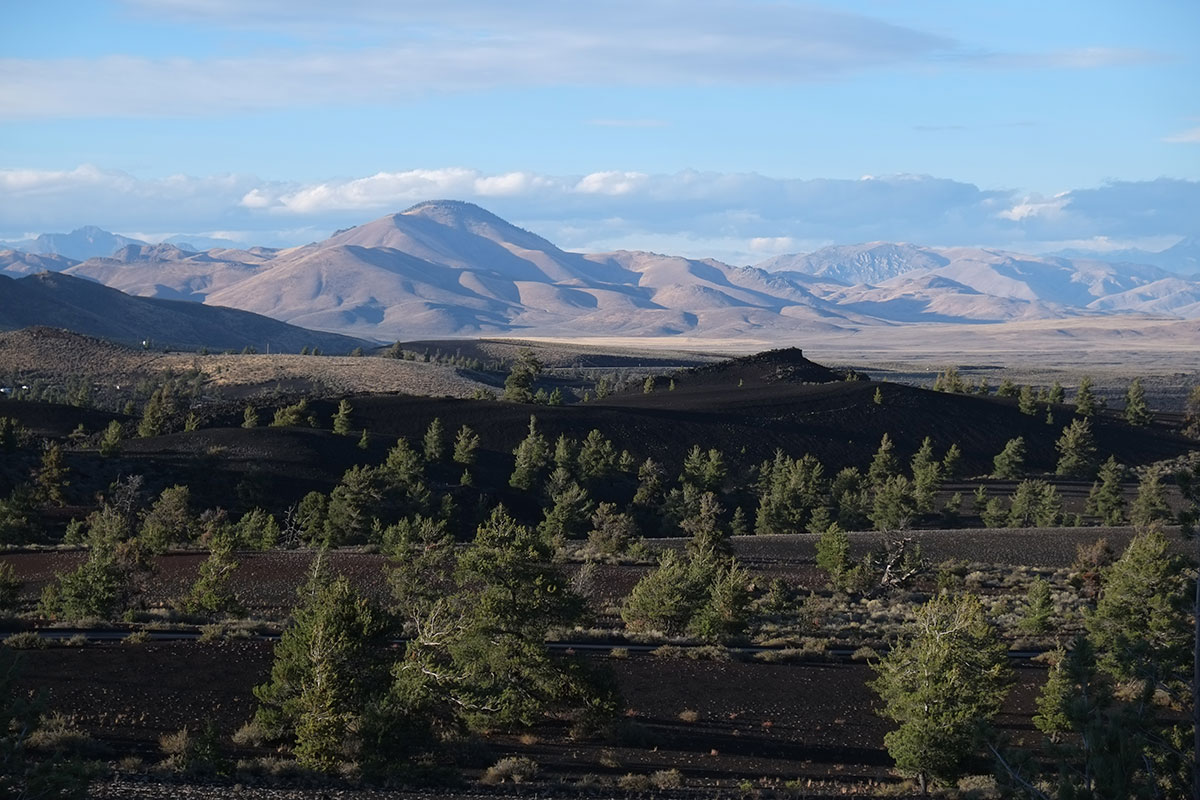
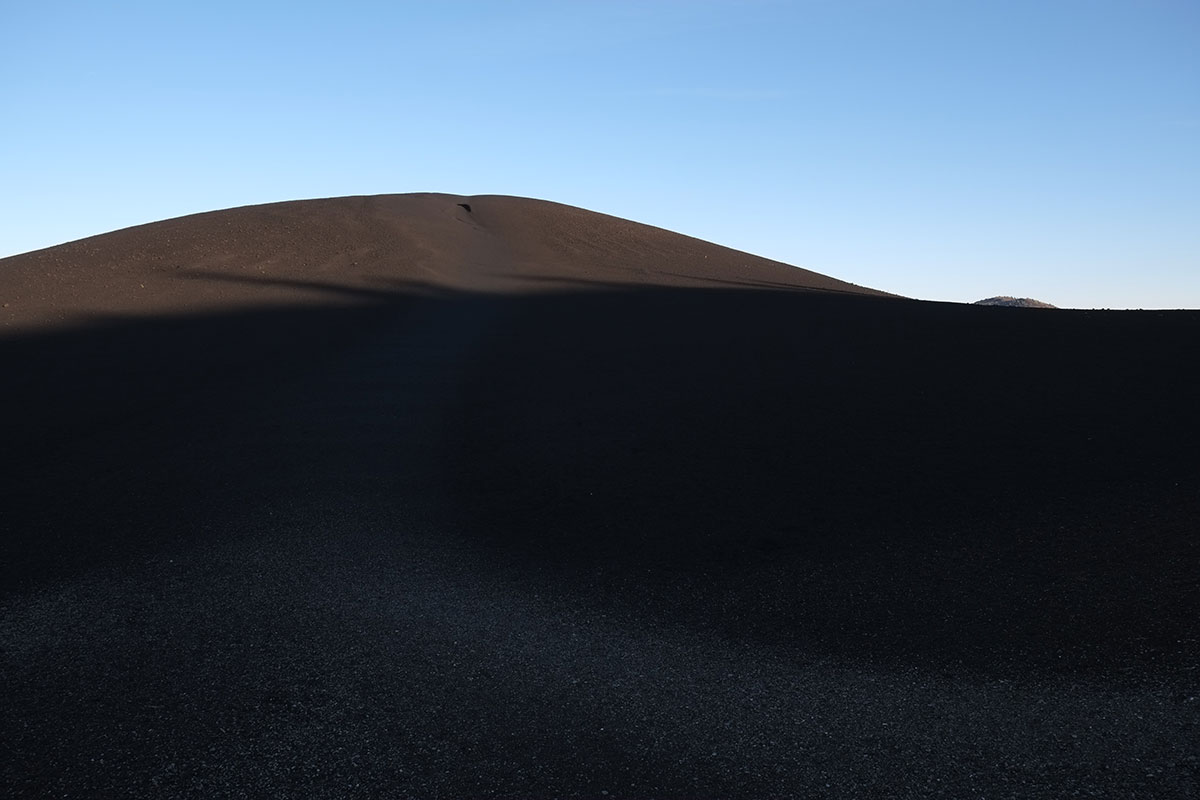
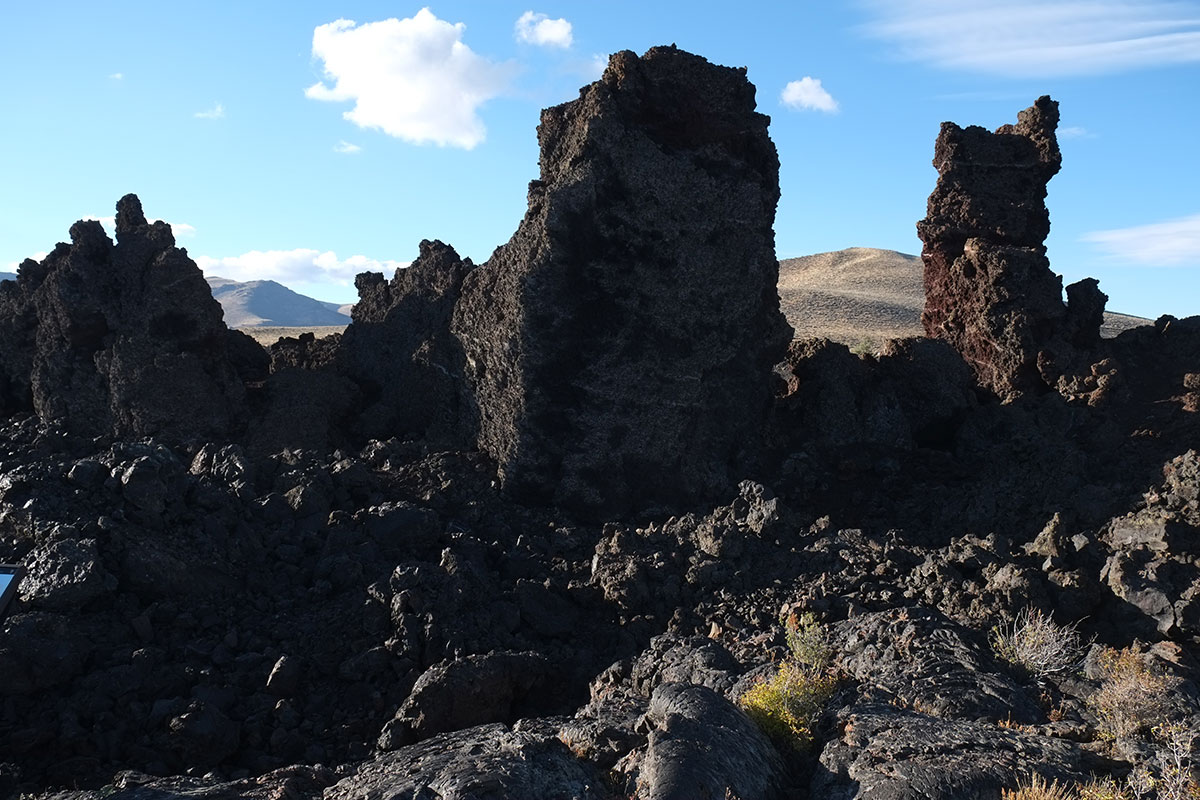
September 17 – Craters of the Moon National Monument in Idaho. Or as Greta put it, Camping in Mordor. A volcanic landscape with stunning variety – visual, geologic, experiential. The caves were unexpectedly amazing – lava tubes which have partially collapsed and so are accessible. We analyzed and parsed the differences in our individual claustrophobias – I refused to go into the Boyscout Cave – too tight; Greta was uncomfortable in the Beauty Cave – too big, but we both loved the Indian Tunnel. A butte way in the distance could only be Uluru transported to Idaho. And as we were leaving the cave area, Greta spotted what has to the entrance to the Bat Cave.