Category Archives: architecture

FLW in Racine

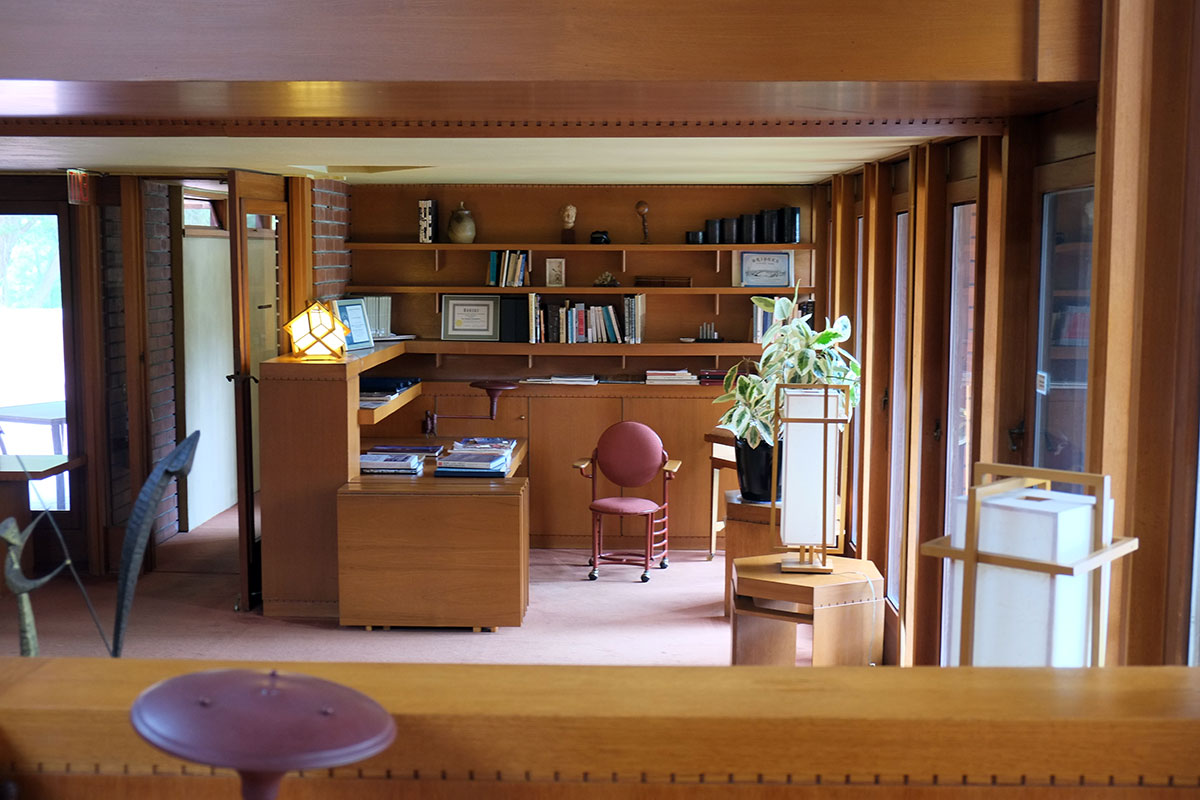
DSCF9247It’s often hard or impossible to get into Wright buildings, as many of the ones that are not in private hands have restricted times, or high entrance fees, etc.  So it is notable how easy the SC Johnson company has made it to visit their buildings – the cantilever-column administration building, the research tower, and Wingspread (formerly the house of the head of this privately-held company, and now a conference center owned by their foundation).  There are frequent tours, no fees, and a remarkable degree of freedom allowed in wandering around Wingspread.  Access to the two company buildings is more restricted, and unfortunately no photography is allowed indoors, as they are still used as the company headquarters, and there are lots of papers around, etc.  The company has even gone so far as to provide tour buses up to Racine during the upcoming Chicago architecture biennial, and advertised them on bus shelters:DSCF9512
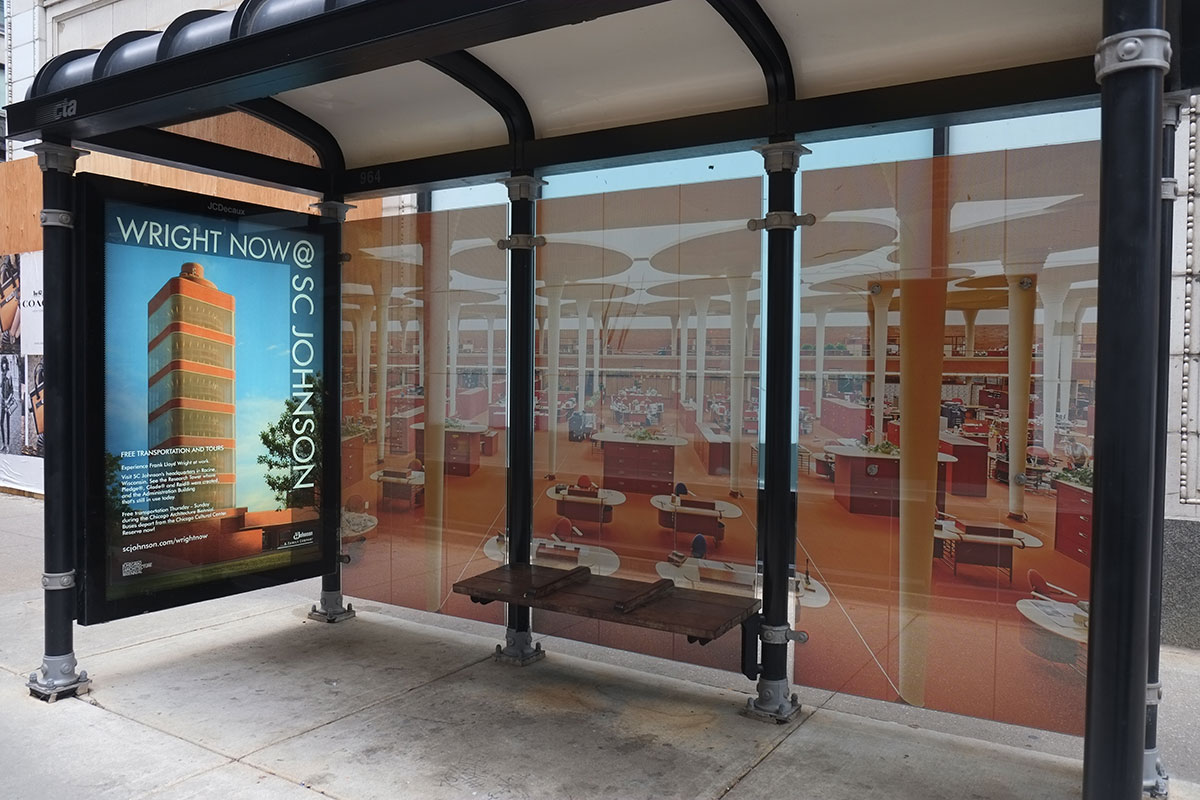
These three buildings together provide a unique opportunity to see some of Wright’s best designs, with almost no effort.

As with much of Wright’s work, the buildings were noticeably smaller than I expected.  Even in photographs they have a presence and scale that leads you to expect something monumental, but in person the administration building is comfortable and welcoming, and the research tower is almost cute – it is quite small for a tower.DSCF9164
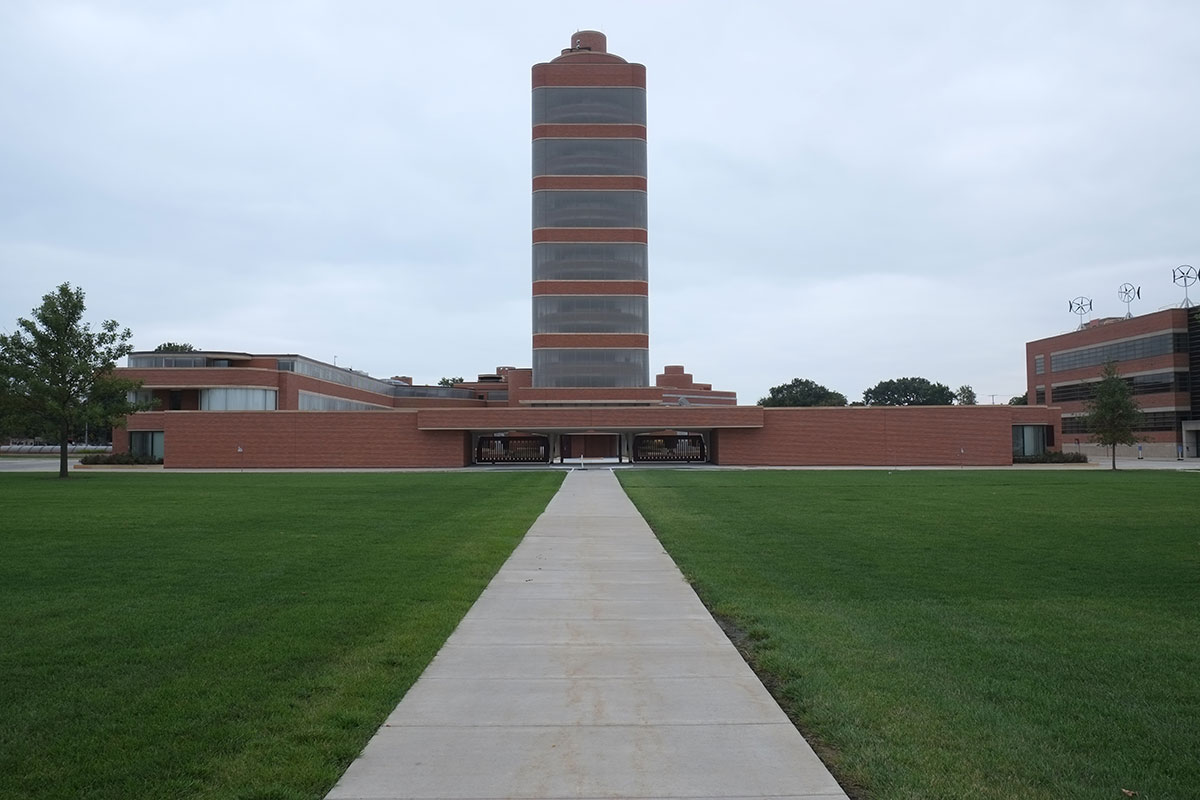
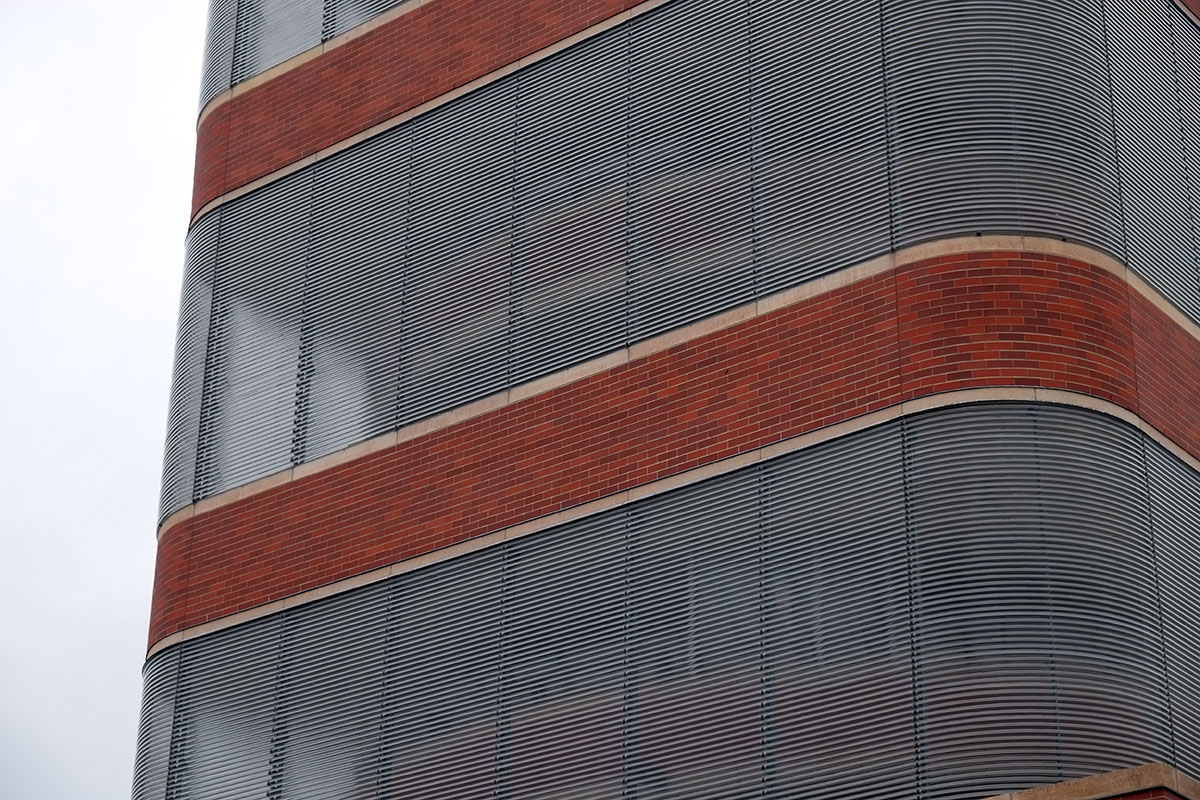
The skin is sleek. Brick and glass tubes.  The scale is deceptive, as what reads as one story between the brick spandrels is actually two, with circular mezzanines held back from the surface (slightly visible in this photo).  The interior is better than any mid-century modern image of a lab you’ve ever seen, almost a movie set for cool science.DSCF9177
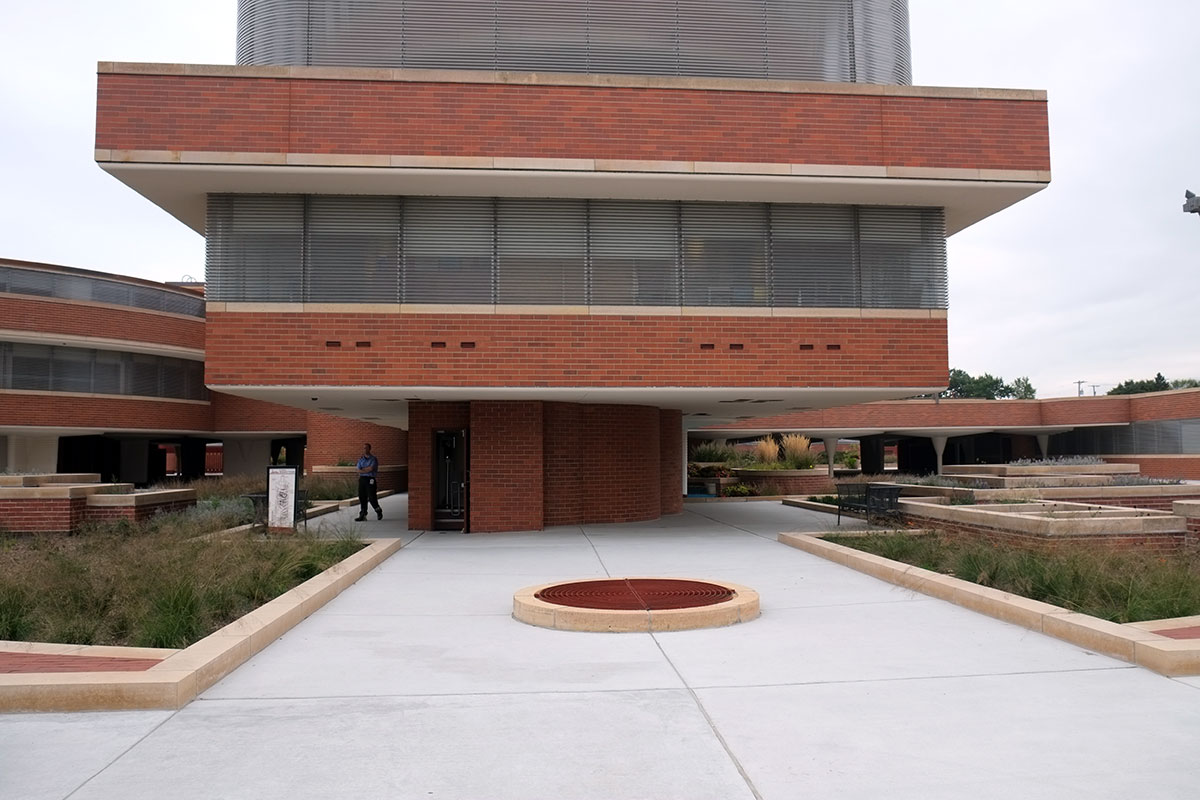
The base is a little weird – Wright wanted to expose the innovative cantilever structure of the tower, and perhaps the function of the two wider lower stories is to contrast even more with the small footprint below.  It just seems busy.DSCF9181
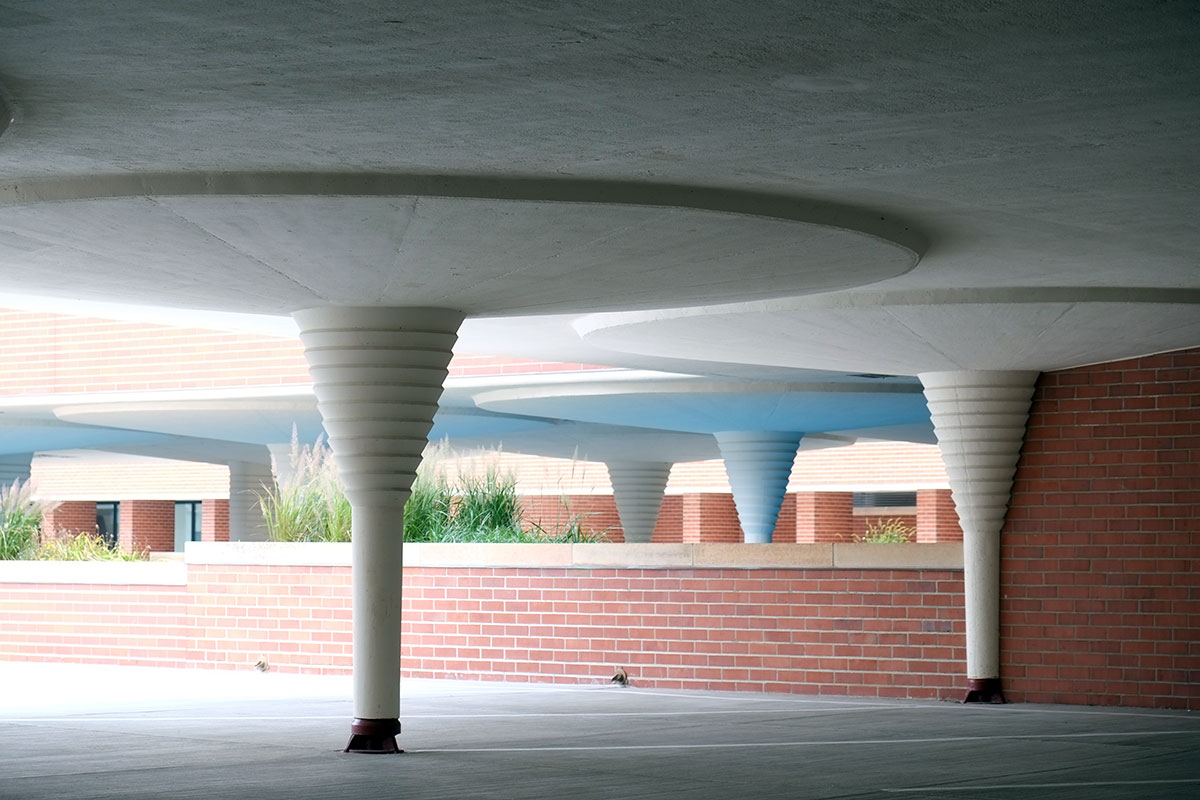
I won’t go on about the administration building as I have no photos, but it didn’t disappoint.  I didn’t realize that there is a parking garage/carport in front of it, which gives you a preview of the structure.DSCF9170
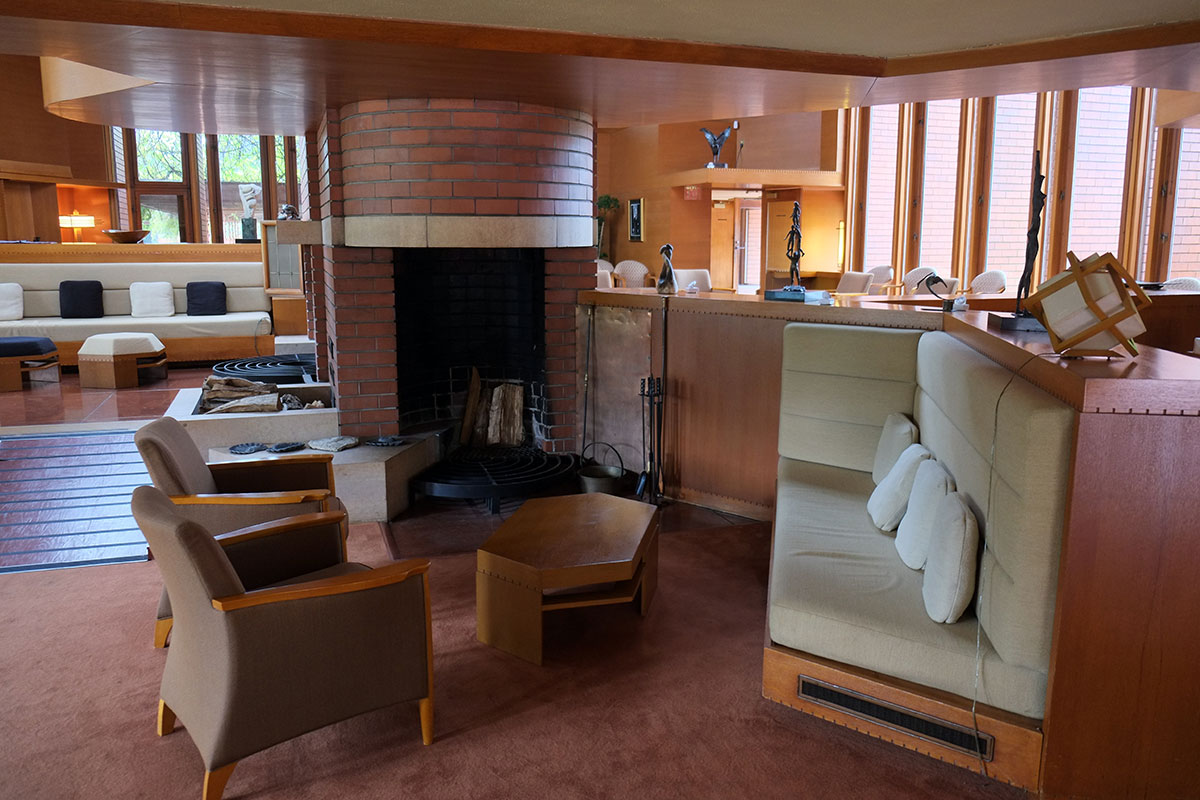
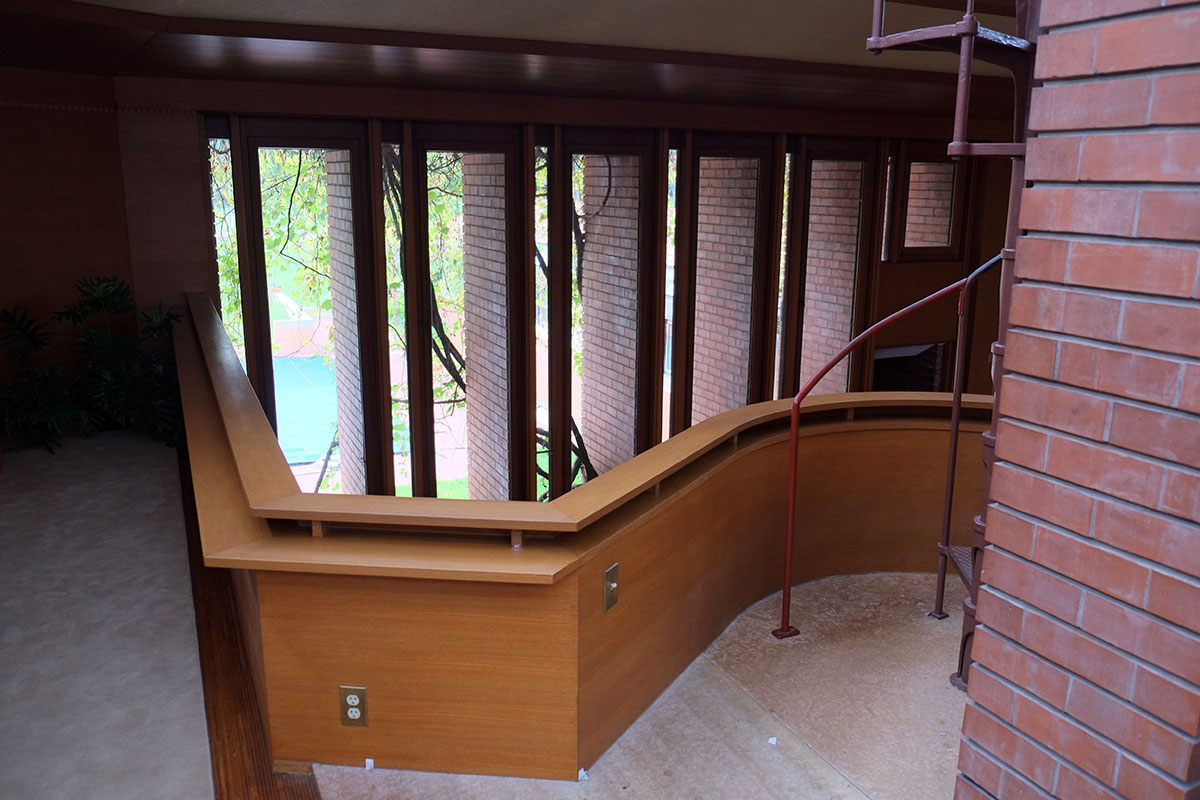
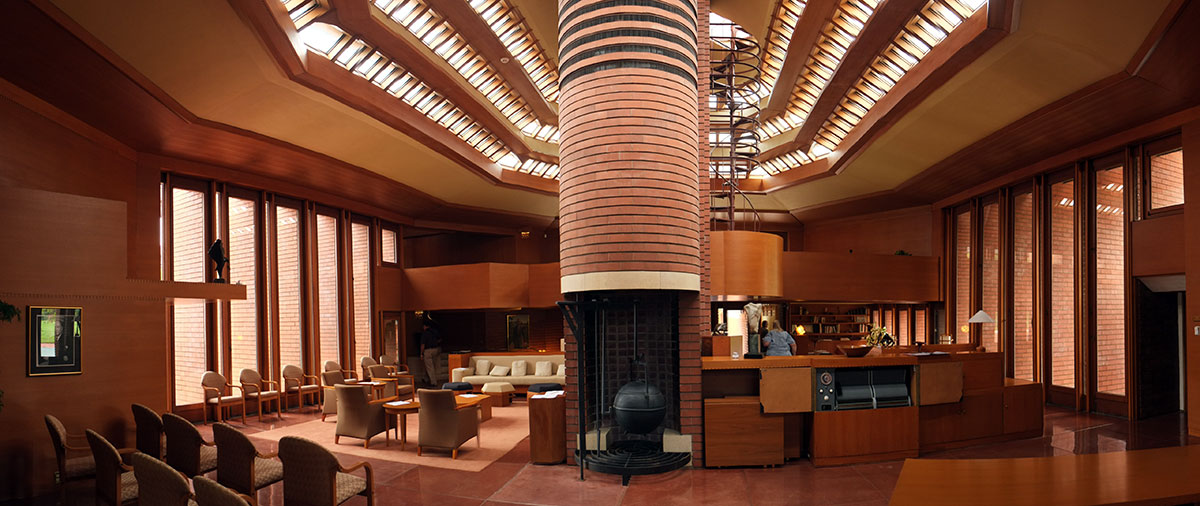
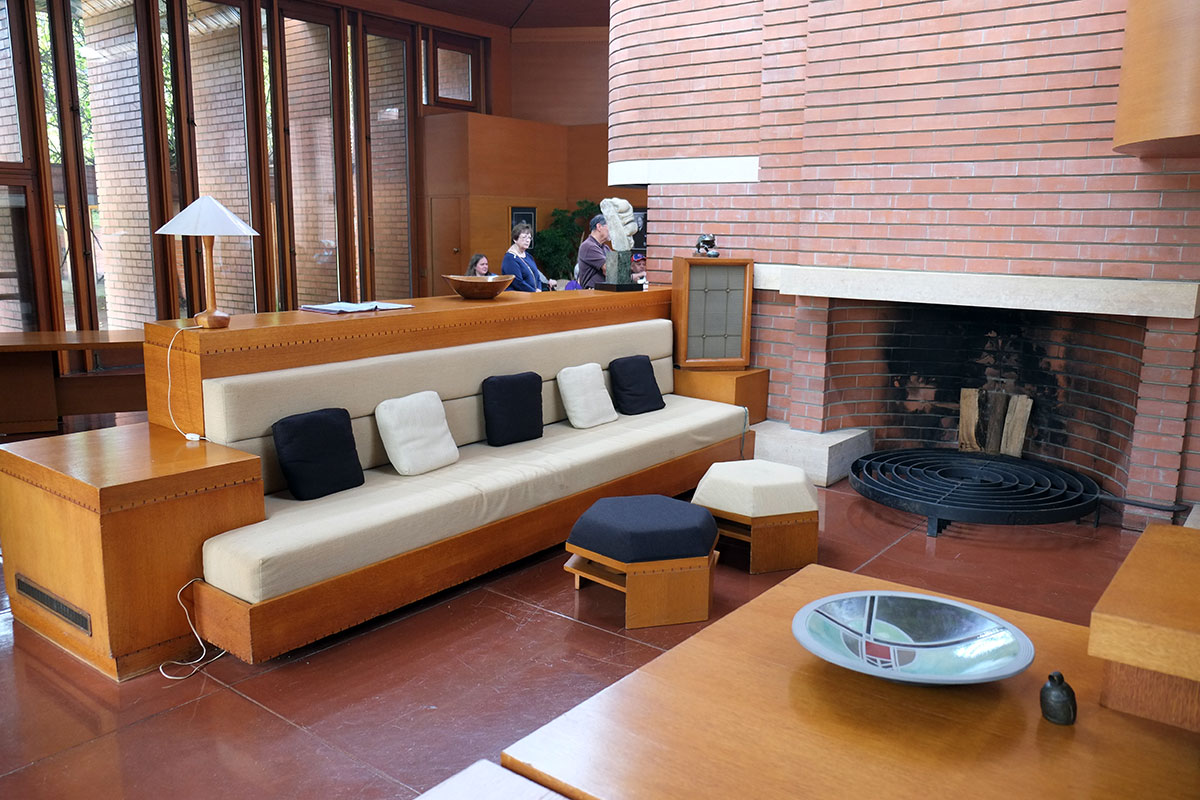
Wingspread has the contrast of quite modest rooms in the four wings of the pinwheel, against an enormous central volume, where a tall brick fireplace mass organizes a series of spaces around it.  DSCF9247DSCF9243 DSCF9244
DSCF9265

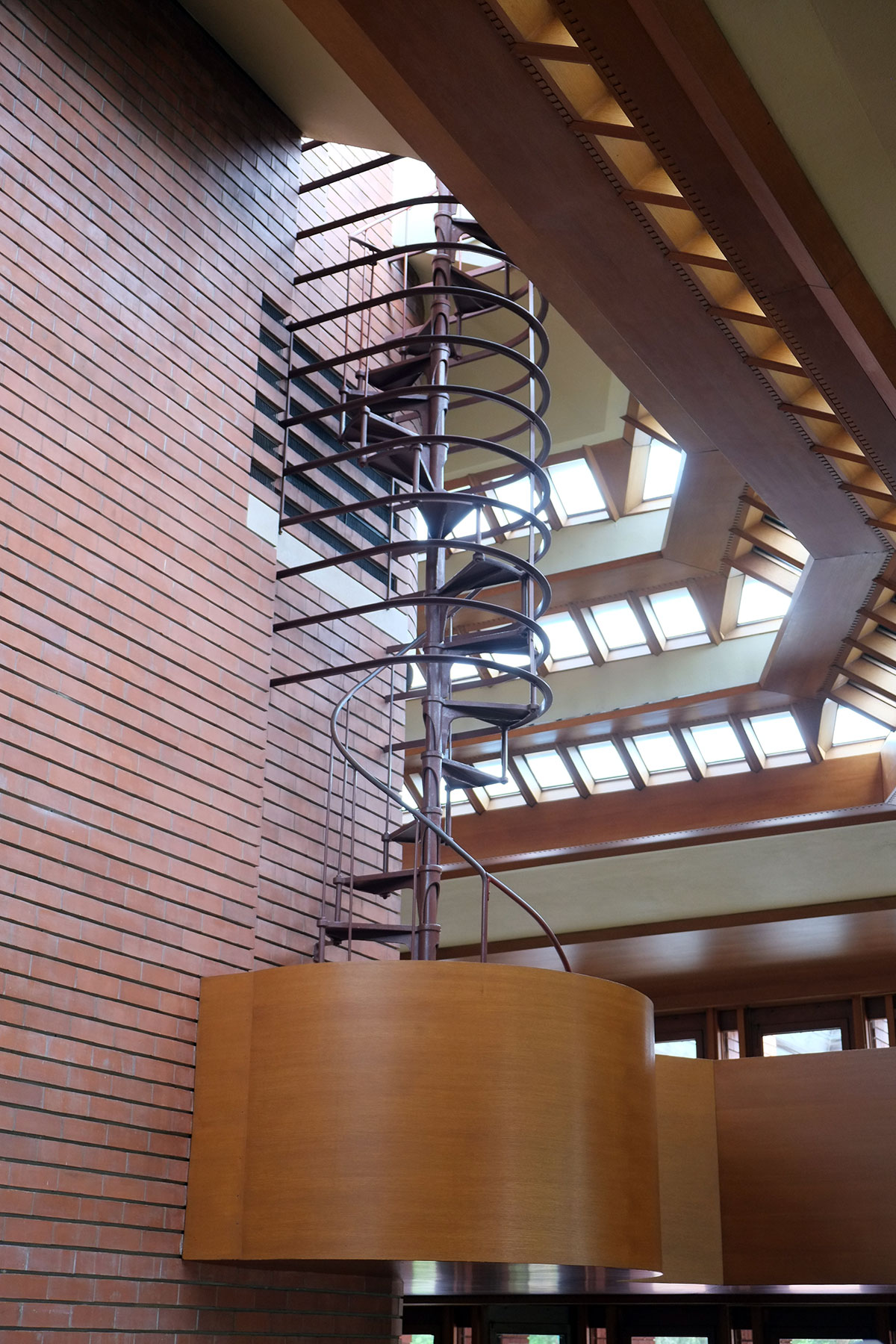
There is a spiral stair which climbs up from the second floor to a glazed observation cupola above the roof.DSCF9234
DSCF9308

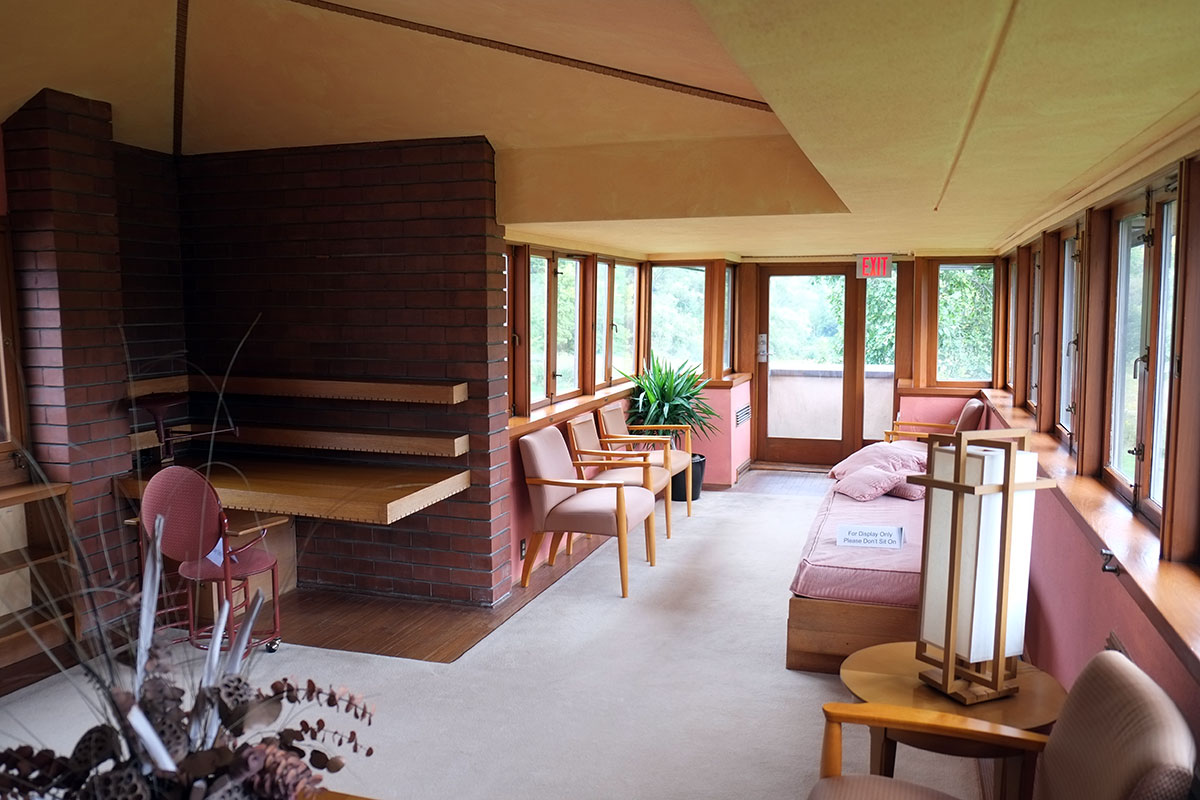
The daughter’s bedroom on the second floor ends in a spectacular cantilevered balcony into the landscape, with the wooden bar seemingly projecting out through the masonry element (eat your heart out, Jean Nouvel).  DSCF9293
DSCF9206

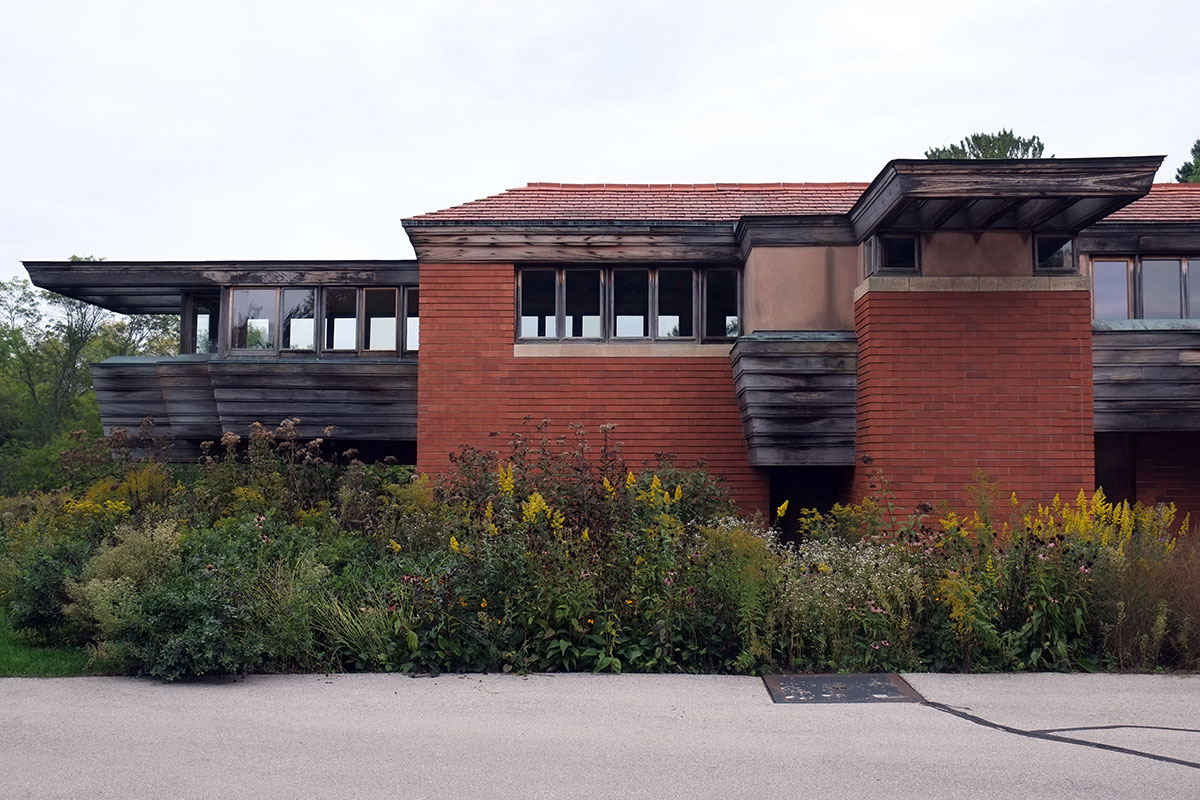
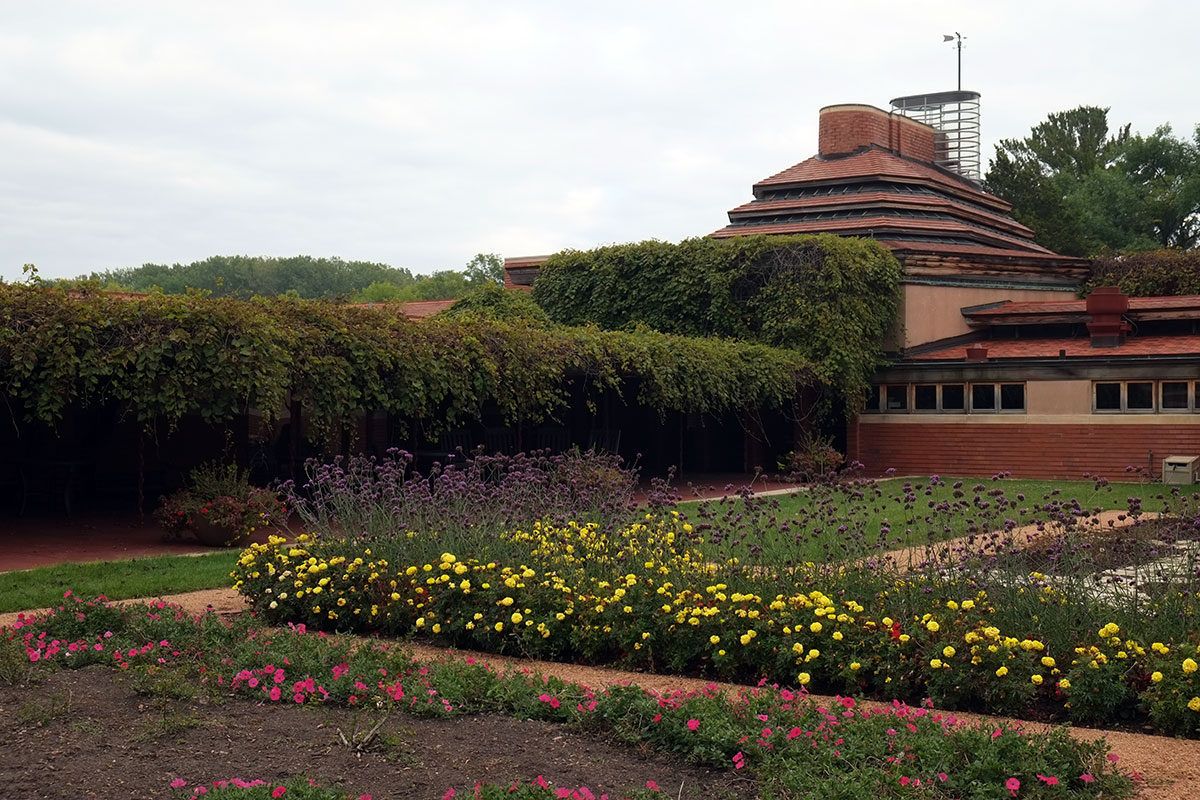
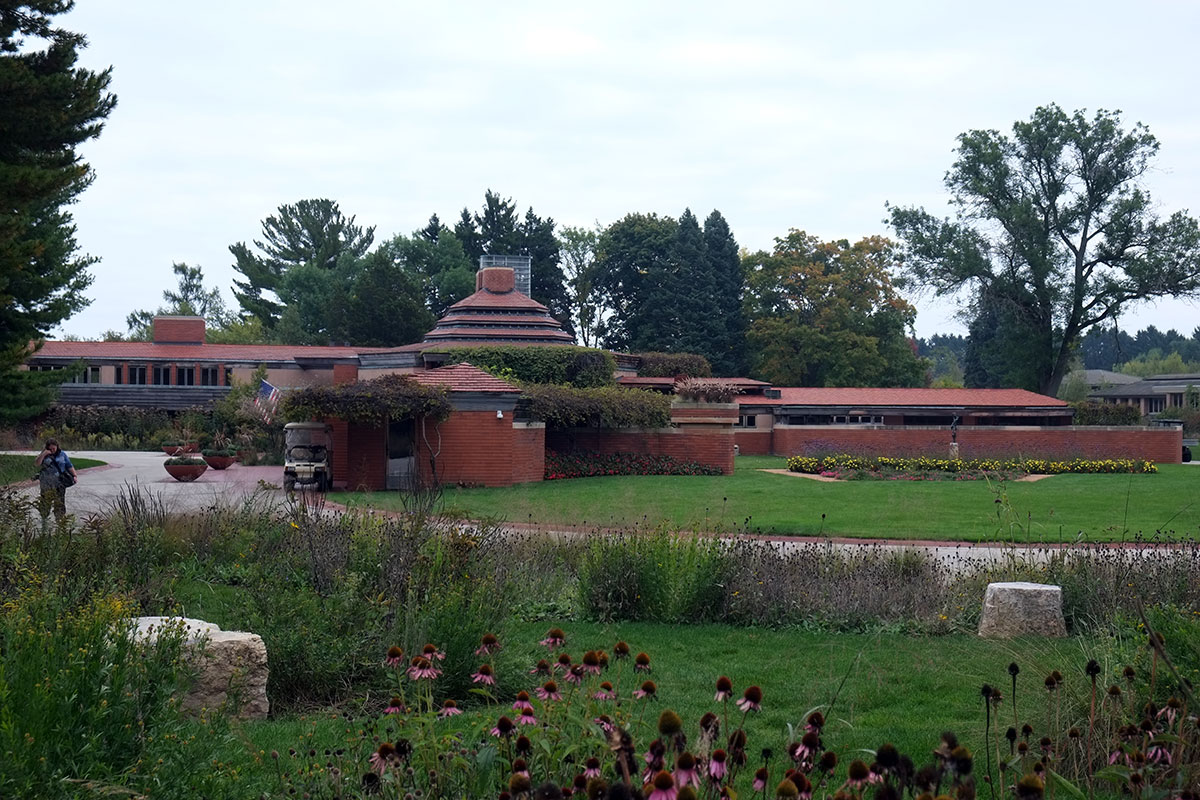
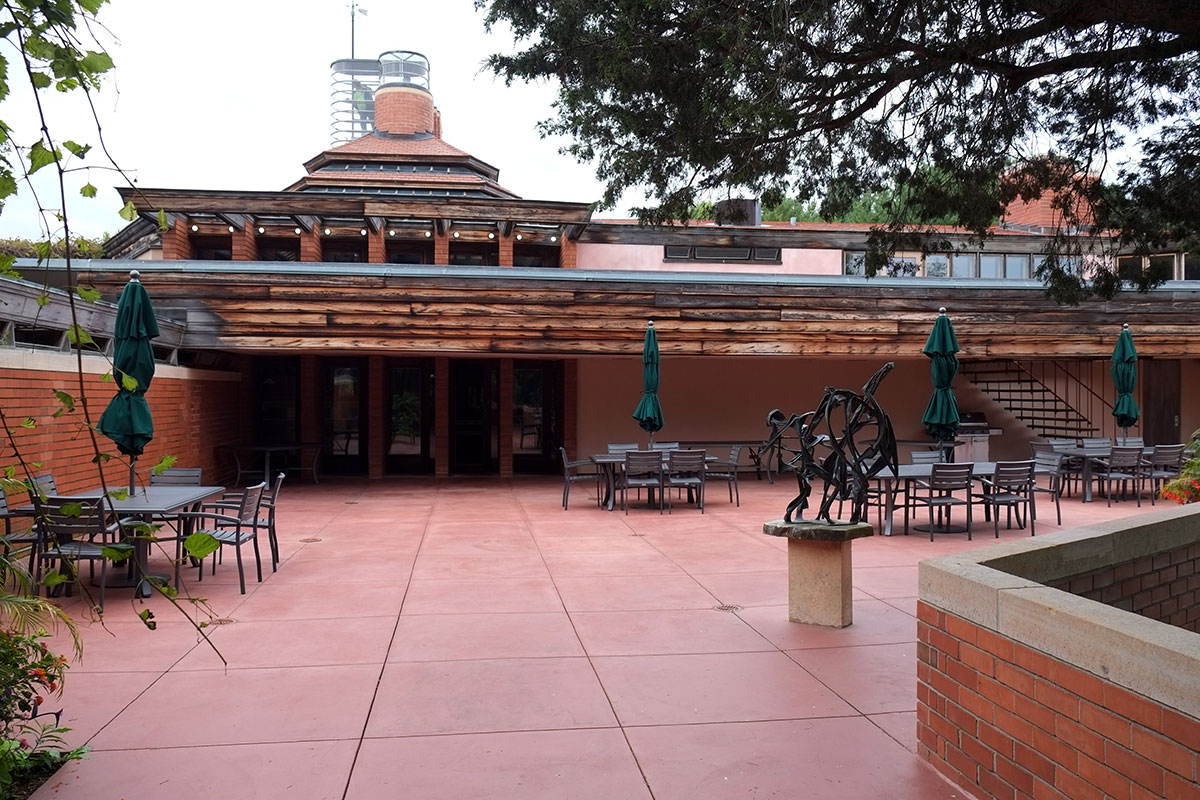
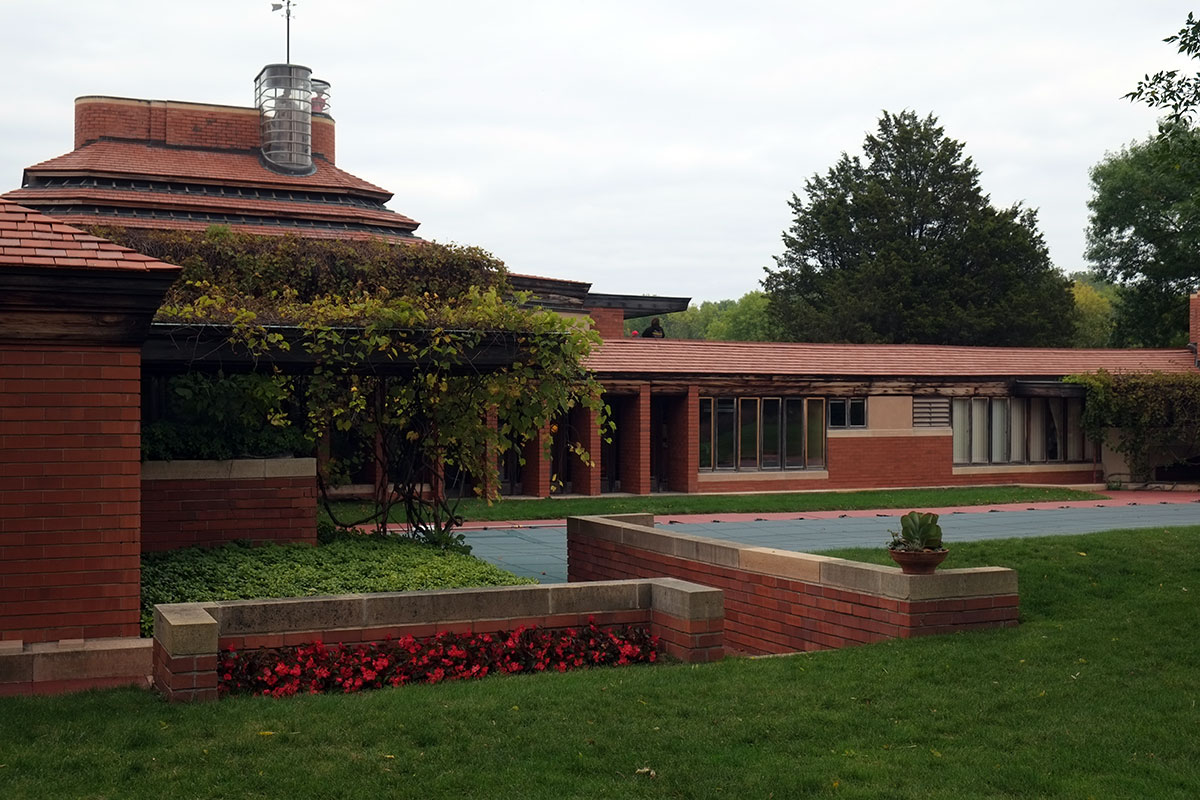
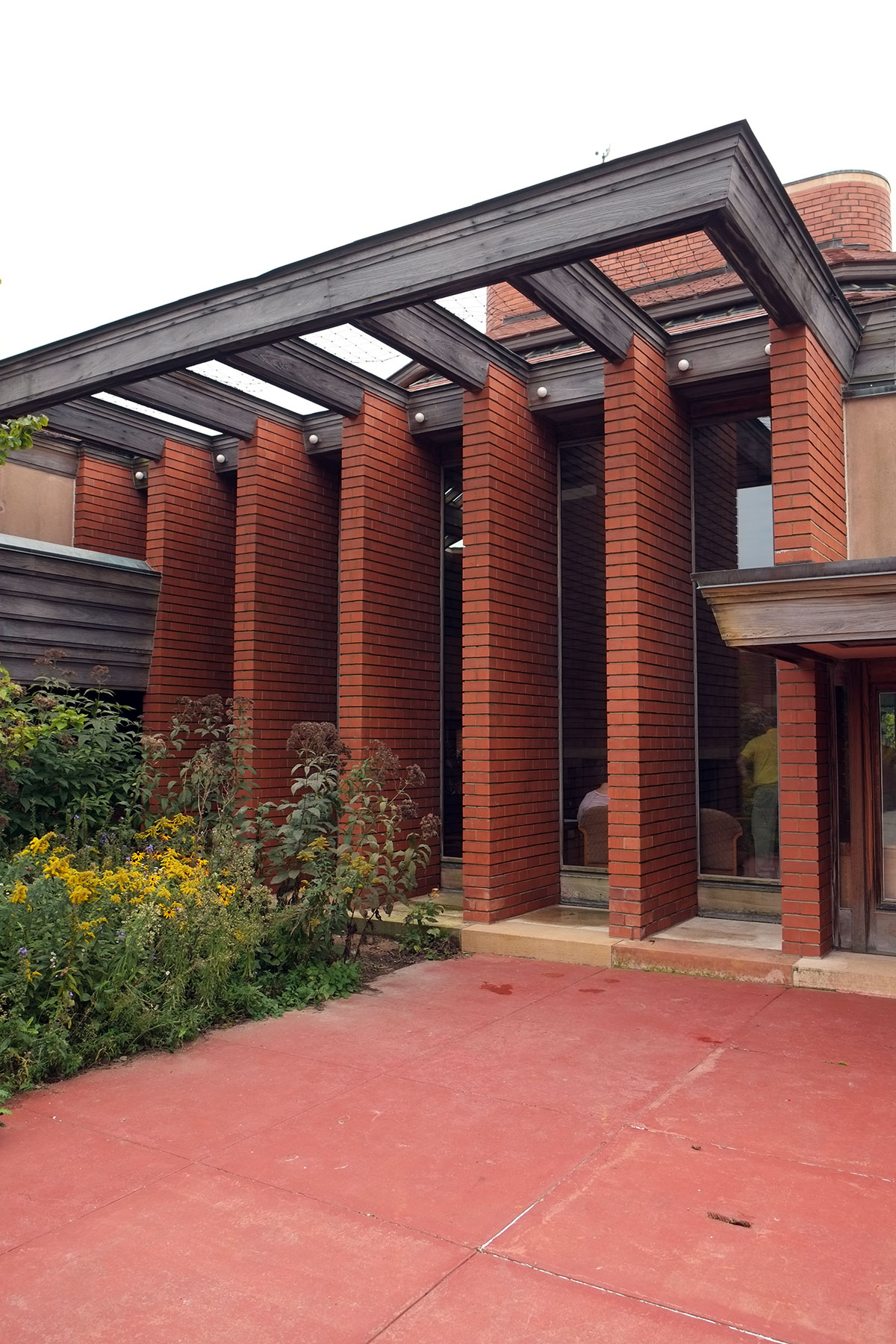
The exterior is a tour-de-force, with a combination of Wrightian elements articulated in different materials and integrated with the landscape in a way that is only matched by the Taliesins.DSCF9217
DSCF9316

DSCF9349

DSCF9272

DSCF9320Phenomenal buildings all, produced in a circumstance where Johnson was more of a patron than a client, not only commissioning the buildings, but then passing this legacy through generations of the family, all of whom have maintained them and made them available to the public.
Twin Cities

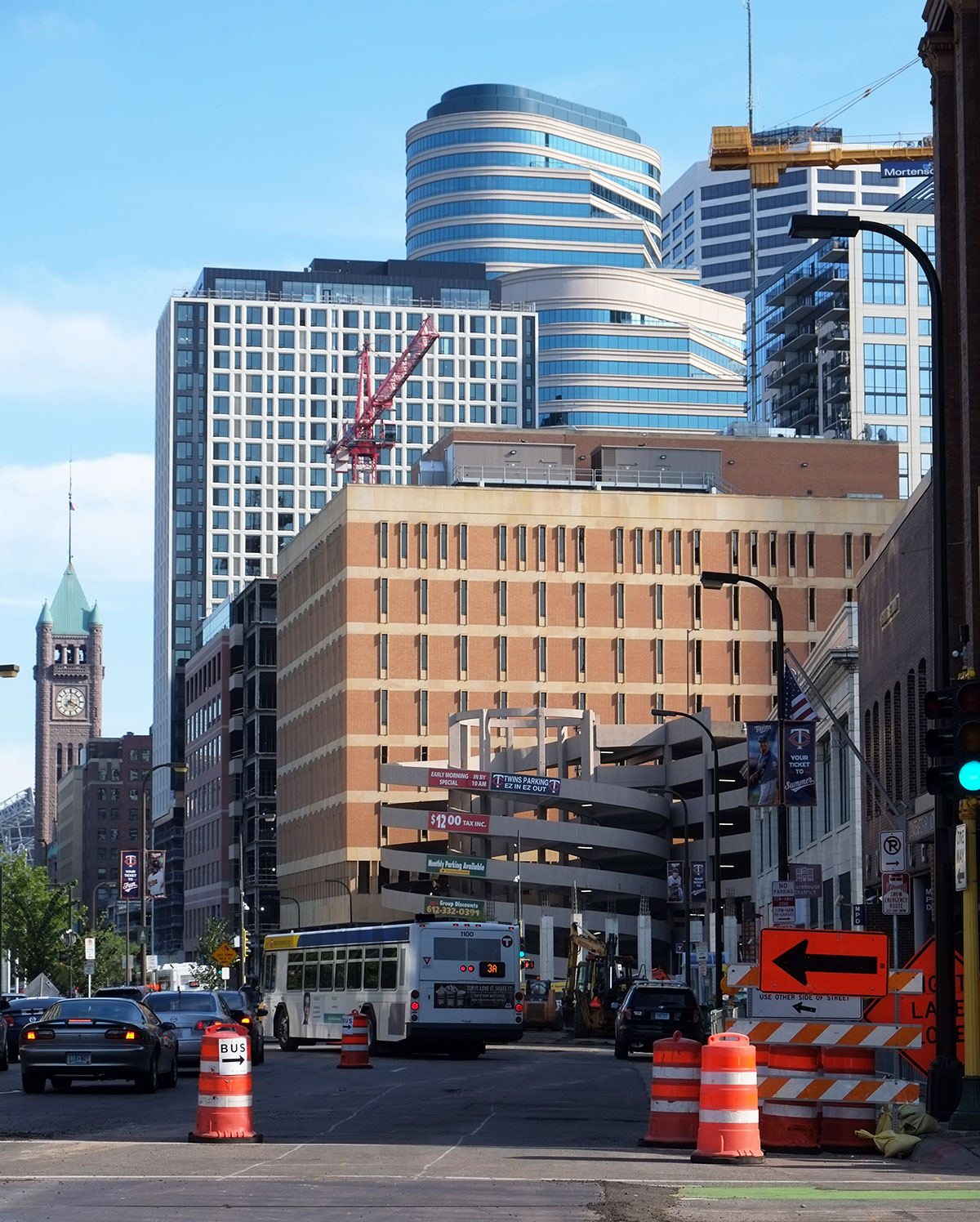
A pleasing variety of styles and eras in this town

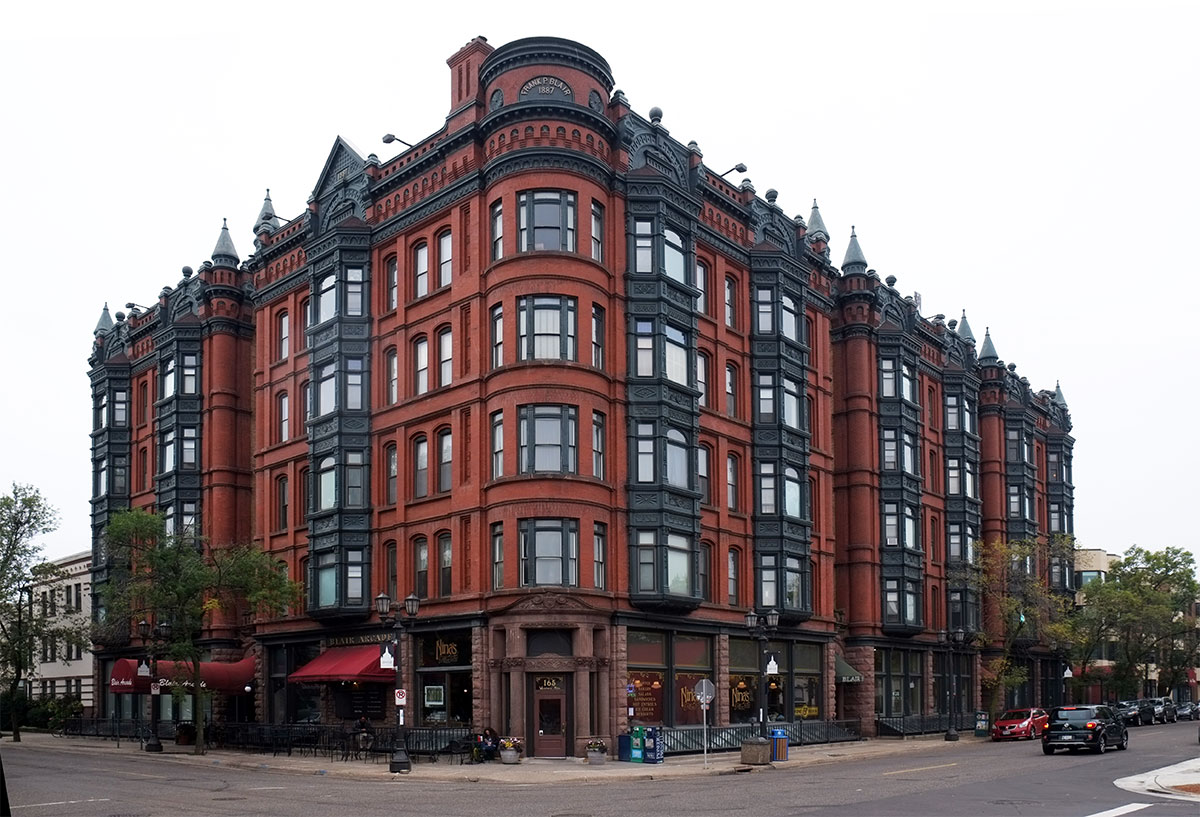
A pleasing variety of styles and eras in this town

I’d never been to the Twin Cities before, probably because in my prior nine transcontinental drives, I’d usually been in a hurry, and they’re just far enough away from I-90 that they got missed.  Really nice neighborhoods, a good transit system, big but not overwhelming downtowns, and a lot of individual architecture worth seeing.
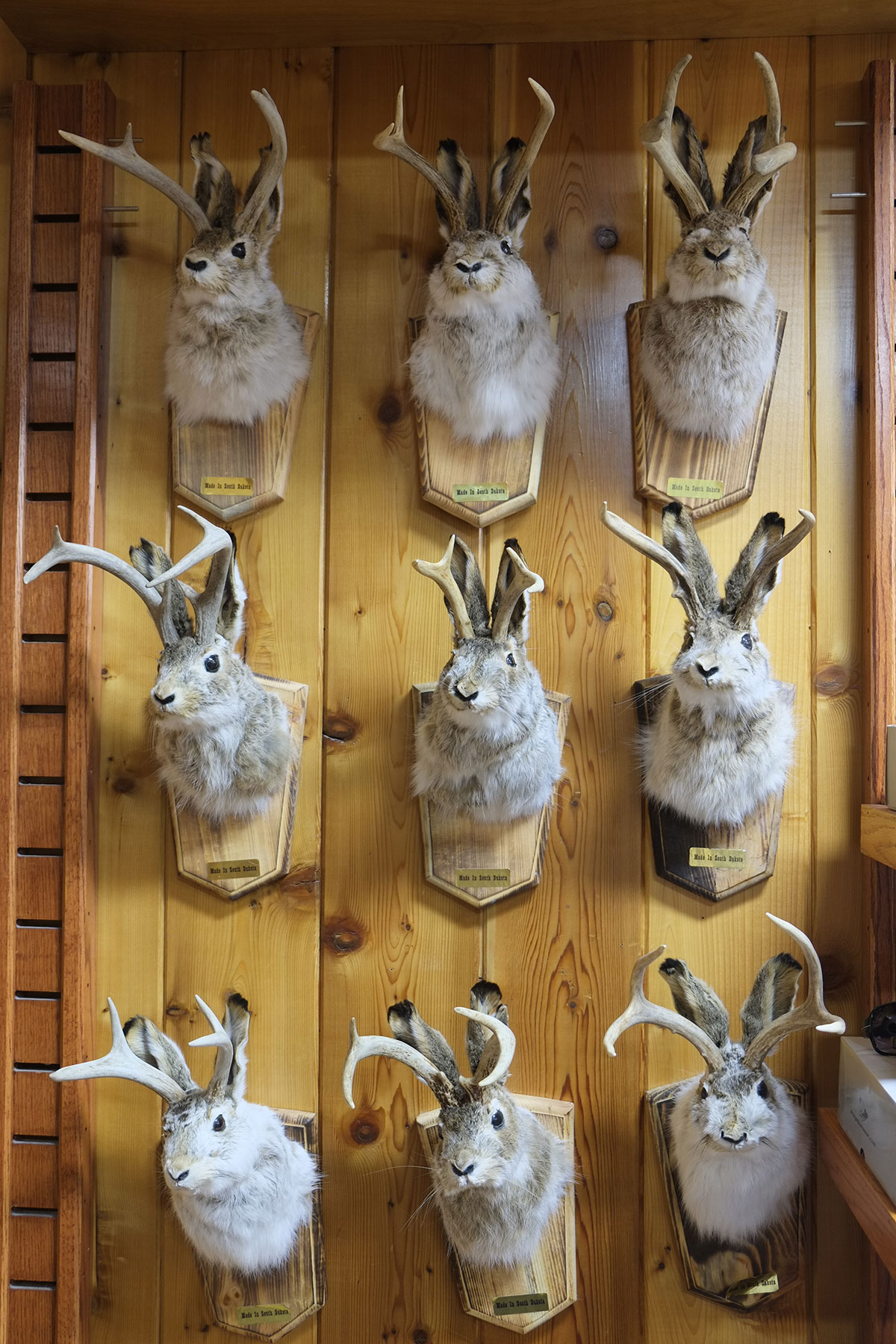
the Blair Arcade in St. Paul

the Blair Arcade in St. Paul

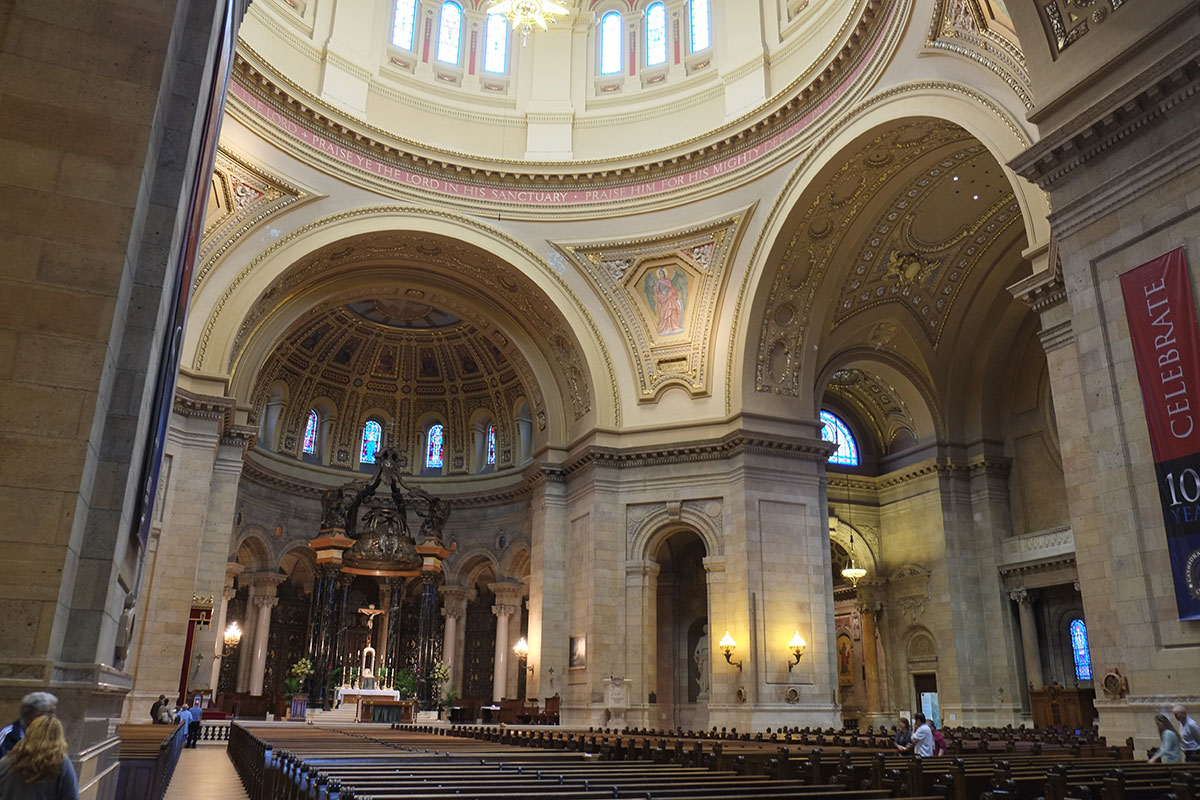
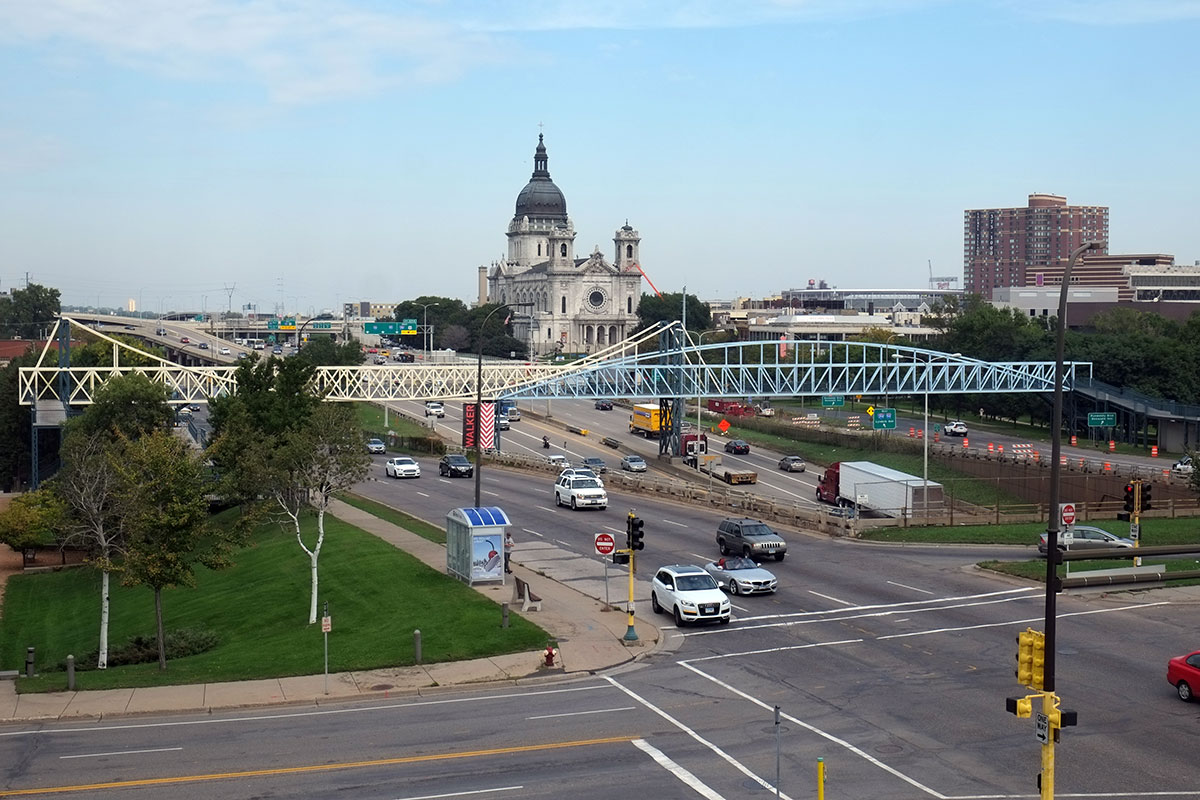
the cathedral in St. Paul. Why go to Paris?

the cathedral in St. Paul. Why go to Paris?

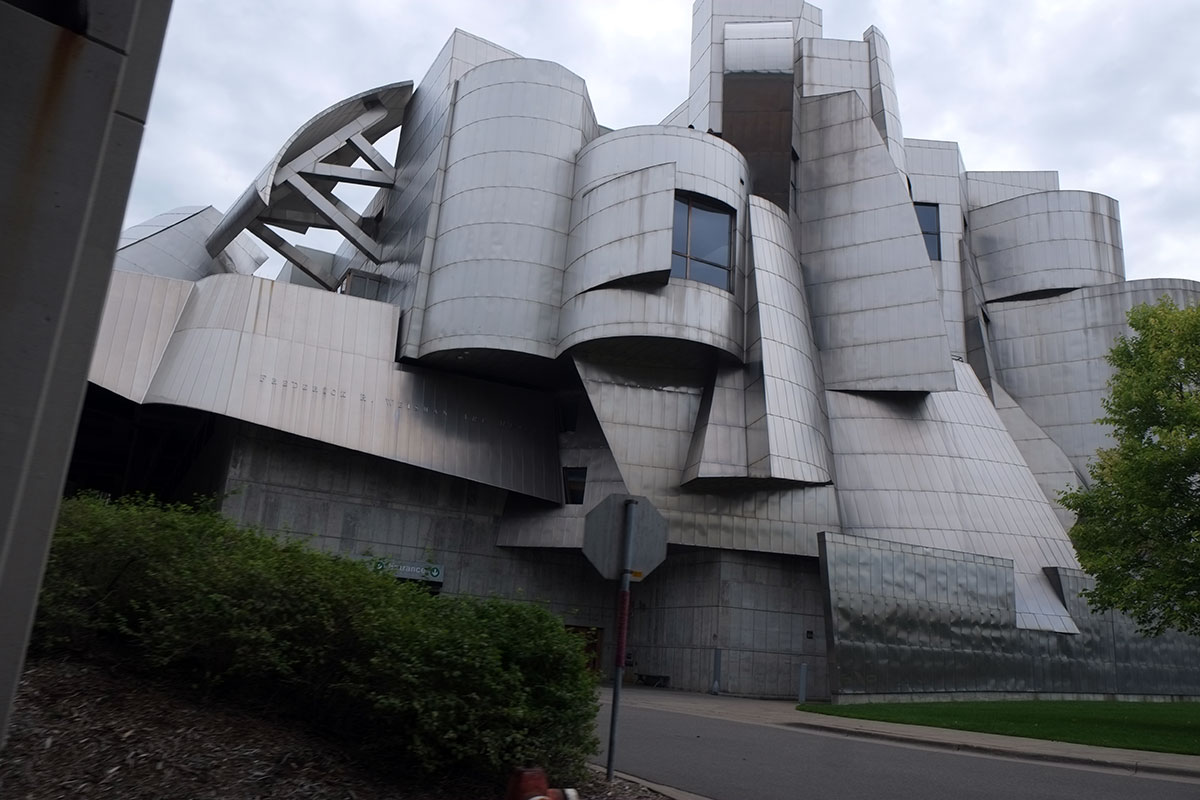
Gehry drive-by at UM

Gehry drive-by at UM

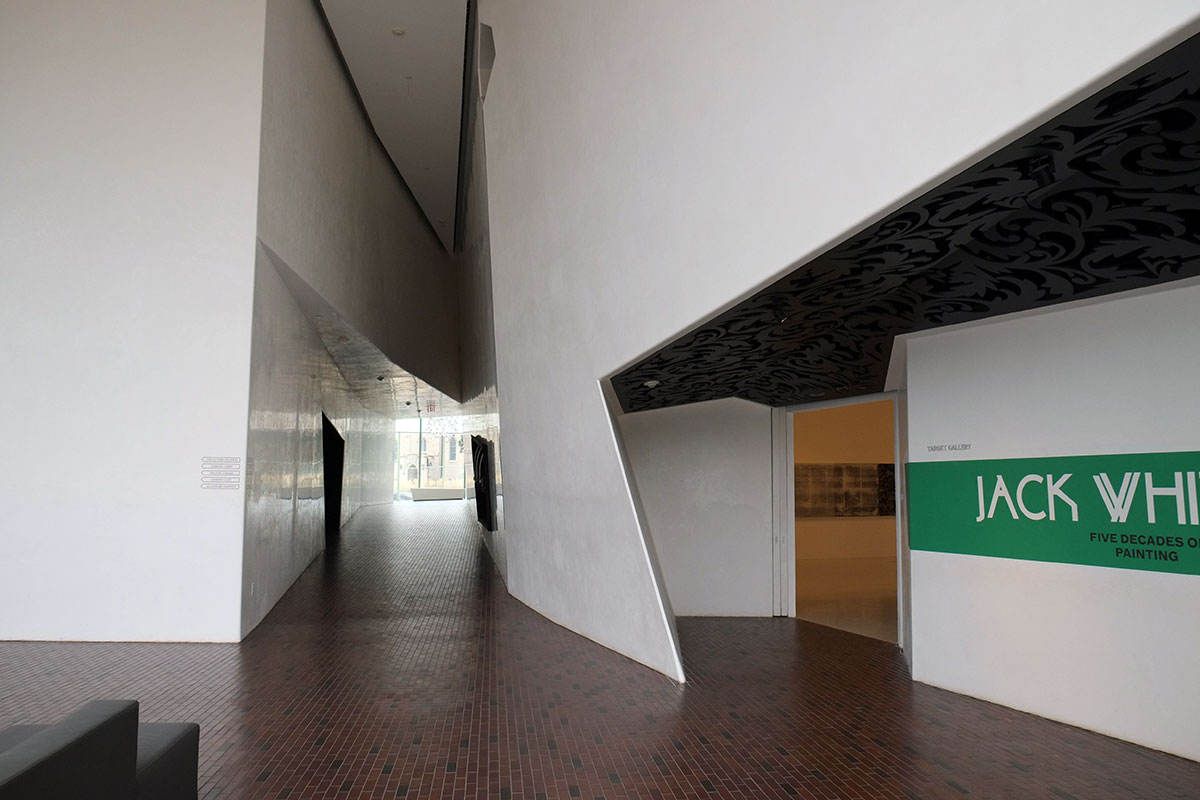
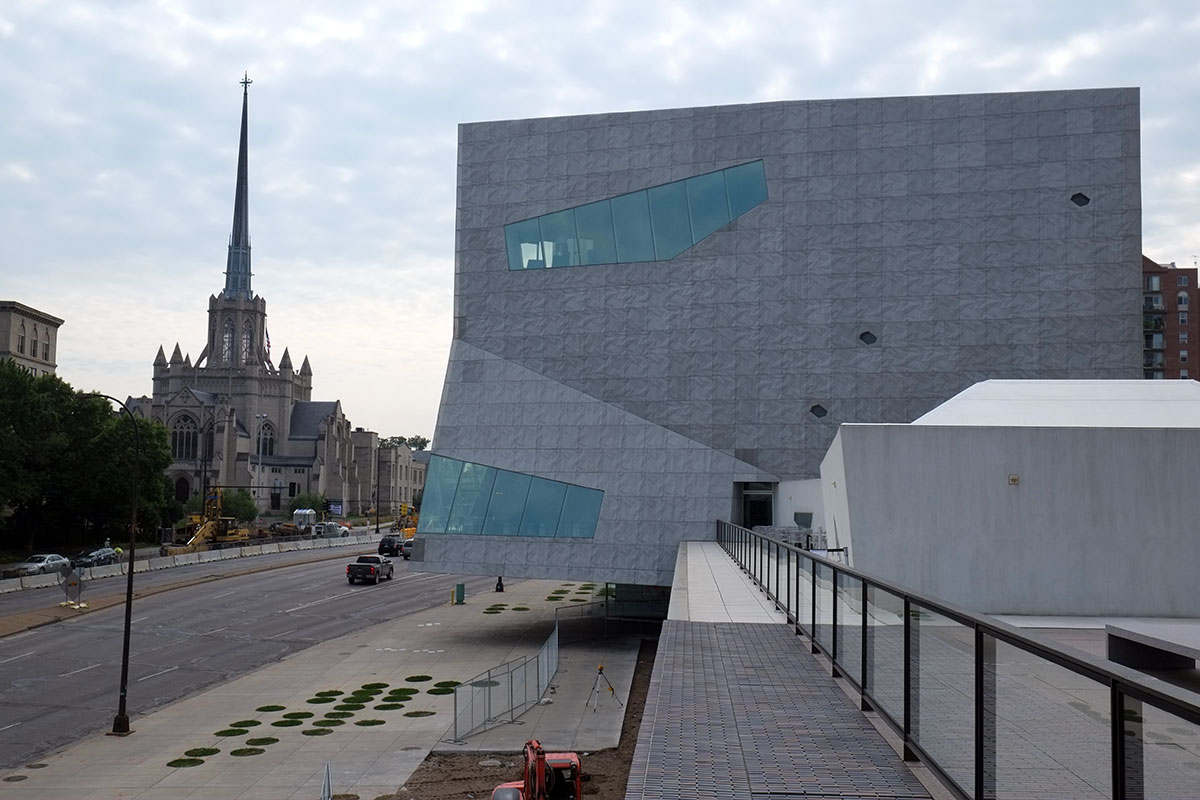
The Walker Art Center had always been on my list of museums to visit, and it has a very strong permanent collection, mainly in 20th Century American work.  Ed Barnes did the original building in the 70s, and Herzog and de Meuron completed a very successful renovation / addition.

Herzog and de Neuron meet Edward Larrabee barnes at the Walker, and get along very well.

Herzog and de Neuron meet Edward Larrabee Barnes at the Walker, and get along very well.

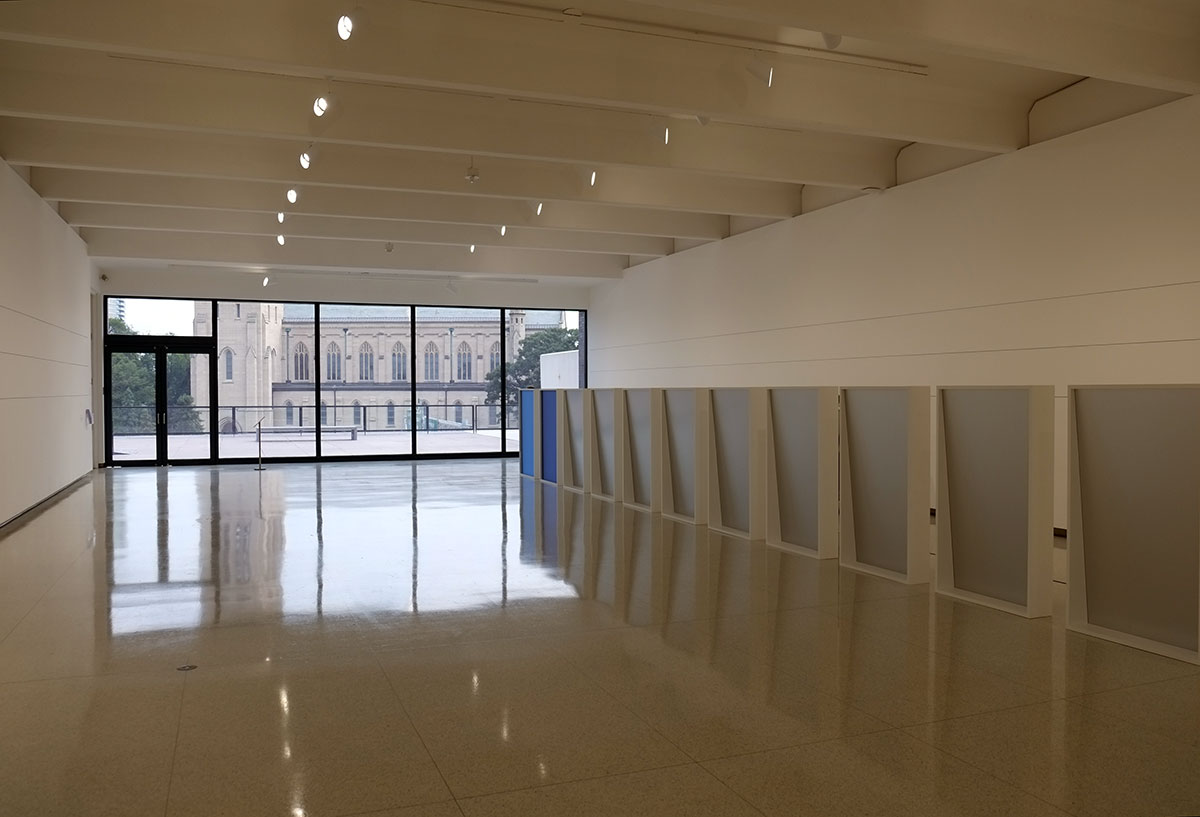
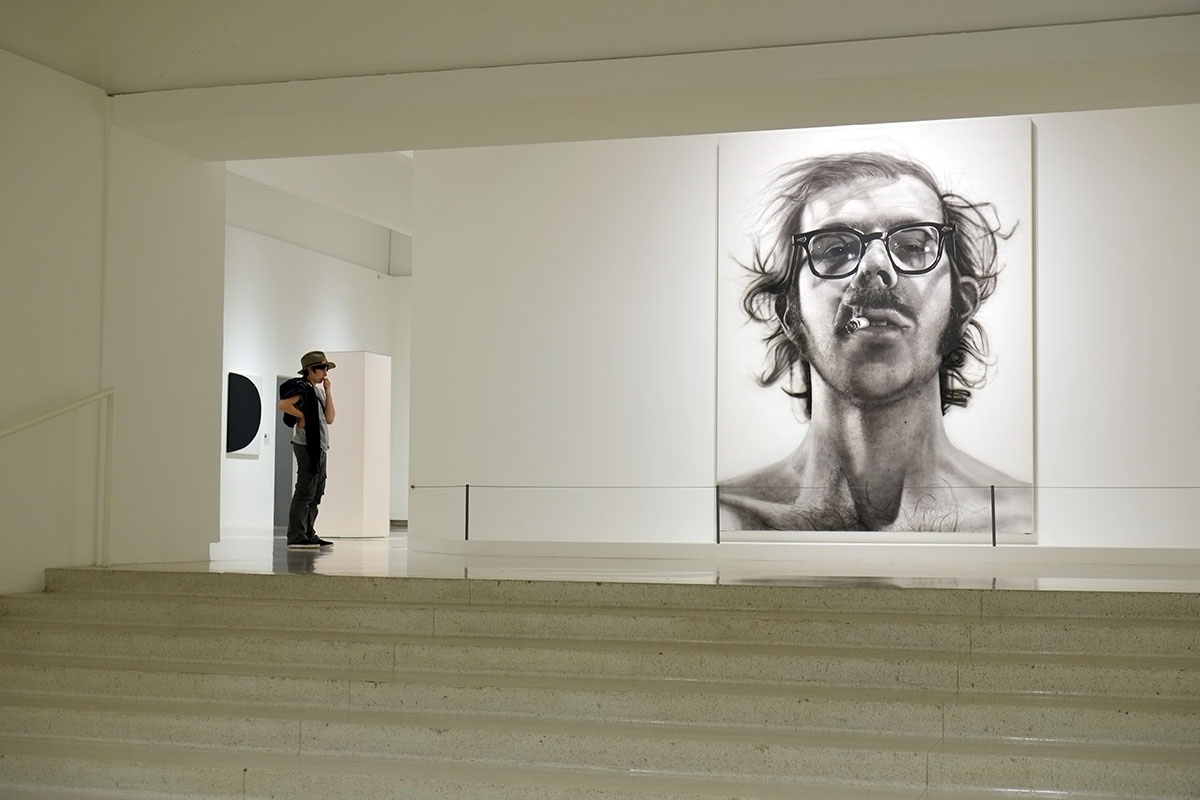
gallery at the Walker

gallery at the Walker

the Herzog & De Meuron face is about to devour that strange church.

the Herzog & de Meuron face is about to devour that strange church.

Greta and Chuck

Greta and Chuck

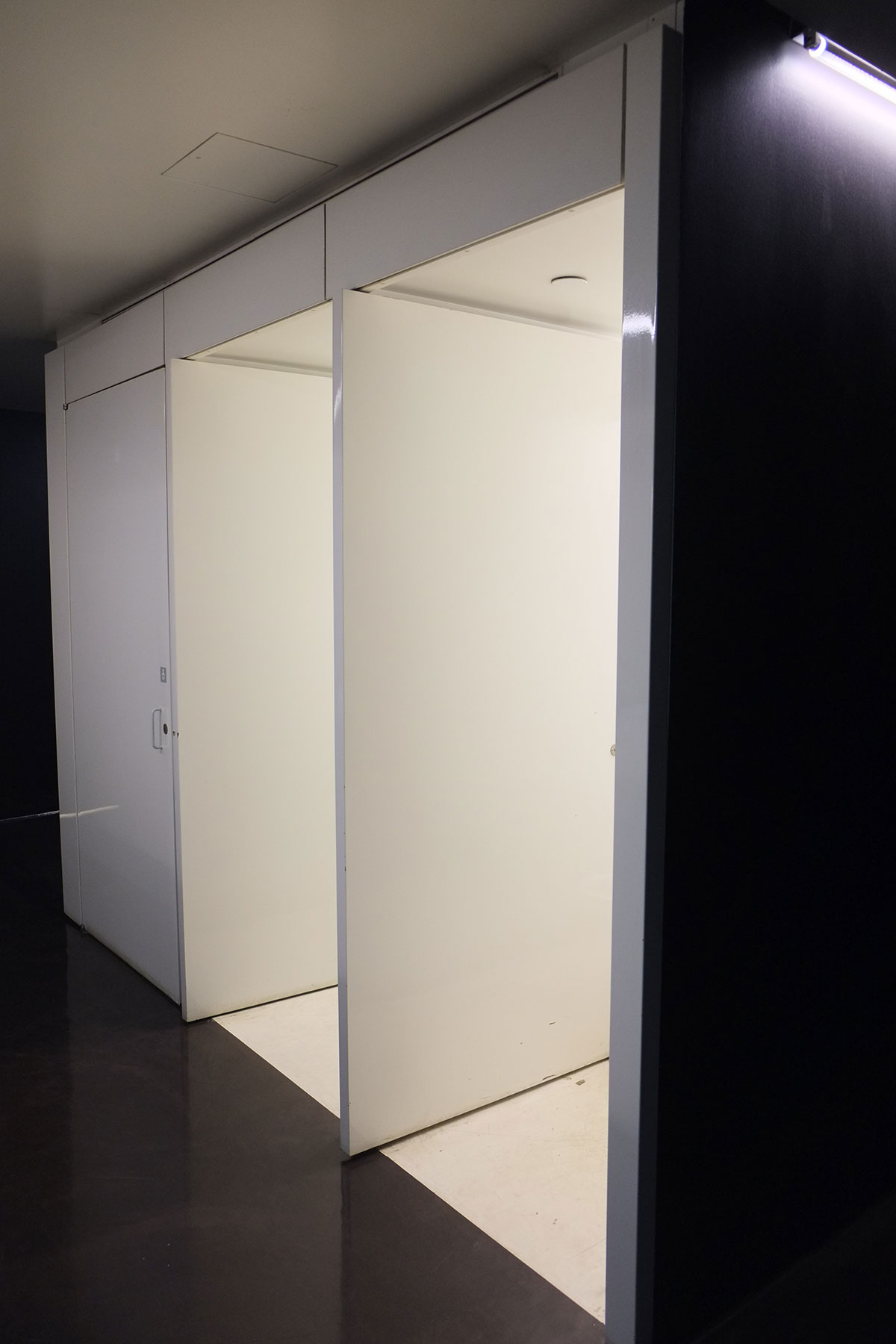
sublime toilet stalls. Move towards the light....

sublime toilet stalls. Move towards the light….

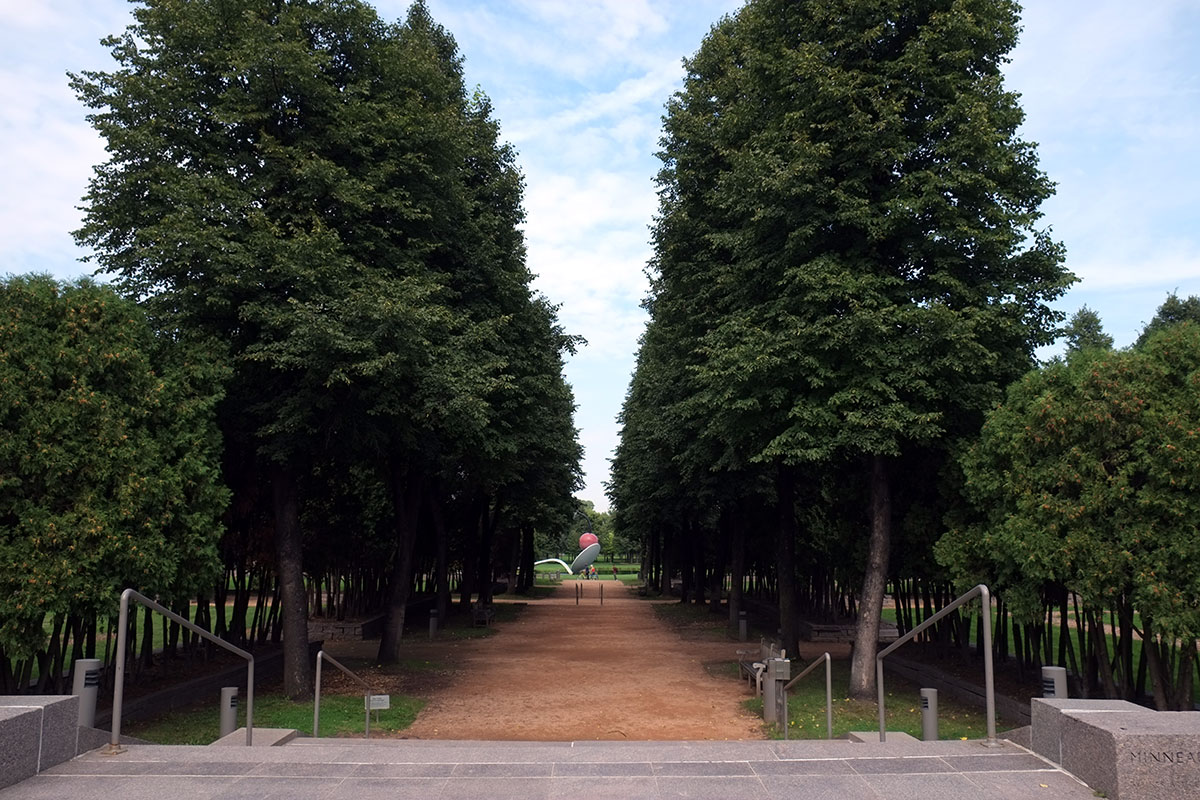
the sculpture garden at the Walker had most of the sculpture removed, but the spaces were just fine without it

the sculpture garden at the Walker had most of the sculpture removed, but the spaces were just fine without it

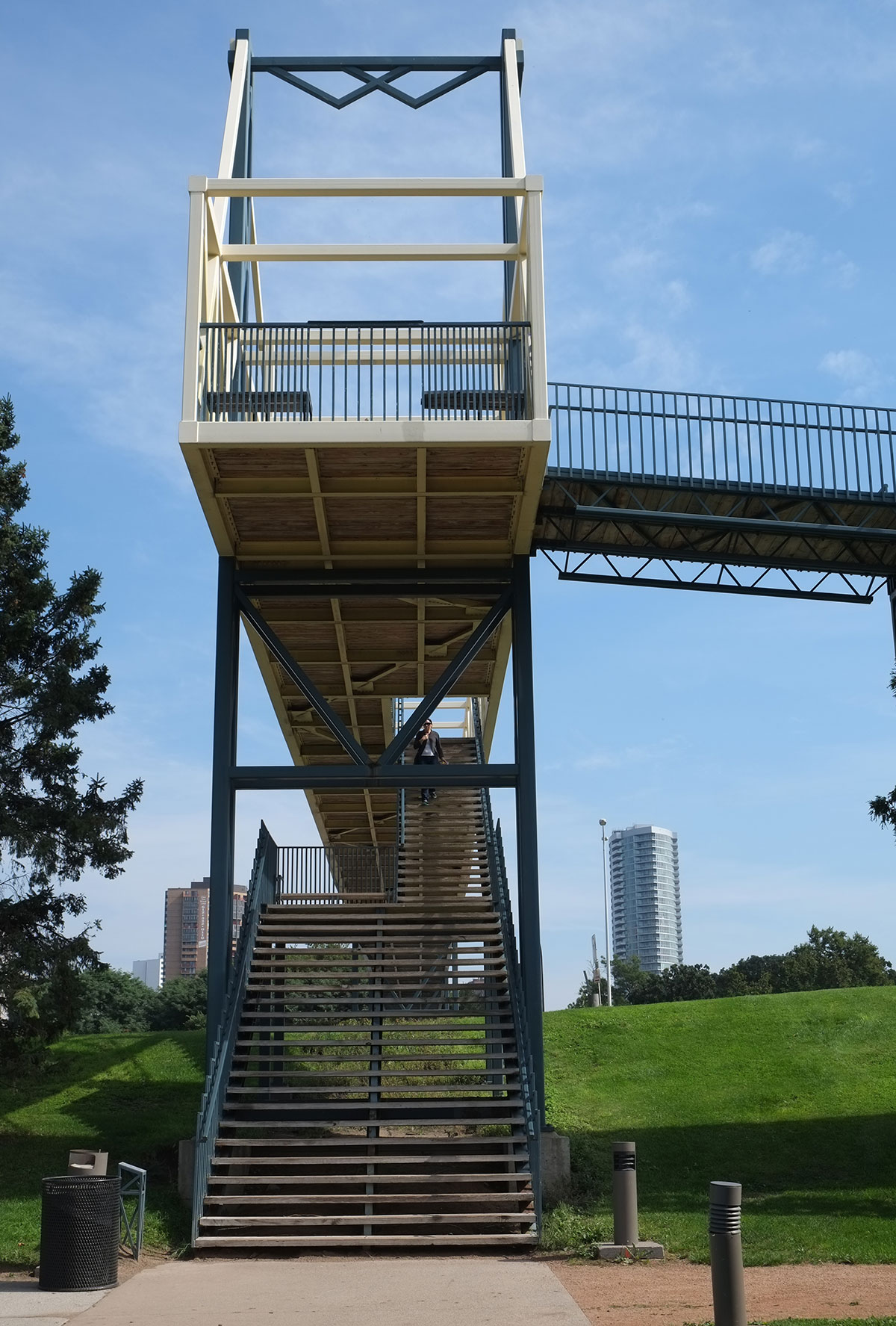
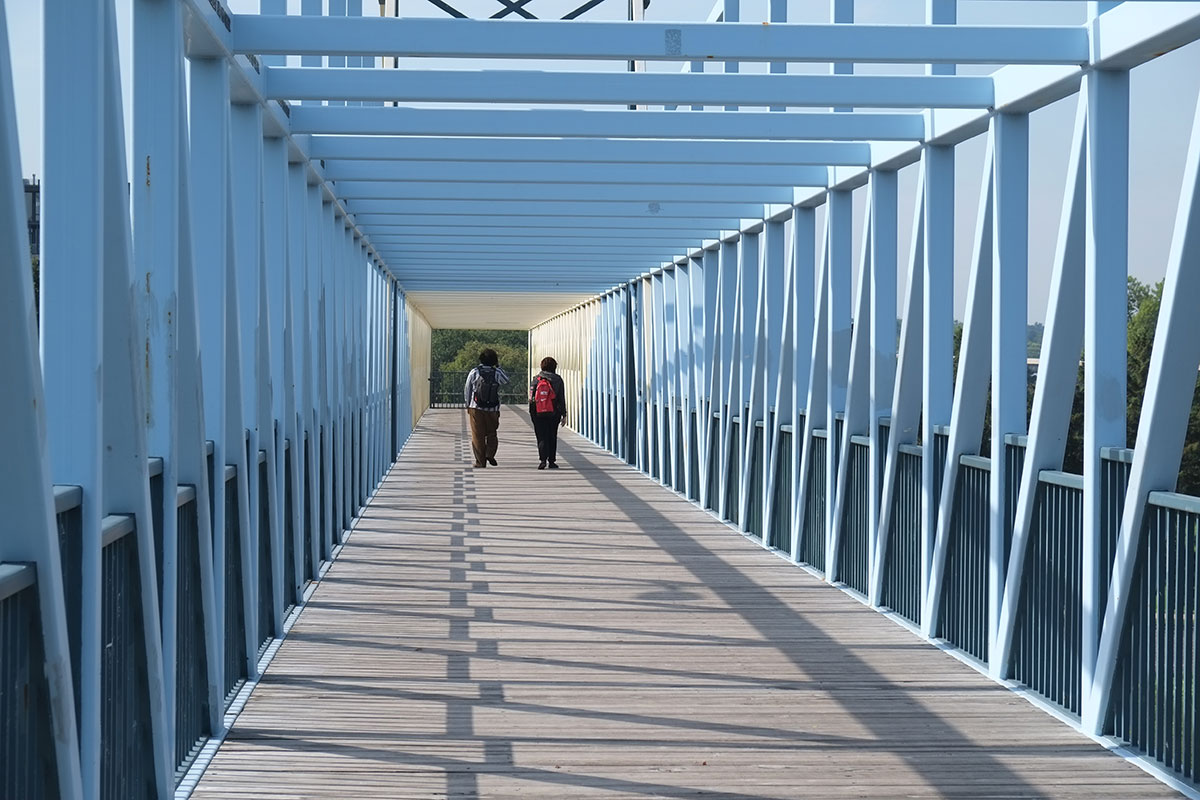
Siah Armajani has been one of my favorite sculptors for three decades.  I finally got to see his largest installation, the bridge in the Walker sculpture garden that extends over a big arterial and an interstate.

Siah Armajani's brdige at the Walker

Siah Armajani’s bridge at the Walker

bridge end

bridge end

the span over an interstate

the span over an interstate

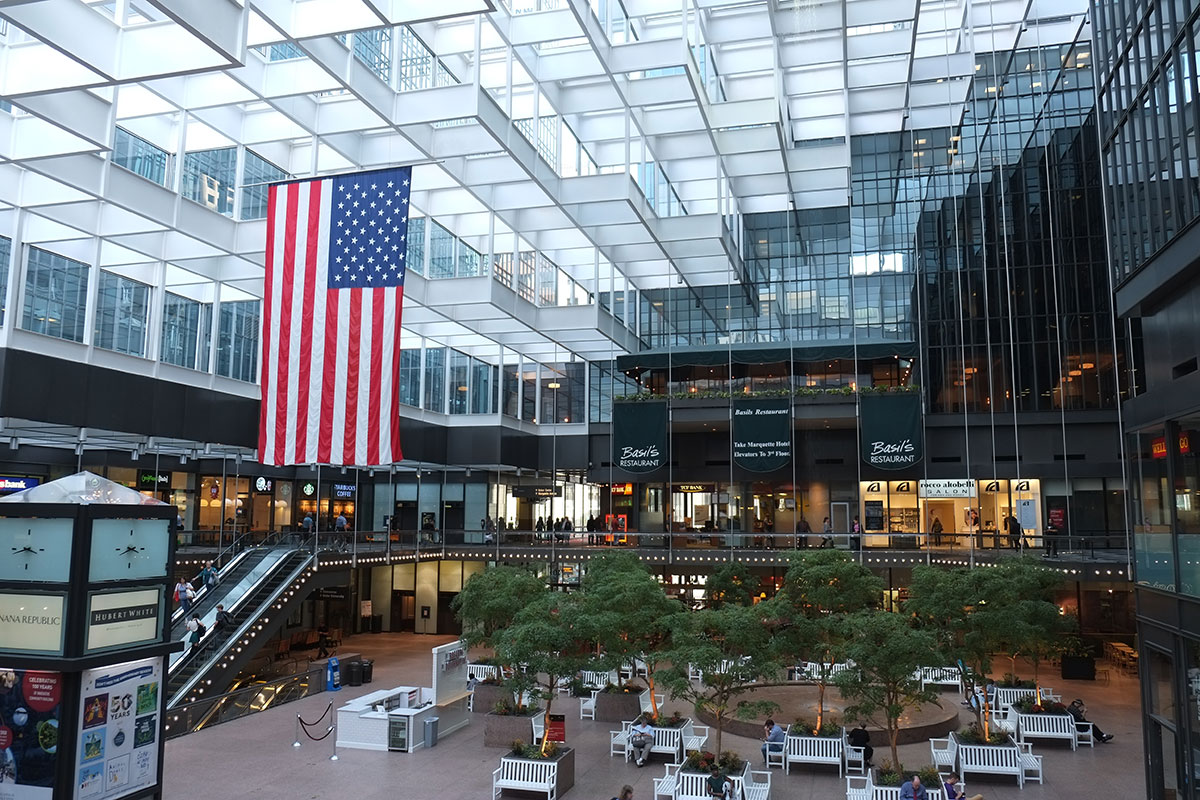
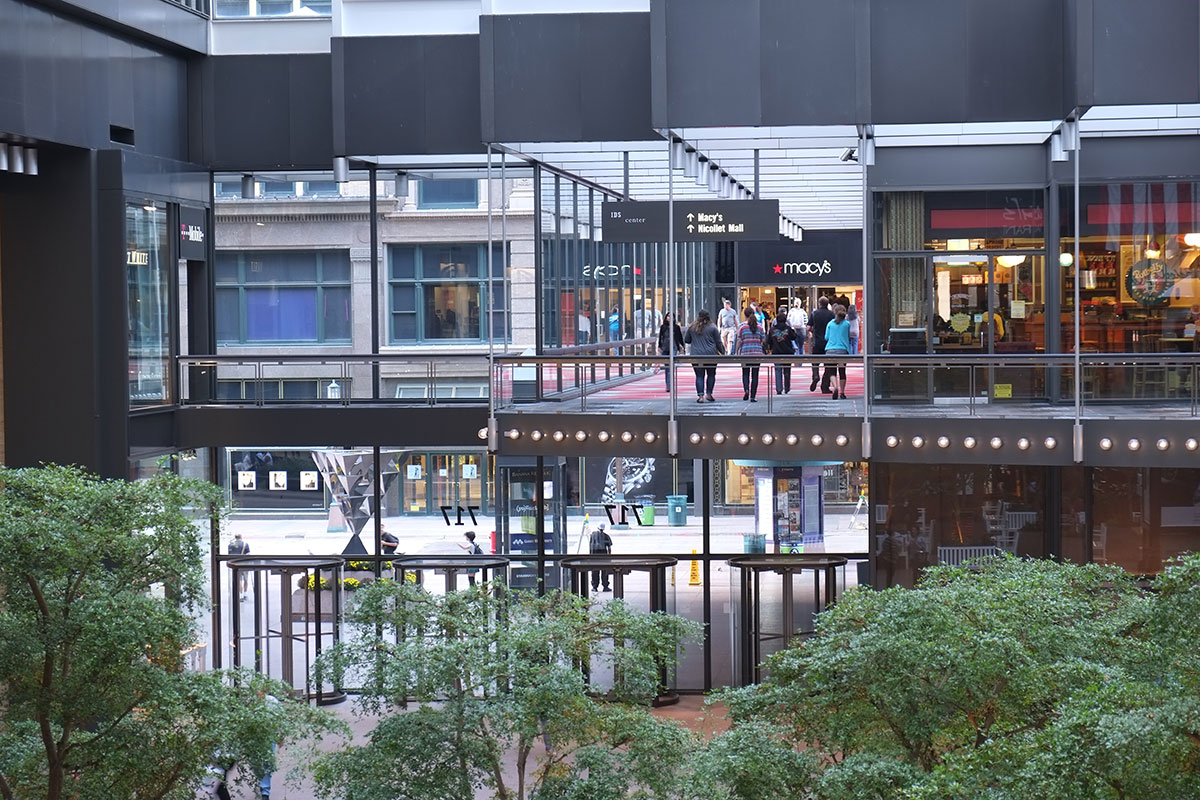
The IDS Center, by Philip Johnson, was innovative with its public atrium when it was built in 1972, and it holds up very well.

the IDS Center, by Philip Johnson, from 1972. This public atrium was innovative when it was built, and it holds up remarkably well. The coffered skylight roof is great.

the coffered skylight roof.

the court intersects with the skybridge system really well - making the skybridge part of the spatial experience, rather than just tunnels and gerbil tubes on the second floor.

the court intersects with the skybridge system really well – making the skybridge part of the spatial experience, rather than just tunnels and gerbil tubes on the second floor.

Lots of other buildings to see.

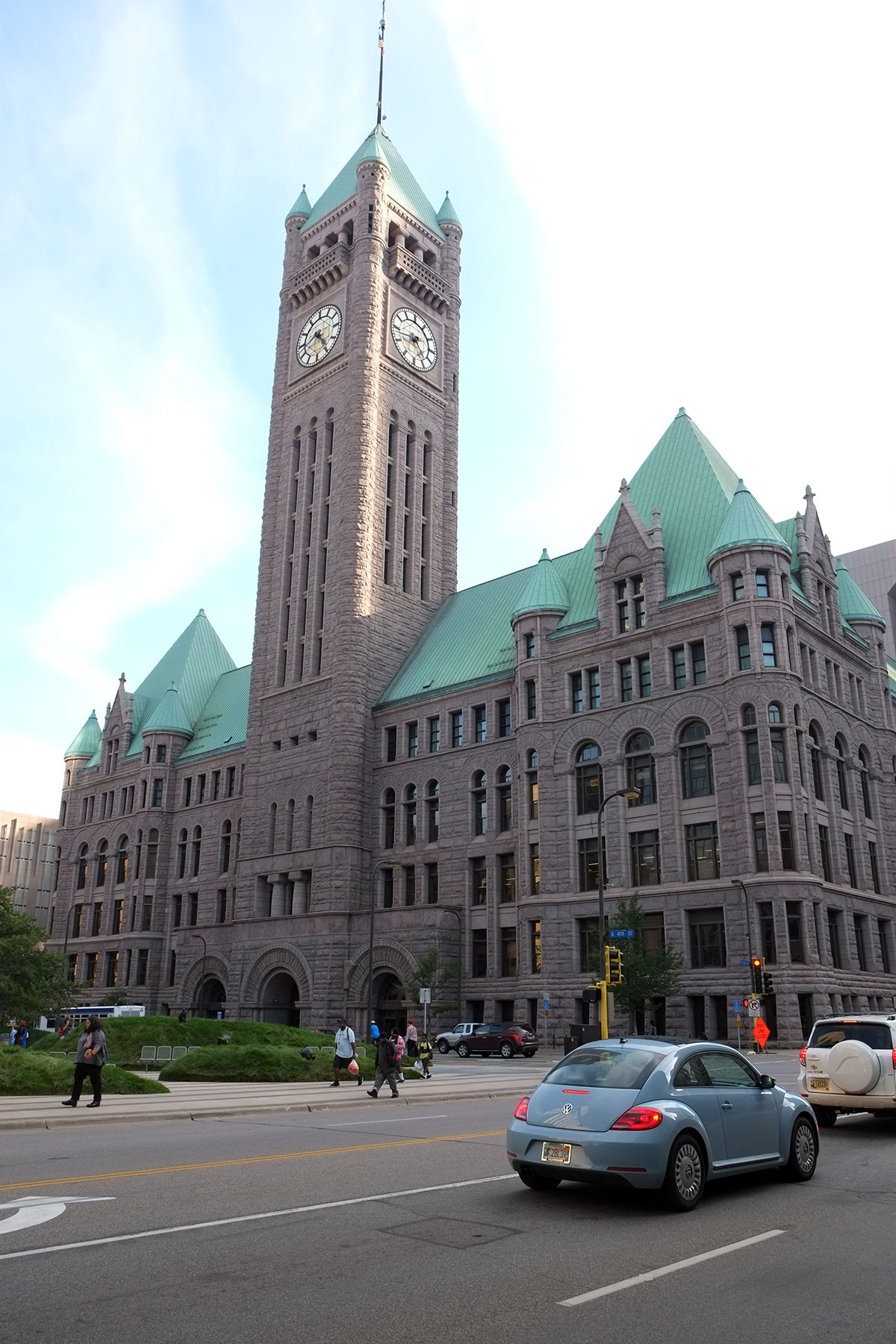
HH Richardson should sue these guys for copyright infringement.

HH Richardson should sue these guys for copyright infringement.

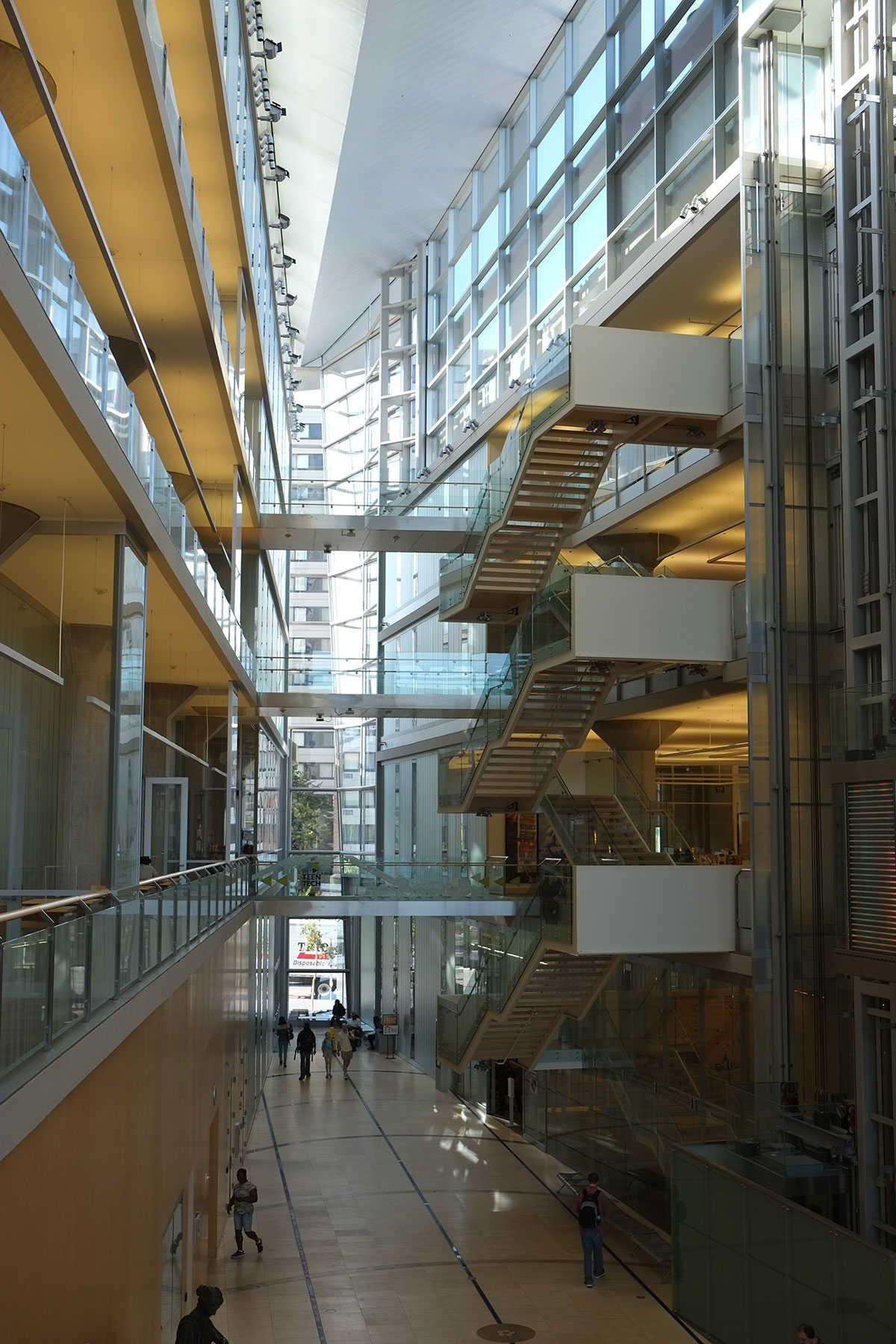
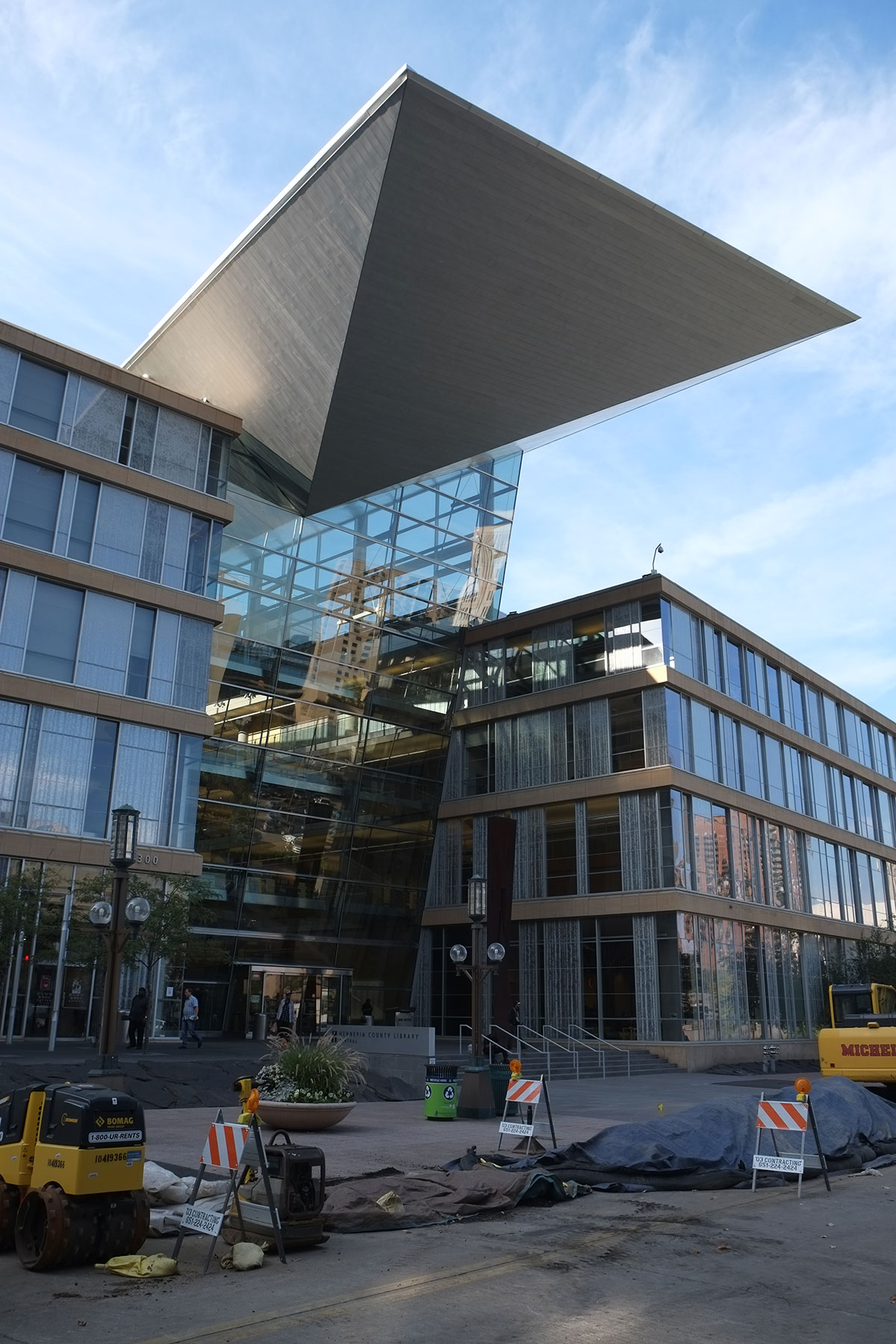
the downtown library, by Cesar Pelli. The linear atrium has clerestory windows which bounce light in off the big wedge floating above.

the downtown library, by Cesar Pelli. The linear atrium has clerestory windows which bounce light in off the big wedge floating above.

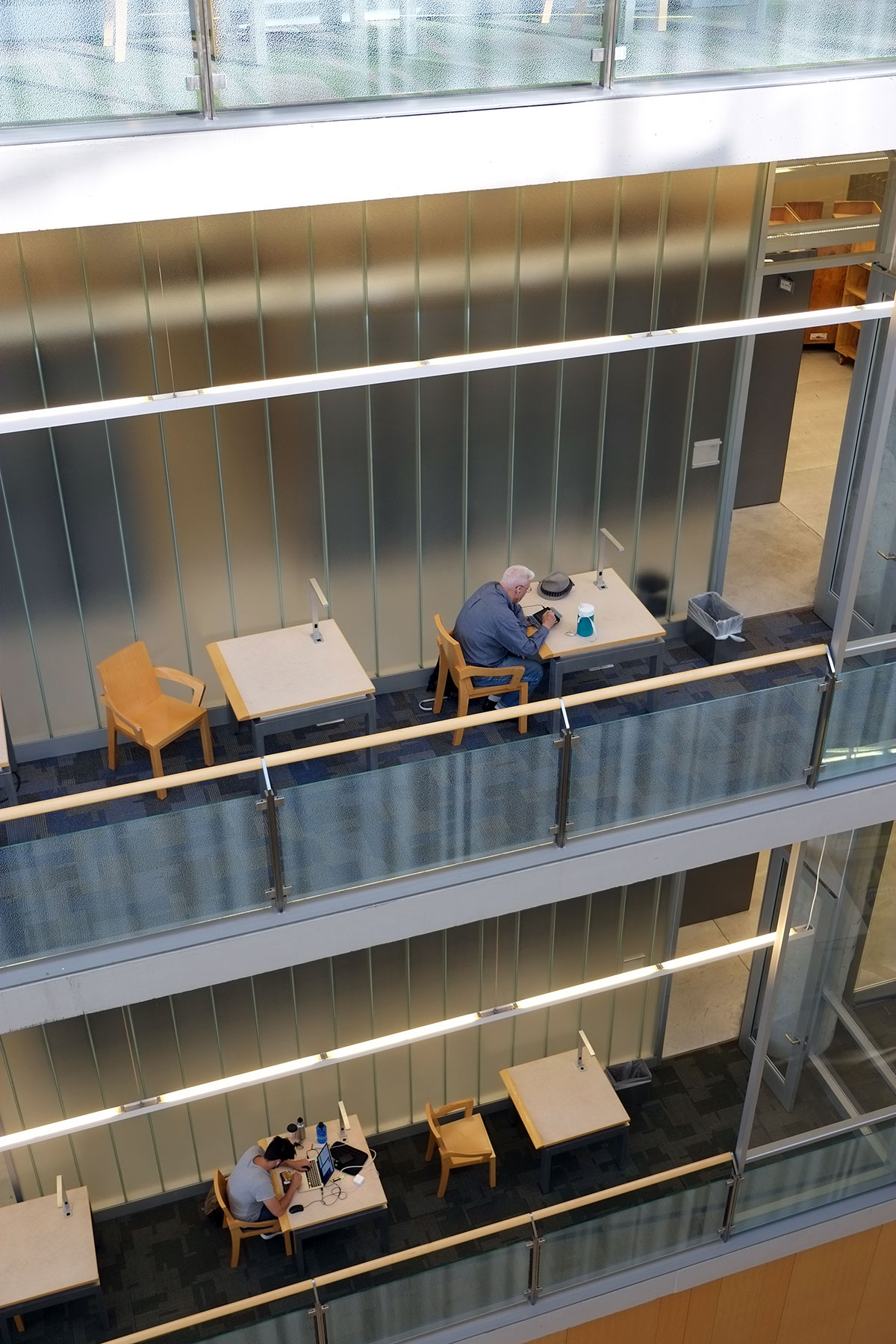
individual study carrels on balconies hanging into the atrium

individual study carrels on balconies hanging into the atrium

the wedge emerges at the ends of the building

the wedge emerges at the ends of the building

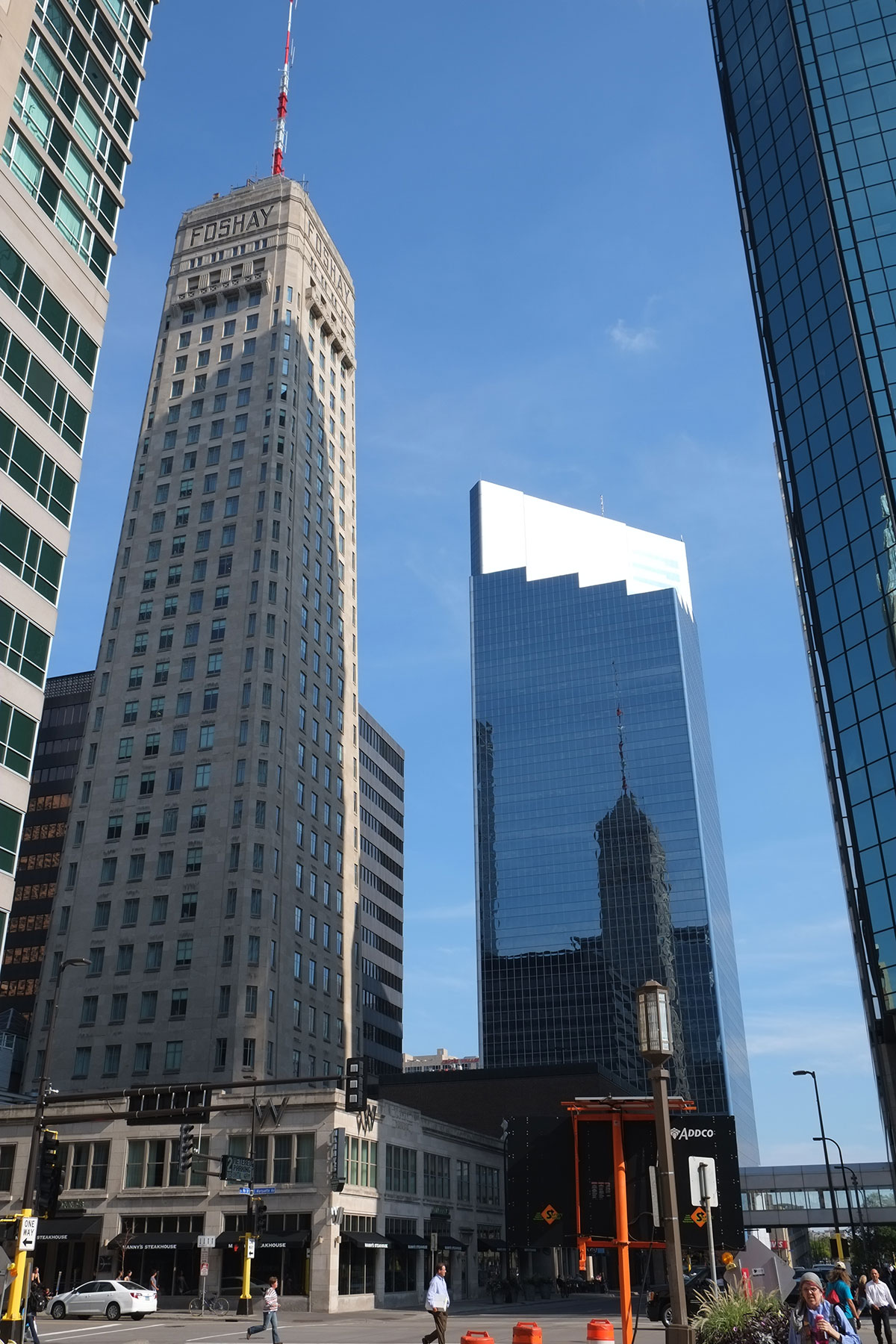
the Foshay Tower, one of the early skyscrapers I've seen that doesn't follow either the Chicago slab or the NY base-and-tower approach.

the Foshay Tower, one of the early skyscrapers I’ve seen that doesn’t follow either the Chicago slab or the NY base-and-tower approach.

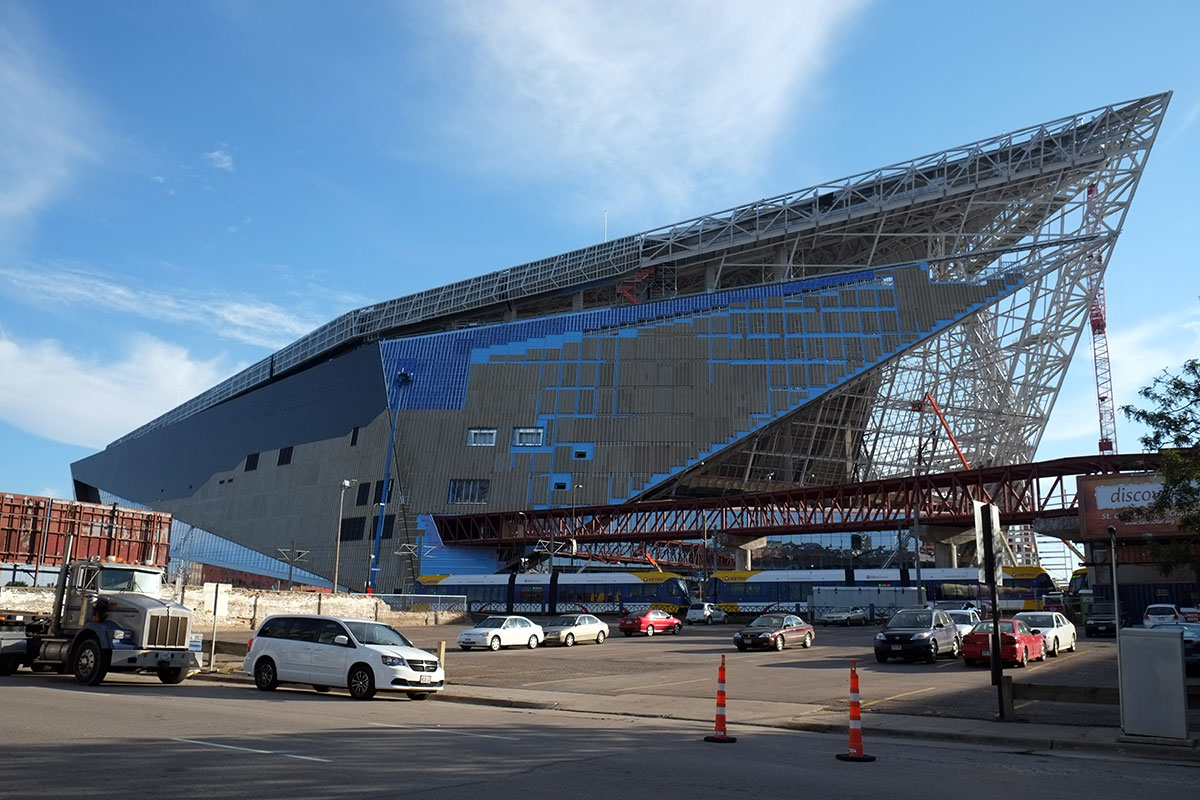
the new stadium appears to be a kaiju rising out of the rift

the new stadium appears to be a kaiju rising out of the rift

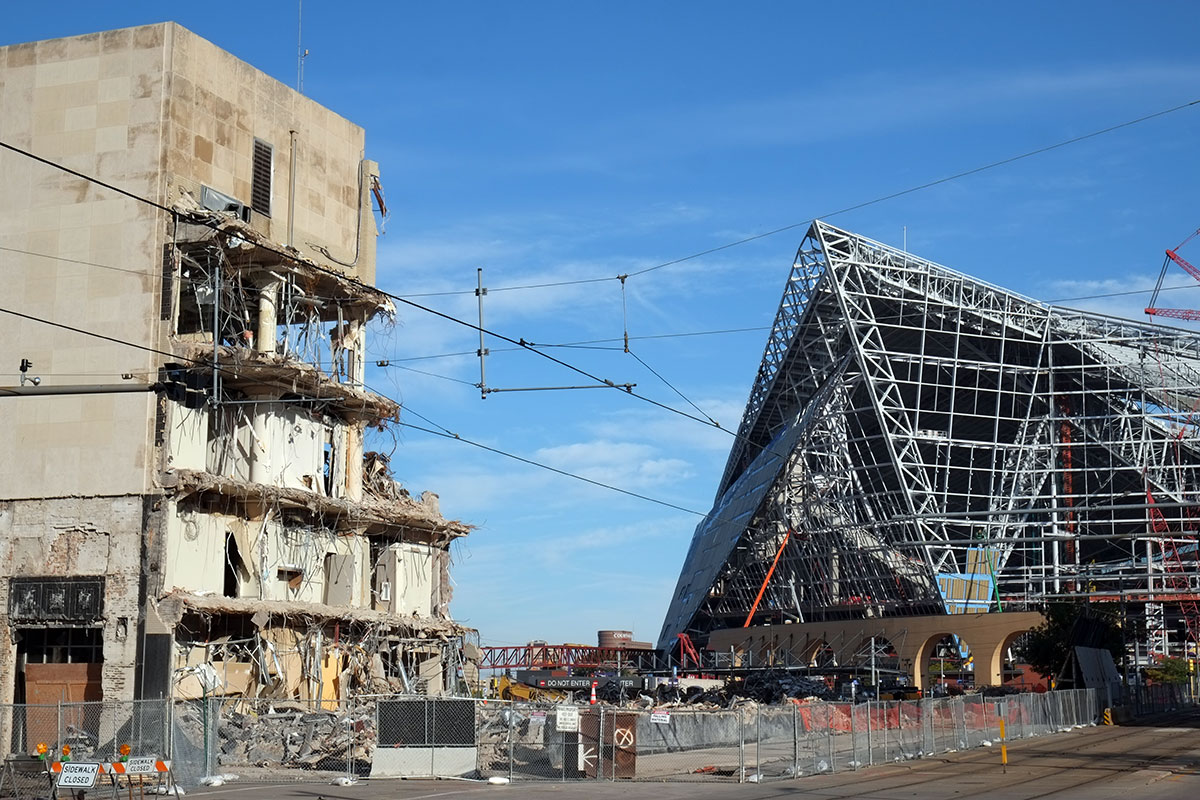
the kaiju is devouring the older buildings in Minneapolis

the kaiju is devouring the older buildings in Minneapolis

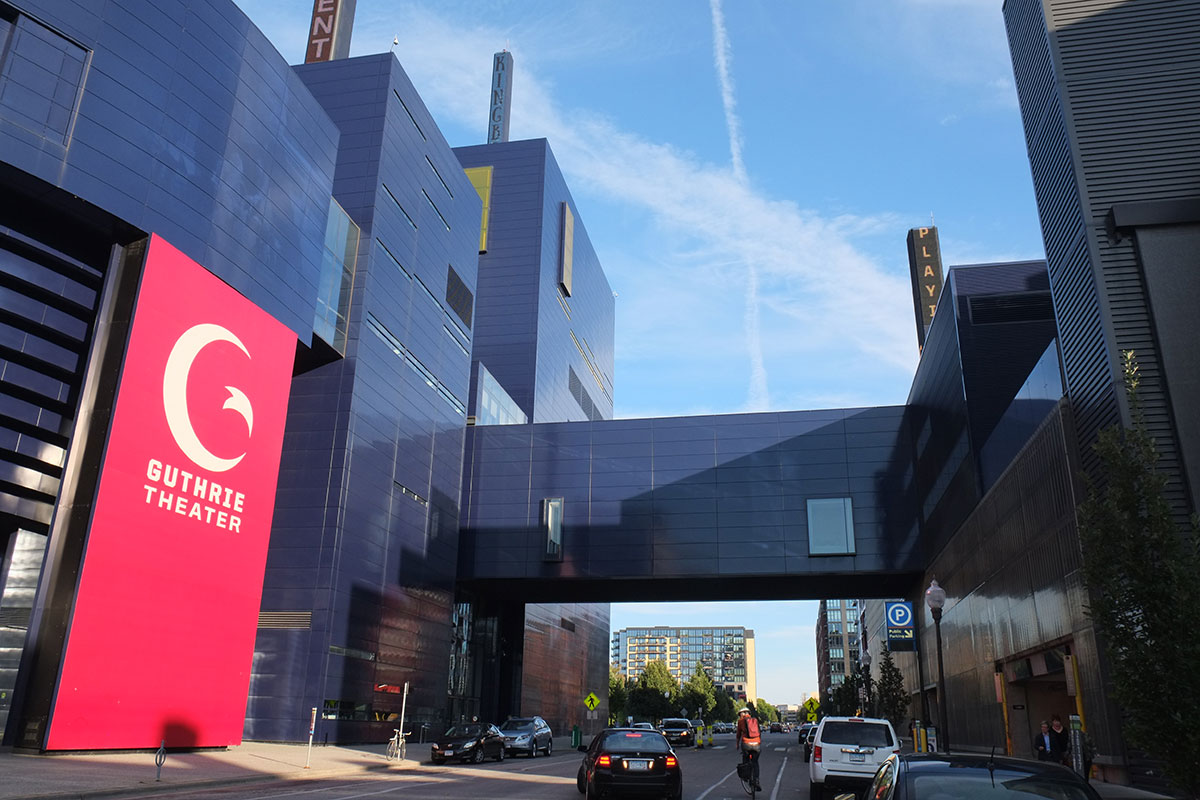
the Guthrie Theater, by Jena Nouvel. I've seen two Novel buildings, and they've both been large, blue boxes.

the Guthrie Theater, by Jean Nouvel. I’ve seen two Nouvel buildings, and they’ve both been large, blue boxes.

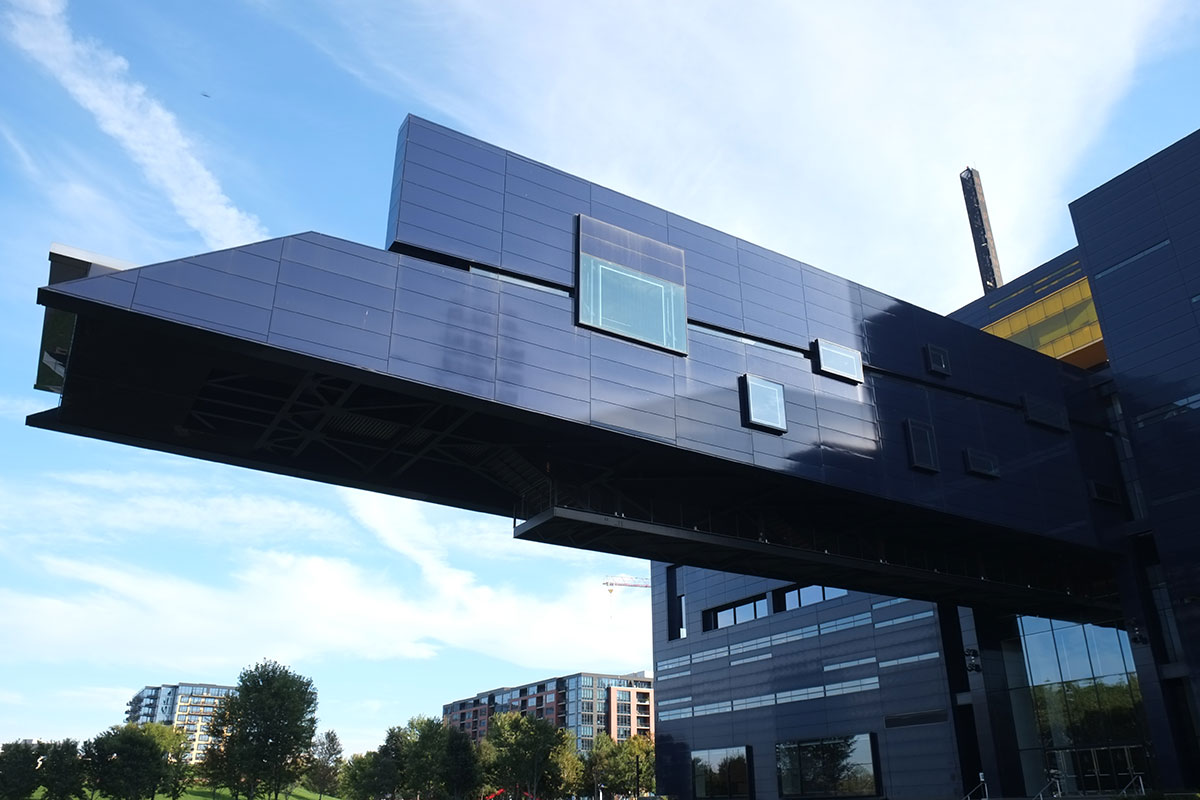
The big cantilever at the Guthrie

The big cantilever at the Guthrie

the view from the end of the cantilever at the Guthrie

the view from the end of the cantilever at the Guthrie

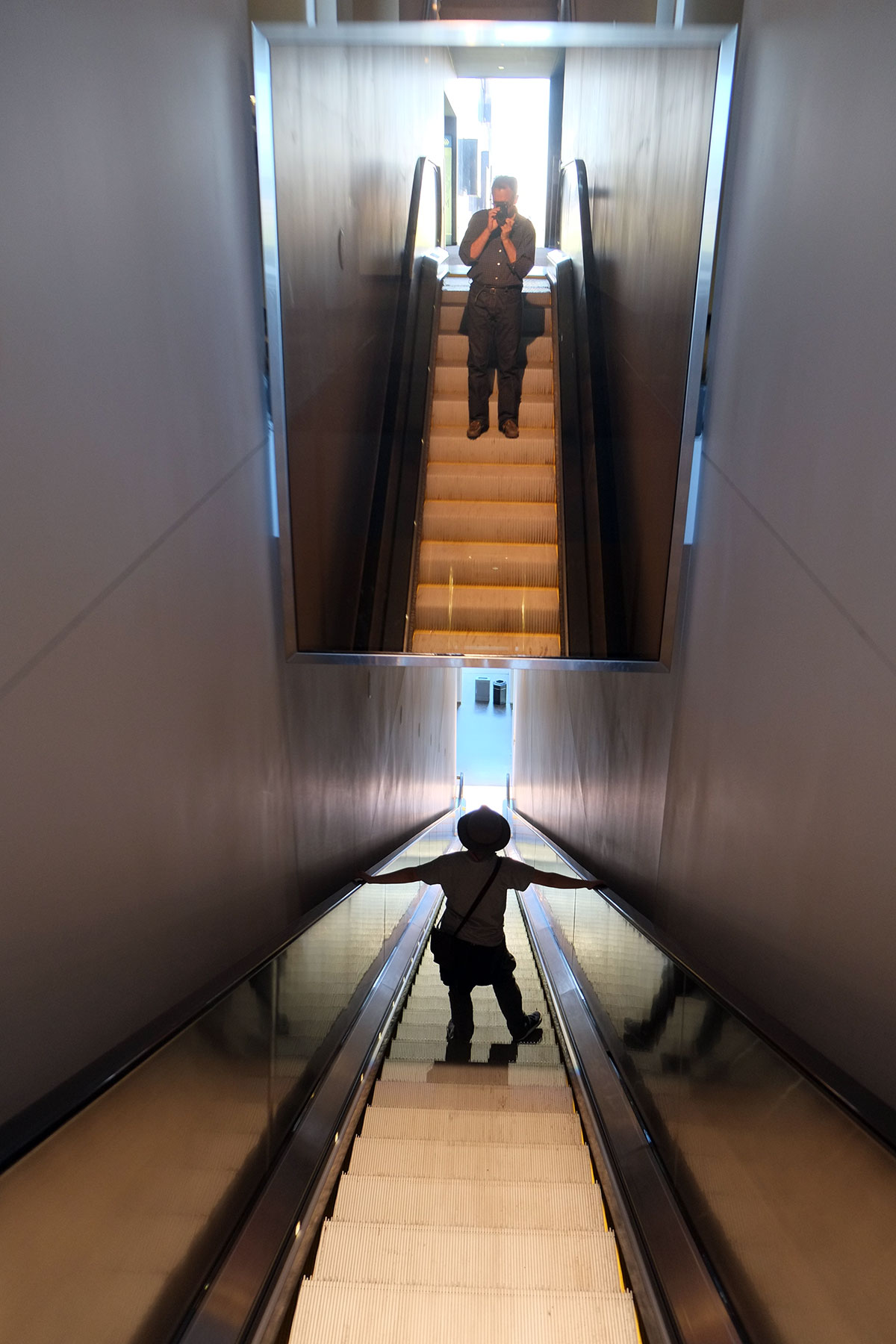
family portrait, on the second-longest escalator I've ever seen.

family portrait, on the second-longest escalator I’ve ever seen.

South Dakota weirdness, part 2

DSCF8539After Mt. Rushmore, Wall Drug and the Prairie Dog God, we wondered if there could be even more weirdness in western South Dakota.  Yes, there most definitely can.

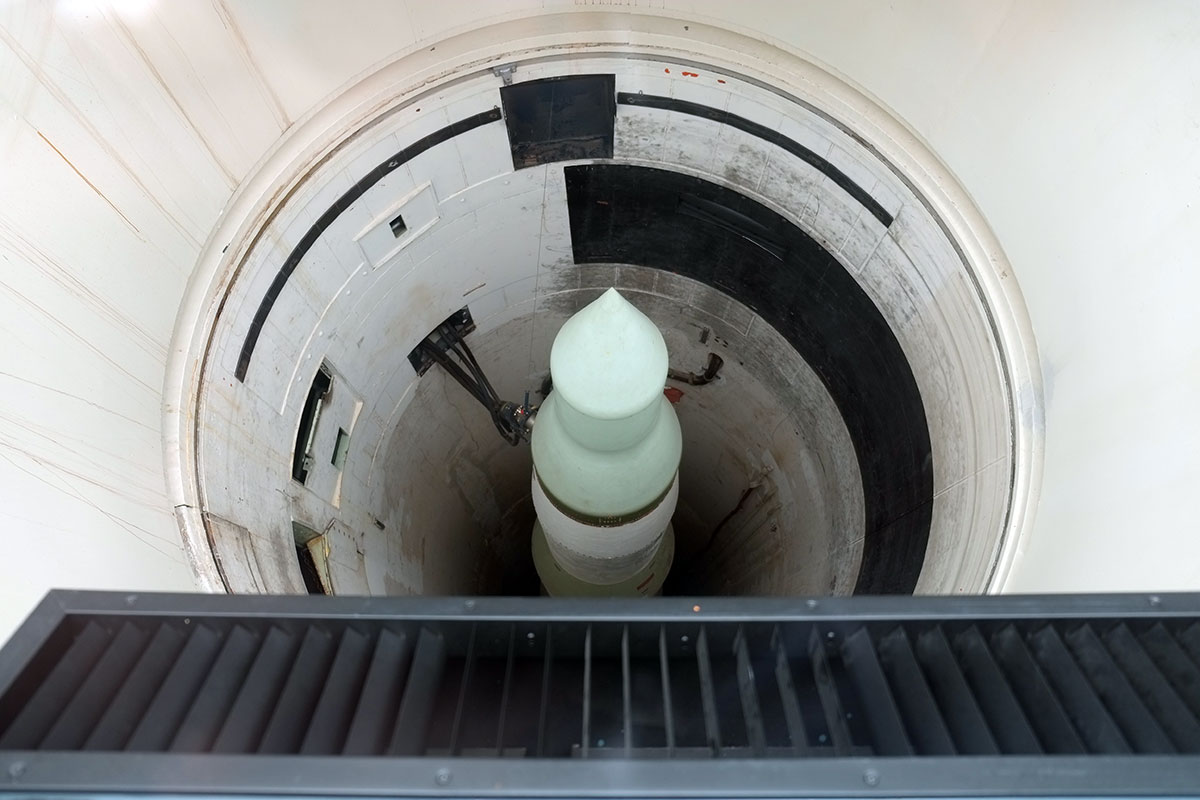
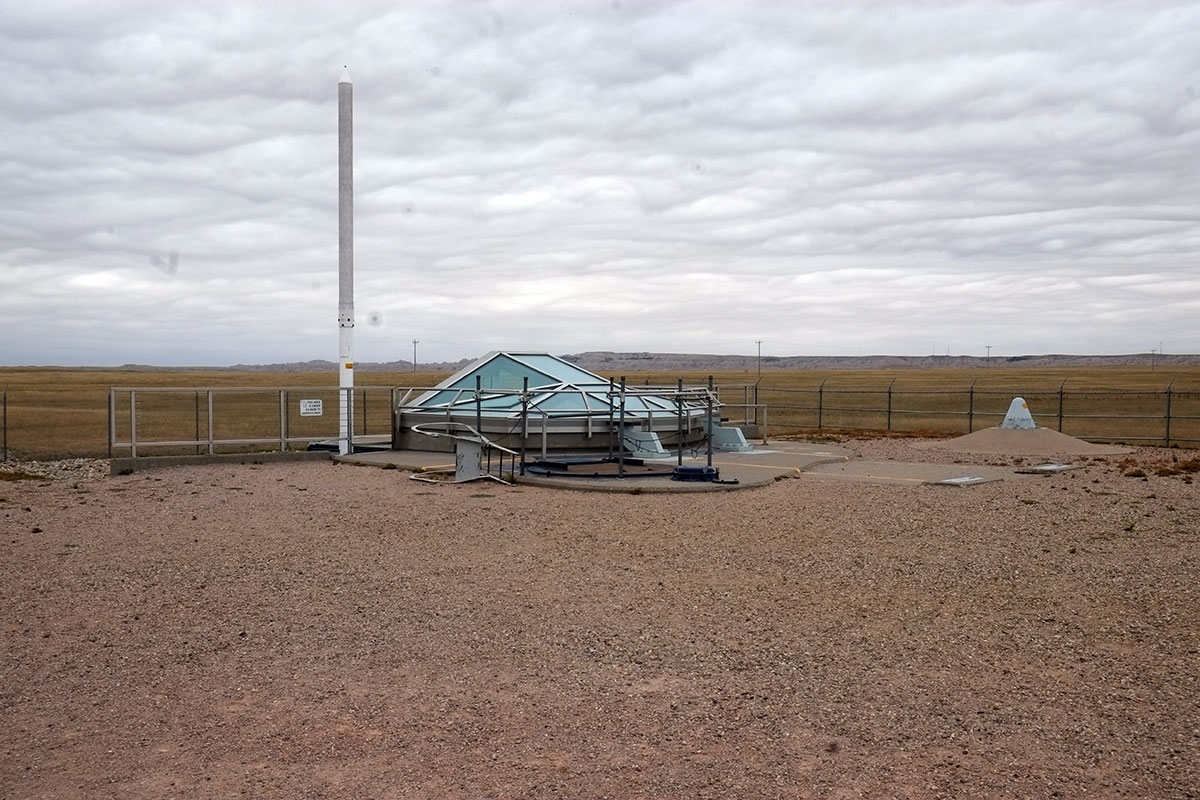
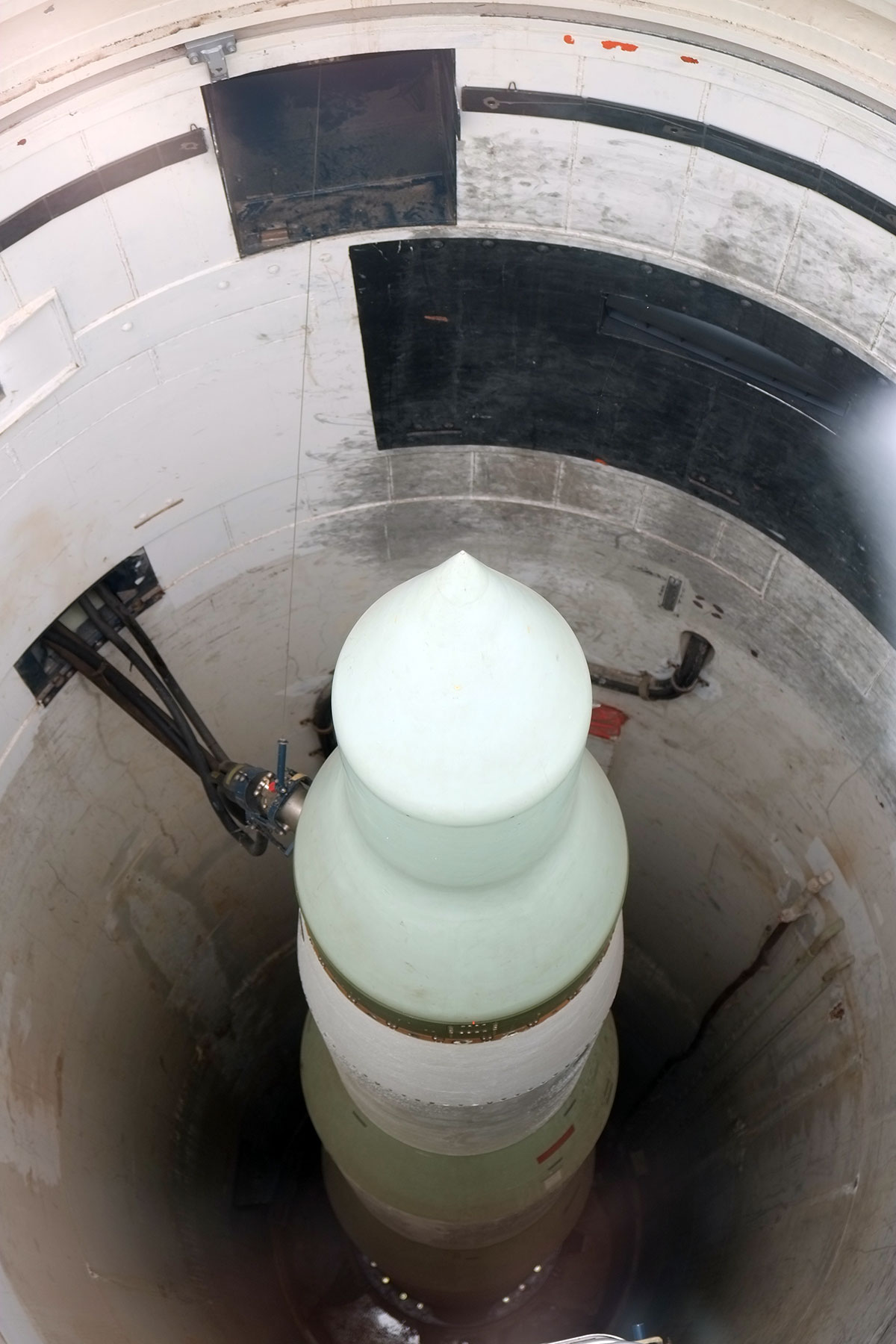
We visited Delta-09, a Minuteman II silo, where we saw an actual nuclear missile.

DSCF8547

DSCF8540

It’s a weird place – a chain-link fence enclosure in the middle of the prairie, where they leave the gate open so you can enter and look into the silo.  There is a phone number you can call on your phone, and then punch in various numbers to get information about it.  We tried to do that, and couldn’t get it to work, and then realized we had just called an unknown phone number from a nuclear missile site, and the NSA now had our number, and ever since we’ve been seeing some suspicious vehicles in the rear-view mirror.

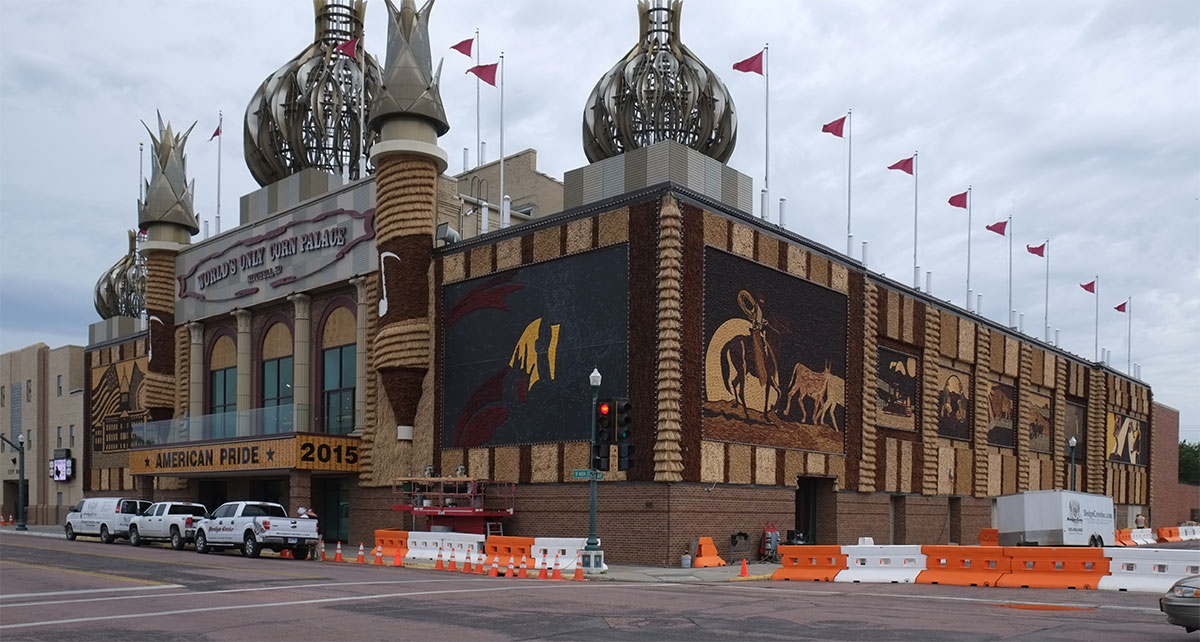
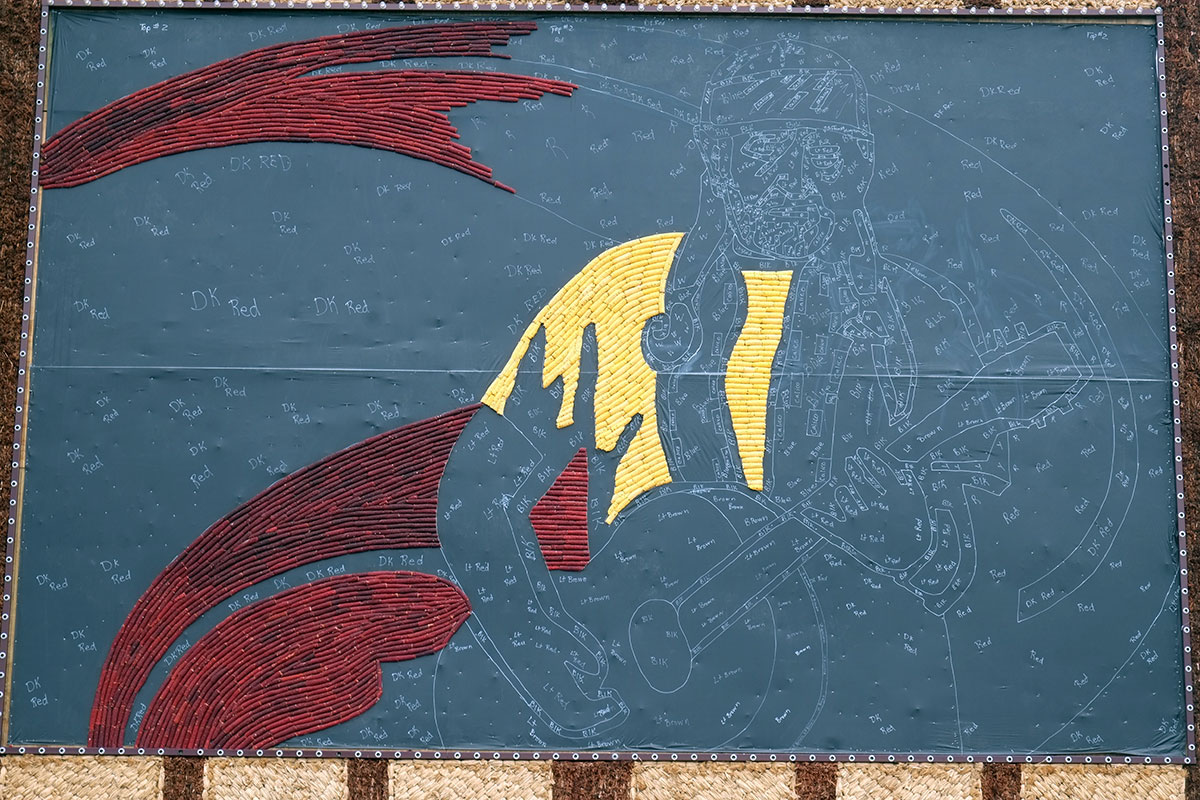
We quickly moved along to Mitchell SD, for a viewing of the Corn Palace.  It is undergoing one of its regular refurbishments, where new murals are made out of corncobs. DSCF8637

It was cool to see the underlying layout sketched out before the corncobs are added, as in this picture, which seems to be of Willie Nelson:

DSCF8649

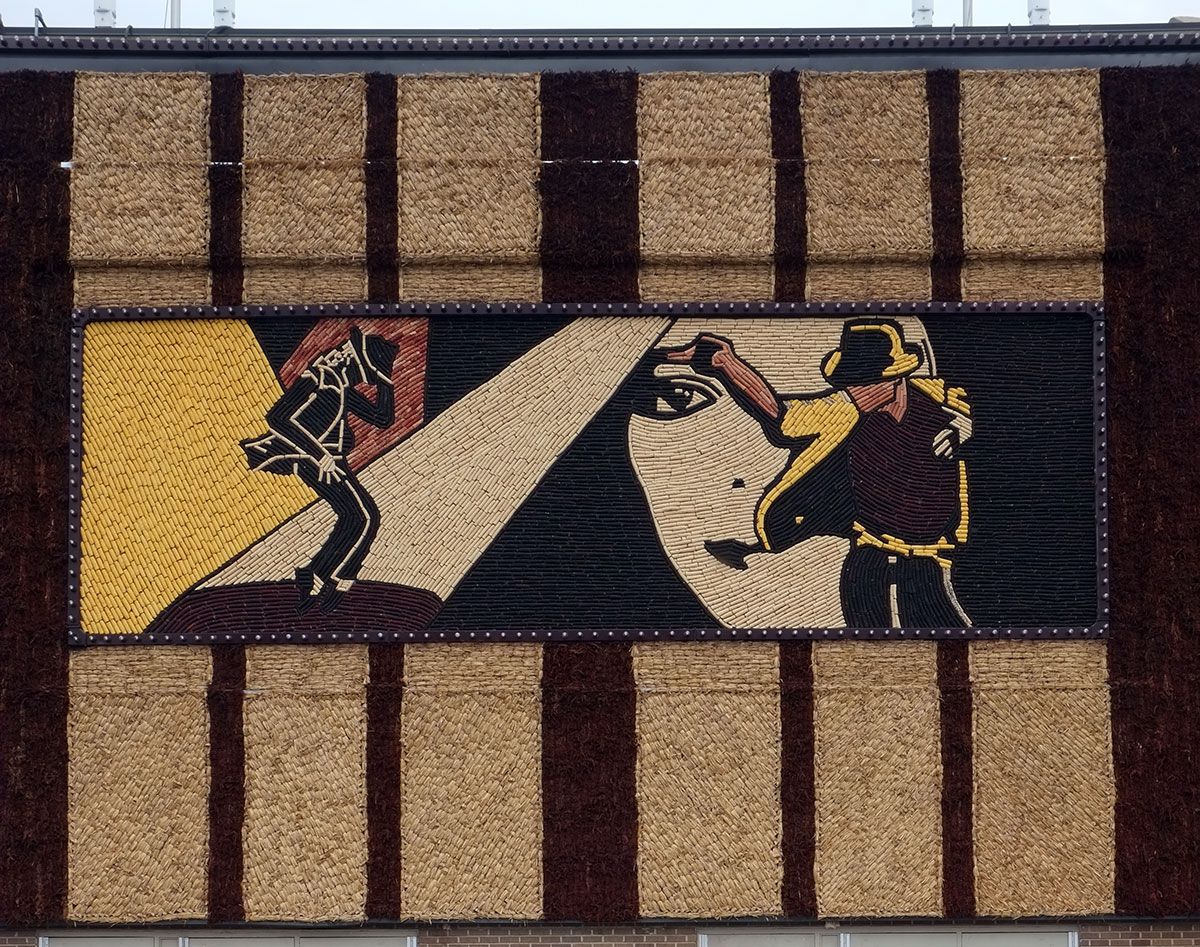
We were a little more perplexed by this mural, until we realized it was a portrait of Michael Jackson, an attempt by the Corn Place to appeal to a younger audience through an homage to a 30-year-old pop tune.

DSCF8644

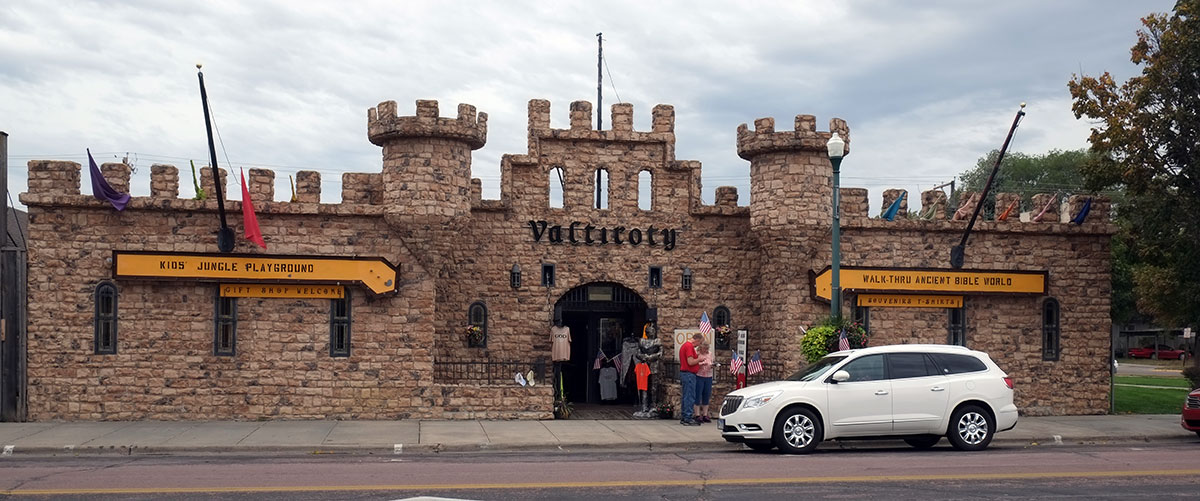
But that is only the beginning of the weirdness in Mitchell. Right across the street is “Valticoty”, a gift shop in a castle, with a “kids jungle playground” and a “walk-thru ancient bible world.”  When we were perplexed by the name, the owner, apparently an eastern-European fundamentalist, told us it was from the initial syllables of the names of the Three Wisemen.  We moved along quickly.

DSCF8651

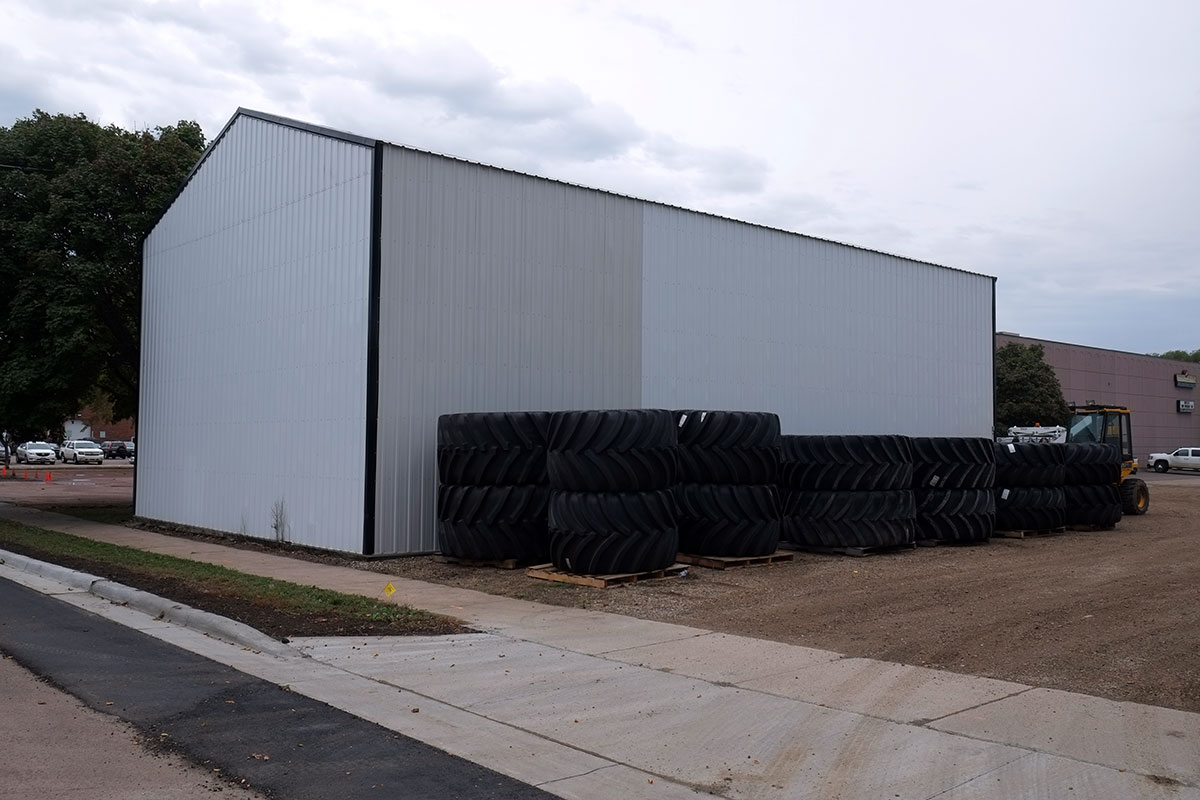
While the Corn Palace gets most of the attention, one should certainly not miss the Tire Palace

DSCF8632

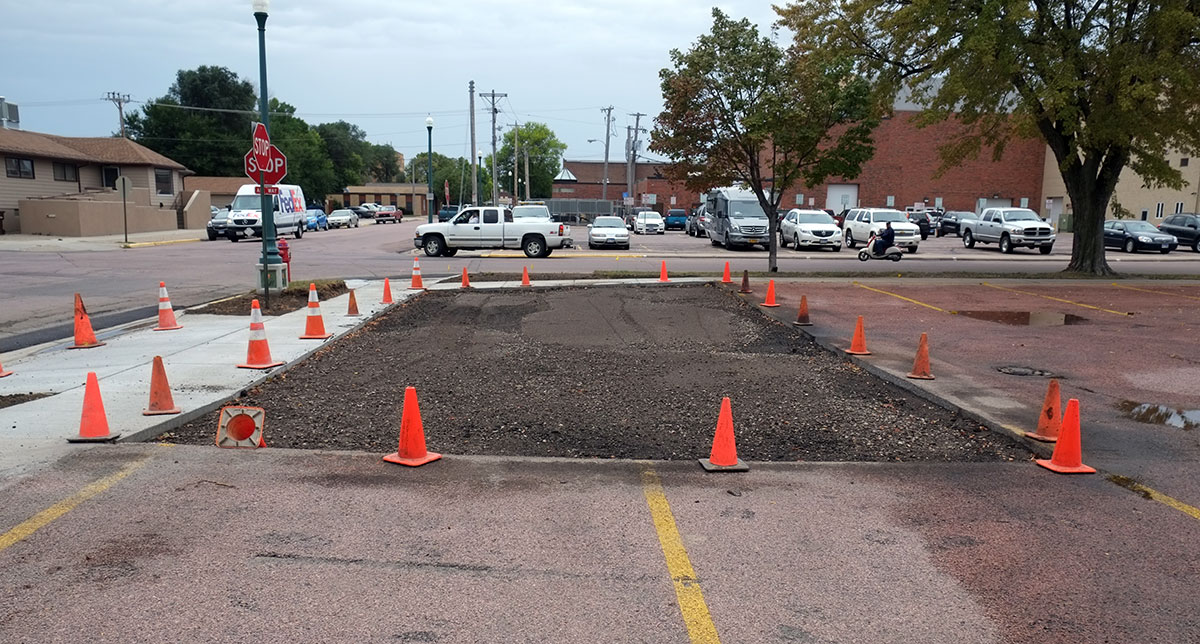
nor the Cone Palace:

DSCF8633

We left the Twilight Zone and drove to the Twin Cities.

Kitsch, high and low

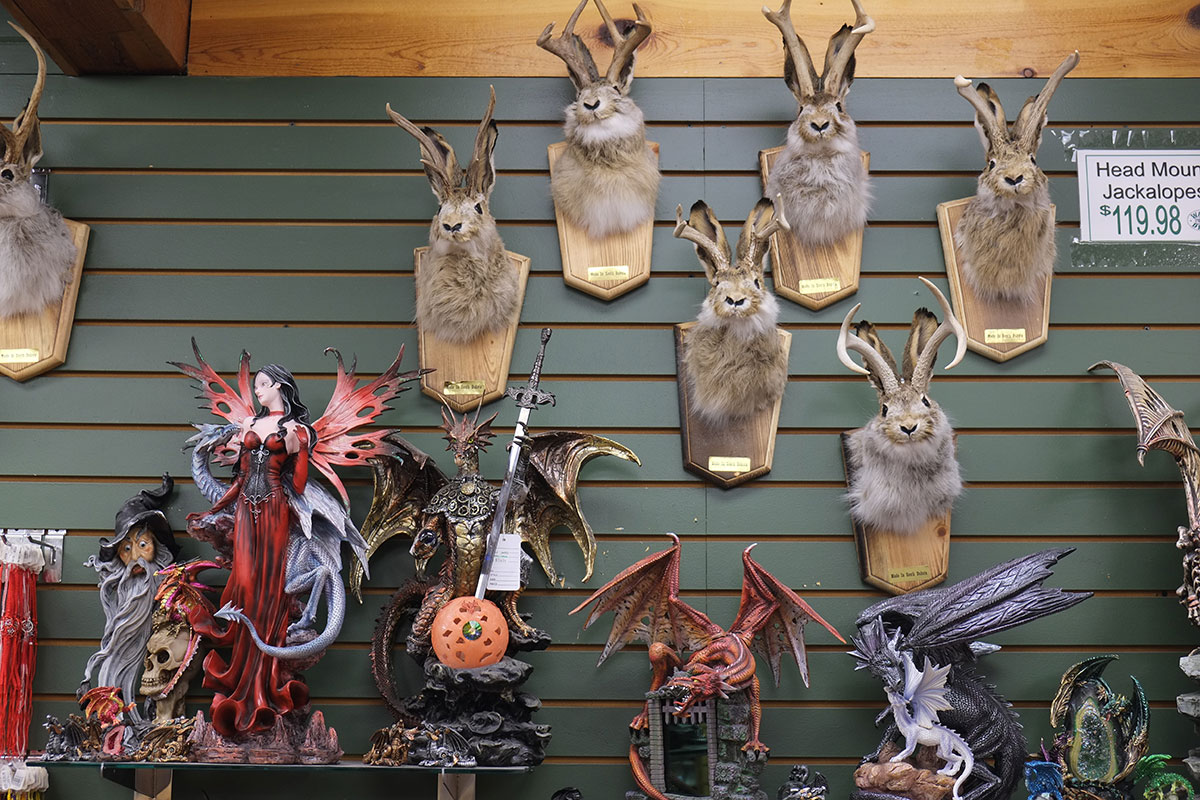
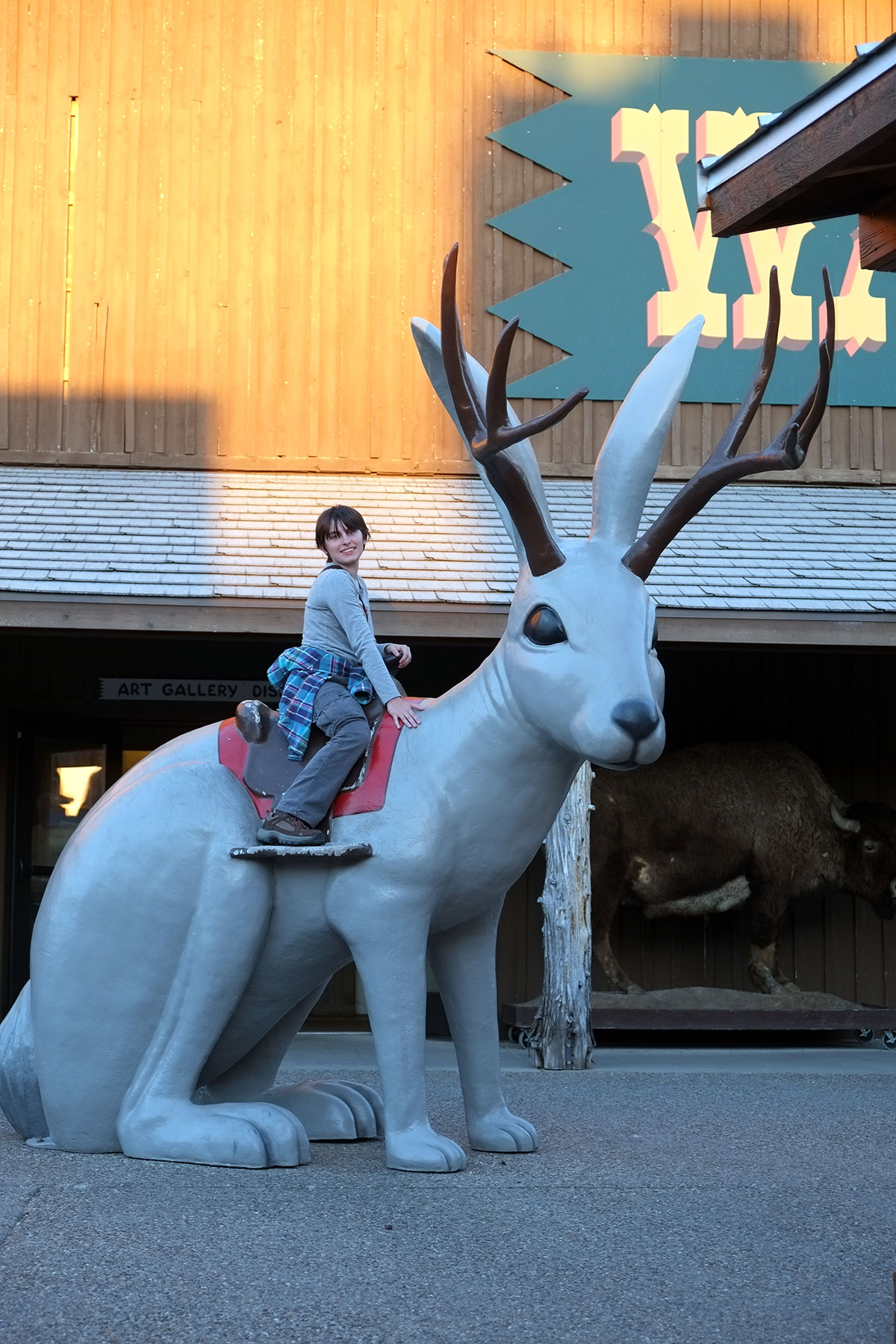
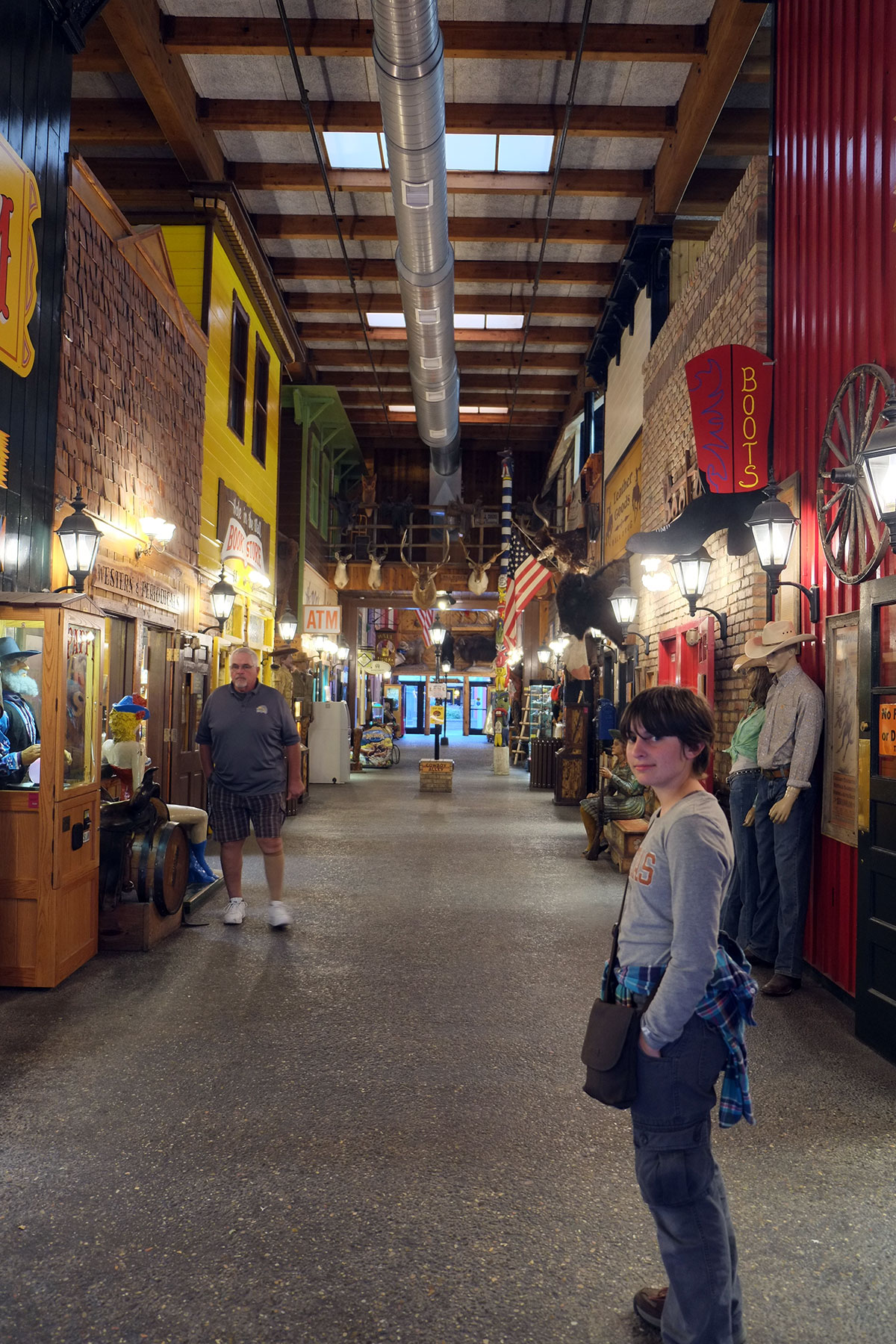
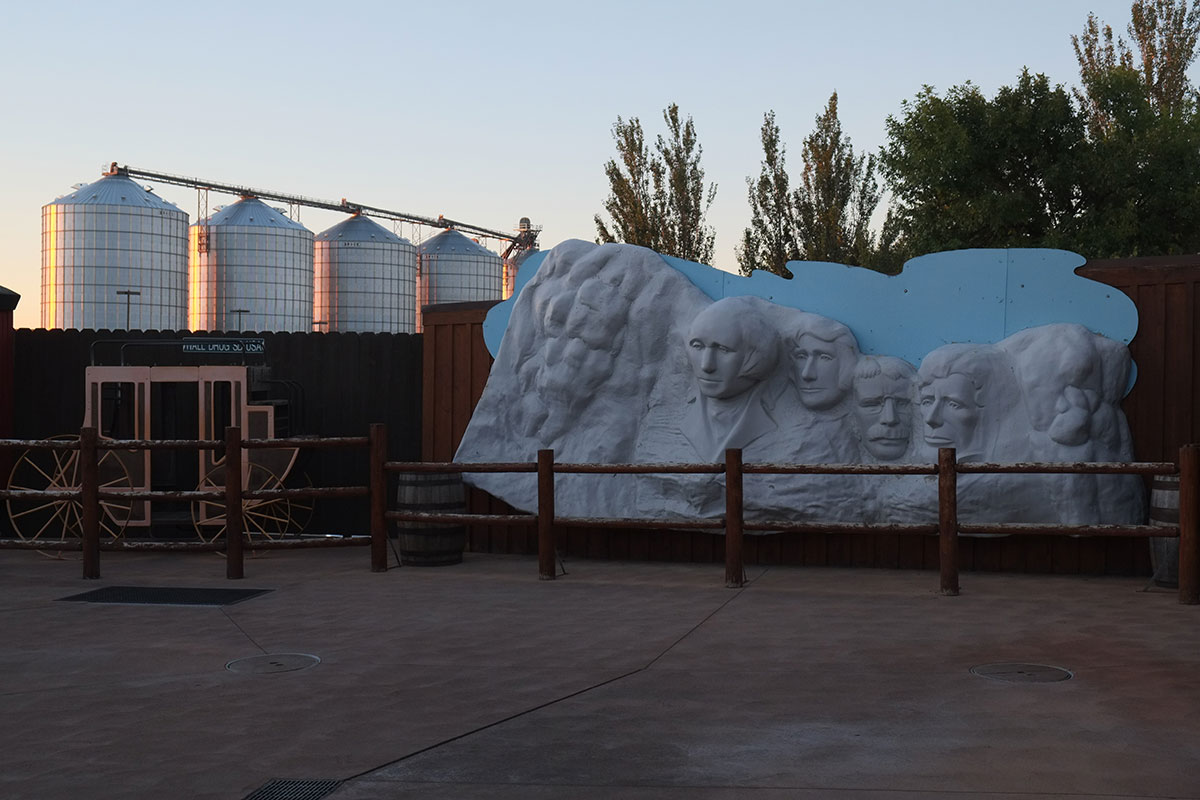
DSCF8533On Monday we were in western South Dakota, which must have the greatest concentration of kitsch in North America.  We’re all familiar with Wall Drug, the fabulously irrepressible, over-the-top apotheosis of western tourist culture kitsch, which evinces a degree of naivete and guilelessness that is rare in today’s corporatized, polished, marketed-to-death tourist environment.  It is a reminder of an earlier era of tourism, when one person’s particular, antic vision drove the enterprise, and it has a unique character that differentiates it from the bland sameness of the mass culture tourist habitat.  Greta was psyched to enter the world of the jackalope, and was not disappointed by its manifestation (although we did think they had missed some good jackalope opportunities).

DSCF8512

The juxtaposition of jackalope trophies with weird fantasy/erotic imagery.

DSCF8521

Riding the giant jackalope.

DSCF8511

The trophy wall. Greta wisely decided we should not bring one back to Eugene.

DSCF8514

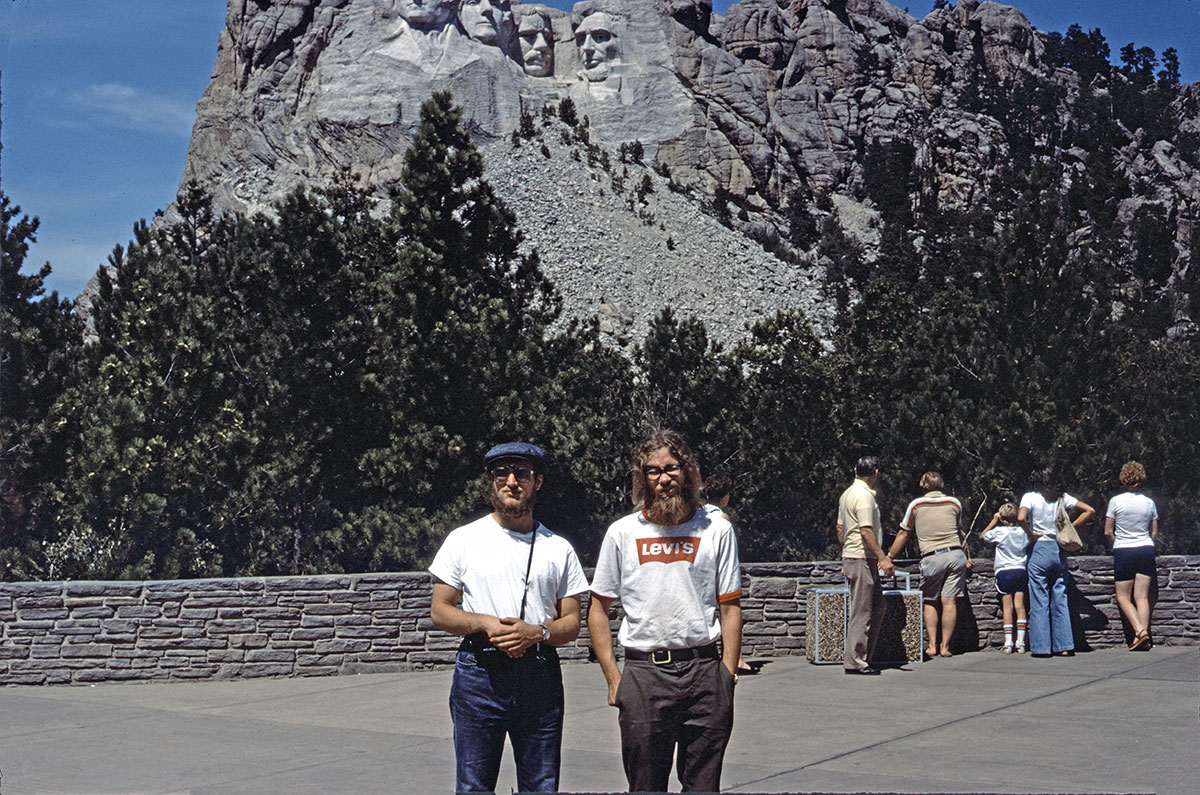
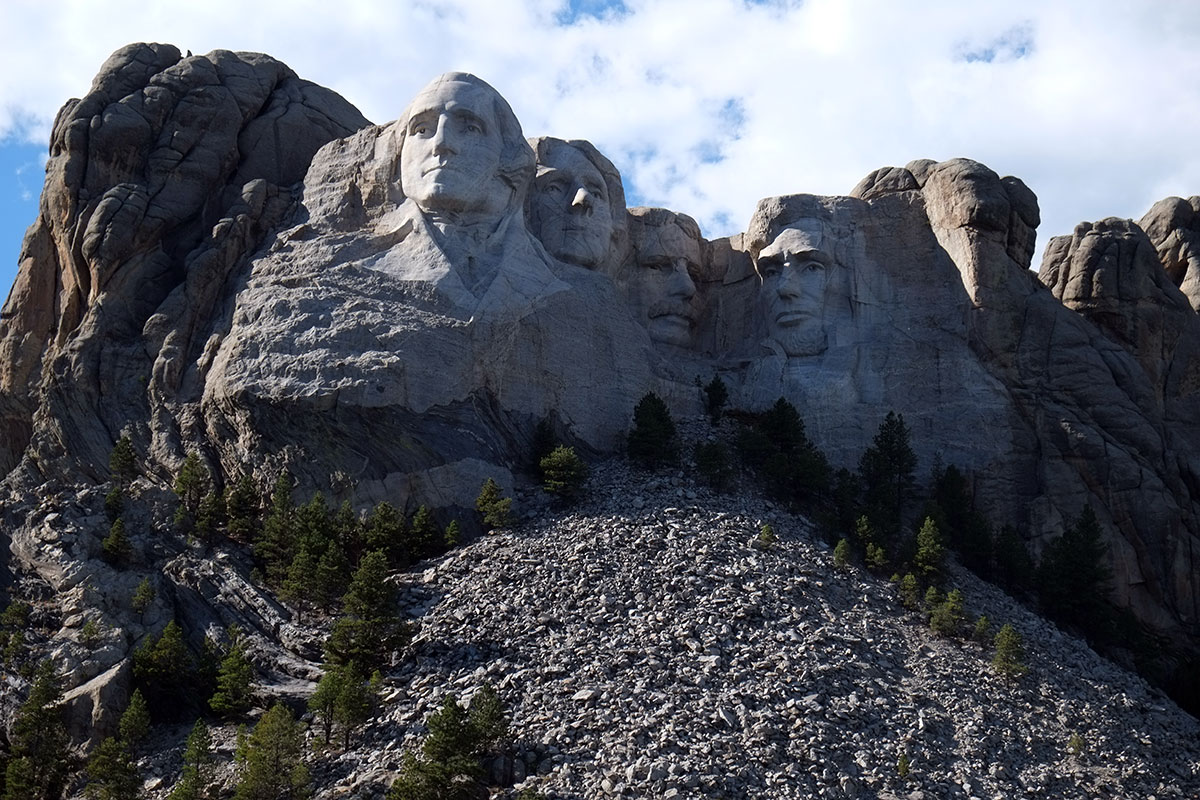
The innocence and manic silliness of this low culture kitsch contrasted with the truly horrifying, high-culture kitsch of Mt. Rushmore.  I remember the Mt. Rushmore of 30 years ago – a simple parking lot adjoining a plain terrace, from which you could gaze up at the sculptures, ponder the meaning of carving large representations of your culture’s prior canon of greatest leaders on a mountain in the center of the sacred hills of the indigenous culture whom we had subdued, and then go back to your car.

Dan and Norman on our epic 1978 cross-country drive.

It too represented a certain innocence, a time when we believed in the rightness of empire and manifest destiny, but it was what it was, a curious relic of an earlier time and sensibility.

DSCF8440

Mt. Rushmore as I remember it

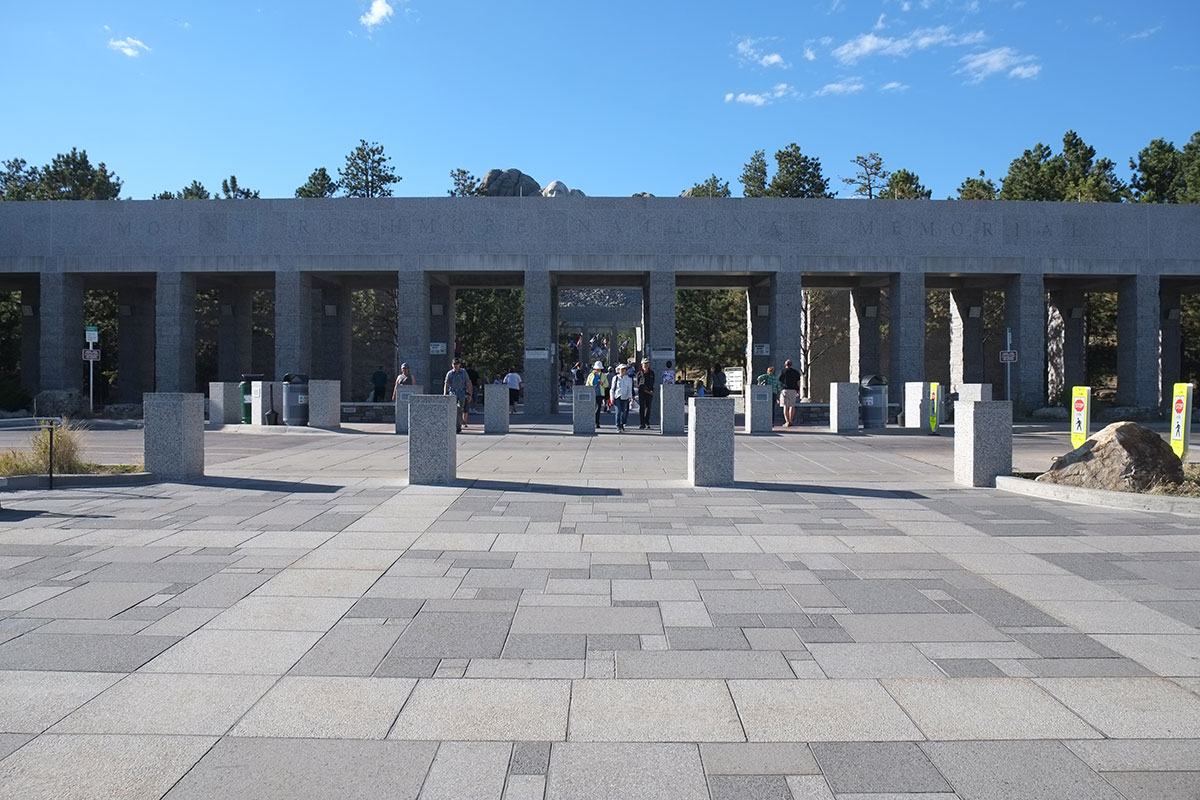
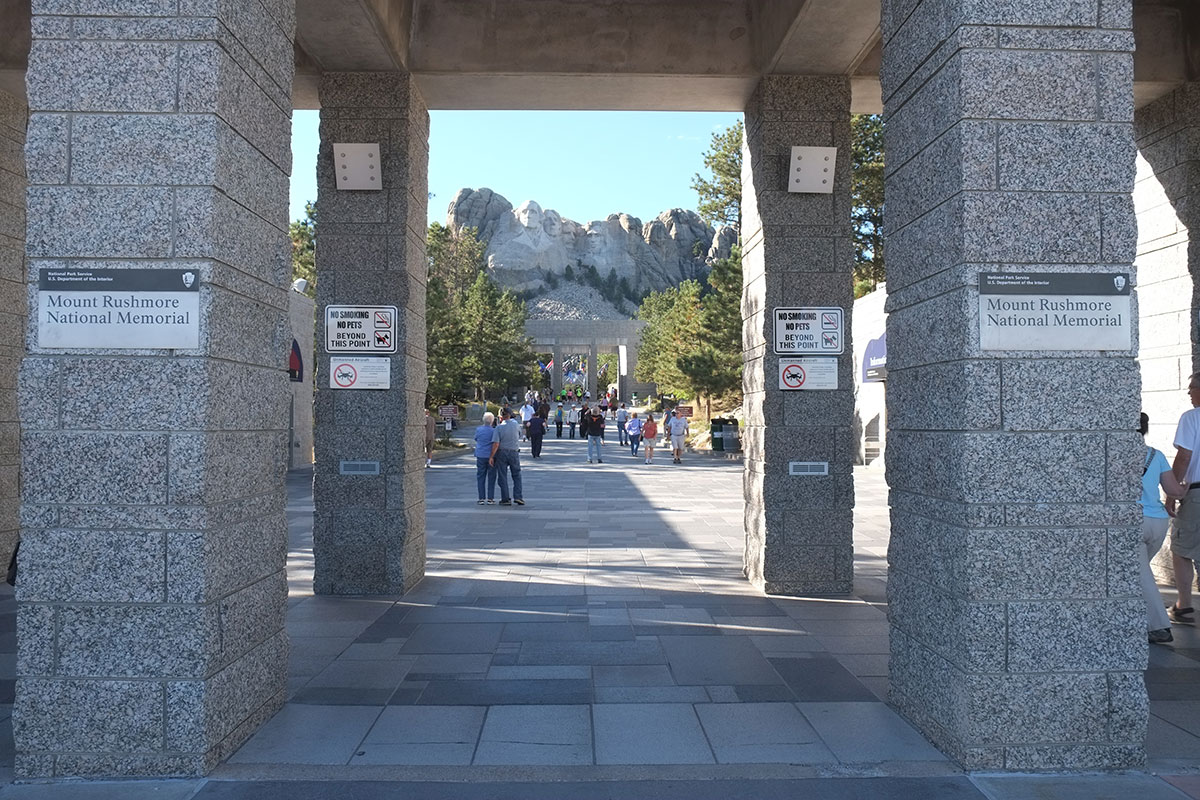
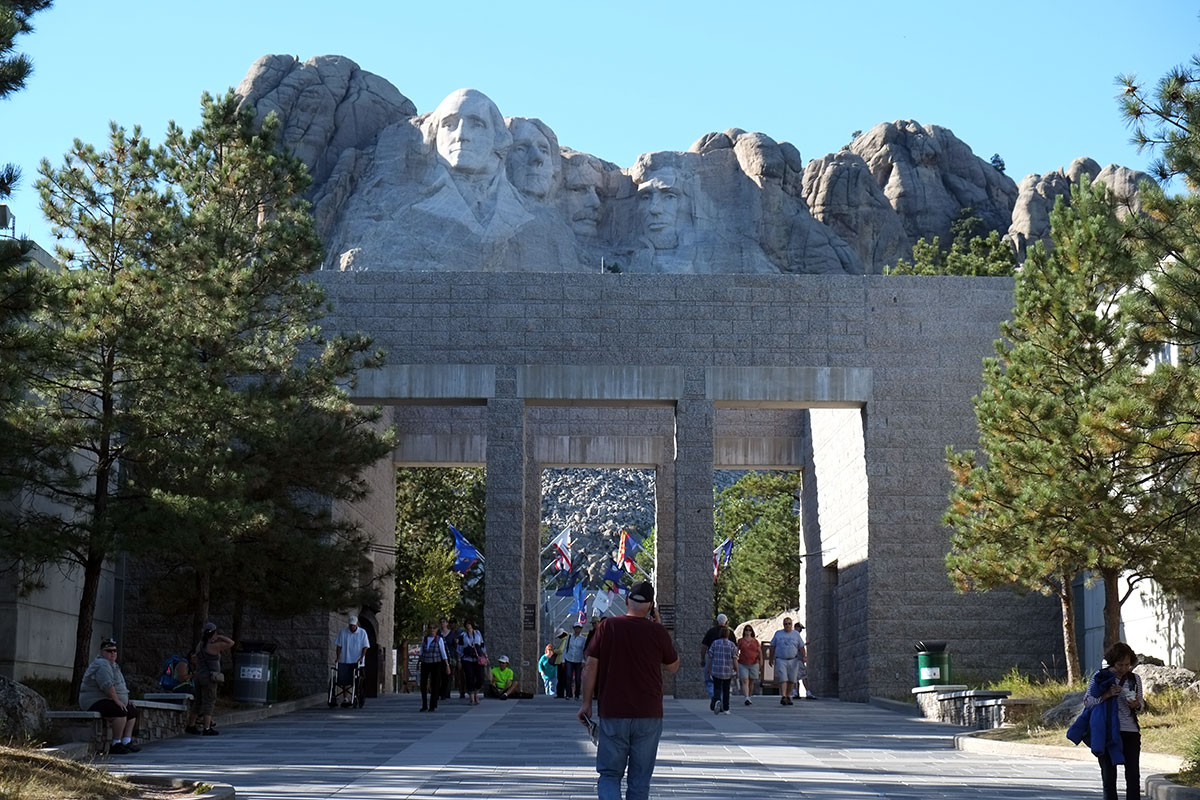
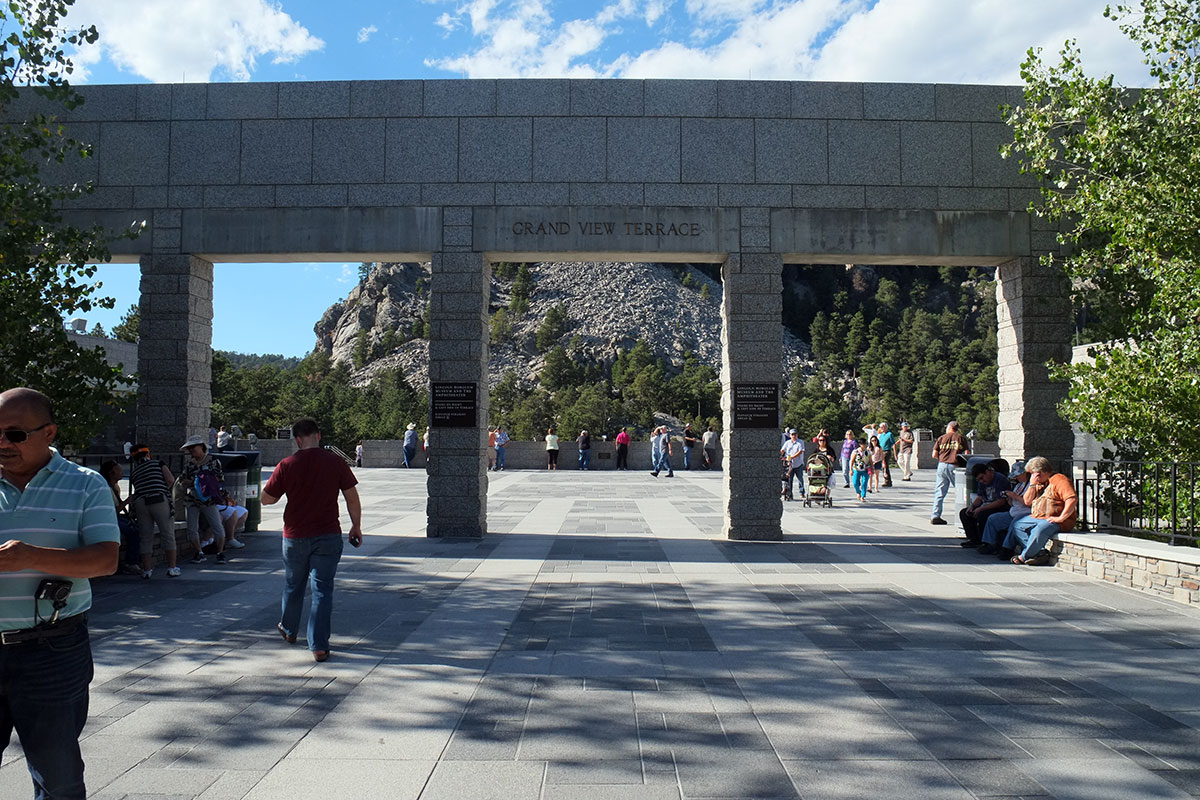
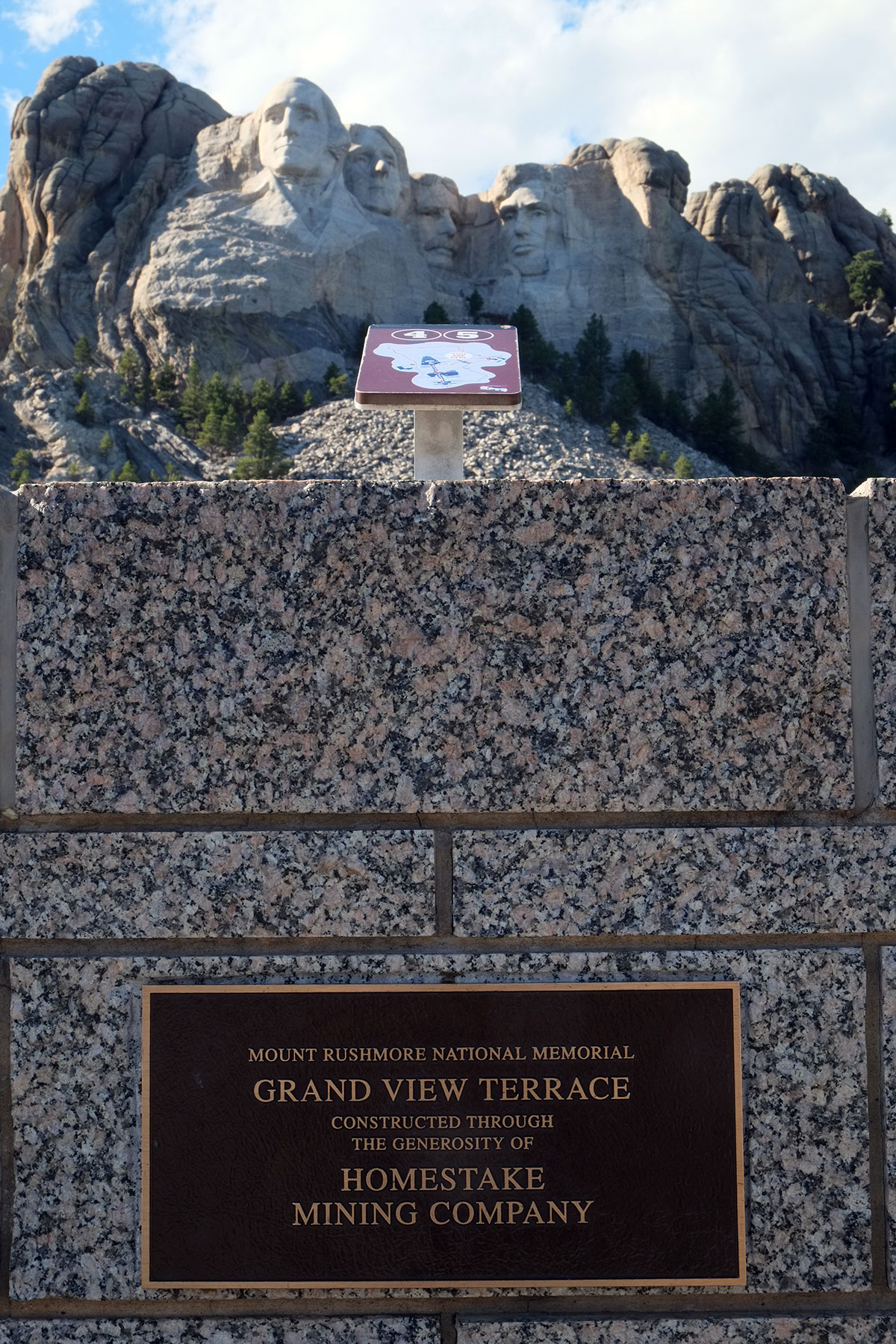
I didn’t recognize the Mt. Rushmore I found on Monday.  A confusing array of roads and ramps leading to parking garages, a very high parking fee to the concessionaire, and an extended axis of pomposity and grandiosity which rivals Mussolini’s modifications to St. Peters. I wandered confused through this landscape, wondering if somehow I had forgotten what it was like, until the truth was revealed by an endless series of inscriptions detailing the generosity of the corporate sponsors.

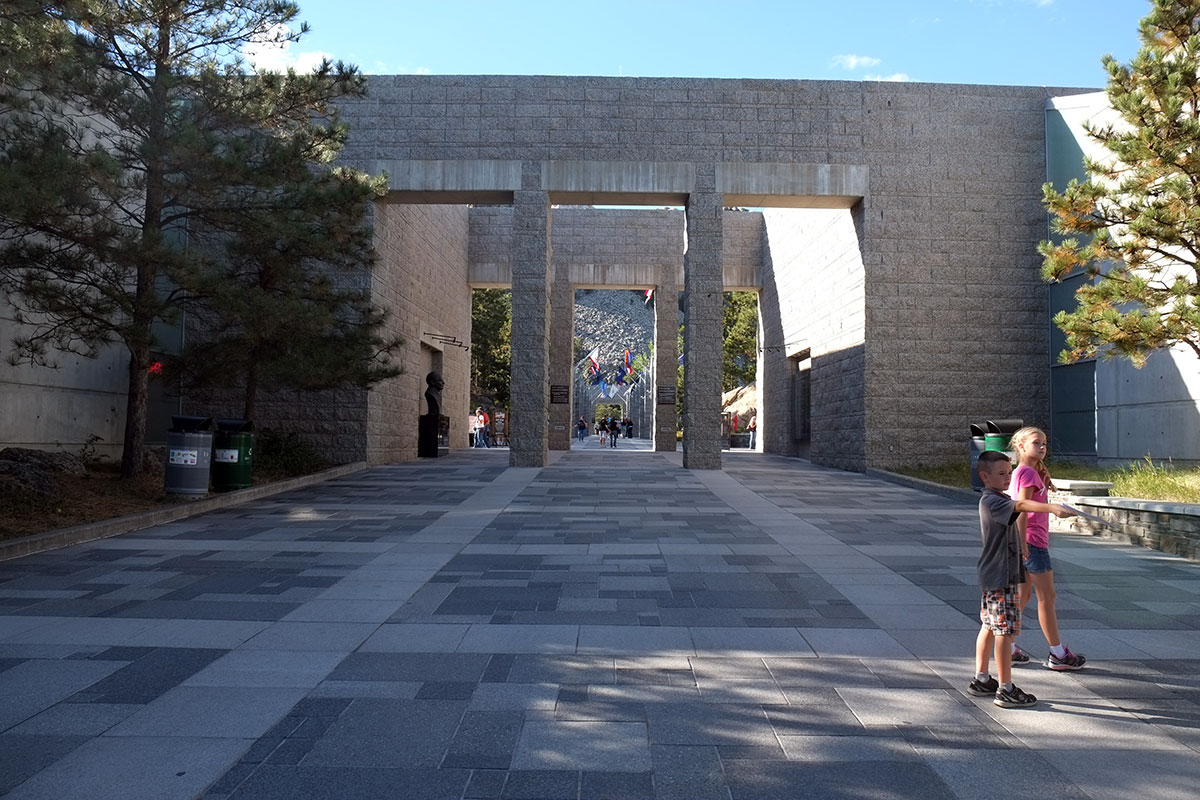
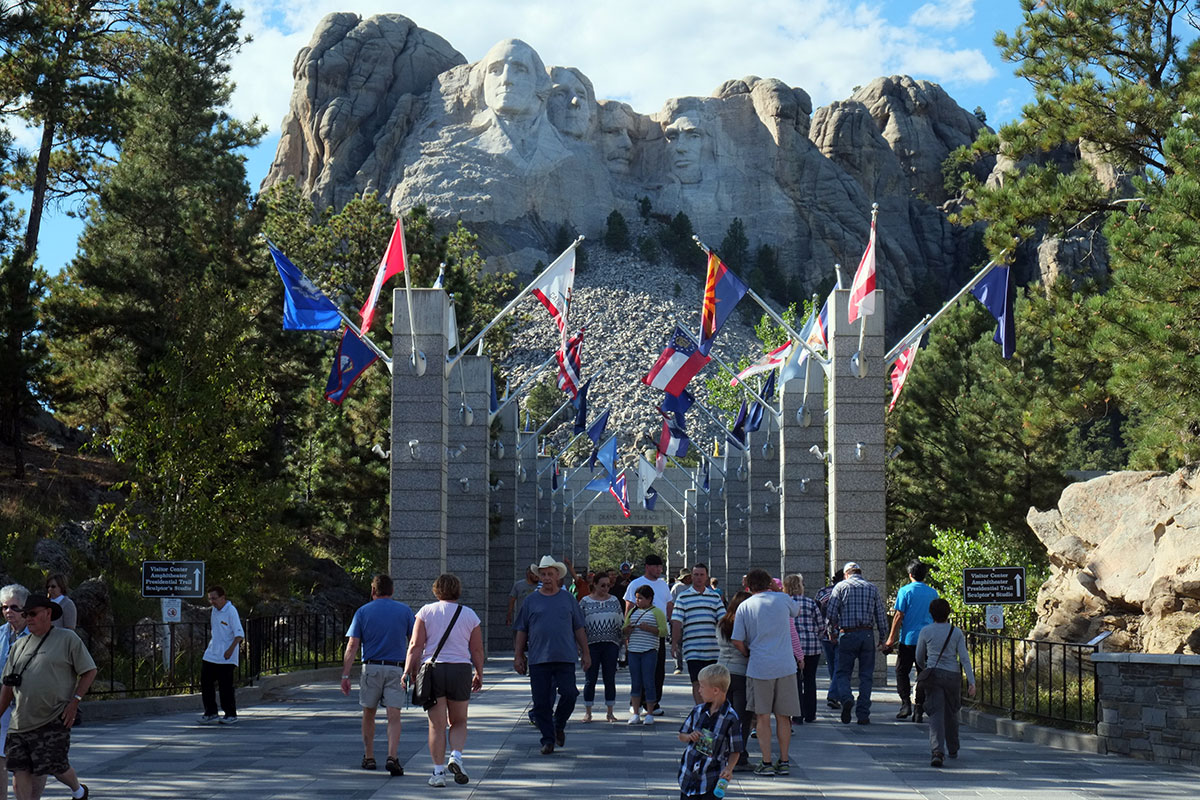
At some point in the 80s, the triumphalist, end-of-history jingoism of the Reagan-Thatcher era intersected with the neo-classisist pretensions of bad postmodernism, to produce an environment that called to mind the Nazi Reichsparteitagsgelände of Nuremberg, where the scenographic design was used to reinforce the power of the state.  In contrast to the informality of the hills and the intentional asymmetry of the sculpture, a rigid axis crossed by a seemingly endless and repetitive series of screen colonnades had been constructed to contain one’s view, and focus all attention on the end of the axis, which is actually diminished and belittled by the bombastic banality of the surroundings.

DSCF8483

The axis begins.

DSCF8482

and goes on

DSCF8481

and on

DSCF8477

and on

DSCF8463

and on

DSCF8458

and on

finally.

You reach the end of the axis and looking over the low wall, discover an amphitheater sunk below, doubtless for the enactment of patriotic rituals. The echo of fascism seen in the formal design is reinforced by the omnipresent celebration of corporate sponsorship, and the union of oligarchic government and global capitalism is enacted in a manner that is eerily familiar; it appears that Albert Speer Jr. was employed as the architect.  Right at the end of the axial movement there is a juxtaposition of elements that could not be clearer in its meaning – one can only hope that a subversive designer put it there to make sure that we understood the meaning.

DSCF8457

culminating in..

After this deeply depressing exposure to an image which captured what is most hypocritical and corrupt in our society, the carefree kitsch of Wall Drug was a breath of fresh air, a reminder that outside of the military-industrial-corporate hegemony, there are simple human impulses towards showmanship, entertainment and hucksterism.

DSCF8535

Meanwhile, back at Wall Drug

2020 update:  Five years after this post, its prescience has, alas, only been borne out too clearly.  The difference between the US and Germany is simply that there the dictator and his followers constructed elaborate stage sets for the performance of their dominance, whereas here, the stage set was constructed by an earlier generation of oligarchs, and the tin-pot dictator could simply stroll in and claim it.  

Old Faithful Inn

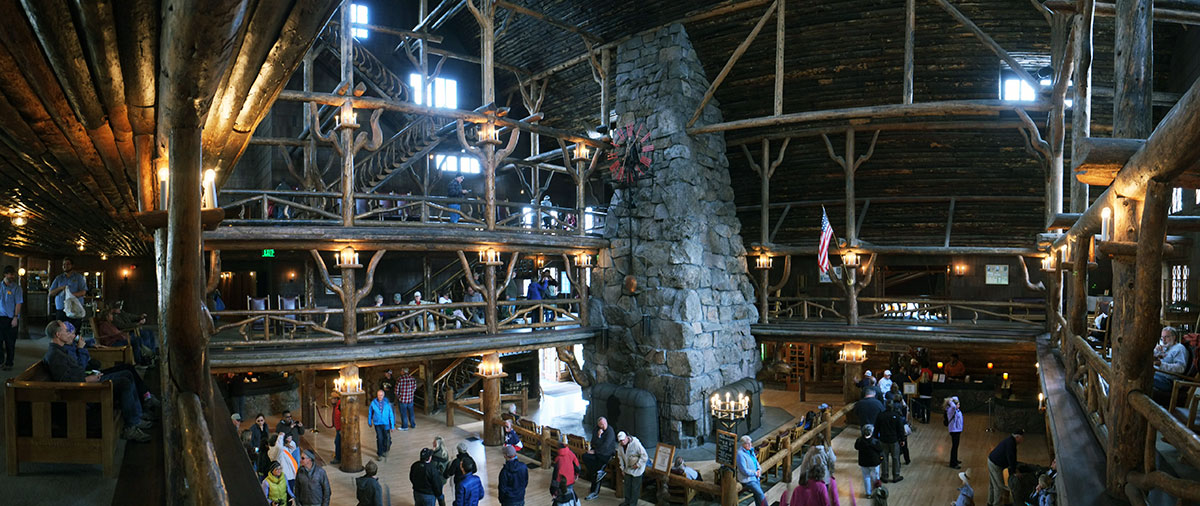
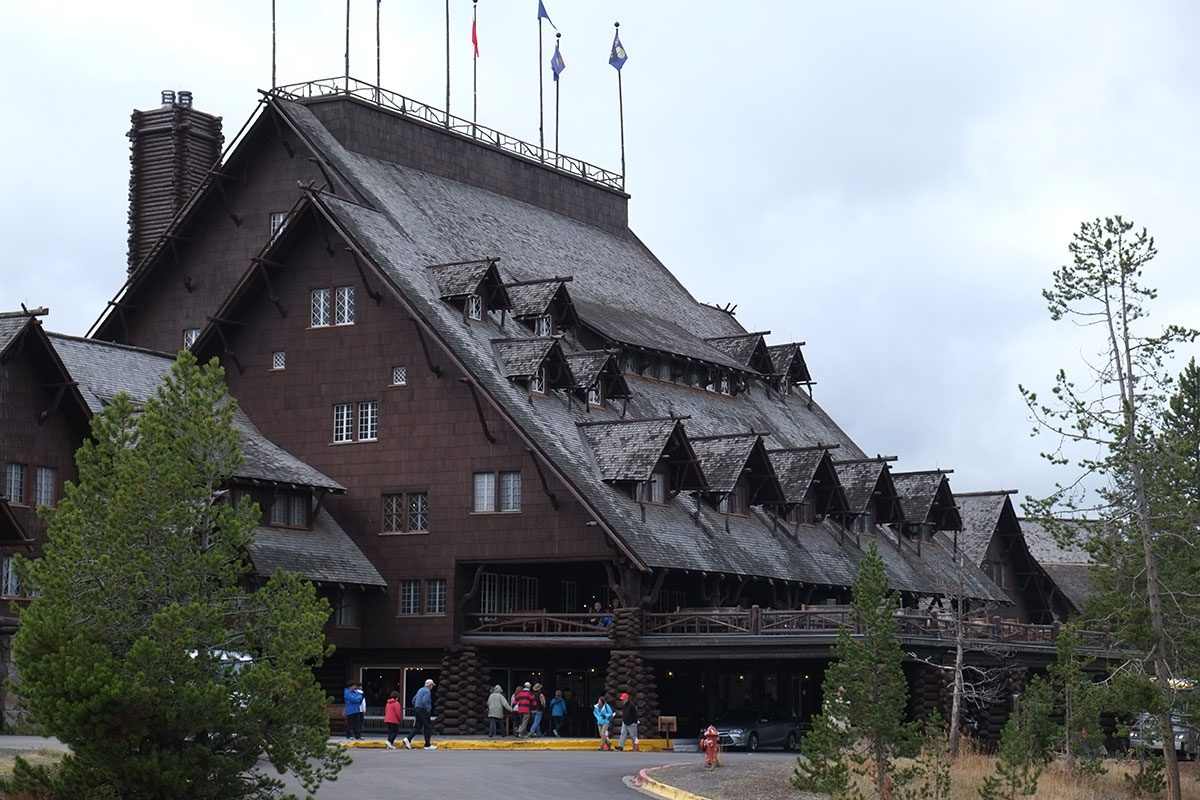
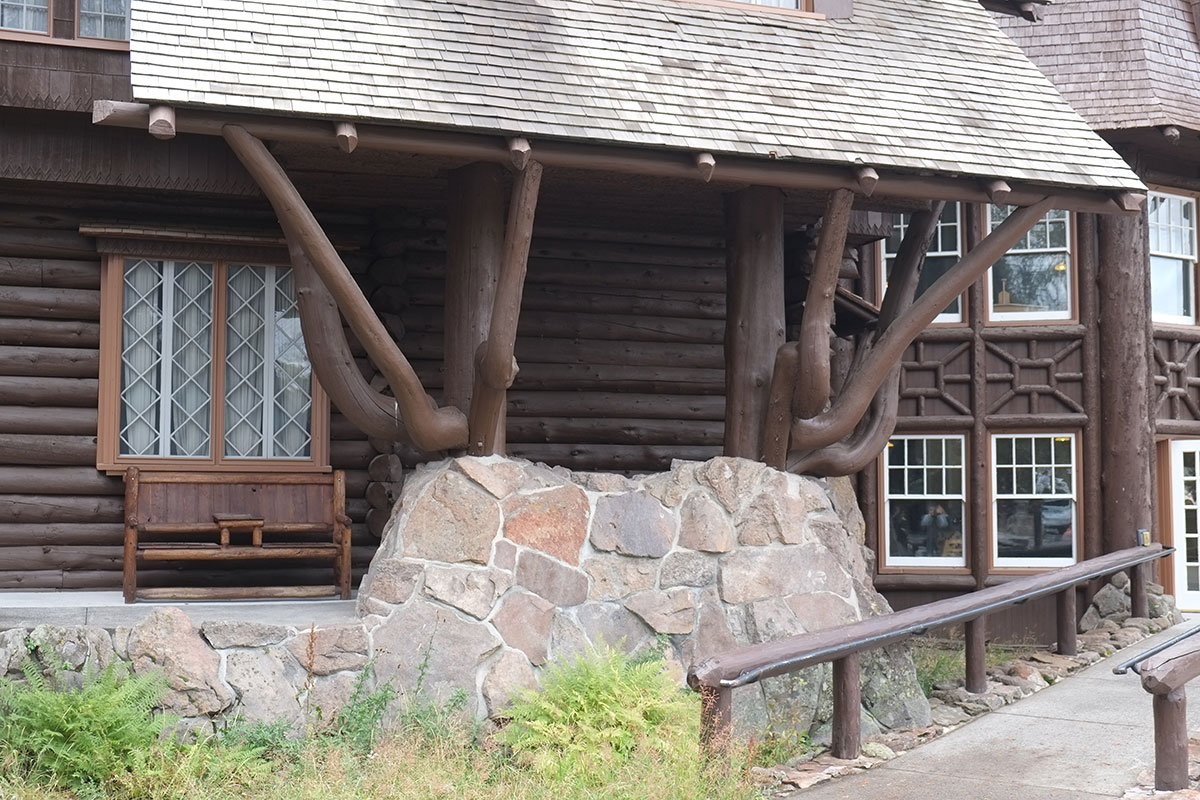
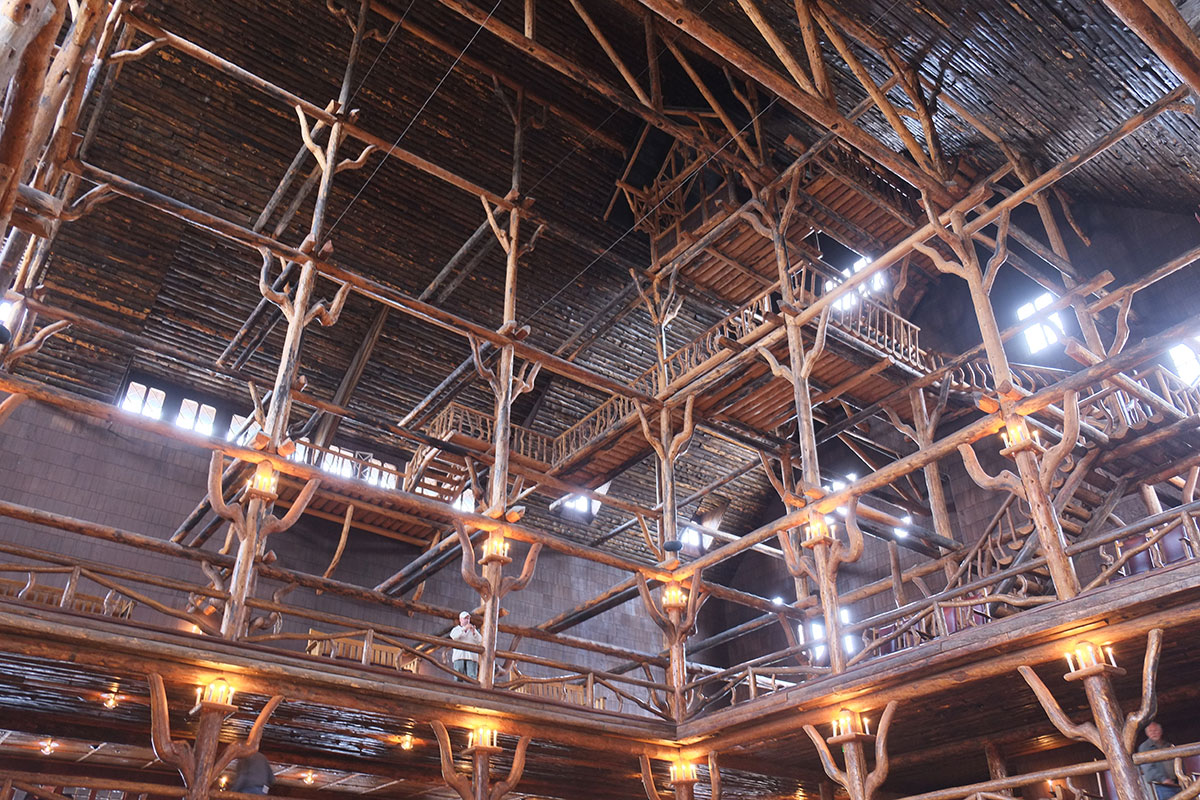
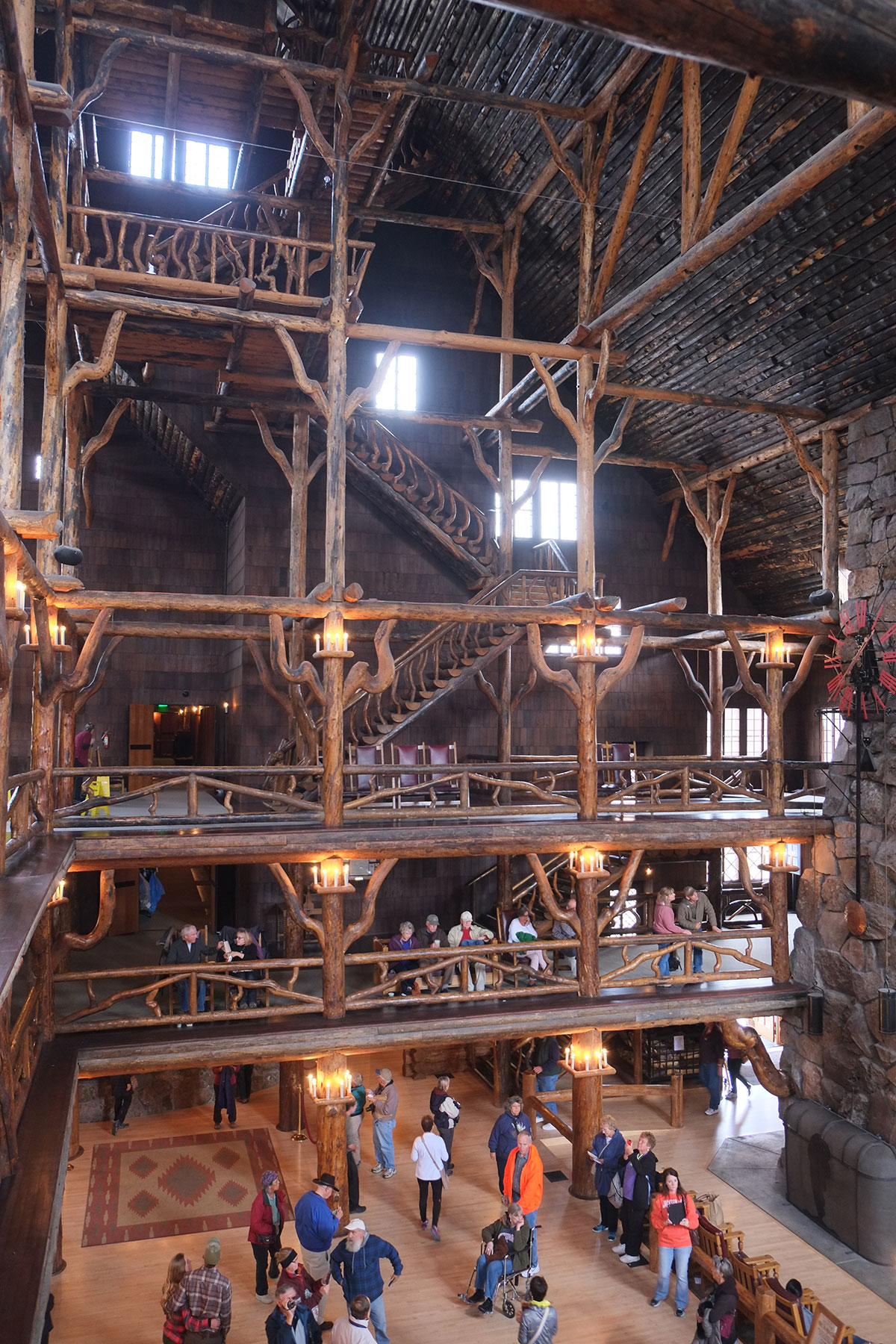
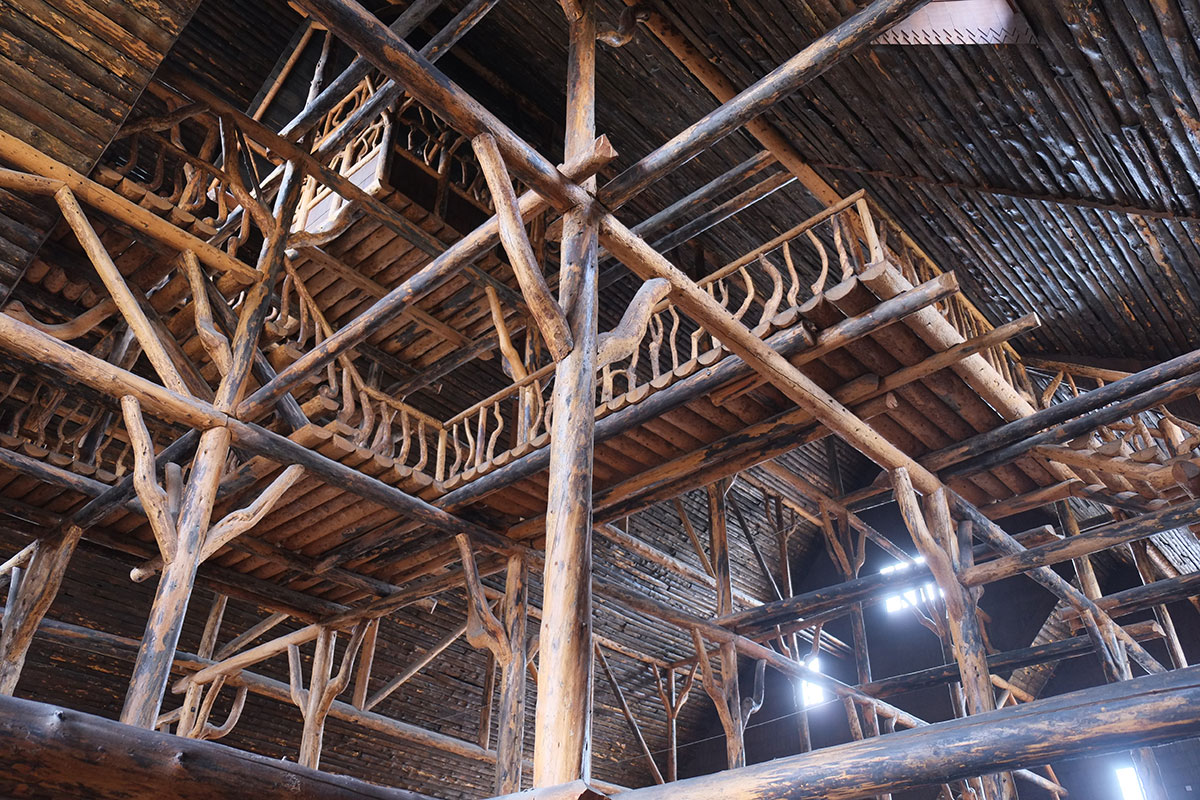
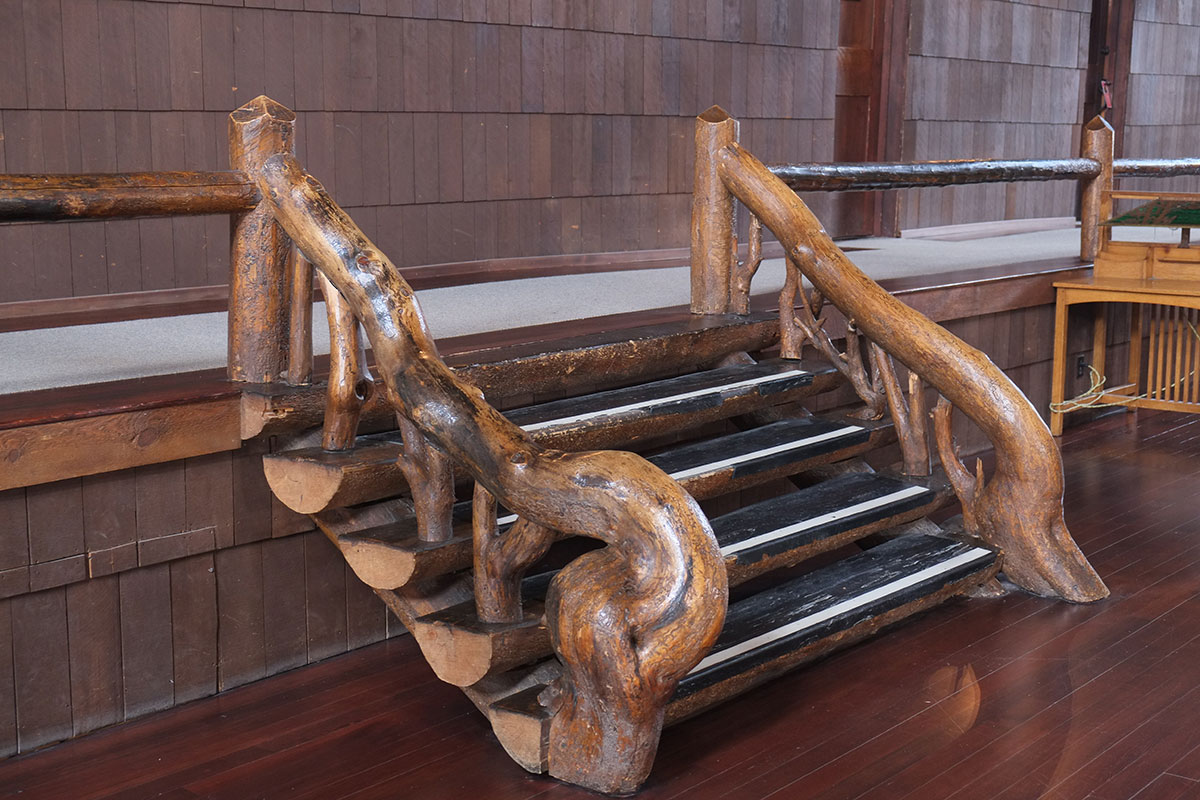
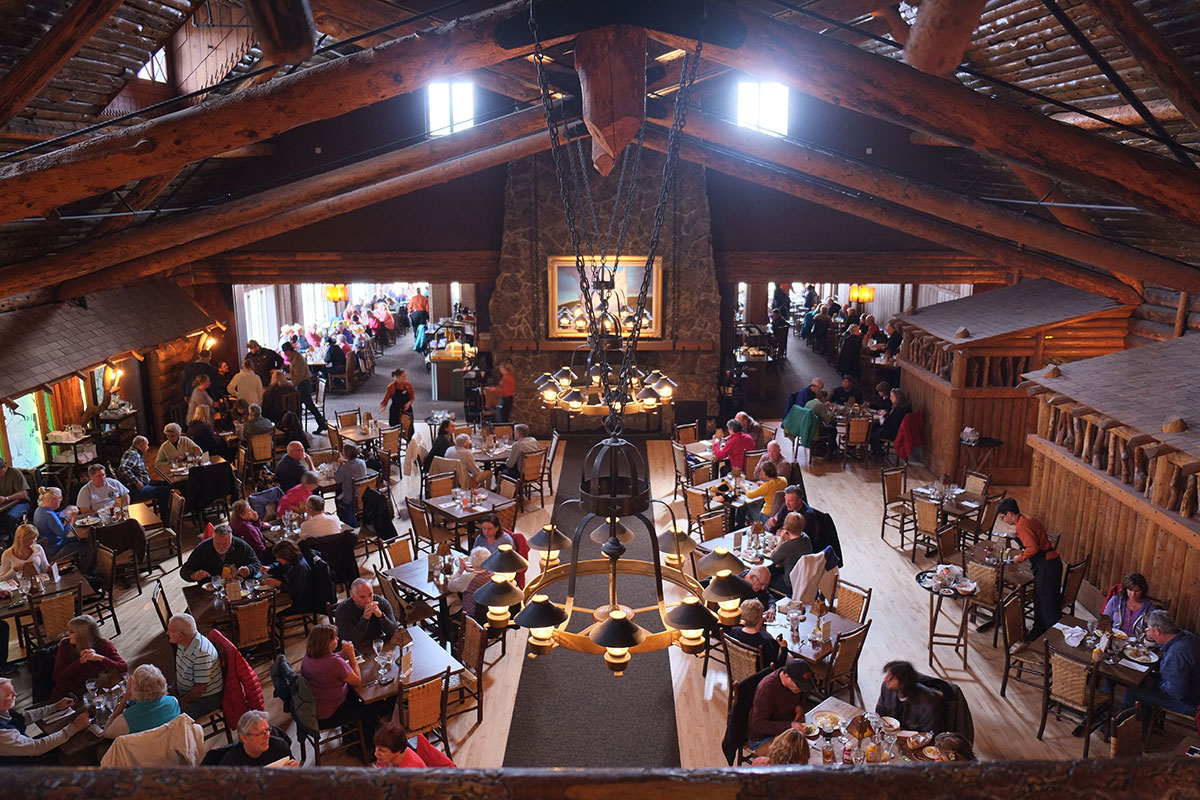
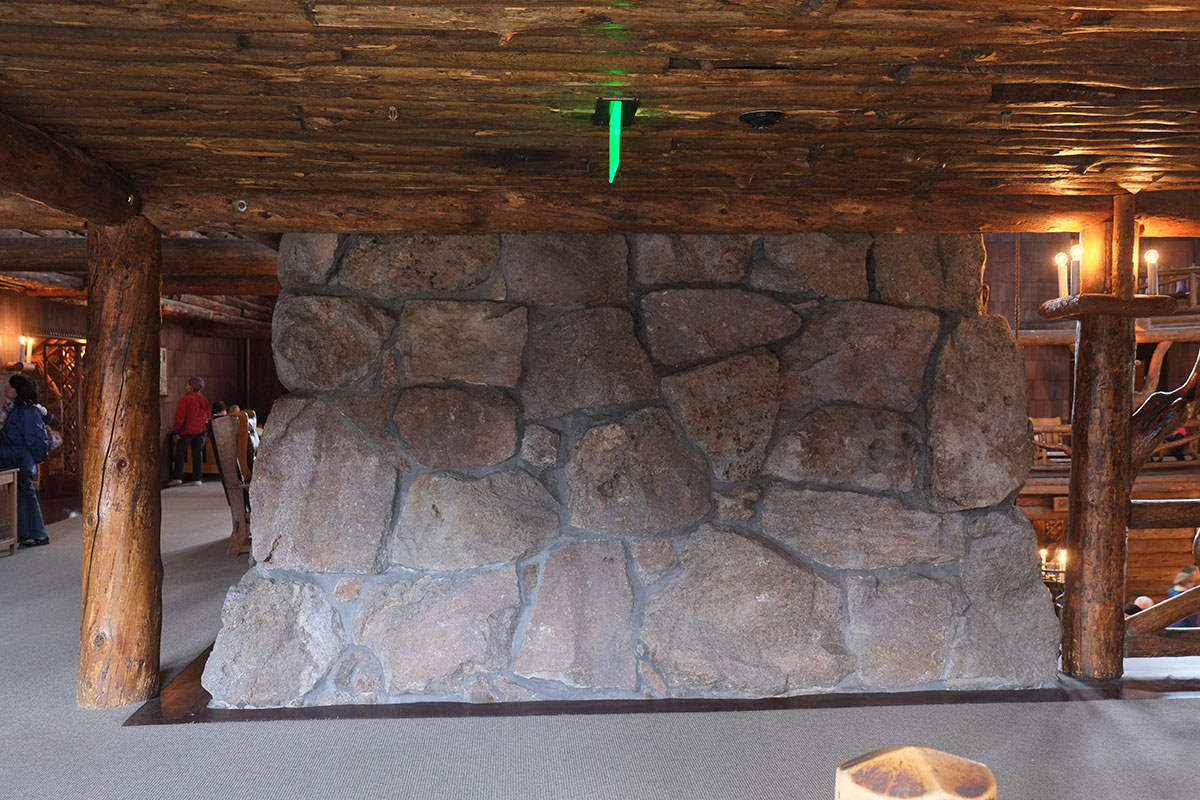
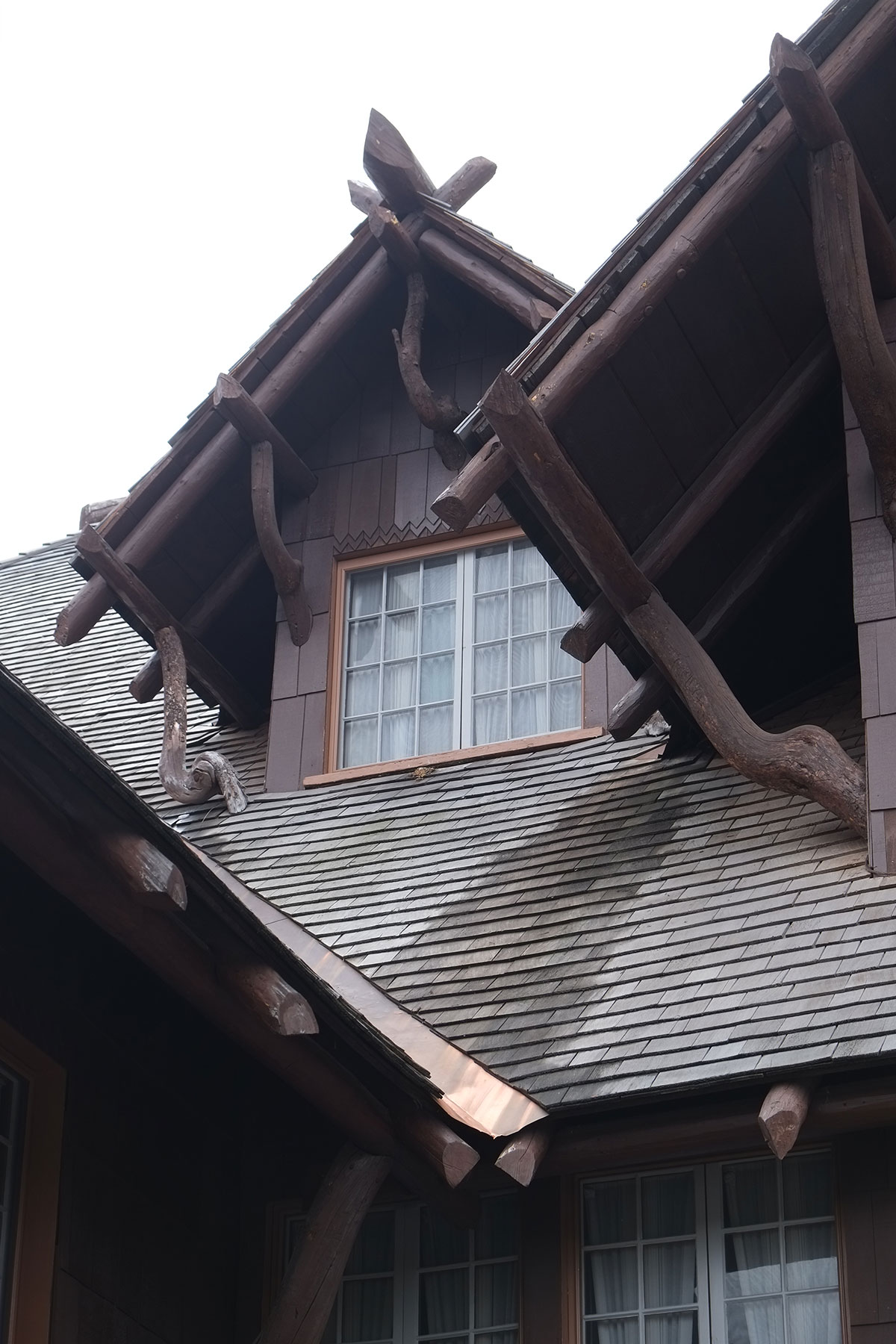
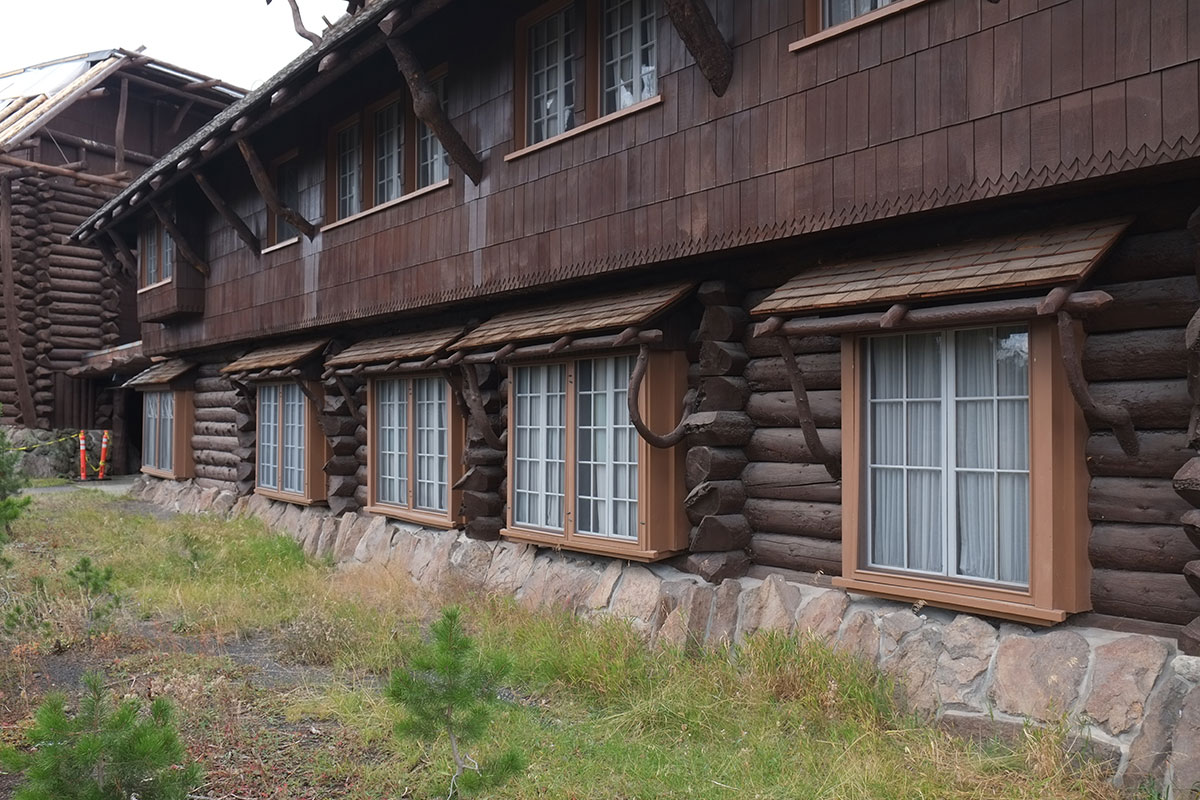
DSCF8151September 18 – Old Faithful Inn.   I saw this building when I was twelve and loved it, but I didn’t realize how good it was until now.  A simple pure shape enclosing tremendous spatial complexity, detailing, order, imagination.  It’s Piranesi Goes Western.DSCF8091 DSCF8137 DSCF8141 DSCF8160 DSCF8172 DSCF8179 DSCF8182 DSCF8187 DSCF8191 DSCF8199 DSCF8204